Artwork
Portrait of a Girl
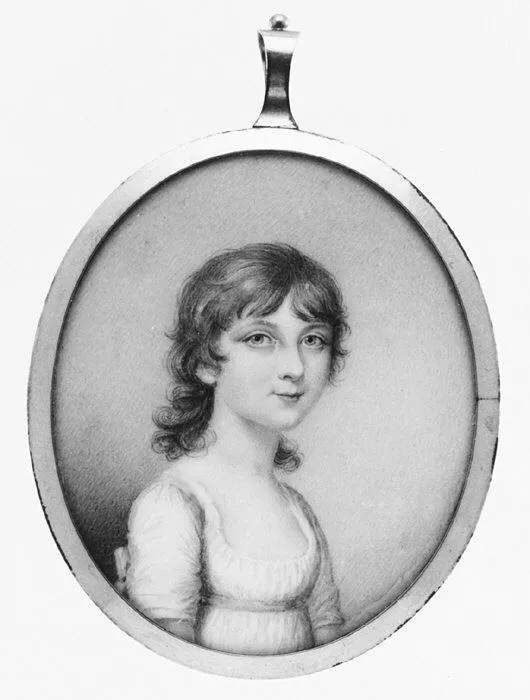
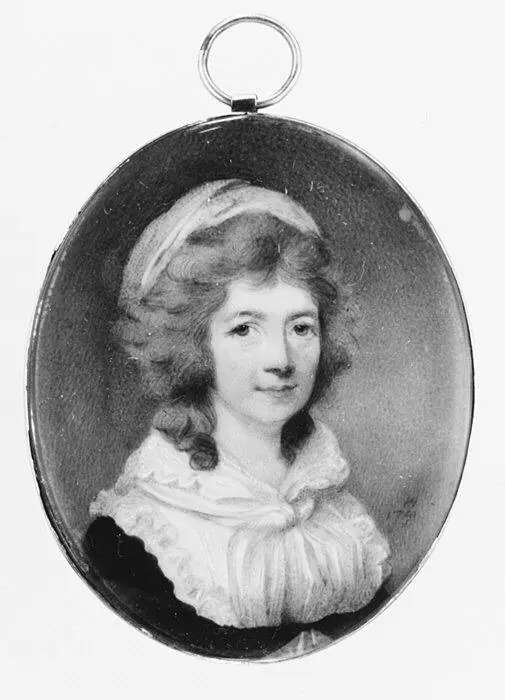
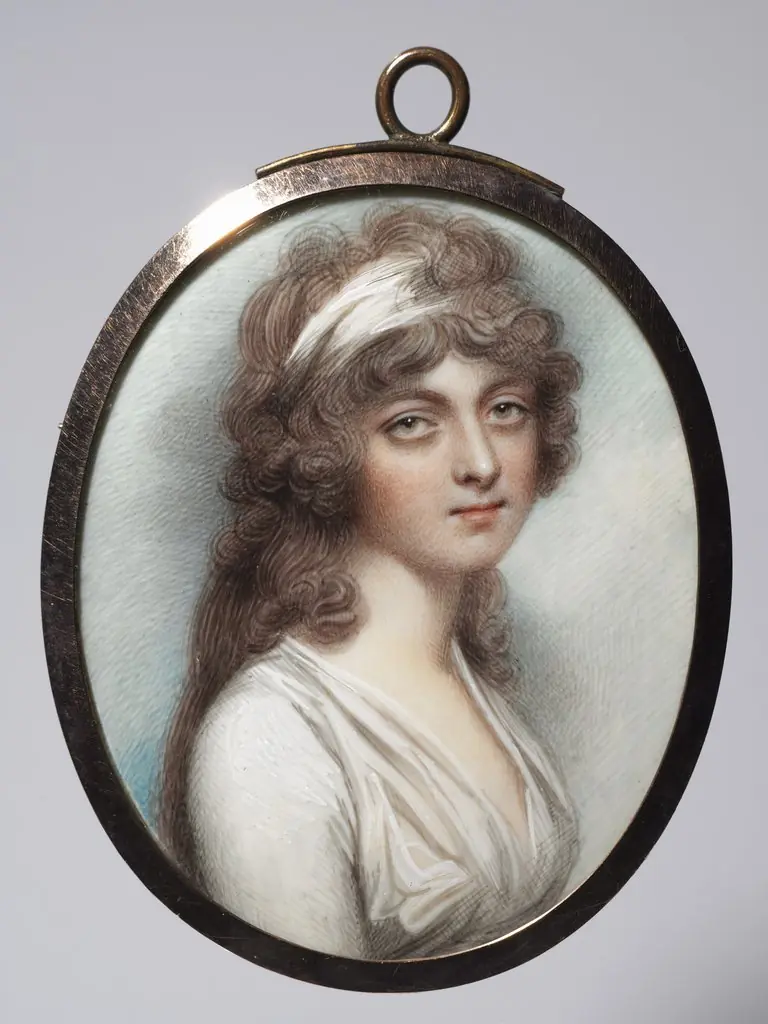
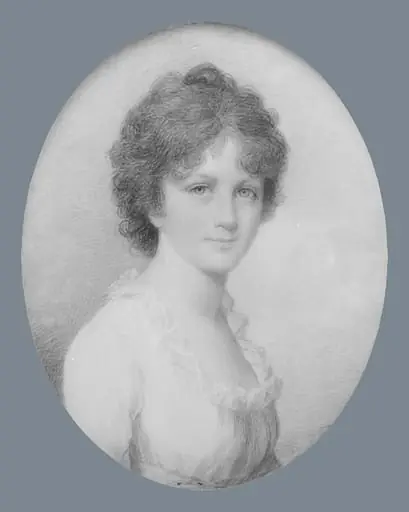
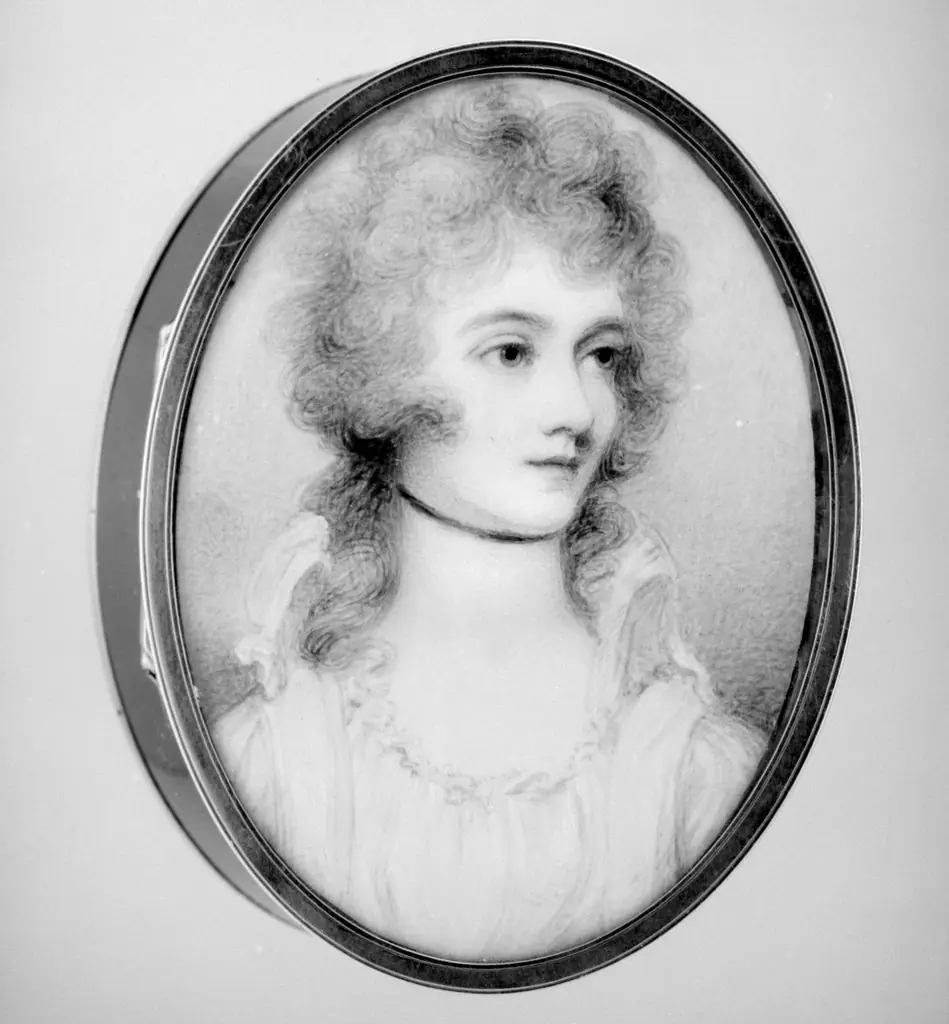
Portrait of a Girl is an unspecified painting by the Neoclassicist artist Sampson Towgood Roch. It dates from 1796 and is held in the collection of the Metropolitan Museum of Art.
About this work
Overview
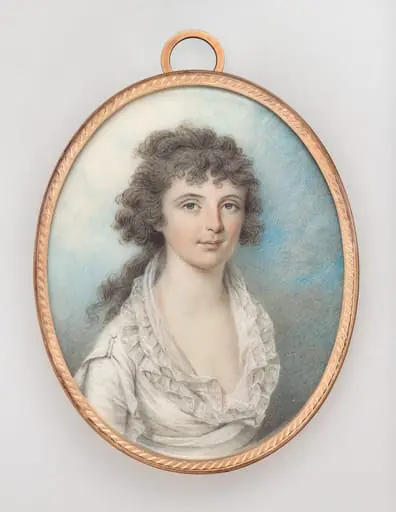
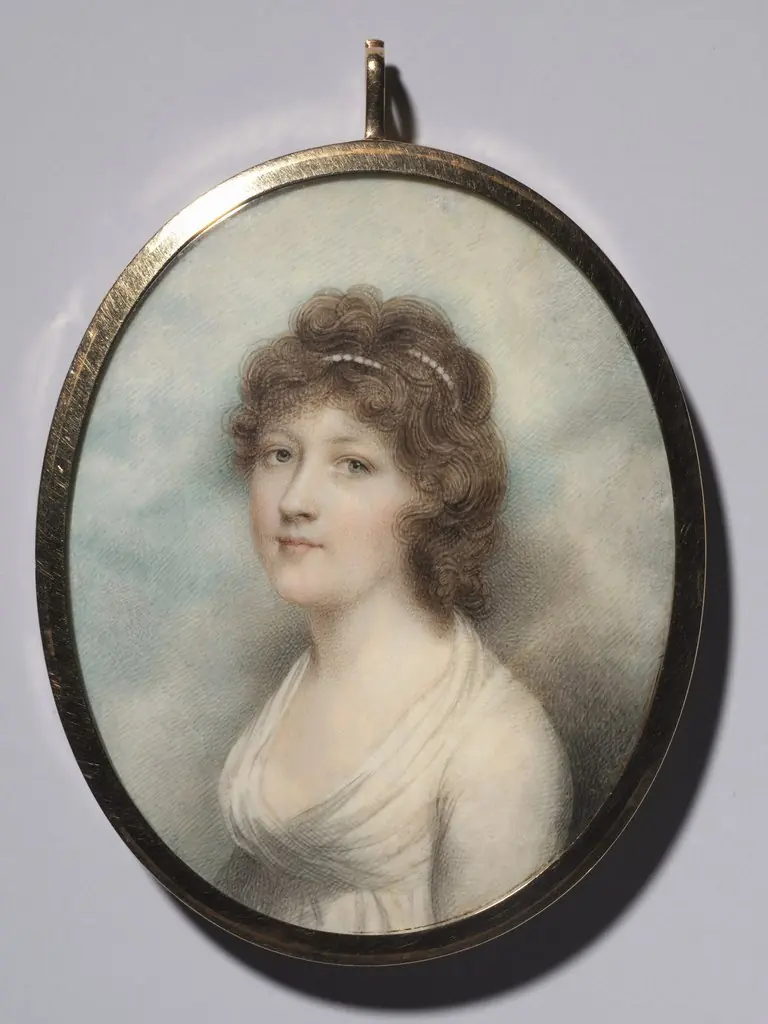
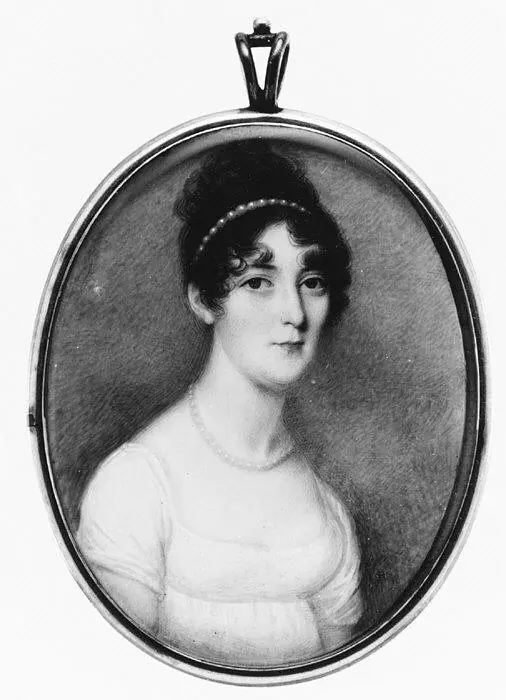
Sampson Towgood Roch completed Portrait of a Girl in 1796. This painting, now part of The Metropolitan Museum of Art's collection, presents a young female subject. The artwork is characterized by its distinctive circular format, which frames the sitter's upper body and draws the viewer's gaze directly to her presence.
Subject & Meaning
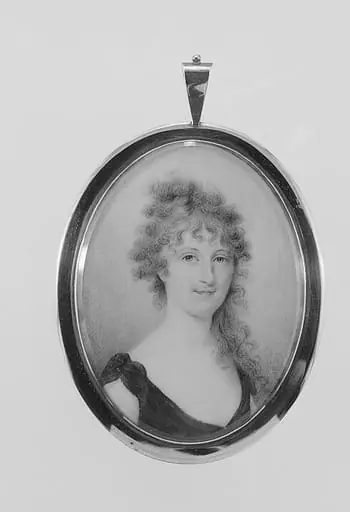
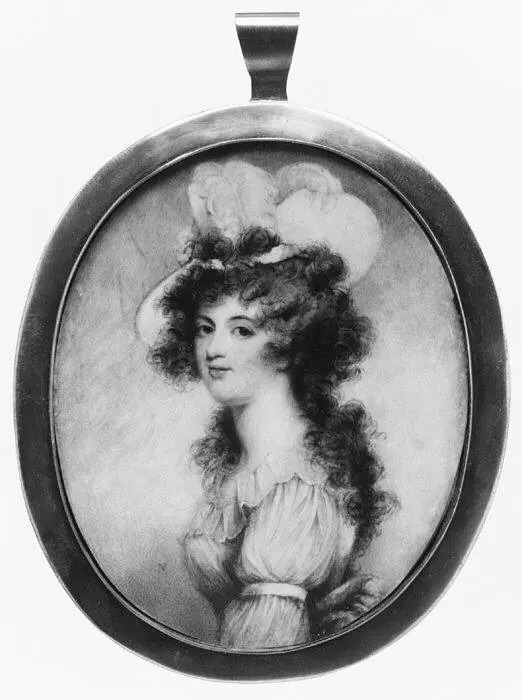
The painting features a young girl, rendered from the waist upward within a circular frame. She wears a white dress with a low neckline and long sleeves, suggesting contemporary fashion. Her dark hair is styled in loose curls, framing her face. The simplicity of her attire and expression contributes to a direct and unembellished portrayal of the sitter.
Technique & Style
This method effectively models the girl's features and the folds of her white dress, making them appear to emerge from the flat, neutral space.
Roch employed a plain gray background to ensure the viewer's focus remained on the girl. The artist utilized chiaroscuro, a technique involving strong contrasts between light and dark, to create a sense of three-dimensionality. This method effectively models the girl's features and the folds of her white dress, making them appear to emerge from the flat, neutral space. The circular format further enhances the intimate nature of the depiction.
Artist & collection