Artwork
Still Life: Balsam Apple and Vegetables
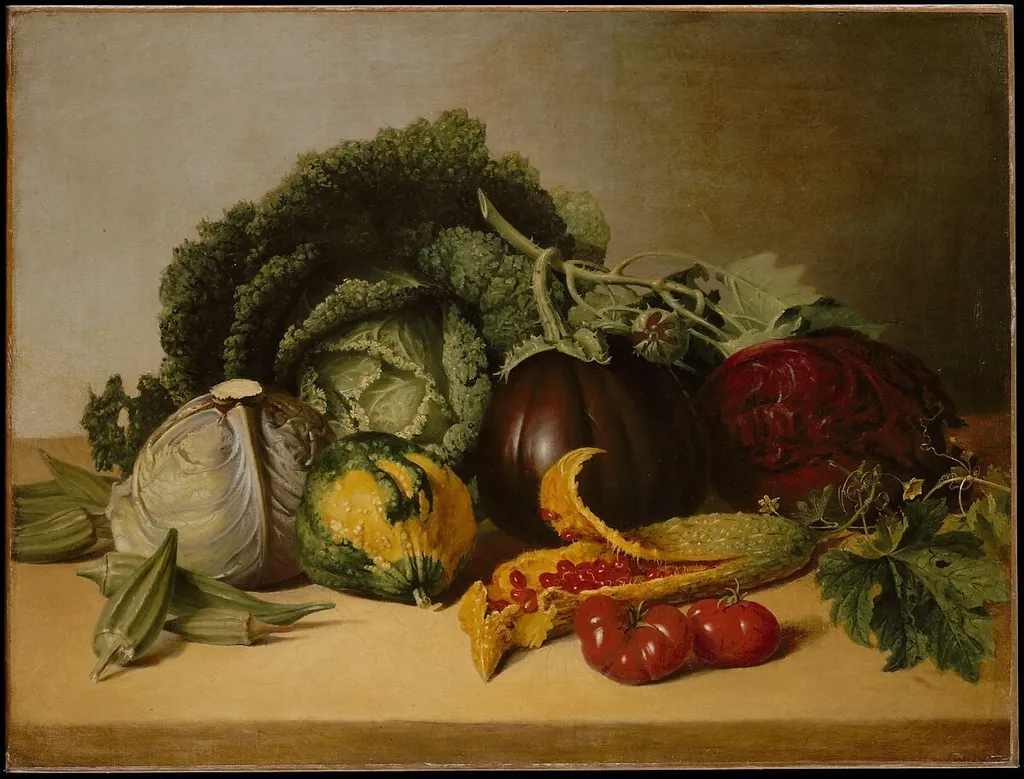
Still Life: Balsam Apple and Vegetables is an oil painting by the American Folk Art artist James Peale. It dates from 1824 and is held in the collection of the Metropolitan Museum of Art.
About this work
Ripe tomatoes, a bumpy balsam apple, onions, and a striped squash sit on a wooden table in soft, even light. James Peale painted it in 1824, among the first American artists to focus on everyday vegetables rather than imported fruit. The tropical balsam apple was a rarity then.
Subject & Meaning
The work presents a meticulously arranged assortment of vegetables that serve as its primary subject, including okra, blue‑green cabbage, savoy cabbage, Hubbard squash, eggplant, balsam apple, tomato and purple‑red cabbage, arranged from left to right across the tabletop. This selection reflects an early‑19th‑century interest in botanical accuracy and may symbolize abundance or the transient nature of material wealth, while the composition echoes Spanish still‑life traditions that Peale admired. The painting, executed in oil on canvas in 1818, is regarded as Peale’s finest still life and was created as an experimental exercise during the height of his career, currently housed in the Metropolitan Museum of Art.
Technique & Style
It is presently exhibited at the Metropolitan Museum of Art and is regarded as Peale’s finest still life.
Still Life: Balsam Apple and Vegetables is an oil on canvas work measuring approximately 51.4 × 67.3 cm, painted in 1818 by James Peale. The support consists of a canvas prepared for oil paint, and the composition arranges a selection of vegetables, including okra, cabbage, squash, eggplant, balsam apple, and tomato, on a tabletop. The painting was created as an experimental exercise during Peale’s mature period and reflects the influence of Spanish still‑life traditions through its focus on vegetables.
It is presently exhibited at the Metropolitan Museum of Art and is regarded as Peale’s finest still life.
History & Provenance
Still Life: Balsam Apple and Vegetables was painted by James Peale in 1818 as an oil on canvas work. The painting was produced during the height of Peale’s career and was likely executed as an experimental study within the American still‑life tradition. It entered the collection of the Metropolitan Museum of Art shortly after its creation, where it remains on view in the American Wing.
The work is dated to 1818, a date confirmed by catalog records. Its provenance is limited to its creation by Peale and subsequent acquisition by the museum, with no documented earlier owners.
James Peale's 1818 oil painting, Still Life: Balsam Apple and Vegetables, is held in the collection of the Metropolitan Museum of Art in New York, specifically within its American Wing. The work is currently on public display at the institution. While the provided sources confirm the museum's possession and the painting's exhibition status, they do not specify a unique inventory or accession number for the piece.
Furthermore, the available documentation does not record a detailed exhibition history, such as specific loan dates or past shows, beyond its ongoing presentation at the Metropolitan Museum of Art.
Context
James Peale's 1818 oil on canvas Still Life: Balsam Apple and Vegetables is classified within the American Wing's still‑life genre and resides in the Metropolitan Museum of Art. Scholars consider it Peale's finest still life, emphasizing its experimental character and reference to Spanish Baroque still‑life models. The composition assembles okra, several cabbage varieties, Hubbard squash, eggplant, balsam apple, and tomato on a tabletop, underscoring early‑American botanical precision and modest luxury. This arrangement exemplifies how Peale helped shape a uniquely American still‑life tradition within the broader neoclassical context.
Legacy
The painting is widely recognized as James Peale's most accomplished still life, a status that has contributed to his enduring reputation within American art history. Its inclusion in The American Wing at the Metropolitan Museum of Art ensures continued public and scholarly attention, reinforcing its role as a benchmark for early American still-life painting. The work’s detailed rendering of vegetables, noted for its similarity to Spanish still-life traditions, has been referenced in studies of 19th‑century American genre painting, underscoring its lasting influence on the development of the genre.
Overview
James Peale's "Still Life: Balsam Apple and Vegetables," an oil on canvas from the early 1800s, presents a collection of common produce arranged on a table. This work is considered a significant achievement within the artist's still life output, showcasing his ability to render everyday subjects with notable skill. The painting is currently part of the collection at the Metropolitan Museum of Art.
Artist & collection

Artist
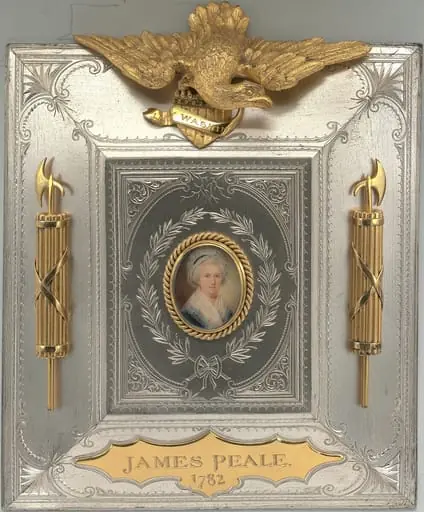
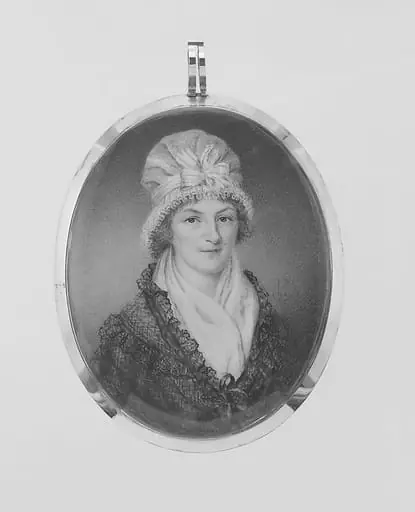
James Peale (1749 – May 24, 1831) was an American painter, best known for his miniature and still life paintings, and a younger brother of noted painter Charles Willson Peale.


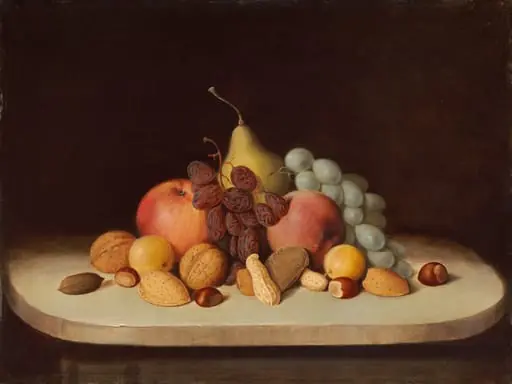 Still Life with Fruit and Nuts
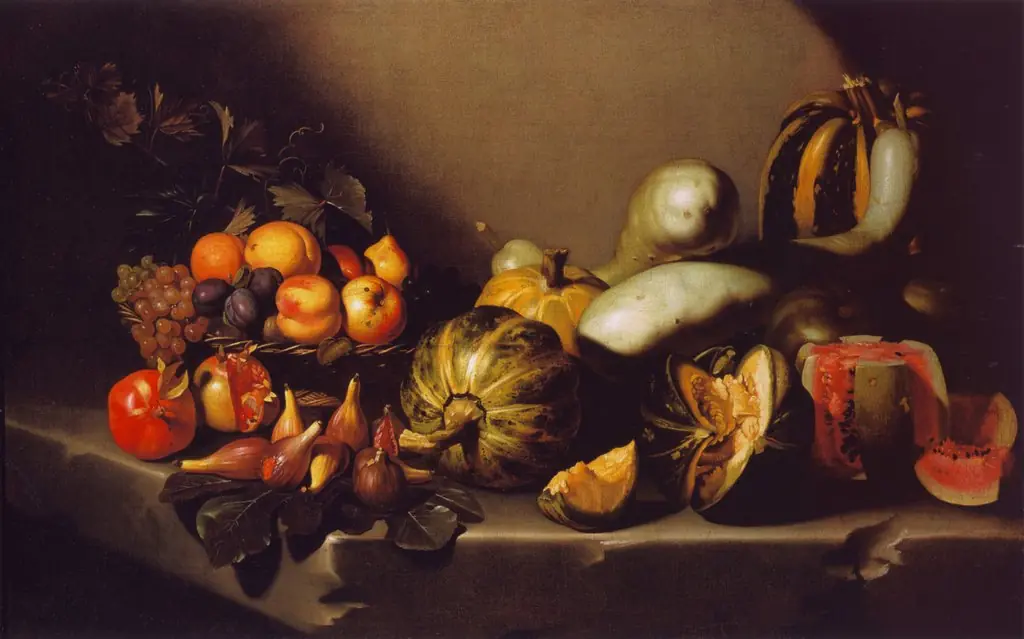 Still Life with Fruit
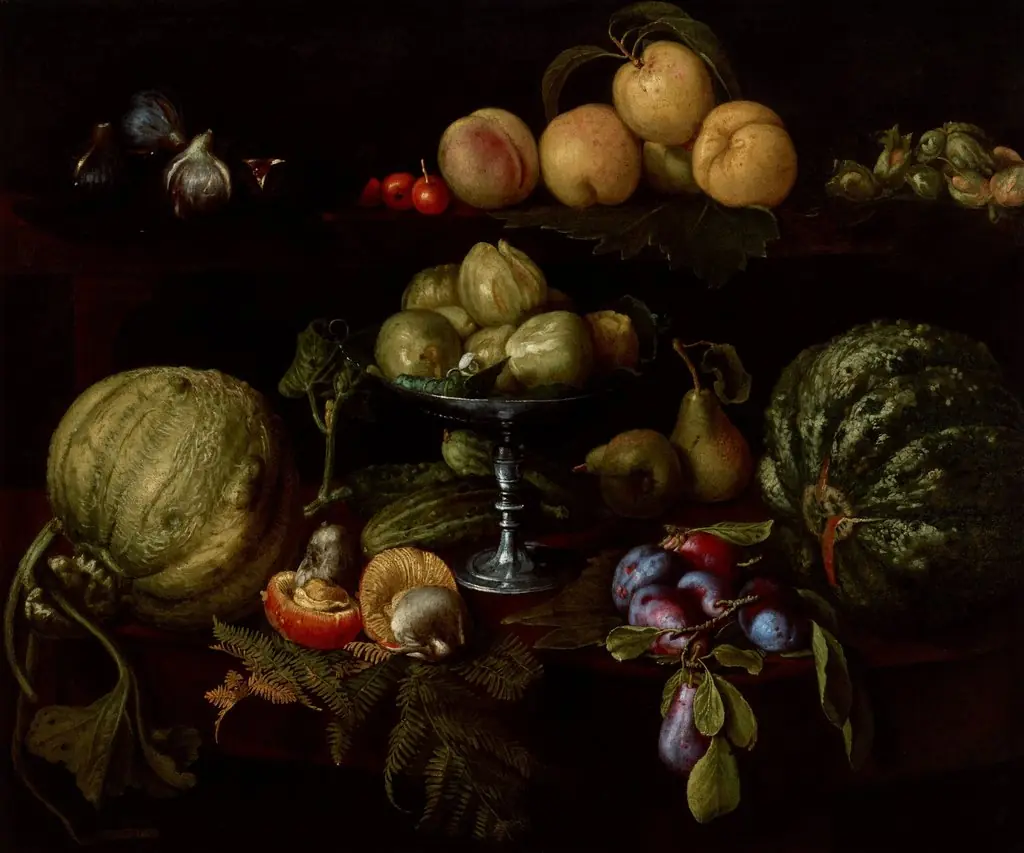 Figs on a Tazza with Pears, Quinces, Melons, Plums, Mushrooms on a Table, with Figs, Cherries, Peaches, and Acorns on a Ledge Above
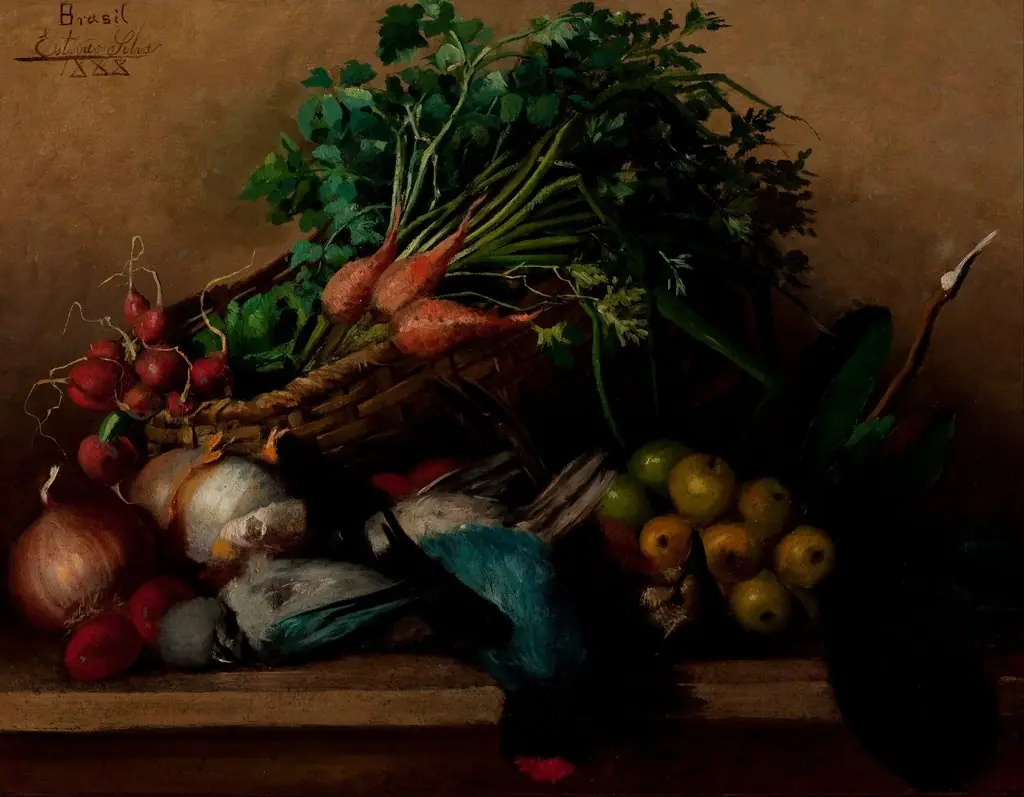 Still Life
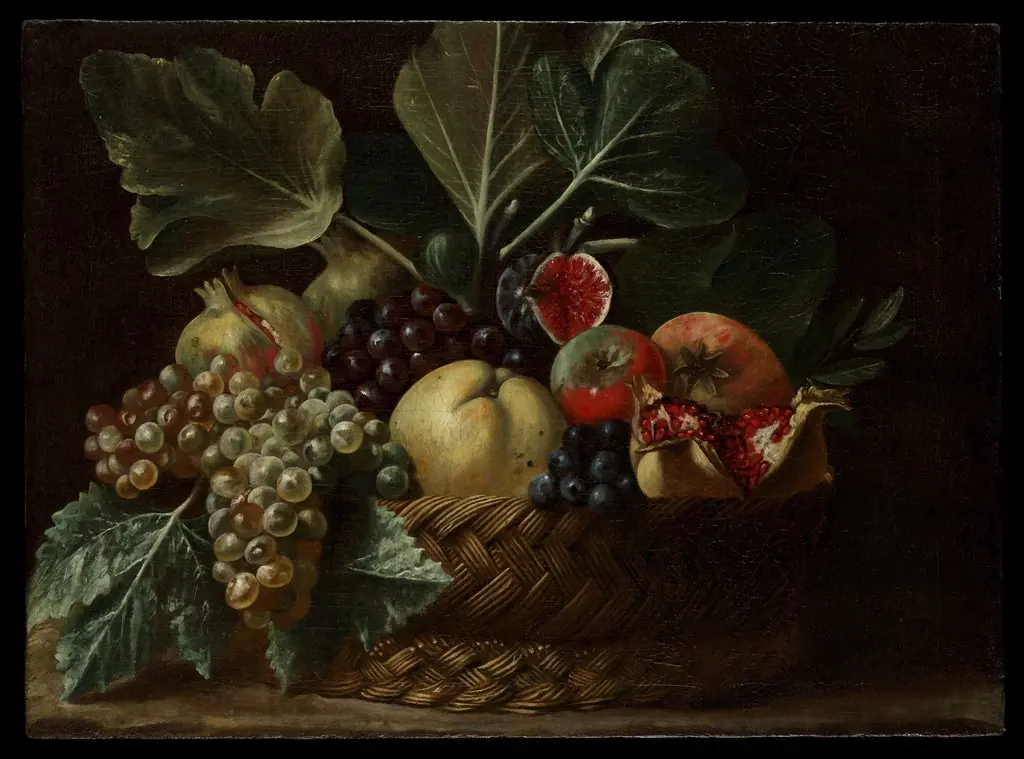 Basket of Fruit
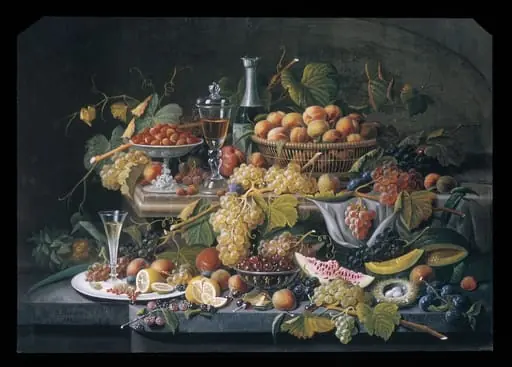 Still Life: Fruit
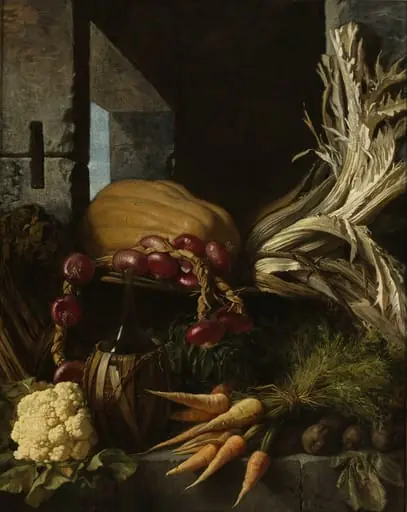 Juureksia ja vihanneksia kellarissa
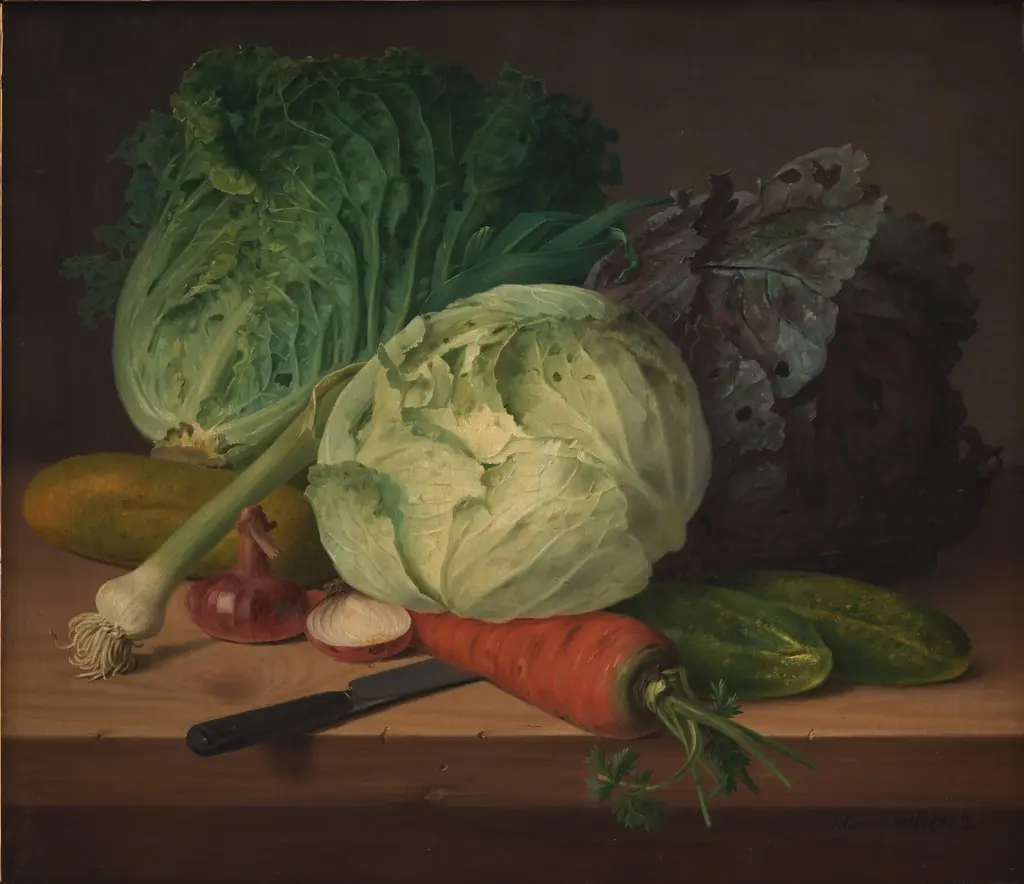 Køkkenurter
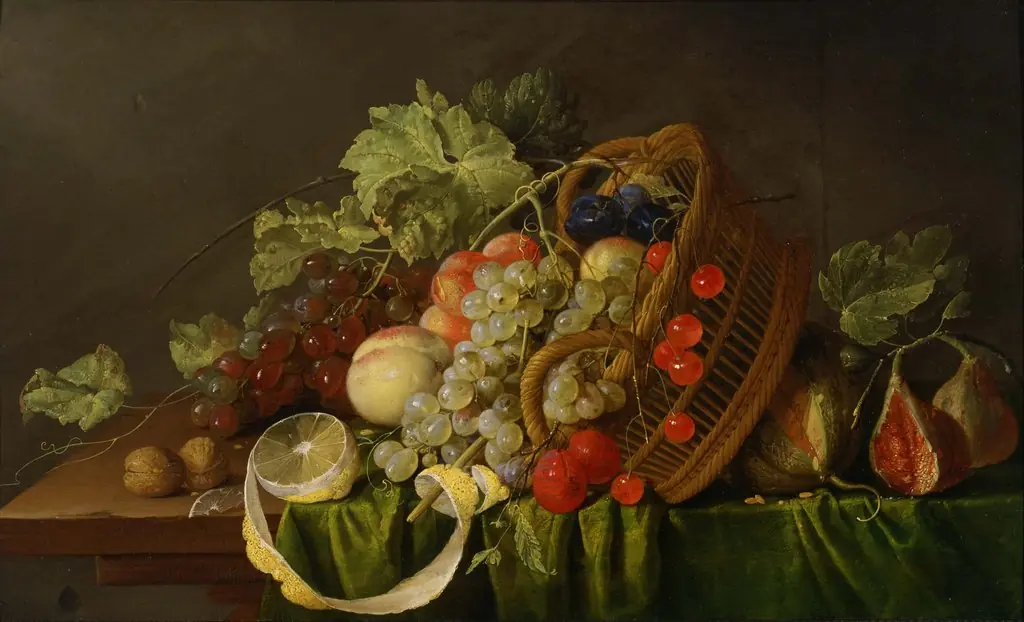 Still Life with a Basket of Fruit
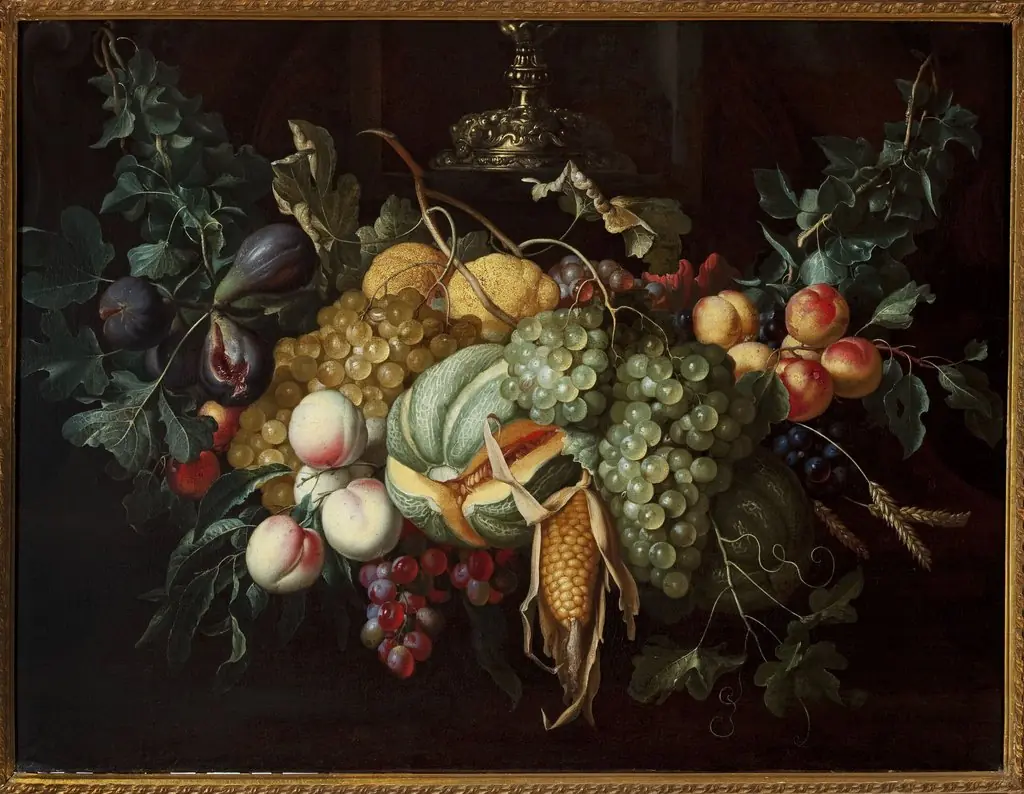 Still life with fruits and corn
 Still Life with Apples, Pears, Cucumbers, Figs, Plums, and a Melon
- Still-Life with Fruit