Artwork
The Sojourn in Egypt
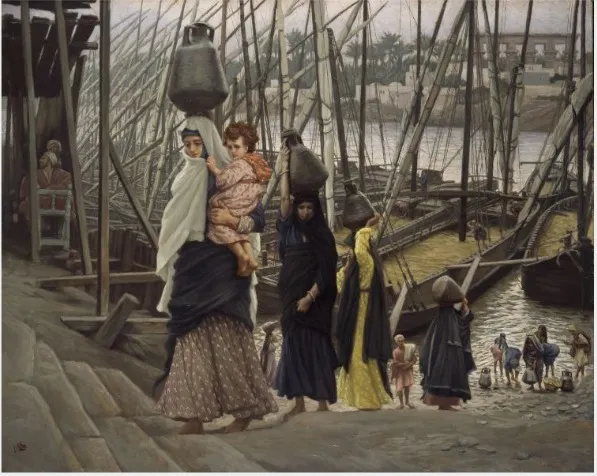
The Sojourn in Egypt is an oil painting by the Post-Impressionist artist James Tissot. It dates from 1896 and is held in the collection of the National Gallery of Ireland.
About this work
Overview
It reflects Tissot’s shift toward documenting real-world settings after extensive travel, moving beyond his earlier focus on fashionable urban life.
Painted in 1896, The Sojourn in Egypt is an oil work by French artist James Tissot, created during a period when he turned from scenes of Parisian society to religious and ethnographic subjects. The painting captures a moment of everyday life along an Egyptian waterfront, rendered with careful observation rather than idealization. It reflects Tissot’s shift toward documenting real-world settings after extensive travel, moving beyond his earlier focus on fashionable urban life.
Subject & Meaning
The scene portrays a group of women and children engaged in routine tasks, carrying water jugs, baskets, and infants, along a dockside. Their attire, including long robes and headscarves, suggests local dress, grounding the image in a specific cultural context. Though the title alludes to the biblical narrative of the Holy Family’s flight into Egypt, the painting avoids overt religious symbolism, instead emphasizing quiet human activity and the dignity of daily labor.
Technique & Style
Tissot employs soft, blended brushwork and a restrained palette of earth tones and pale blues to evoke a tranquil atmosphere. The composition directs attention to the figures in the foreground, while the background recedes with subtle atmospheric perspective. His attention to texture, fabric folds, wooden boats, and water ripples, demonstrates his academic training, yet the overall effect leans toward quiet realism rather than dramatic narrative.
History & Provenance
Created during Tissot’s later years, after his return from multiple trips to the Middle East, the painting was likely produced in France using sketches made on location. It entered the collection of the National Gallery of Ireland in the 20th century, where it remains today. Unlike his more famous society paintings, this work was not widely exhibited in his lifetime, reflecting its quieter, more personal character.
Context
Tissot’s interest in Egypt emerged amid 19th-century European fascination with Orientalism and archaeological discovery. While many artists romanticized the region, he sought to record observed details, clothing, architecture, movement, with fidelity. His approach aligned with broader shifts in art toward ethnographic accuracy, even as he retained a painterly sensitivity to light and composition inherited from his earlier Impressionist influences.
Legacy
Though less celebrated than his Parisian genre scenes, The Sojourn in Egypt exemplifies Tissot’s evolving artistic priorities and his commitment to visual documentation. It stands as a quiet counterpoint to the grand narratives of his time, offering a contemplative glimpse into ordinary life in a foreign land. The work contributes to a broader understanding of how Western artists engaged with non-European cultures in the late 19th century.
Artist & collection
Artist
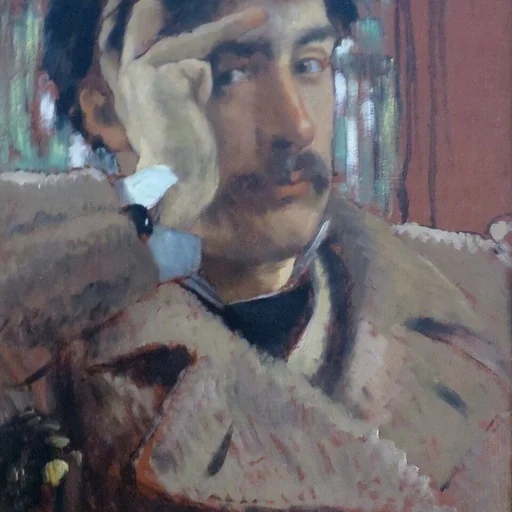
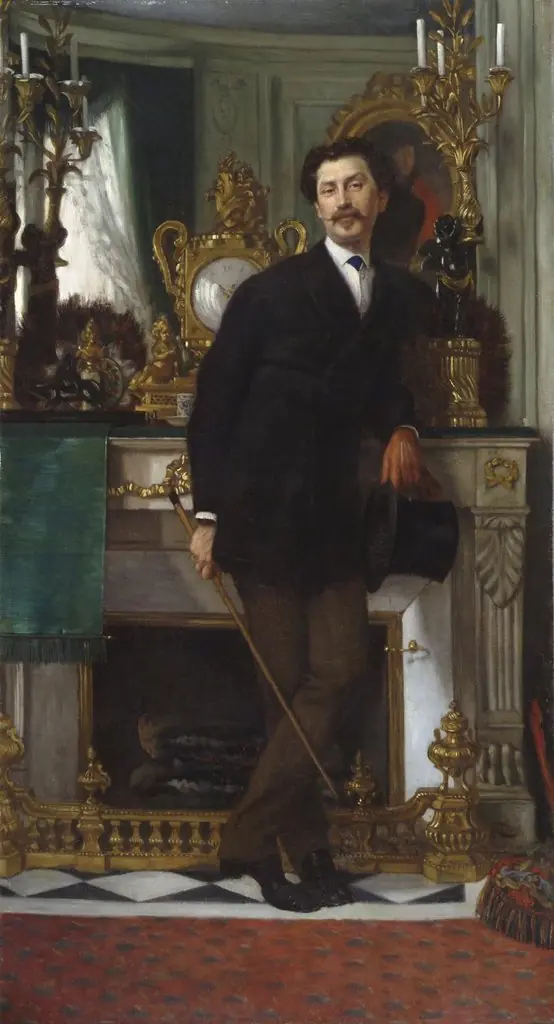
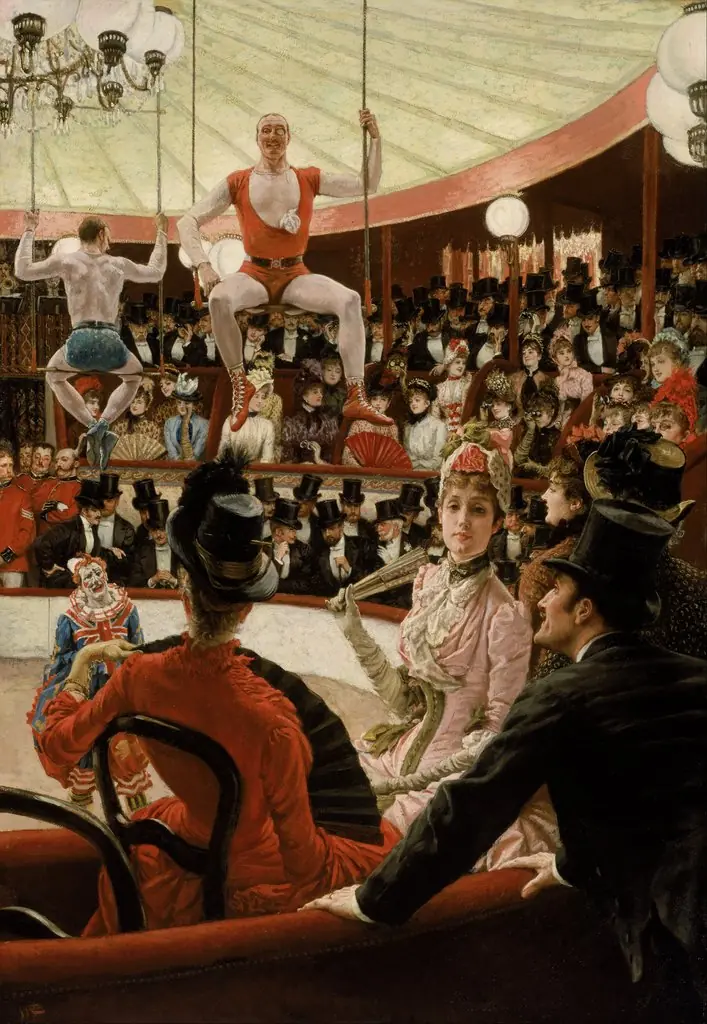
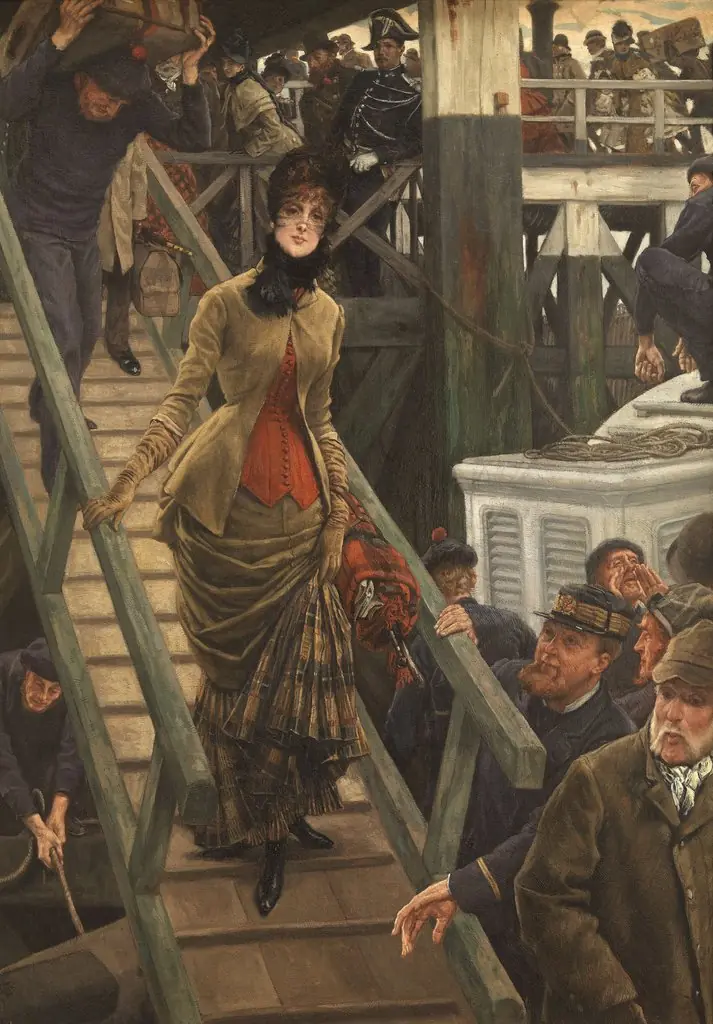
Jacques Joseph Tissot (French:; 15 October 1836 – 8 August 1902), better known as James Tissot (UK: TISS-oh, US: tee-SOH), was a French painter, illustrator, and caricaturist.

- A Sheikh and his son entering Cairo on their return from a pilgrimage to Mecca
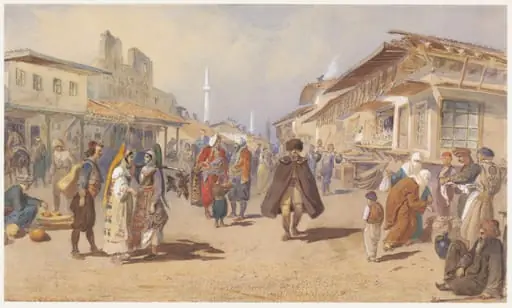 Vue de Belgrad la ruine du Prince Eugene
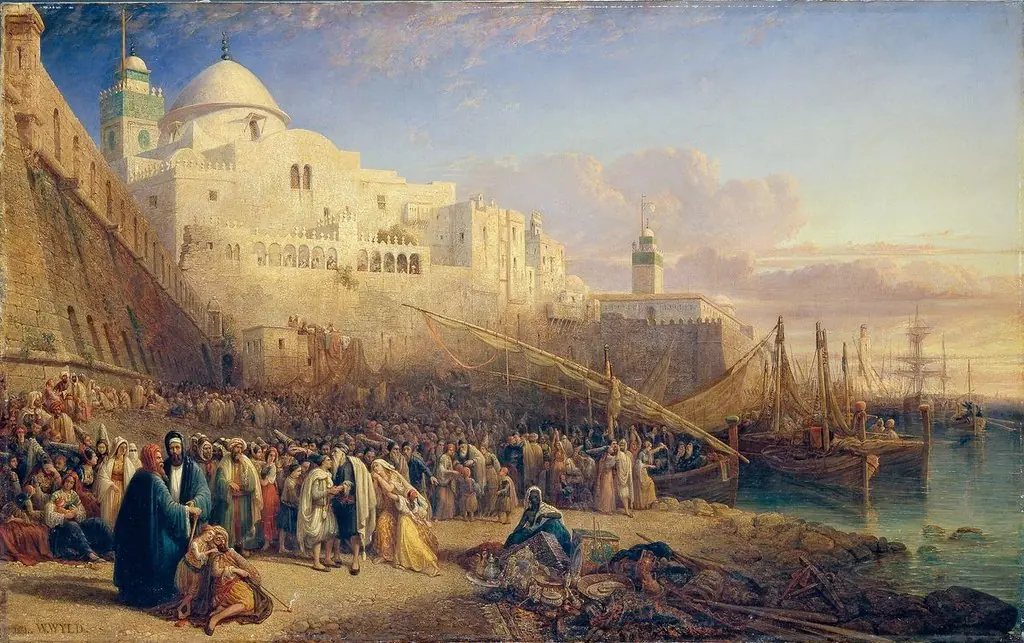 Le Départ d'Israélites pour la Terre sainte (scène algérienne)
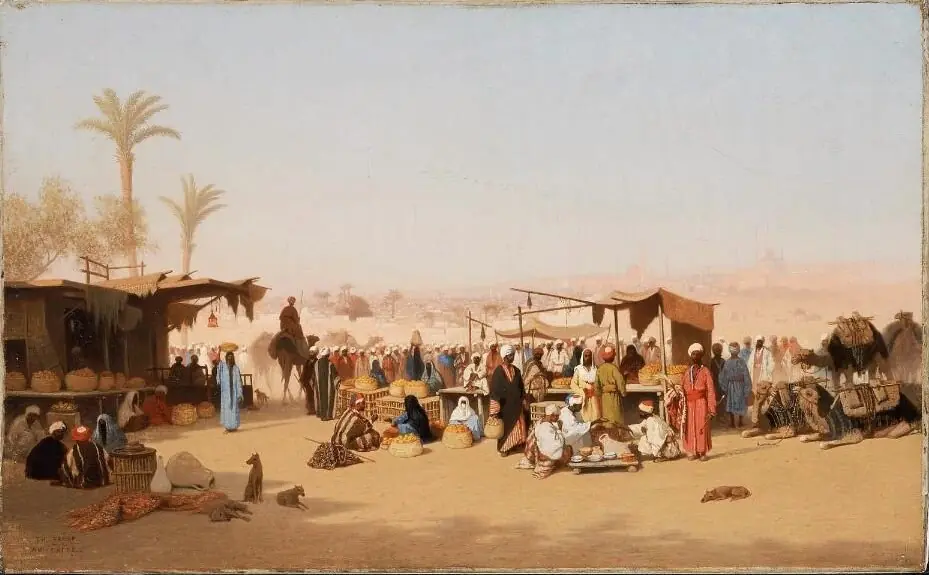 Scene in Cairo
 Peisaj la Constantinopol
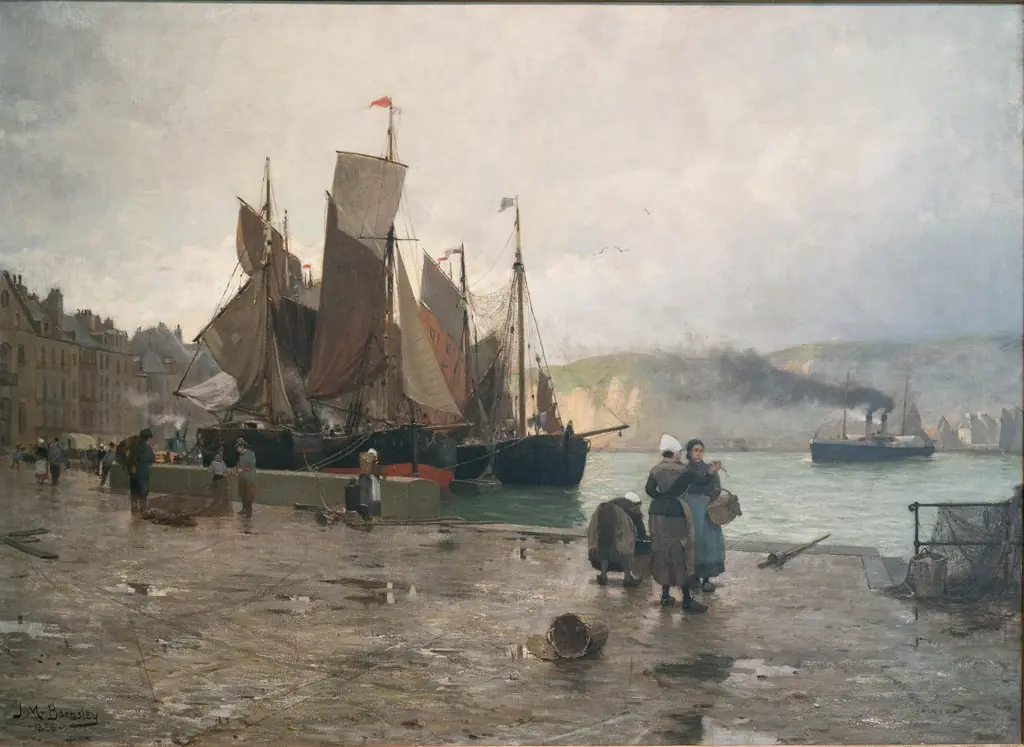 High Tide at Dieppe
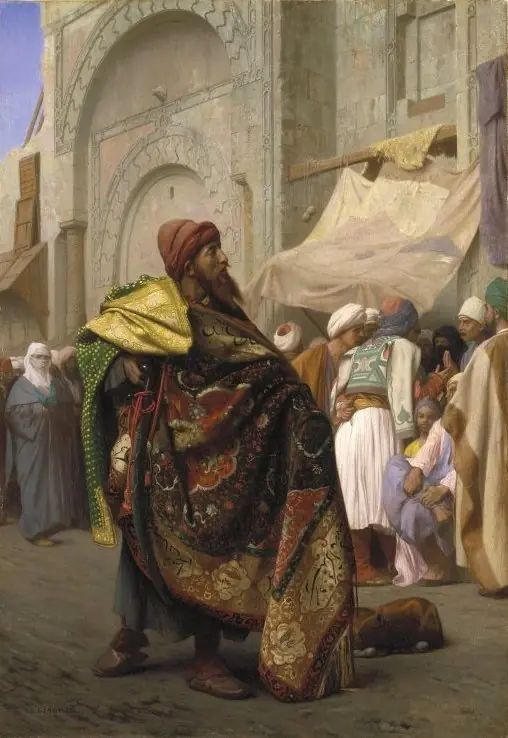 The Carpet Merchant of Cairo
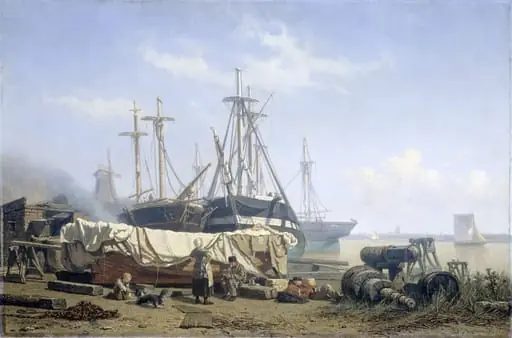 Midday break at a Shipyard on the Maas
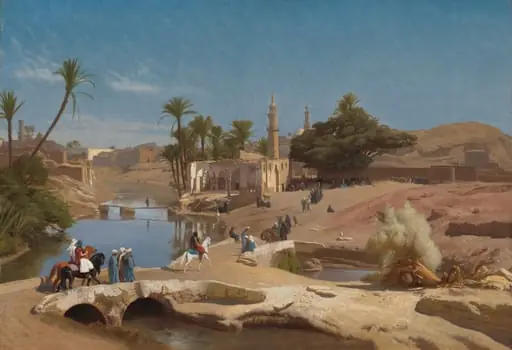 View of Medinet El-Fayoum
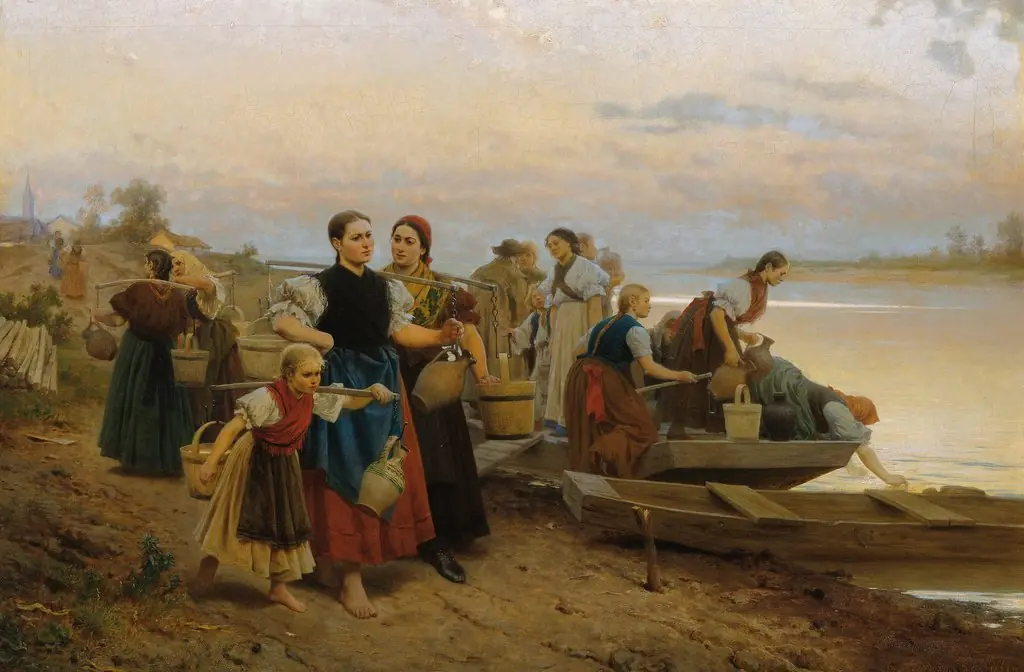 Die letzte Tagesmühe
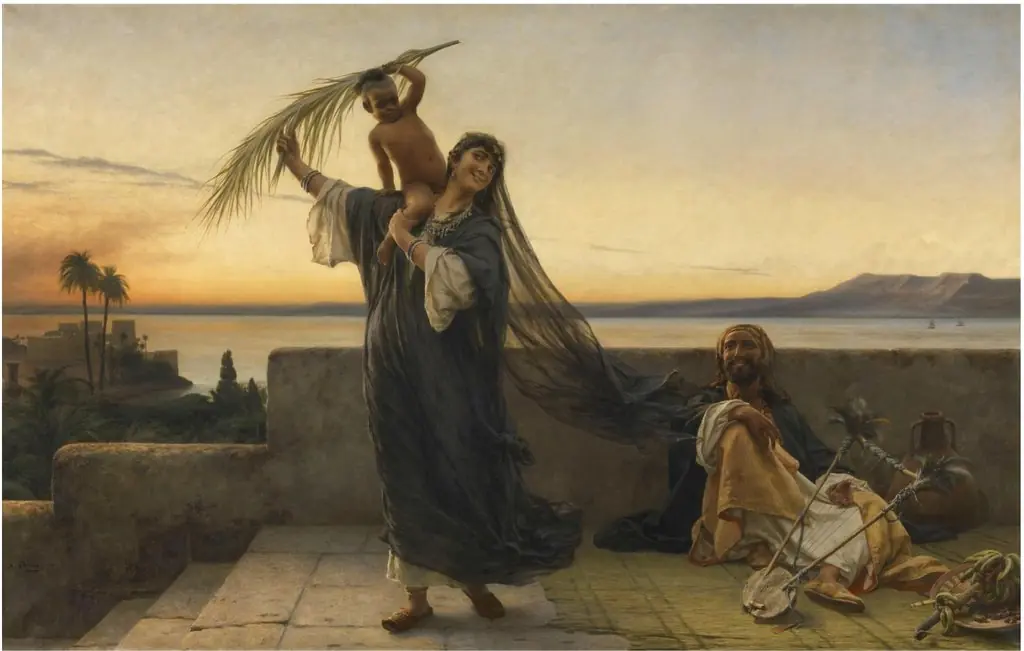 At the Nile
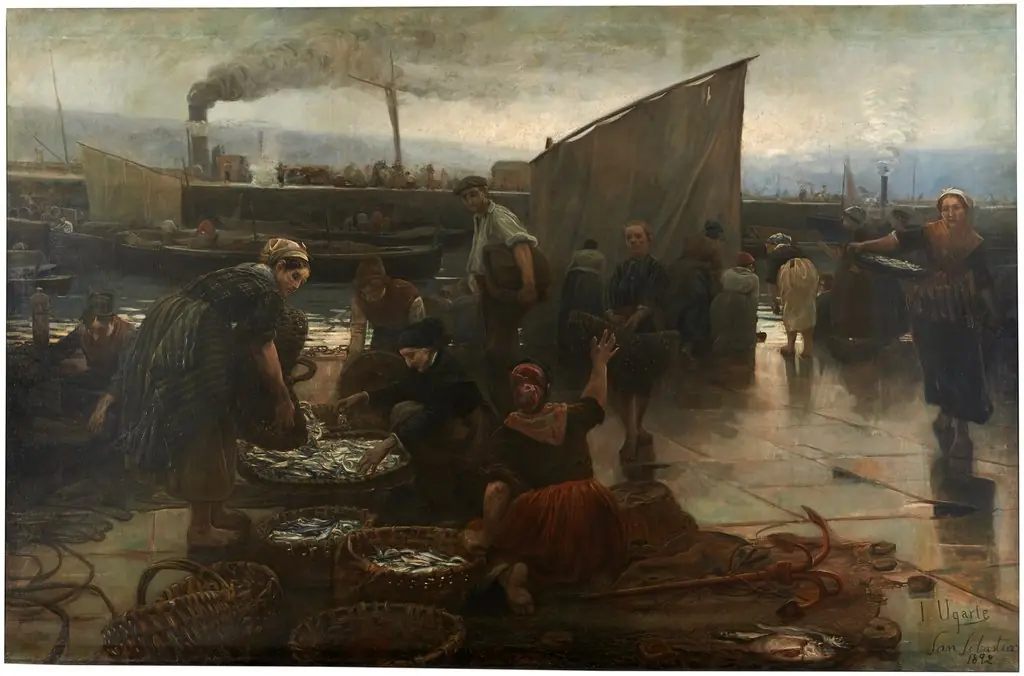 Las sardineras