Artwork
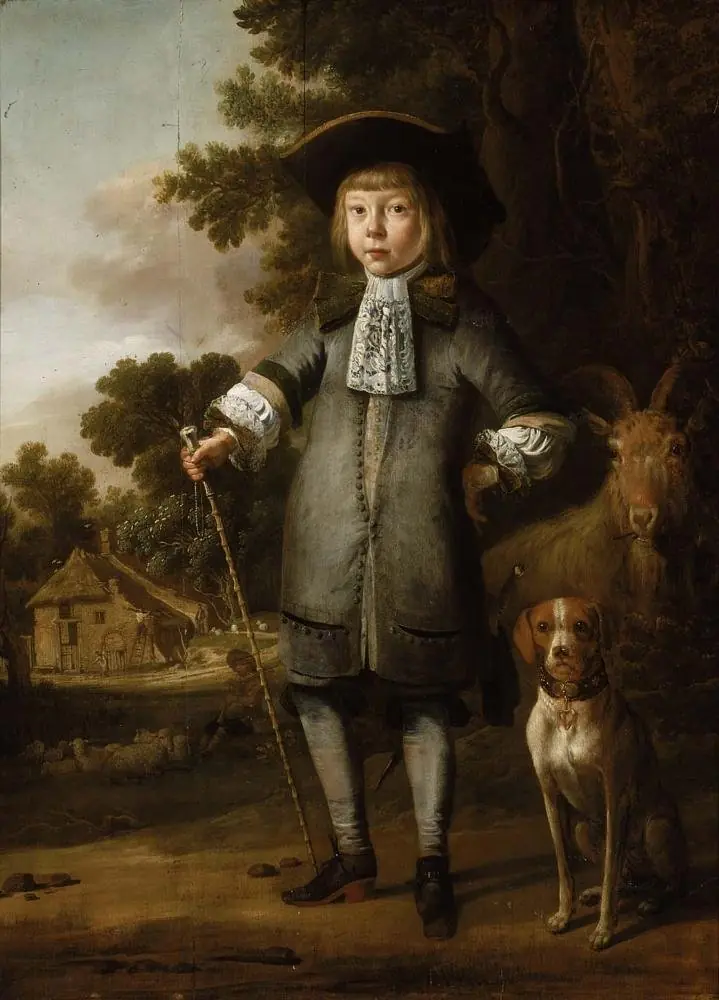
Portrait of a boy with a billygoat
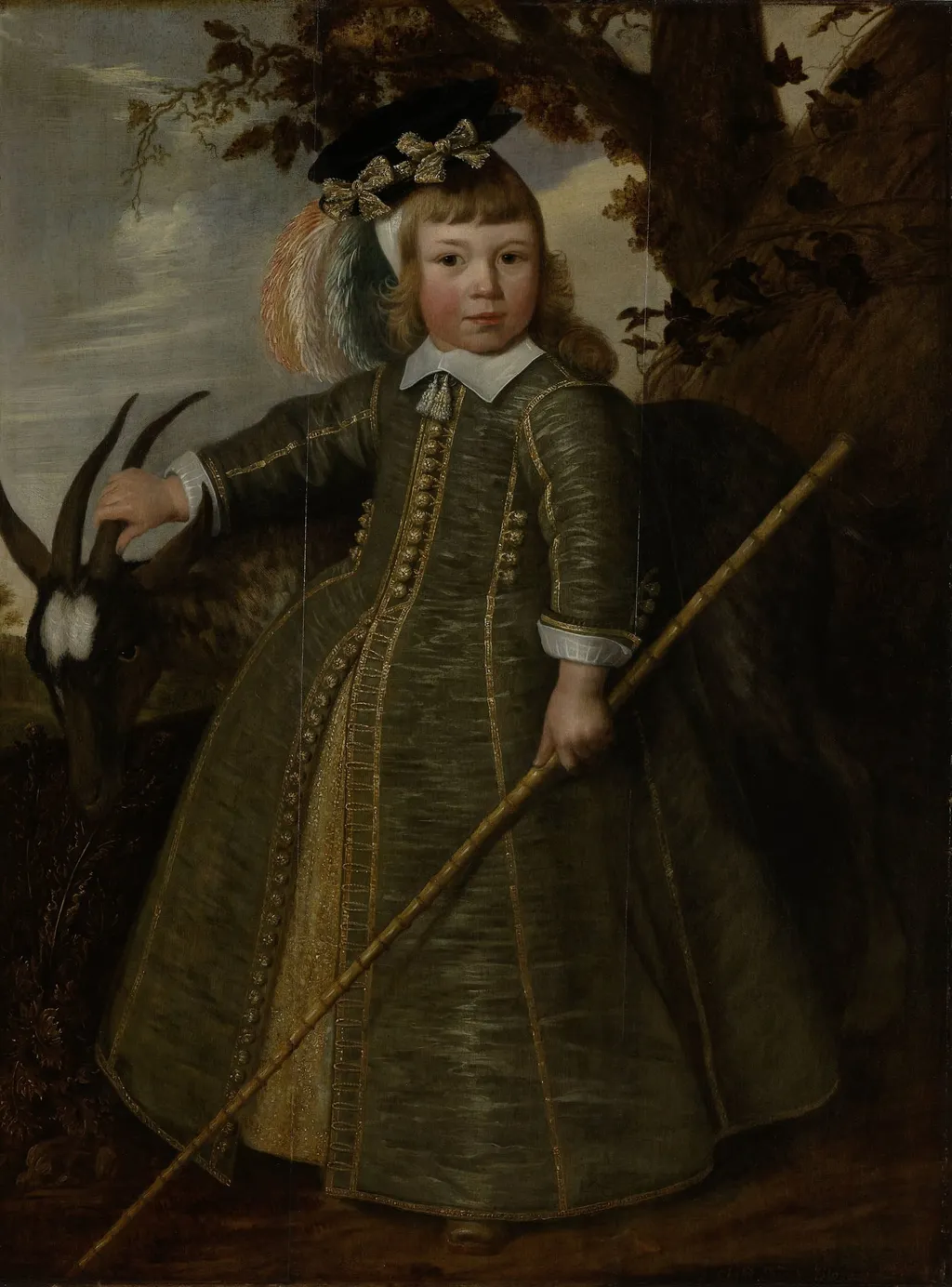
Portrait of a boy with a billygoat is an unspecified painting by the Dutch Golden Age artist Jan Albertsz. Rotius. It dates from 1652 and is held in the collection of the Rijksmuseum.
About this work
Technique & Style
It depicts a boy holding a billygoat, rendered with naturalistic modeling and tight brushwork characteristic of individual portraiture.
The painting was created using oil on canvas, typical of Dutch Golden Age portraiture. It depicts a boy holding a billygoat, rendered with naturalistic modeling and tight brushwork characteristic of individual portraiture. The composition features a restrained palette and careful attention to fabric textures and facial expression, reflecting the influence of contemporary Amsterdam portrait painters such as Bartholomeus van der Helst and Govert Flinck. The work demonstrates a conservative compositional approach with clear spatial organization and restrained chiaroscuro, consistent with mid-17th century Northern Dutch portrait conventions.
The painting's surface condition appears stable, with no visible cracking or pigment loss reported in available documentation. Its formal qualities include a balanced triangular arrangement of figures, precise rendering of facial features, and subtle attention to the folds of the boy's clothing.
History & Provenance
Jan Albertsz. Rotius painted Portrait of a boy with a billygoat in 1652, as recorded in the artwork’s catalogue entry (SOURCE 1). The painting is classified as a portrait and belongs to the Dutch Golden Age genre (SOURCE 2). Rotius was active in Hoorn, where he created several schutterstukken (civic guard portraits) for the Nieuwe and Oude Doelen, and these works are now housed in the Westfries Museum in Hoorn (SOURCE 5). The artist signed his name in various Latinised forms, including Rotius and Rootius, and left a testament on 16 October 1666 bequeathing his drawings to his son Jacob Rotius (SOURCE 3; SOURCE 5). His birth is documented as 20 October 1624 in Medemblik, and he died and was buried in Hoorn on 1 November 1666 (SOURCE 3; SOURCE 4). Comparative analysis of his guard portraits with those of Bartholomeus van der Helst and Govert Flinck indicates he was influenced by these contemporaries, though the precise nature of his training remains uncertain (SOURCE 5).
Context
Jan Albertsz. Rotius is recognized as a significant portraitist of the Dutch Golden Age, active primarily in Hoorn and West Friesland. His civic guard paintings, executed for the Nieuwe and Oude Doelen, demonstrate a clear engagement with contemporary Amsterdam trends, showing stylistic affinities with the works of Bartholomeus van der Helst and Govert Flinck. Early biographer Arnold Houbraken praised Rotius, comparing his skill favorably to Van der Helst, though modern scholarship questions the extent of this direct comparison. While Houbraken erroneously suggested Rotius was a pupil of Pieter Lastman, chronological evidence refutes this, as Lastman died before Rotius could have been his apprentice. Instead, art historians like B.J.A. Renckens attribute Rotius's development to influences from Italianate architecture and the works of Jan Linsen, alongside a conservative Amsterdam style reminiscent of Nicolaes Eliasz. Pickenoy in his earlier portraits.
Legacy
Portrait of a boy with a billygoat was painted in 1652 by Jan Albertsz. Rotius, a Dutch portraitist of the Golden Age. The work belongs to the portrait genre and reflects the civic‑guard tradition that Rotius helped develop in Hoorn, where he was active from the 1640s onward. Contemporary accounts, including Houbraken’s description of Rotius as a ‘renowned painter of life‑size portraits’, compare his civic‑guard pieces to those of Bartholomeus van der Helst and Govert Flink, indicating his influence within the genre. After Rotius’s death in 1666, his son Jacob inherited his drawings and prints, preserving the family’s artistic legacy. Later scholars such as B.J.A. Renckens highlighted Rotius’s role in bridging the earlier Amsterdam portrait style with the more dynamic compositions of mid‑century civic‑guard paintings, a contribution noted in museum collections like the Westfries Museum and the Rijksmuseum.
Own this work as a print
Artist & collection
Artist
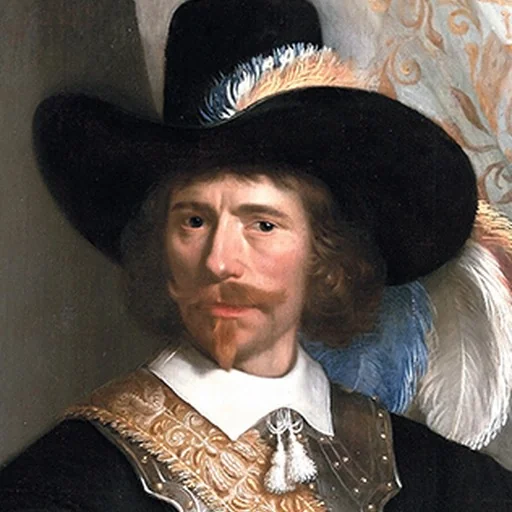
Jan Albertsz. Rotius (20 October 1624 – 1 November 1666 (buried)) was a Dutch painter known for his individual and group portraits, breakfast still lifes, kitchen still lifes and fruit still lifes. He was active in…

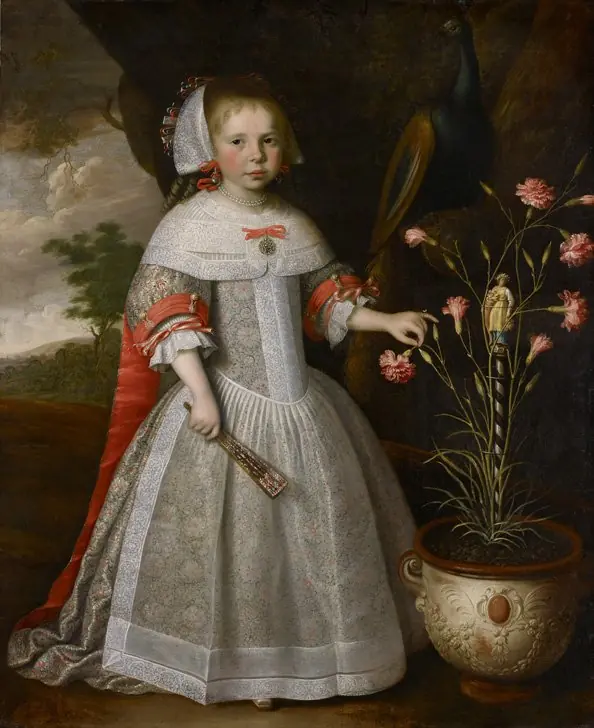
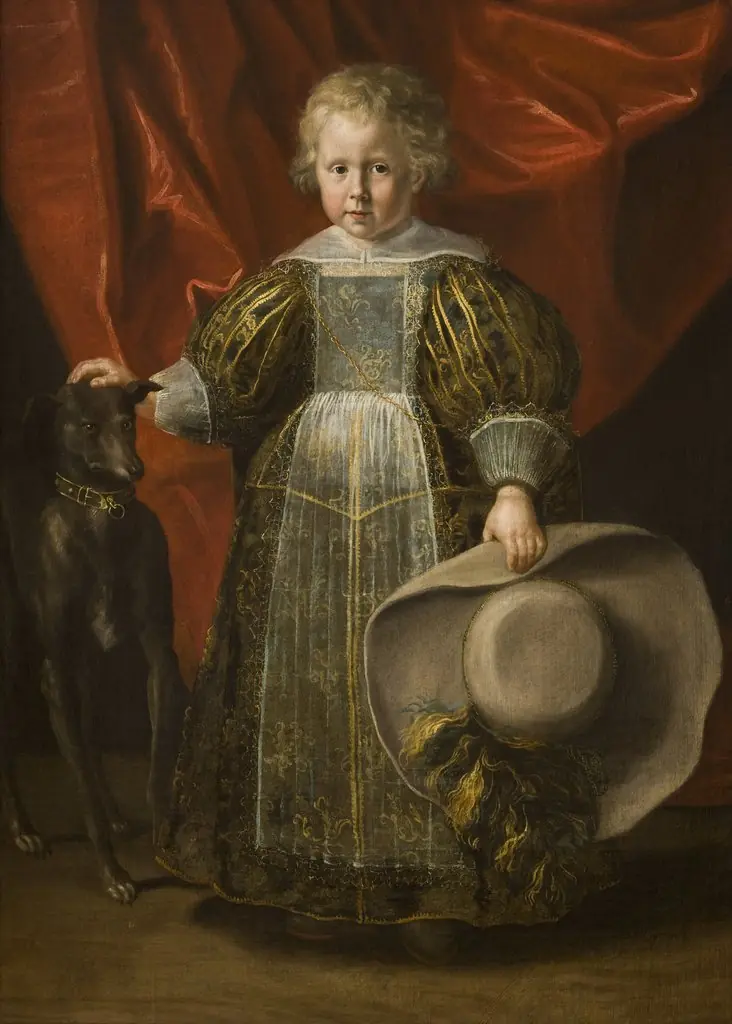 Portrait of a Boy
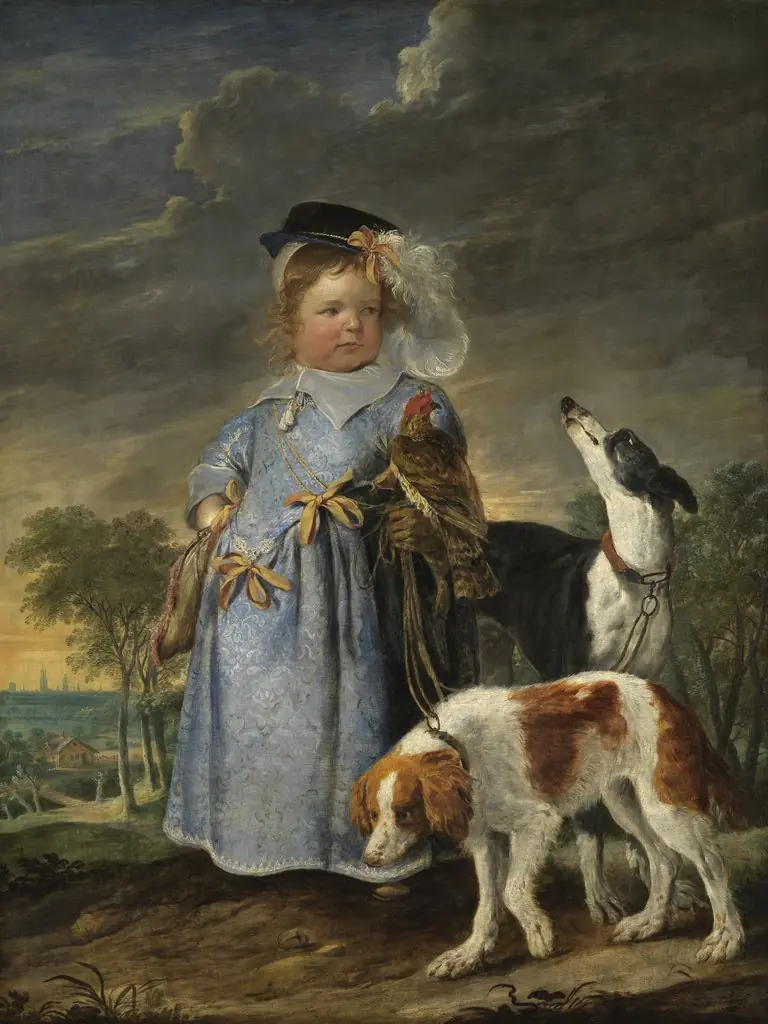 Portrait of a Boy
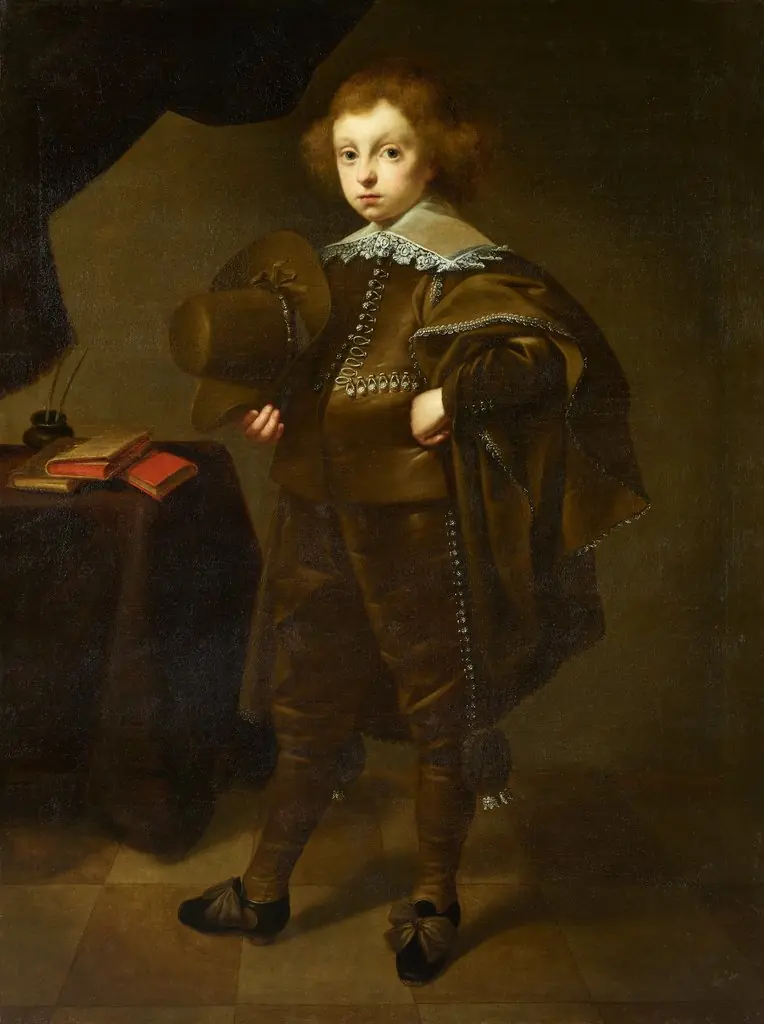 Portrait of a Boy
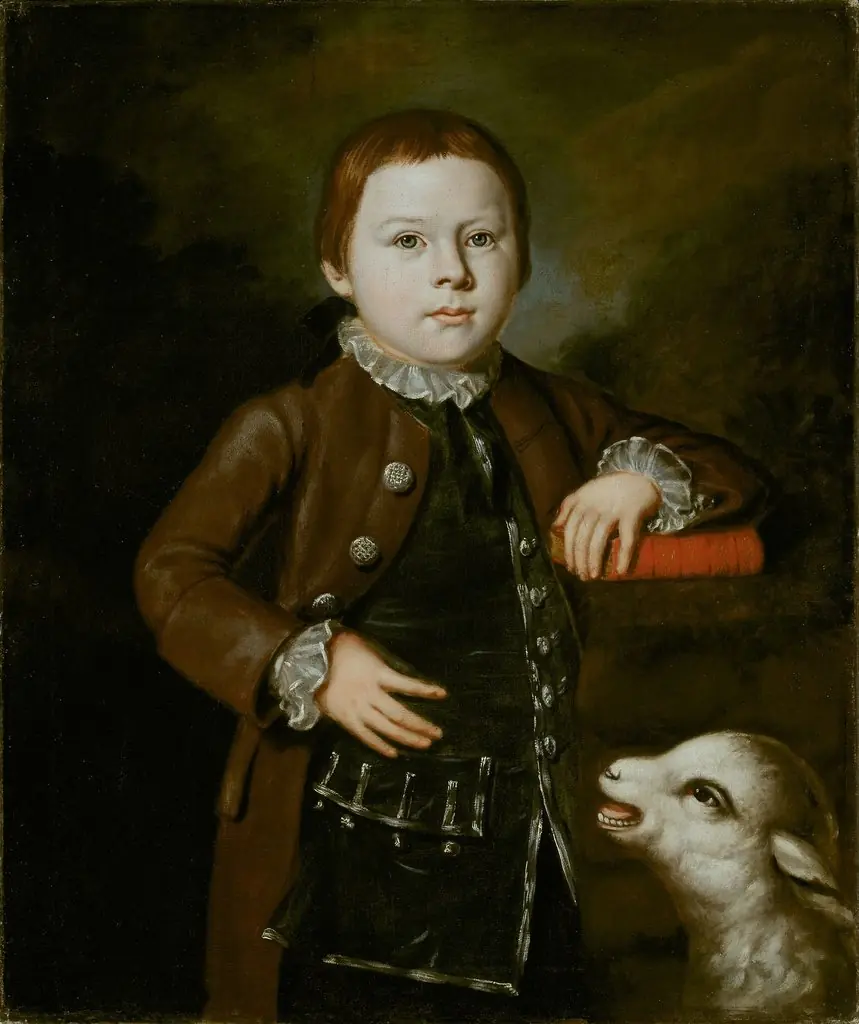 Boy of Hallett Family with Lamb
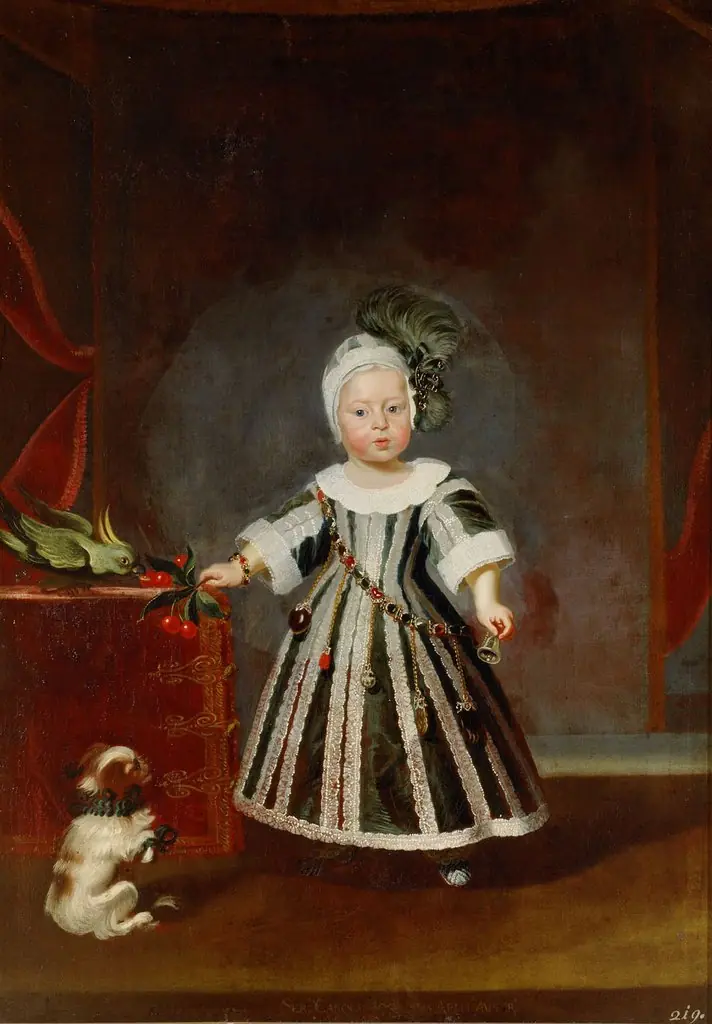 Portrait of Charles Joseph, Archduke of Austria (1745-1761)
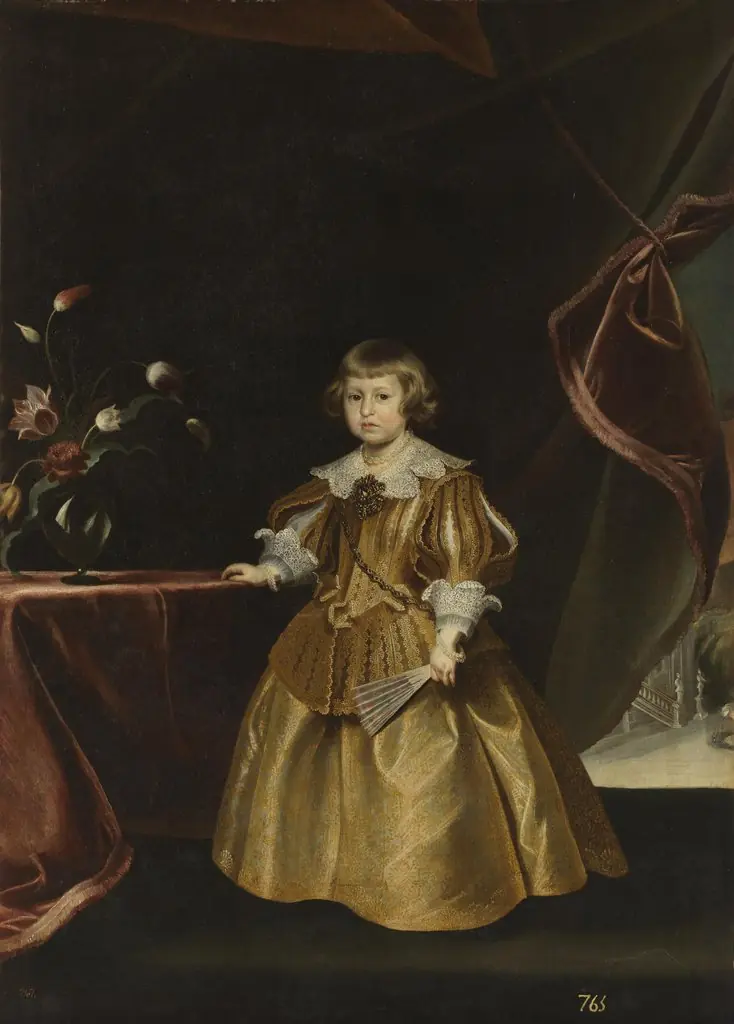 Portrait of an infanta
 Charles II, when Prince of Wales
 James Badger
 Portrait of a child with a toy goat
- Portrait of a Boy, called The Young Son of Admiral van Nes (The Admiral's Son)