Artwork
Portrait of Charles Joseph, Archduke of Austria (1745-1761)
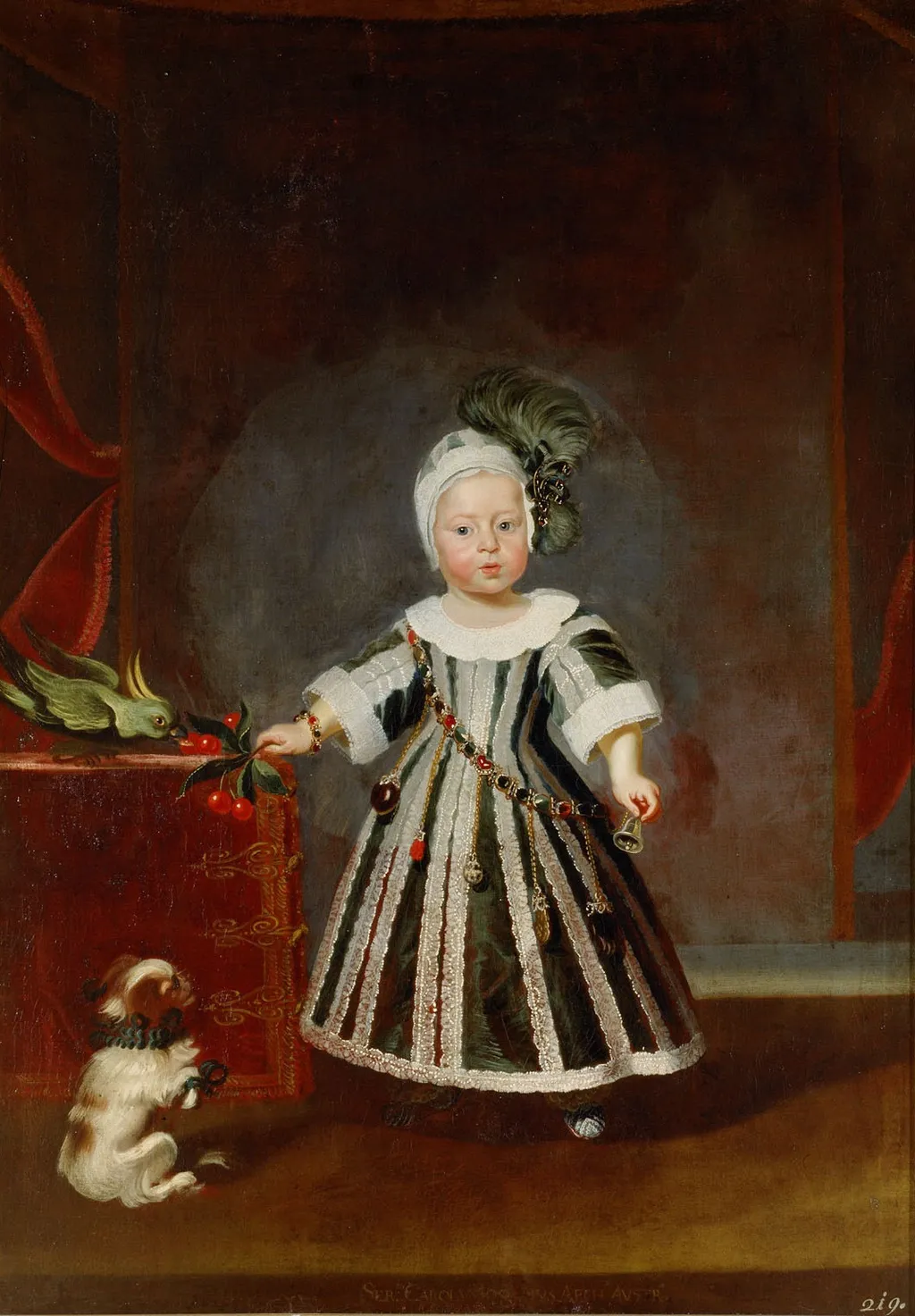
Portrait of Charles Joseph, Archduke of Austria (1745-1761) is an oil painting by the Flemish Baroque painting artist Frans Luycx. It dates from 1651 and is held in the collection of the Kunsthistorisches Museum.
About this work
Technique & Style
Frans Luycx executed the Portrait of Charles Joseph, Archduke of Austria, in 1651 using oil paint applied to a canvas support.
Frans Luycx executed the Portrait of Charles Joseph, Archduke of Austria, in 1651 using oil paint applied to a canvas support. The work measures 138.5 cm in height and 97.5 cm in width, presenting a formal portrait genre typical of mid-17th-century European court painting. The composition incorporates specific symbolic elements, including the depiction of a child, a dog, a parrot, a cherry, and jewelry, which contribute to the painting's narrative and allegorical layers.
The handling of the medium allows for the detailed rendering of these attributes alongside the sitter, establishing the piece as a significant example of Luycx's portraiture within the Kunsthistorisches Museum collection.
History & Provenance
The portrait is held in the collection of the Kunsthistorisches Museum, where it is located at Schloss Ambras in Innsbruck. While the painting's creation is dated to 1651, the available records do not list specific inventory accession numbers or detail any past exhibition history for this piece.
Legacy
The portrait of Archduke Charles Joseph, painted by Frans Luycx in 1651, remained within the Habsburg collections and was later housed in the Kunsthistorisches Museum in Vienna, where it contributed to the scholarly study of Baroque portraiture. Its depiction of dynastic symbols such as the dog and jewelry reinforced the archduke's status as a member of the imperial family, influencing subsequent representations of Habsburg heirs in Central European art. The work's inclusion in the museum's inventory has allowed continued examination of Luycx's technique and the broader cultural symbolism of 17th-century Austrian portraiture.
Overview
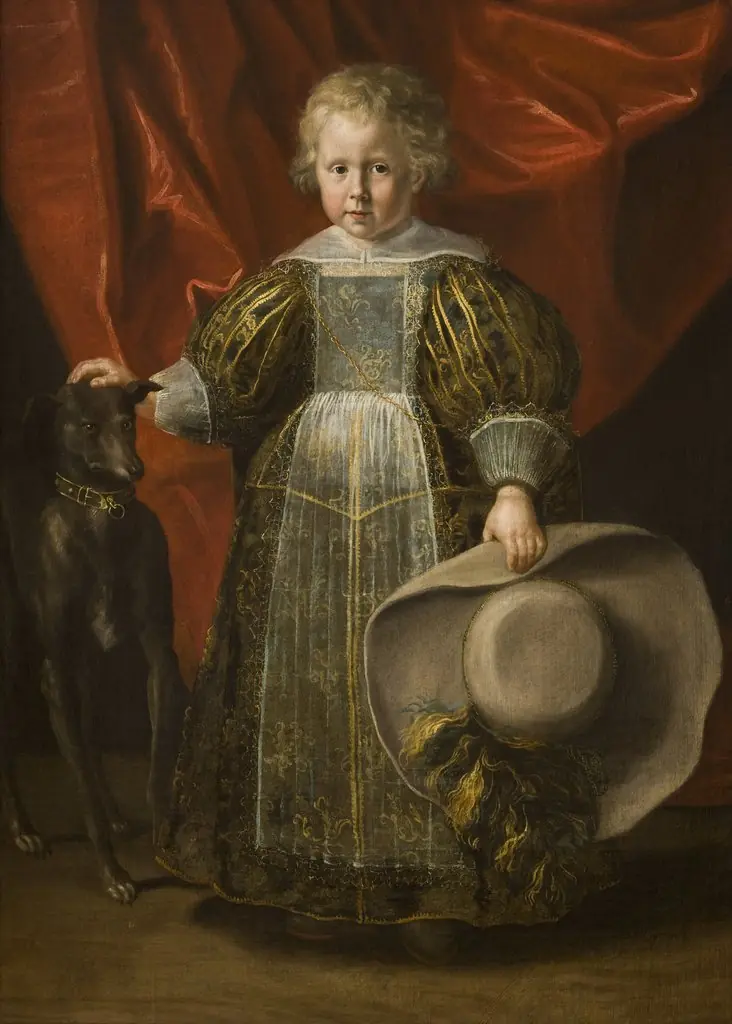
Frans Luycx’s oil portrait, executed in 1651, presents the young Archduke Charles Joseph of Austria. The sitter stands before a red drapery, dressed in an elaborate black‑and‑white costume trimmed with gold buttons and lace, his white collar starched and his wig feathered. A branch of cherries rests in his right hand, a small dog lies at his feet, and a green parrot perches nearby, adding domestic detail to the formal composition.
Subject & Meaning
The painting records Charles Joseph at an early age, emphasizing his noble status through luxurious dress and ornamental accessories. The inclusion of a cherry branch, a pet dog, and a parrot serves to convey vitality, abundance, and the cultivated tastes of the Habsburg court, while also providing a glimpse of the youthful innocence of the future archduke.
Context
Luycx, a Flemish artist who rose to prominence as court painter to Emperor Ferdinand III, frequently depicted members of the imperial family. This work exemplifies the cross‑cultural exchange between the Southern Netherlands and the Viennese court in the mid‑17th century, illustrating how Flemish portrait conventions were adapted for Austrian aristocratic patrons.
Artist & collection
Artist
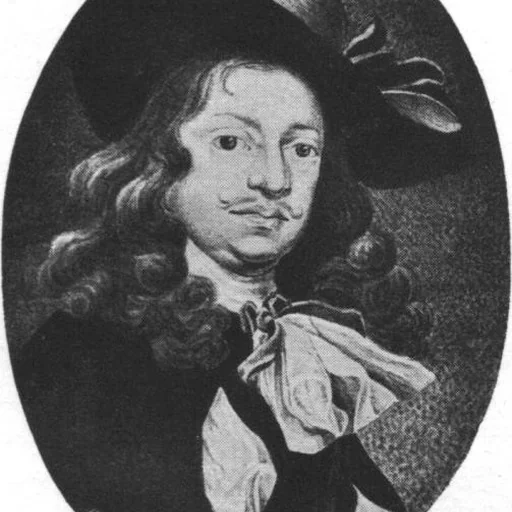
Frans Luycx or Frans Luyckx (Dutch pronunciation:; before 17 April 1604 – 1 May 1668) was a Flemish painter who became the leading portrait painter at the imperial court of Emperor Ferdinand III in Vienna.

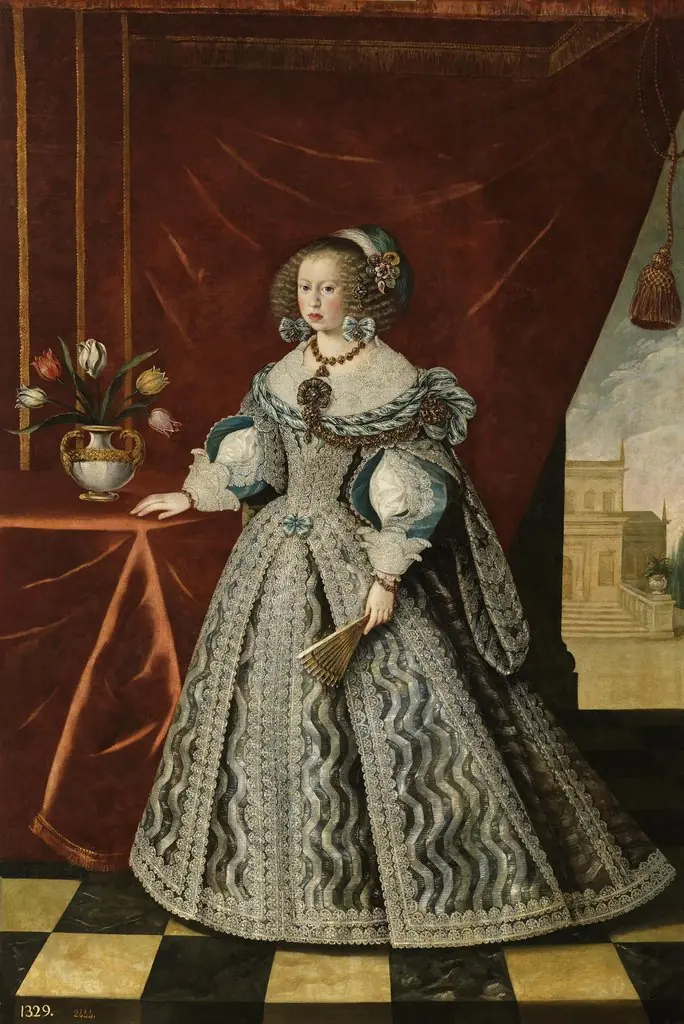
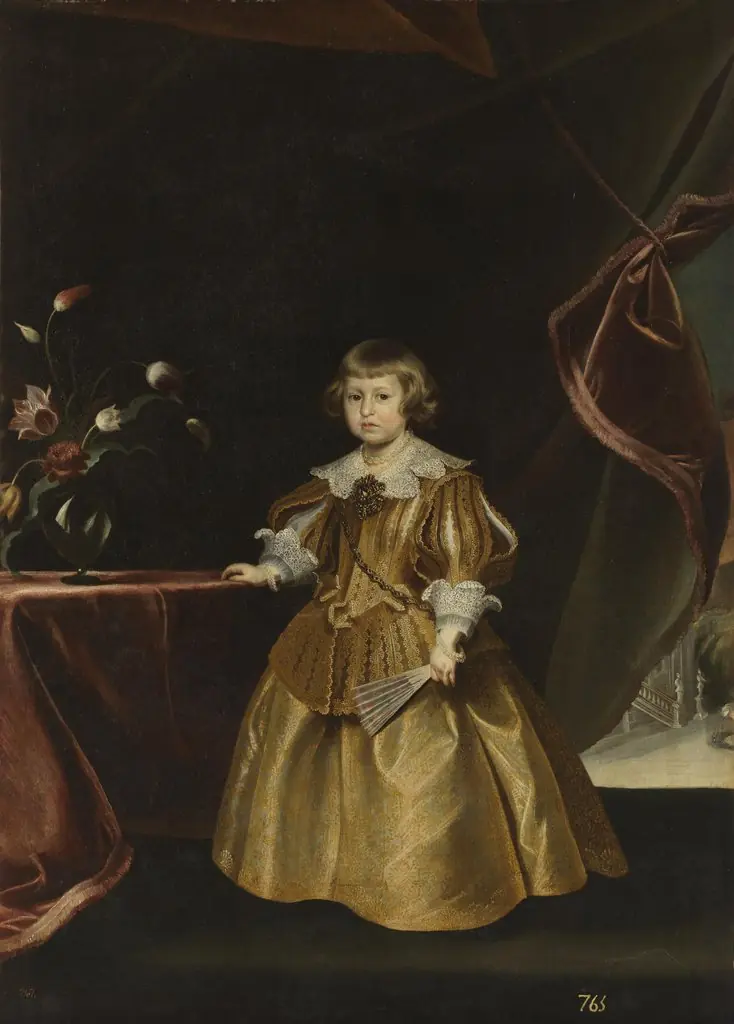
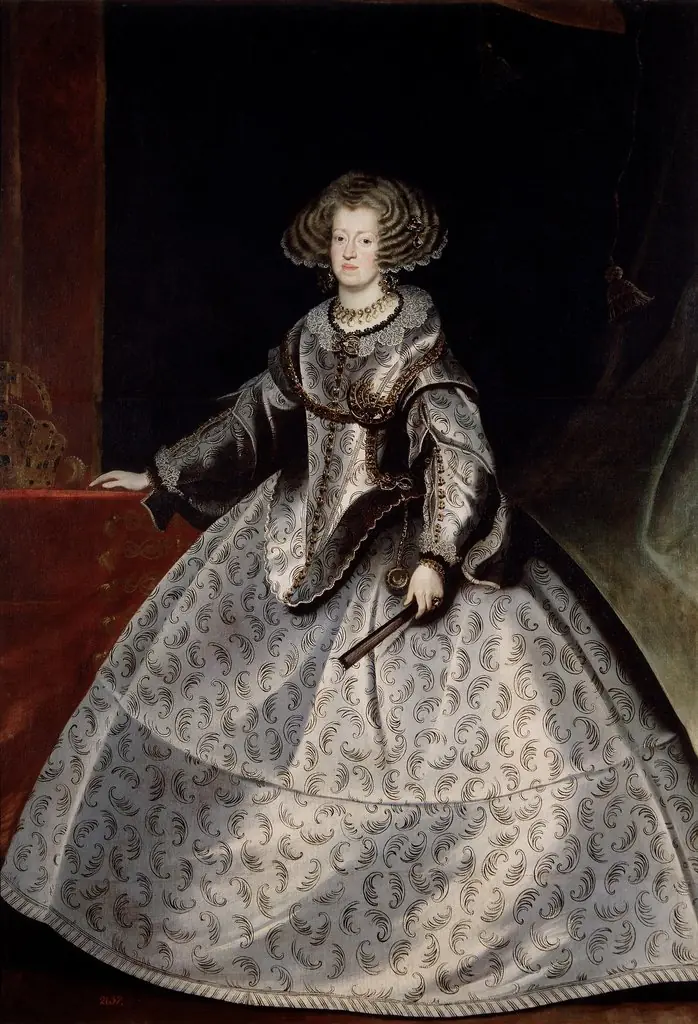
- Infantin Maria Theresa von Neapel (1772-1807)
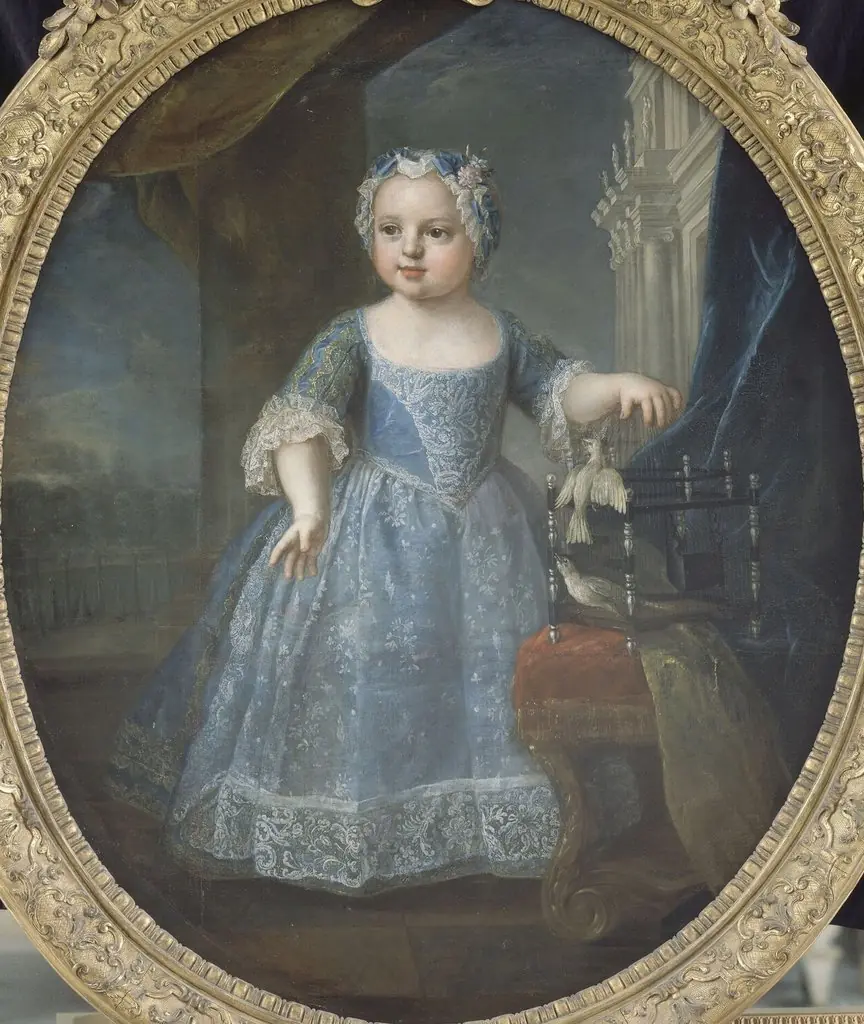 Marie-Louise de France (1728-1733), dite Madame Louise / Madame Troisième
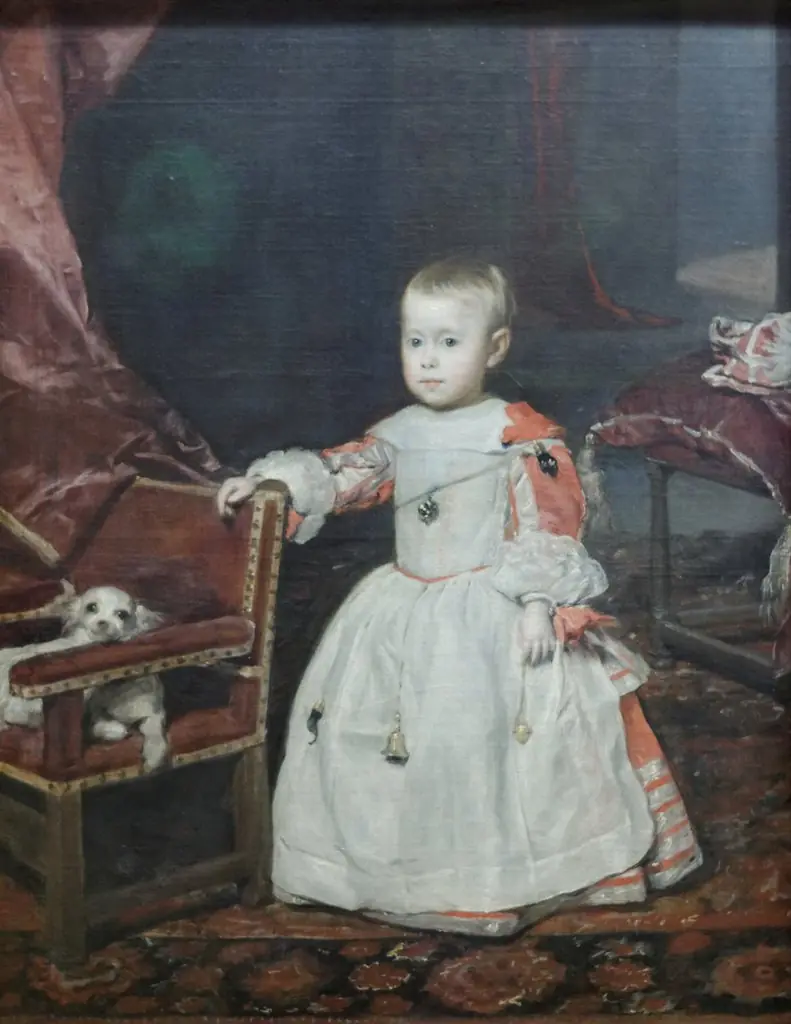 Portrait of Prince Philip Prospero
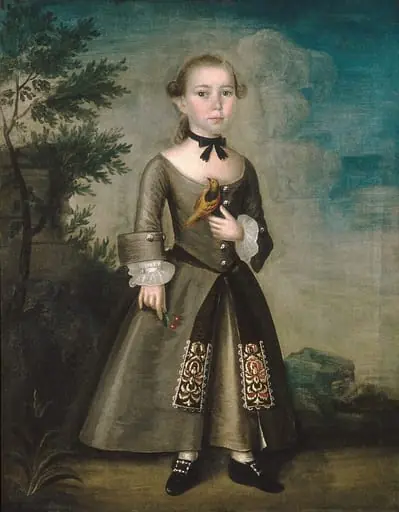 James Badger
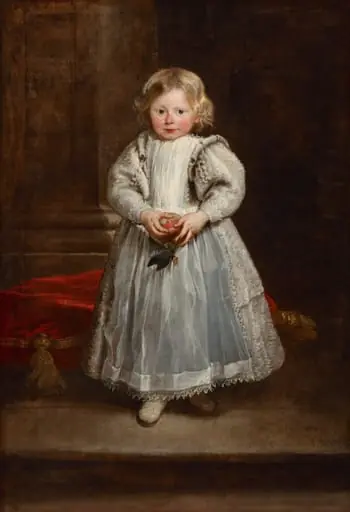 Maddalena Cattaneo
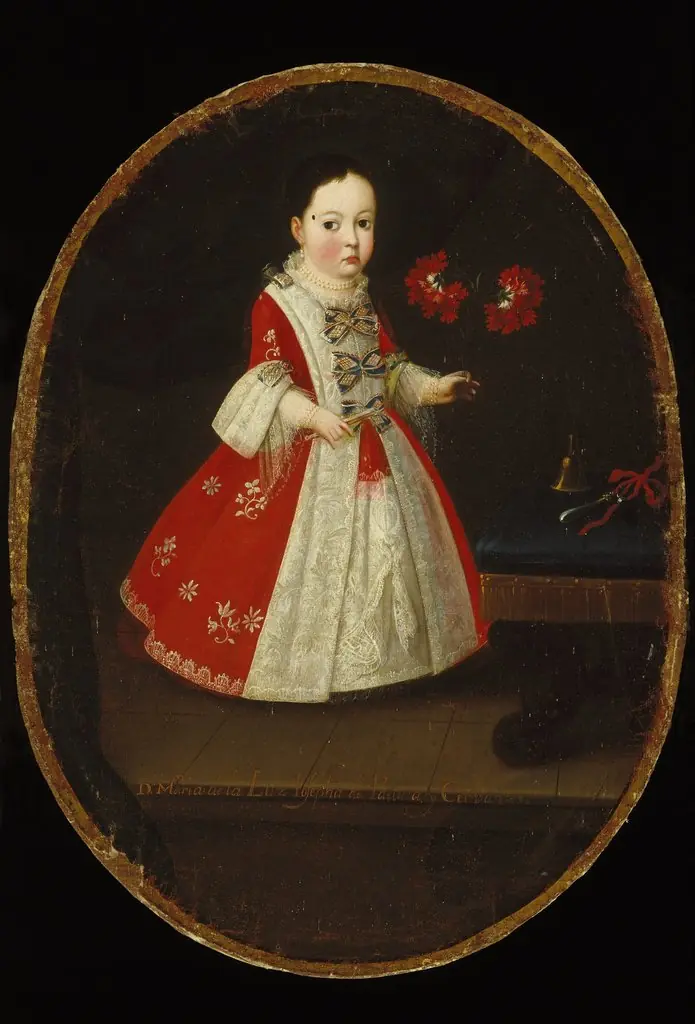 Doña María de la Luz Padilla y (Gómez de) Cervantes
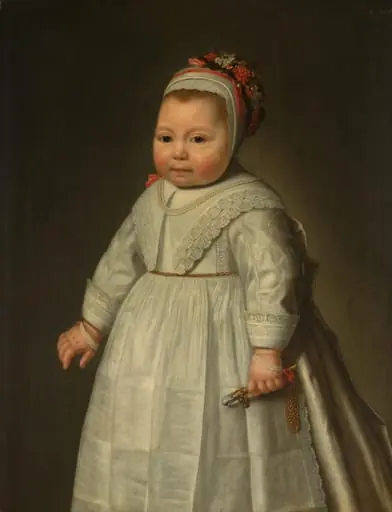 Portrait of Jacoba Bontemantel (1643-?)
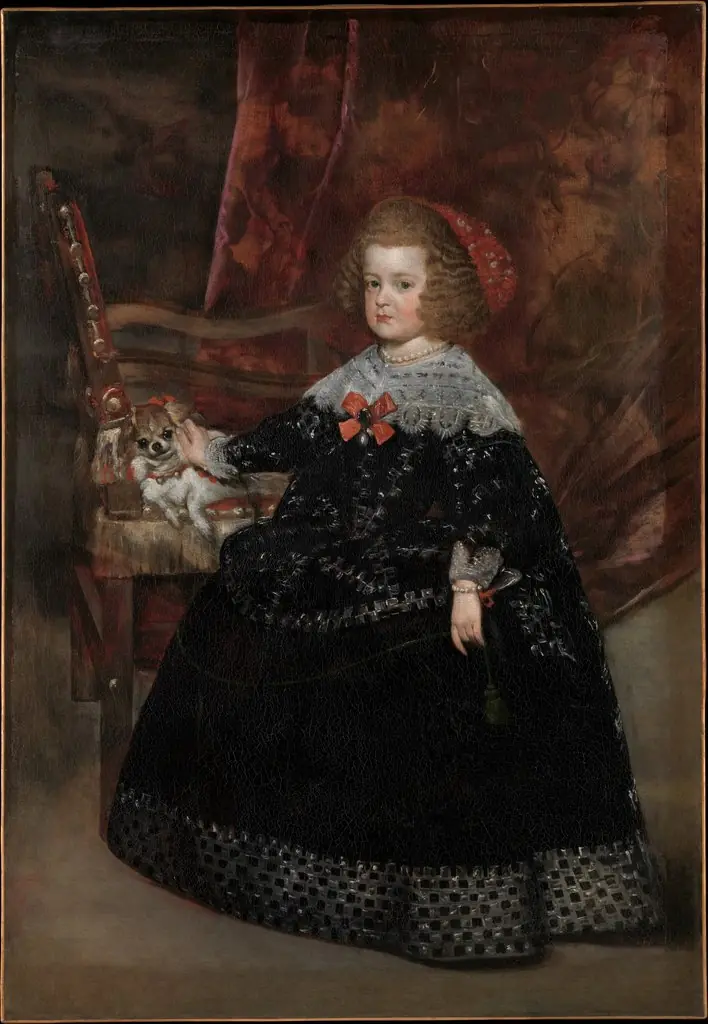 María Teresa (1638–1683), Infanta of Spain
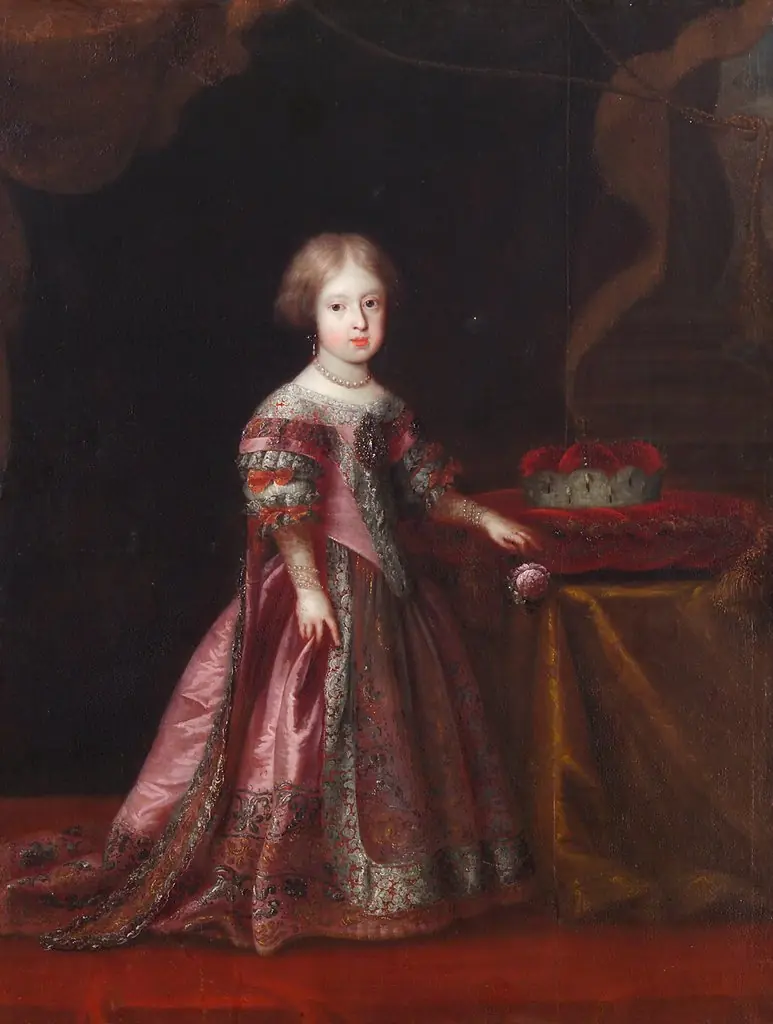 Erzherzogin Maria Elisabeth (1680-1741) im Alter von ca. vier Jahren
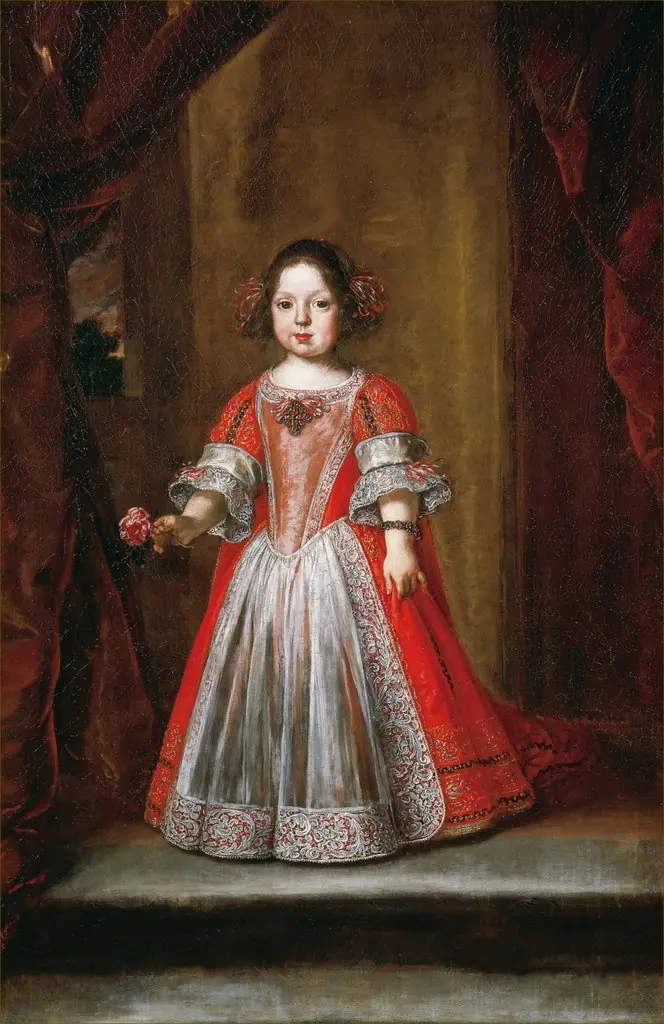 Anna Maria Louisa de' Medici as a Girl
 Portrait of a boy
 Portrait of a Boy