Artwork
James Badger
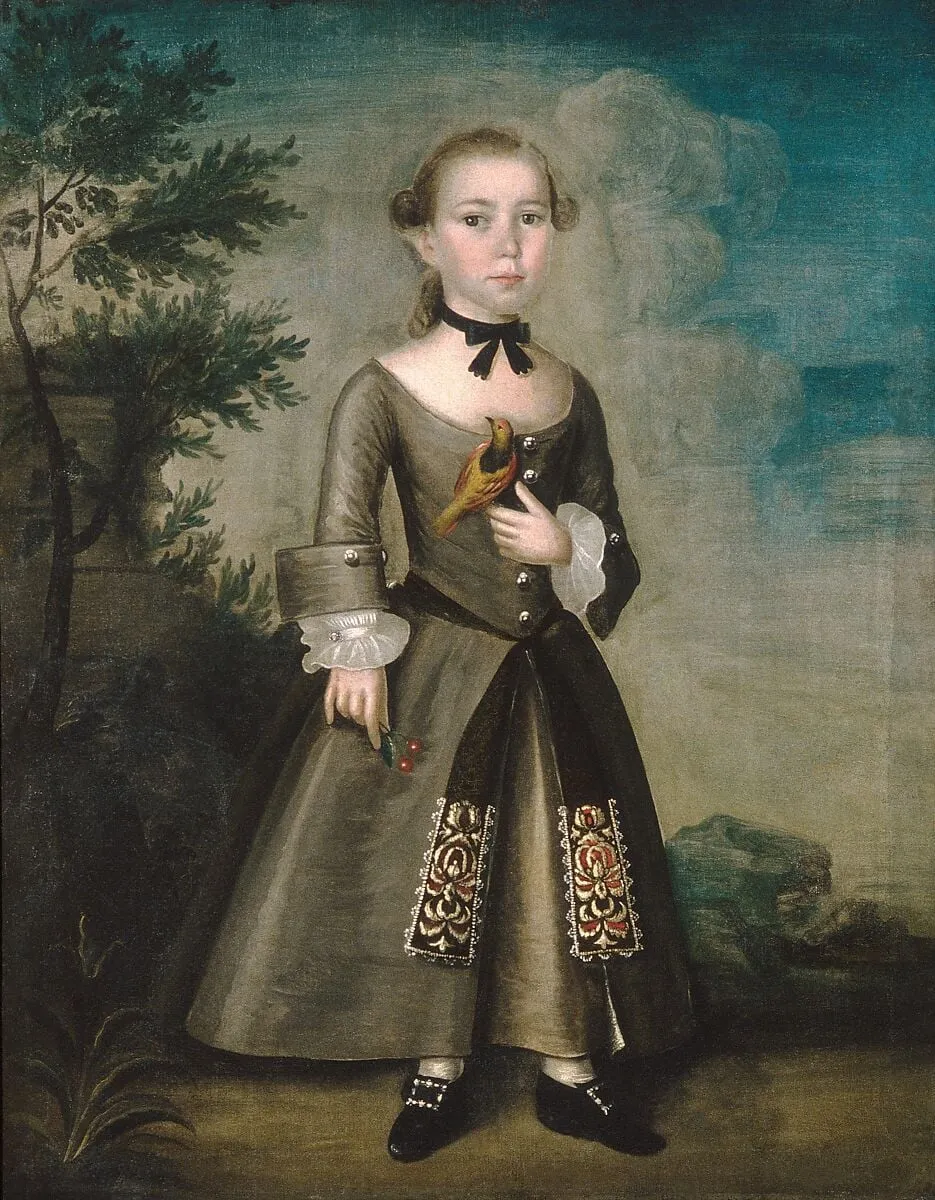
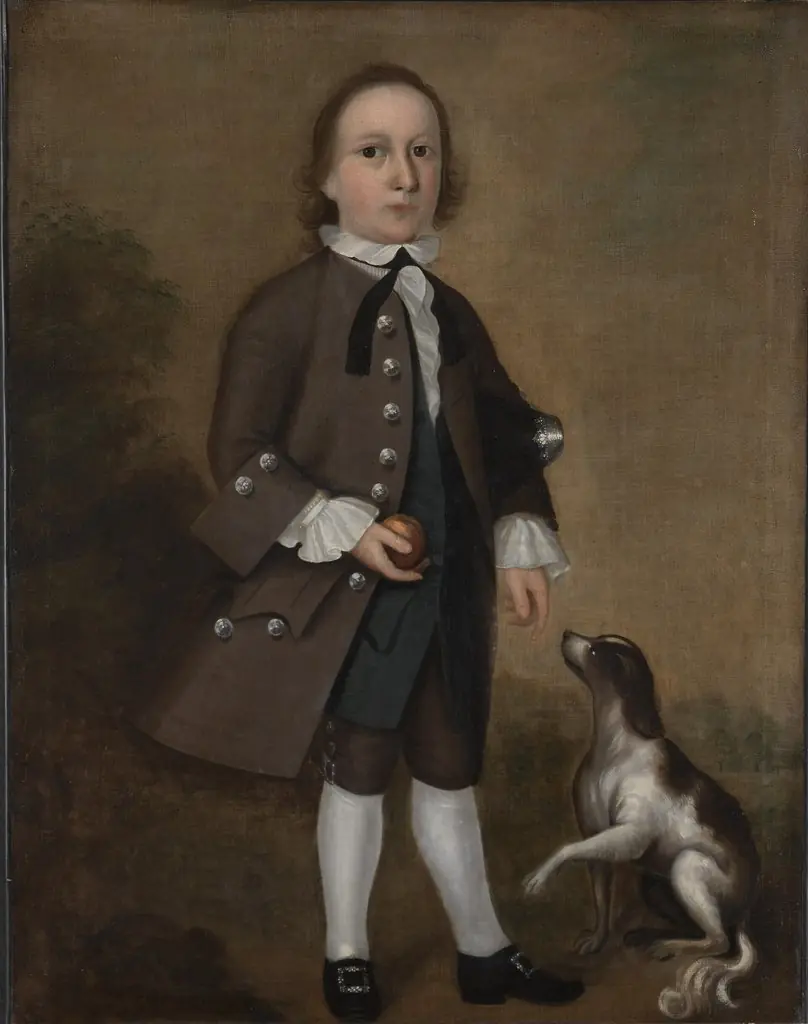
James Badger is an oil painting by the American Folk Art artist Joseph Badger. It dates from 1760 and is held in the collection of the Metropolitan Museum of Art.
About this work
An inscription on the back identifies the round-faced boy as three-year-old James Badger, grandson of the Boston portraitist Joseph Badger. Painted in 1760, it shows the child in a generalized landscape, clutching cherries in one hand while a small bird perches on a finger of the other. The Metropolitan Museum of Art acquired it in 1929 through the Rogers Fund.
Overview
Created by one of colonial Boston's prominent portraitists, the painting offers a personal view into the artist's family life.
This oil on canvas depicts James Badger, the artist Joseph Badger's grandson, at the age of three in 1760. Created by one of colonial Boston's prominent portraitists, the painting offers a personal view into the artist's family life. It stands out from Badger's typical commissions for merchants and clergy, providing a unique domestic record from the period. The work is a significant example of early American portraiture.
Subject & Meaning
The portrait features a young James Badger, identified by an inscription on the canvas's reverse, standing against a generalized landscape. Dressed in contemporary fashion, the three-year-old holds cherries in one hand while a small bird perches on a finger of the other. These elements, common in Georgian portraiture, symbolically convey the innocence of childhood, a recurring theme in depictions of youth during this era.
Technique & Style
Joseph Badger, largely self-taught, developed his artistic skills from his background in house painting and glazing, trades he pursued after moving to Boston in 1733. For this composition, he drew inspiration from British print sources, a common practice among colonial artists. Despite these influences, the finished work exhibits a directness and unpretentious quality, reflecting a provincial aesthetic that characterizes Badger's most notable portraits.
Context
In the mid-18th century, colonial Boston's art market often favored painters trained in Europe. Joseph Badger, a native-born artist, maintained an active practice amidst this preference. While he primarily painted prominent figures such as merchants and clergy, this depiction of his grandson offers a rare, intimate insight into the private sphere of a colonial artisan's family. It provides a contrast to the more formal commissioned works he typically produced.
History & Provenance
This substantial oil on canvas, measuring over forty-two by thirty-three inches, remained within the Badger family for generations. Its unbroken lineage from the artist's possession to the early 20th century underscores its significance. In 1929, the Metropolitan Museum of Art acquired the portrait through the Rogers Fund.
Today, it is displayed in the American Wing, identified by its accession number 29.85, representing a key example of colonial American art.
Artist & collection

Artist
Joseph Badger was born on March 14, 1707/8, in Charlestown, Massachusetts, the son of Stephen Badger, a tailor, and Mercy Kettell.

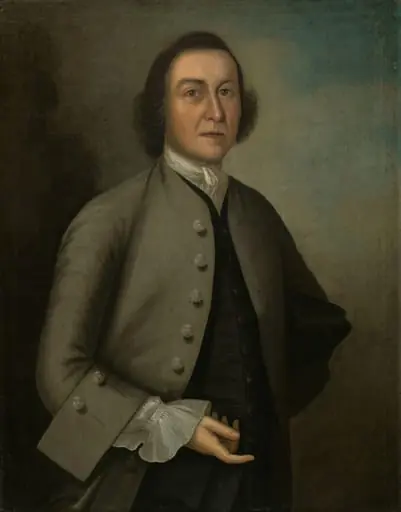
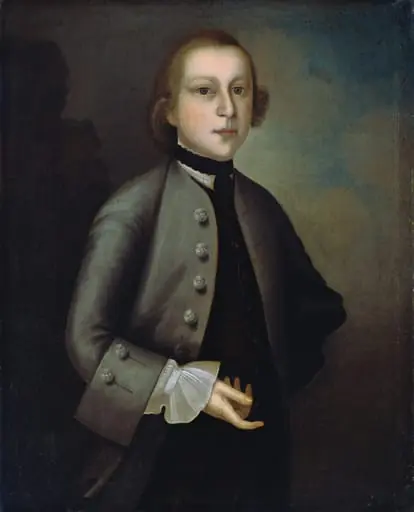
- Possibly Margaret Robins
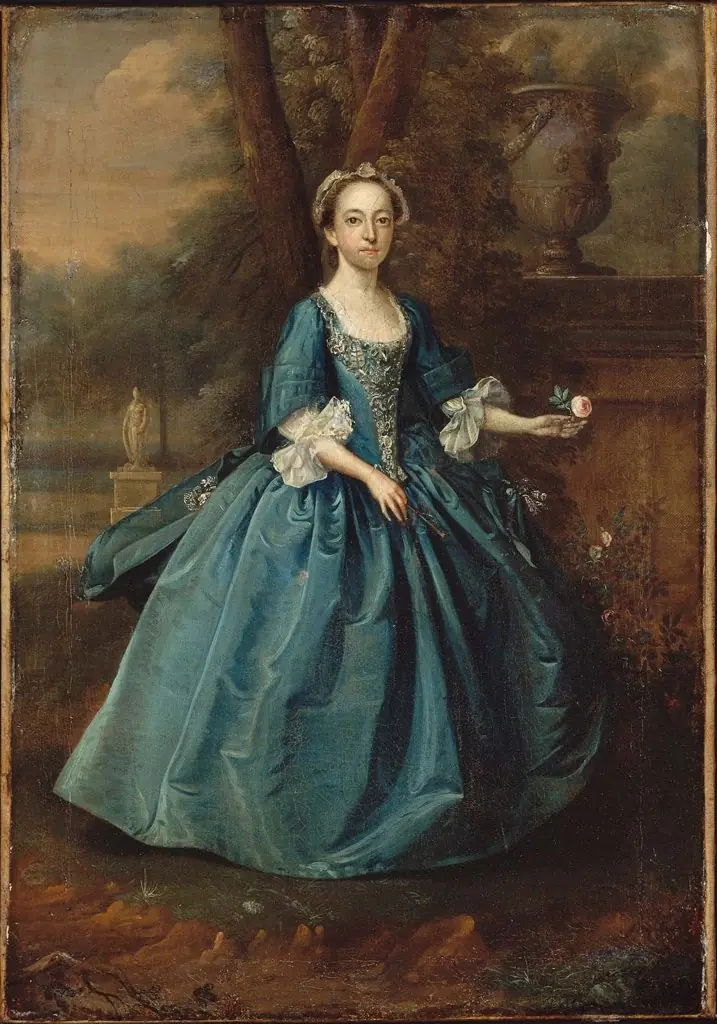 Portrait of a Woman Standing in a Garden
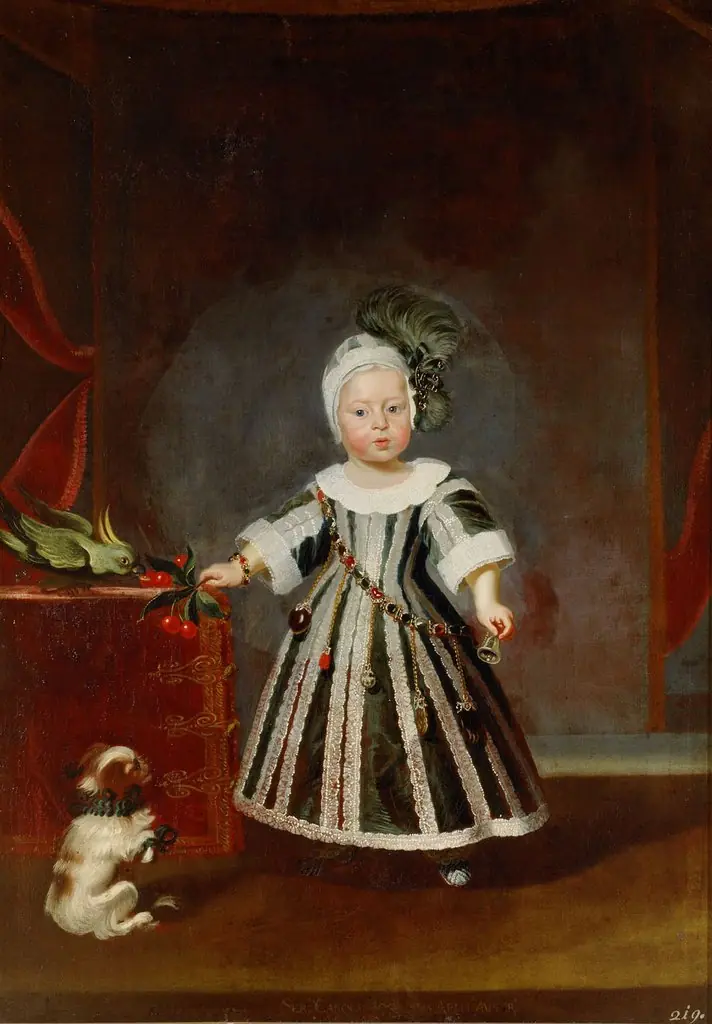 Portrait of Charles Joseph, Archduke of Austria (1745-1761)
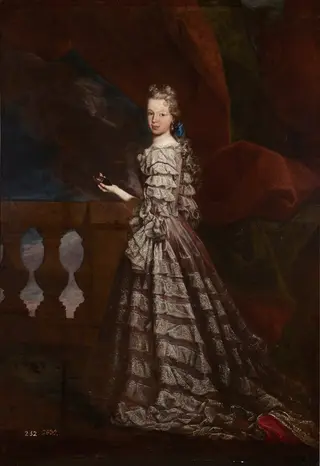 Portrait of Maria Luisa of Savoy, Queen of Savoy
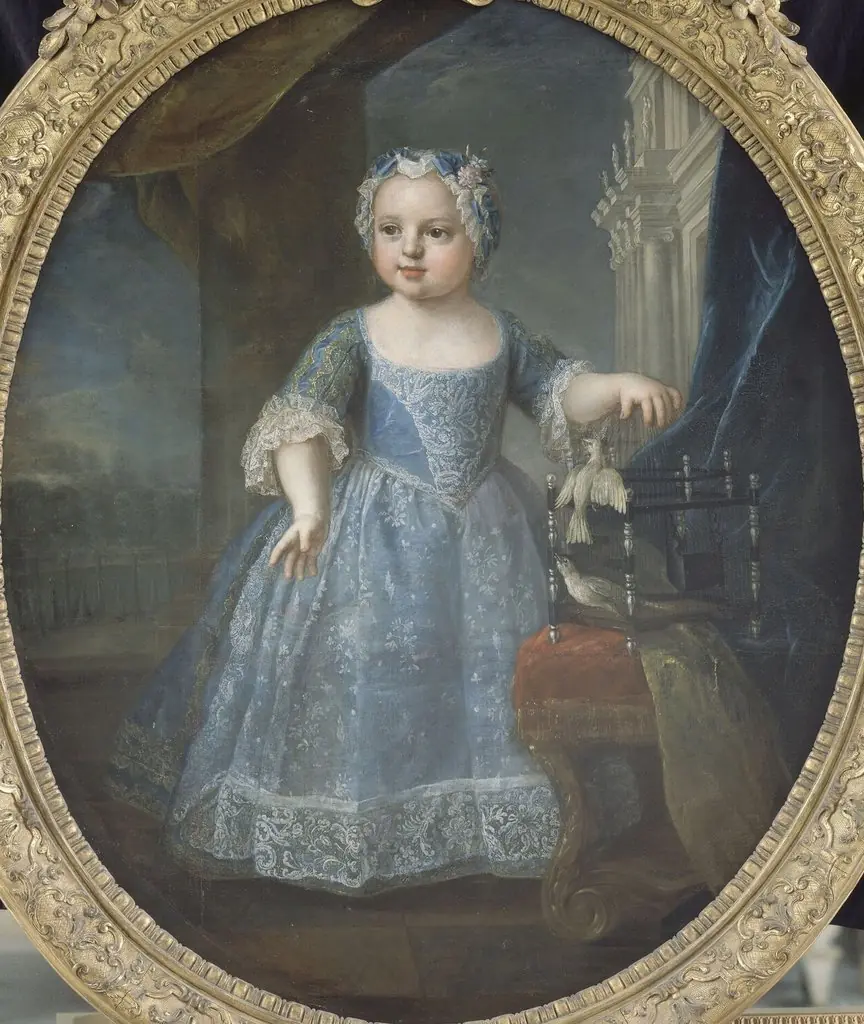 Marie-Louise de France (1728-1733), dite Madame Louise / Madame Troisième
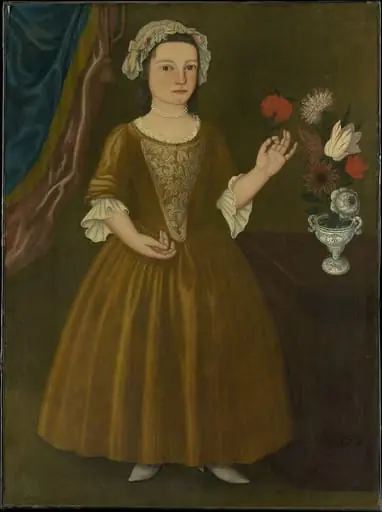 Catherina Elmendorf
 Isabelle de Bourbon, infante de Parme
 Margaret Wynne (1722 -)
 Elizabeth Greenleaf
 Hannah Loring
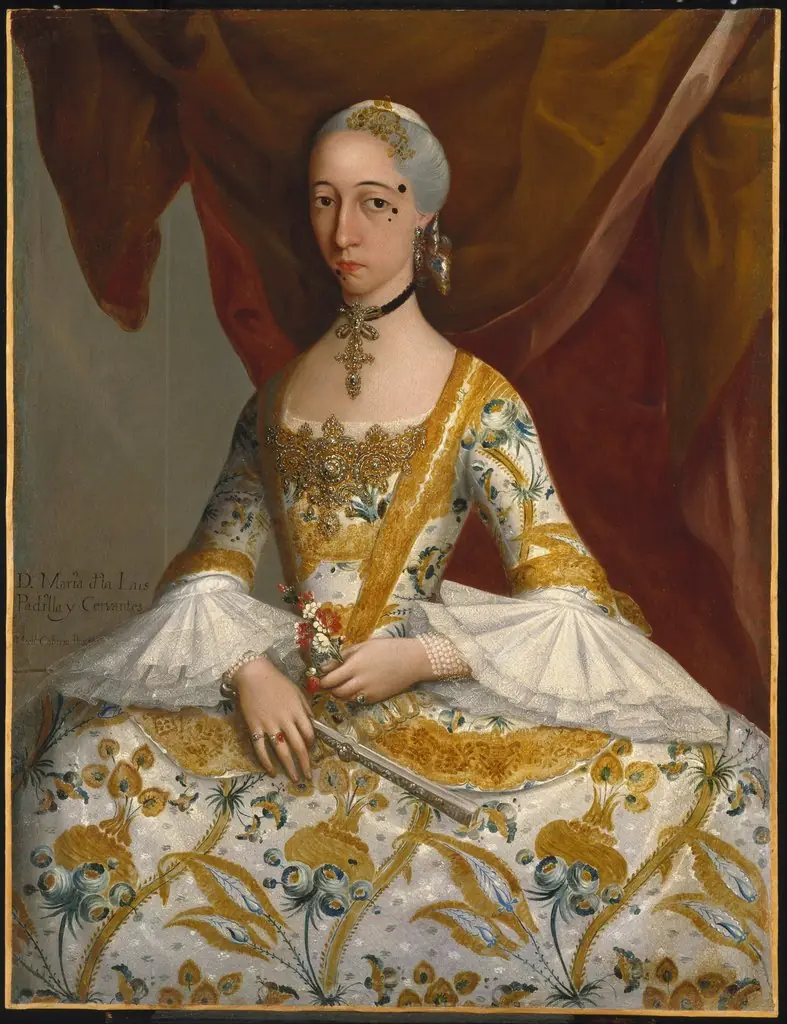 Doña María de la Luz Padilla y (Gómez de) Cervantes
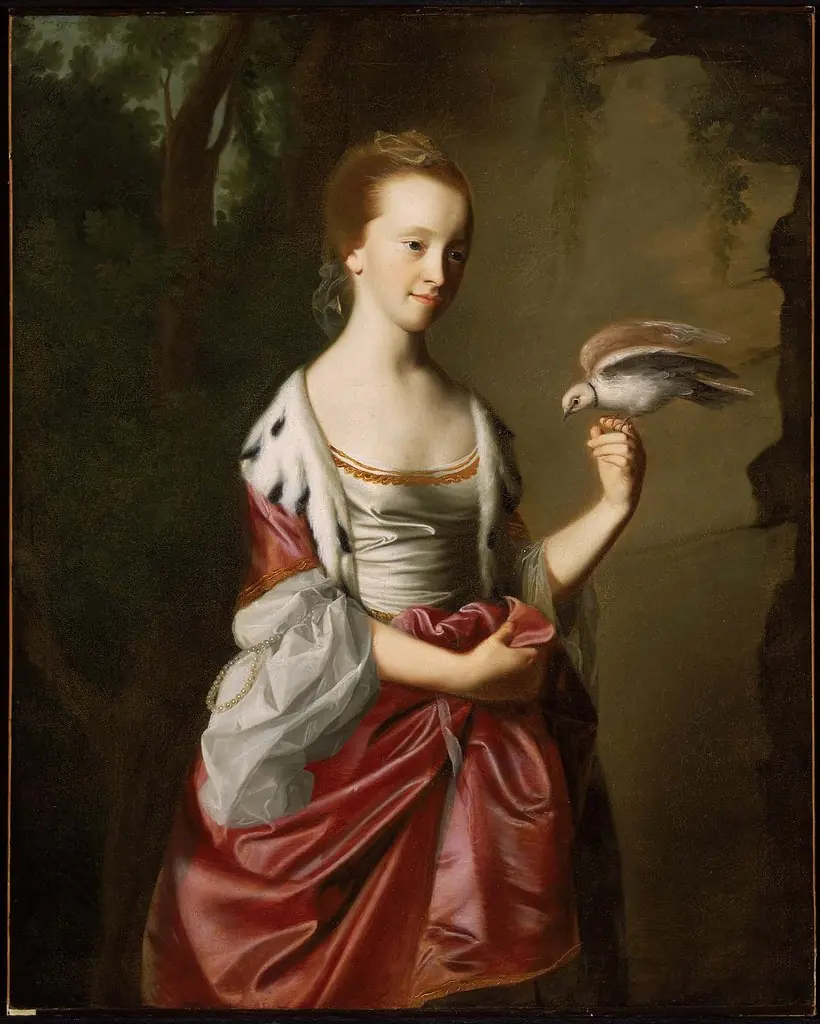 Elizabeth Ross (Mrs. William Tyng)