Artwork
De Braamberg in Brugge
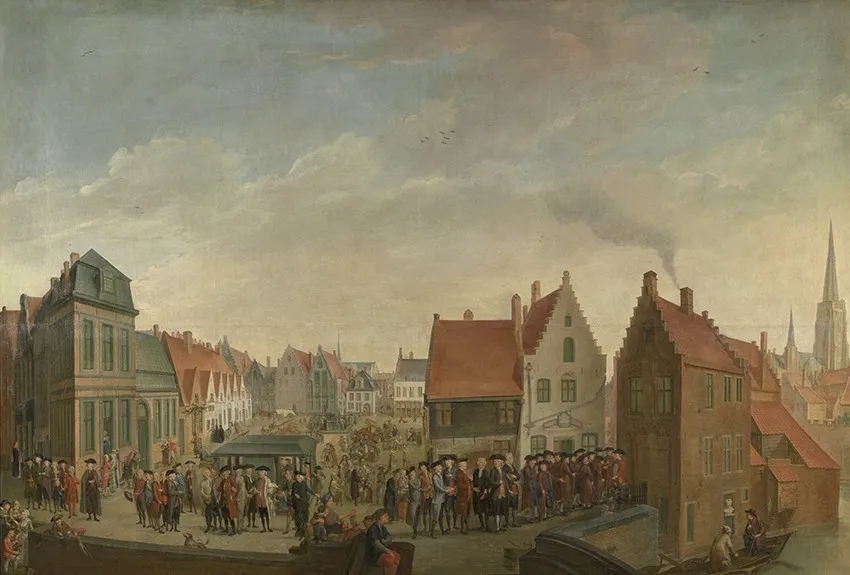
De Braamberg in Brugge is an oil painting by the Rococo painting artist Jan Beerblock. It dates from 1794 and is held in the collection of the Groeningemuseum.
About this work
Subject & Meaning
Specific identifiable elements include houses lining the waterway, a boat, the Fish market, the Church of Our Lady, and the broader urban fabric of the city.
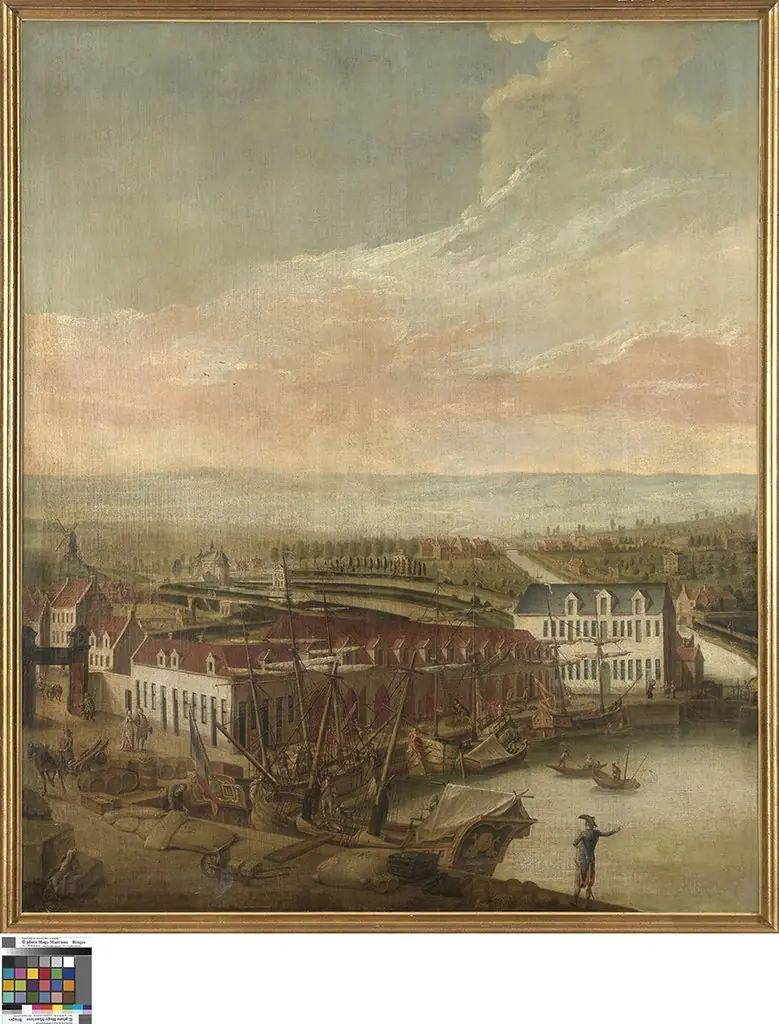
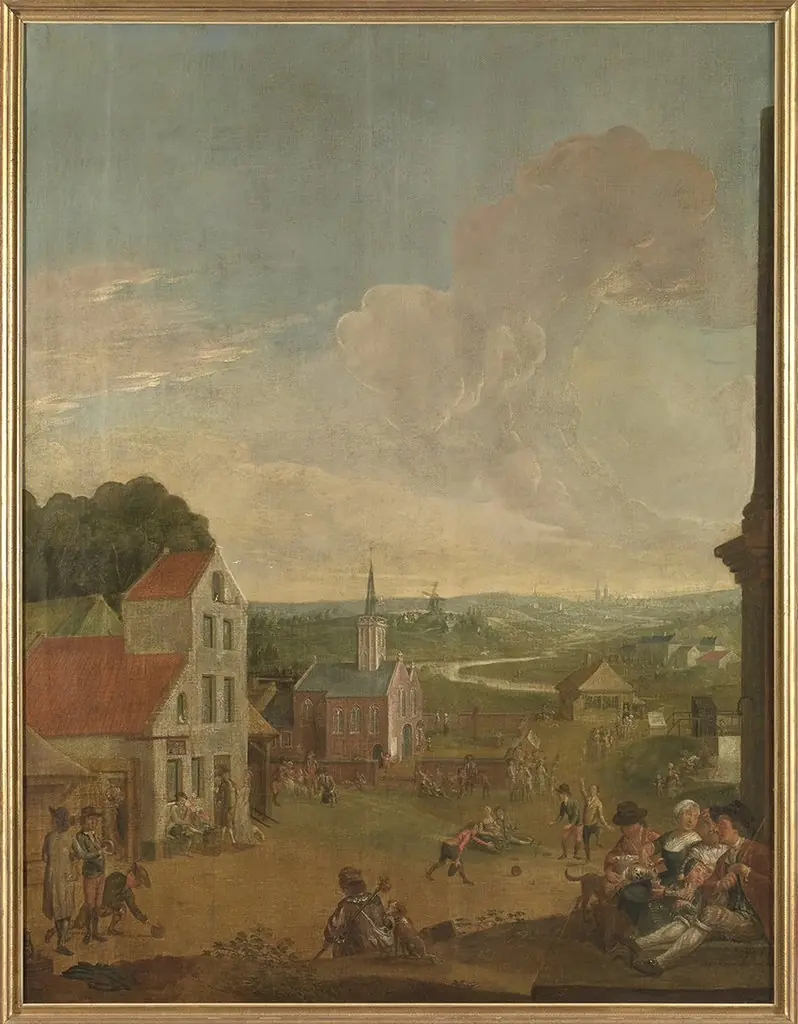
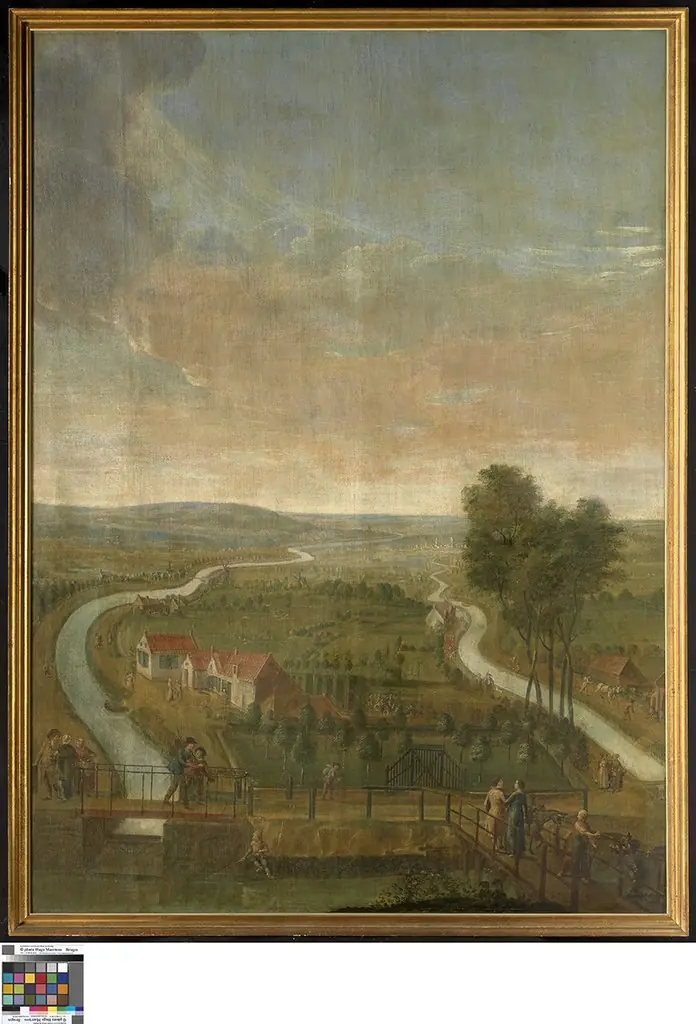
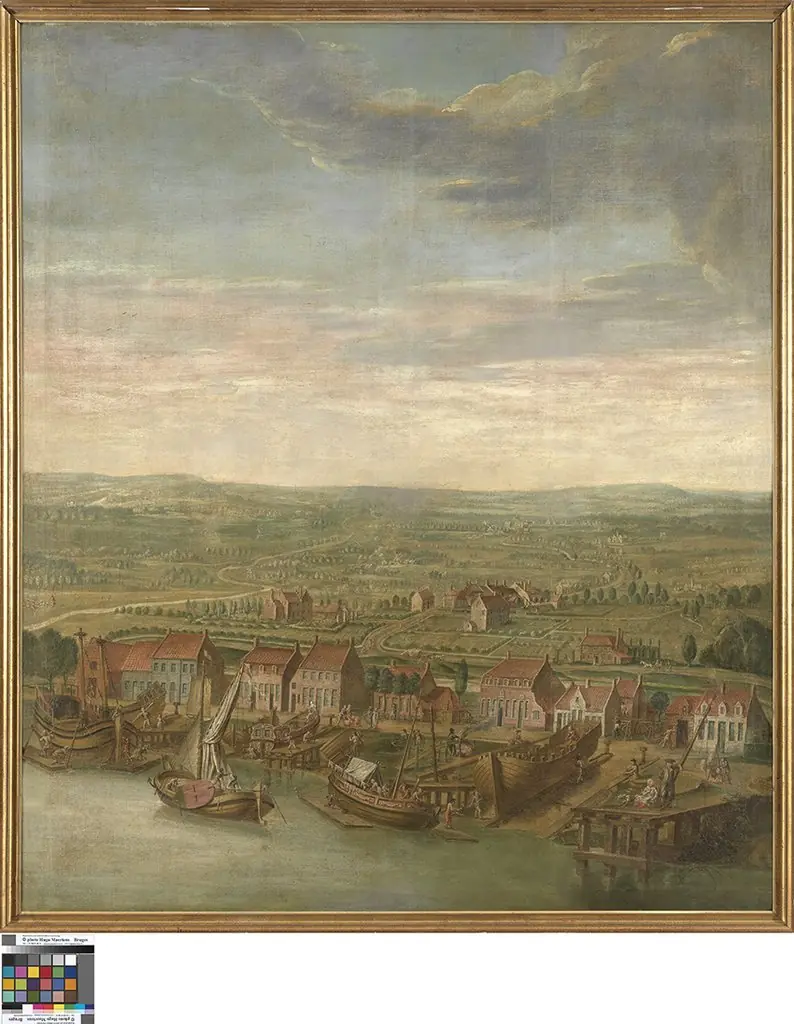
The painting depicts a view of Bruges, centered on the Braamberg area along the Reie canal. Specific identifiable elements include houses lining the waterway, a boat, the Fish market, the Church of Our Lady, and the broader urban fabric of the city. As a cityscape, the work belongs to a genre devoted to representing the built environment and civic identity of a place.
The inclusion of prominent landmarks such as the Church of Our Lady anchors the scene in Bruges's historical and religious landscape, while the canal and boat emphasize the city's character as a water-based trading center.
Technique & Style
Executed in 1788, this cityscape by Jan Beerblock is an oil painting on canvas. The work presents a detailed view of Bruges, capturing specific landmarks such as the Church of Our Lady, the Fish market, and the Reie river. The composition includes architectural elements like houses and boats, rendered in a style characteristic of topographical cityscapes.
The painting measures 202 cm in height and 295.5 cm in width, indicating a large-scale format. It is currently held in the collection of the Groeningemuseum.
History & Provenance
De Braamberg in Brugge is an oil-on-canvas cityscape created by Jan Beerblock in 1788. The work measures 202 cm in height and 295.5 cm in width, depicting the Bruges waterfront, the Reie canal, and the Church of Our Lady. While the specific commission details and the initial chain of ownership prior to its current location are not detailed in the available records, the painting is firmly dated to the year 1788.
It is currently held in the collection of the Groeningemuseum in Bruges, where it remains a documented example of late 18th-century urban topography.
Overview
De Braamberg in Brugge is an 18th-century oil painting by Jan Beerblock, executed in 1794. The work captures a vibrant cityscape of Bruges.
Context
The work provides a visual document of 18th-century Bruges, highlighting its architectural characteristics and the everyday activities of its inhabitants during that era.
Artist & collection

- Fair on the Antwerp Meir
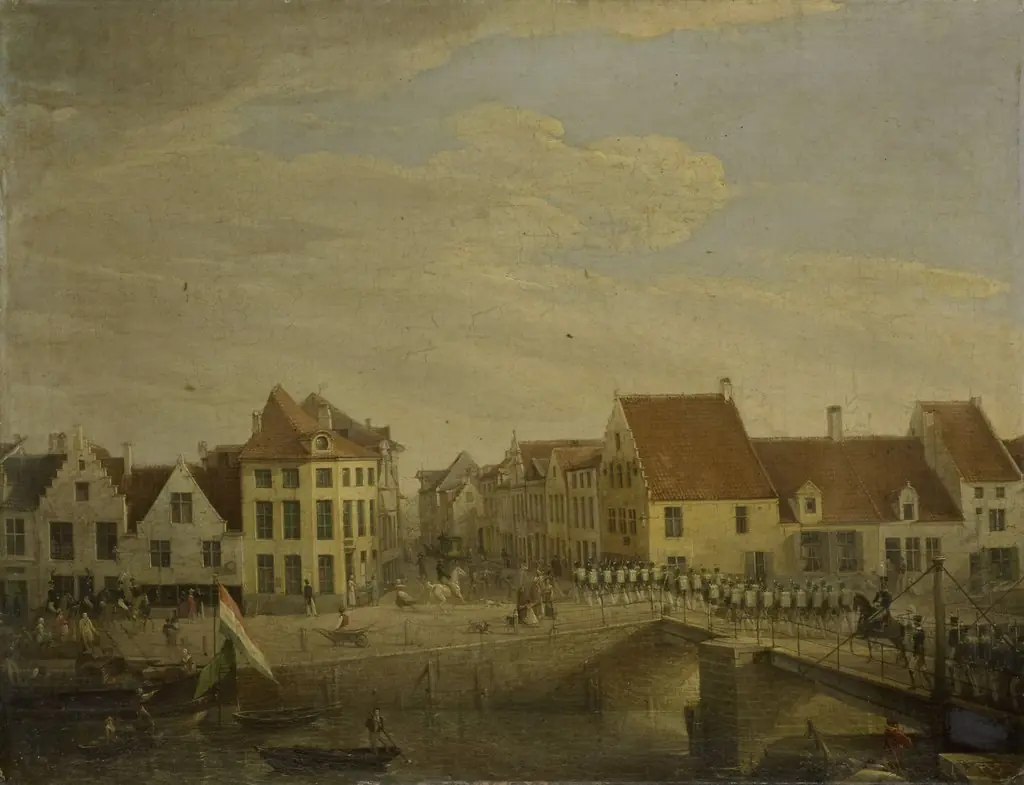 Dutch Troops passing through the Fortress of Dendermonde
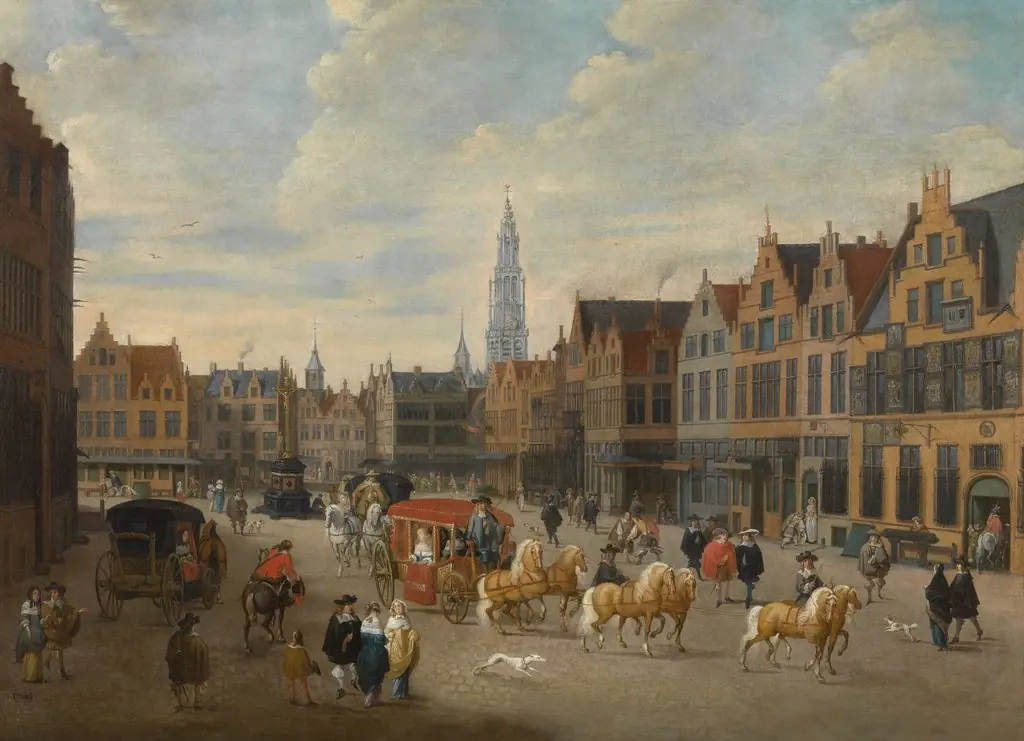 Meirplaats in Antwerp
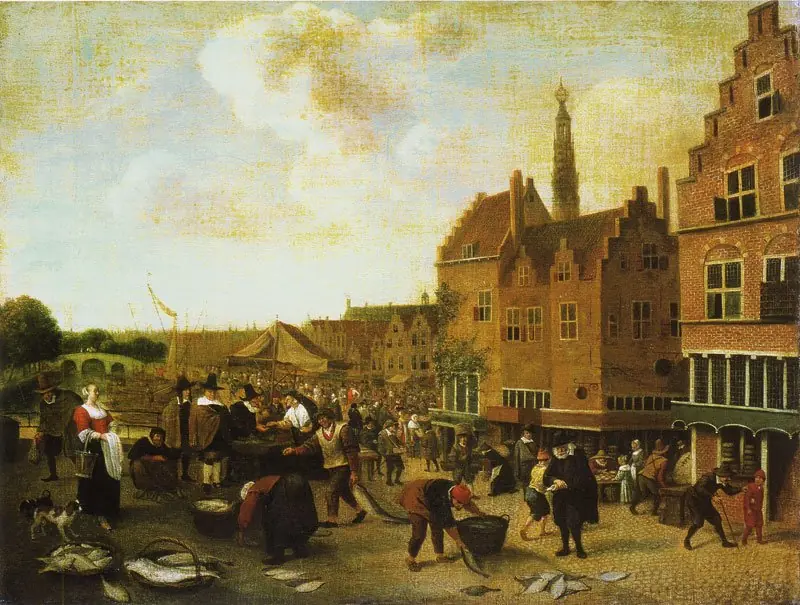 The Fish Market at Leiden
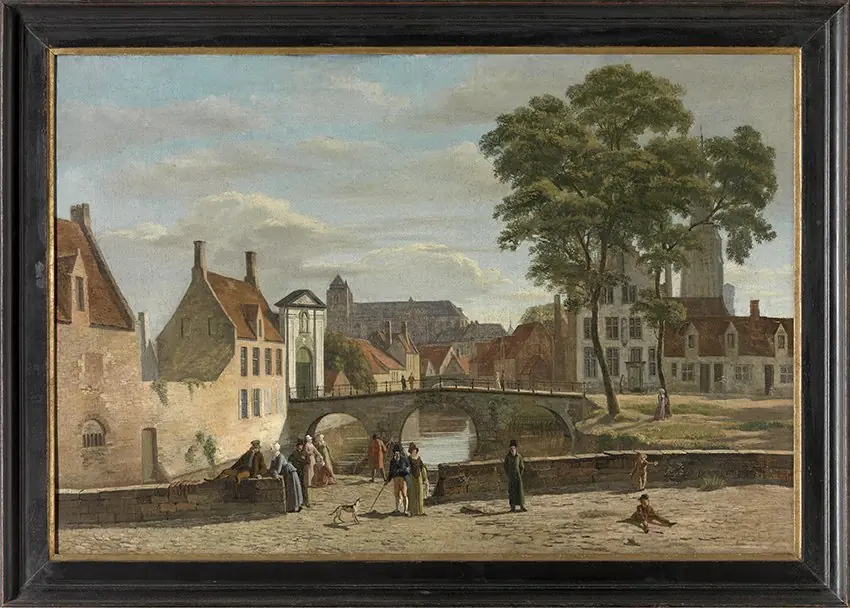 Ingang van het Begijnhof in Brugge
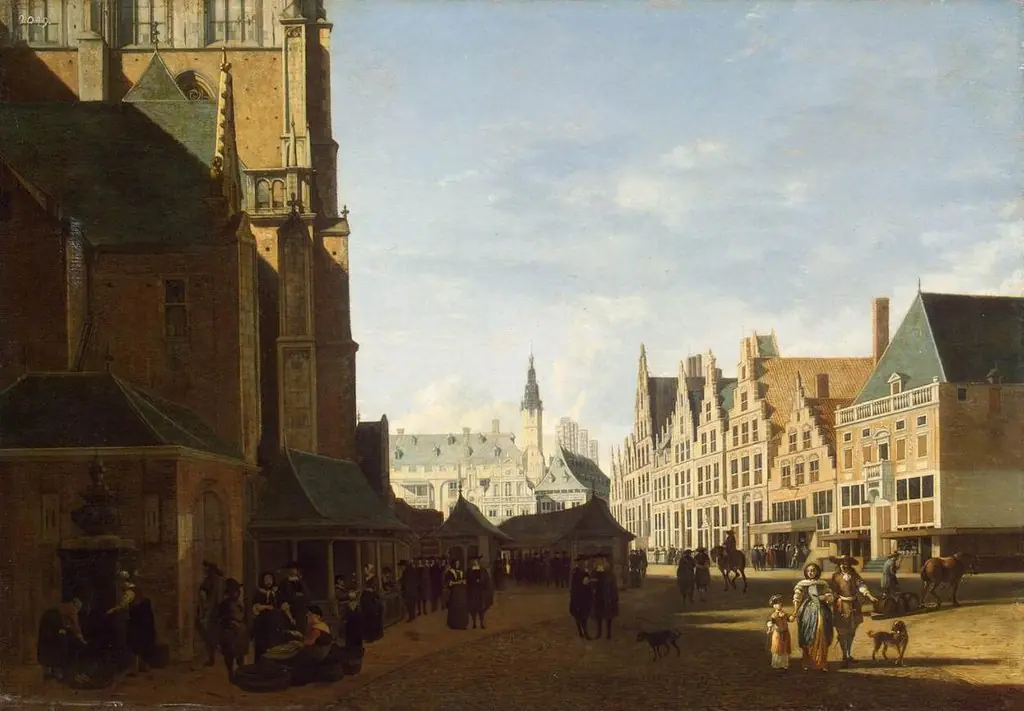 Groote Market in Haarlem
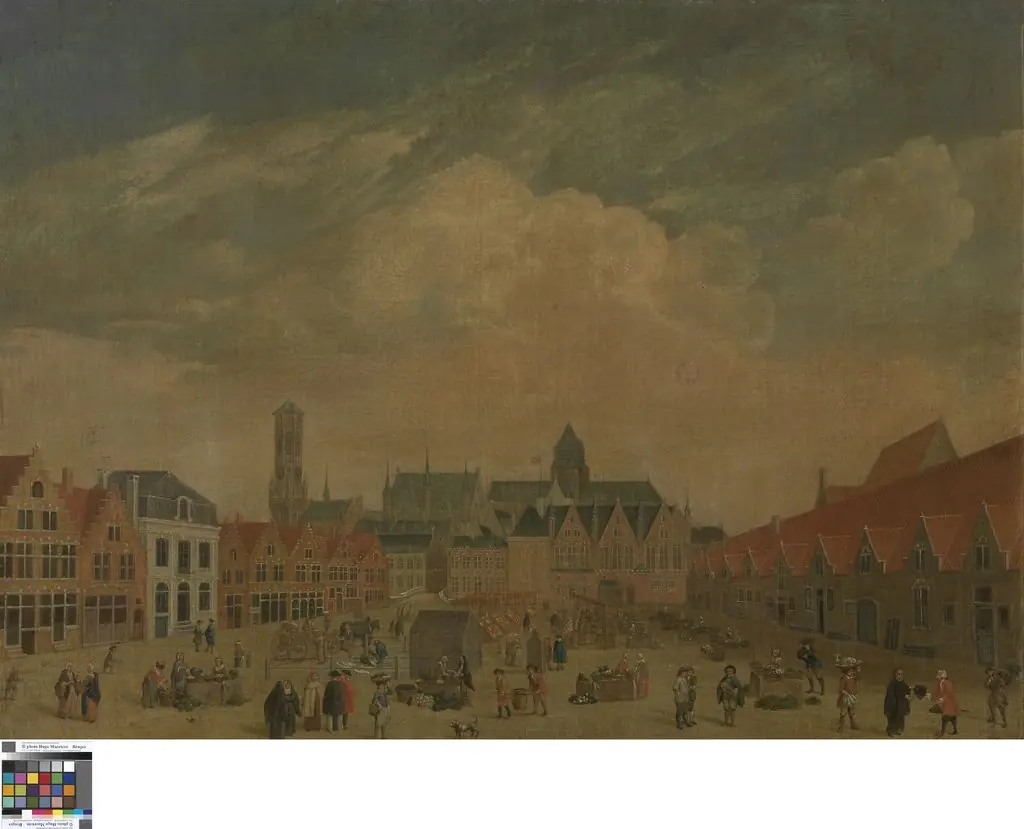 De Braamberg in Brugge
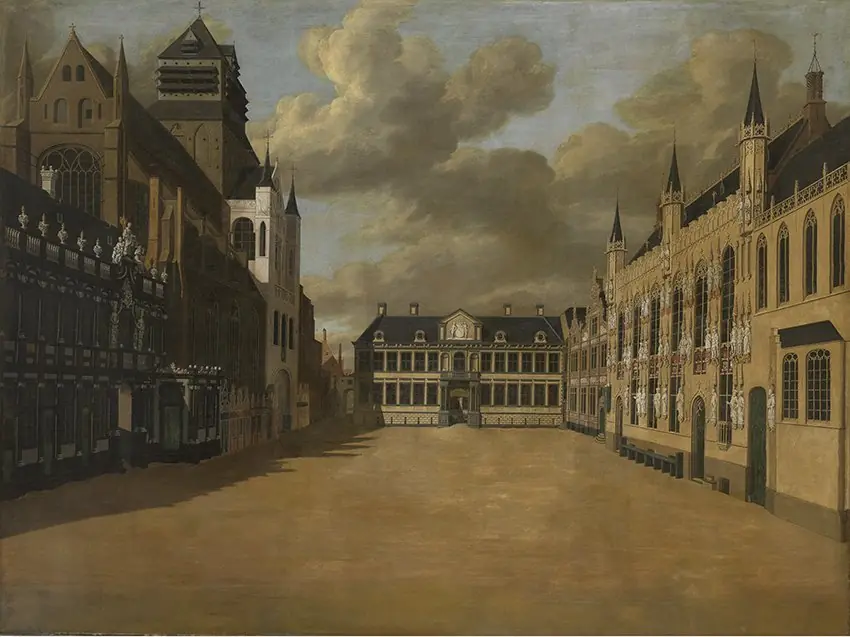 De Burg te Brugge
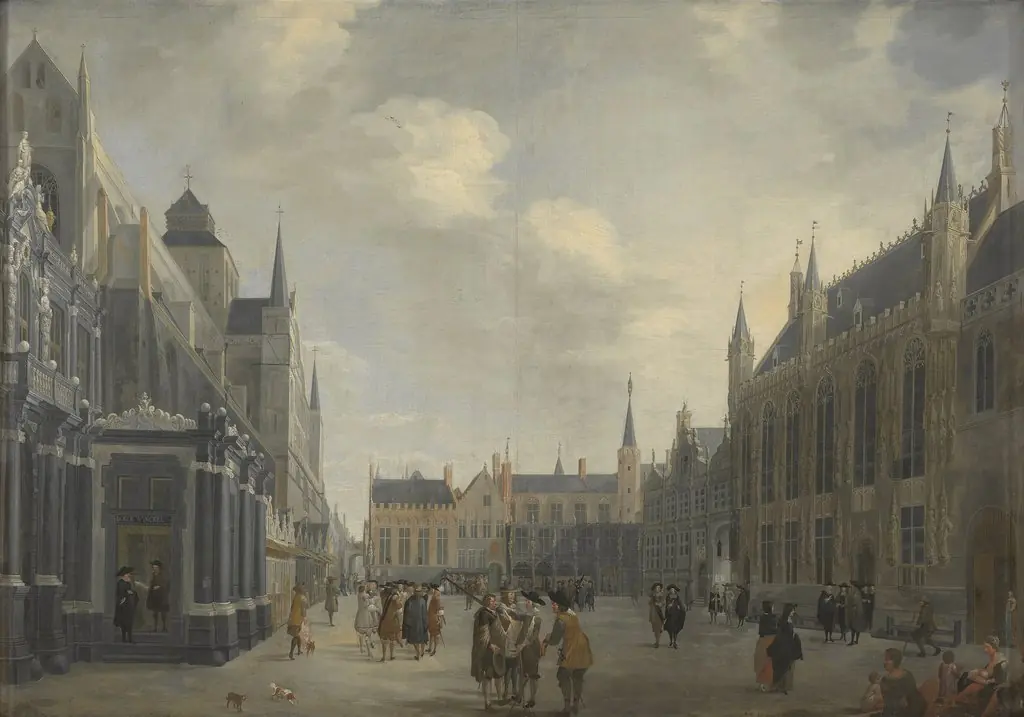 The Burg in Bruges
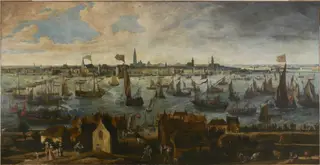 View of the Pier of Antwerp from the Vlaams Hoofd
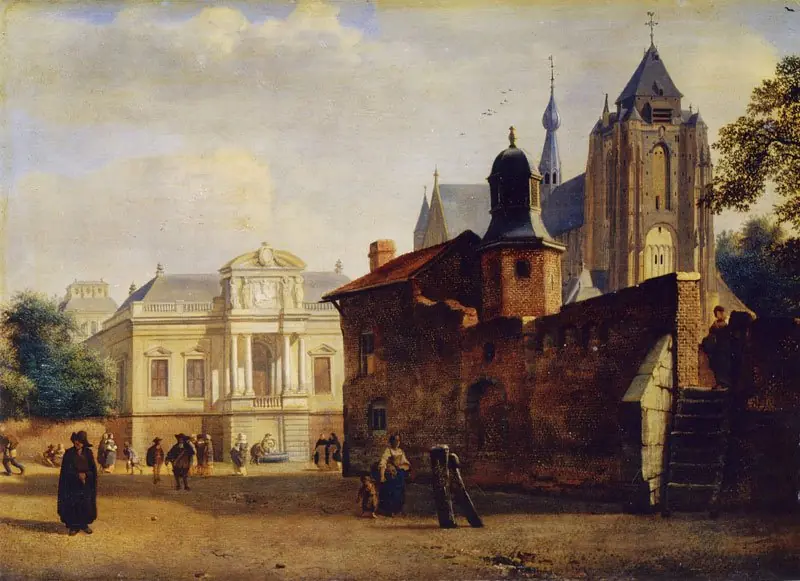 The Great Church in Veere with a Fantasy Villa
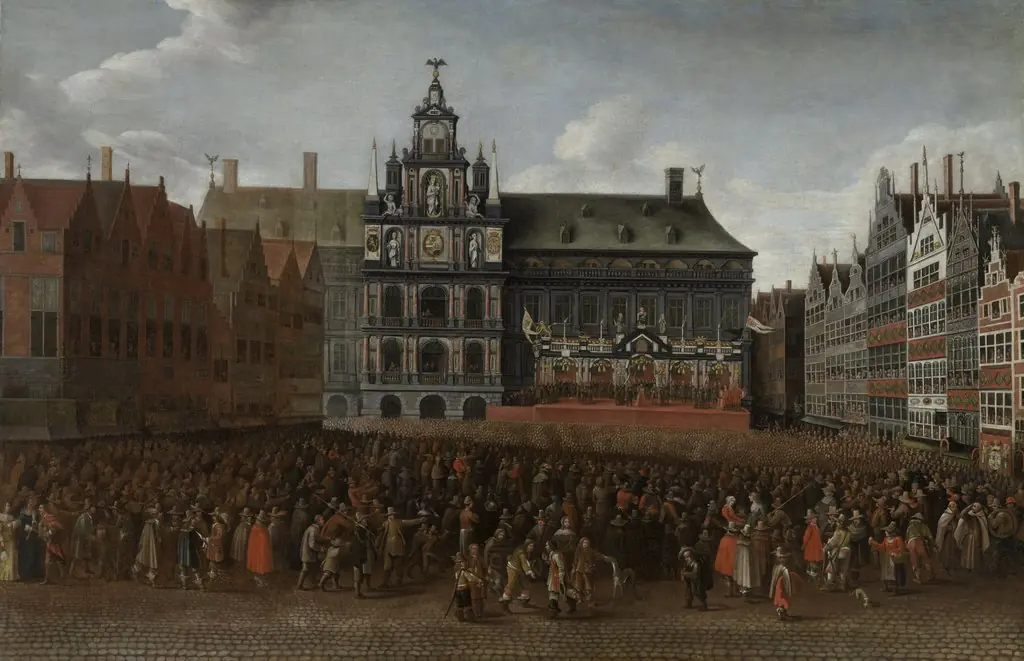 The Proclamation of the Peace of Münster at the Grote Markt in Antwerp