Artwork
Calvary
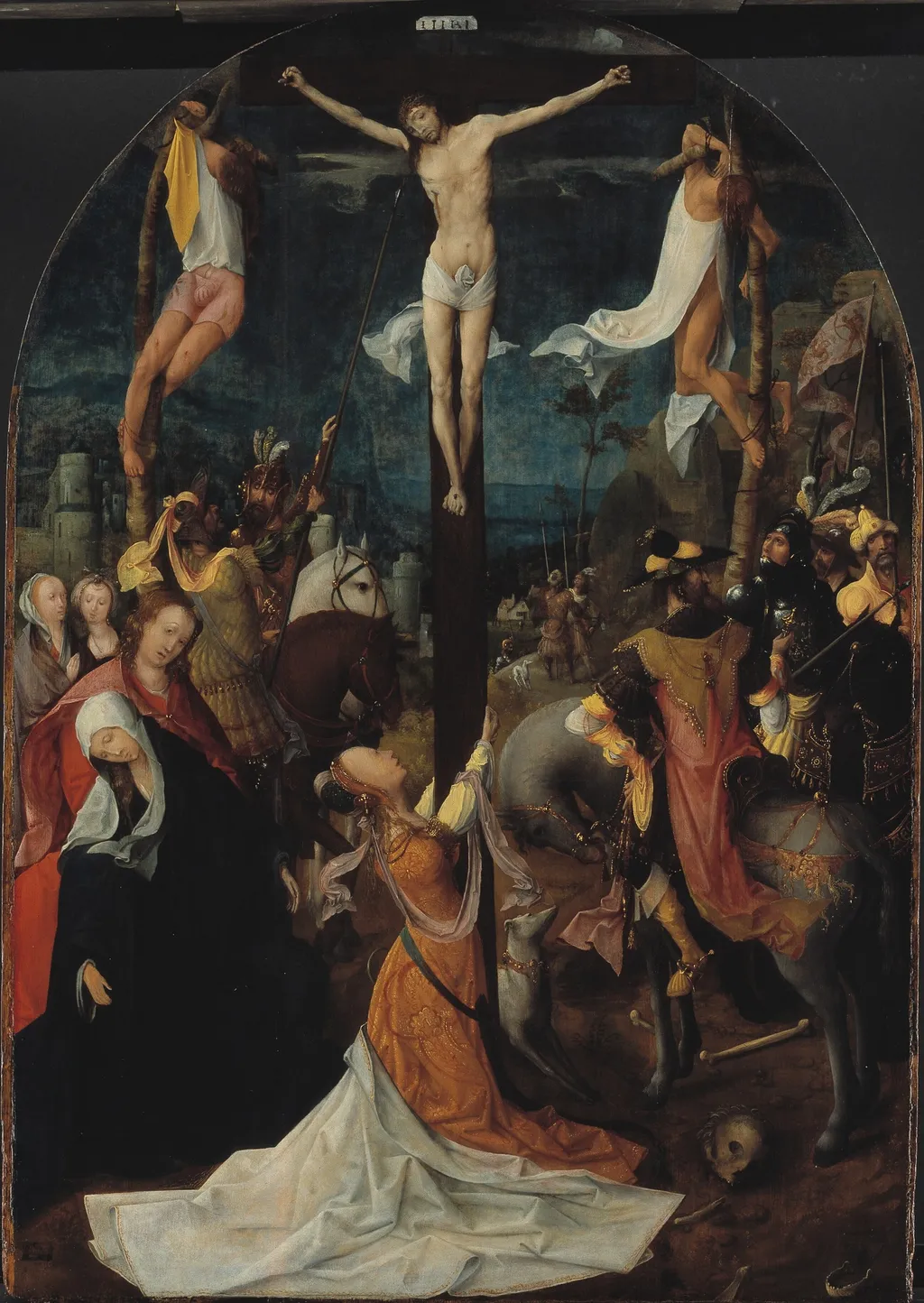
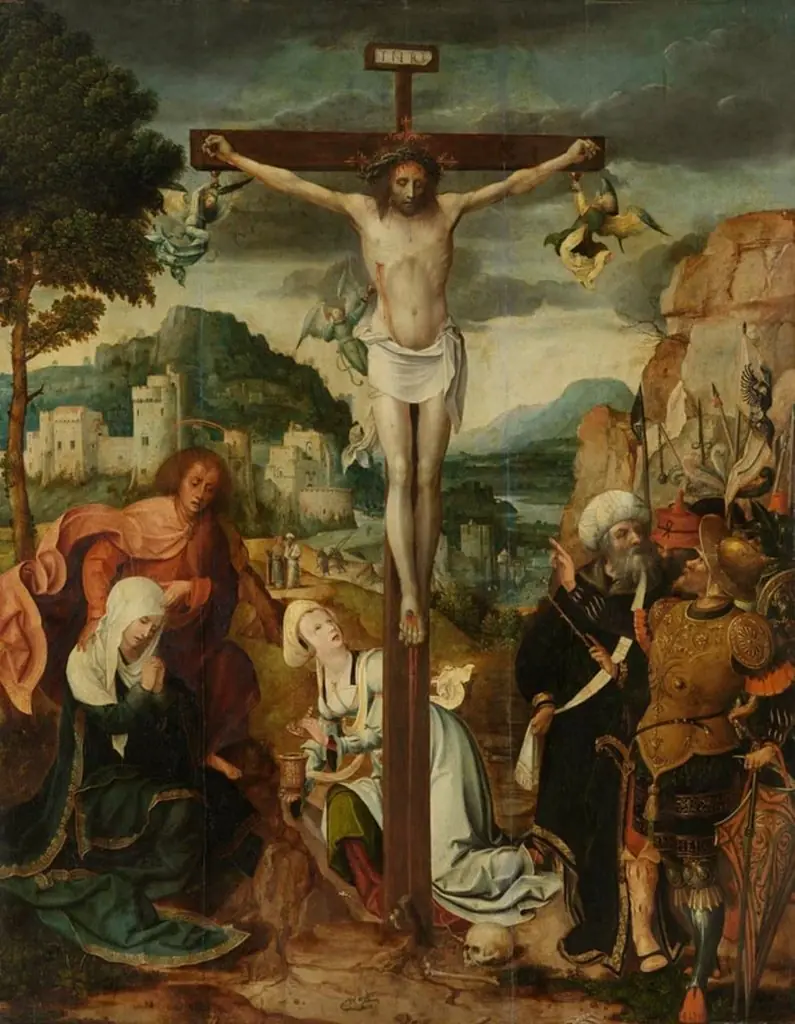
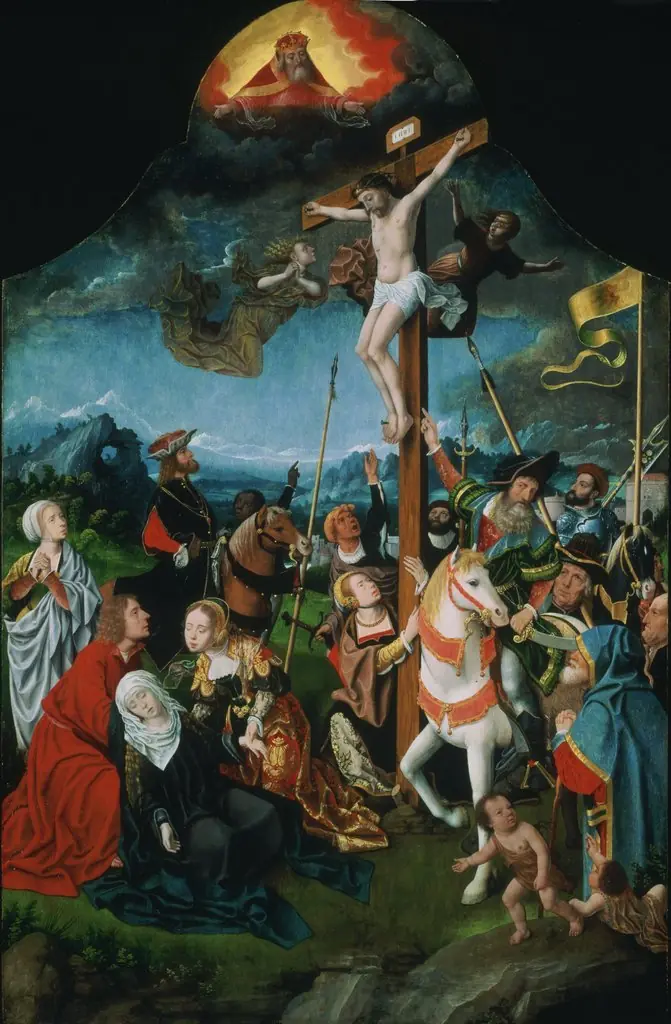
Calvary is an unspecified painting by the Northern Renaissance artist Jan de Beer. It dates from 1510 and is held in the collection of the Statens Museum for Kunst.
About this work
Subject & Meaning
The work is housed in the Statens Museum for Kunst, where it is recognized as a key example of early 16th-century Netherlandish religious painting.
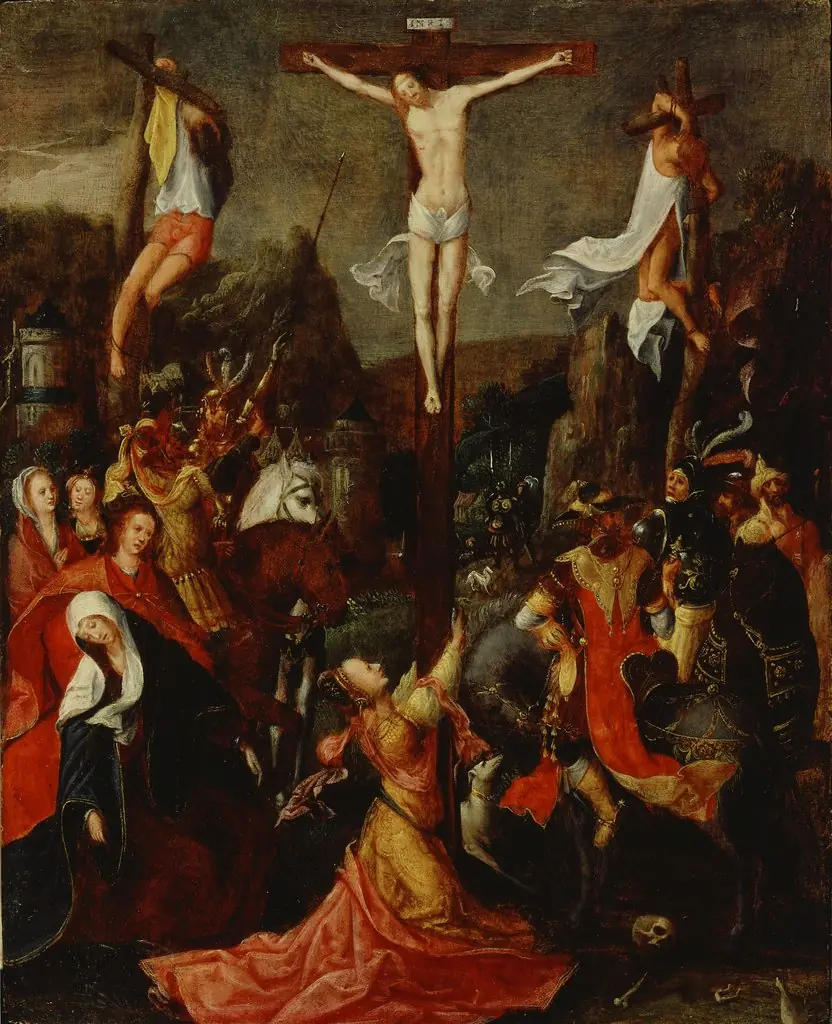
The painting shows the crucifixion of Jesus, depicting the central moment of his sacrifice on the cross. It functions as a devotional image within the religious art tradition, emphasizing themes of suffering, redemption, and divine sacrifice. The composition underscores the theological significance of the Passion narrative in Christian iconography.
The work is housed in the Statens Museum for Kunst, where it is recognized as a key example of early 16th-century Netherlandish religious painting.
The subject reflects the theological focus on the crucifixion as a representation of Christ's sacrifice for humanity.
History & Provenance
The painting titled Calvary was created by Jan de Beer in 1510. This religious work depicts the crucifixion of Jesus Christ and is classified as a religious painting. The Statens Museum for Kunst currently holds the piece in its collection. The inception of the work is recorded as January 1, 1510.
Overview
Jan de Beer’s Calvary, painted in 1510, presents the Crucifixion of Christ with a dense assembly of figures on a stark, rocky landscape. The central figure of Jesus hangs illuminated against a darkened sky, while soldiers, onlookers, and a kneeling woman in a vivid orange garment populate the surrounding space. The work belongs to the collection of the Statens Museum for Kunst.
Technique & Style
De Beer employs a pronounced chiaroscuro effect, allowing the illuminated flesh of Christ to dominate the visual field while the surrounding figures recede into darkness. The painting reflects the Antwerp Mannerist tendency toward intricate detail and expressive gestures, with careful rendering of drapery, facial expressions, and the rugged terrain.
Context
Part of the broader Northern Renaissance, the painting aligns with contemporary Flemish religious art that combined devotional narrative with sophisticated visual techniques. De Beer’s dual role as painter and glass designer informed his attention to luminous effects, a quality that resonates with the period’s interest in light as a symbolic and compositional device.
Own this work as a print
Artist & collection
Artist
Jan de Beer, formerly known as the Master of the Milan Adoration (c. 1475 – 1528) was a Flemish painter, draughtsman and glass designer active in Antwerp at the beginning of the 16th century. He is considered one of the…