Artwork
De kruisiging
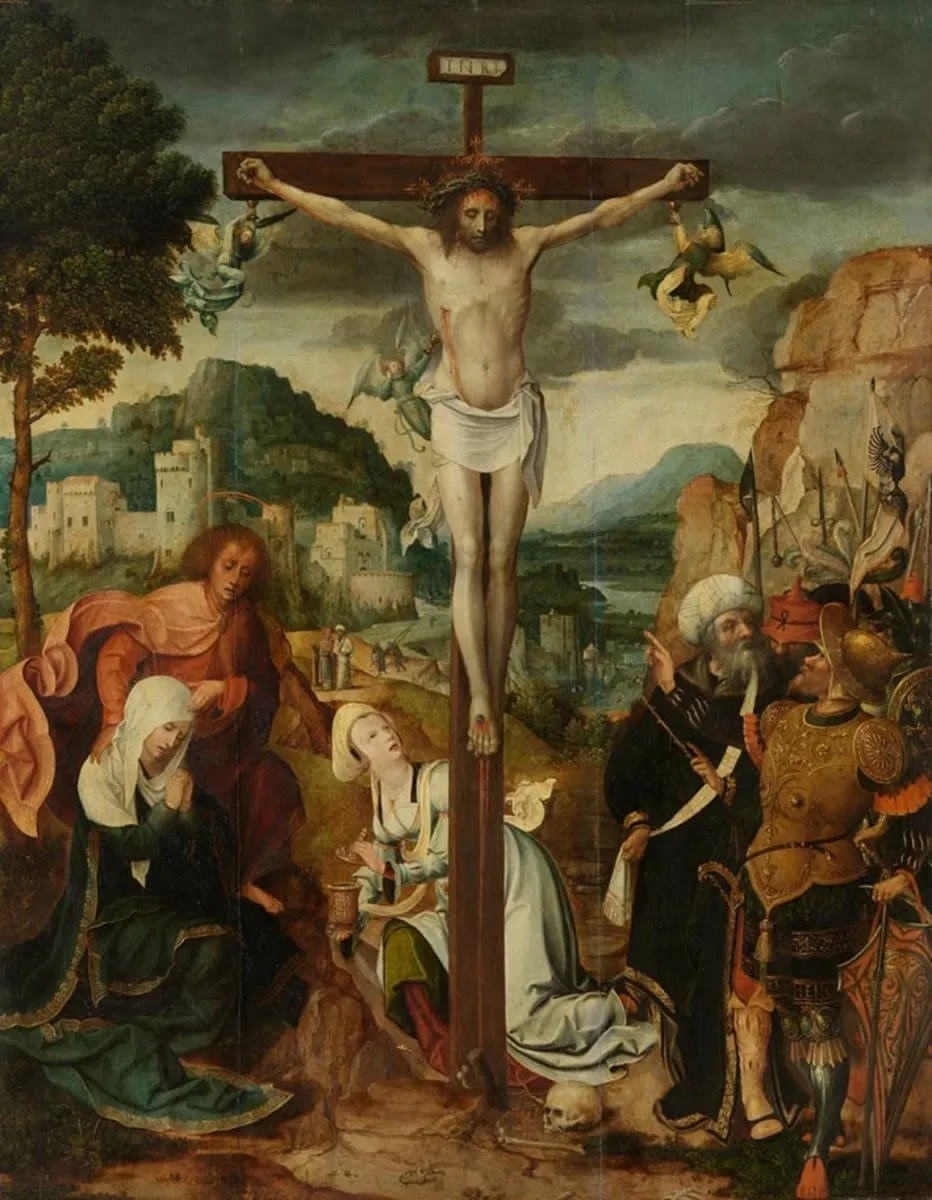
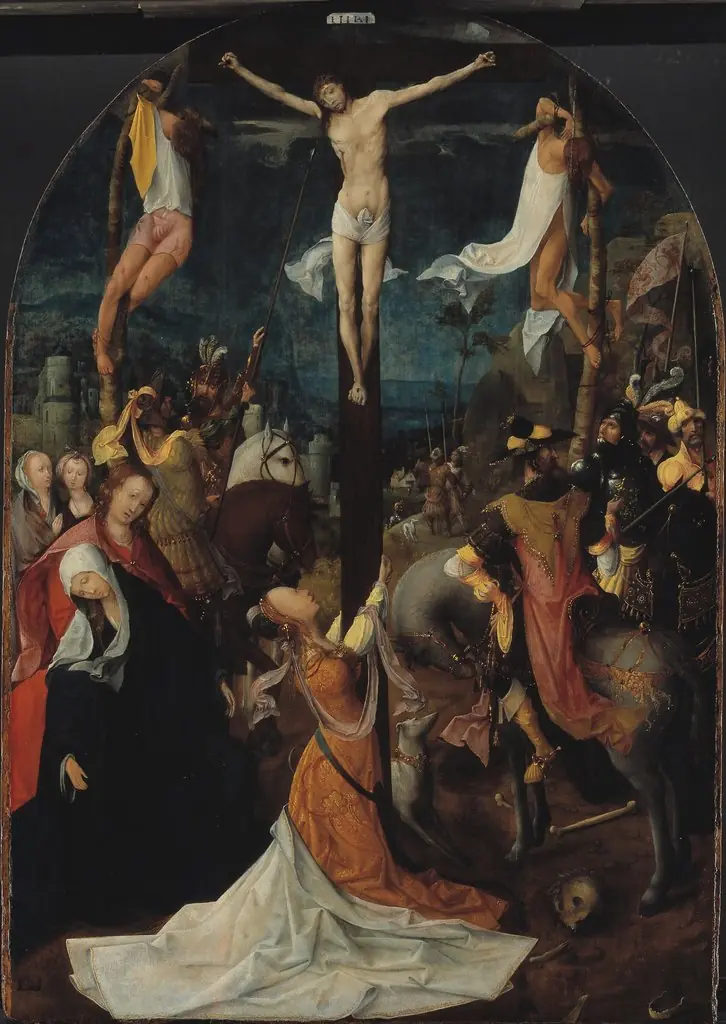
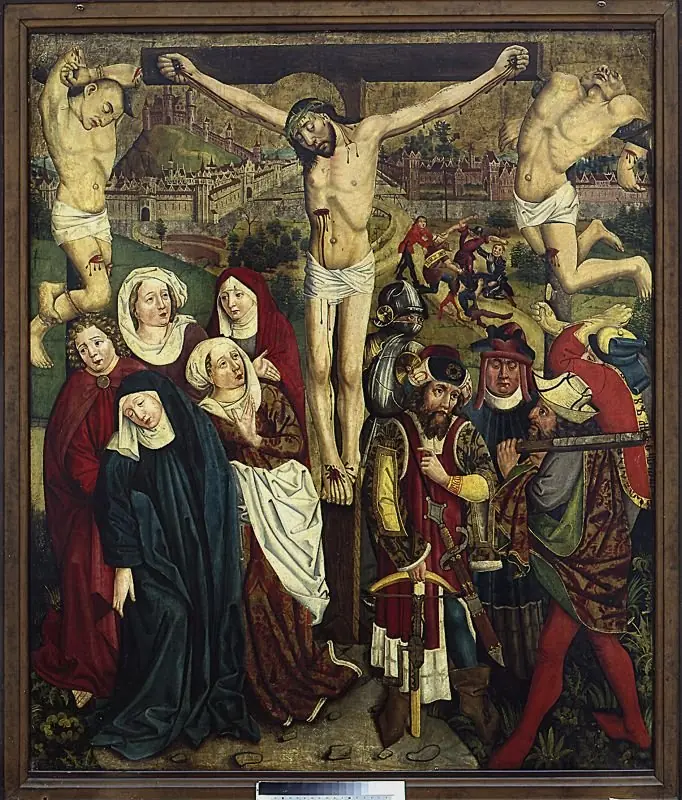
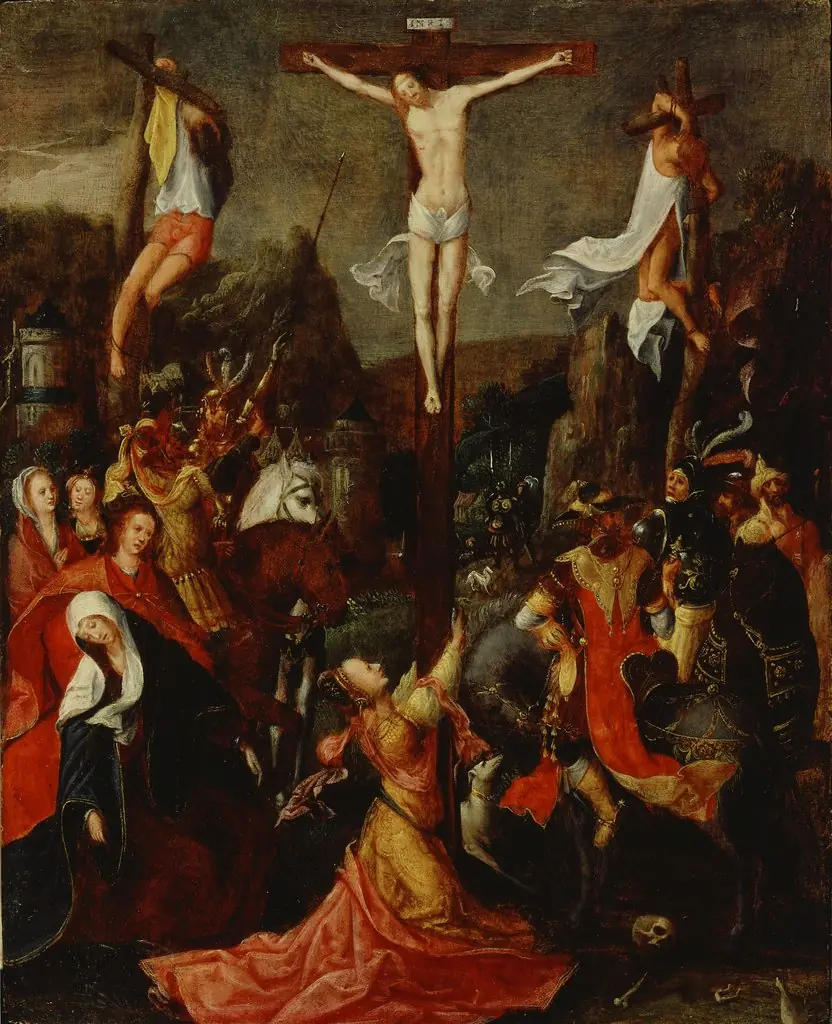
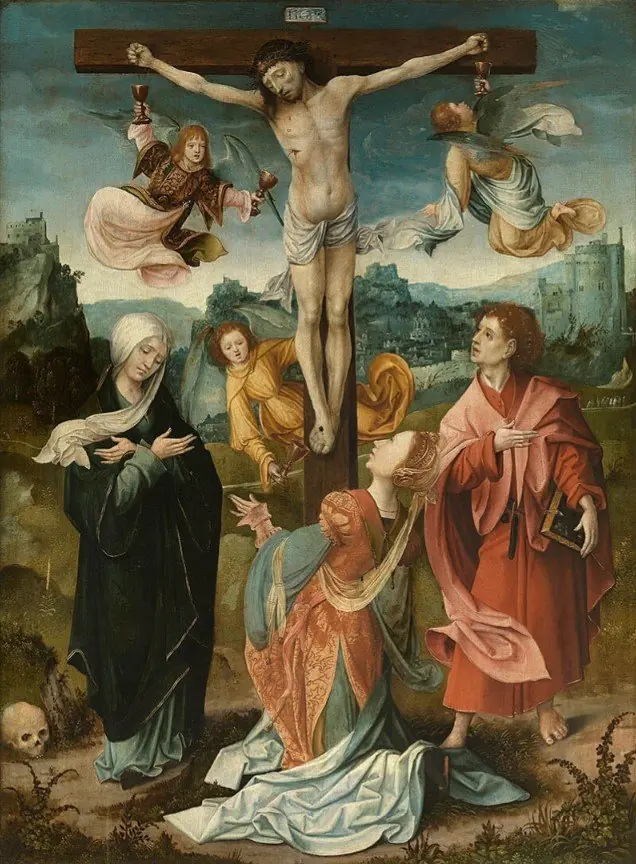
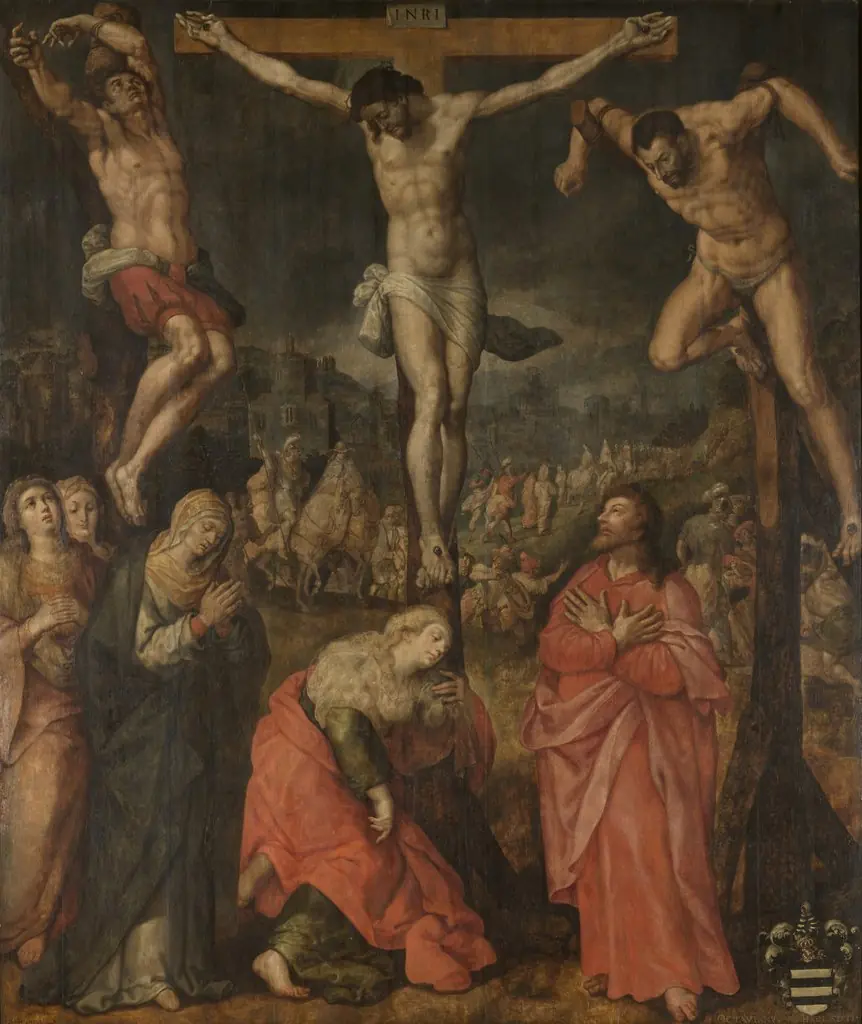
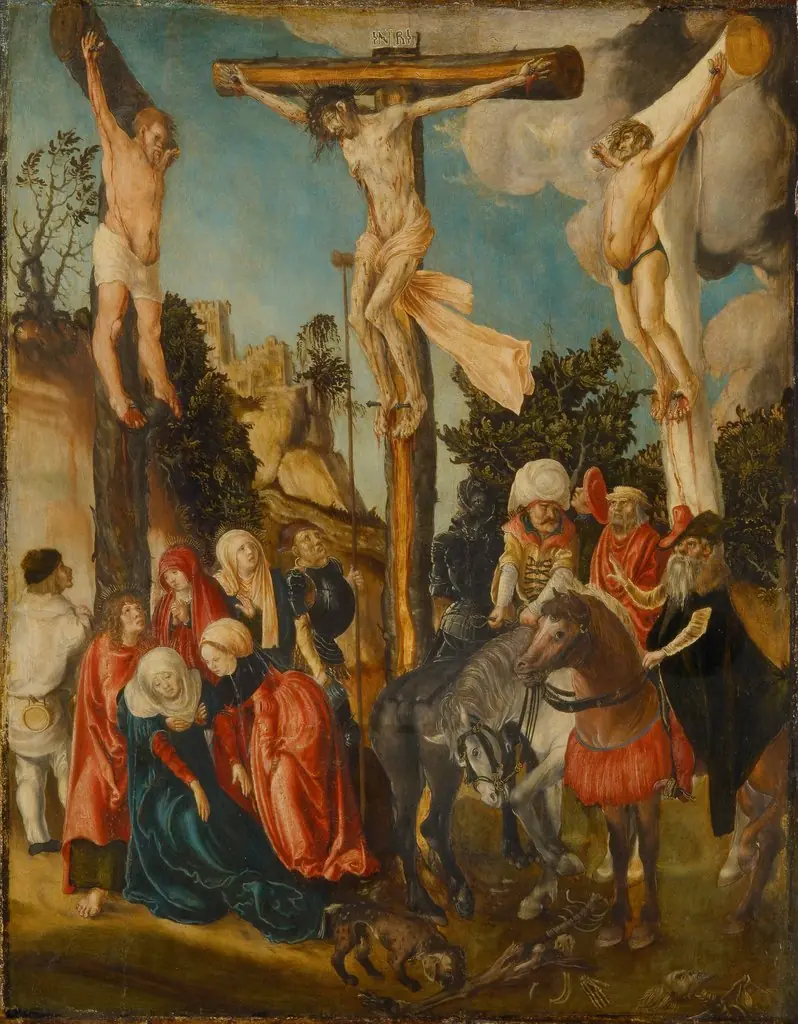
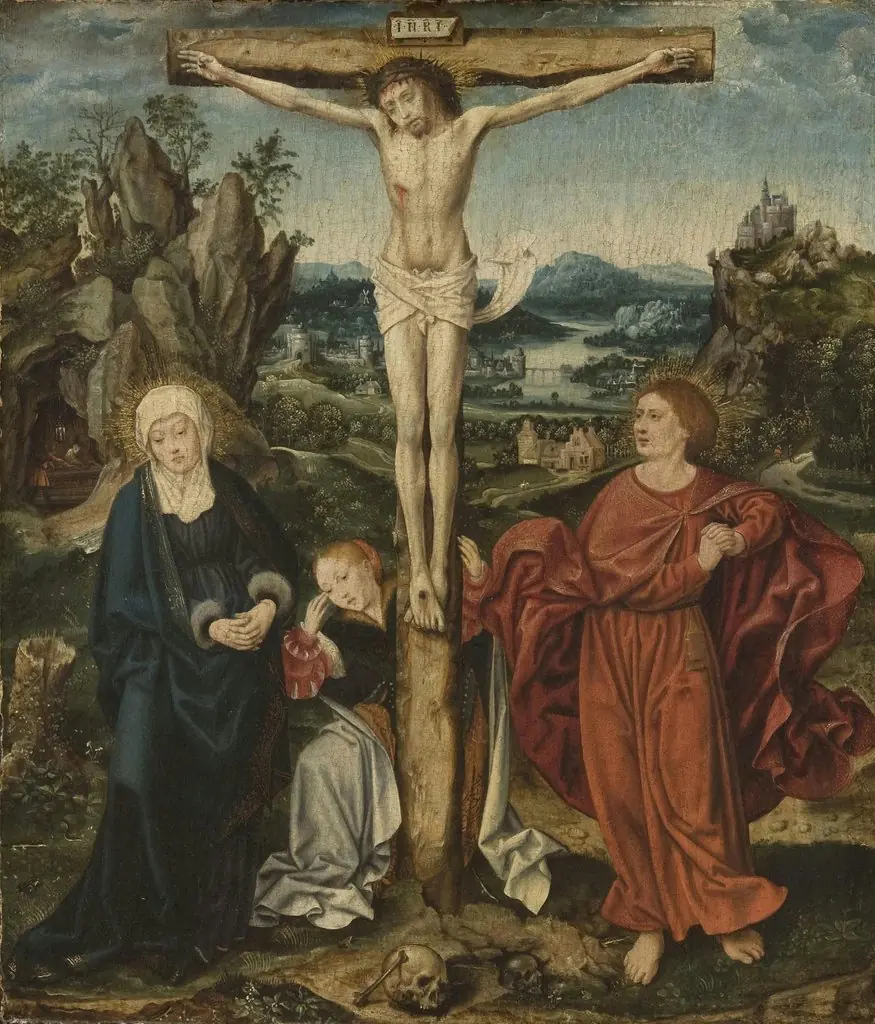
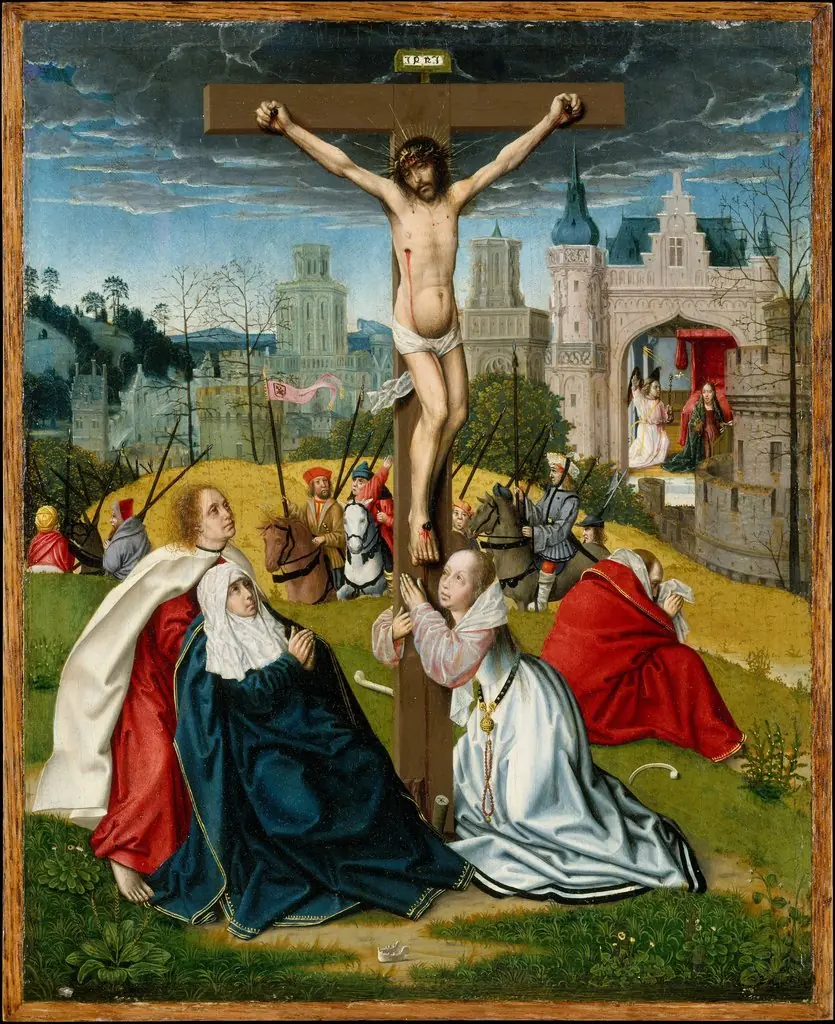
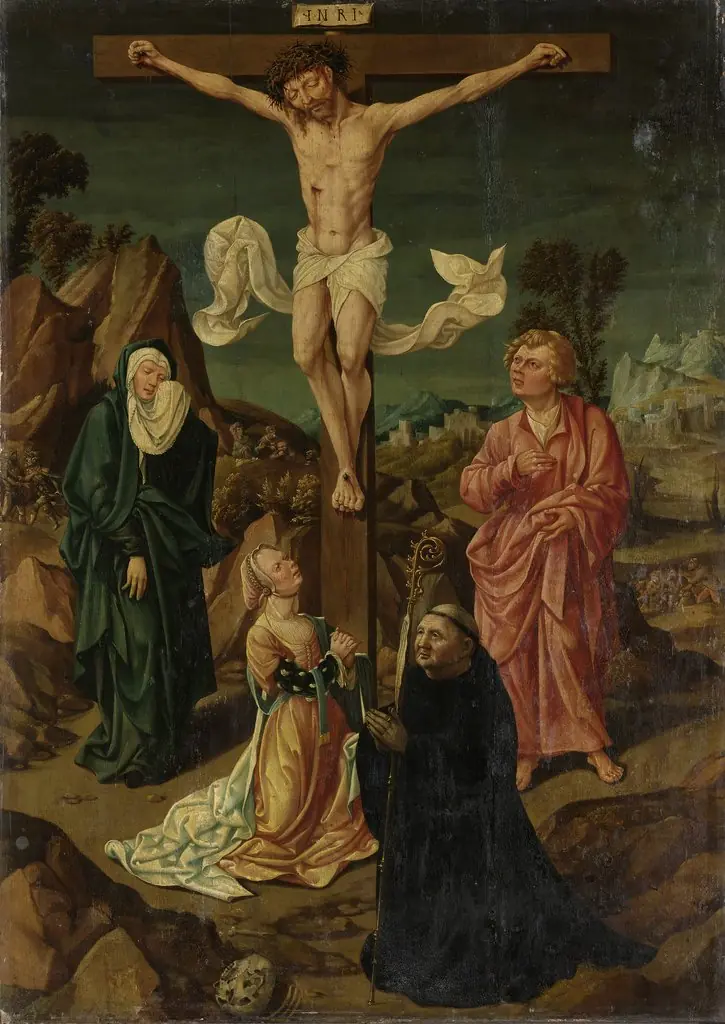
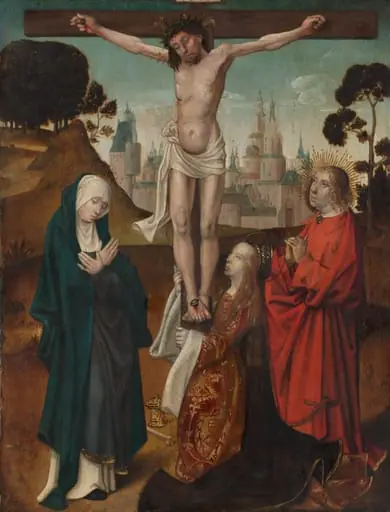
De kruisiging is an oil painting by the Northern Renaissance artist Jan de Beer. It dates from 1520 and is held in the collection of the Bavarian State Painting Collections.
About this work
Subject & Meaning
The subject of the crucifixion carried layered symbolism, signifying both the instrument of salvation and the redemptive suffering of Christ for humanity.
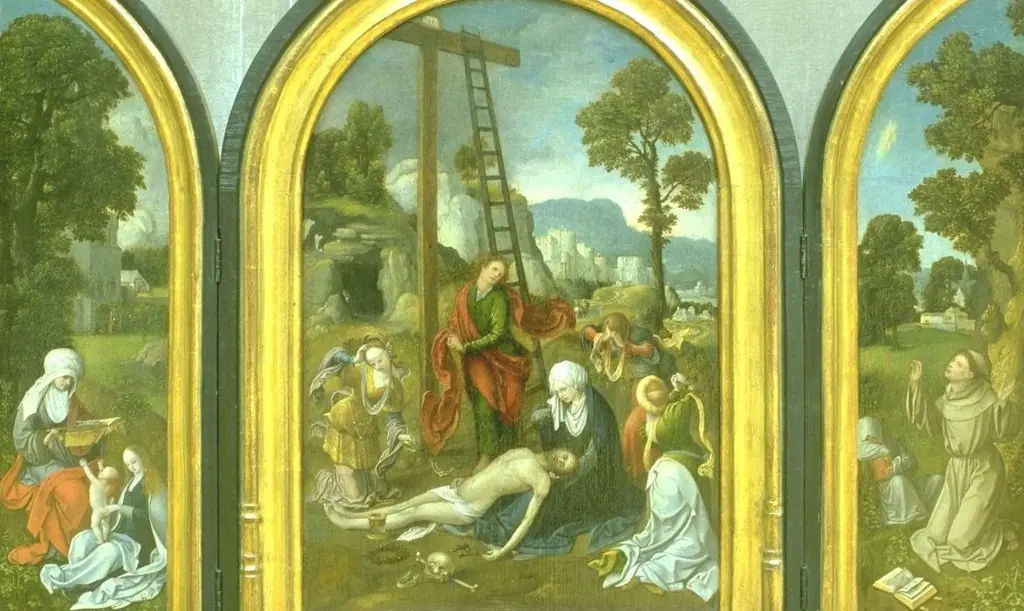
De kruisiging depicts the crucifixion of Jesus Christ, identified as the painting's main subject. The work belongs to the religious genre, presenting the central event of the Christian Passion narrative in which Christ is shown crucified.
As a devotional image, the painting would have served as a focus for meditation on Christ's sacrifice, a recurring theme in early sixteenth-century Netherlandish religious art. The subject of the crucifixion carried layered symbolism, signifying both the instrument of salvation and the redemptive suffering of Christ for humanity.
By concentrating on this singular sacred episode, Jan de Beer's panel aligns with the longstanding iconographic tradition of isolating the Crucifixion as a subject of contemplation, distinct from broader Passion cycles.
Technique & Style
De kruisiging is an oil painting executed on a panel support, created by Jan de Beer in 1520. The work measures 109.5 cm in height and 85 cm in width. As a religious painting depicting the crucifixion of Jesus Christ, it adheres to the formal conventions of early 16th-century devotional art. The piece is currently held within the Bavarian State Painting Collections at the Alte Pinakothek.
History & Provenance
Jan de Beer executed the oil painting De kruisiging on a wooden panel in 1520. The work depicts the crucifixion of Jesus Christ within a religious context. Following its creation, the artwork entered the collection of the Bavarian State Painting Collections. It is currently housed and displayed at the Alte Pinakothek in Munich.
The painting De kruisiging by Jan de Beer is held in the collection of the Bavarian State Painting Collections, specifically housed within the Alte Pinakothek. Created in 1520, the work is executed in oil paint on panel and measures 109.5 cm in height by 85 cm in width. The available records confirm its location and institutional ownership but do not provide a specific inventory or accession number. Furthermore, no details regarding the exhibition history of this piece are included in the current documentation.
Overview
Painted in 1520 by Jan de Beer, a Flemish artist active in Antwerp, De kruisiging is an oil-on-panel depiction of Christ’s crucifixion. De Beer, known for both panel painting and stained glass design, was associated with the Antwerp Mannerists, a group blending Northern detail with expressive, sometimes exaggerated forms. The work resides today in the Alte Pinakothek in Munich, where it exemplifies early 16th-century religious painting in the Low Countries.
Context
Created during the early Reformation, the painting reflects a Catholic devotional tradition still dominant in the Southern Netherlands. While Protestant regions moved away from religious imagery, Antwerp’s artists continued producing complex sacred scenes for both local patrons and export. De Beer’s work stands within this context, neither radical nor conventional, but deeply engaged with the emotional and theological weight of its subject.
Legacy
Though less widely known than contemporaries like Pieter Bruegel, de Beer’s De kruisiging remains a significant example of Antwerp Mannerism’s synthesis of emotional intensity and refined technique. Its preservation in a major European collection ensures its continued study as a bridge between late Gothic piety and the emerging visual language of the Northern Renaissance.
Artist & collection
Artist
Jan de Beer, formerly known as the Master of the Milan Adoration (c. 1475 – 1528) was a Flemish painter, draughtsman and glass designer active in Antwerp at the beginning of the 16th century. He is considered one of the…