Artwork
Jan Haeck. Bernard van Orley. Karel V en Isabella van Portugal
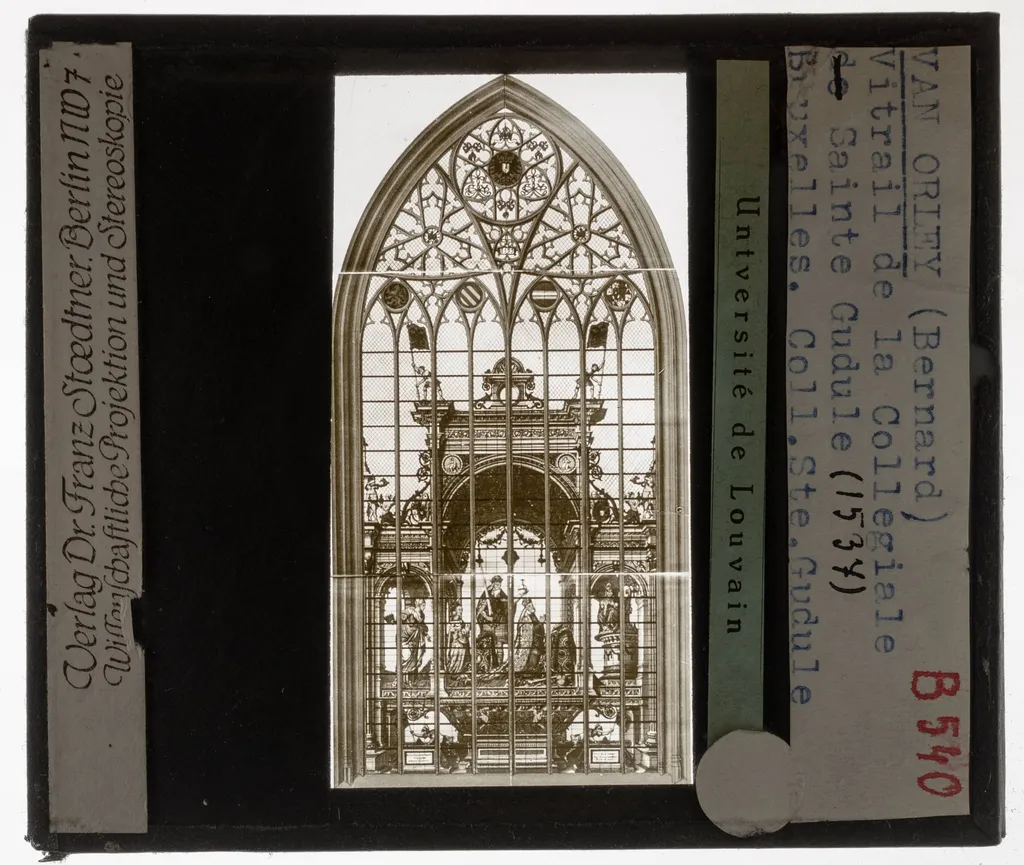
Jan Haeck. Bernard van Orley. Karel V en Isabella van Portugal is a photography by the Renaissance artist Jan Haeck. It dates from 1537 and is held in the collection of the Catholic University of Leuven. This 16th‑century stained‑glass panel, created in 1537, portrays the Habsburg emperor Charles V alongside his wife Isabella of Portugal.
About this work
You can learn more about similar art by looking at the work of another artist, like the technique of sfumato.
The painting shows Charles V and Isabella of Portugal. It's a stained glass piece from the 16th century. The artist used a lot of detail to show the royal couple's clothing and surroundings.
The stained glass technique is interesting here. It was made for a cathedral, so it's big and colorful. This kind of art was popular in Northern Europe during that time.
You can learn more about similar art by looking at the work of another artist, like the technique of sfumato.
Overview
This 16th‑century stained‑glass panel, created in 1537, portrays the Habsburg emperor Charles V alongside his wife Isabella of Portugal. Executed in the Northern Renaissance style, the work forms part of the decorative scheme of Brussels’ Cathedral of Saint Michael and Saint Gudula, where its vivid colors and intricate details continue to be viewed in situ.
Subject & Meaning
The composition foregrounds the sovereign couple in regal attire, emphasizing their political alliance and dynastic authority. Their gestures and the surrounding iconography, such as heraldic symbols and devotional motifs, reinforce the intertwining of temporal power with religious patronage typical of early modern European courts.
Technique & Style
Crafted from colored glass pieces joined by lead cames, the panel demonstrates the high level of craftsmanship characteristic of Northern Renaissance glasswork. Fine painting on the glass surface adds depth to fabrics and facial features, while the overall design balances realism with the stylized elegance favored by court portraiture of the period.
History & Provenance
Originally commissioned for the cathedral’s interior, the panel has remained in Brussels since its installation. Documentation from the 19th‑century KU Leuven glass‑slide collection records the work, though the photographer of those archival images remains unidentified.
Context
During the early 1500s, stained glass experienced a resurgence in the Low Countries, serving both liturgical and commemorative functions. The depiction of Charles V and Isabella aligns with the broader trend of embedding contemporary rulers within ecclesiastical settings to underscore their role as protectors of the Church.
Legacy
The piece stands as a representative example of how Northern Renaissance artists merged portraiture with devotional art in glass media. Its preservation offers insight into the visual strategies employed by royal patrons to assert legitimacy and piety within sacred spaces.
Artist & collection
Artist
Jan Haeck made a single surviving photograph from the 1500s. In 1537 they shot a double portrait titled Bernard van Orley. Karel V en Isabella van Portugal, showing the emperor and his queen side by side. The picture…
- Maarten de Vos. Altaarstuk van de gilde van de oude voetboog
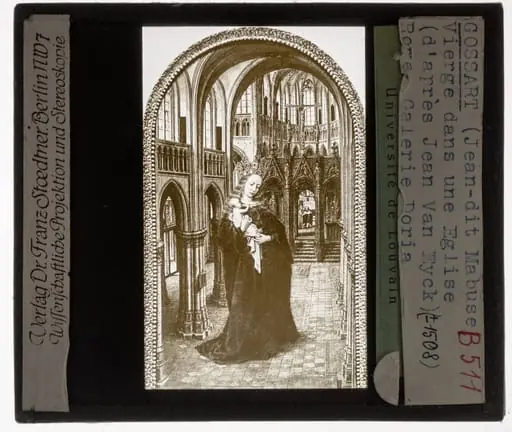 Jan Gossaert (naar Jan van Eyck). De Maagd in de kerk Portret van Antonio Siciliano met zijn patroonheilige
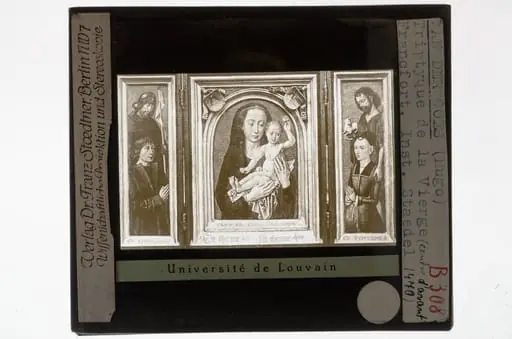 Hugo van der Goes. Triptych
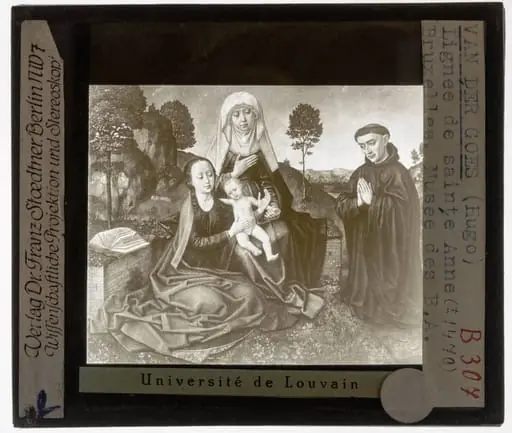 Hugo van der Goes. St Anne's with a Franciscan donor
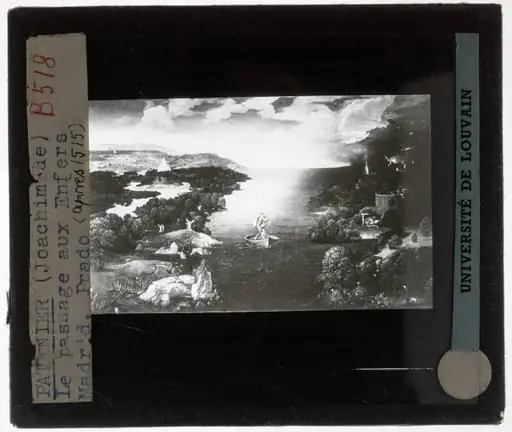 Joachim Patinir. De oversteek naar de onderwereld
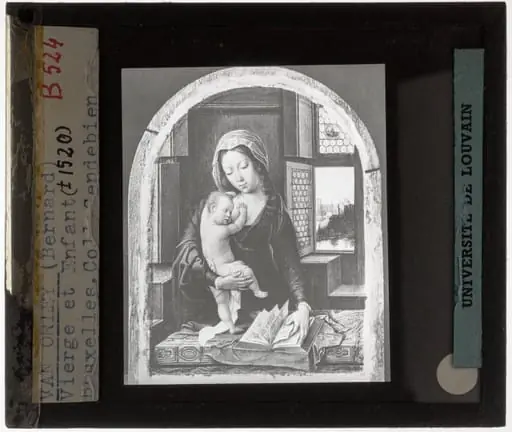 Bernard van Orley (navolger). O.L.Vrouw met Kind voor een open venster
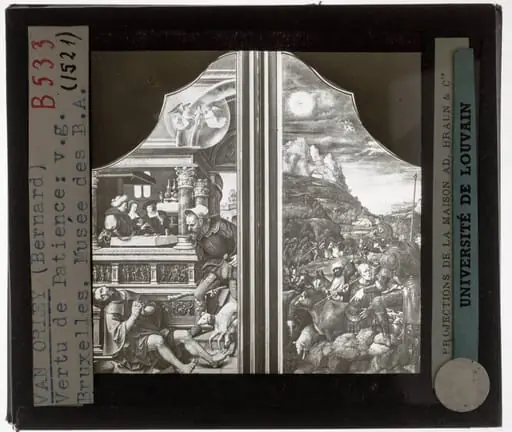 Bernard of Orley. Triptych with the Virtue of Patience Panel left, front and back
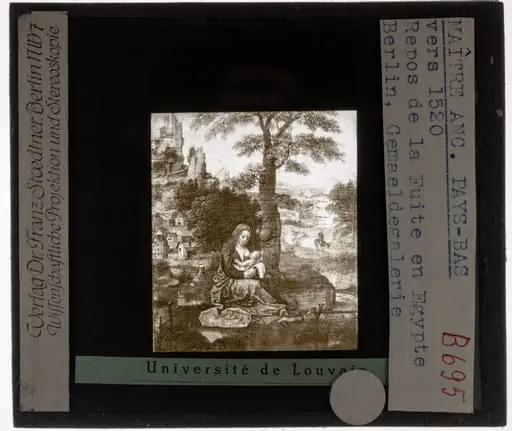 Anoniem (naar Joachim Patinir). Rust op de vlucht naar Egypte
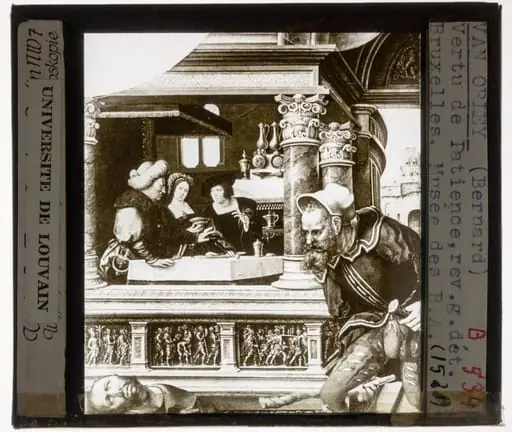 Bernard van Orley. Triptiek met de deugd van het Geduld Paneel links, achterzijde: De arme Lazarus aan de deur van de slechte rijke, detail bovenaan
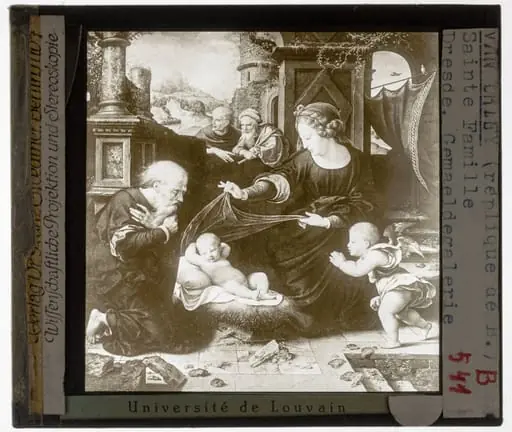 Bernard van Orley (kopie). Heilige Familie
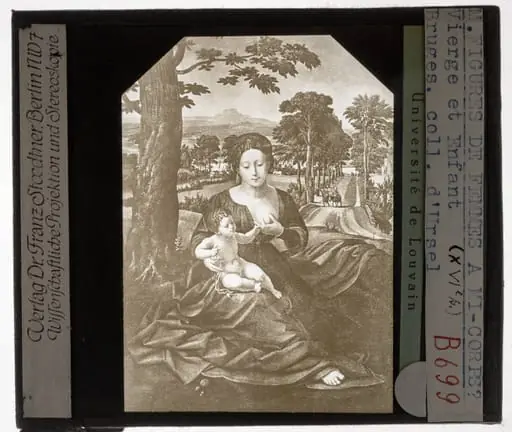 Anoniem. Madonna met kind
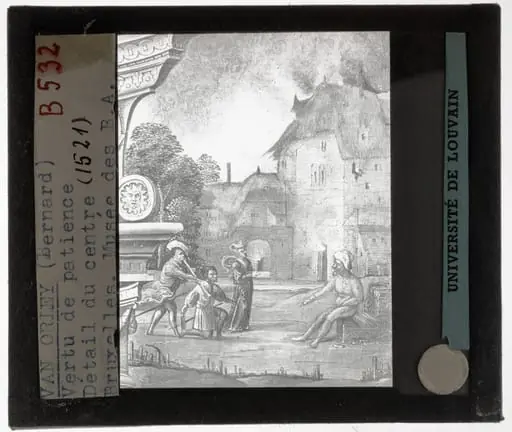 Bernard van Orley. Triptiek met de deugd van het Geduld Centraal paneel: Het feestmaal van Jobs kinderen, detail rechts boven
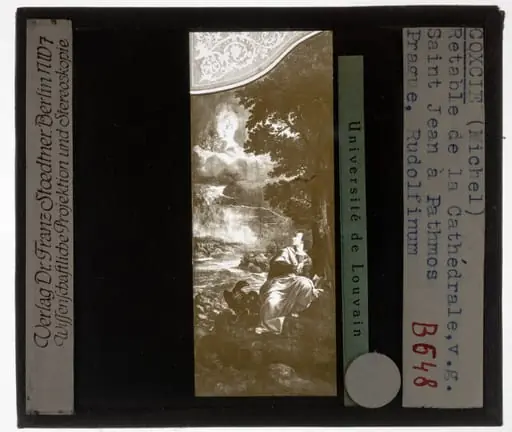 Michiel Coxie I. Triptiek Zijpaneel: Johannes de Evangelist in Patmos
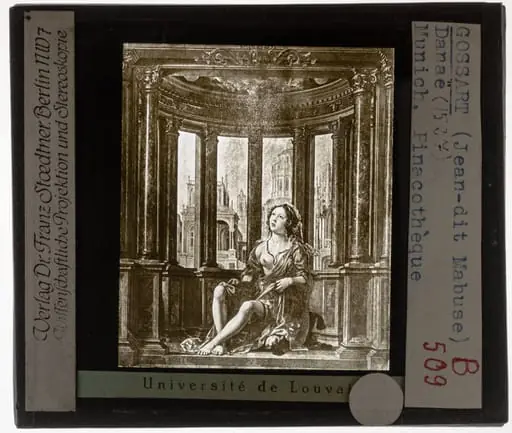 Jan Gossaert. Danaë
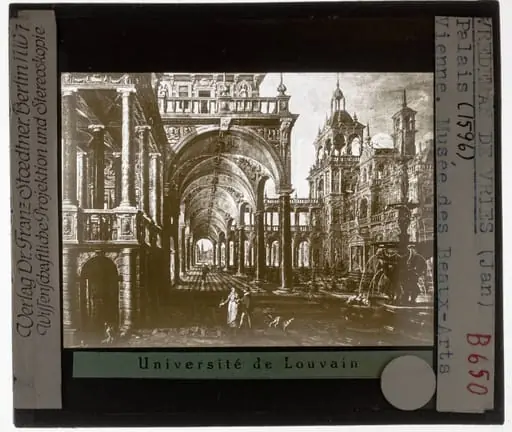 Hans Vredeman de Vries. Palace with Fountain
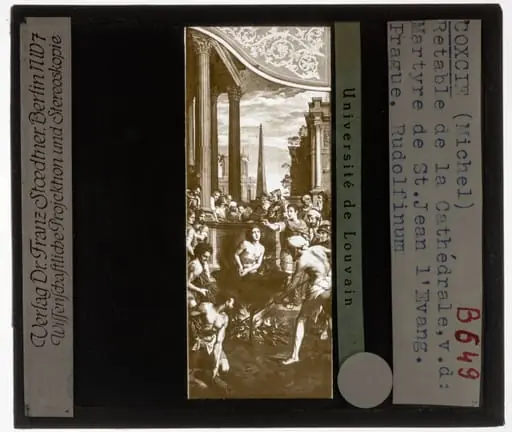 Michiel Coxie I. Triptiek Zijpaneel: Martelaarschap van Johannes de Evangelist
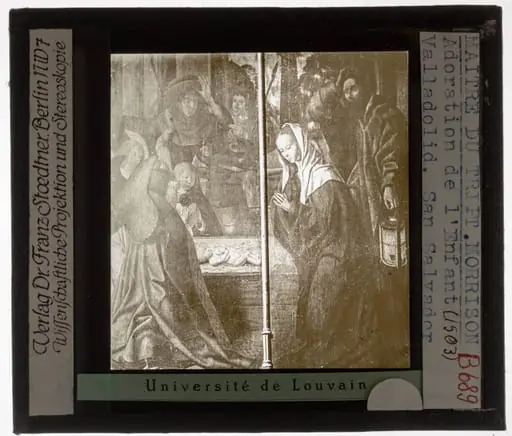 Master of the Morrison Triptych. Adoration of Christ
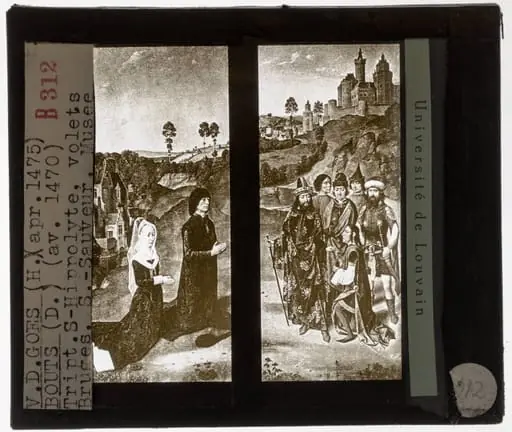 Dirk Bouts (en atelier). Hugo van der Goes. Anoniem. Triptiek met de Marteldood van de Heilige Hippolytus Zijpanelen, voorzijde