Artwork
Portraits of a Couple: Male portrait
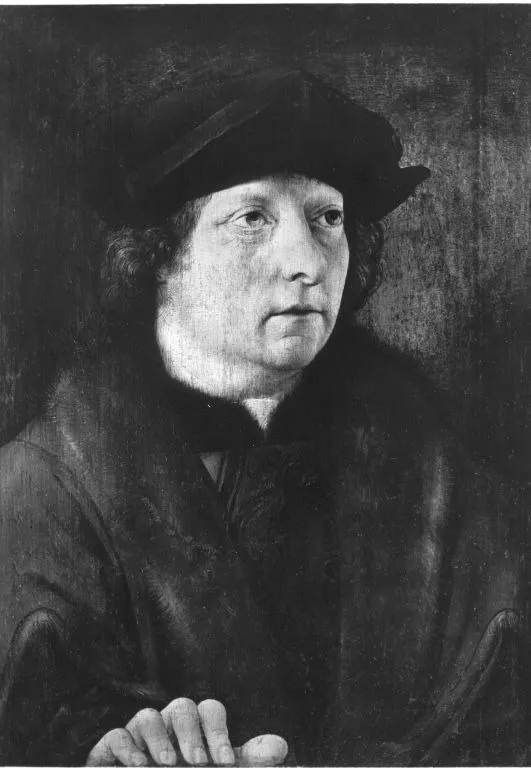
Portraits of a Couple: Male portrait is an oil painting by the Northern Renaissance artist Jan Joest. It dates from 1516 and is held in the collection of the Germanisches Nationalmuseum.
About this work
Technique & Style
The work is executed in oil paint on an oak panel, a technique typical of early sixteenth‑century German portraiture.
The work is executed in oil paint on an oak panel, a technique typical of early sixteenth‑century German portraiture. The surface bears a finely rendered facial structure and precise chiaroscuro that emphasize the sitter’s individuality, while the muted palette and restrained composition reflect the formal conventions of the genre. The painting’s handling of light and shadow creates a three‑dimensional presence, and the careful modeling of the clothing suggests a realistic portrayal of contemporary bourgeois attire. These stylistic choices underscore the artist’s mastery of portraiture within the Renaissance context.
The dimensions of 34.6 cm by 23.9 cm confirm the small, cabinet‑size format often used for private devotional works, and the oak support provides a sturdy yet responsive ground for the delicate oil layers.
History & Provenance
The work is a portrait painted by Jan Joest in 1516 using oil on oak panel, measuring 34.6 cm by 23.9 cm and depicting a man. It belongs to the portrait genre and was created within the period spanning 1516 to 1520. The piece is part of the Bavarian State Painting Collections and is housed in the Germanisches Nationalmuseum, also known as the Alte Pinakothek in Munich, Germany.
The male portrait from Jan Joest's "Portraits of a Couple" is held at the Alte Pinakothek in Munich,隶属于 the Bavarian State Painting Collections, with additional association to the Germanisches Nationalmuseum. The work is executed in oil paint on oak panel and measures 34.6 × 23.9 cm. No specific inventory or accession number is provided in the available sources, nor is any exhibition history documented.
Overview
Created in 1516, this oil painting by Jan Joest, an early‑sixteenth‑century painter active in the Lower Rhine region, portrays a solitary male sitter. The work belongs to the Northern Renaissance tradition and is part of the Alte Pinakothek’s collection in Munich. It presents a half‑length figure against a dark backdrop, emphasizing the individual’s presence.
Subject & Meaning
The portrait shows a man from the chest upward, his gaze meeting the viewer with a calm, neutral expression. He wears a dark hat and a similarly toned garment, possibly leather, and his right hand rests with fingers subtly curled. The simplicity of attire and the direct eye contact suggest a focus on personal identity rather than status symbols.
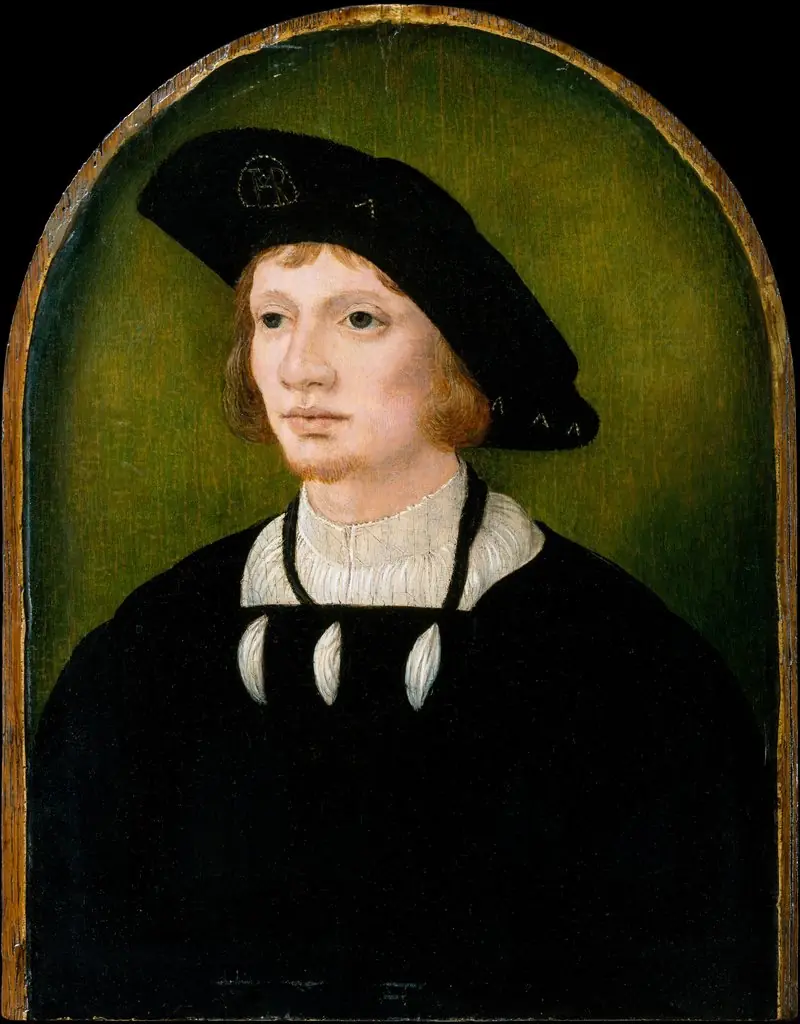
Artist & collection
Artist
Jan Joest, also known as Jan Joest van Kalkar or Jan Joest van Calcar (between 1450 and 1460 – 1519), was a Dutch painter from either Kalkar or Wesel (both now in Germany), known for his religious paintings.

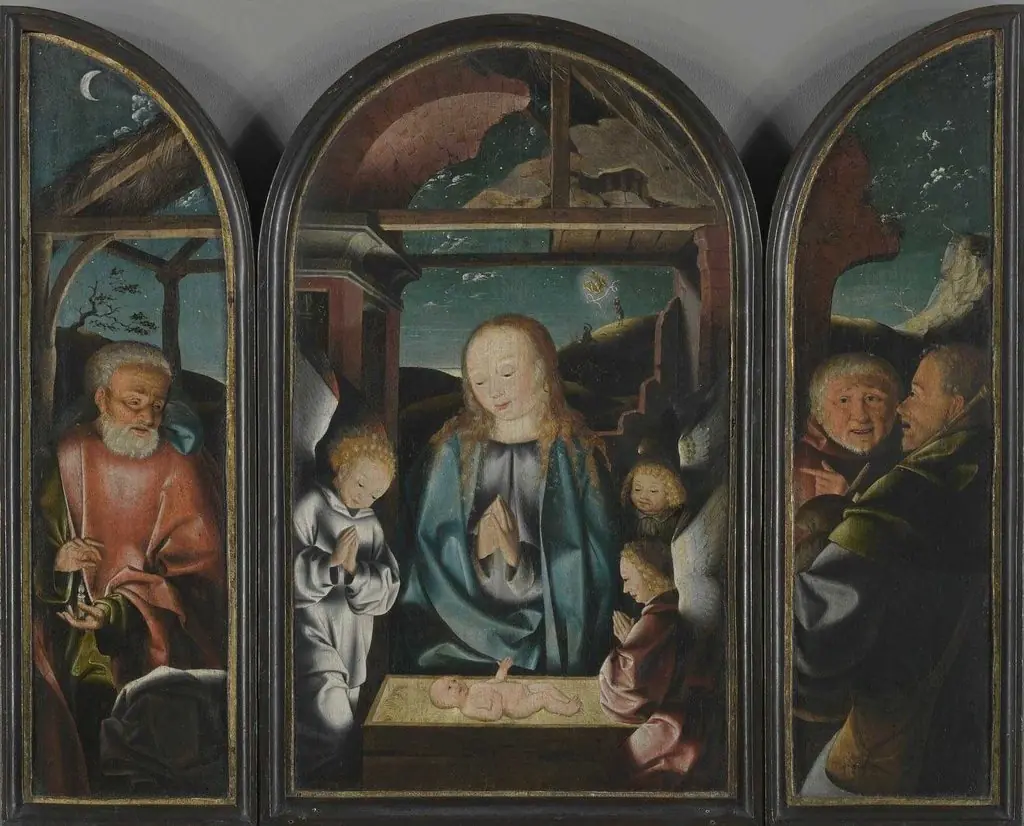
- Portrait of a Man
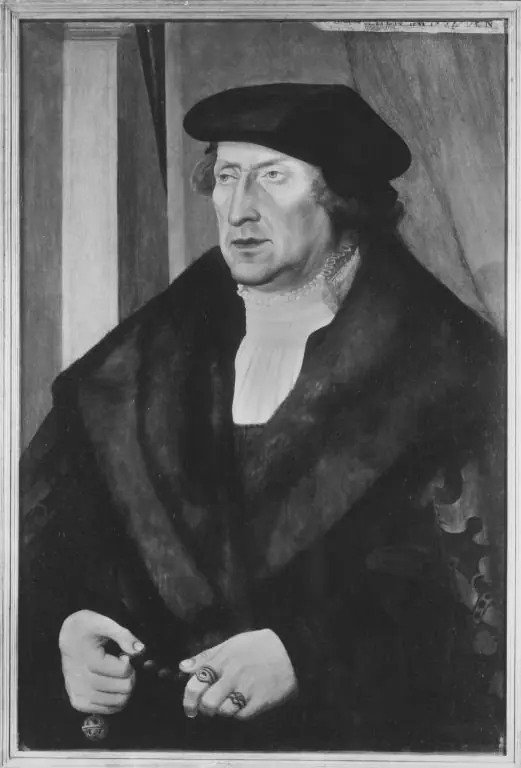 Pfalzgraf Philipp, Bischof von Freising
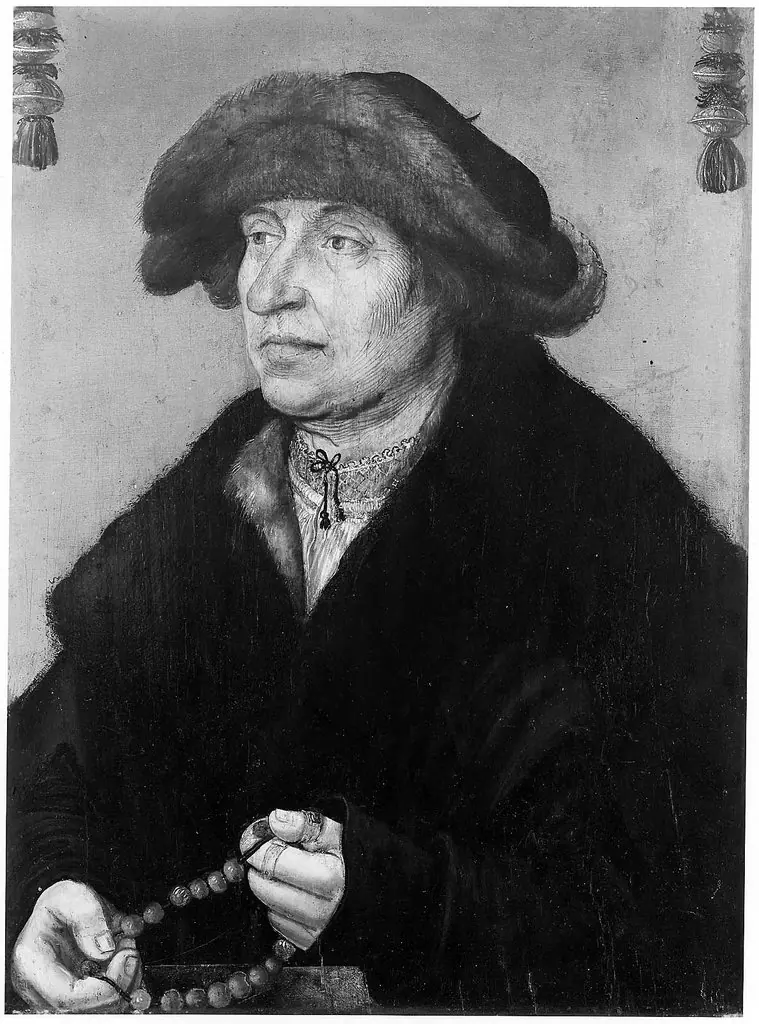 Portrait of a Man Holding a Rosary
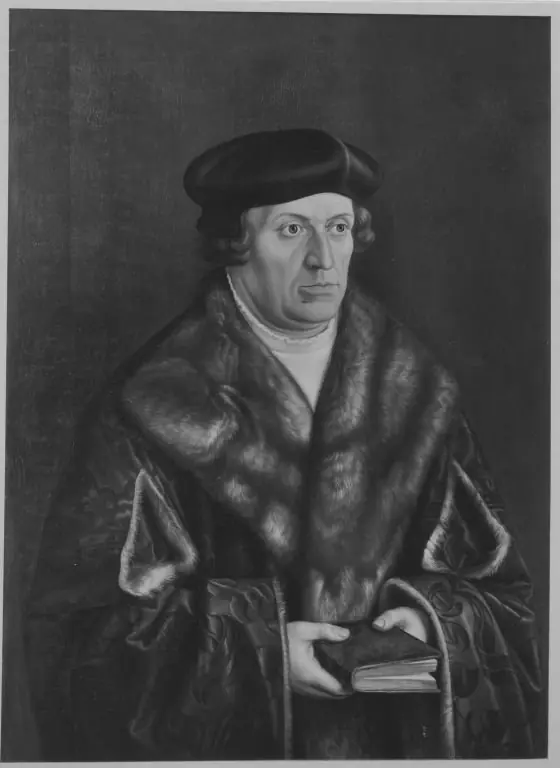 Pfalzgrafen Philipp, Bischof von Freising
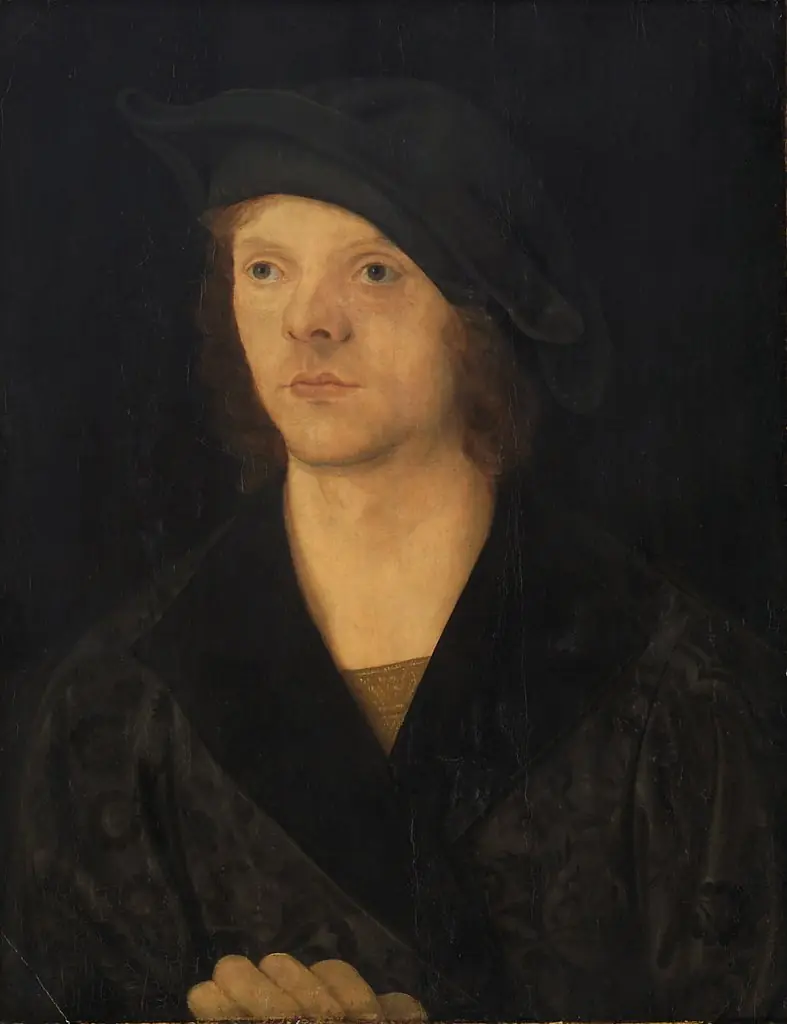 Bildnis eines jungen Mannes
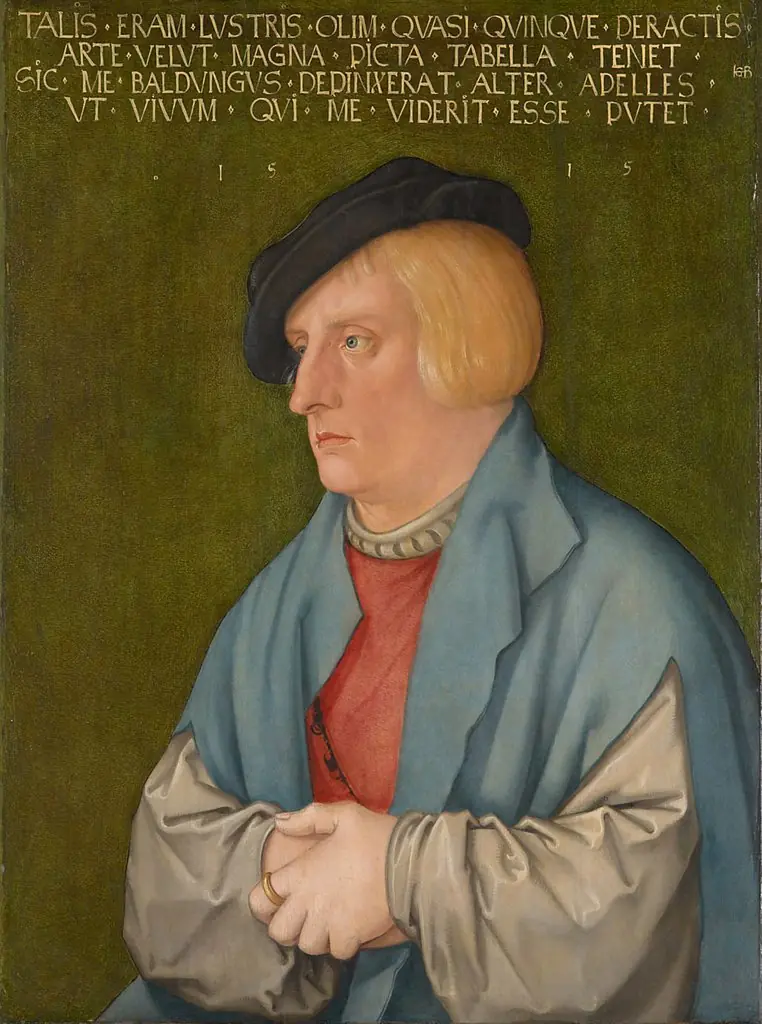 Portrait of a young man
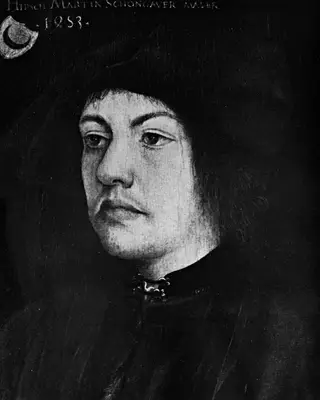 Martin Schongauer (1450-1491)
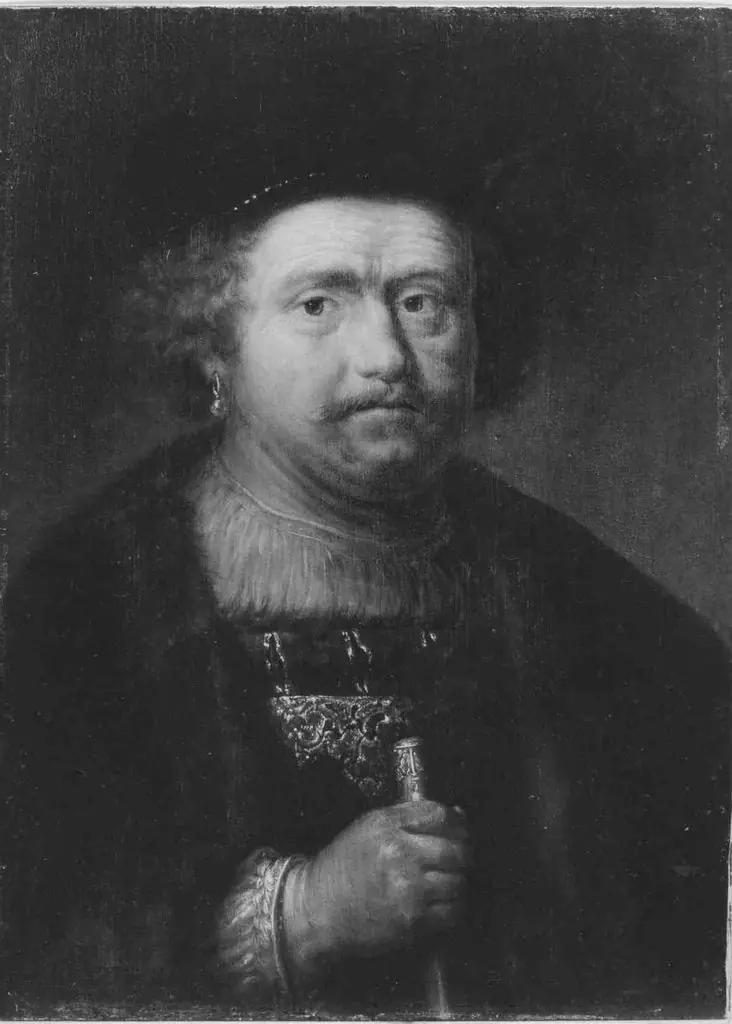 Bildnis eines alten Mannes (?)
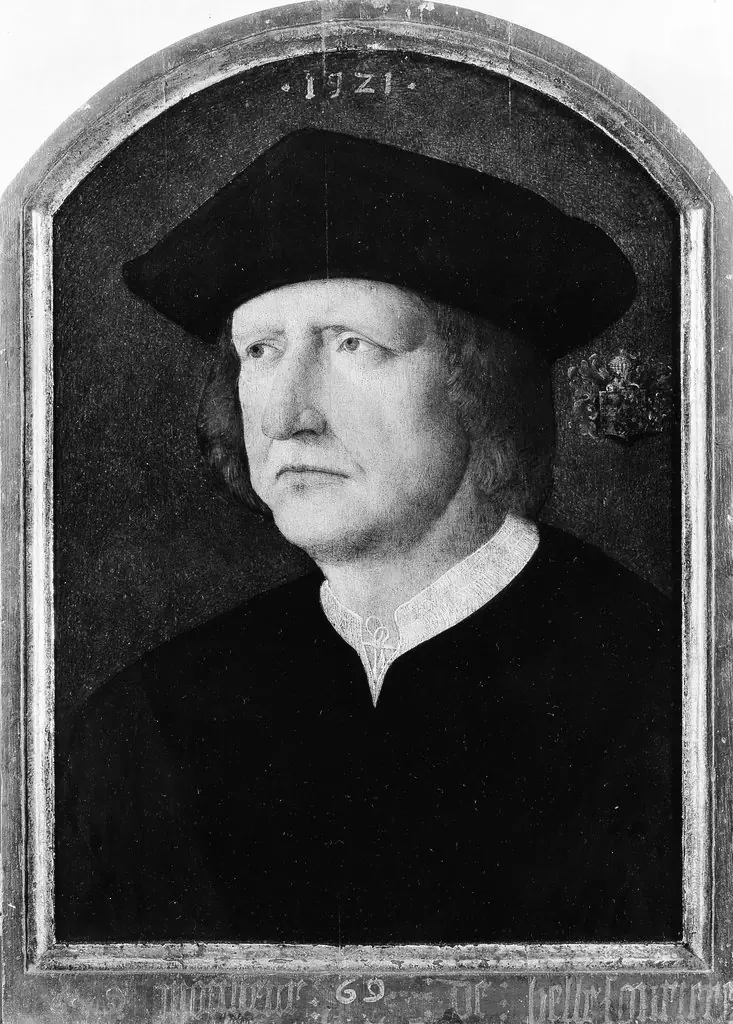 Monsieur de Bellefourière
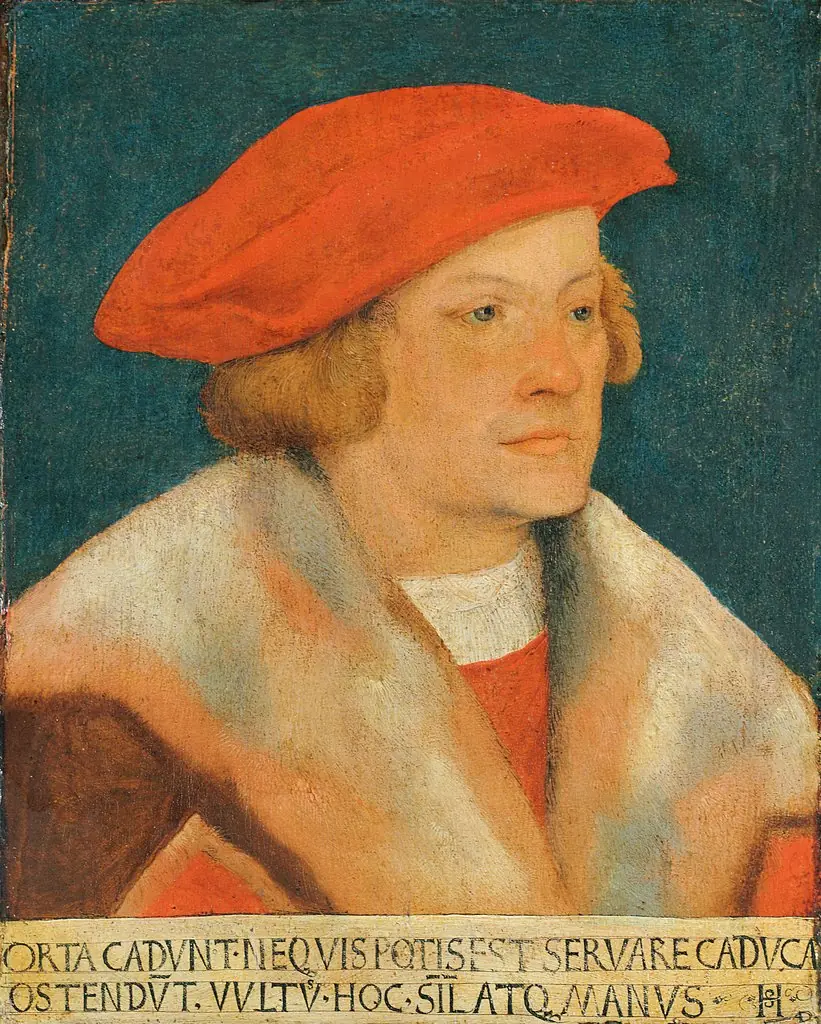 Portrait of a Man (Self-portrait?)
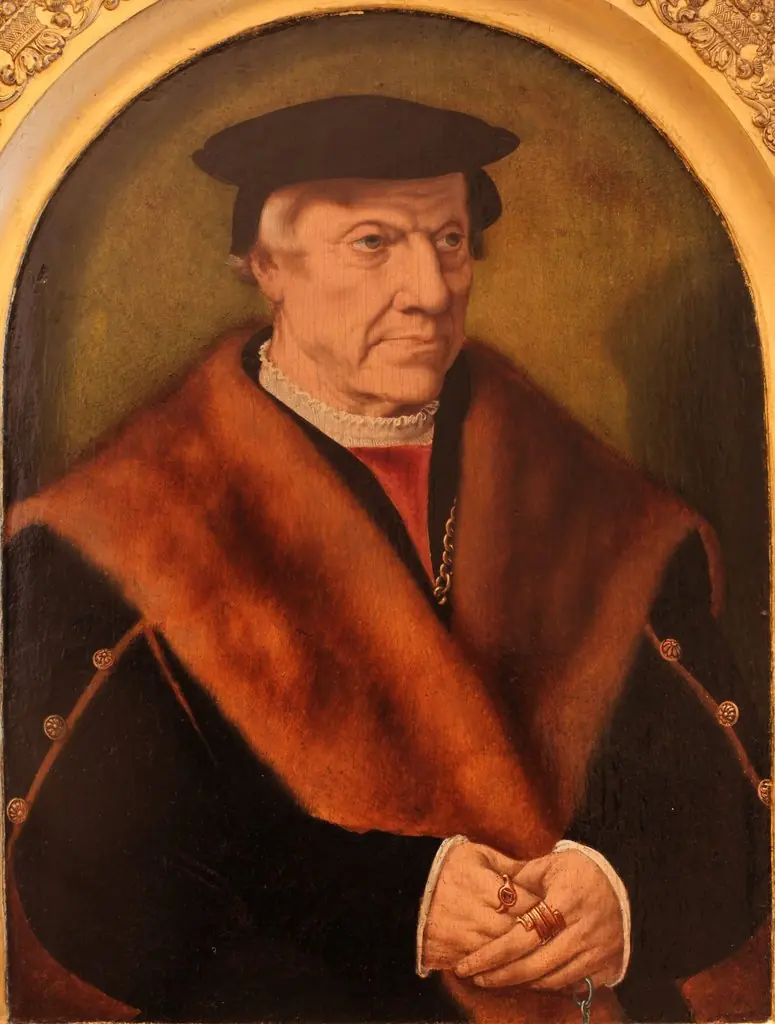 Portrait of a man
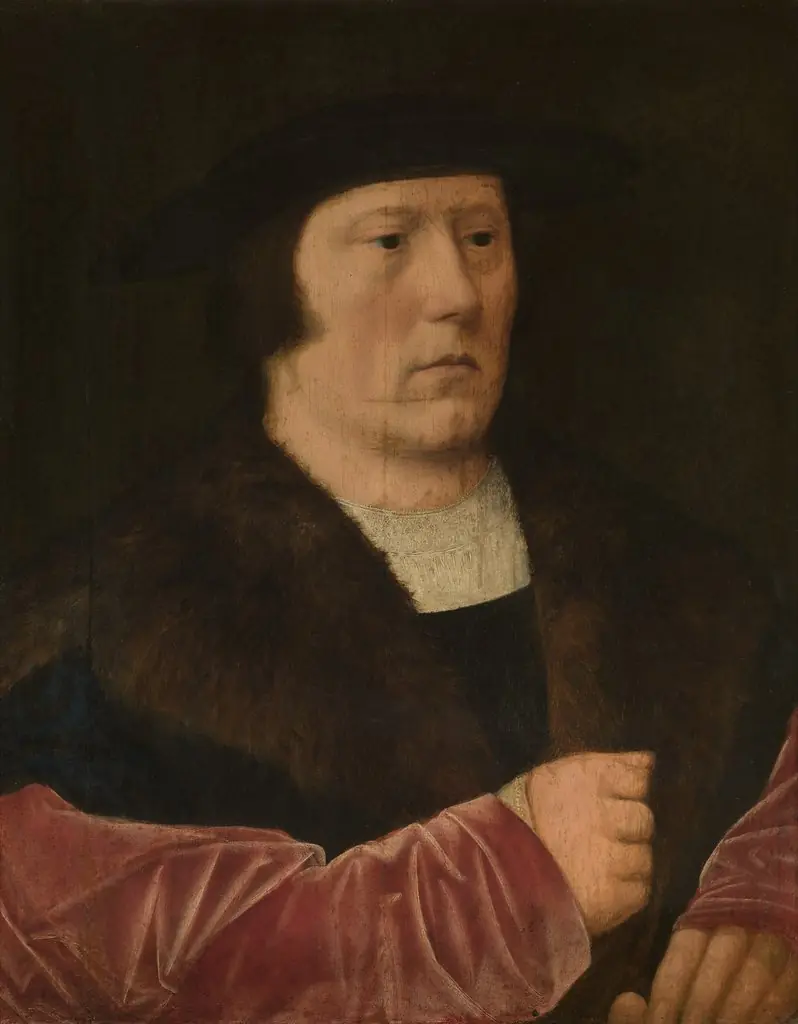 Portrait of a Man