Art Museum
Germanisches Nationalmuseum

Image: Wikimedia Commons.
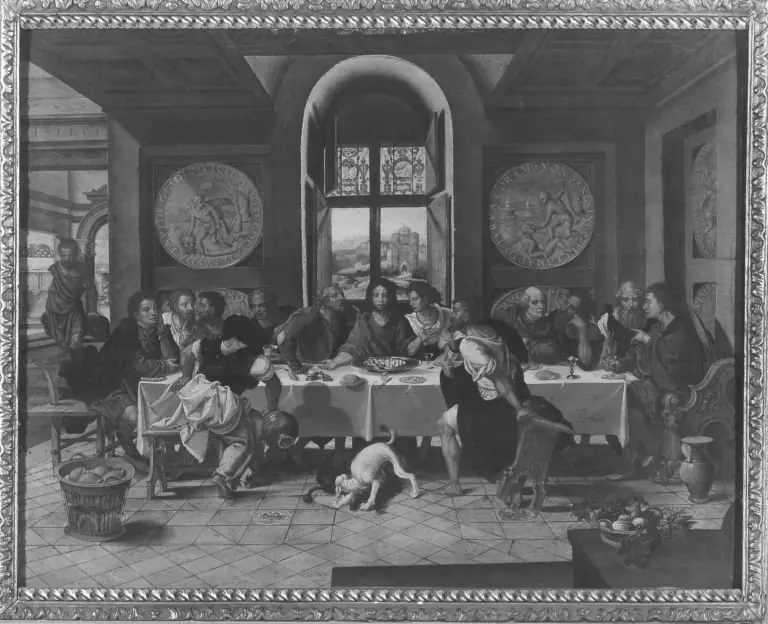
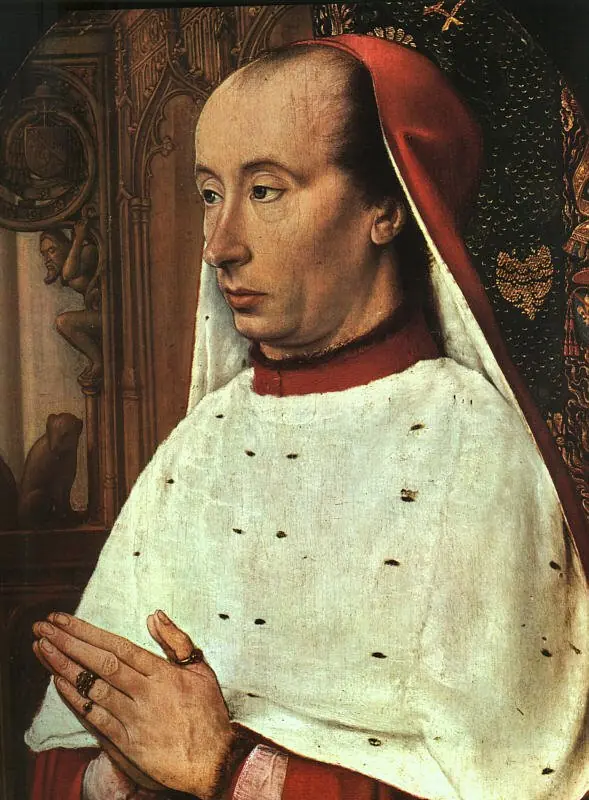
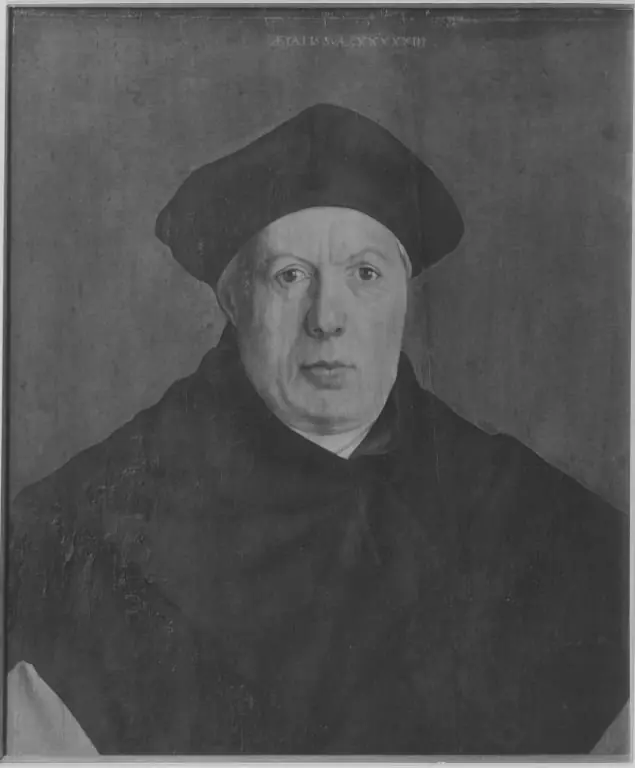
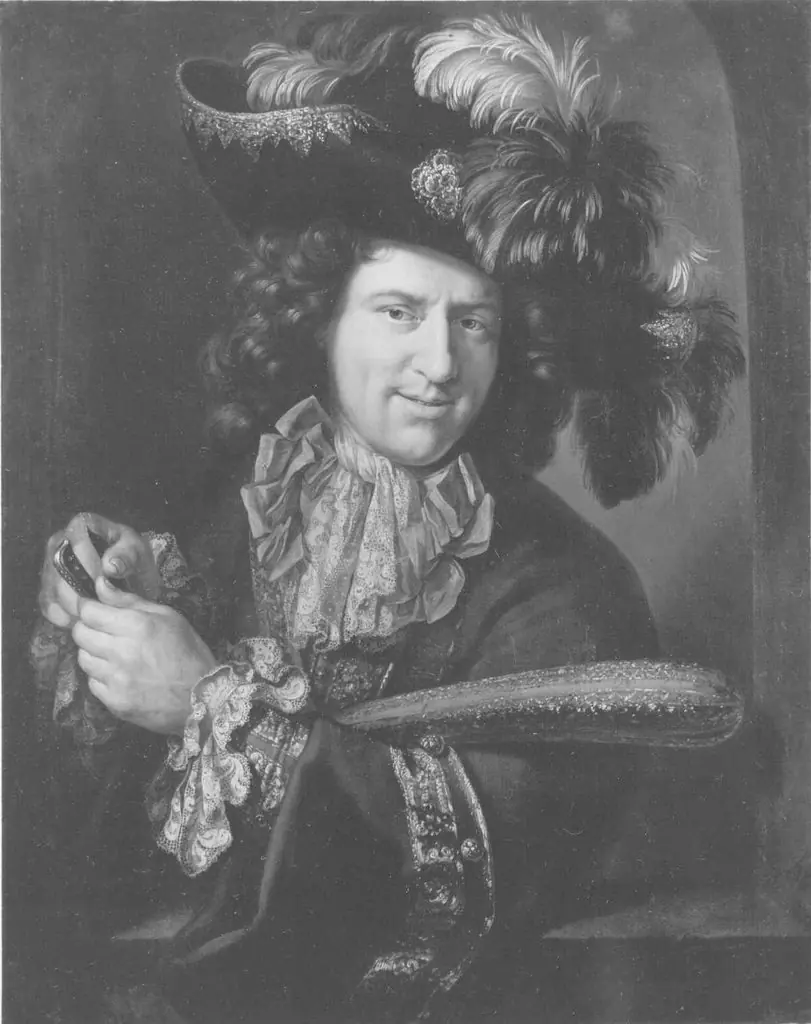
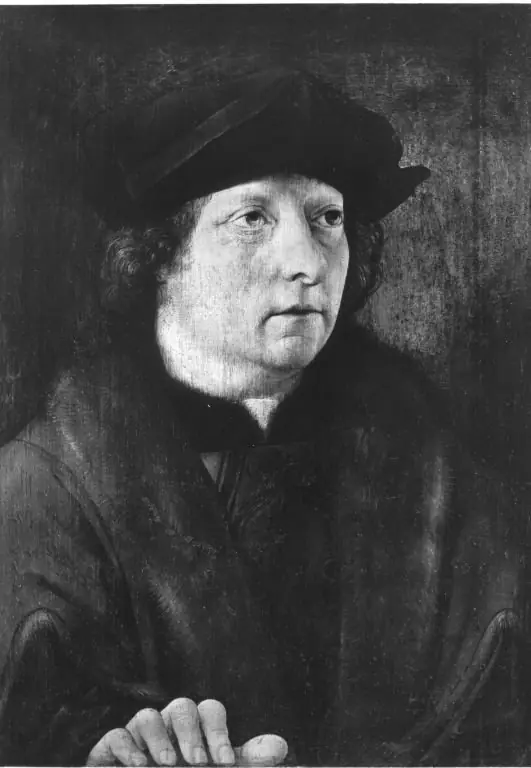
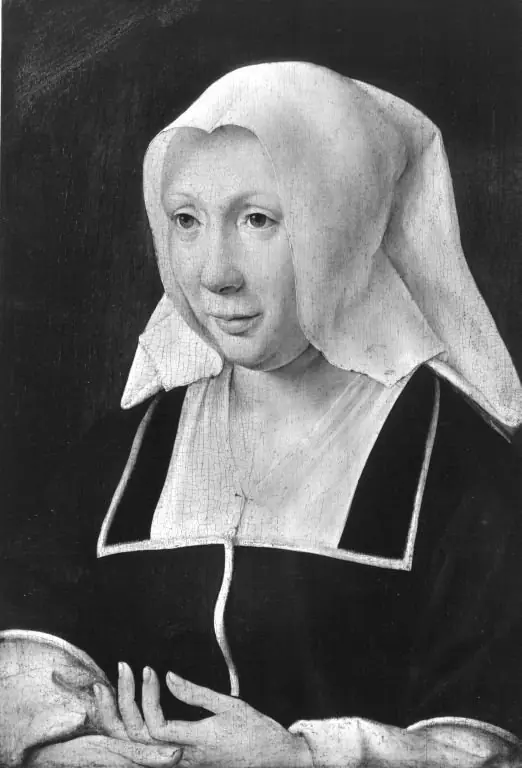
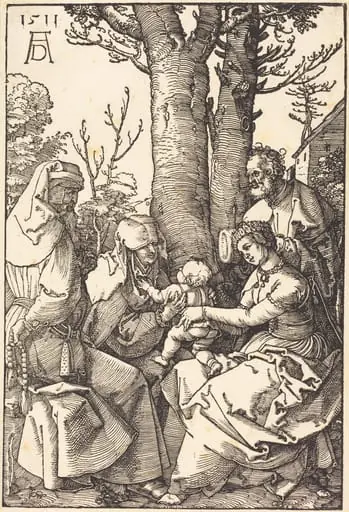
Germanisches Nationalmuseum is an art museum in Nuremberg, Germany. 7 works from its collection are in this catalog, including Jan van Scorel and Albrecht Dürer.
About Germanisches Nationalmuseum
The Germanisches Nationalmuseum is a museum in Nuremberg, Germany. Founded in 1852, it houses a large collection of items relating to German culture and art extending from prehistoric times through to the present day. The museum is Germany's largest museum of cultural history. Out of its total holding of some 1.3 million objects (including the holdings of the library and the Department of Prints and Drawings), approximately 25,000 are exhibited.
The museum is situated in the south of the historic city center between Kornmarkt and Frauentormauer along the medieval city wall. Its entrance hall is situated on Kartäusergasse which was transformed by the Israeli sculptor Dani Karavan to the Way of Human Rights (German: Straße der Menschenrechte).
Overview & Identity
The Germanisches Nationalmuseum (GNM) is the largest museum of cultural history in the German-speaking world, located in Nuremberg, Germany. Founded in 1852, it serves as a public law foundation supported by the Federal Republic of Germany, the state of Bavaria, and the city of Nuremberg. The institution understands itself as a research and educational entity of international standing, dedicated to collecting and maintaining cultural, artistic, and historical testimonials from prehistoric times to the present day.
Its mission is guided by the principle of respect for all cultures, aiming to make cultural history accessible to everyone regardless of upbringing or belief.
History & Founding
The museum was founded in 1852 by Hans Freiherr von und zu Aufseß, a Bavarian nobleman and historian who sought to preserve German cultural heritage. In 1857, the King of Bavaria presented the former Carthusian monastery (Kartause Marienzell) at the southern border of Nuremberg's old city to Aufseß to house the growing collection. The Carthusian monastery itself had been founded in 1380 by the merchant Marquard Mendel.
The museum's founding was influenced by mid-19th-century German linguistic and historical movements that emphasized a unified cultural identity, with the term 'Germanic' understood in that specific historical context.
Building & Architecture
The museum complex is an architectural monument comprising structures from four different eras, centered around the surviving buildings of the medieval Carthusian monastery. The core includes the church, the monks' houses, and parts of the vaulted cloister and courtyards, which were severely damaged before being taken over by the museum in 1857. The architecture has evolved significantly over time, incorporating the medieval monastery with later additions and restorations.
The entrance hall is situated on Kartäusergasse, a space that has been transformed by contemporary interventions, including work by the Israeli sculptor Dani Karavan.
Collection Highlights & Notable Holdings
The permanent collection contains more than one million unique pieces, ranging from Neolithic tools to contemporary art. Notable holdings include a 3,000-year-old golden headdress and a bejeweled eagle fibula from antiquity, as well as an extensive display of armor and weaponry illustrating warfare from the Middle Ages to the 18th century. The museum houses works by nearly every major German artist, with a particularly significant collection of works by the German Renaissance master Albrecht Dürer.
Additionally, the museum maintains an extensive archive and library containing half a million books on European art and culture, alongside collections of bells, coins, and medals.
Significance & Research
As one of the largest museums in Europe, the GNM provides an extensive overview of German history, culture, and art, serving as a vital research institute. It conducts scientific and historical research on its material, publishing results in scientific journals and exhibitions. The museum operates the Kaiserburg Museum, located in the Imperial Castle of Nuremberg, under its auspices.
Its interdisciplinary approach presents the cultural history of German-speaking countries to an international audience, making it a central institution for understanding the region's heritage from prehistoric times to the present.
Germanisches Nationalmuseum by the numbers
- Founded
- 1852
- Visitors / year
- 405,799
Works from Germanisches Nationalmuseum
Plan your visit
Germanisches Nationalmuseum
- Website
- www.gnm.de
Museums near Germanisches Nationalmuseum
- Schloss Weißenstein Bamberg Rural District, Germany
- Library Bamberg State Library Bamberg, Germany
- Library Photographic Archive of the Zentralinstitut für Kunstgeschichte Munich, Germany
- Art Museum Alte Pinakothek Munich, Germany
- Art Museum Lenbachhaus Munich, Germany
- Art Museum Staatliche Graphische Sammlung München Maxvorstadt, Germany


