Artwork
Fragment with the transfiguration of Christ
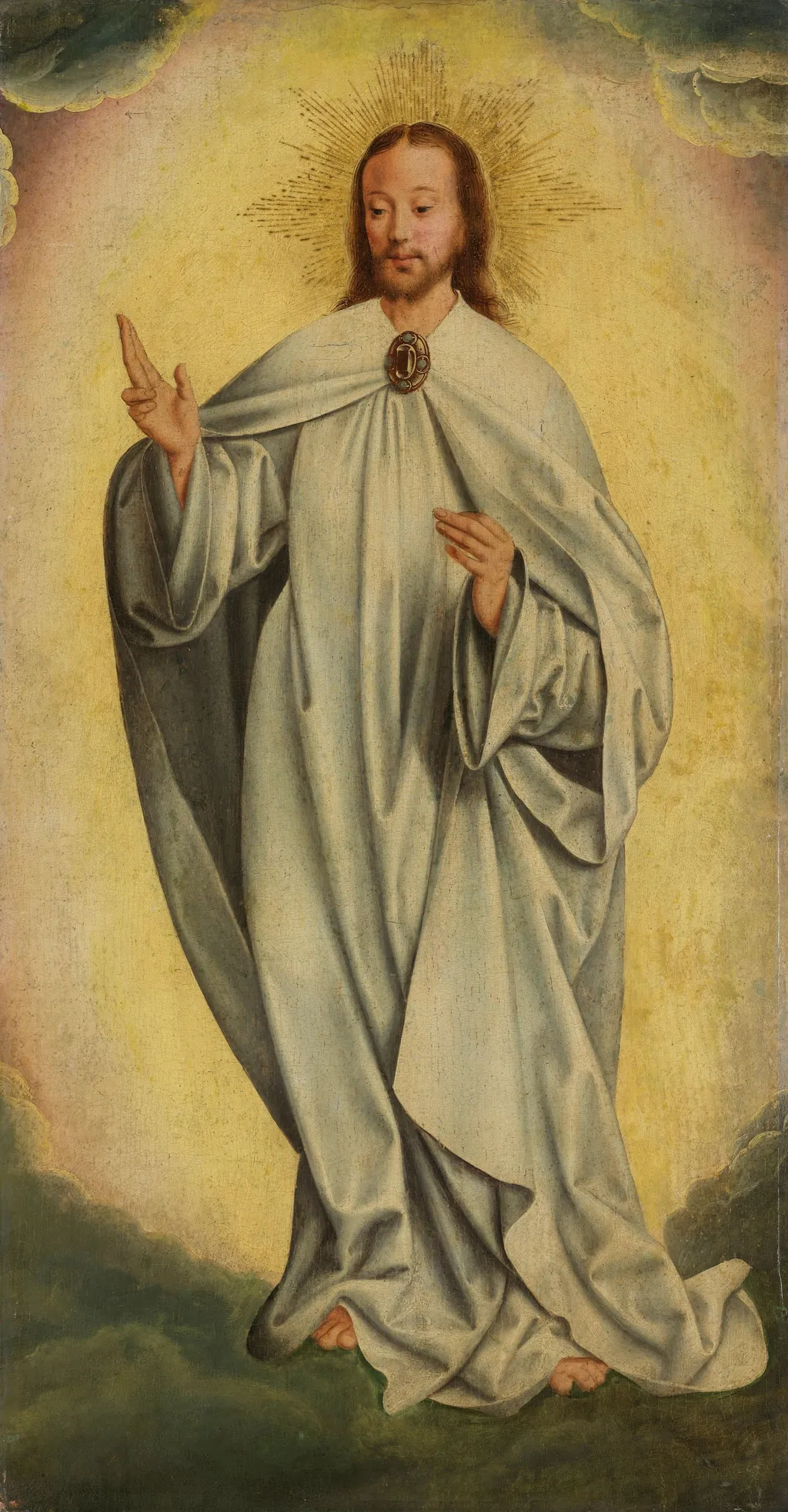
Fragment with the transfiguration of Christ is an oil painting by the Northern Renaissance artist Jan Joest. It dates from 1517 and is held in the collection of the Rijksmuseum.
About this work
Subject & Meaning
The panel depicts the Transfiguration of Jesus, a moment from the New Testament in which Christ’s form is transformed and radiated with divine light on Mount Tabor, accompanied by the prophets Moses and Elijah and the apostles Peter, James, and John. The scene is drawn from the Gospels of Matthew, Mark, and Luke, where the voice of God the Father is heard affirming Christ’s identity, underscoring the theological theme of revelation and glory. The surviving fragment once belonged to a larger altarpiece, and its restrained composition emphasizes the luminous event, conveying the promise of spiritual transformation and the affirmation of Christ’s divine sonship.
Technique & Style
Created in 1517 by Jan Joest, this religious work is executed in oil paint on a wooden panel. The fragment measures 69.6 cm in height and 37 cm in width. Visually, the piece depicts the Transfiguration of Jesus, adhering to the conventions of Northern Renaissance religious art through its specific medium and support choices.
History & Provenance
6 cm in height and 37 cm in width and is executed on panel in oil paint, consistent with early sixteenth-century Netherlandish practice.
The Fragment with the Transfiguration of Christ is a panel painting executed in oil by Jan Joest, dated to 1517. It was created as part of a larger composition, of which it now survives only as a fragment, and entered the collection of the Rijksmuseum, where it is currently held.
The work was at one time owned by Cornelis Hoogendijk before passing into the museum's holdings. The painting measures 69.6 cm in height and 37 cm in width and is executed on panel in oil paint, consistent with early sixteenth-century Netherlandish practice.
Overview
Fragment with the Transfiguration of Christ is a 1517 oil painting by Jan Joest, a Dutch painter from the northern Rhineland, depicting a pivotal biblical scene.
Artist & collection
Artist
Jan Joest, also known as Jan Joest van Kalkar or Jan Joest van Calcar (between 1450 and 1460 – 1519), was a Dutch painter from either Kalkar or Wesel (both now in Germany), known for his religious paintings.

 Mater Dolorosa
 The Immaculate Conception
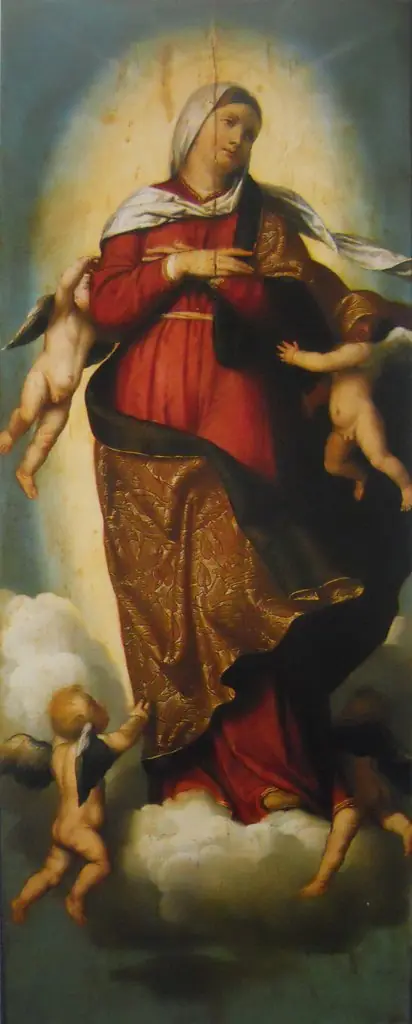 Assumption
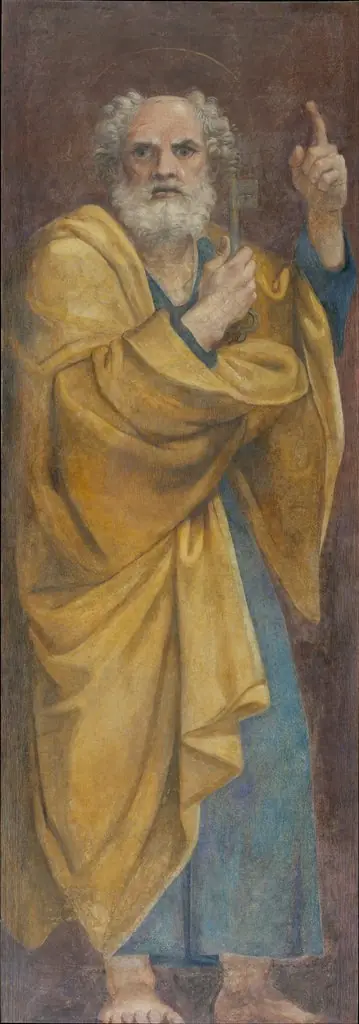 Saint Peter
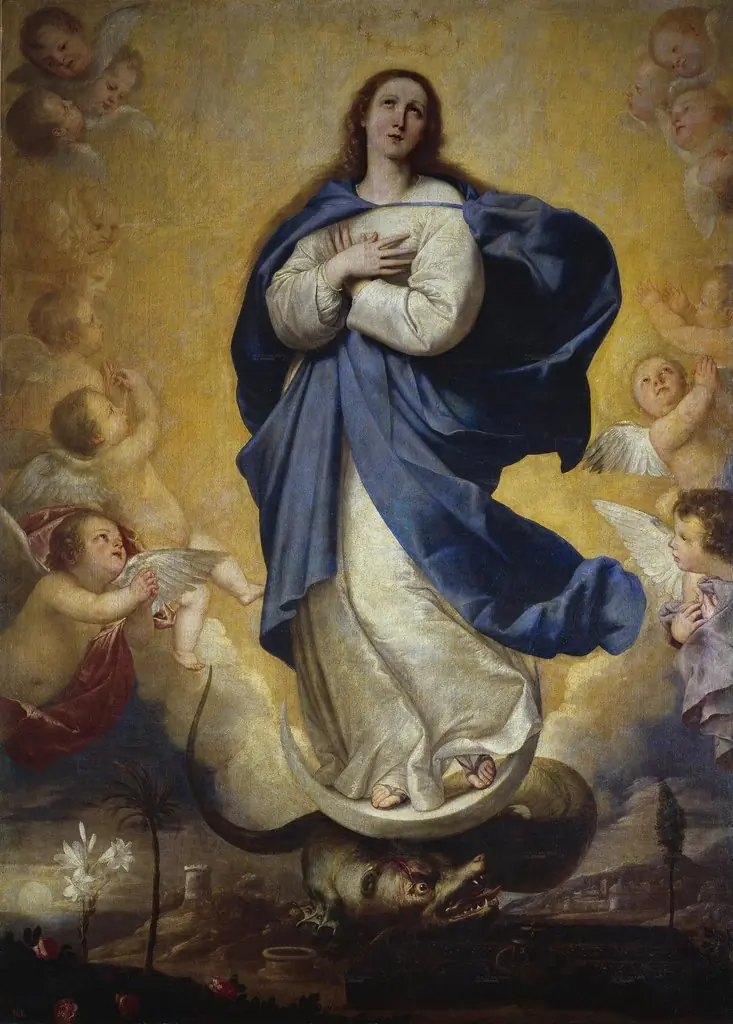 The Immaculate Conception
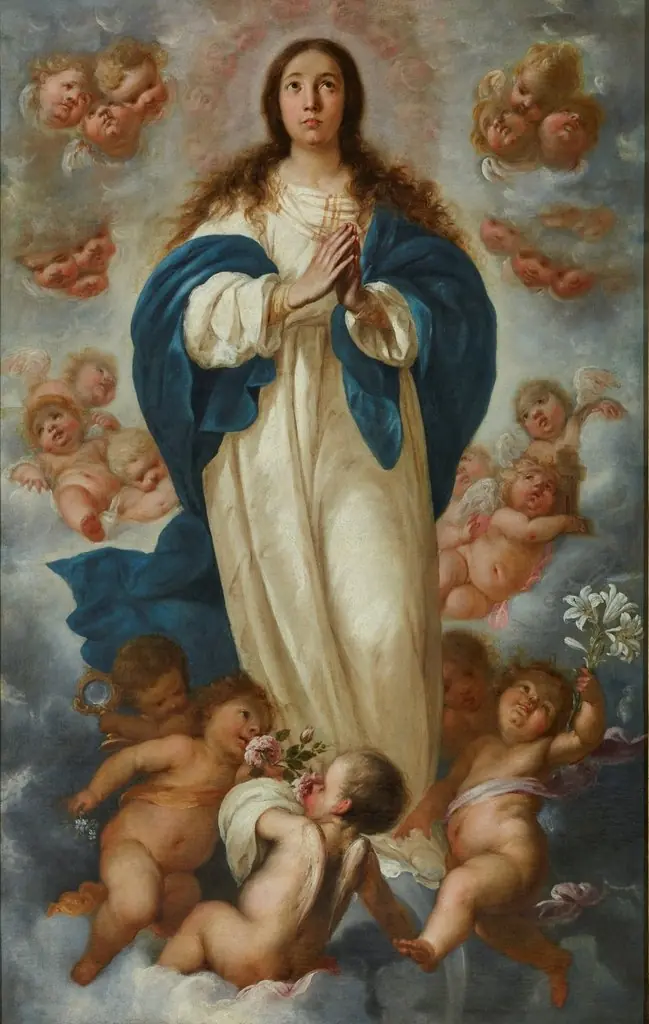 The Immaculate Conception
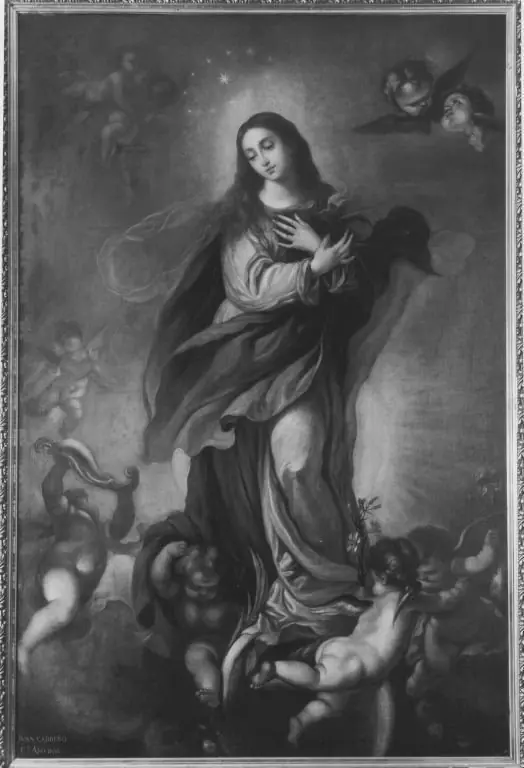 Maria, die unbefleckt Empfangene (und Werkstatt)
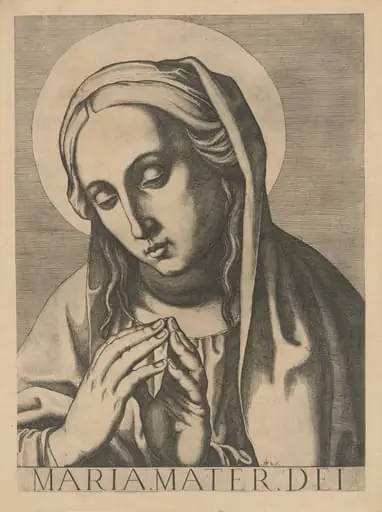 Bust of the Virgin
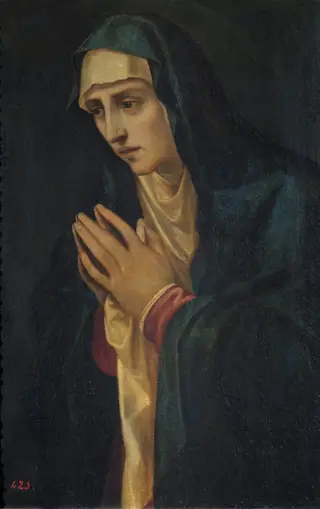 The Virgin in Contemplation
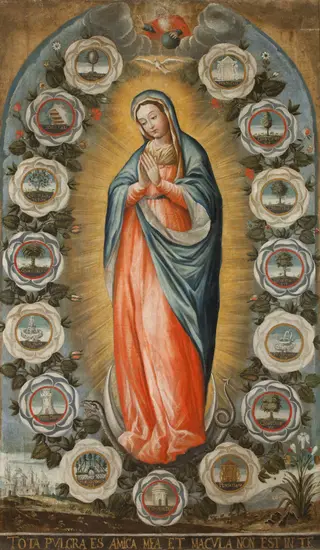 Virgin Mary-Immaculata Surrounded by a Rosary
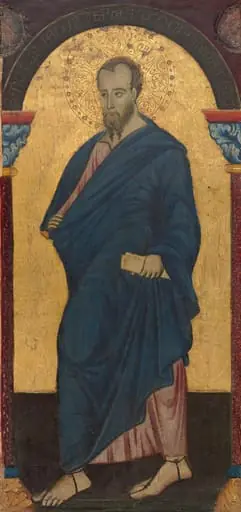 Saint James Minor
- Fragment with the Transfiguration of Christ (Resurrection)