Artwork
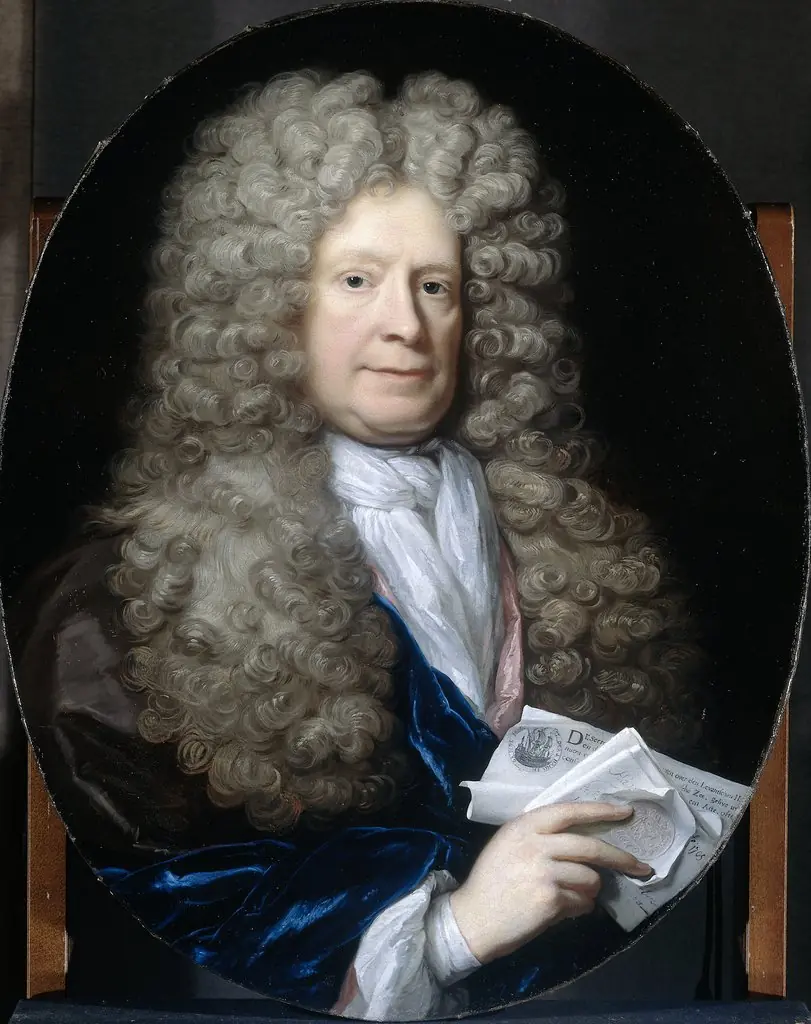
Portrait of David Leeuw, Mennonite Cloth and Dry Goods Merchant
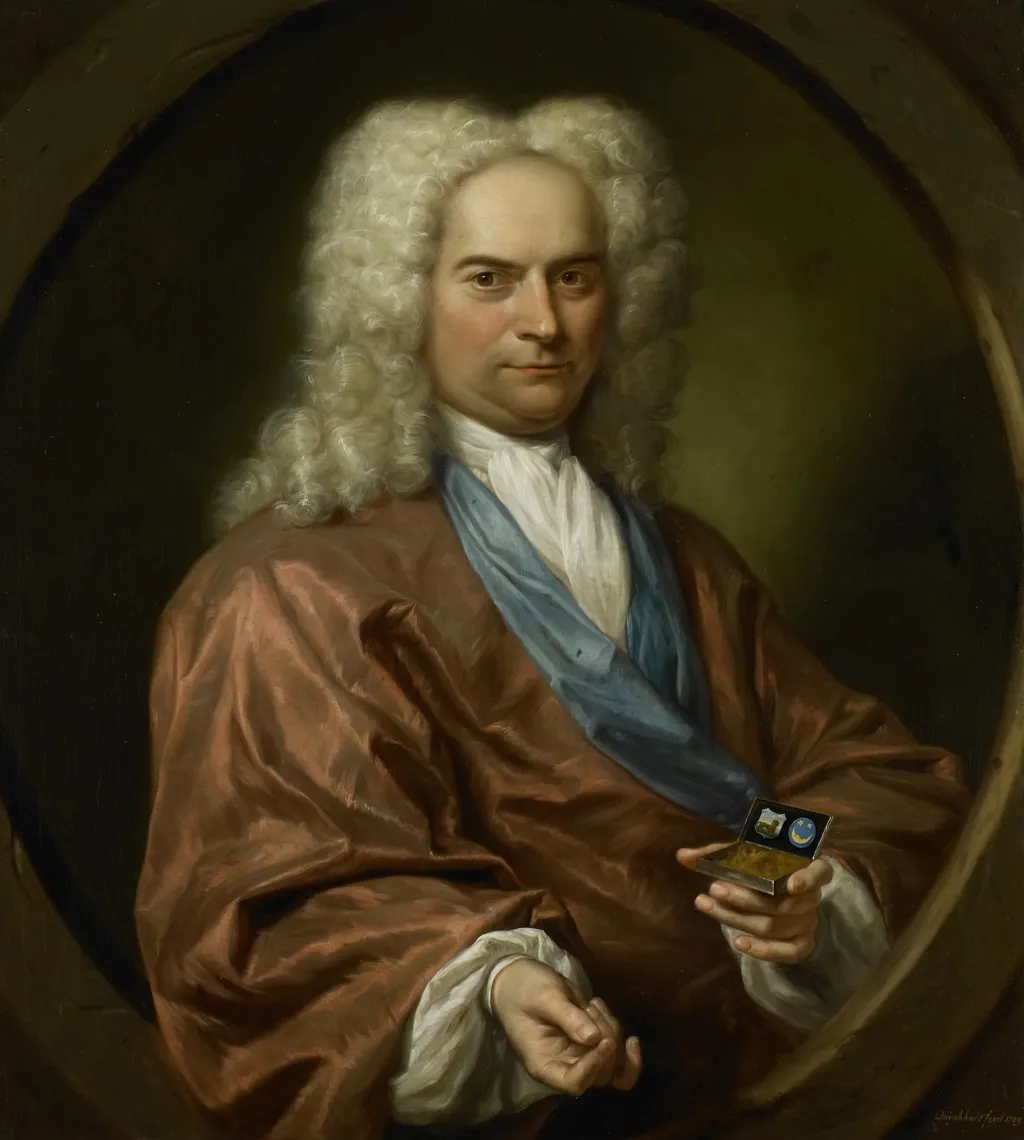
Portrait of David Leeuw, Mennonite Cloth and Dry Goods Merchant is an oil painting by the Rococo painting artist Jan Maurits Quinkhard. It dates from 1729 and is held in the collection of the Rijksmuseum.
About this work
Technique & Style
The composition follows formal conventions of the period, presenting the figure in a three‑quarter view against a muted background.
The work is executed in oil paint on canvas, a support typical of 18th‑century Dutch portraiture. The painting measures 86.5 cm in height by 78.5 cm in width, reflecting the modest scale often employed for private merchant portraits. Quinkhard’s handling of light emphasizes the sitter’s facial features and the texture of the Mennonite cloth, while the restrained palette underscores the subject’s commercial status.
The composition follows formal conventions of the period, presenting the figure in a three‑quarter view against a muted background.
The rendering demonstrates careful attention to material detail, from the translucency of the fabric to the subtle modeling of flesh, achieving a realistic yet understated aesthetic characteristic of mid‑Dutch portraiture.
History & Provenance
Jan Maurits Quinkhard painted Portrait of David Leeuw, Mennonite Cloth and Dry Goods Merchant in 1729. The artwork is an oil on canvas portrait, measuring 86.5 by 78.5 centimeters.
The painting's provenance includes its presence in the collections of the Rijksmuseum and the Rijksmuseum Twenthe.
The painting is held in the collection of the Rijksmuseum, with an additional association to the Rijksmuseum Twenthe. According to the Wikidata record for the work, its dimensions are 86.5 cm in height by 78.5 cm in width, executed in oil paint on canvas.
No specific inventory or accession number, and no exhibition history, is documented in the available sources for this painting.
Overview
Jan Maurits Quinkhard’s 1729 oil portrait presents David Leeuw, a Mennonite merchant dealing in cloth and dry goods. Executed in the Rococo period, the painting is part of the Rijksmuseum’s holdings. The composition isolates the sitter against a dark, unadorned backdrop, directing the viewer’s focus to his attire and the small object he cradles.
Subject & Meaning
Leeuw is shown in a brown coat, white cravat, and a blue sash across his chest, his white wig framing a composed expression. The modest yet refined dress reflects the balance between his commercial activity and the social standing he wished to convey. The handheld box, possibly containing a sample or document, hints at the practical aspects of his trade.
Context
The work reflects the Dutch mercantile culture of the 1700s, where portraiture served both personal commemoration and commercial advertisement. As a Mennonite, Leeuw belonged to a religious group noted for its involvement in trade, and the portrait’s modest elegance aligns with the community’s values of sobriety combined with respectable prosperity.
Own this work as a print
Artist & collection
Artist
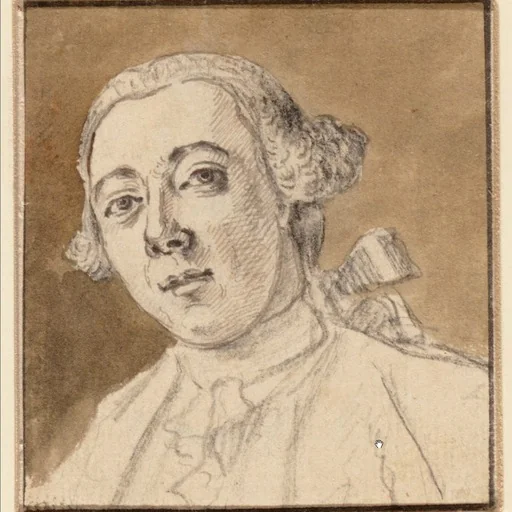
Jan Maurits Quinkhard (28 January 1688 – 11 November 1772) was an 18th-century painter and print designer from the Dutch Republic.

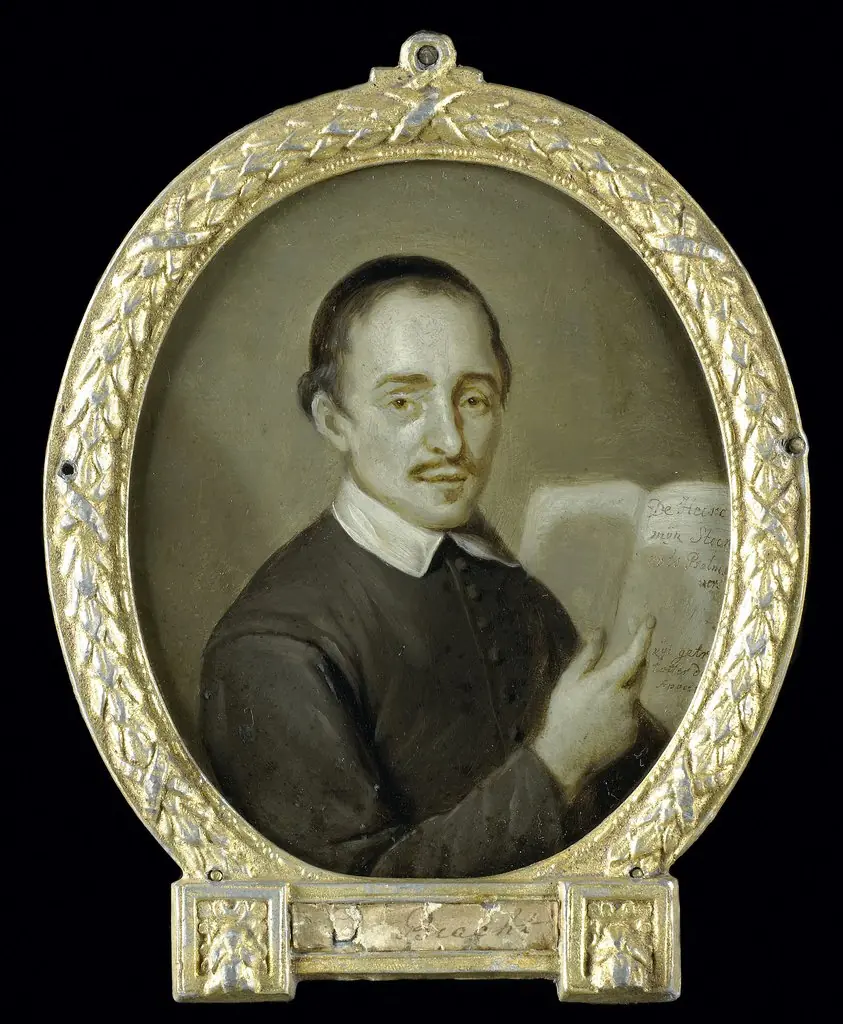 Portrait of Tieleman Jansz van Bracht, Clergyman and Poet in Dordrecht
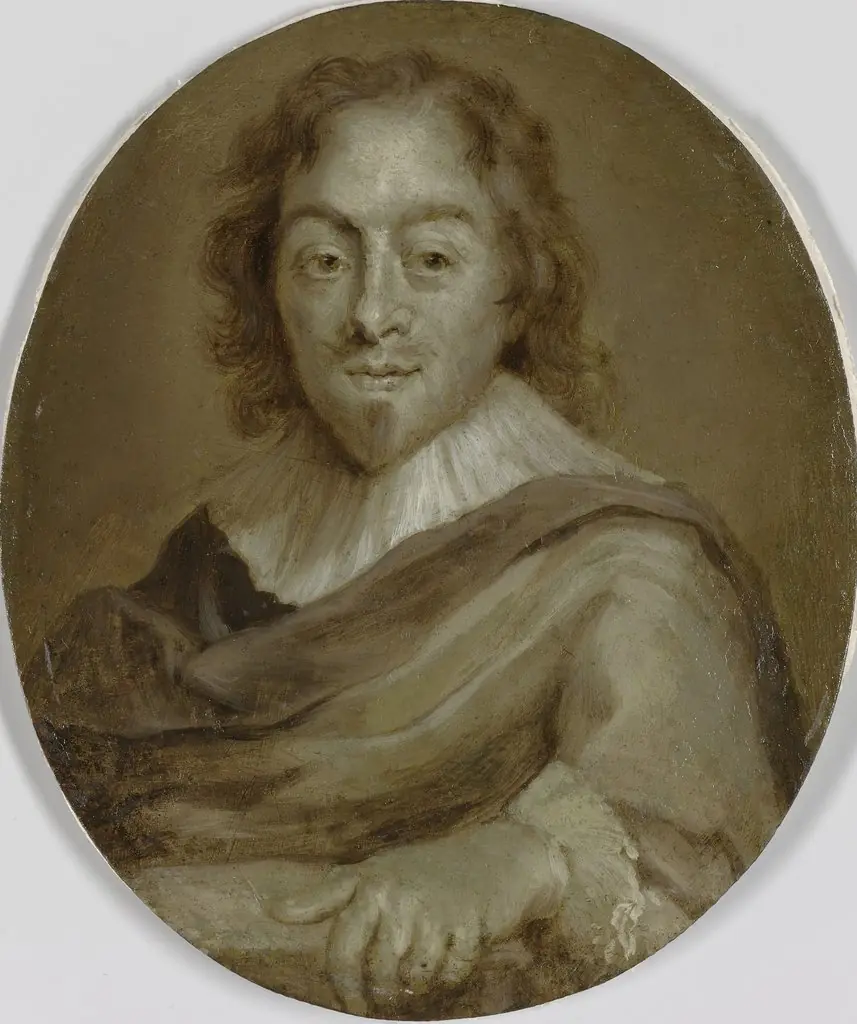 Portrait of Constantijn Huygens, Poet, Secretary to Prince Frederick Henry and Prince William II and First Councilor and Exchequer to William III
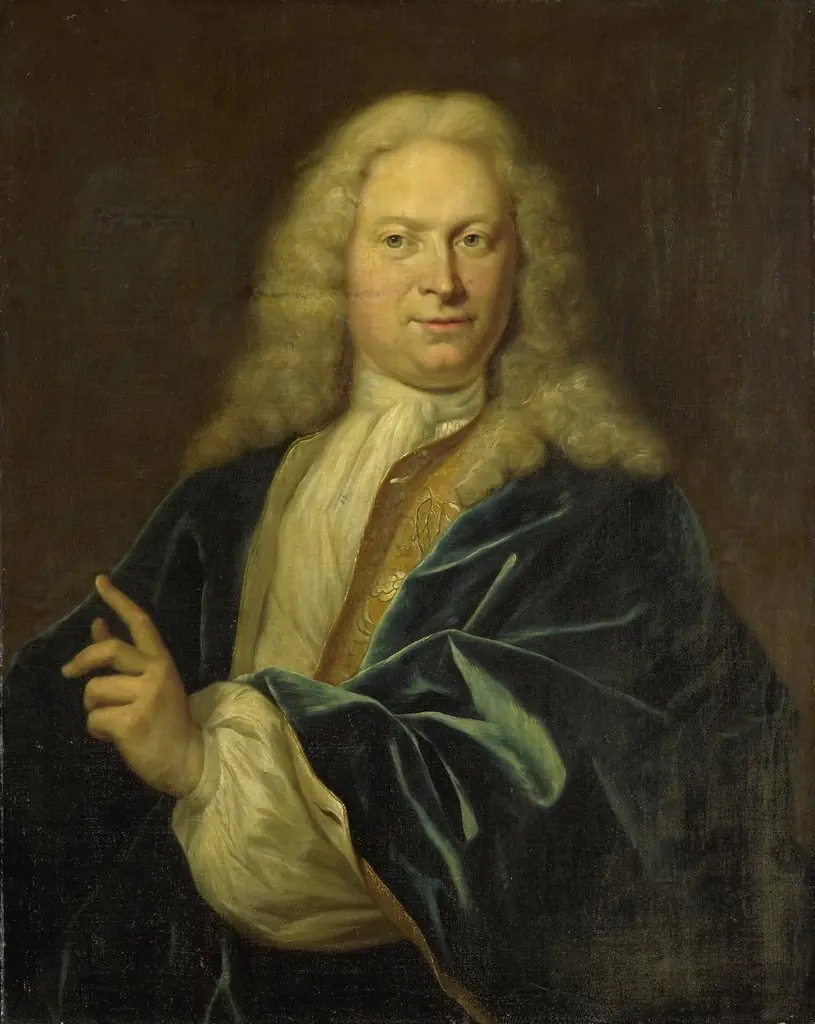 Portrait of Jan Hendrik van Heemskerck, Count of the Holy Roman Empire, Lord of Achttienhoven, Den Bosch and Eyndschoten, Captain of the Citizenry of Amsterdam (Johan Hendrik Graaf Van Heemskerk)
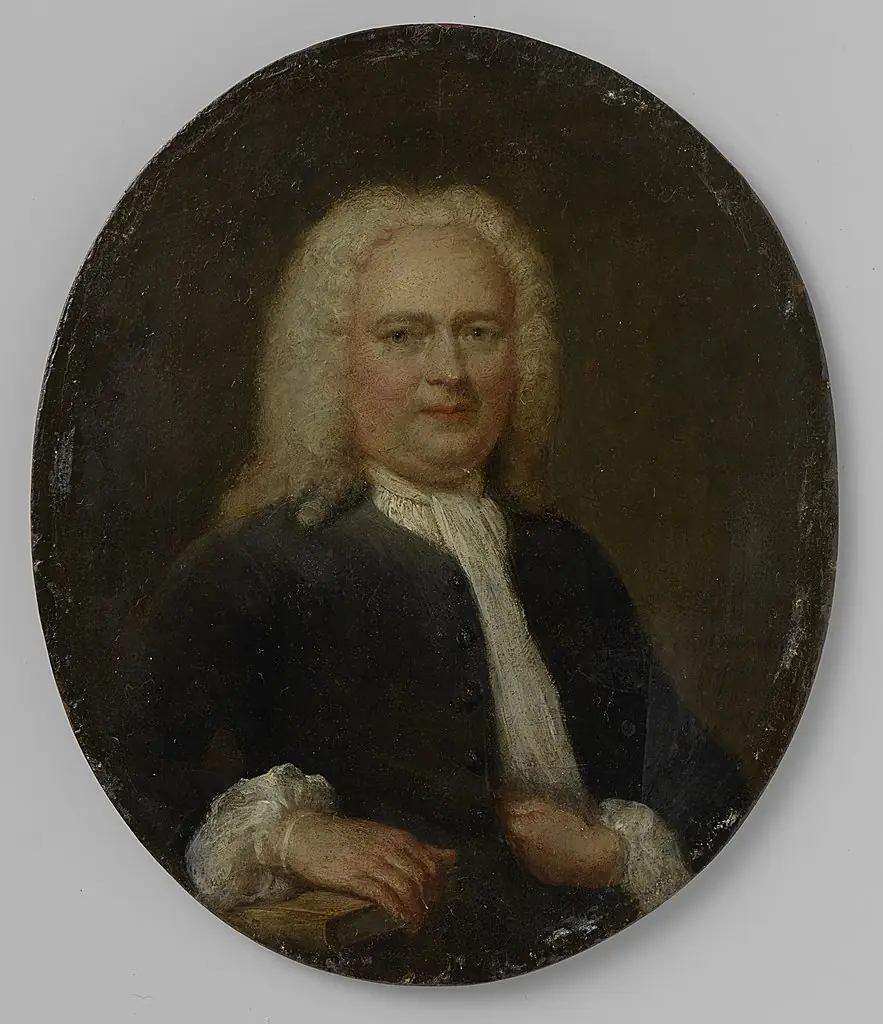 Portrait of a Man, perhaps a Member of the Klinkhamer Family
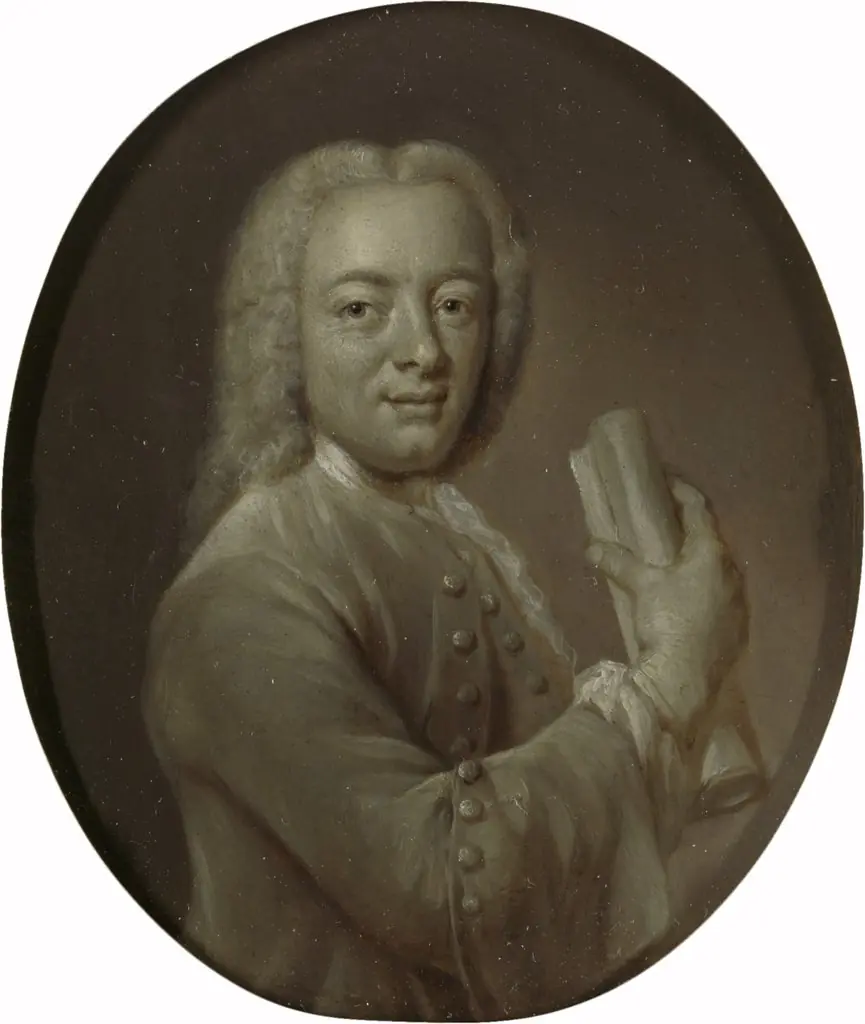 Portrait of Bernardus de Bosch I, Poet in Panpoeticon Batavum
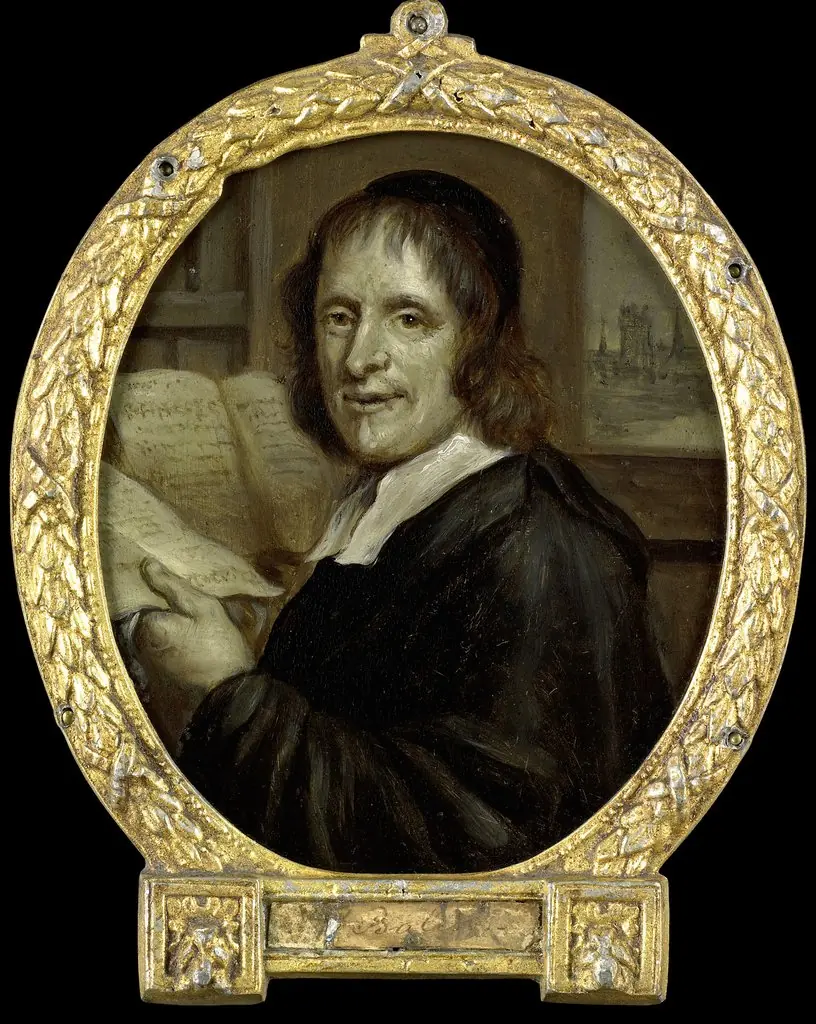 Matthijs Balen Jansz (1611-91), poet and chronicler of Dordrecht
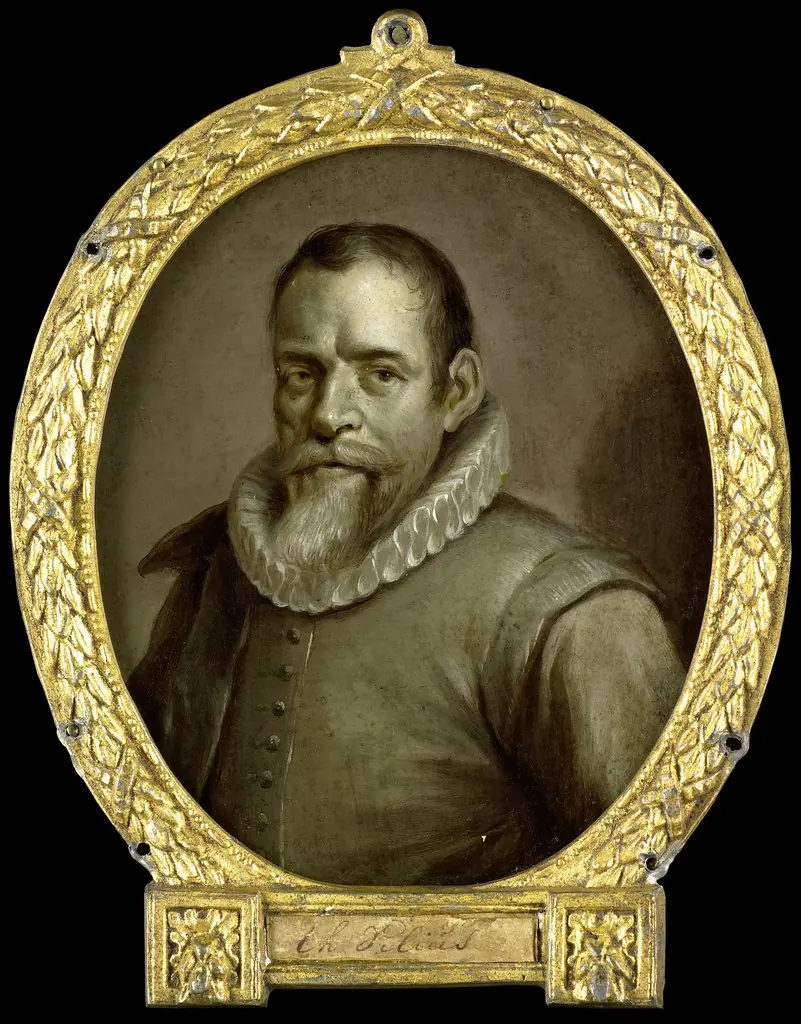 Portrait of Theodorus Velius, Writer of the Chronicle of Horn
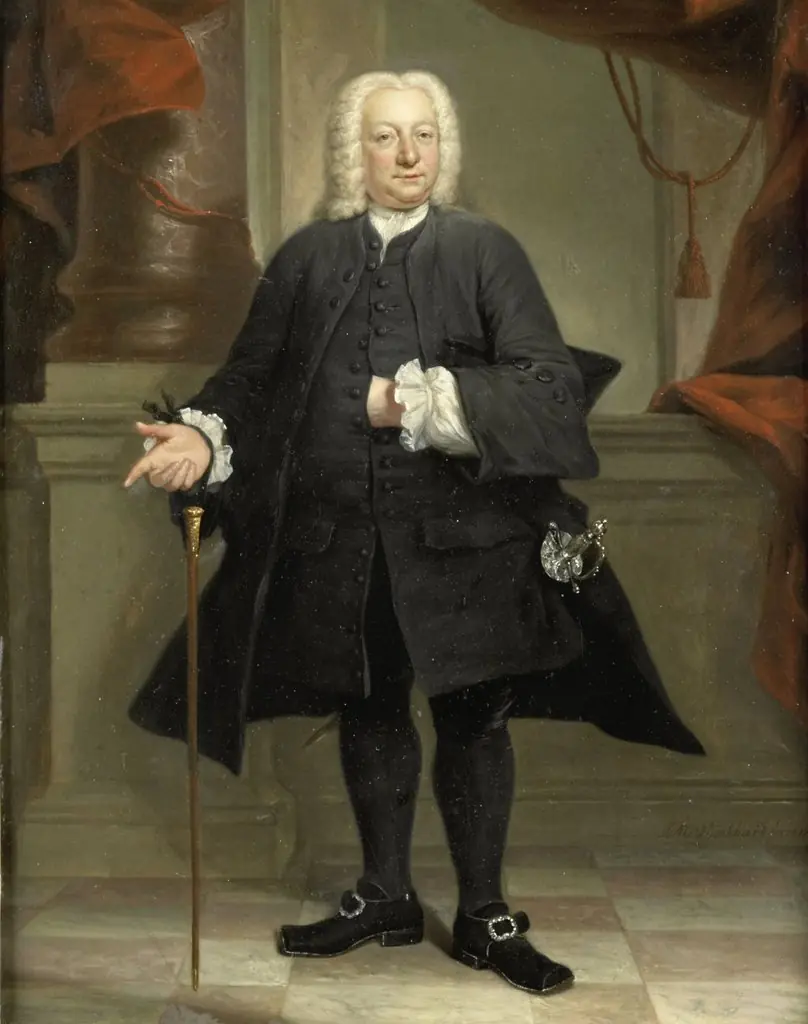 Portrait of a Man
- Self portrait of Antoine Coypel, Ecuyer Premier Peintre du Roy (1661-1722)
 Sir Richard Pryse
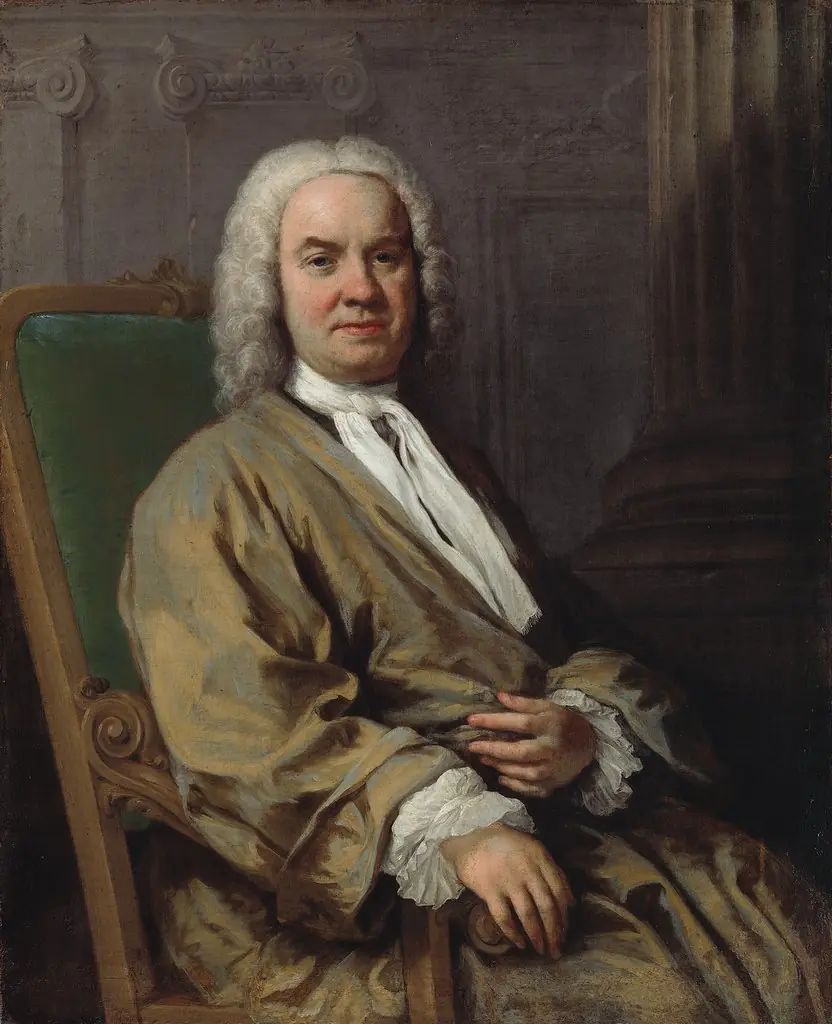 Portrait of Sigismund Streit
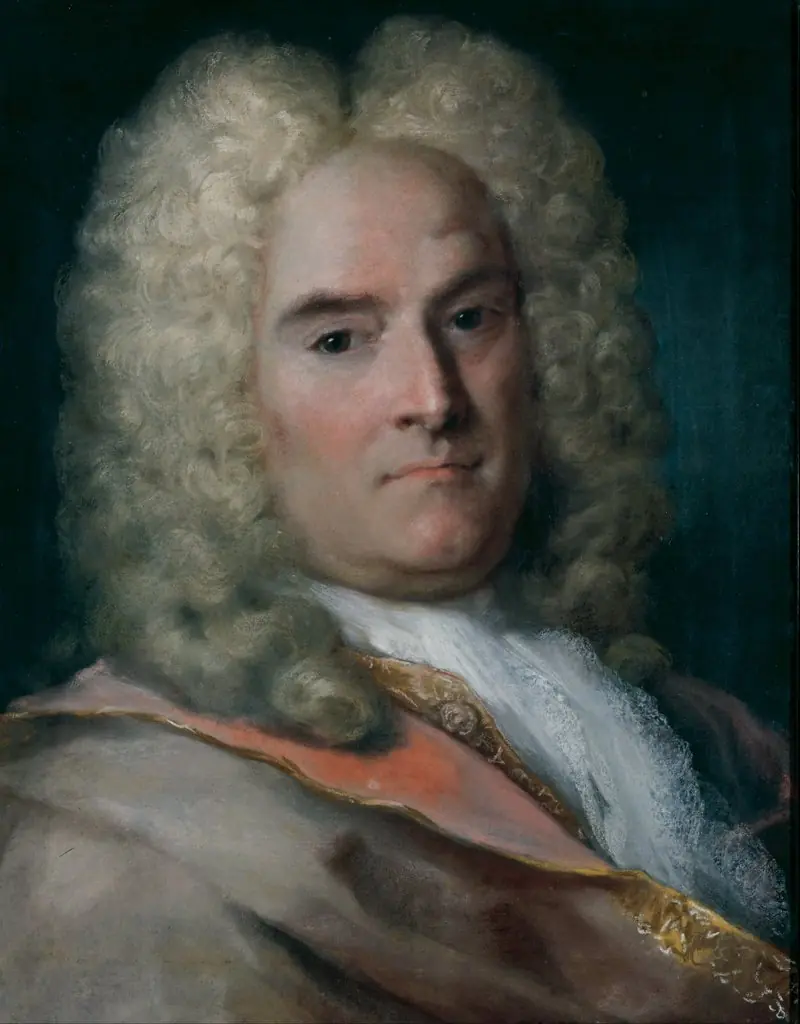 A Gentleman in a Gray Cape over a Gold-Embroidered Coat
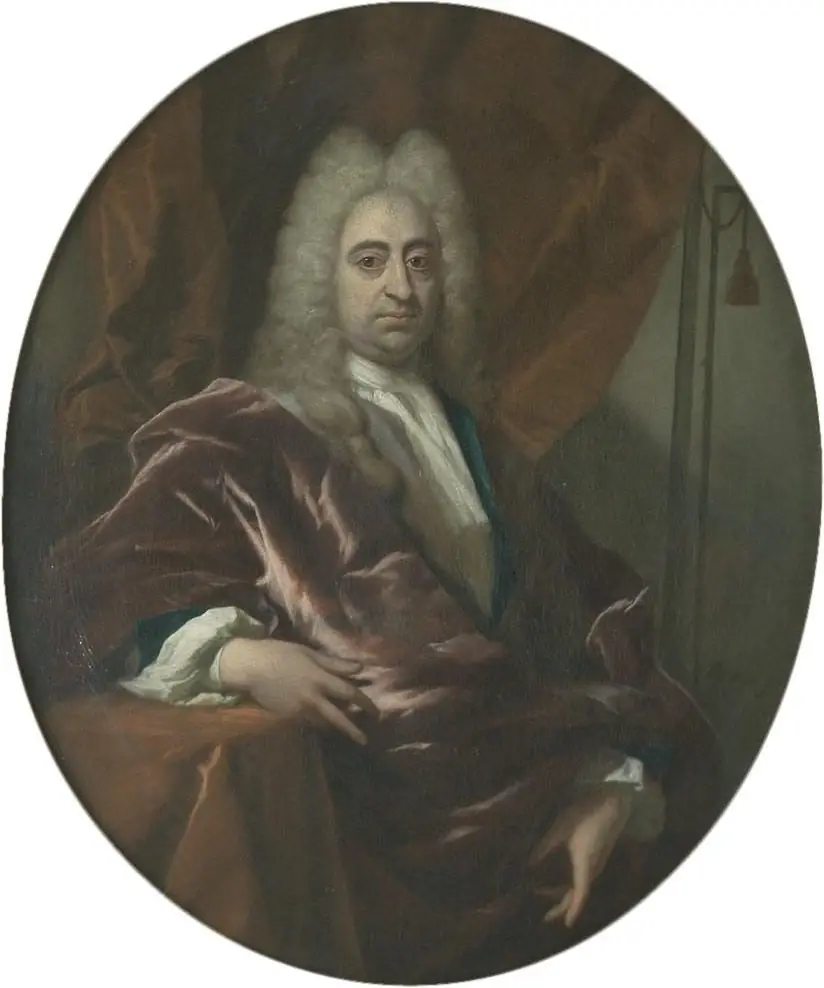 Portrait of Mathias Lambertus Singendonck (1648-1742)
 Portrait of a Man
 Portrait of a man in a wig
 Joseph Reade
 Portrait of a Man
 Portrait of a man in a grey wig
 Portrait of Pieter van de Poel
 Untitled