Artwork
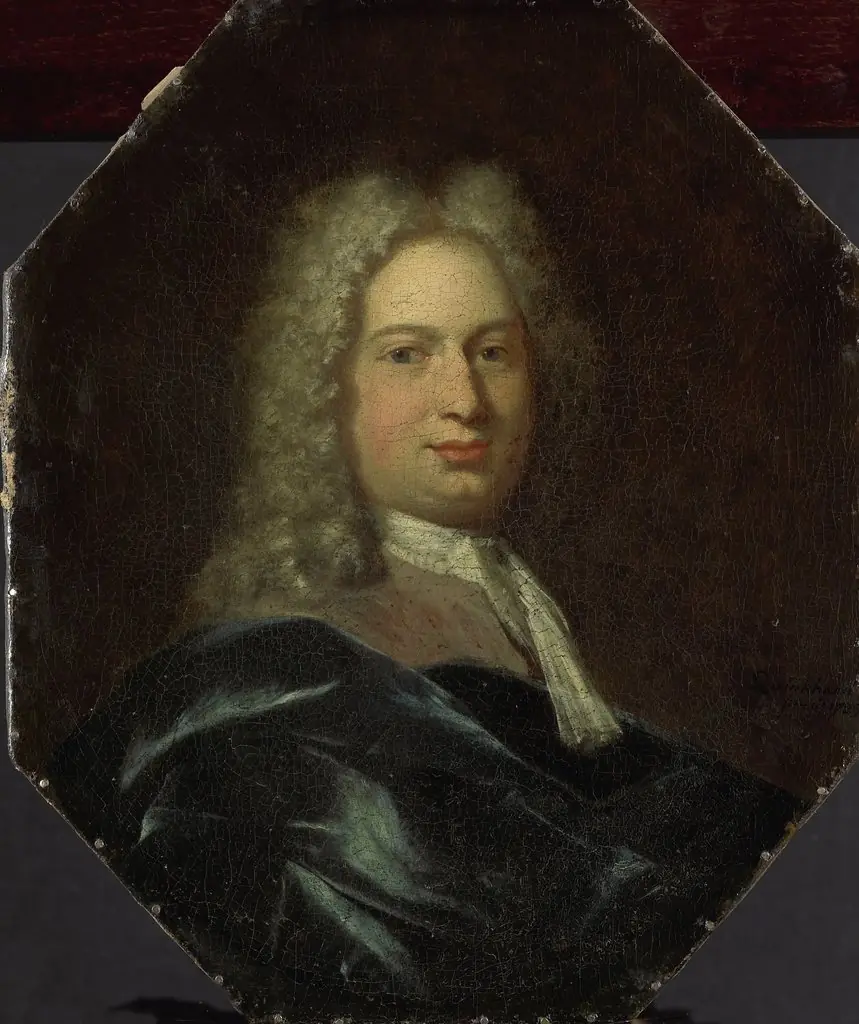
Portrait of a Man
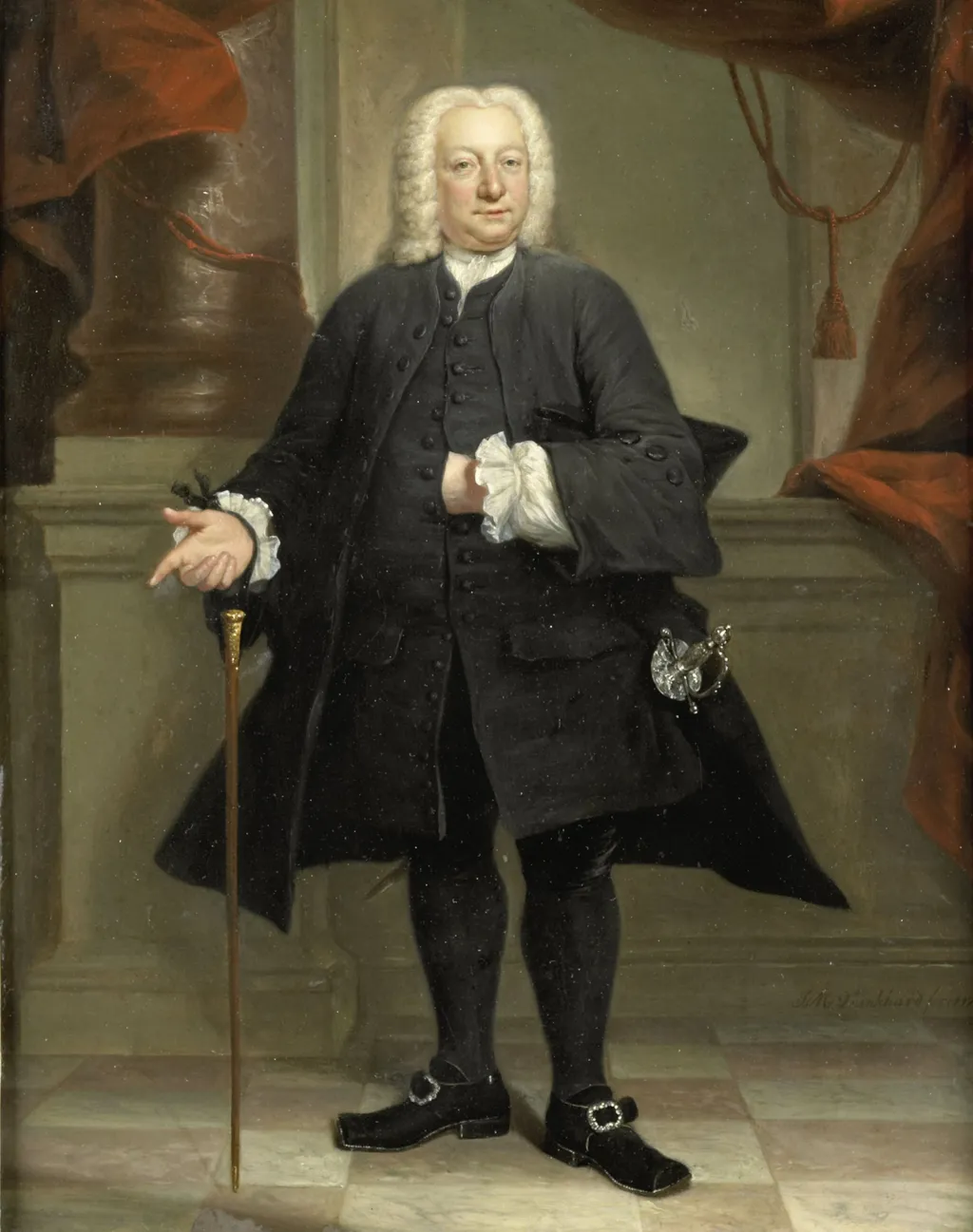
Portrait of a Man is an oil painting by the Rococo painting artist Jan Maurits Quinkhard. It dates from 1744 and is held in the collection of the Rijksmuseum.
About this work
Subject & Meaning
The meaning of the work rests primarily in its function as a likeness of an individual, consistent with conventional portraiture of the period.
The painting depicts an unidentified man, presented as a formal portrait. The work belongs to the portrait genre, a category in which Quinkhard specialized. Beyond this identification, the provided sources offer no further details about the sitter's identity, his social status, or any symbolic elements within the composition.
The meaning of the work rests primarily in its function as a likeness of an individual, consistent with conventional portraiture of the period.
Technique & Style
The work is an oil painting on copper, executed in 1744 by Jan Maurits Quinkhard. The copper support measures 34 by 26.5 cm. Quinkhard's use of a copper panel rather than canvas or wood reflects a practice that allowed for exceptionally fine detail and a smooth, luminous surface in portraiture of this period.
History & Provenance
Portrait of a Man is held in the Rijksmuseum collection (accession number not specified). It was created in 1744 on copper and classified as a portrait painting. The work has been exhibited at the Rijksmuseum, though specific exhibition dates are not documented in the sources.
Context
The Portrait of a Man (1744) by Jan Maurits Quinkhard exemplifies 18th-century Dutch portraiture, reflecting the period's emphasis on individual representation within the Northern Low Countries' artistic tradition. Executed in oil on copper, its dimensions of 34 cm by 26.5 cm align with Quinkhard's documented practice of working on metal supports for portraiture, a technique noted in contemporary records. The work's presence in the Rijksmuseum collection underscores its significance within the artist's oeuvre and the broader historical context of portrait painting in the Netherlands, where such works were valued for capturing civic identity and social standing during the late Dutch Golden Age.
Legacy
Portrait of a Man (1744), a copper plate painting by Jan Maurits Quinkhard, is housed in the Rijksmuseum and exemplifies 18th-century Dutch portraiture. Its enduring reputation stems from meticulous craftsmanship and representation of Northern Low Countries portrait conventions, influencing later genre works. The artwork maintains scholarly interest for its material innovation and historical depiction of male subjects, though specific later artistic movements citing it are not documented in the provided sources.
The painting's legacy reflects its technical significance within Quinkhard's oeuvre and Dutch Golden Age portraiture traditions, preserved through institutional stewardship at the Rijksmuseum.
Overview
Jan Maurits Quinkhard, a Dutch painter active in the mid‑18th century, executed this portrait in 1744 on a copper support. The work belongs to the Rococo era and is part of the Rijksmuseum’s collection.
Own this work as a print
Artist & collection
Artist
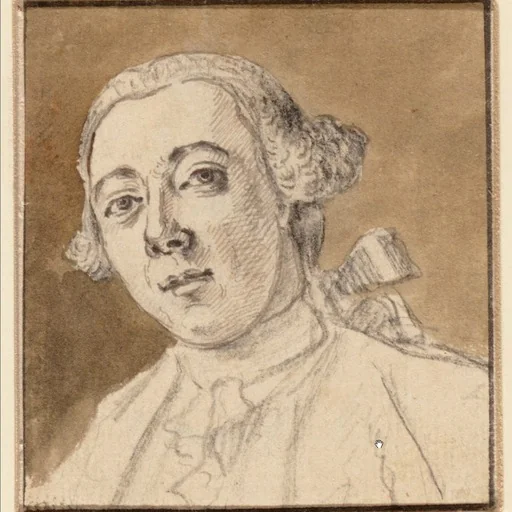
Jan Maurits Quinkhard (28 January 1688 – 11 November 1772) was an 18th-century painter and print designer from the Dutch Republic.

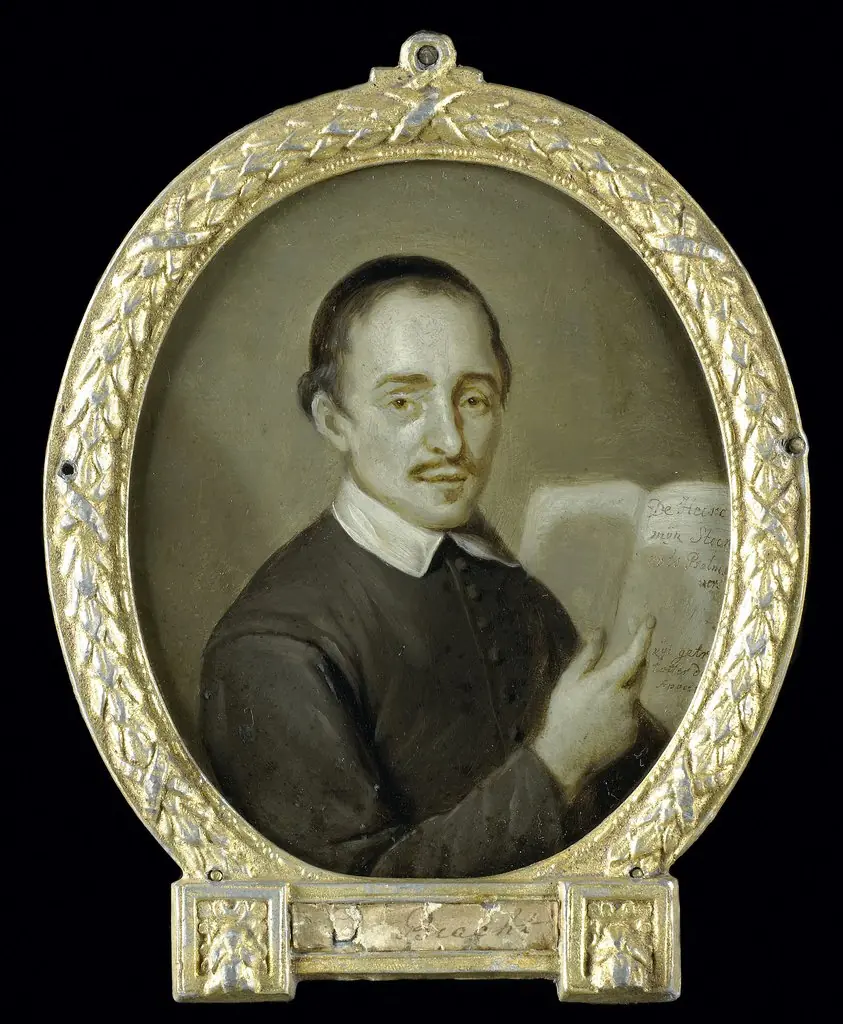 Portrait of Tieleman Jansz van Bracht, Clergyman and Poet in Dordrecht
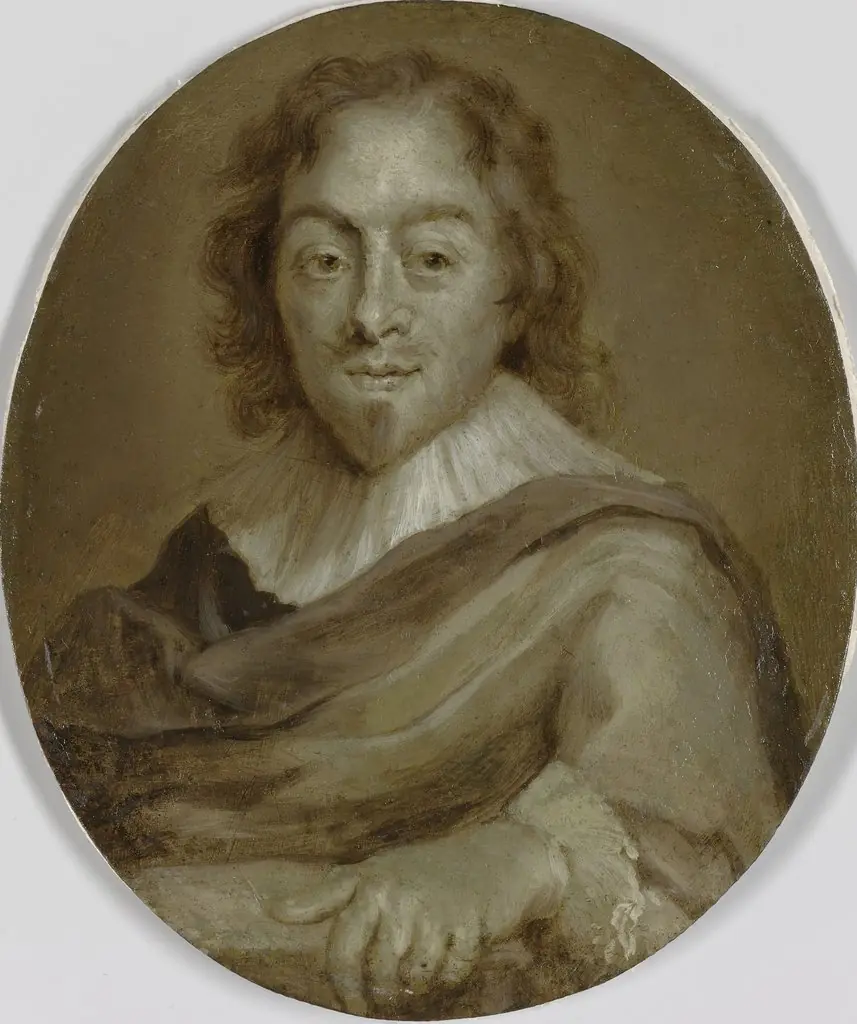 Portrait of Constantijn Huygens, Poet, Secretary to Prince Frederick Henry and Prince William II and First Councilor and Exchequer to William III
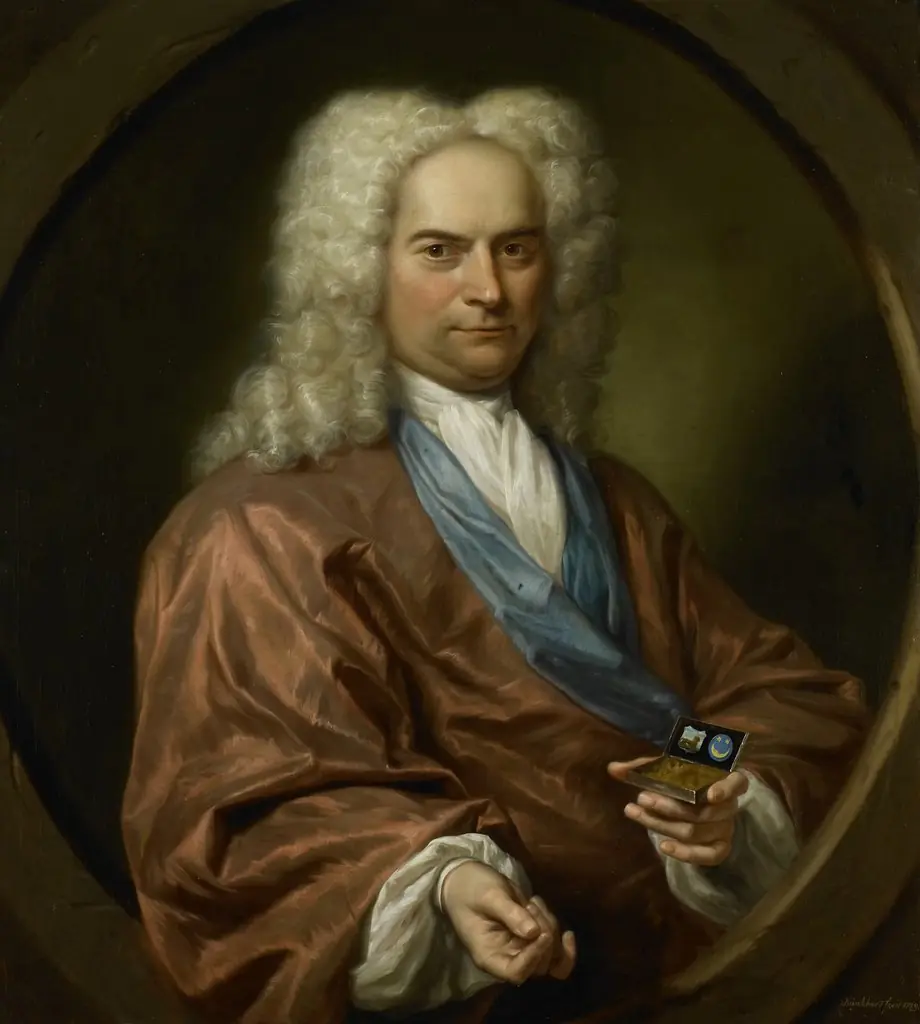 Portrait of David Leeuw, Mennonite Cloth and Dry Goods Merchant
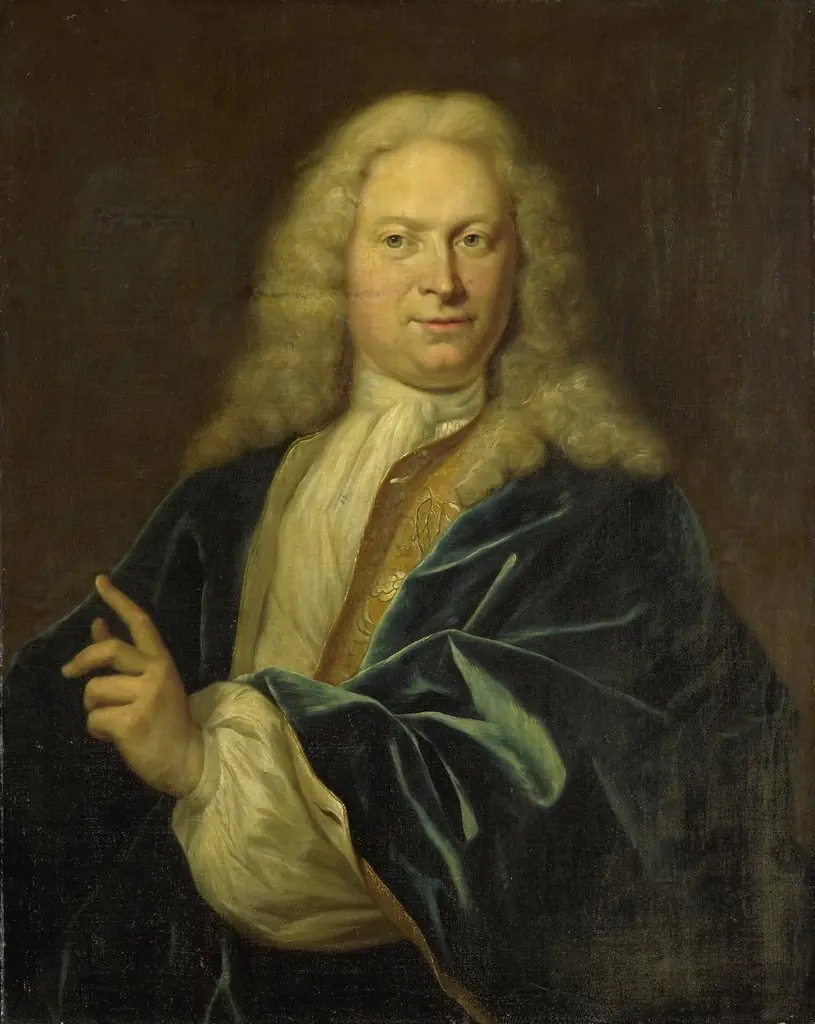 Portrait of Jan Hendrik van Heemskerck, Count of the Holy Roman Empire, Lord of Achttienhoven, Den Bosch and Eyndschoten, Captain of the Citizenry of Amsterdam (Johan Hendrik Graaf Van Heemskerk)
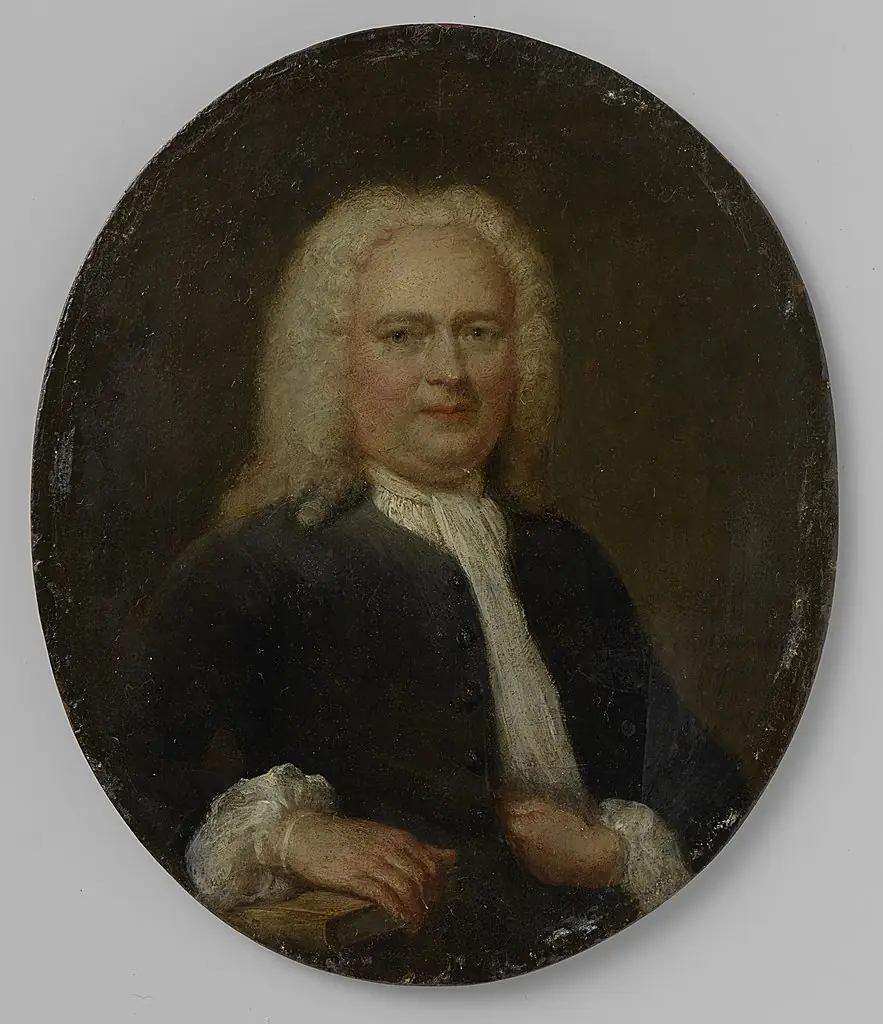 Portrait of a Man, perhaps a Member of the Klinkhamer Family
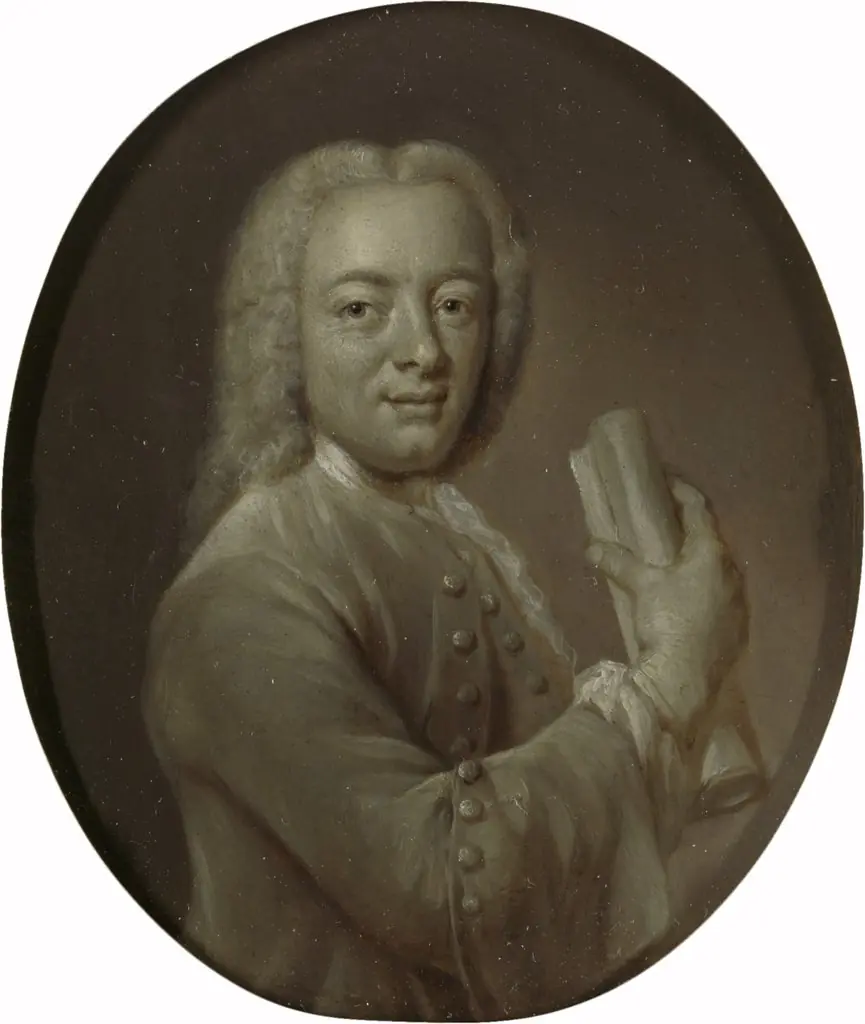 Portrait of Bernardus de Bosch I, Poet in Panpoeticon Batavum
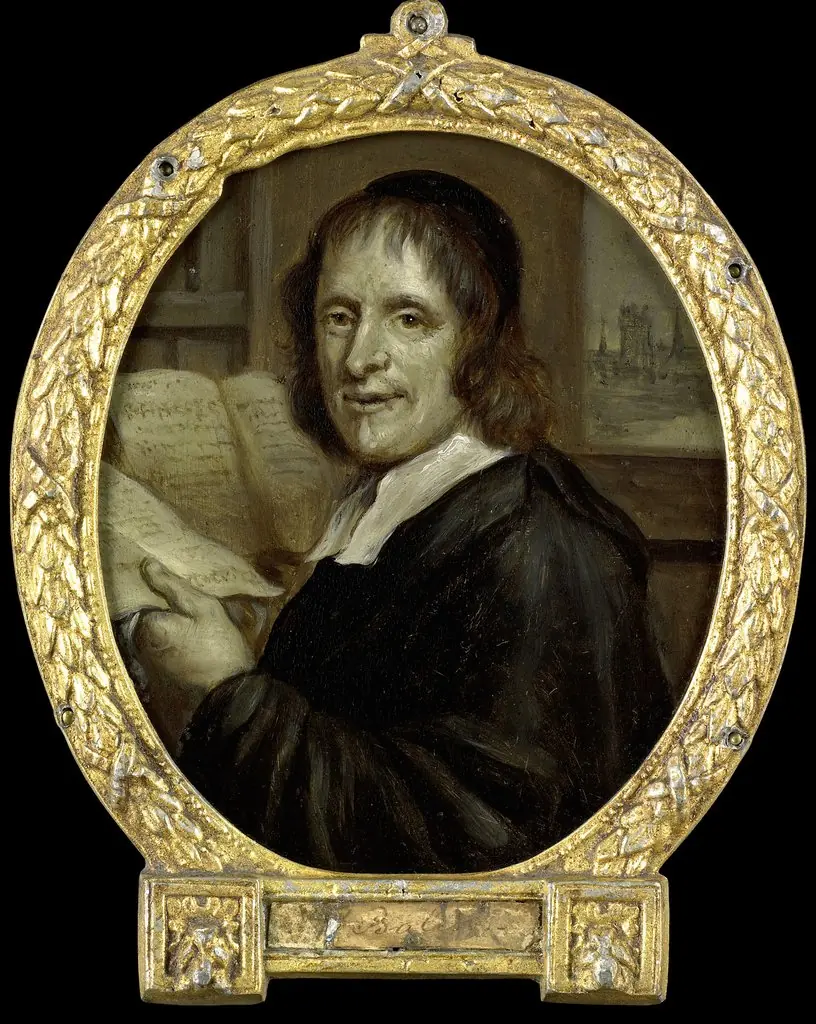 Matthijs Balen Jansz (1611-91), poet and chronicler of Dordrecht
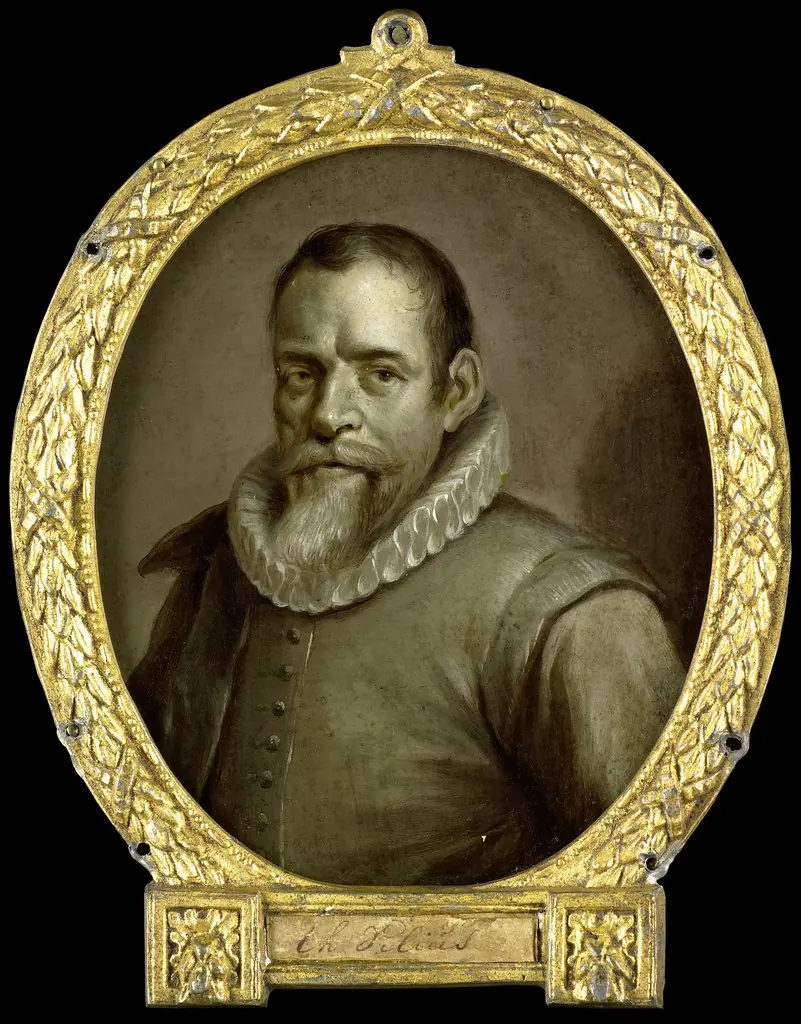 Portrait of Theodorus Velius, Writer of the Chronicle of Horn
- Portrait of a Man Standing Beside a Table
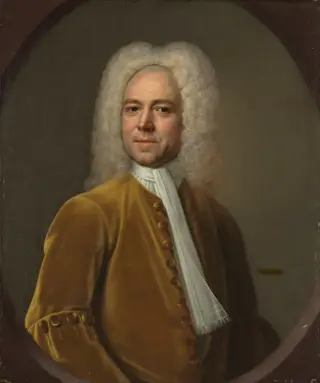 Portrait of a Man
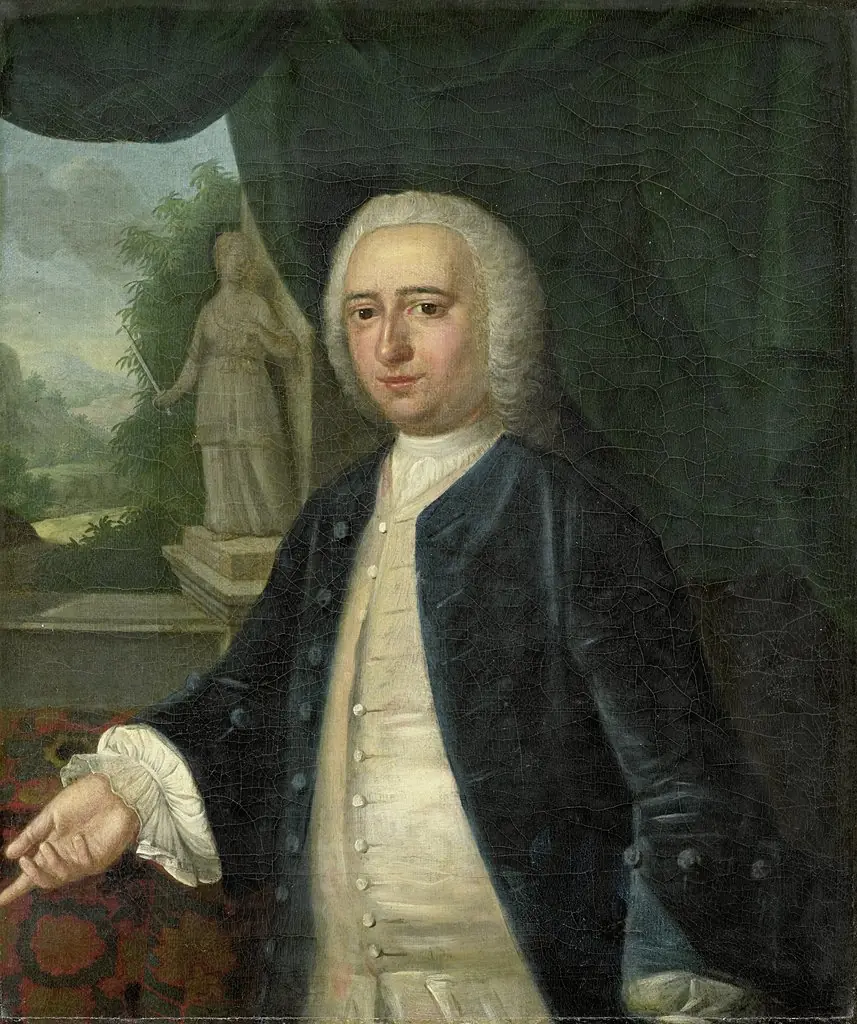 Portrait of Johan Willem Parker, Lord of Saamslag, Geersdijk, Wissekerke, Cats and Soelekerke, Burgomaster of Middelburg, Deputy of Walcheren in Zeeland
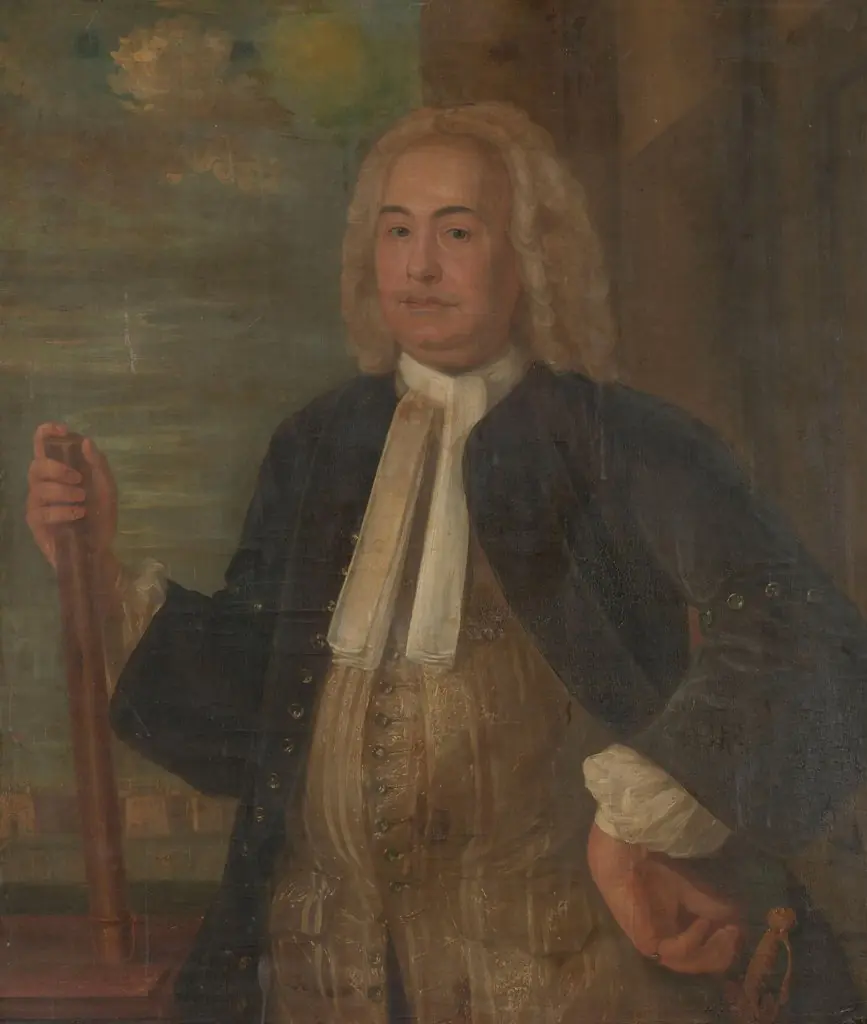 Portrait of Johannes Thedens, Governor-General of the Dutch East India Company
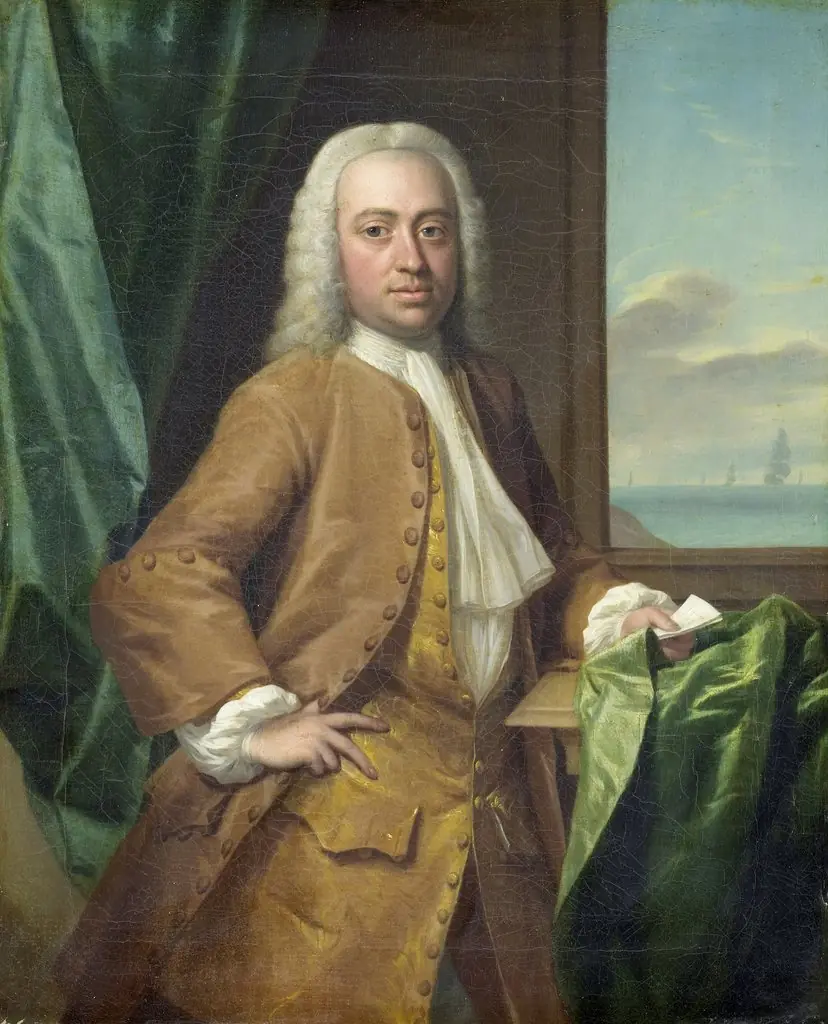 Portrait of Isaac Parker, Merchant from Middelburg
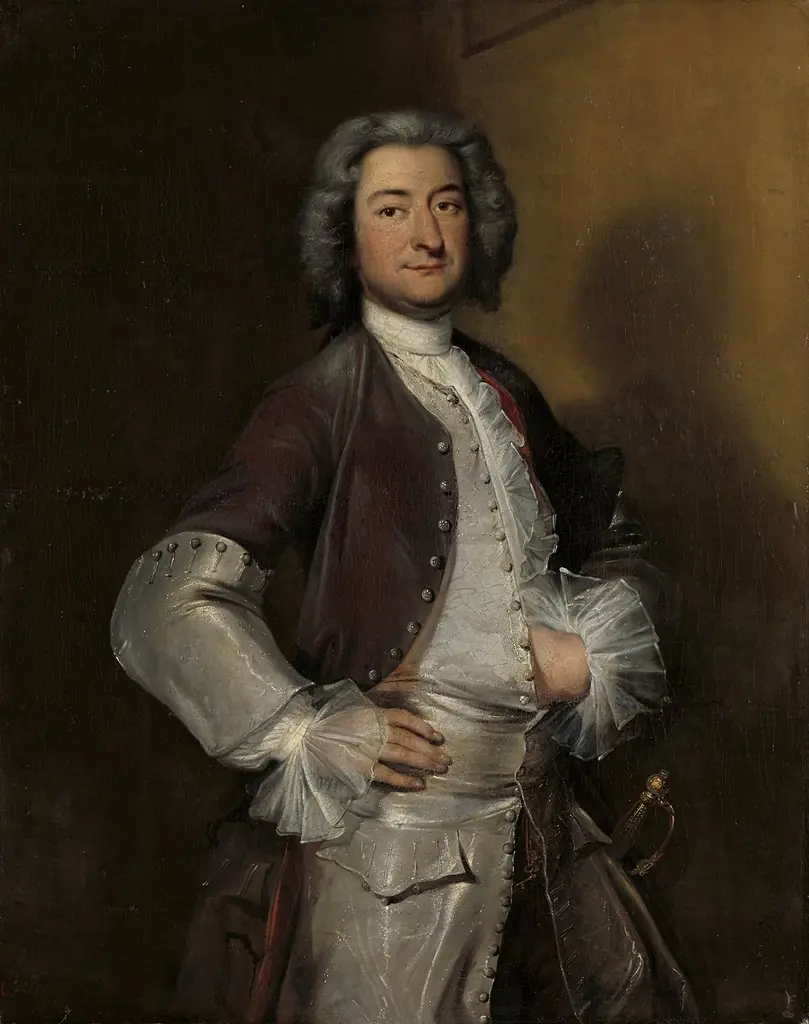 Portrait of Isaac Sweers, Chief Officer of Amsterdam and Governor of the Dutch East India Company
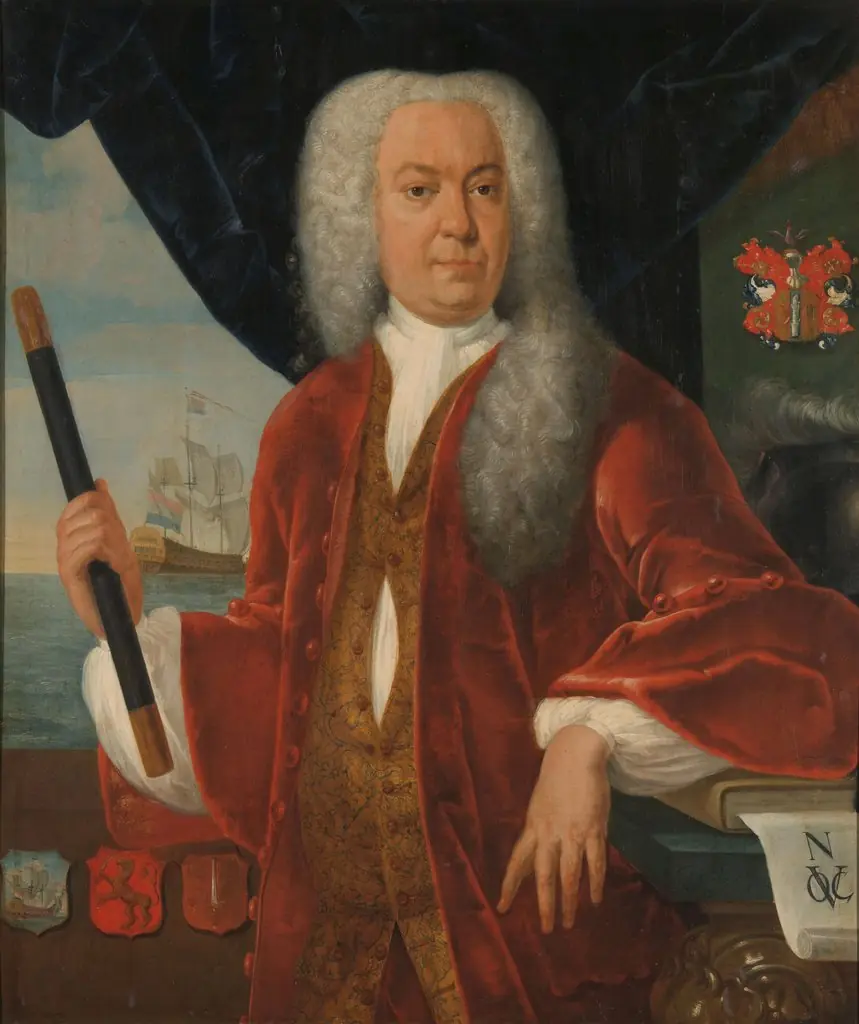 Portrait of gouverneur-generaal Adriaan Valckenier
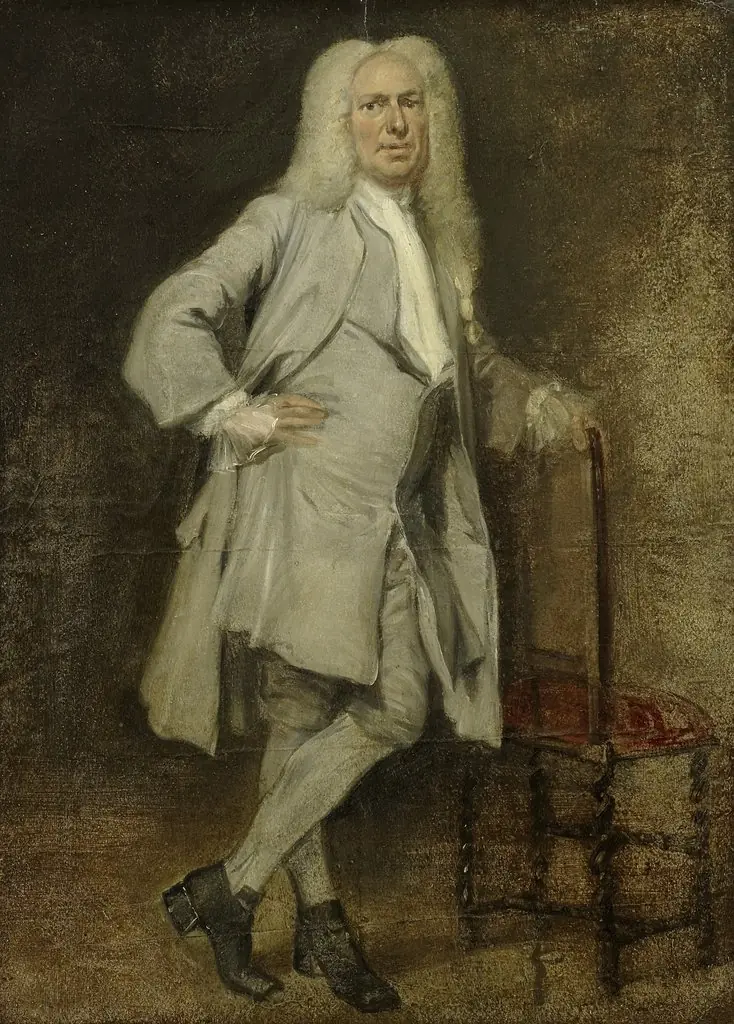 Portrait of Jan Lepeltak, Timber Merchant in Amsterdam, Regent of the Aalmoezeniersweeshuis Orphanage
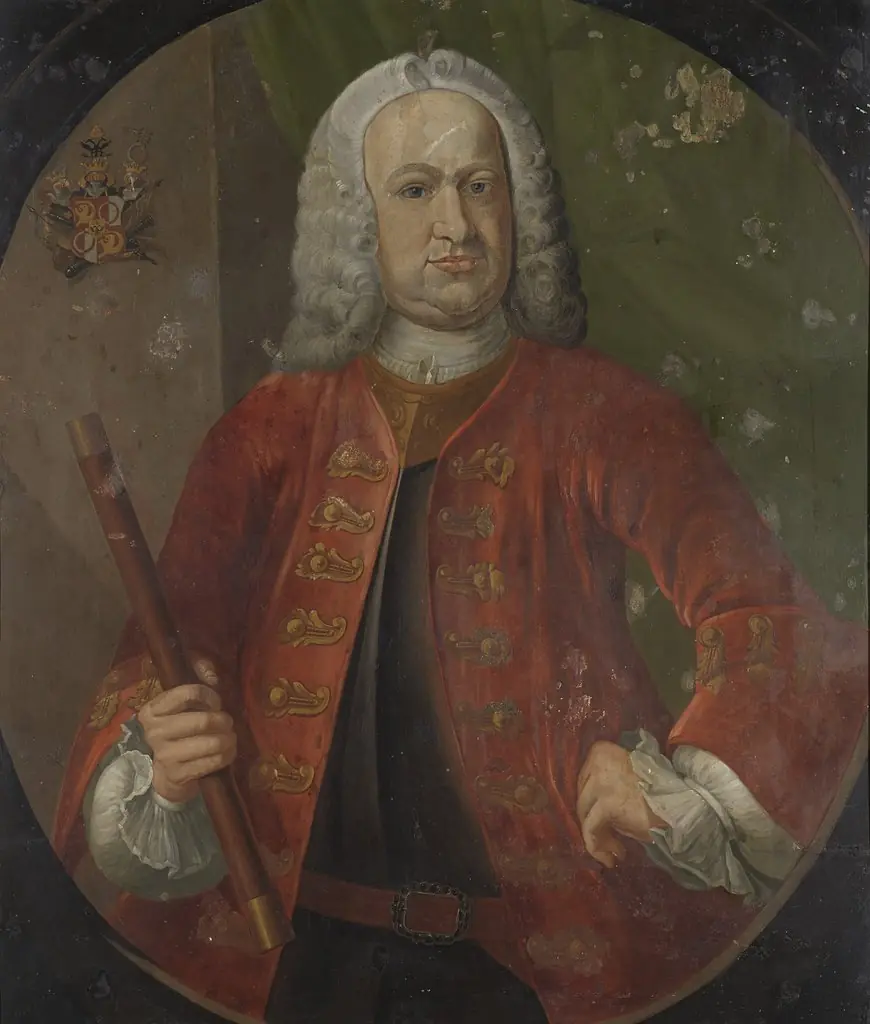 Portrait of Gustaaf Willem, Baron van Imhoff, Governor-General of the Dutch East India Company
 Portrait of Frederik Hansen de Liliendal, Danish Consul at Bordeaux
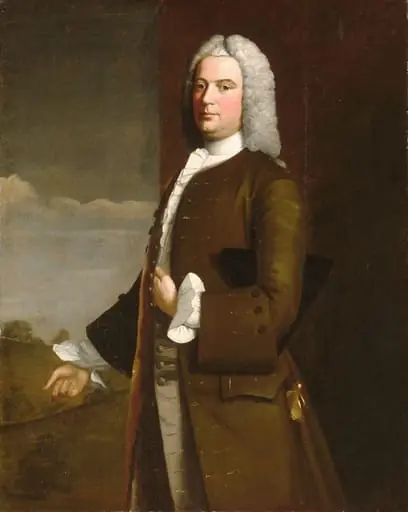 Tench Francis
 Portrait of Isaac Verburg, Rector of the Latin School in Amsterdam