Artwork
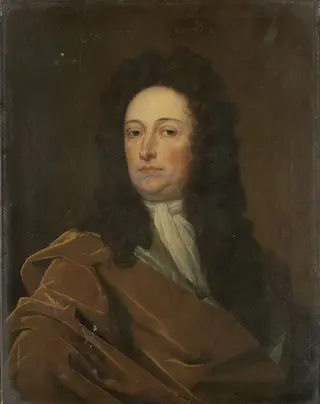
Portrait of Jan Hendrik van Heemskerck, Count of the Holy Roman Empire, Lord of Achttienhoven, Den Bosch and Eyndschoten, Captain of the Citizenry of Amsterdam (Johan Hendrik Graaf Van Heemskerk)
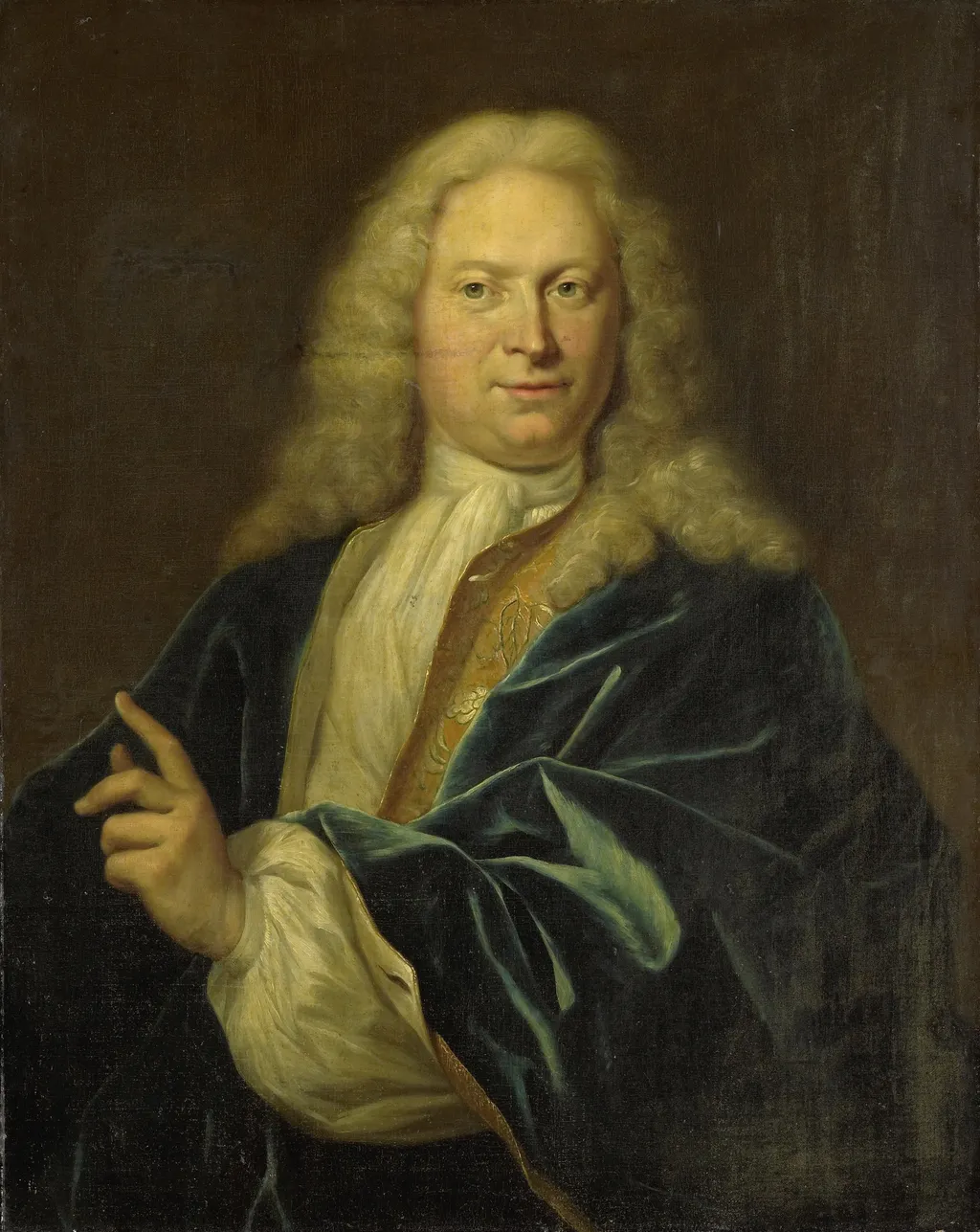
Portrait of Jan Hendrik van Heemskerck, Count of the Holy Roman Empire, Lord of Achttienhoven, Den Bosch and Eyndschoten, Captain of the Citizenry of Amsterdam (Johan Hendrik Graaf Van Heemskerk) is an oil painting by the Rococo painting artist Jan Maurits Quinkhard. It dates from 1720 and is held in the collection of the Rijksmuseum.
About this work
Subject & Meaning
The painting depicts Jan Hendrik van Heemskerck, a figure identified by his full titles as Count of the Holy Roman Empire, Lord of Achttienhoven, Den Bosch, and Eyndschoten, and Captain of the Citizenry of Amsterdam. Created in 1720 by Jan Maurits Quinkhard, the work functions as a formal portrait that visually asserts the sitter's high social standing and military authority within the Dutch Republic. The composition centers on the individual, emphasizing his noble lineage and civic leadership role without incorporating additional allegorical figures or complex symbolic objects in the provided descriptions.
Technique & Style
The piece is classified within the genre of portraiture and is held in the collections of major Dutch institutions.
Executed in 1720 by Jan Maurits Quinkhard, this portrait is an oil painting on canvas. The work measures 85 cm in height and 67 cm in width. As a formal portrait, the composition focuses on the depiction of Jan Hendrik van Heemskerck, capturing his likeness through the application of oil paint on a textile support.
The piece is classified within the genre of portraiture and is held in the collections of major Dutch institutions.
History & Provenance
The portrait was commissioned in 1720 by Jan Hendrik van Heemskerck, who held titles including Count of the Holy Roman Empire and Captain of the Citizenry of Amsterdam. Painted by Jan Maurits Quinkhard that same year, the work is an oil on canvas measuring 85 cm in height and 67 cm in width.
The painting entered the collection of the Rijksmuseum in Amsterdam, where it remains housed today.
The portrait is held in the collection of the Rijksmuseum in Amsterdam, which also lists the Amsterdam Museum as a location for the work. The piece is cataloged within the museum's holdings as a painting created by Jan Maurits Quinkhard in 1720. While the sources confirm the artwork's presence in these specific Amsterdam institutions, no specific inventory or accession numbers are provided in the available documentation.
Additionally, the provided sources do not contain any records regarding a past or future exhibition history for this portrait.
Overview
Jan Maurits Quinkhard painted this portrait in 1720, employing oil on canvas to render a dignified figure from the Dutch Republic. The composition centers on a gentleman in elaborate attire, set against a muted, dark backdrop that draws attention to his face and gestures. The work exemplifies the refined elegance characteristic of early‑18th‑century Dutch portraiture.
Context
The painting emerges from the Rococo period in the Netherlands, a time when aristocratic portraiture emphasized elegance and refined detail over grand historical narratives. Quinkhard, active in Amsterdam, catered to the city’s elite, producing works that combined contemporary fashion with a measured, realistic approach to likeness.
Own this work as a print
Artist & collection
Artist
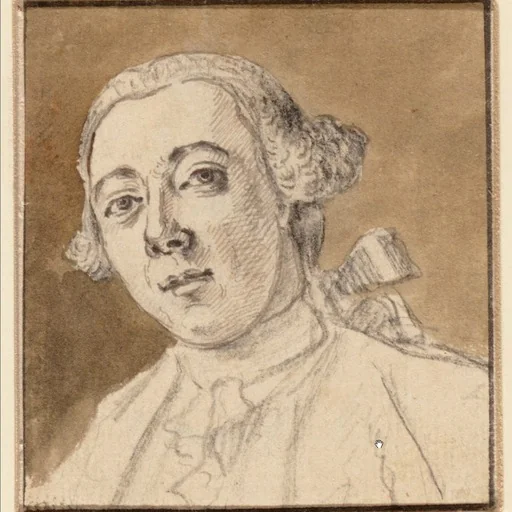
Jan Maurits Quinkhard (28 January 1688 – 11 November 1772) was an 18th-century painter and print designer from the Dutch Republic.

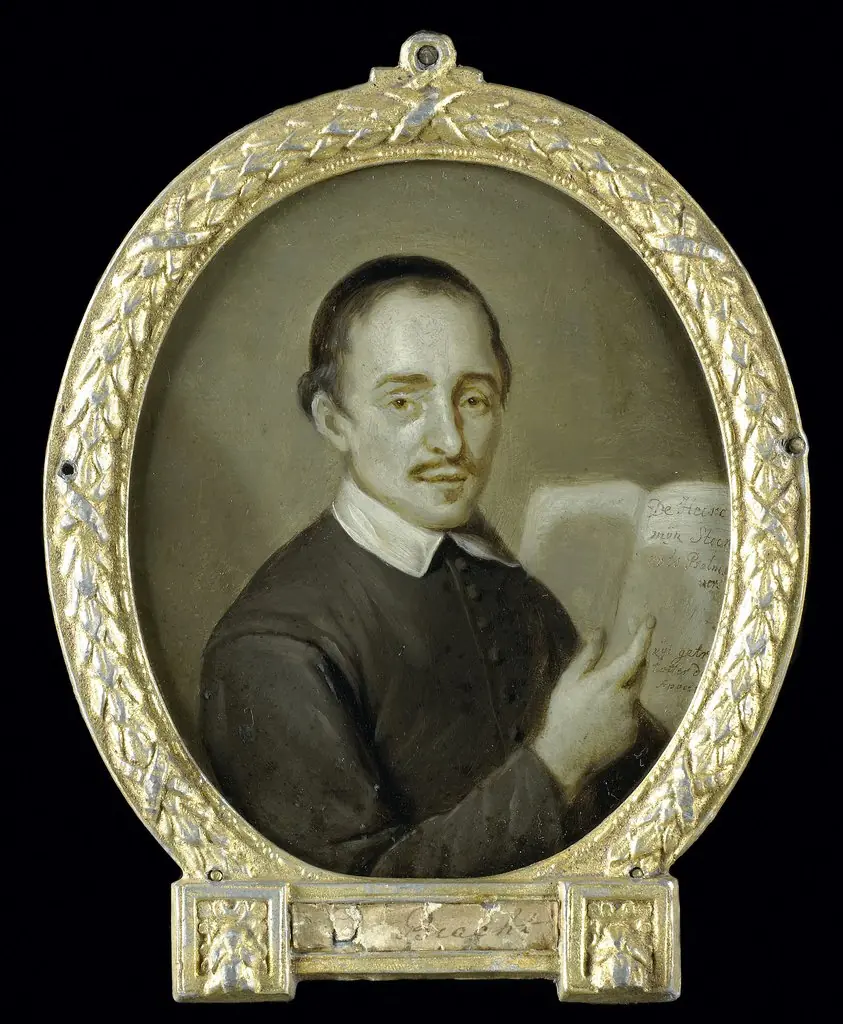 Portrait of Tieleman Jansz van Bracht, Clergyman and Poet in Dordrecht
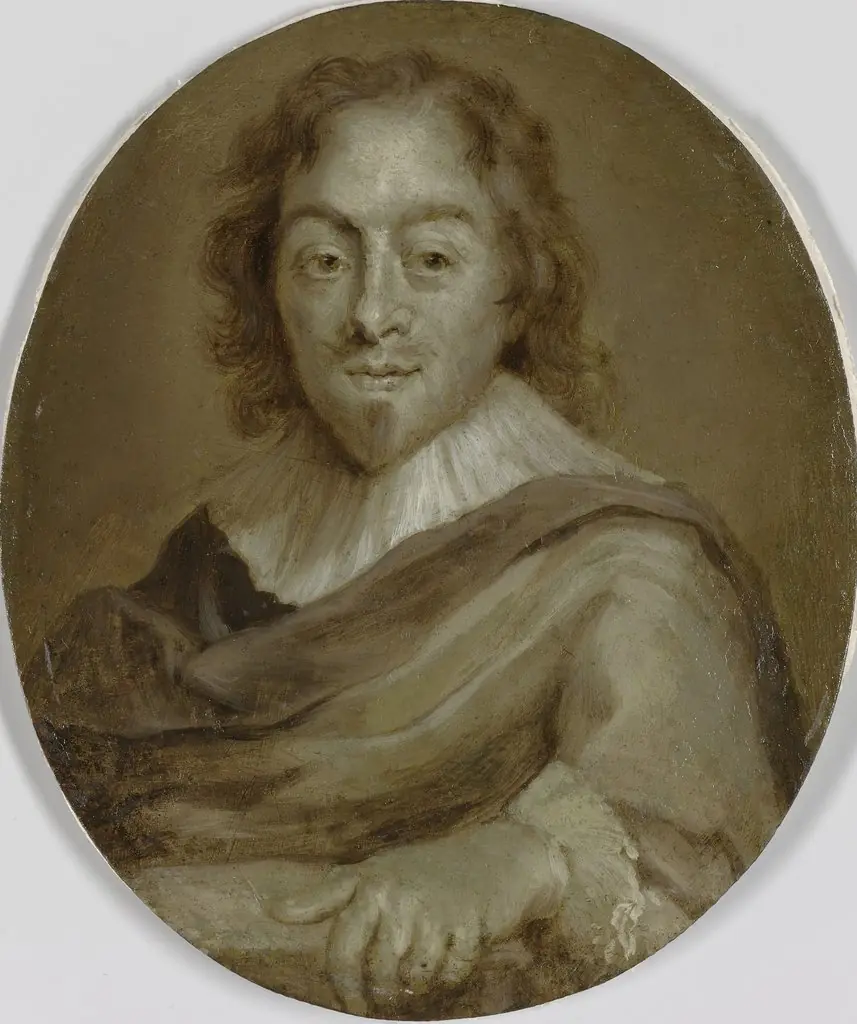 Portrait of Constantijn Huygens, Poet, Secretary to Prince Frederick Henry and Prince William II and First Councilor and Exchequer to William III
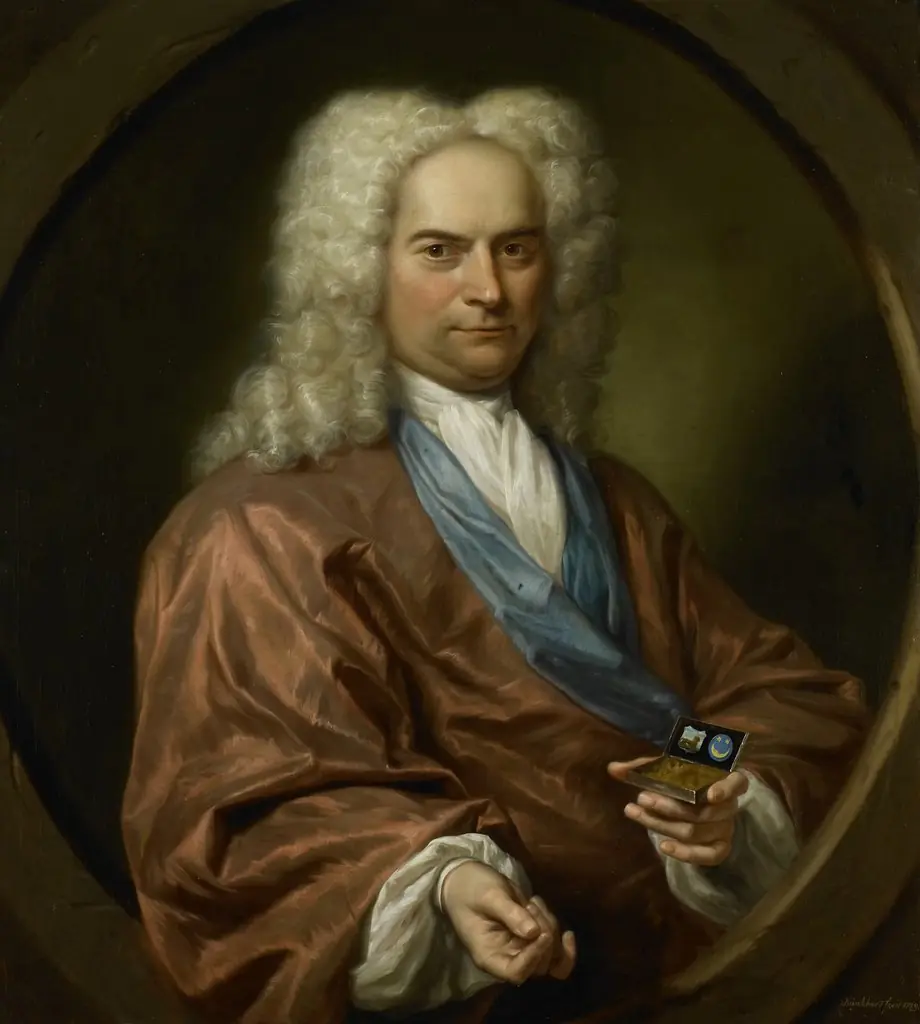 Portrait of David Leeuw, Mennonite Cloth and Dry Goods Merchant
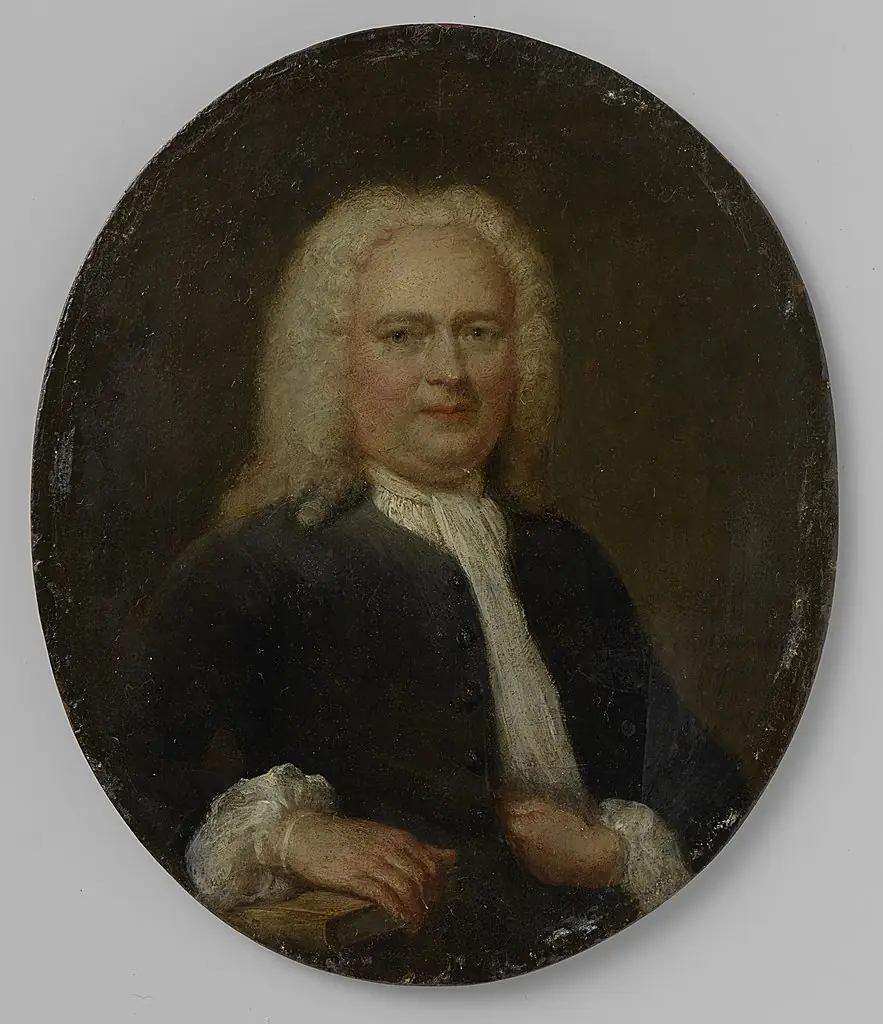 Portrait of a Man, perhaps a Member of the Klinkhamer Family
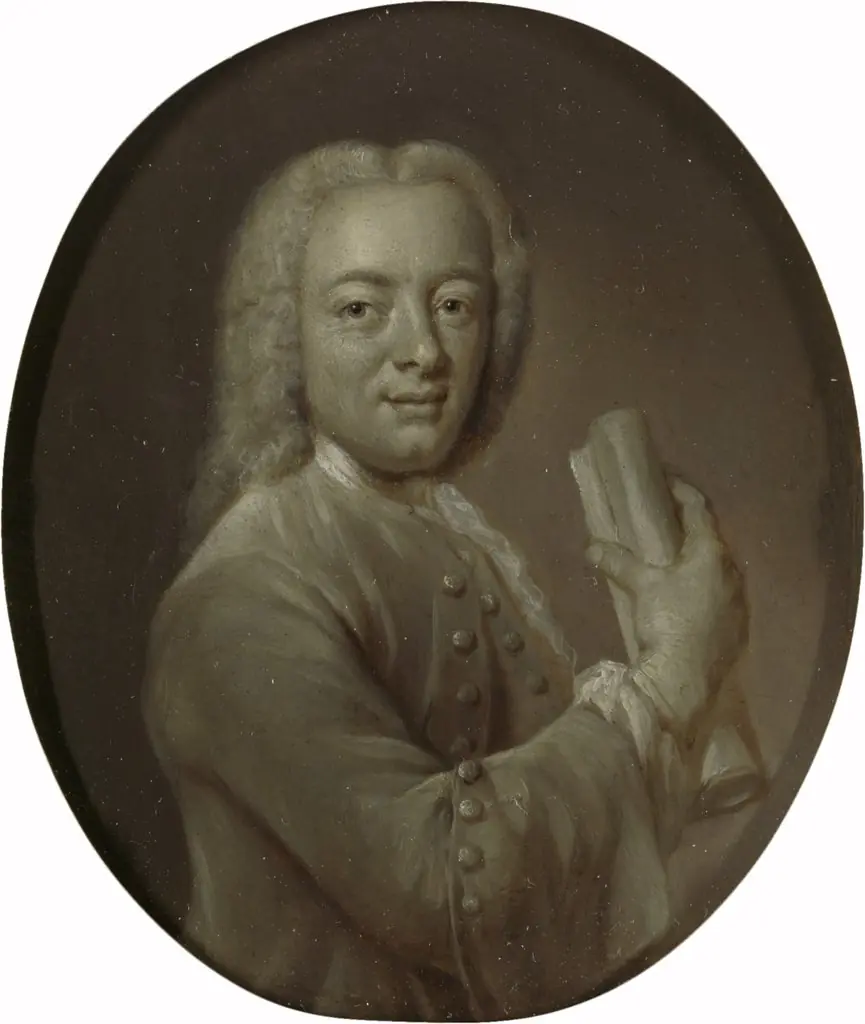 Portrait of Bernardus de Bosch I, Poet in Panpoeticon Batavum
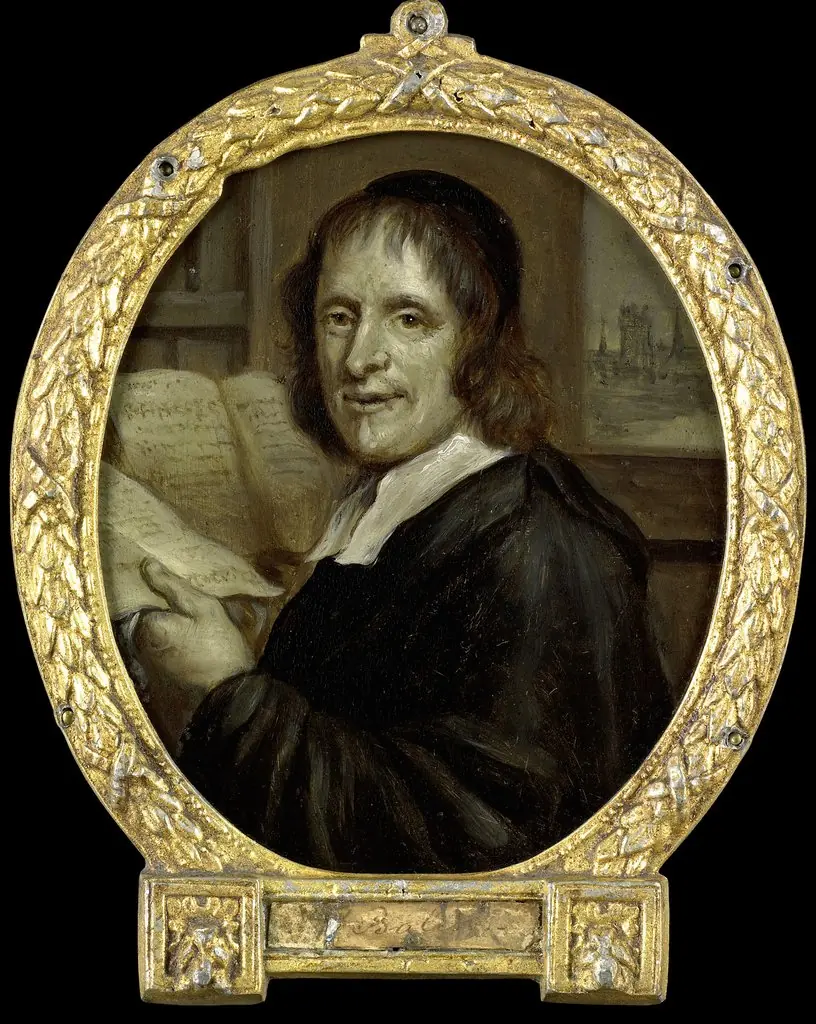 Matthijs Balen Jansz (1611-91), poet and chronicler of Dordrecht
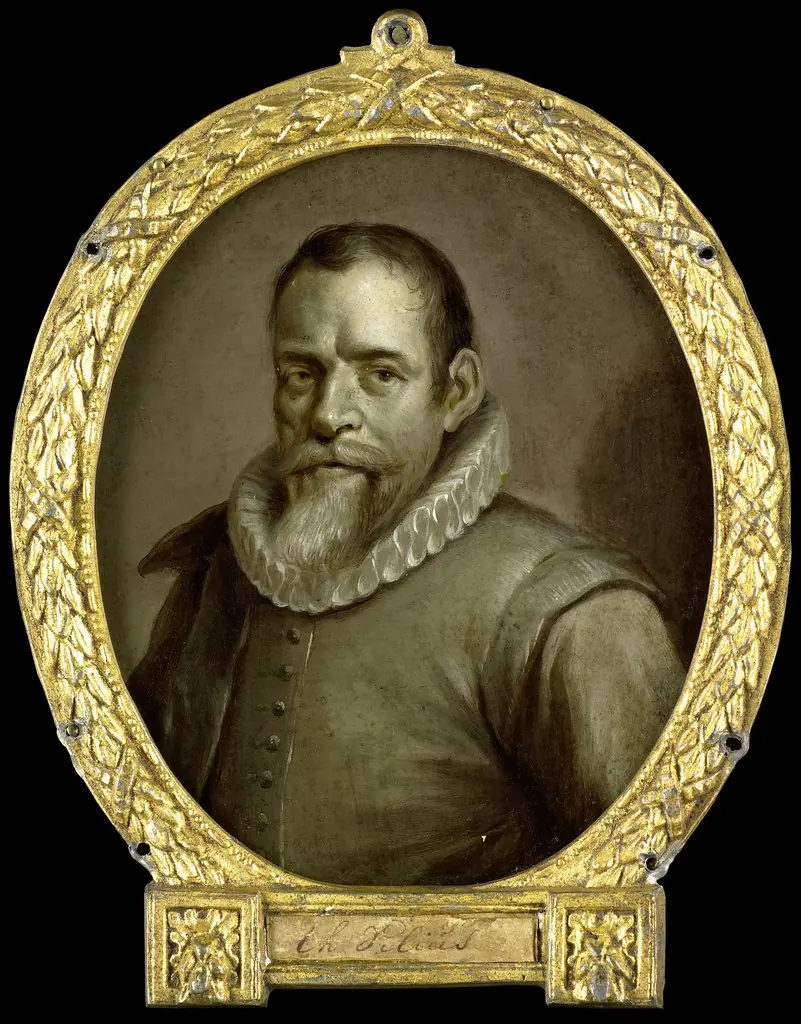 Portrait of Theodorus Velius, Writer of the Chronicle of Horn
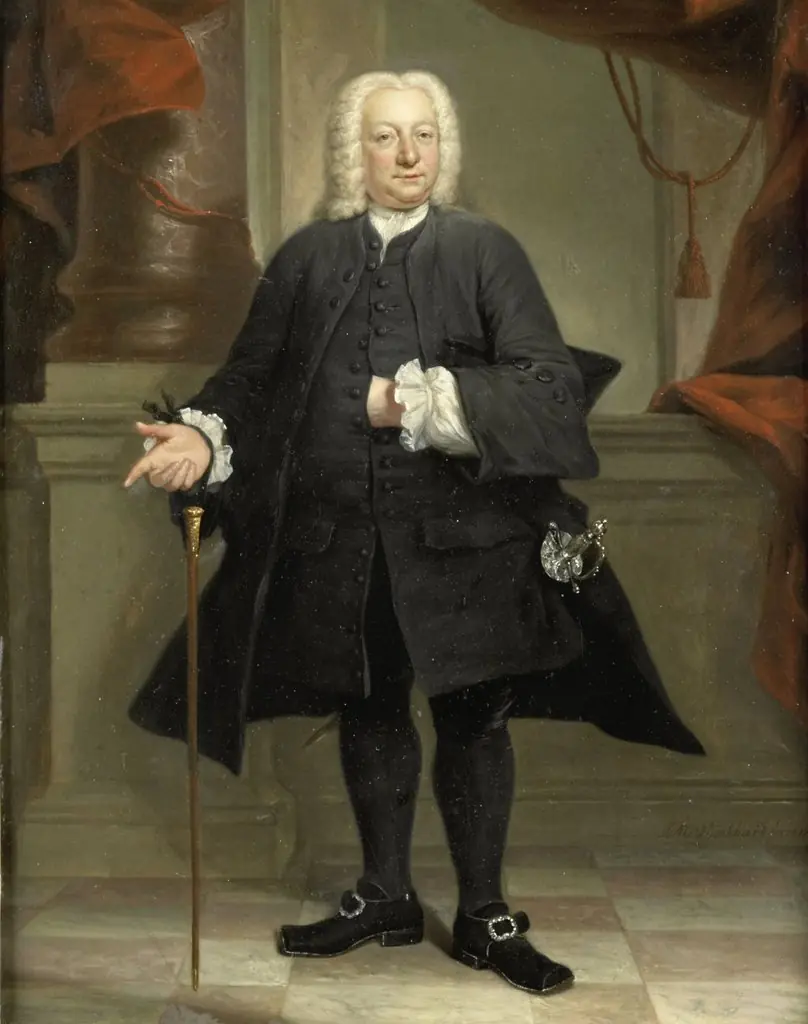 Portrait of a Man
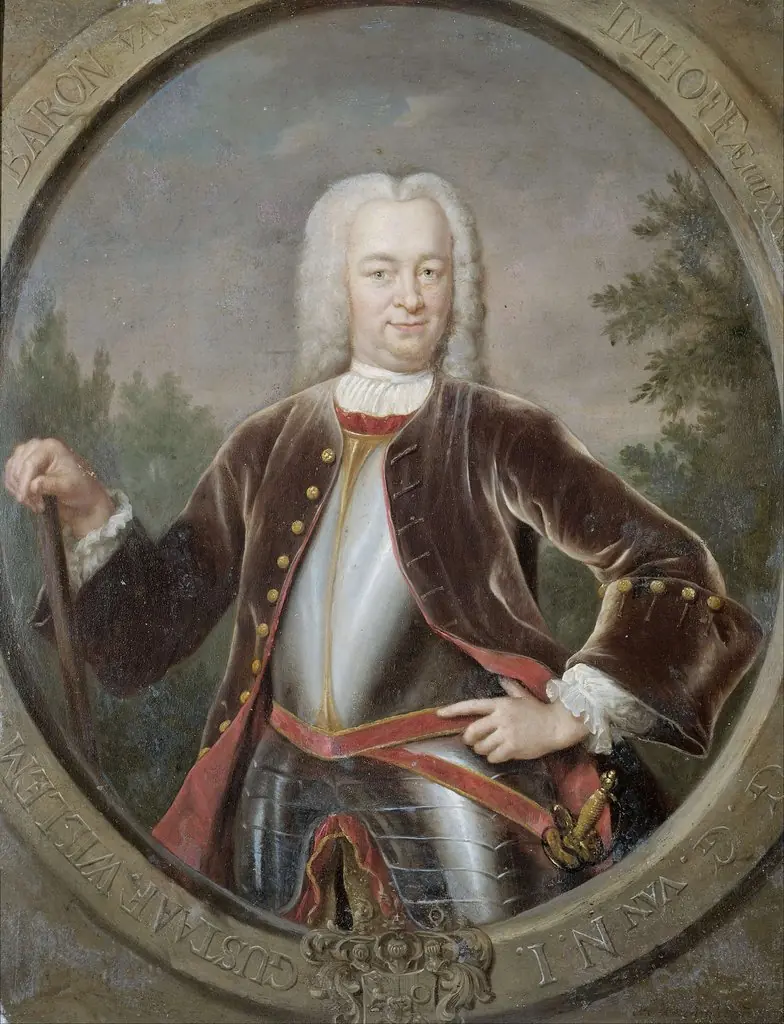 Portrait of Gustaaf Willem, Baron van Imhoff, Governor-General of the Dutch East India Company
 Portrait of Isaac Verburg, Rector of the Latin School in Amsterdam
 Portrait of an Historian
 Portrait of a Knight of the Order of Saint John
 Portrait of Mr. Brust
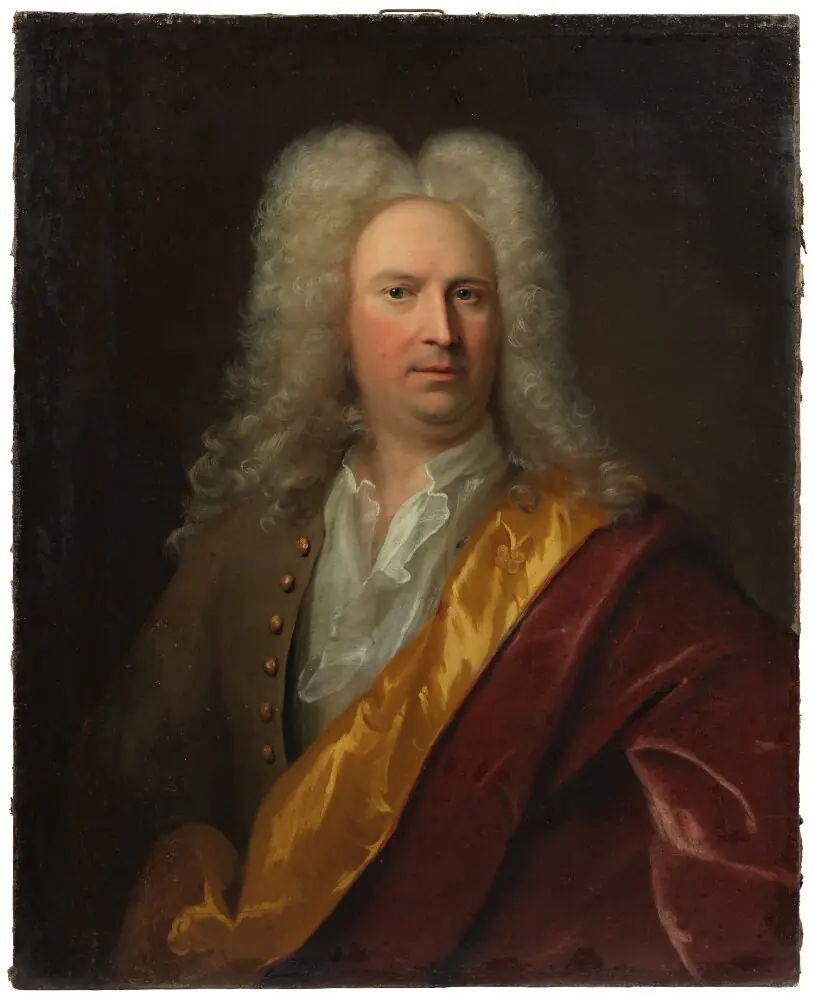 Abraham Grill the Older
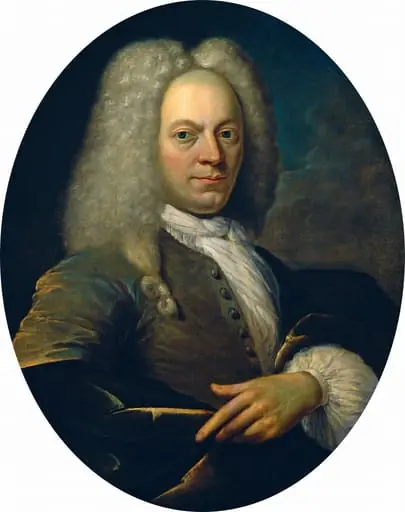 Isaac de Peyster (?)
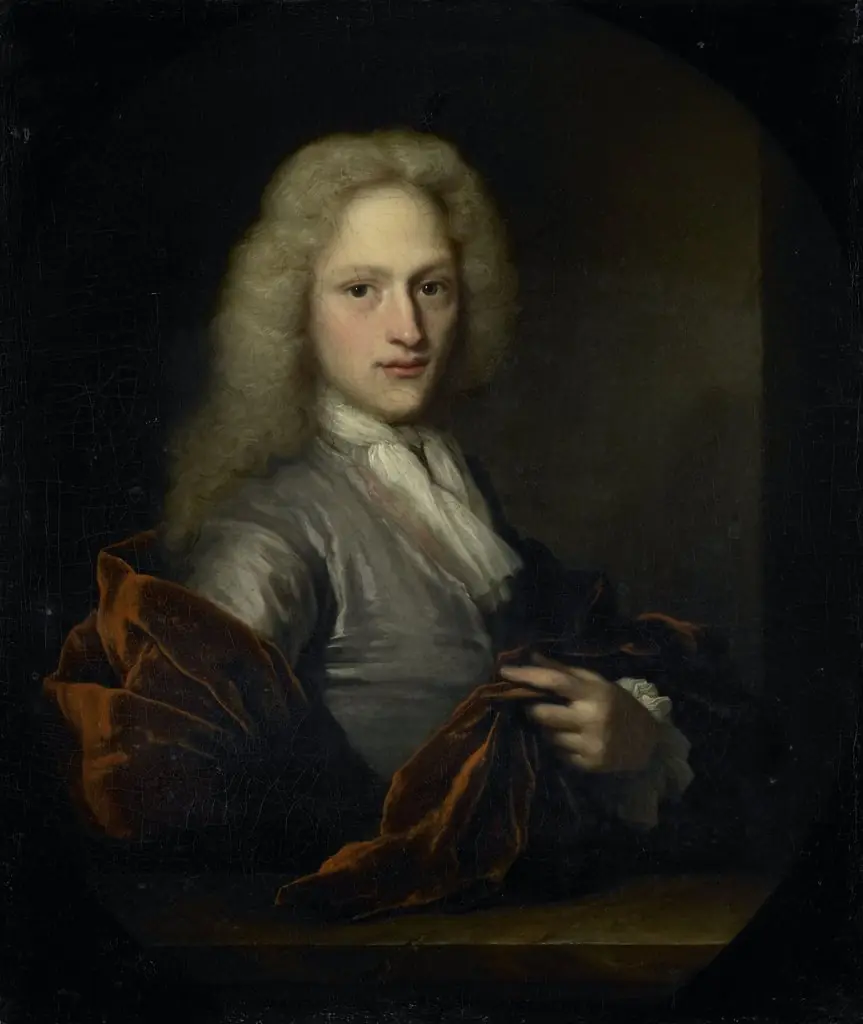 Portrait of a Man SK-A-1914
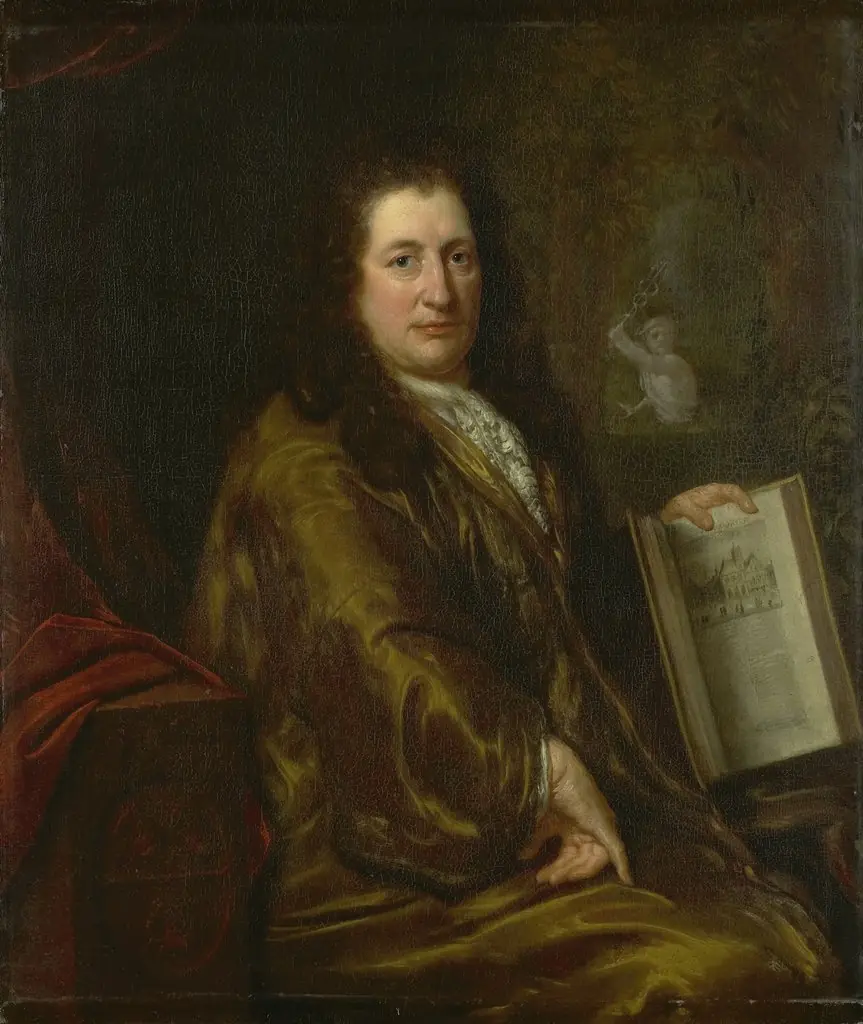 Portrait of Caspar Commelin, bookseller, newspaper publisher and author of the official history of Amsterdam 'Beschrijvinghe van Amsterdam'of 1693
 Aernout van Citters (1633-96), Ambassador of the Dutch Republic in London