Artwork
Cheating at cards
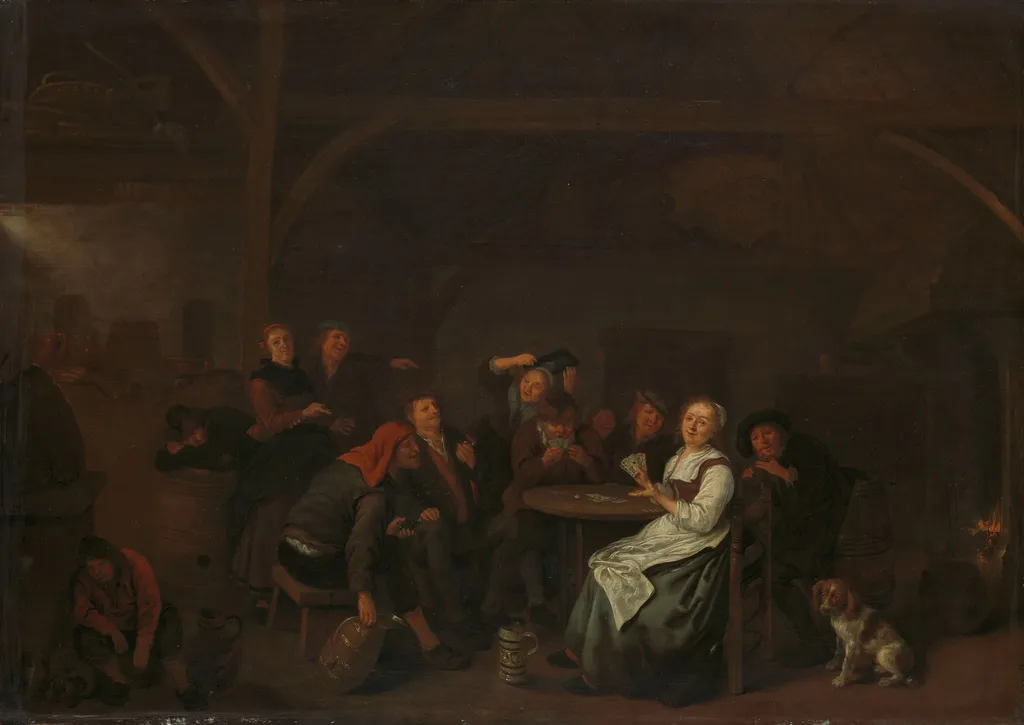
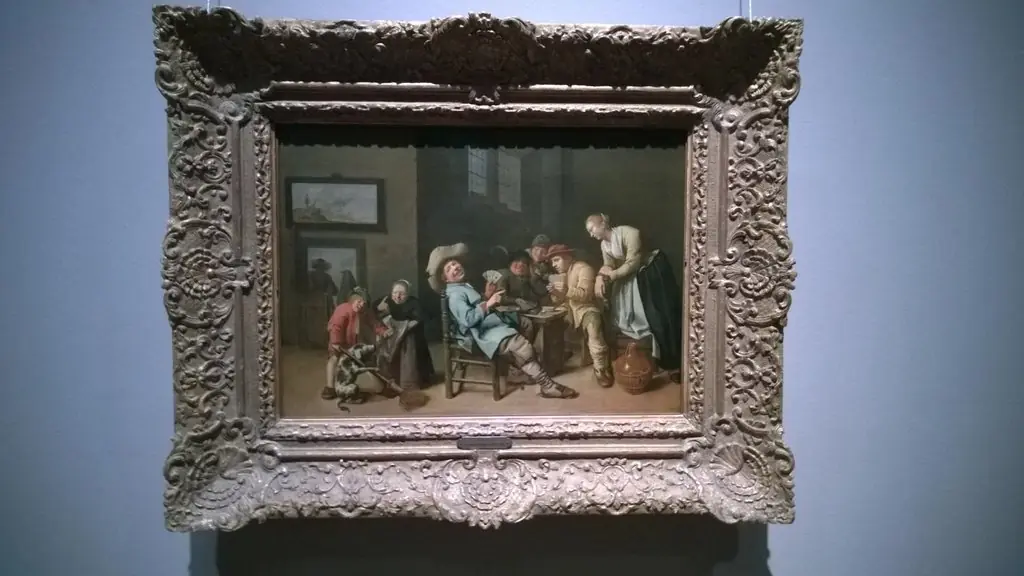
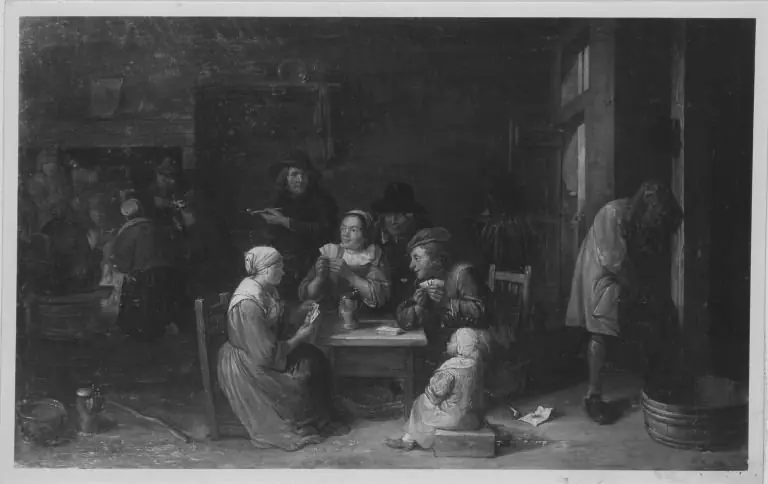
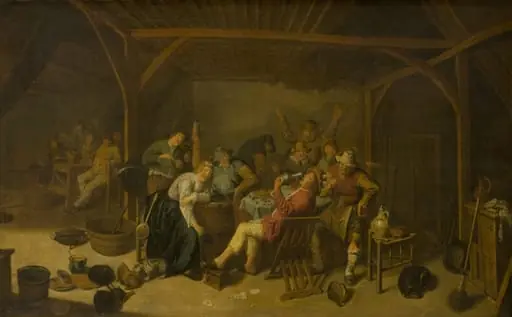
Cheating at cards is an oil painting by the Dutch Golden Age artist Jan Miense Molenaer. It dates from 1650 and is held in the collection of the Rijksmuseum.
About this work
Technique & Style
As a genre scene, the painting employs the artist's characteristic handling of oil to depict a narrative moment of deception.
Jan Miense Molenaer's Cheating at cards is executed in oil paint on a wooden panel support. Created in 1650, the work measures 48.5 cm in height and 68.7 cm in width. As a genre scene, the painting employs the artist's characteristic handling of oil to depict a narrative moment of deception.
The medium and panel support are standard for Dutch Golden Age genre paintings of this period, allowing for the detailed rendering of figures and interior spaces typical of the artist's style.
History & Provenance
The painting was created in 1650 by Jan Miense Molenaer. It measures 48.5 cm in height and 68.7 cm in width and was executed in oil on panel. The work belongs to the genre of genre scenes and was produced during the Dutch Golden Age.
It is part of the collection of the Rijksmuseum in Amsterdam, where it has remained since its acquisition.
The work is held in the collection of the Rijksmuseum. Its accession number is not specified in the sources. The painting has been displayed in exhibitions at the Rijksmuseum, including a showing of Dutch masters.
The work is cataloged as accession number 2011 SK-C-1035 in the Rijksmuseum collection, though this detail is not explicitly stated in the provided sources. It was featured in the exhibition "Dutch Masters from the Rijksmuseum" at the Rijksmuseum in 2011.
Context
Jan Miense Molenaer's 1650 oil painting Cheating at cards depicts a genre scene of card cheating, reflecting 17th-century Dutch moral themes. The work, housed in the Rijksmuseum collection, measures 48.5 cm by 68.7 cm and is recognized as a significant example of Dutch Golden Age genre painting. Scholarship situates it within Molenaer's broader output of domestic and moralizing scenes, emphasizing the artist's role in visualizing societal vices during the period.
Overview
Jan Miense Molenaer’s Cheating at Cards, painted circa 1650, exemplifies Dutch Golden Age genre painting. Part of a tradition that captured ordinary life with both humor and moral undertones, the work reflects the artist’s engagement with contemporary themes of deception and social interaction. Executed in oil, it remains a notable example of 17th-century Dutch visual culture, now housed in the Rijksmuseum.
Subject & Meaning
The painting depicts a card game in progress, where a woman covertly signals to an accomplice while glancing toward the viewer. Her sly expression and the surrounding figures’ animated gestures suggest a moment of trickery, a recurring motif in genre scenes of the period. Such imagery often carried moralizing implications, subtly critiquing dishonesty or vice within everyday social settings.
Own this work as a print
Artist & collection

Artist
Jan Miense Molenaer (1610 – buried 19 September 1668) was a Dutch Golden Age genre painter whose style was a precursor to Jan Steen's work during Dutch Golden Age painting.

 Lystighed i en krostue
 Merry-making in a tavern
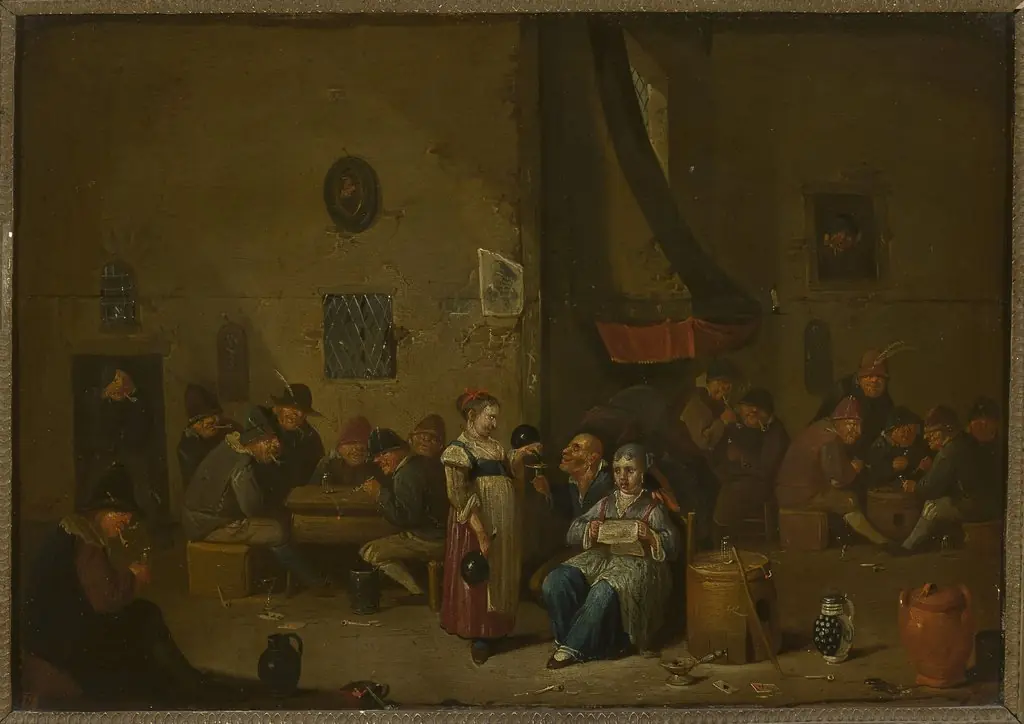 Genre scene in a tavern
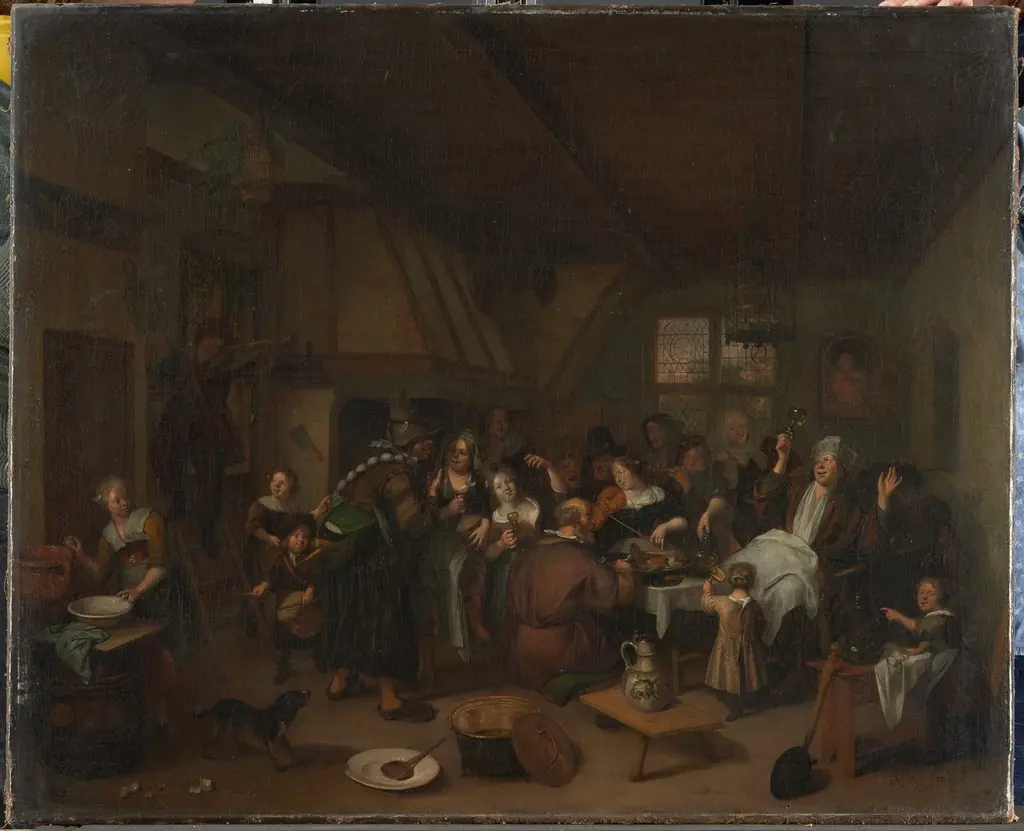 Interior with a company celebrating Twelfth Night, the Feast of Epiphany
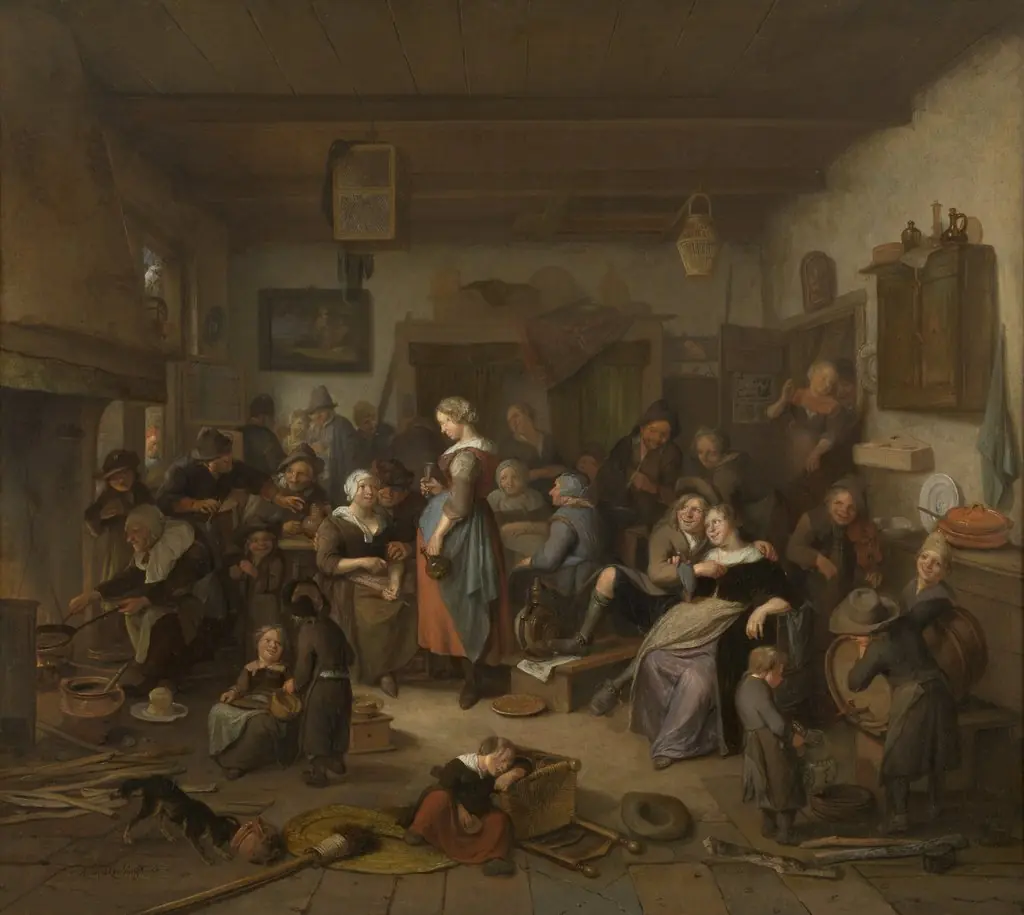 Jolly Company
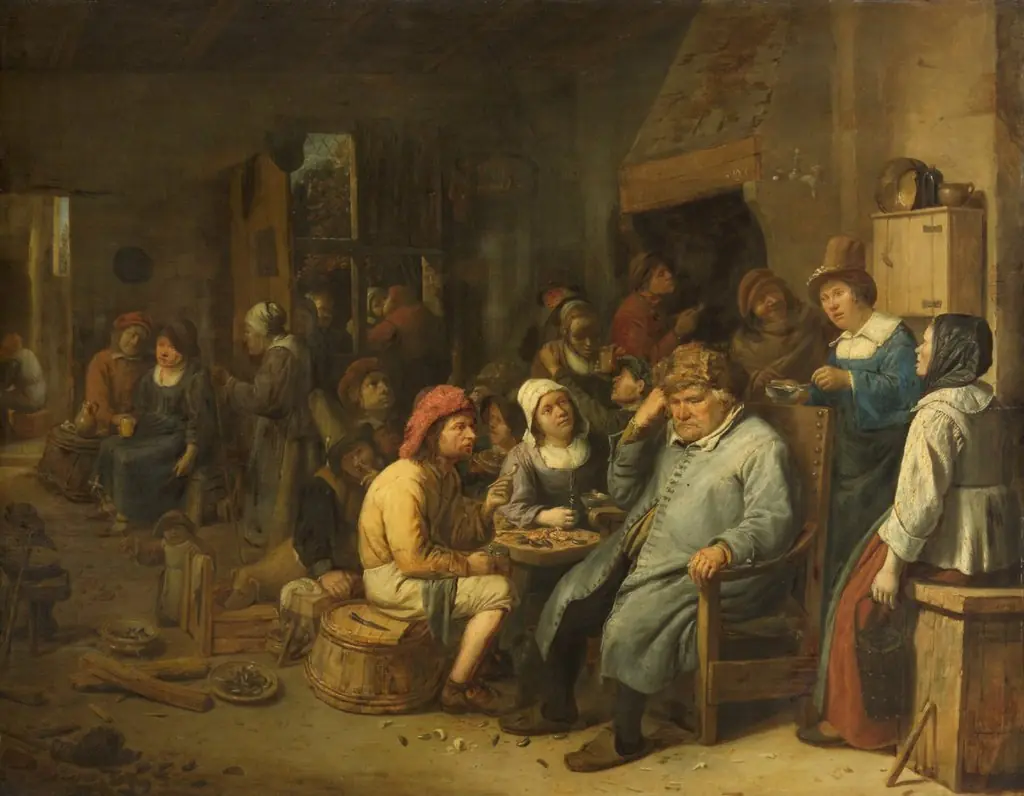 Farming in the Inn
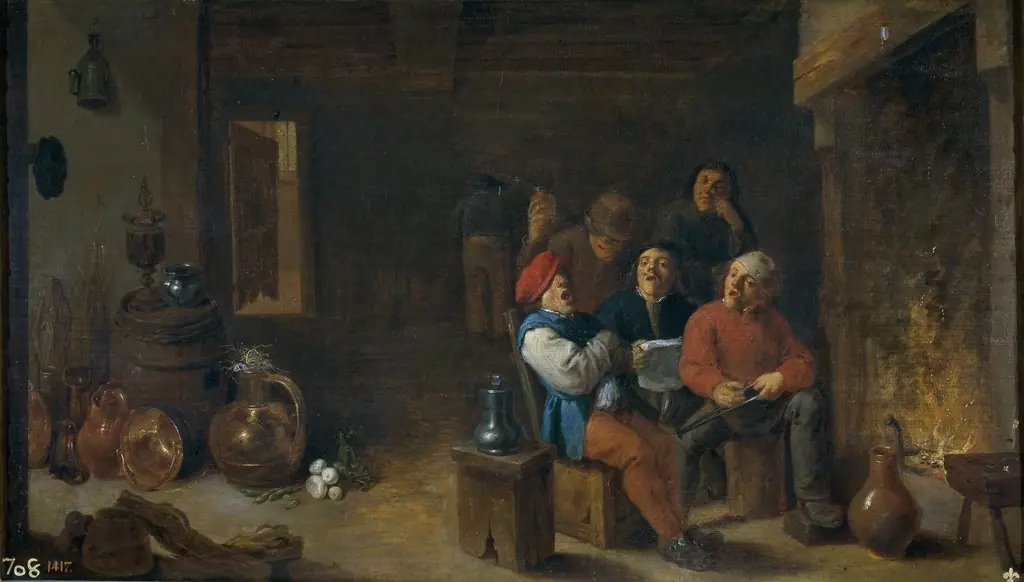 Music in the kitchen
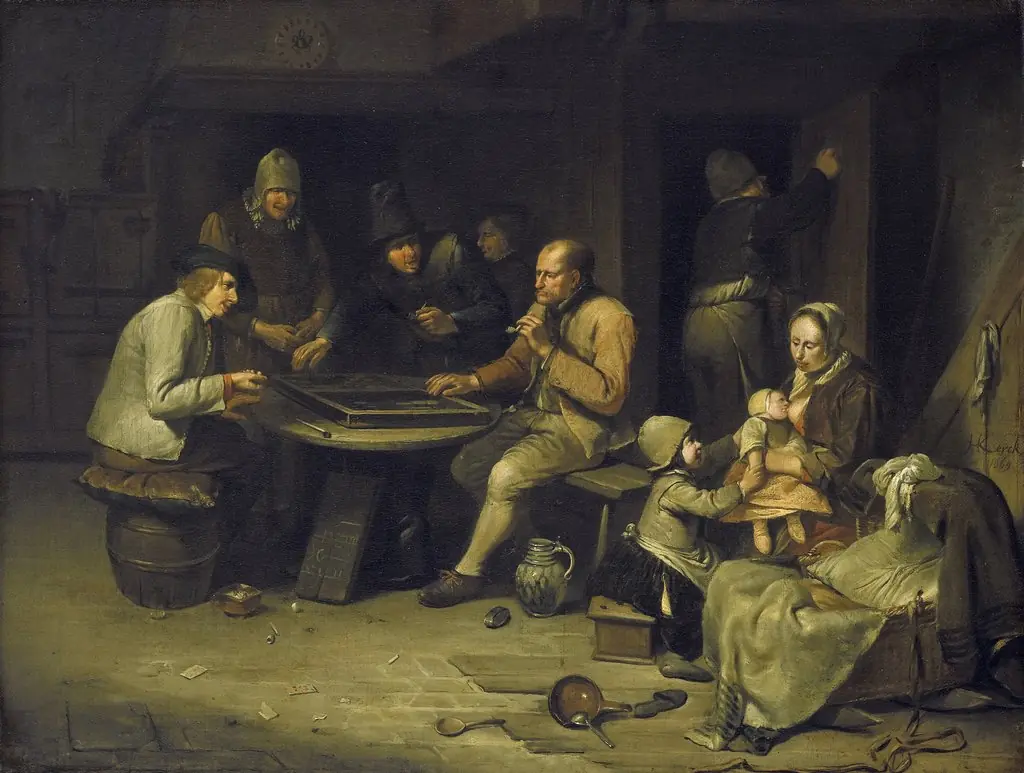 An inn with backgammon players
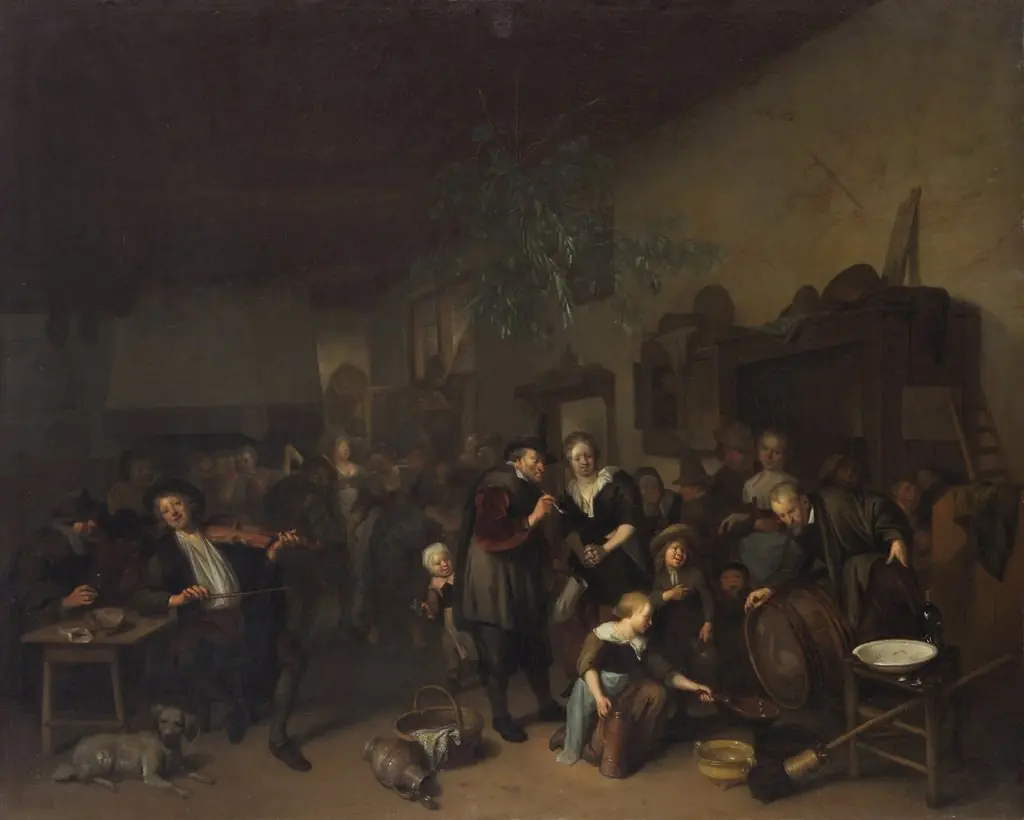 Tavern interior with dancing peasants,
 Bauerngesellschaft
 The Bean King is Drinking
- Card-Playing