Artwork
Village with a Windmill
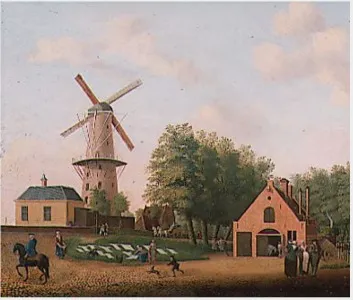
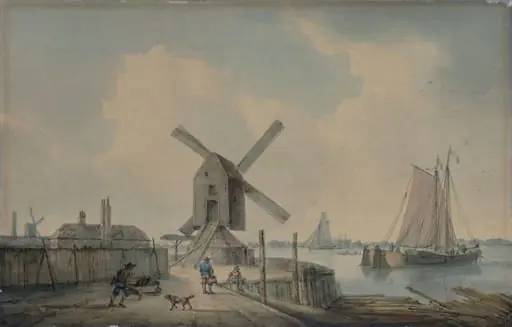
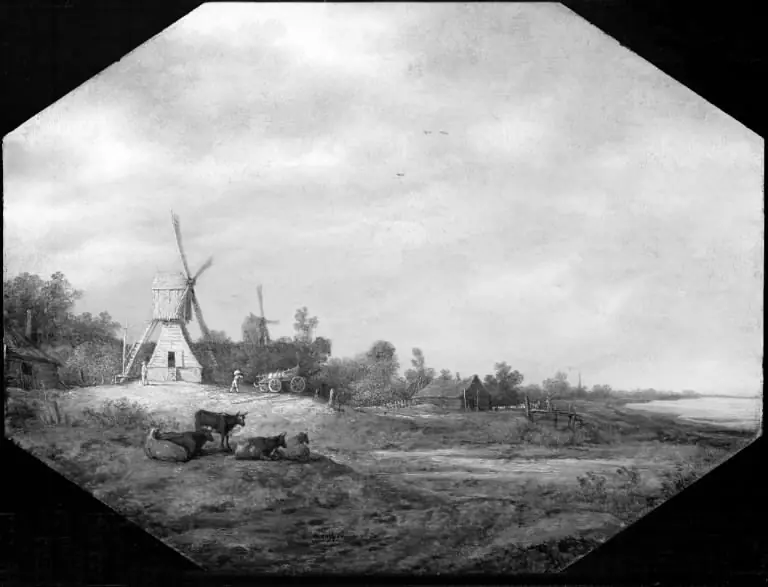
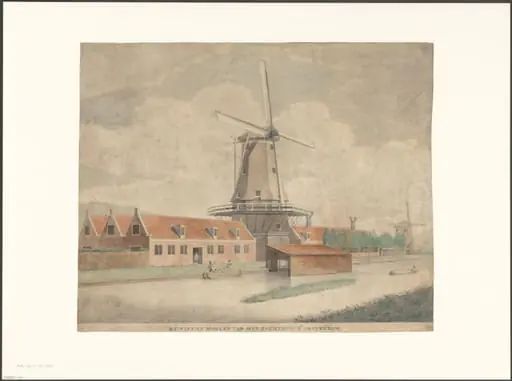
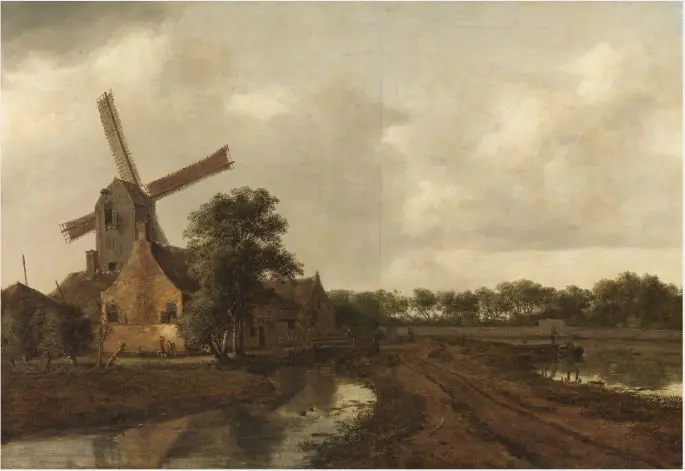
Village with a Windmill is an oil painting by the Rococo painting artist Jan Spaan. It dates from 1767 and is held in the collection of the National Gallery of Ireland.
About this work
Overview
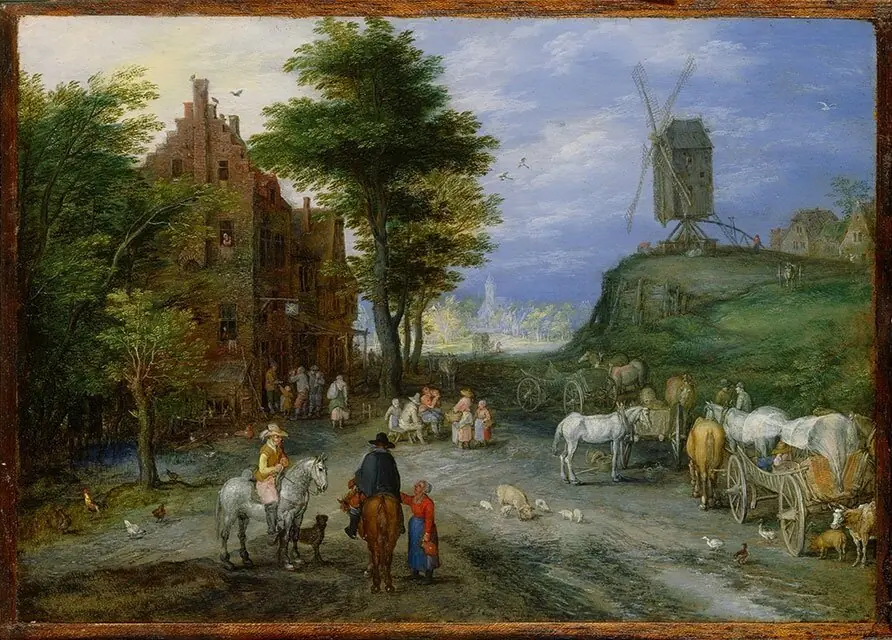
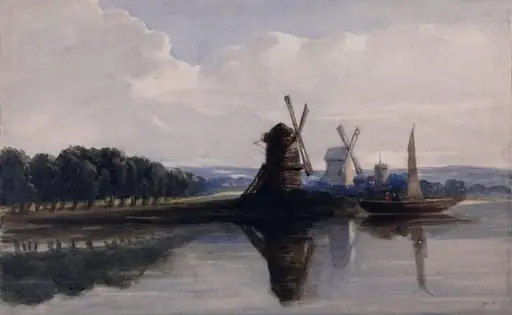
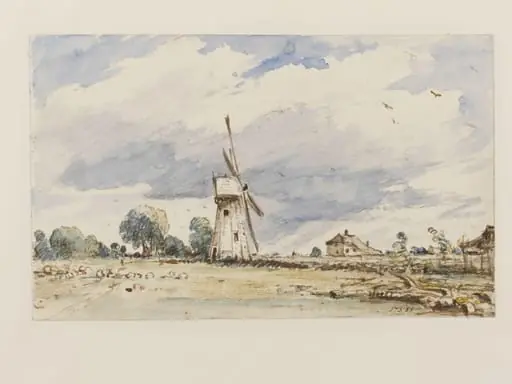
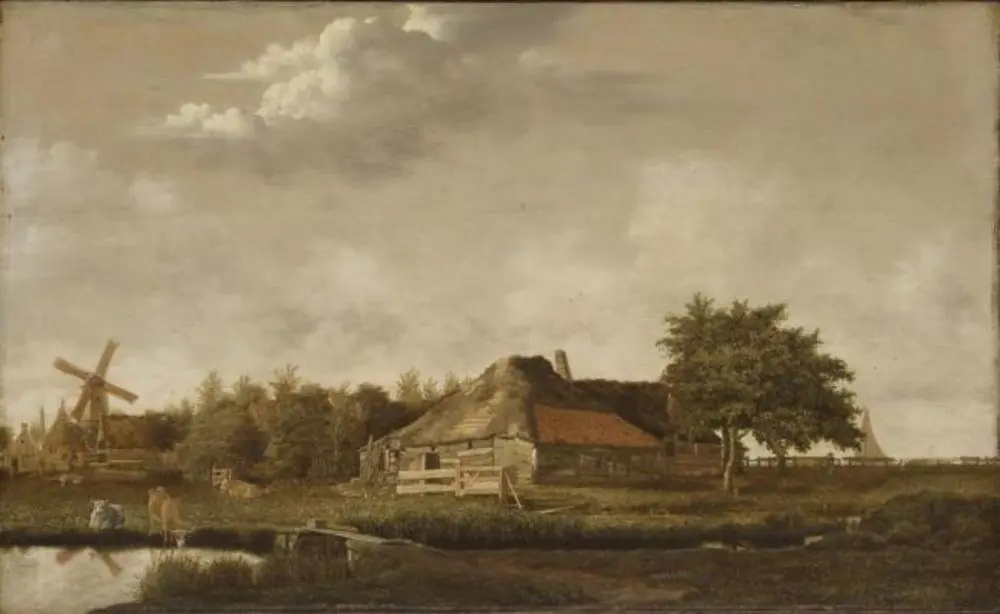
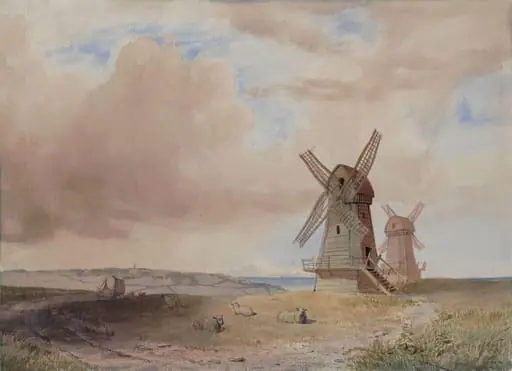
It depicts a quiet rural settlement in the Netherlands, centered around a prominent windmill.
Painted in 1767, Village with a Windmill is an oil on canvas work by Dutch artist Jan Spaan. It depicts a quiet rural settlement in the Netherlands, centered around a prominent windmill. The painting is part of the collection at the National Gallery of Ireland, where it serves as an example of 18th-century Dutch landscape painting focused on everyday village life rather than grand or dramatic subjects.
Subject & Meaning
The scene portrays a modest village community engaged in routine activities, figures walk along paths, stand near buildings, or gather in a central square. The windmill, a functional structure vital to local industry, anchors the composition. The absence of overt narrative or symbolism suggests an emphasis on the dignity of ordinary life, reflecting a quiet appreciation for rural stability and labor in the Dutch countryside.
Technique & Style
Spaan employs a restrained palette of earth tones, browns, grays, and muted ochres, to convey the texture of stone, thatch, and weathered wood. Buildings are rendered with careful attention to architectural detail, particularly the windmill’s tower and the church’s steeple. Brushwork is precise but not overly polished, favoring clarity and observational accuracy over dramatic lighting or emotional intensity.
History & Provenance
The painting was completed in 1767 during a period when Dutch artists continued to document regional landscapes despite shifting artistic trends. It entered the National Gallery of Ireland’s collection through documented acquisition, though its earlier ownership prior to the 19th century remains unclear. Its preservation reflects a sustained interest in modest Dutch genre scenes from the 18th century.
Context
In the mid-to-late 1700s, Dutch painters often turned to local scenes as urbanization and industrial change altered the countryside. Spaan’s work aligns with a tradition of topographical realism, where villages and windmills symbolized continuity and self-sufficiency. Unlike grander historical or mythological subjects favored elsewhere in Europe, this painting reflects a regional preference for quiet, recognizable environments.
Legacy
Though Jan Spaan is not widely known today, Village with a Windmill contributes to the broader understanding of Dutch regional painting in the 18th century. It stands as a quiet record of rural life, preserving architectural forms and social patterns that have since vanished. Its presence in a major national collection ensures its role as a historical document, valued for its sincerity rather than its fame.
Artist & collection
Artist
Flemish painter Jan Spaan left a quiet record of 18th-century life in Village with a Windmill, a modest oil canvas from 1767.