Artwork
Portrait of Rear-Admiral Job Seaburne May
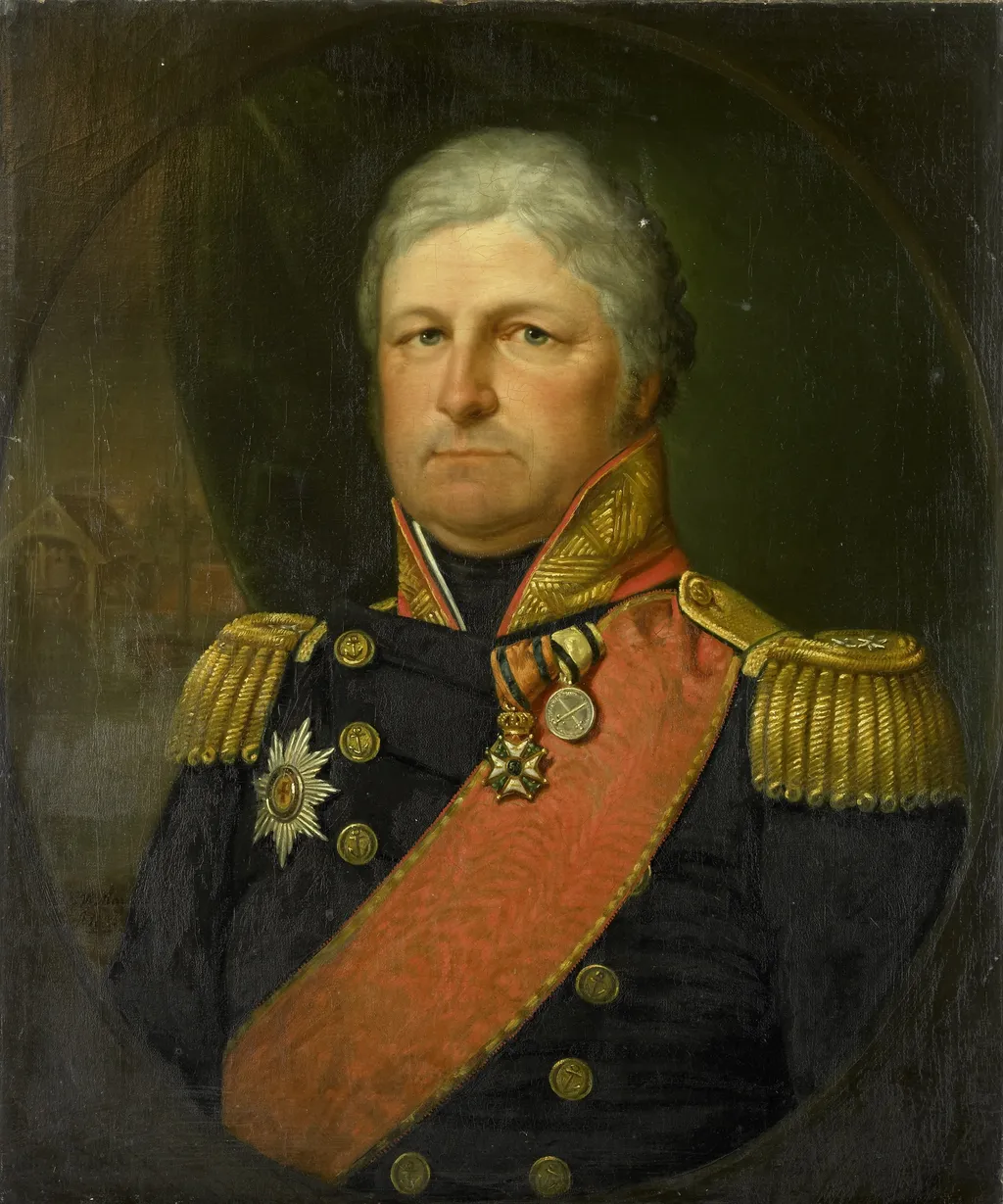
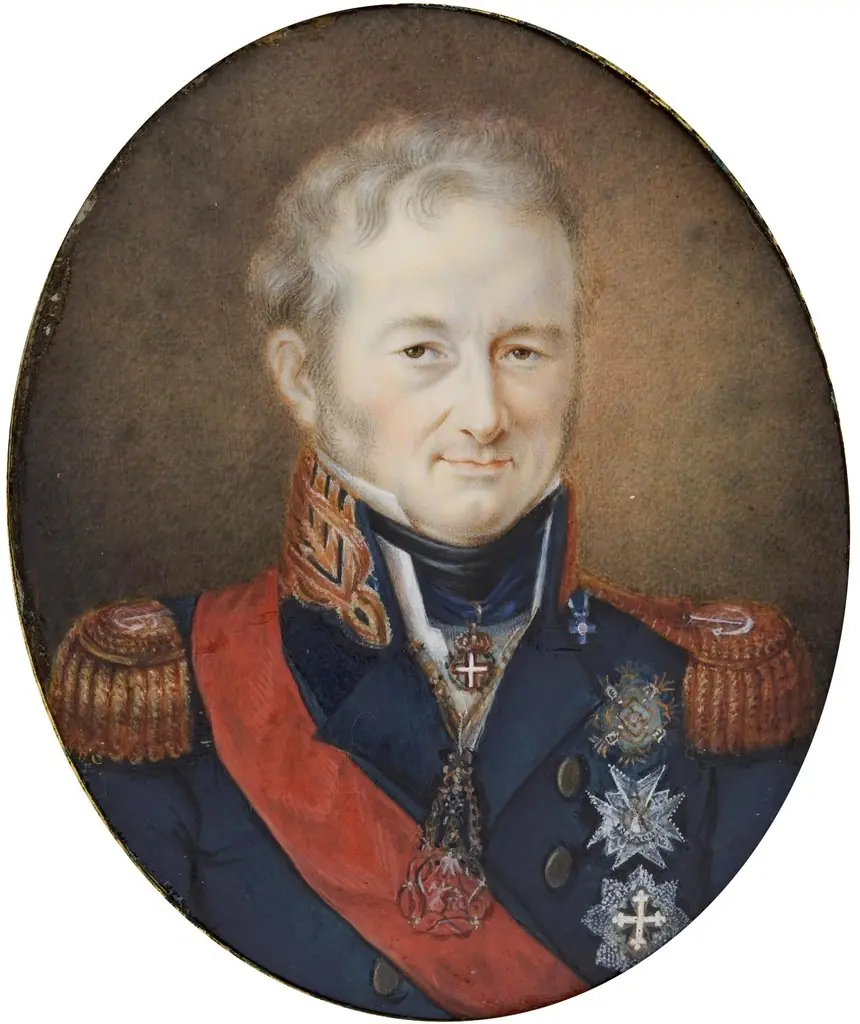
Portrait of Rear-Admiral Job Seaburne May is an oil painting by the Realist artist Jan Willem May. It dates from 1823 and is held in the collection of the Rijksmuseum.
About this work
Subject & Meaning
The painting captures May in a formal naval uniform, emphasizing his rank and maritime authority.
The subject of the portrait is Rear-Admiral Job Seaburne May, a British naval officer whose career included service during the Napoleonic Wars and later command of the West Africa Squadron.
The painting captures May in a formal naval uniform, emphasizing his rank and maritime authority. The insignia and decorations on his attire serve as primary symbols of his professional identity and achievements, aligning with the conventions of British naval portraiture of the early nineteenth century.
As a commissioned work from 1823, the portrait likely commemorates May’s status and contributions, reflecting the period’s emphasis on public recognition of military leadership.
History & Provenance
The portrait of Rear-Admiral Job Seaburne May was painted in 1823 by the artist Jan Willem May, who is recorded as the creator of the work in both institutional documentation and Wikidata.
The painting entered the collection of the Rijksmuseum, where it is currently held. According to the Rijksmuseum’s records, the work is oil on canvas and measures 61 cm in height by 51.5 cm in width. The painting depicts the rear-admiral, Job Seaburne May, and is dated to 1823, aligning with the artist’s recorded period of activity.
The Portrait of Rear-Admiral Job Seaburne May is held in the collection of the Rijksmuseum. The painting, executed in oil on canvas by Jan Willem May in 1823, is cataloged within the museum's holdings. While the source identifies the institution and the artist, it does not provide a specific inventory or accession number for the work. No exhibition history is recorded in the available documentation.
Overview
Jan Willem May’s 1823 oil portrait presents Rear‑Admiral Job Seaburne May in a formal, half‑length pose. The canvas is owned by the Rijksmuseum, where it remains on display as a representative example of early‑nineteenth‑century Dutch portraiture. The work’s restrained composition and muted backdrop draw the viewer’s attention to the admiral’s attire and insignia.
Technique & Style
May employs a subtle chiaroscuro, using soft gradations of light to model the admiral’s face and give it a three‑dimensional presence against a dark, unadorned background. The crisp rendering of the dark blue coat, bright red cuffs, and gilded buttons demonstrates a precise handling of oil paint, while the delicate rendering of fabric folds and metalwork adds a tactile quality.
Context
The painting belongs to a period when Dutch artists frequently produced official portraits of foreign military figures, reflecting diplomatic and cultural exchanges. The admiral’s uniform, with its distinctive blue coat and red cuffs, aligns with contemporary British naval dress, situating the work within broader European military visual culture of the early nineteenth century.
Own this work as a print
Artist & collection

- Portrait of Baron David Hendrik Chassé, Lieutenant-General
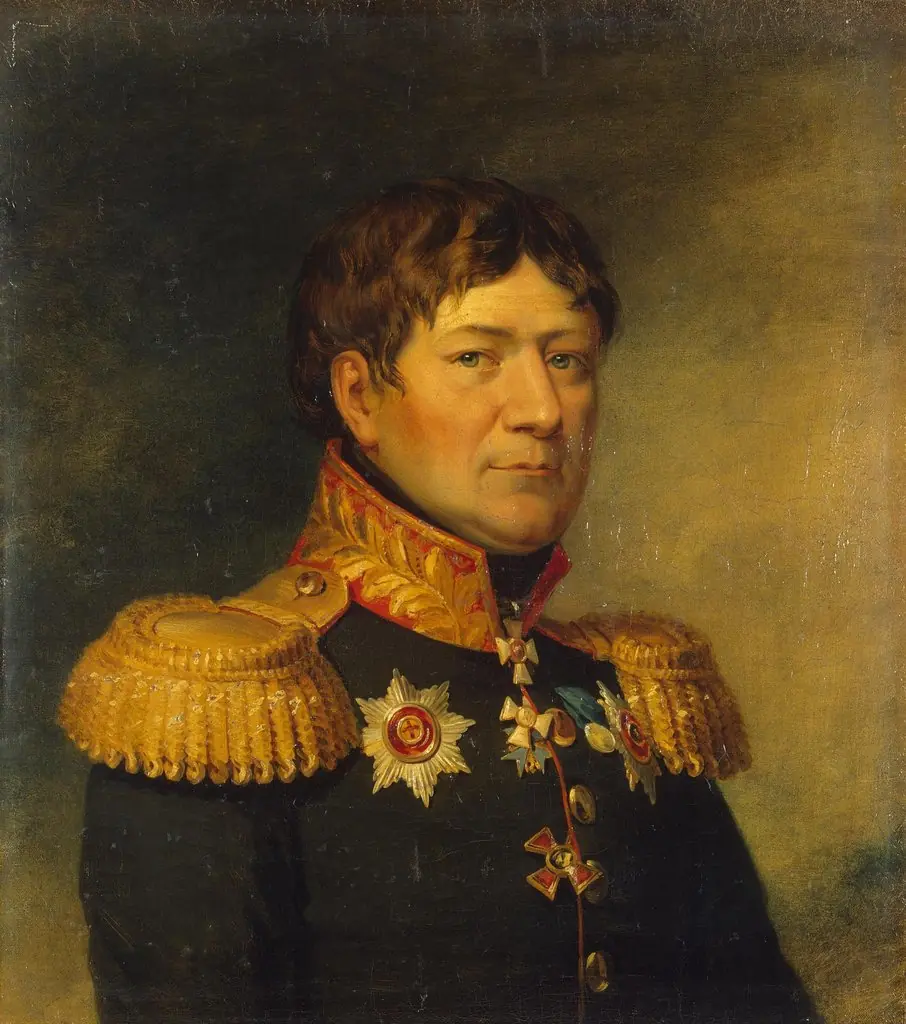 Portrait of Yegor M. Pillar (1767-1830)
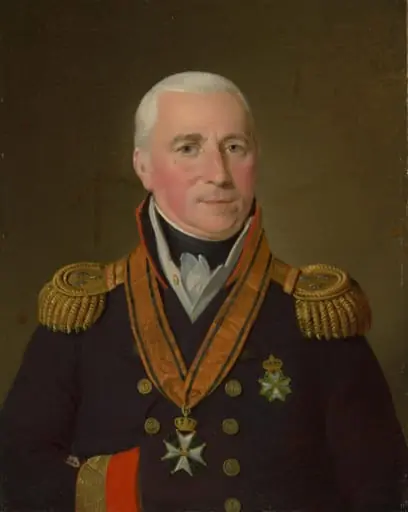 Portrait of Gerrit Verdooren (1757-1824), Vice-admiral
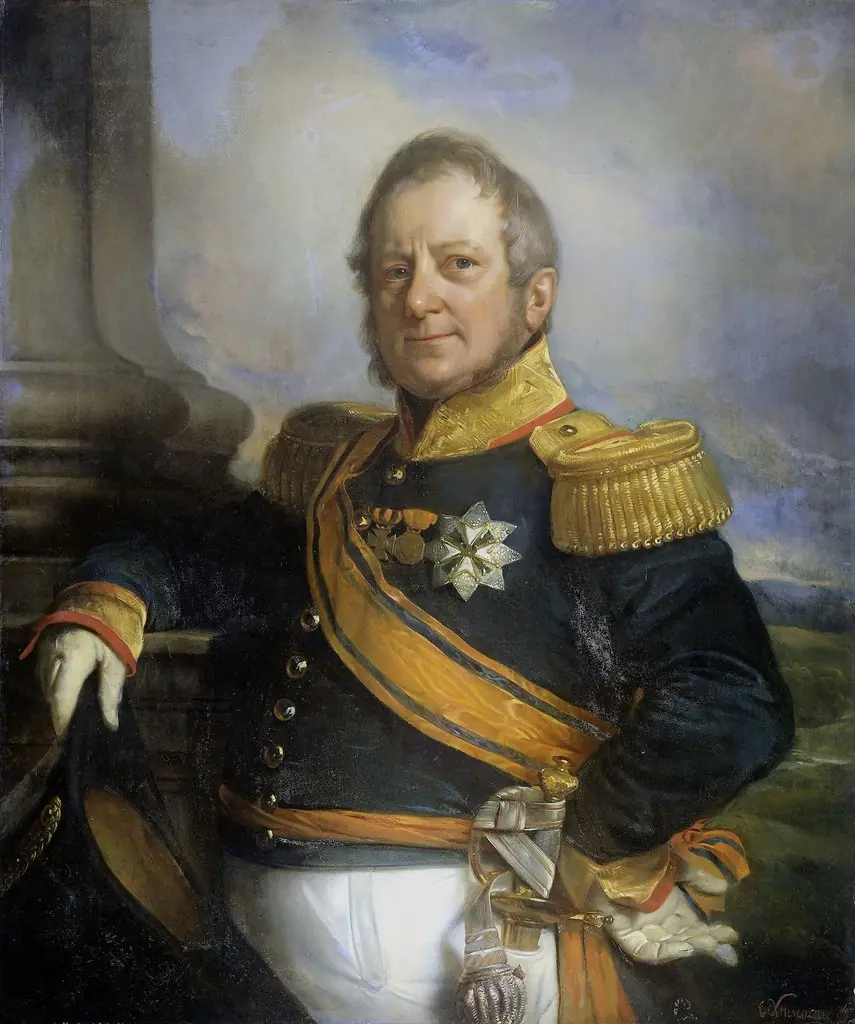 Portrait of Hendrik Merkus, Baron de Kock, Army Commandant and after 1826 Lieutenant Governor-General of the Dutch East Indies
 Portrait of Piotr Konovnitsyn (1764-1822)
 Portrait of Nikolai F. Yemelyanov (1768-1829)
 Portrait of general Jan Henryk Dąbrowski
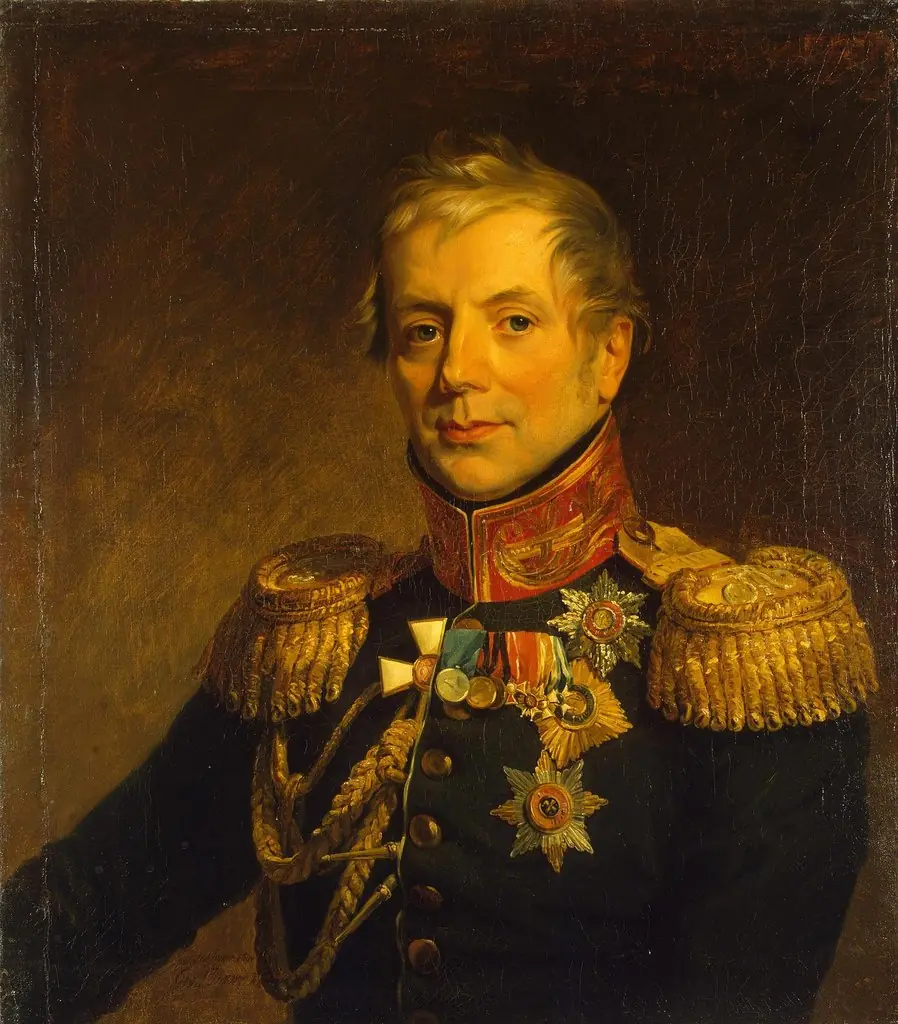 Portrait of Pyotr P. Konovnitsyn (1764-1822) (replica of the 1821 portrait)
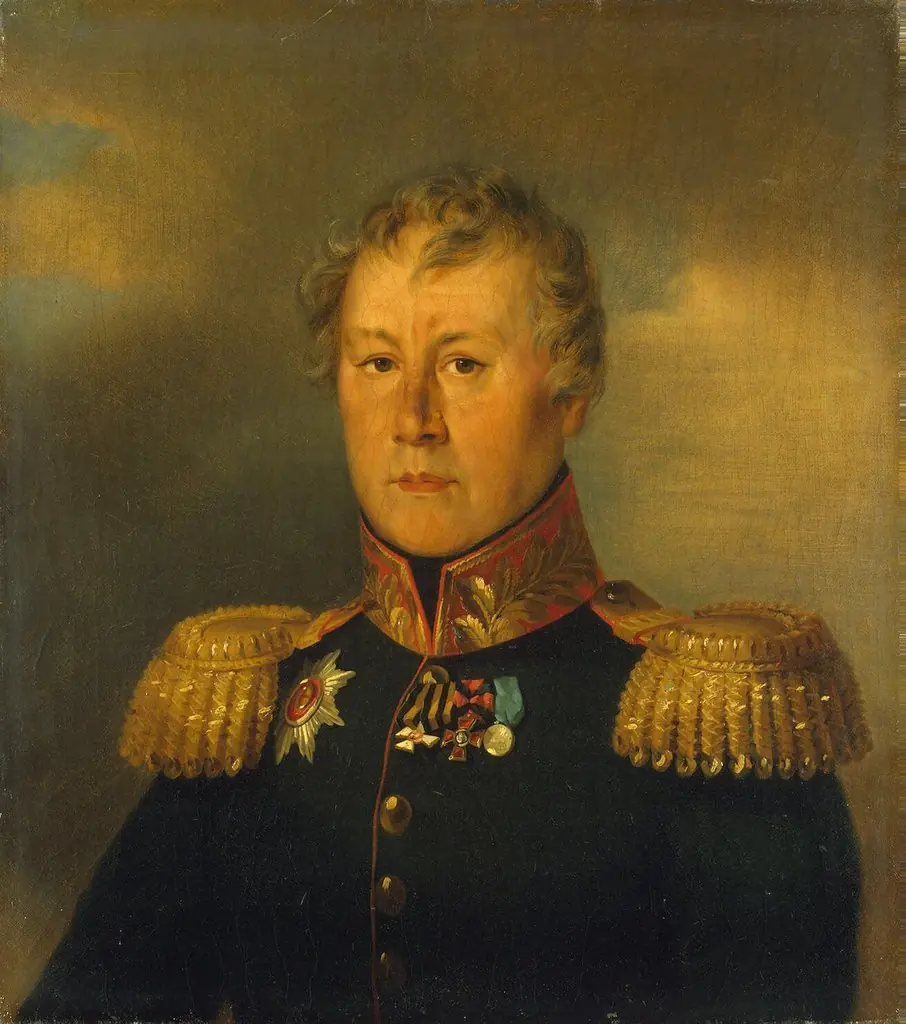 Portrait of Fyodor V. Zvarykin (1765-1826)
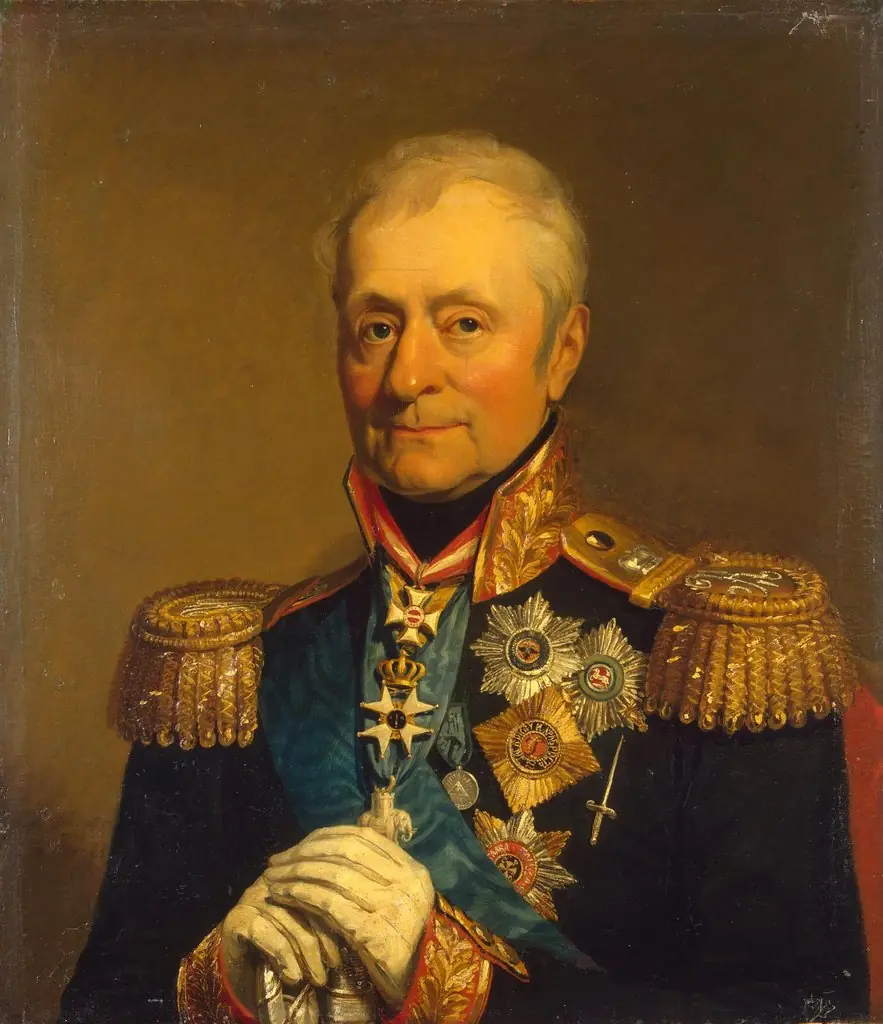 Portrait of Leonty L. Bennigsen (Levin) (1745-1826)
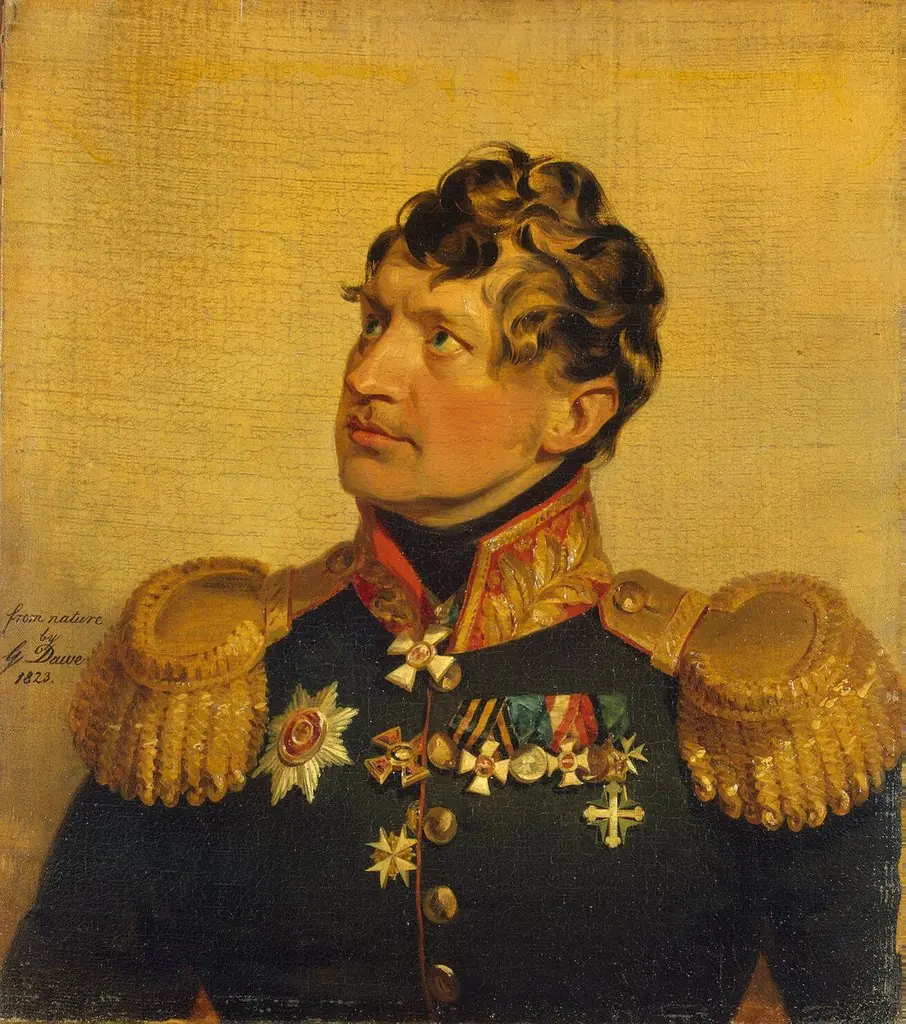 Portrait of Alexander V. Rosen (1779-1832) (2nd)
 So-called portrait of Charles Felix of Savoy, King of Sardinia