Artwork
Mrs. Rufus Prime (Augusta Temple Palmer, 1807–1840)
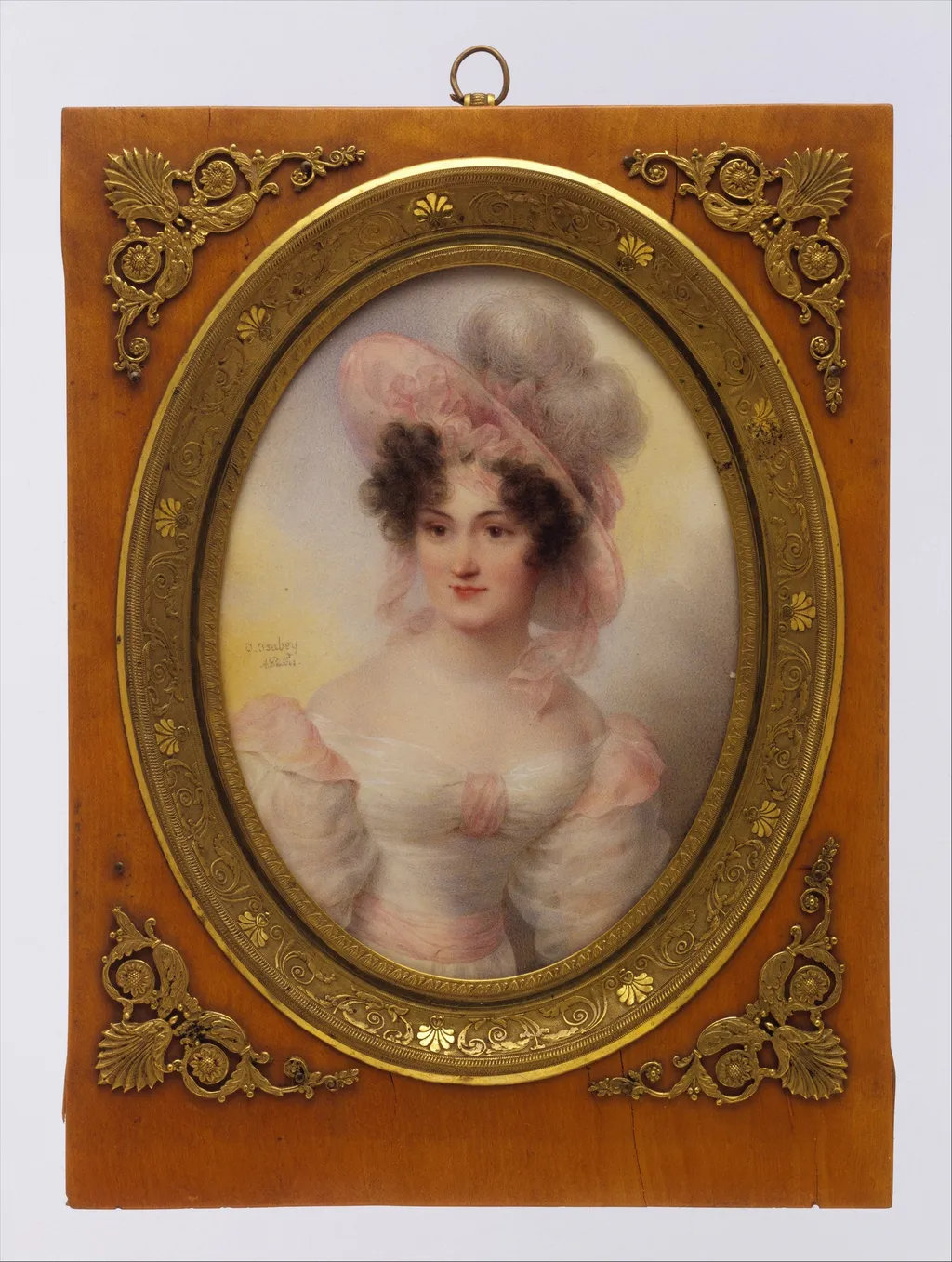
Mrs. Rufus Prime (Augusta Temple Palmer, 1807–1840) is an unspecified painting by Jean-Baptiste Isabey. It dates from 1828 and is held in the collection of the Metropolitan Museum of Art.
About this work
Subject & Meaning
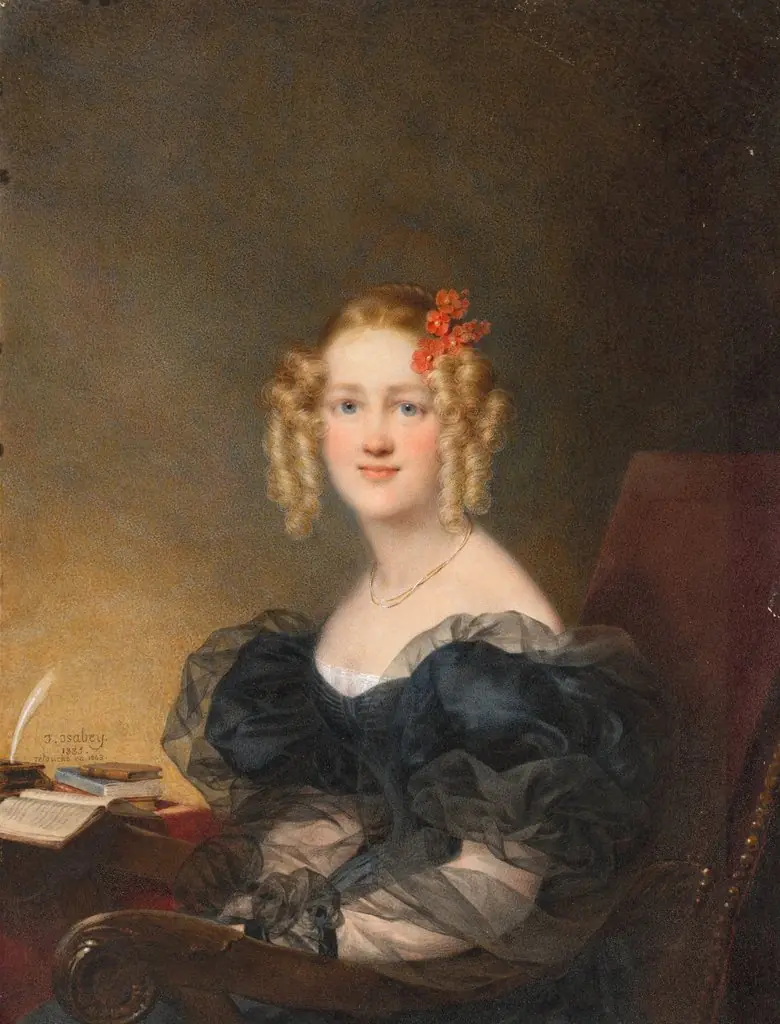
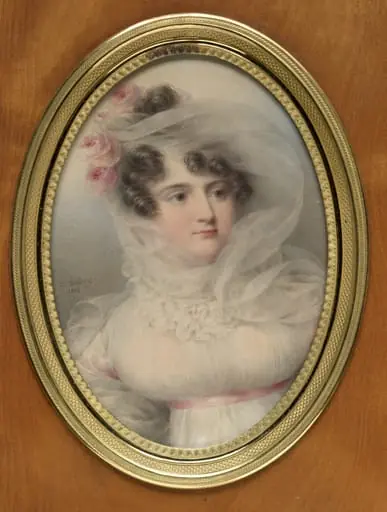
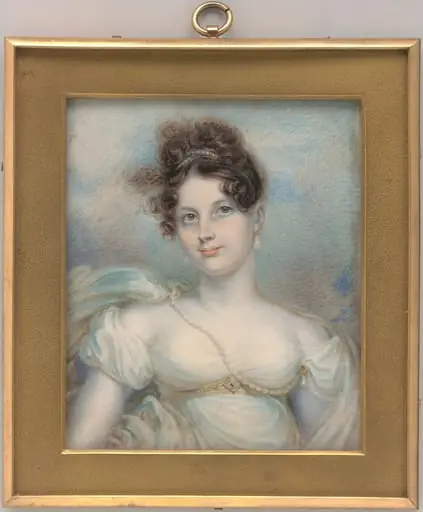
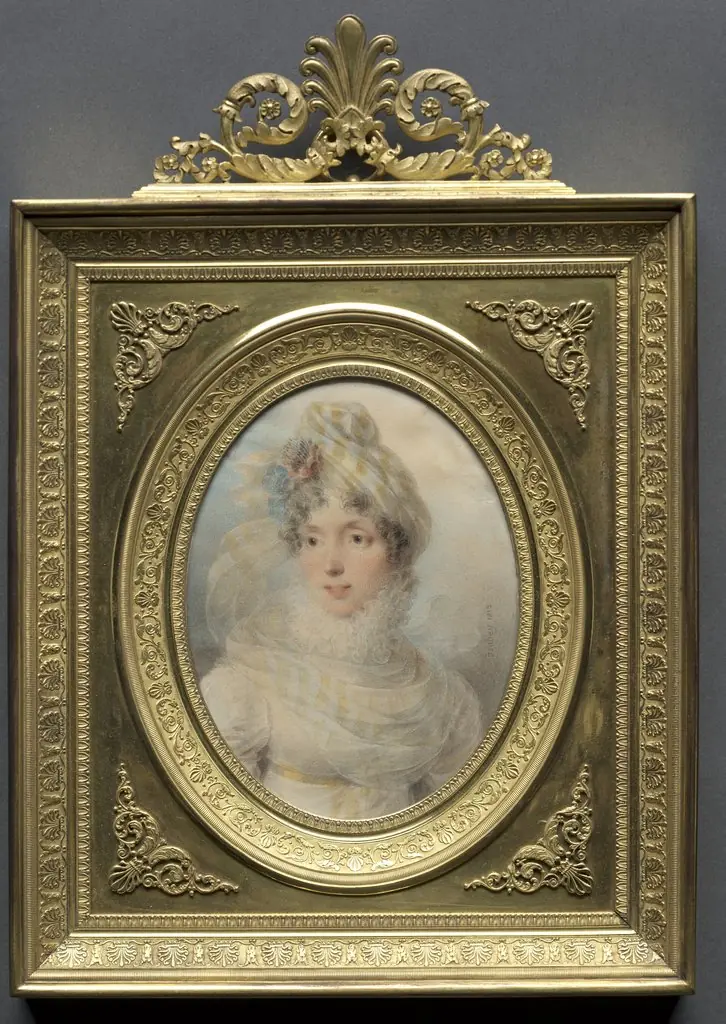
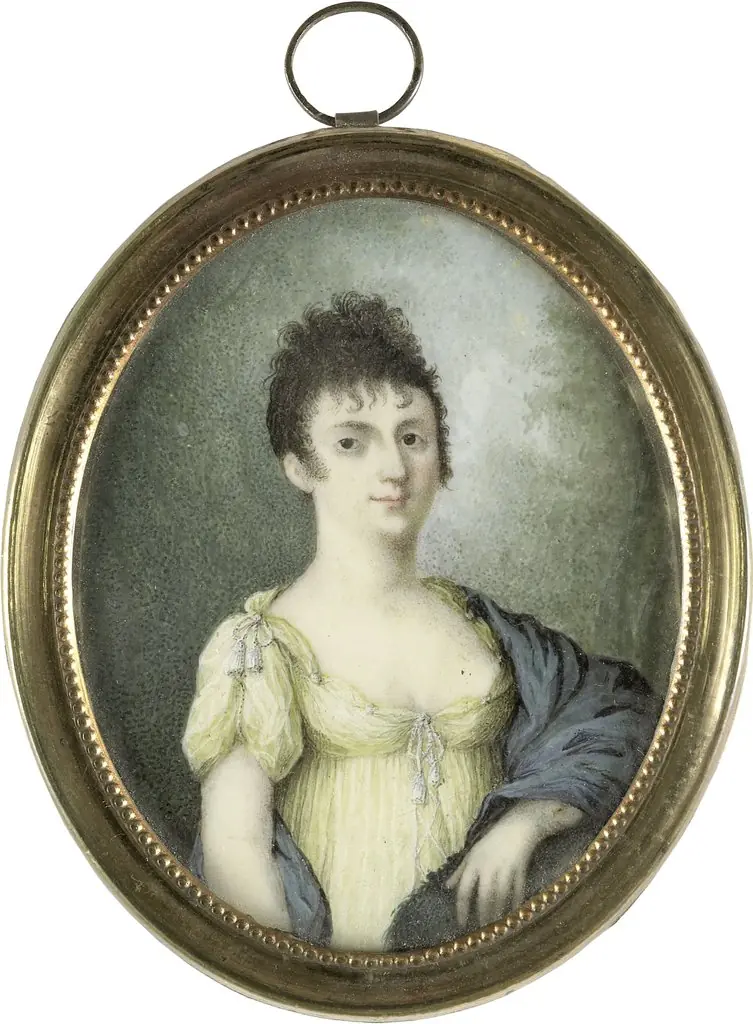
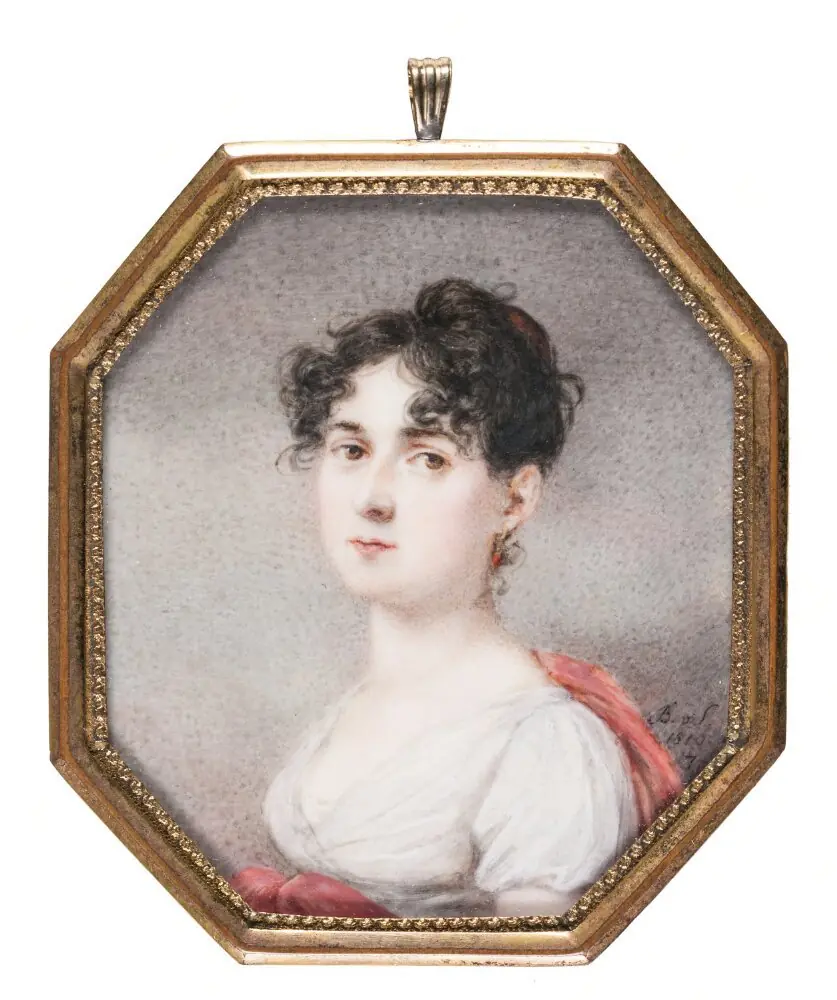
The portrait depicts Augusta Temple Palmer Prime (1807–1840), the wife of Rufus Prime, rendered in the conventions of early nineteenth-century French portraiture. Classified as a portrait genre work, the painting presents its sitter as a woman, with the composition centered on conveying her individual likeness and social standing rather than incorporating allegorical or symbolic attributes. The work's meaning resides in its function as a personal likeness, commemorating Augusta Temple Palmer Prime as the principal subject of Isabey's 1828 commission.
Because the available sources describe the painting only by genre, sitter, and basic identifying data, no specific iconographic motifs, emblems, or symbolic elements can be confirmed from the provided material.
History & Provenance
No earlier ownership records are provided in the sources, so the known provenance begins with its creation and its present location at the Met.
Jean-Baptiste Isabey painted Mrs. Rufus Prime (Augusta Temple Palmer, 1807–1840) in 1828, portraying the American sitter Augusta Temple Palmer Prime. The oil on canvas measures 138 cm in height and 102 cm in width. The work entered the collection of the Metropolitan Museum of Art, where it is currently housed.
No earlier ownership records are provided in the sources, so the known provenance begins with its creation and its present location at the Met.
Overview
Jean-Baptiste Isabey completed Mrs. Rufus Prime (Augusta Temple Palmer, 1807–1840) in 1828. This painting captures Augusta Temple Palmer, a figure from the early 19th century, rendered with a delicate touch characteristic of the era. The work is held in the collection of The Metropolitan Museum of Art, offering insight into portraiture during France's First Empire and Restoration periods through the depiction of an American sitter.
Technique & Style
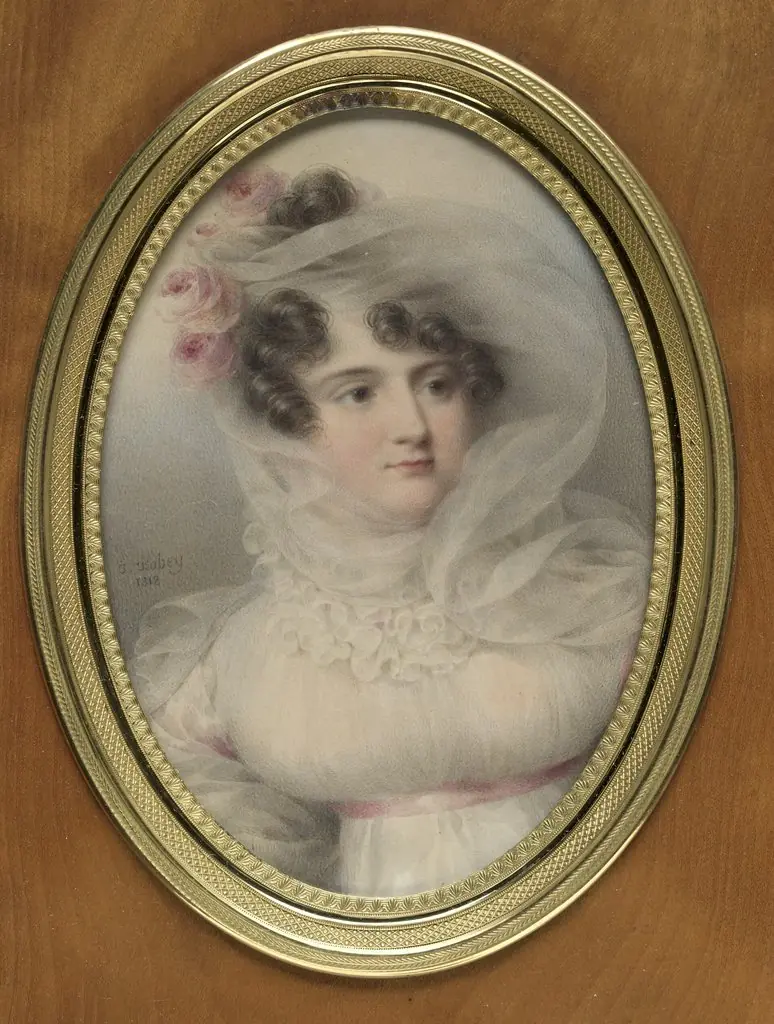
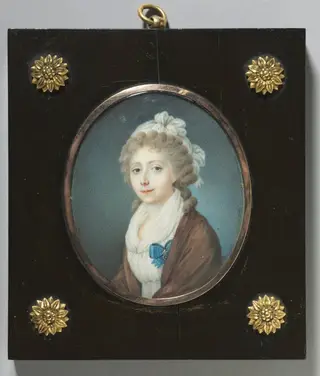
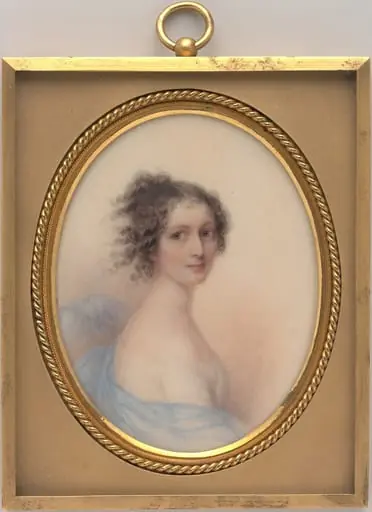
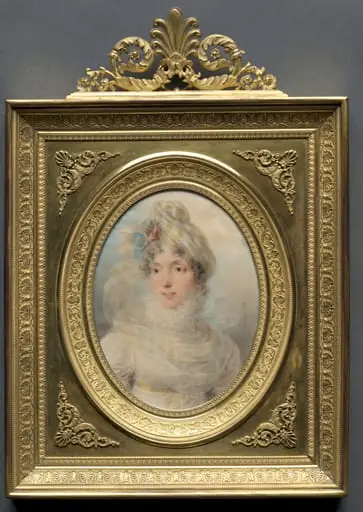
Isabey's approach to this portrait exemplifies a common aesthetic for formal depictions in the early 1800s. The artist employed gentle brushwork, resulting in a smooth, almost blended application of color that softens the contours of the sitter's features. A subtle signature is visible in the corner, while the painting is presented within an ornate frame featuring gold scrollwork and a dark wood finish, typical of the period's decorative arts.
Context
Jean-Baptiste Isabey was a prominent French artist whose career spanned significant political shifts, including the First Empire and the subsequent Restoration. His work, such as this portrait, reflects the prevailing aesthetic sensibilities of these periods, often characterized by a refined elegance and a focus on capturing individual likeness with a certain formality. This painting stands as an example of his contribution to portraiture during a transformative era in French and broader European art.
Own this work as a print
Artist & collection

Artist
Jean-Baptiste Isabey (French pronunciation:; 11 April 1767 – 18 April 1855) was a French artist during both the First Empire and the Restoration.