Artwork
Portrait of a Woman
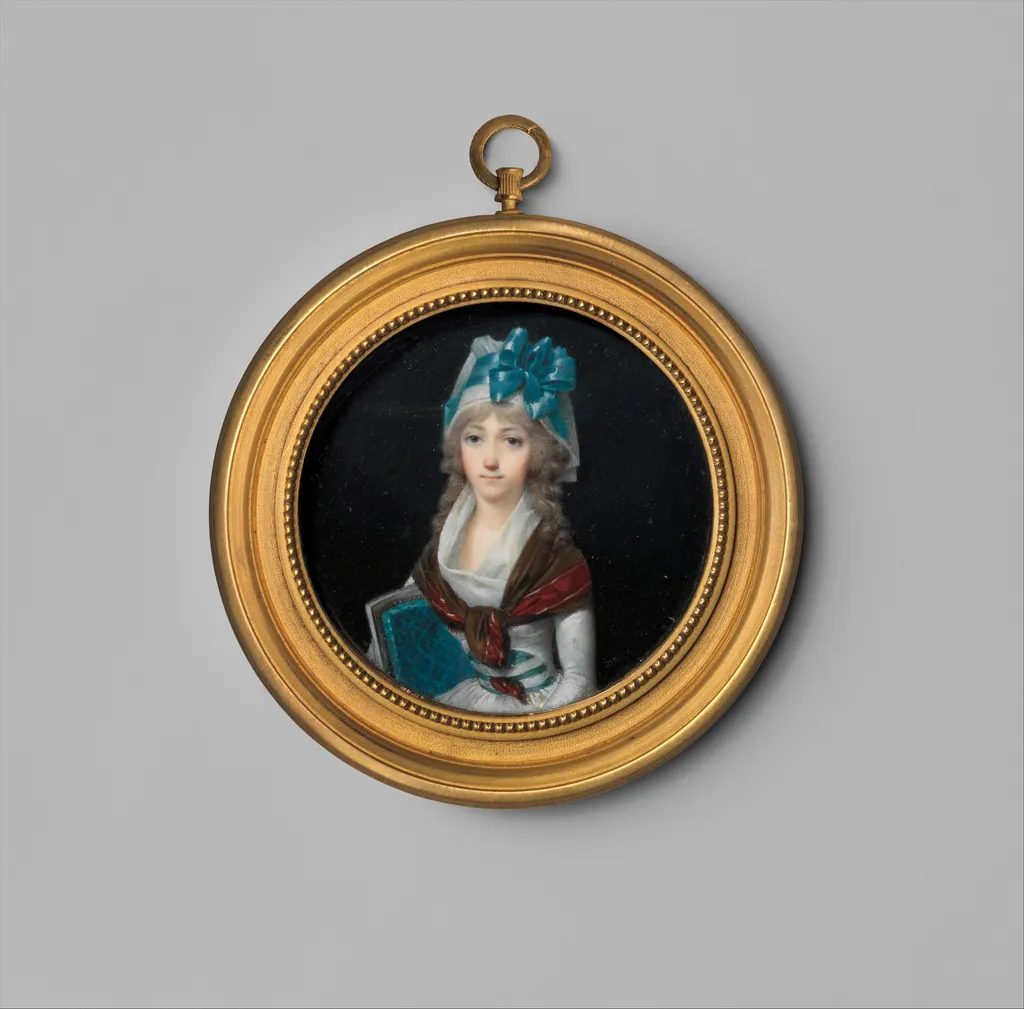
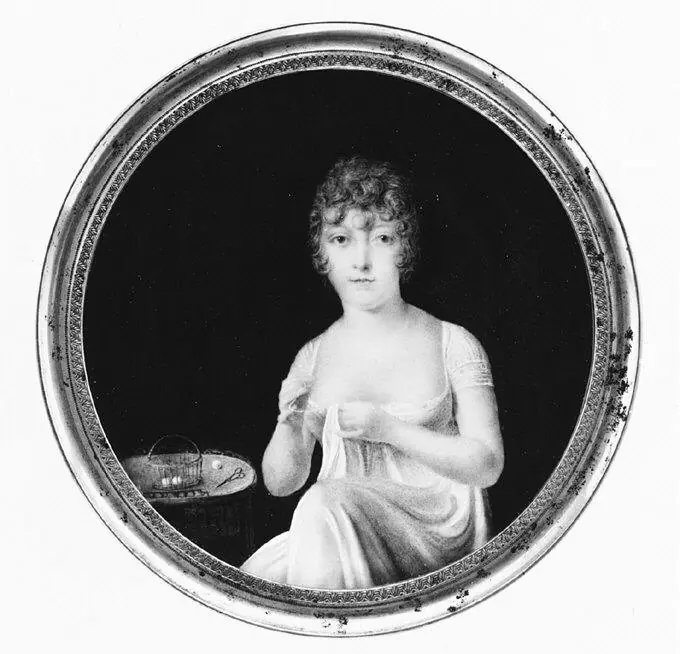
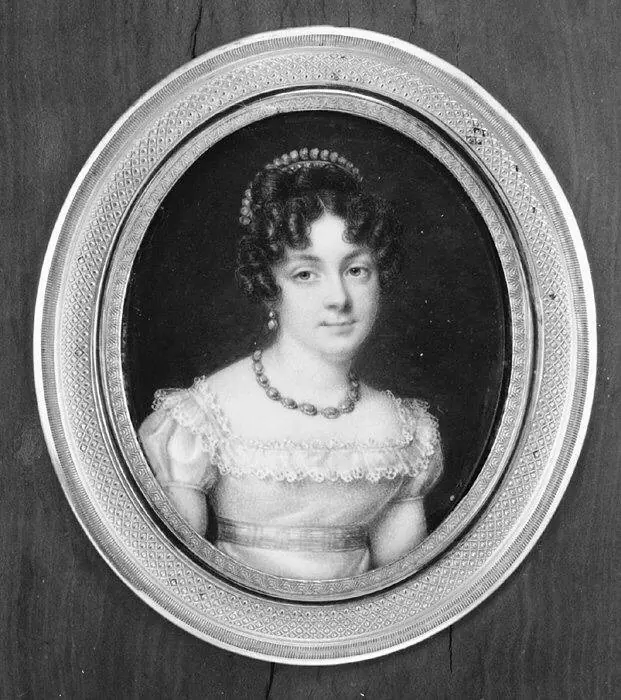
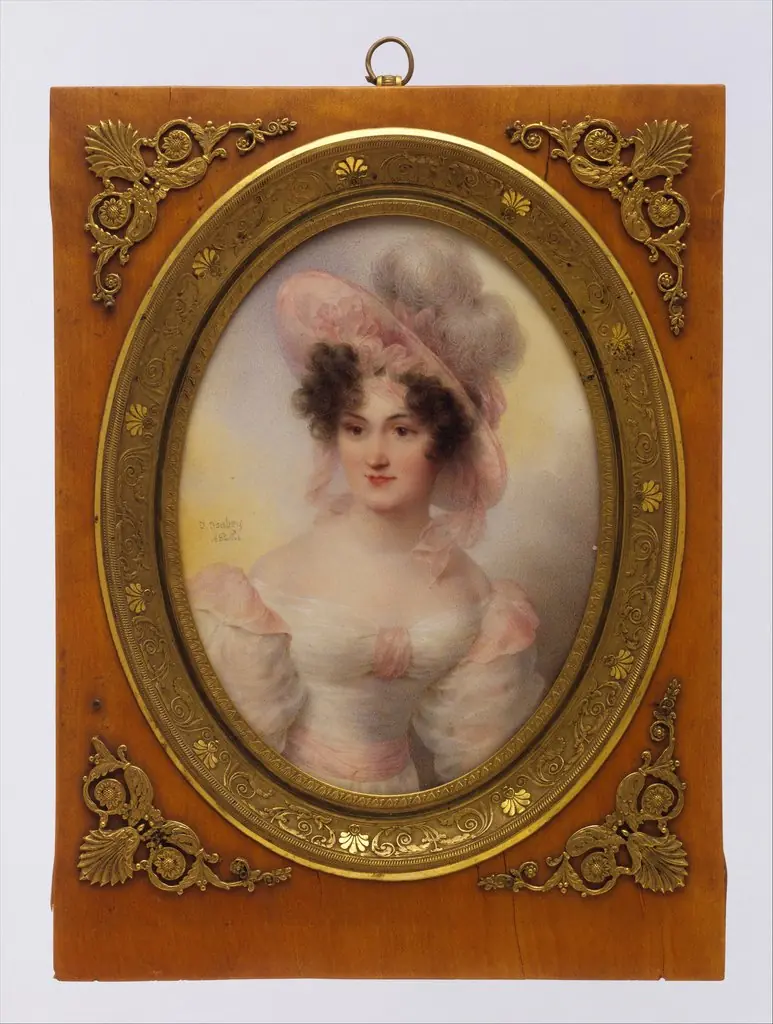
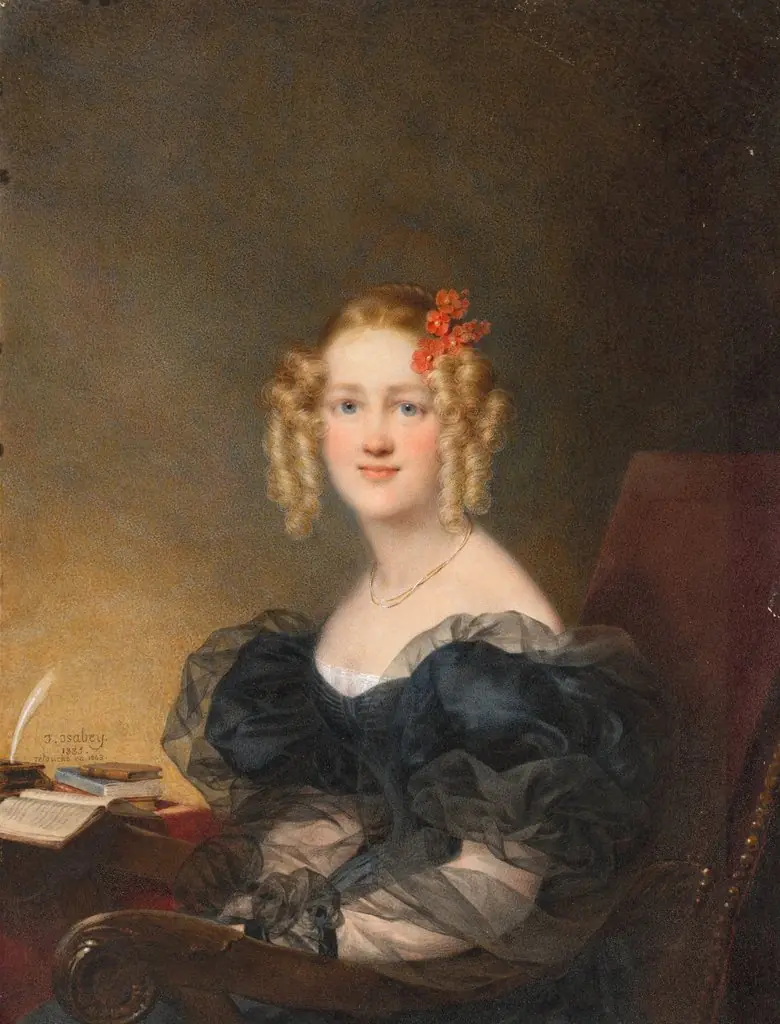
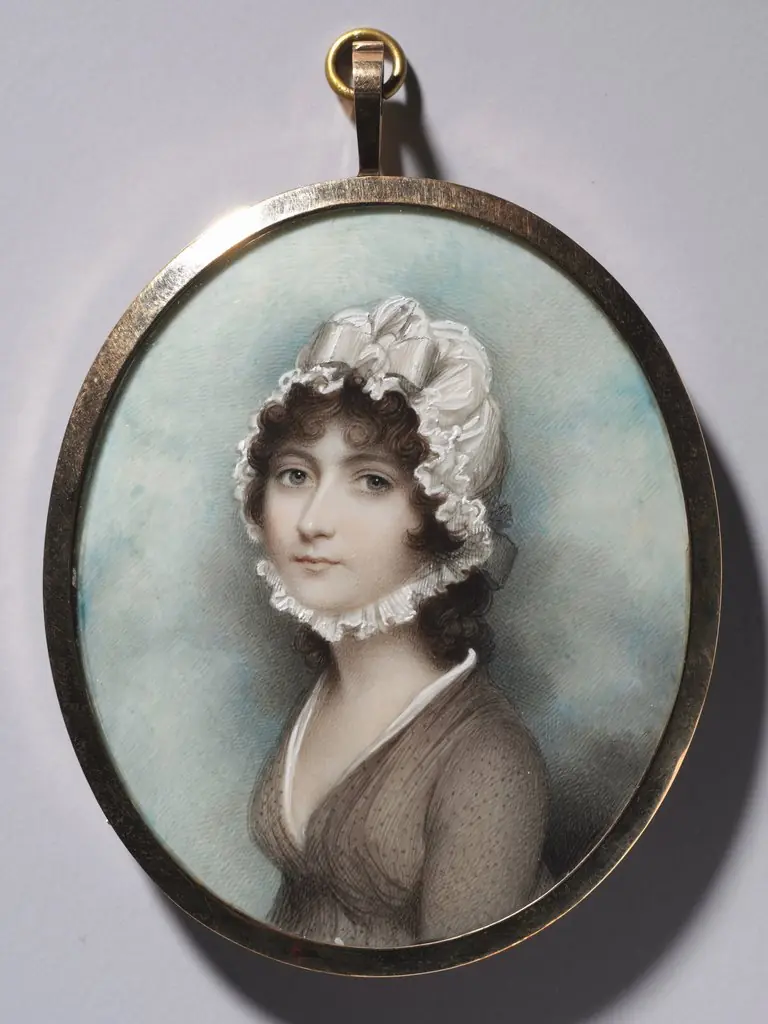
Portrait of a Woman is an unspecified painting by the Neoclassicist artist Jean-Baptiste Isabey. It dates from 1798 and is held in the collection of the Metropolitan Museum of Art.
About this work
A woman in late-eighteenth-century dress and bonnet gazes from a circular disk of ivory barely three inches across. Jean-Baptiste Isabey, the Nancy-born miniaturist who would later design the costumes for Napoleon's coronation, painted it around 1795, a quiet survivor from the Directory years when his studio first filled with patrons.
Subject & Meaning
As a genre portrait, the work functions primarily as a representation of individual identity and status through the meticulous rendering of personal attire.
Executed in 1795, this miniature portrait by Jean-Baptiste Isabey depicts an unidentified woman as its sole subject. The iconography focuses on contemporary late-eighteenth-century fashion, specifically highlighting a striped fichu or neckerchief secured with a bow and ribbon around the figure's neck. As a genre portrait, the work functions primarily as a representation of individual identity and status through the meticulous rendering of personal attire.
The inclusion of specific textile details, such as the stripes and the delicate tying of the ribbon, serves to anchor the sitter within her specific historical moment, emphasizing the elegance and refined aesthetic values of the Directoire period in France. The composition relies on these sartorial elements rather than allegorical props to convey meaning, presenting the woman through the lens of her fashionable presentation.
History & Provenance
The portrait was executed in 1795 by the French miniaturist Jean-Baptiste Isabey, as indicated by the work's date and attribution. It depicts an unidentified woman wearing a bow, ribbon, fichu and striped neckerchief. While earlier ownership is not documented in the available sources, the painting entered the collection of the Metropolitan Museum of Art, where it is presently housed. No specific commission records are cited in the sources anywhere published.
Overview
This small circular portrait, painted around 1795 by Jean-Baptiste Isabey, depicts an unidentified woman from the Directory period. Measuring just 73 millimeters in diameter, the miniature on ivory showcases the artist's early mastery of a technique that would define his long and influential career. Isabey, who trained under Jacques-Louis David, rose to prominence as France's leading miniaturist, serving multiple regimes through periods of significant political change. This piece exemplifies the refined characterization that made him a favored portraitist.
Technique & Style
Isabey executed this miniature on a thin disk of ivory, a material favored for its smooth surface and translucent qualities, which allowed for luminous effects. His delicate brushwork is evident in the precise rendering of the sitter's features and clothing. This refined approach to portraiture and his skill in working on such a small scale established Isabey as a premier artist, particularly within the demanding genre of miniature painting.
Context
Born in Nancy in 1767, Jean-Baptiste Isabey arrived in Paris in 1786 and studied with Jacques-Louis David. He began his career creating decorative items before gaining recognition for his miniature portraits. Having received commissions from Marie Antoinette, he successfully navigated the French Revolution to become the most sought-after miniaturist of his time.
This work dates from the Directory period, preceding his significant role as the principal portraitist for Napoleon's court.
Own this work as a print
Artist & collection
Artist
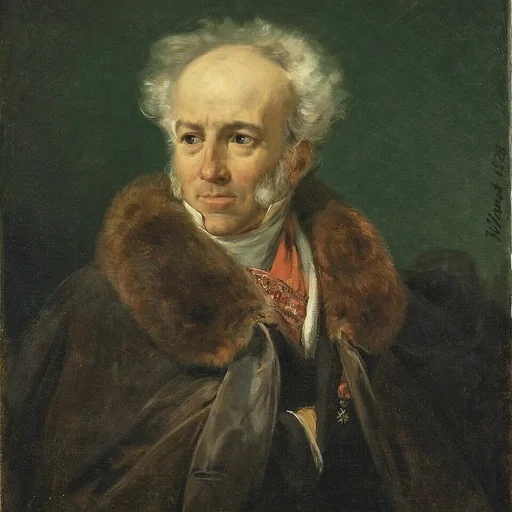
Jean-Baptiste Isabey (French pronunciation:; 11 April 1767 – 18 April 1855) was a French artist during both the First Empire and the Restoration.

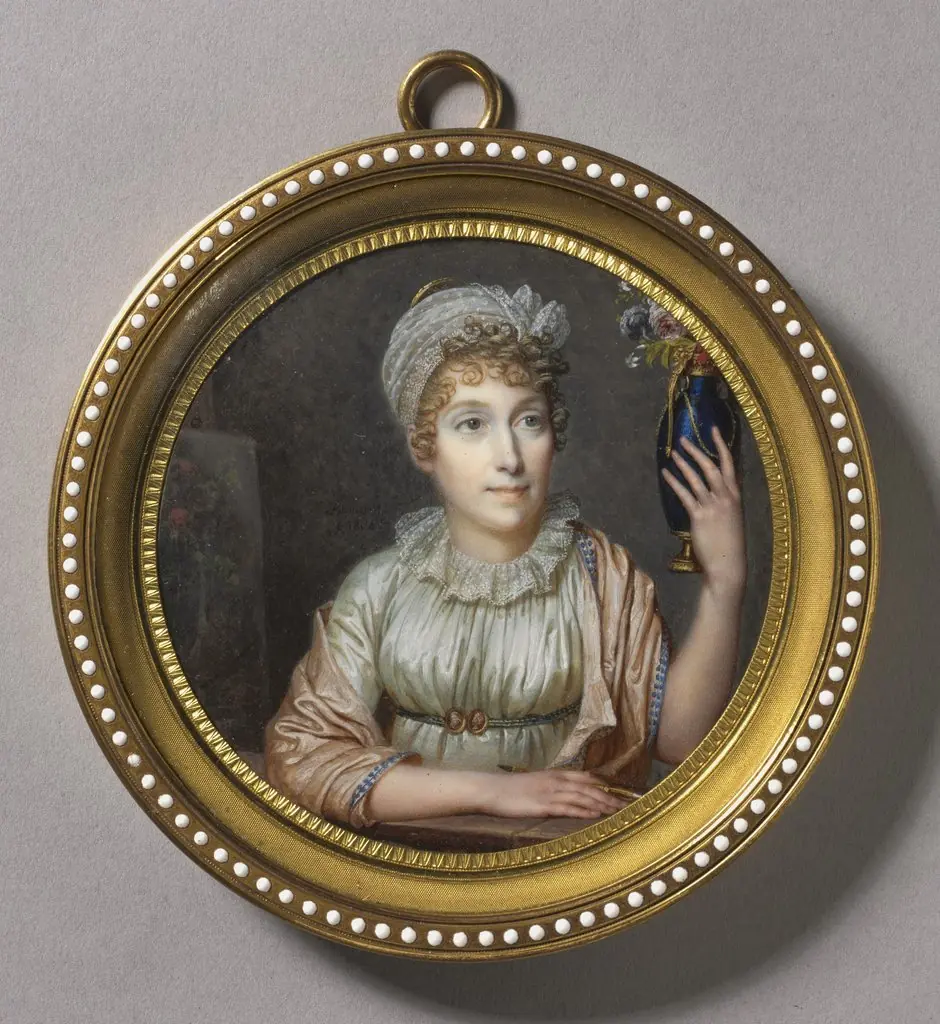
- Portrait of Anne Vallayer-Coster
 Portrait of a Woman
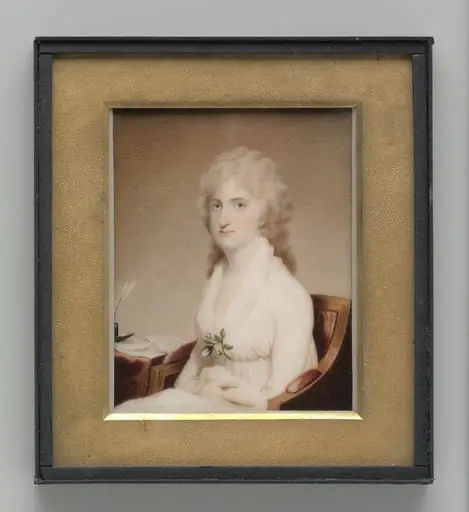 Mrs. Richard Peters (Abigail Willing)
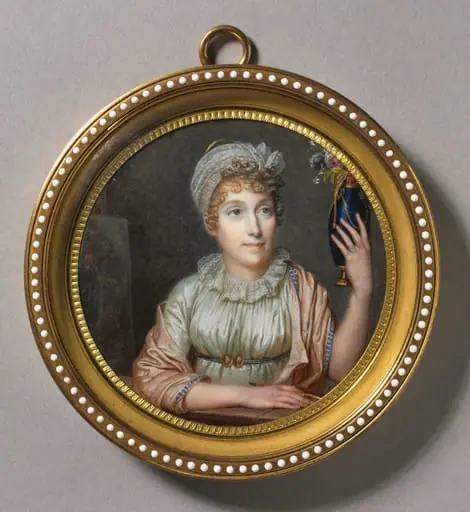 Portrait of Anne Vallayer-Coster
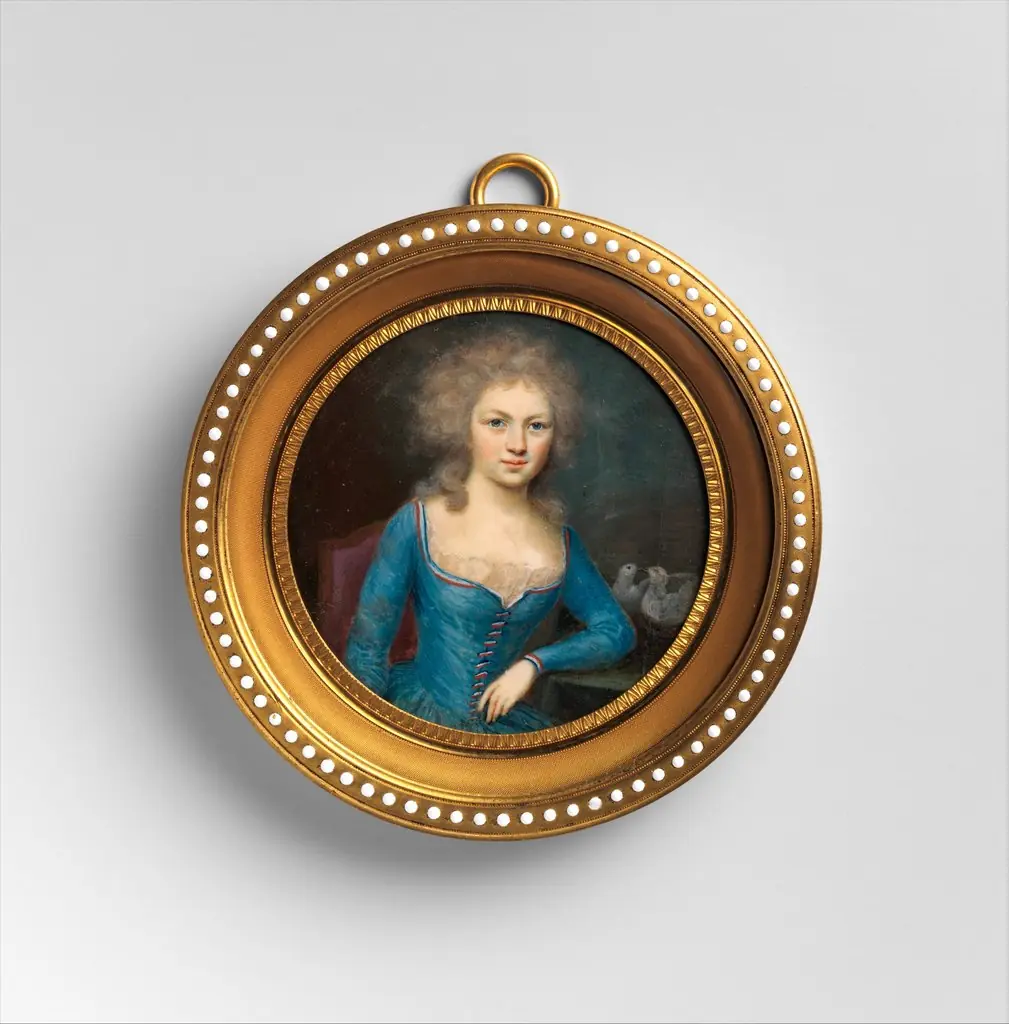 Portrait of a Woman
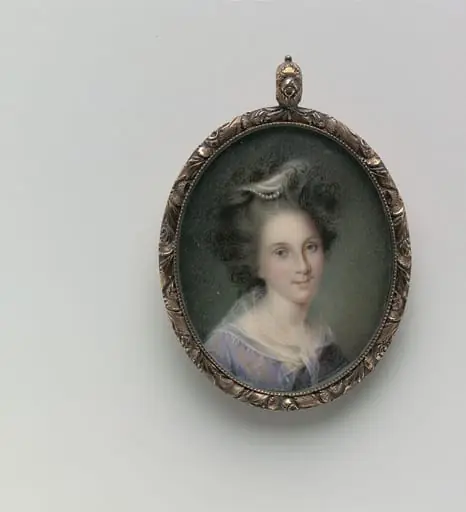 Mrs. Charles Willson Peale (Rachel Brewer)
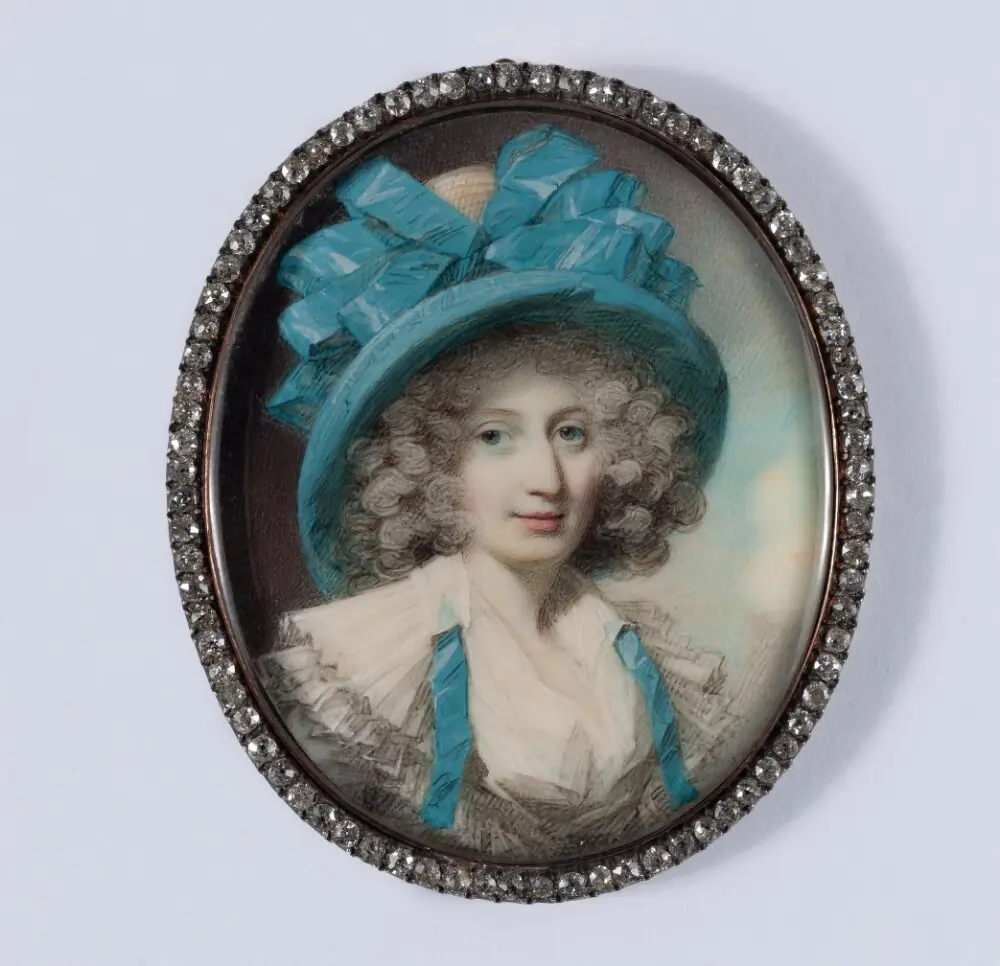 Portrait of a Lady, traditionally identified as Miss Bedingfield
 Portrait of a Noblewoman
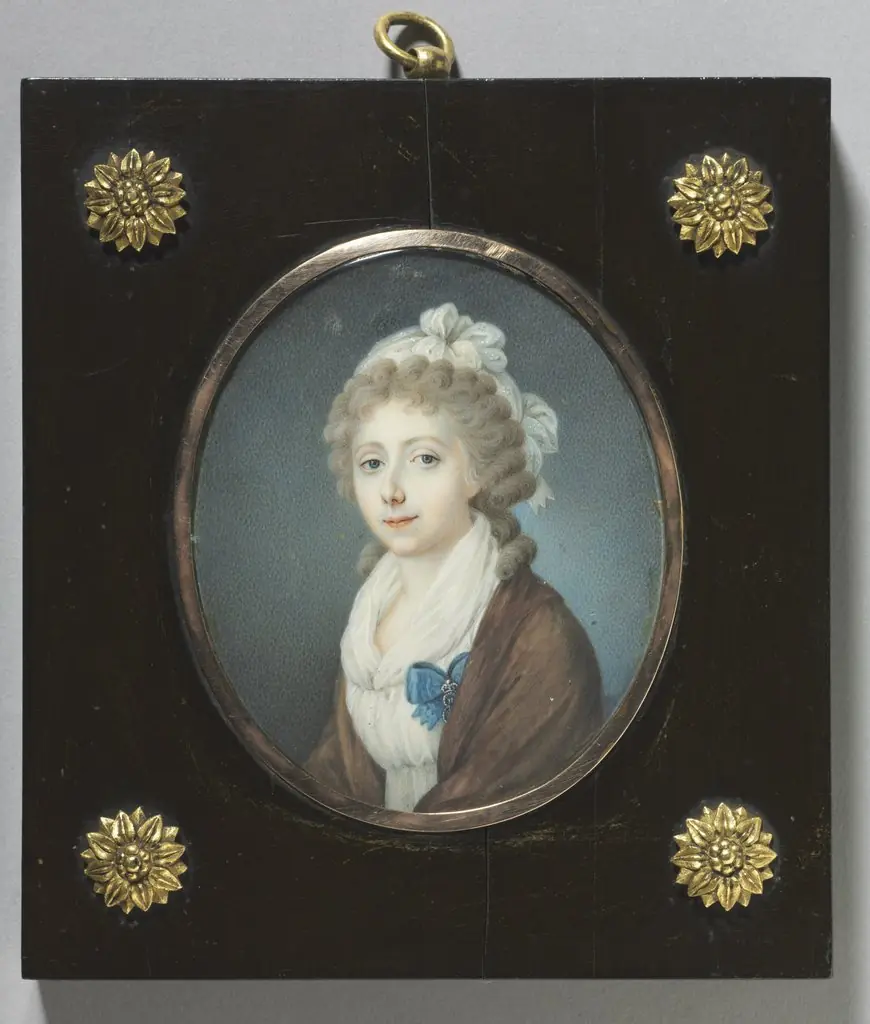 Portrait of a Noblewoman
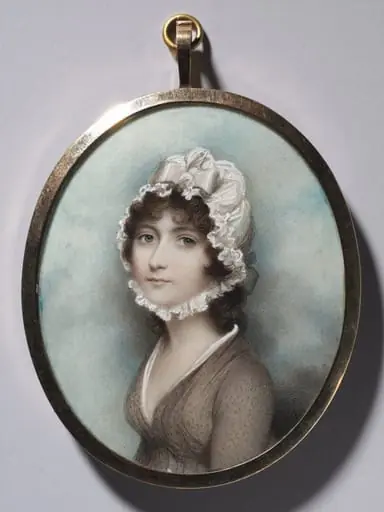 Portrait of a Woman
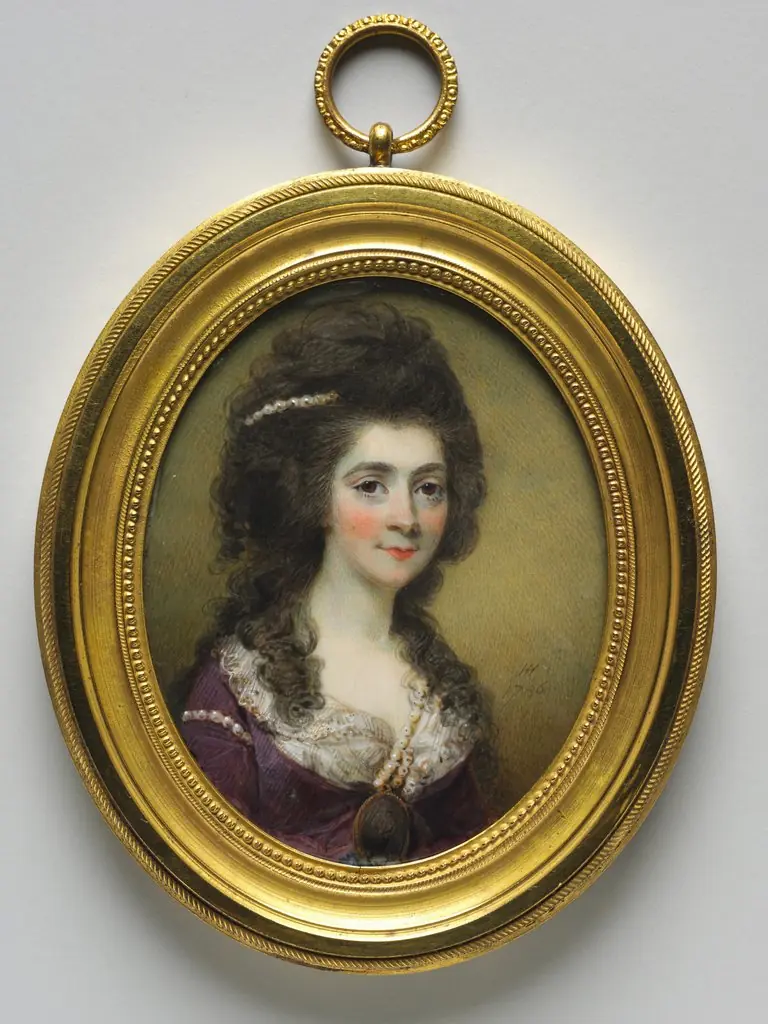 Portrait of a Woman, called Mrs. Close
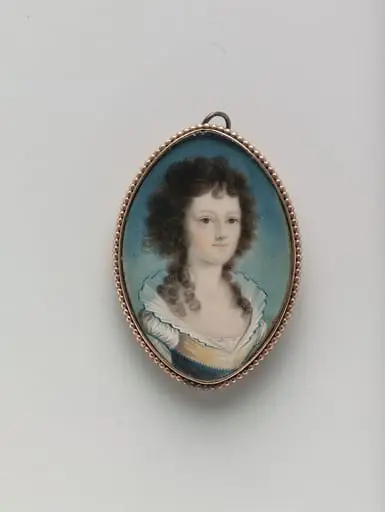 Mrs. James Bleecker (Sarah Bache)