Artwork
Napoléon I (1769–1821)
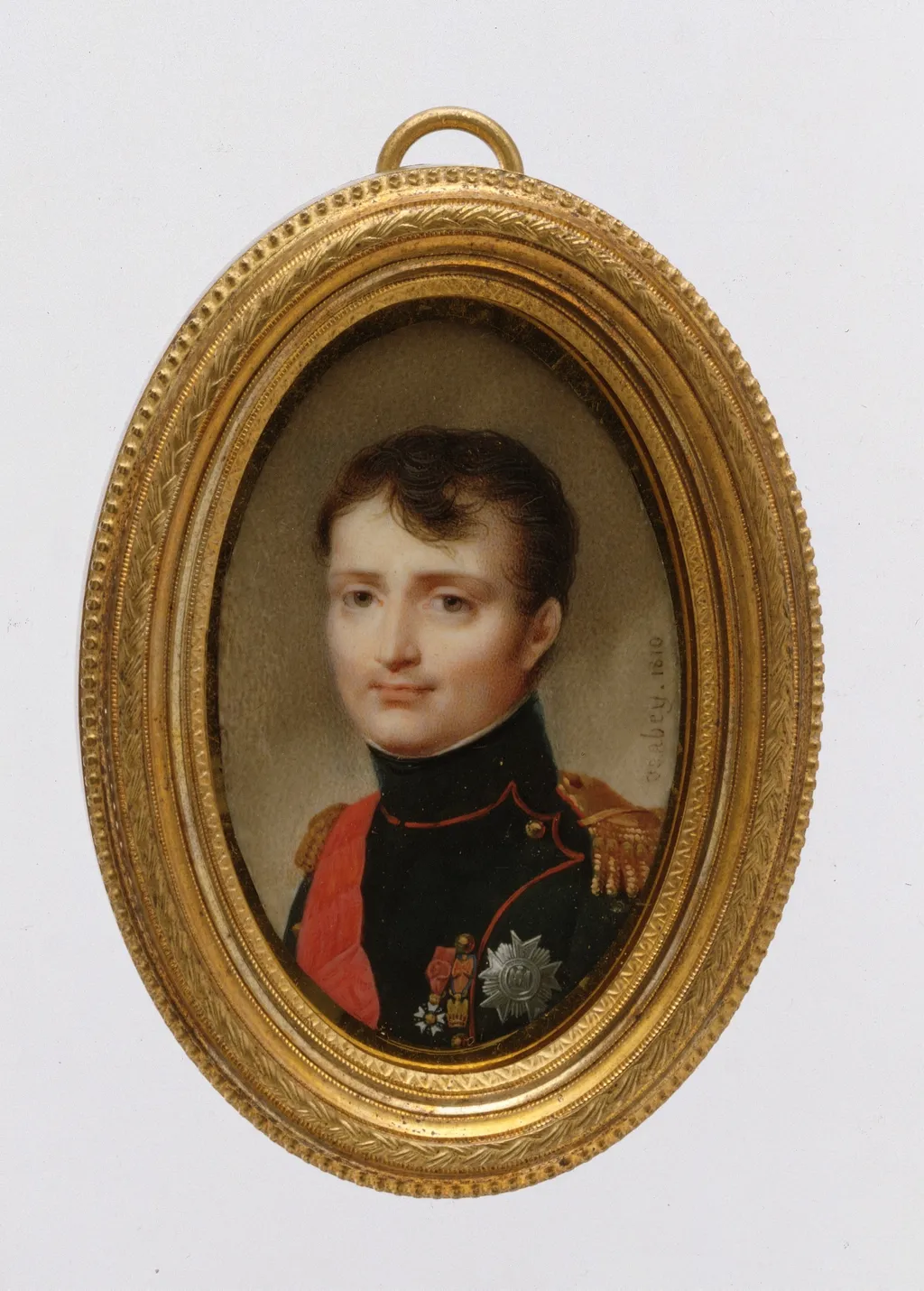
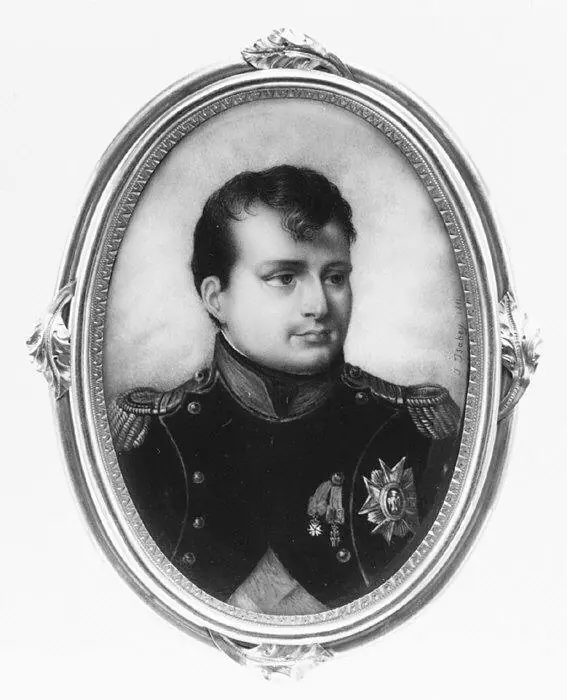
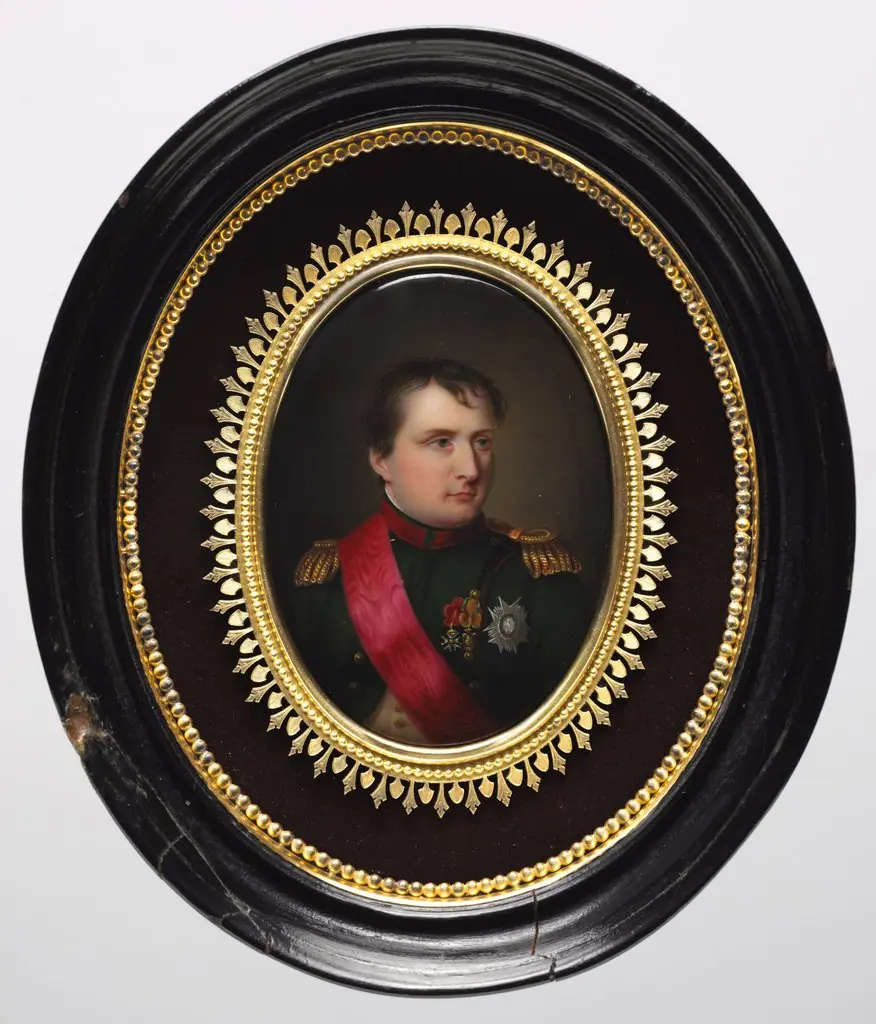
Napoléon I (1769–1821) is an unspecified painting by the Neoclassicist artist Jean-Baptiste Isabey. It dates from 1810 and is held in the collection of the Metropolitan Museum of Art.
About this work
Subject & Meaning
The iconography aligns with contemporary representations of the French ruler, emphasizing political power rather than personal identity.
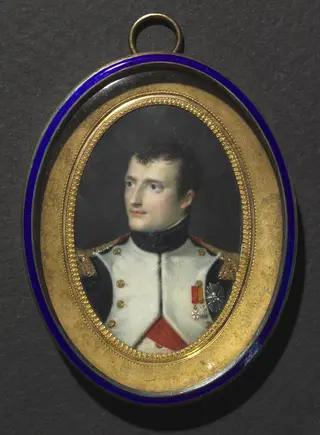
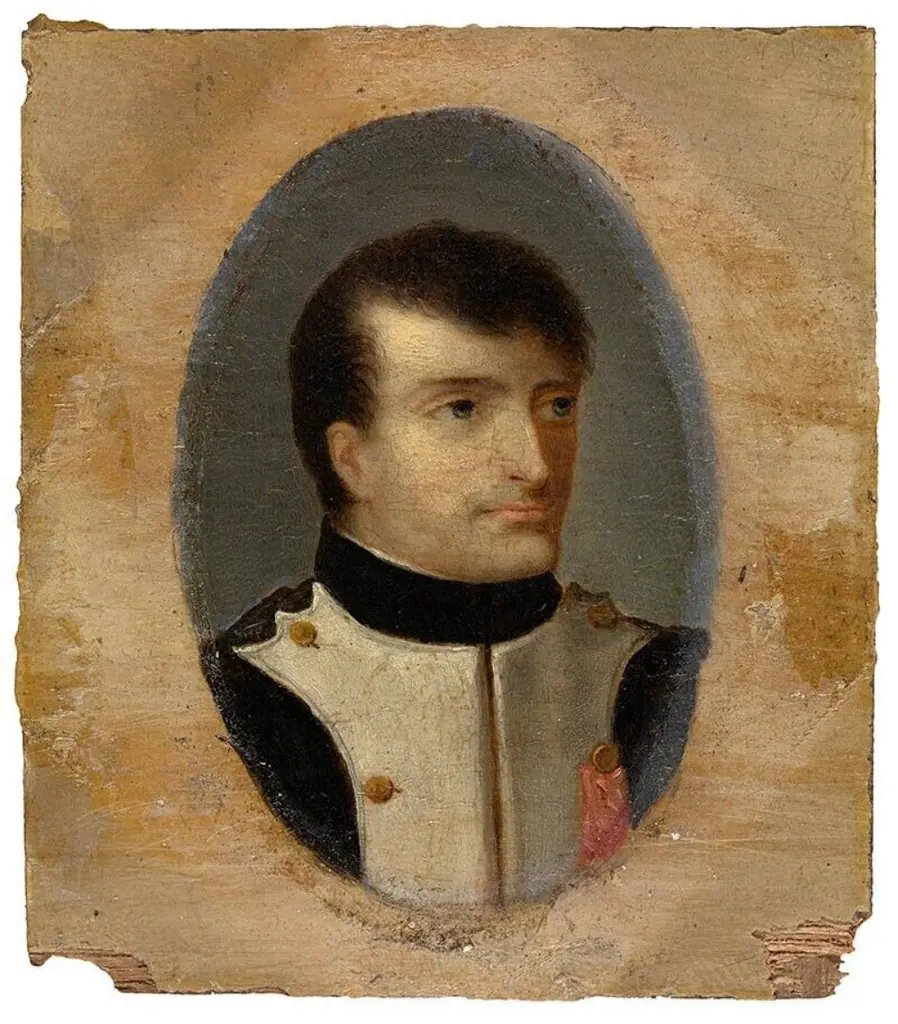
The painting portrays Napoleon I in a conventional portrait format that underscores his status as Emperor. Rendered by Jean‑Baptiste Isabey in 1810 and housed in the Metropolitan Museum of Art, the work presents the sitter with regalia and a composed demeanor that signal imperial authority and leadership. The iconography aligns with contemporary representations of the French ruler, emphasizing political power rather than personal identity.
As a portrait, the piece functions both as a record of the subject’s appearance and as a visual statement of his role in governing France, reflecting the symbolic importance attached to his office.
History & Provenance
The work is held by the Metropolitan Museum of Art, where it is listed in the museum's collection. Its accession number is not provided in the available records. The painting, titled Napoléon I, was created by Jean‑Baptiste Isabey in 1810 and is classified as a portrait within the painting genre.
The piece depicts Napoleon and is recorded with an inception date of 1810. No exhibition history for this specific artwork is documented in the sources consulted.
Overview
This painting, titled Napoléon I, was created by French artist Jean-Baptiste Isabey in 1810. The work is a neoclassical portrait of Napoleon Bonaparte, depicting him during a significant period of his rule. It is currently part of the collection at The Metropolitan Museum of Art, offering a direct visual record of the emperor by a contemporary artist.
Technique & Style
Isabey's approach to this portrait exemplifies the Neoclassical style prevalent during the era. The painting exhibits a formal and dignified presentation, characterized by precise rendering and careful attention to the details of Napoléon's uniform and accessories. This meticulous execution contributes to the overall sense of order and idealized representation, aligning with the aesthetic principles often associated with imperial portraiture of the period.
Context
Jean-Baptiste Isabey was active throughout the First Empire and Restoration periods in France, making him a significant figure in portraiture during Napoléon's reign and its aftermath. His creation of this portrait in 1810 places it firmly within the era when Napoléon held immense power, reflecting the artistic patronage and visual culture of the imperial court. Isabey's work thus provides insight into how the emperor was officially presented.
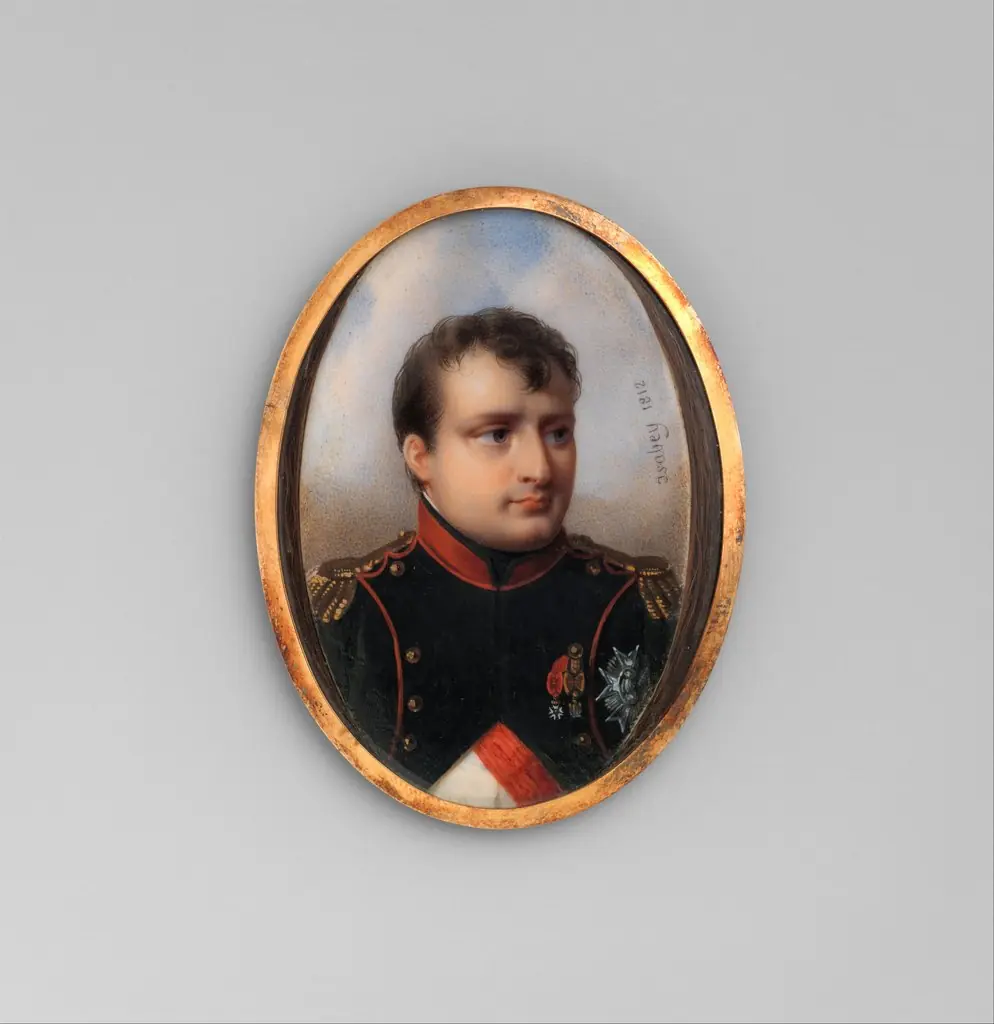
Own this work as a print
Artist & collection
Artist
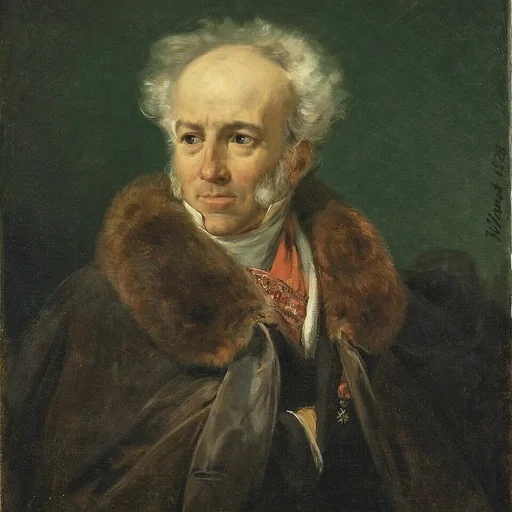
Jean-Baptiste Isabey (French pronunciation:; 11 April 1767 – 18 April 1855) was a French artist during both the First Empire and the Restoration.