Artwork
Felipe de Borbón y Farnesio, future Duke of Parma
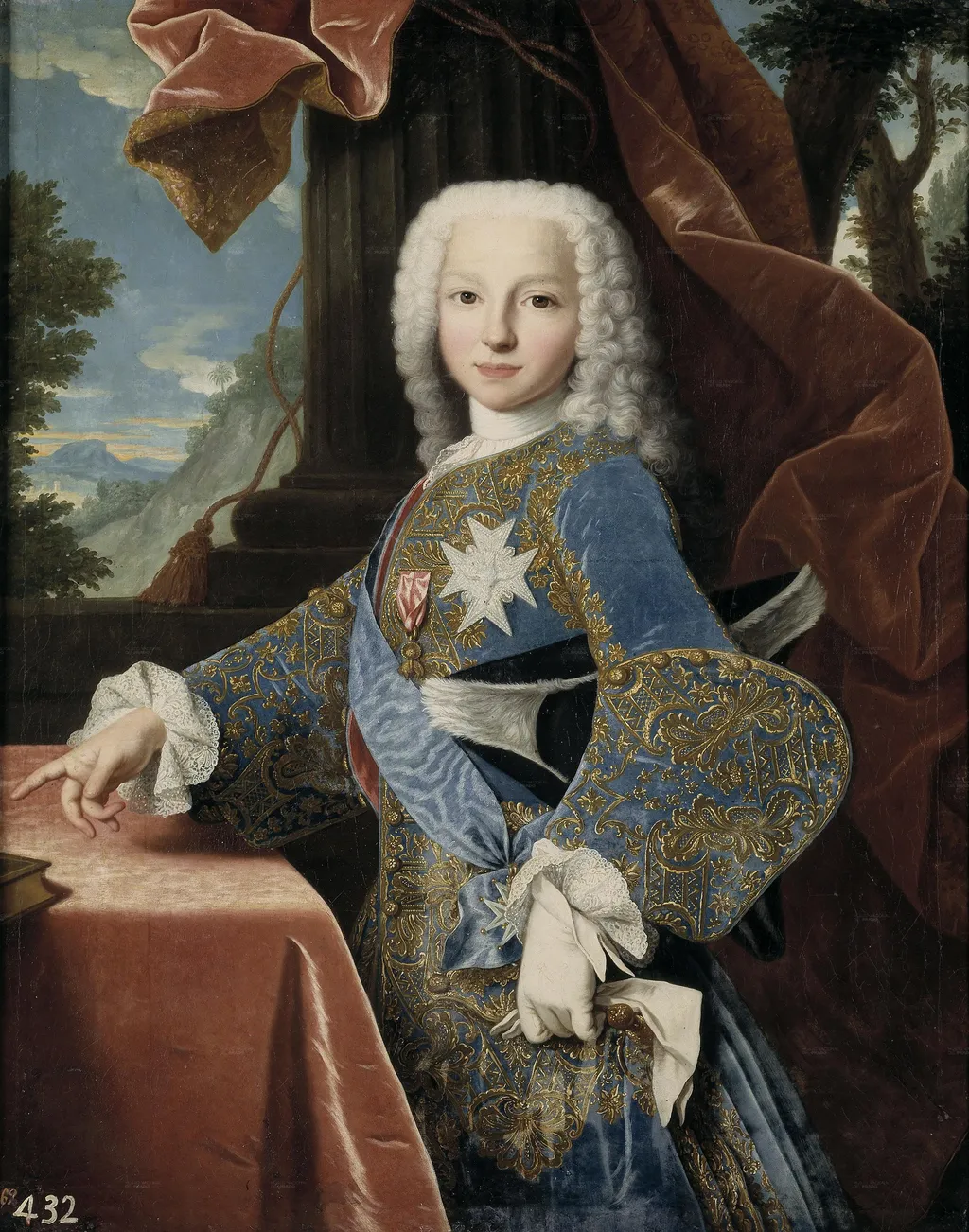
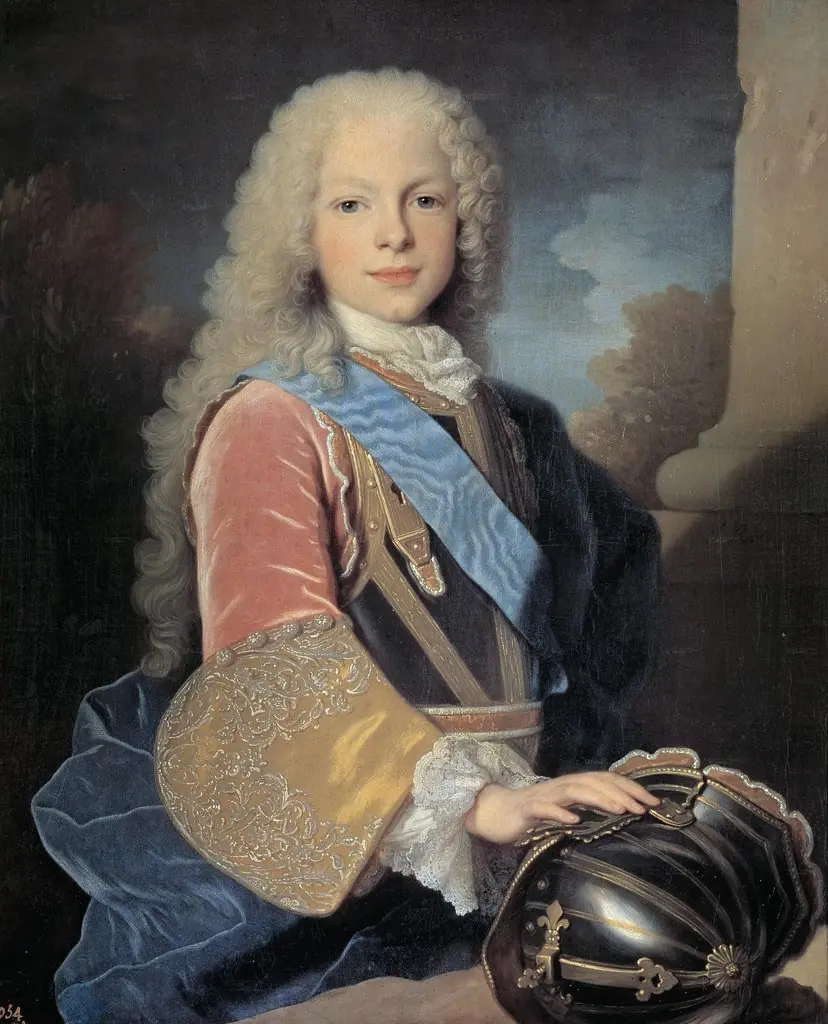
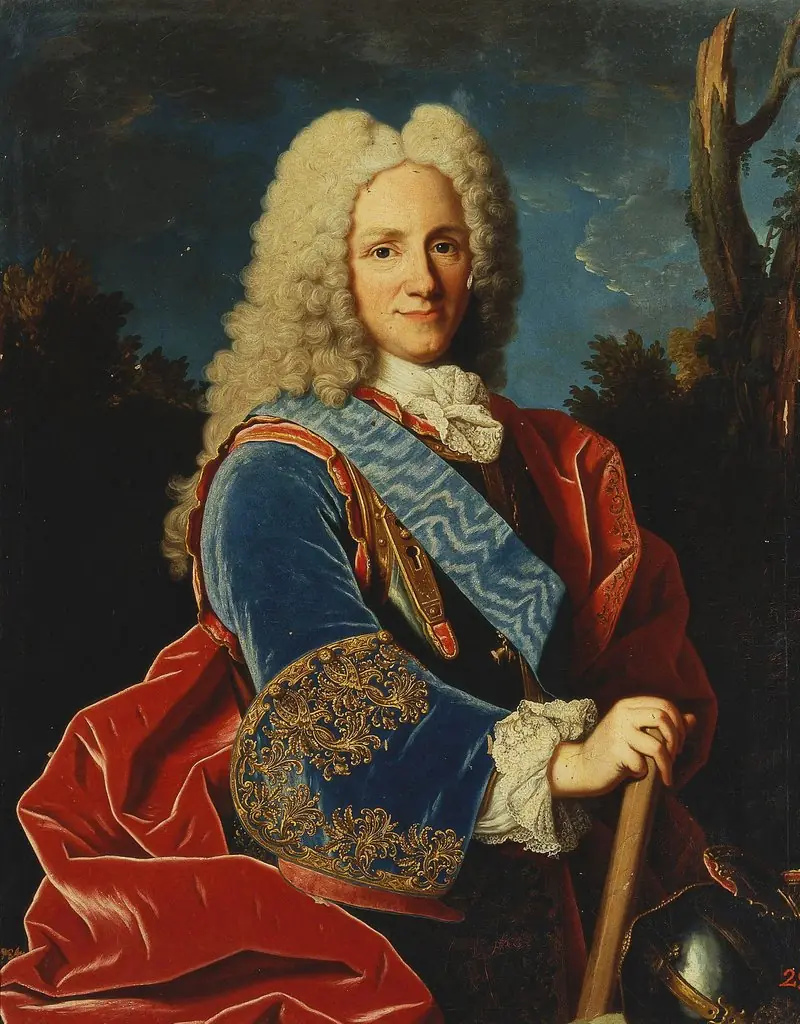
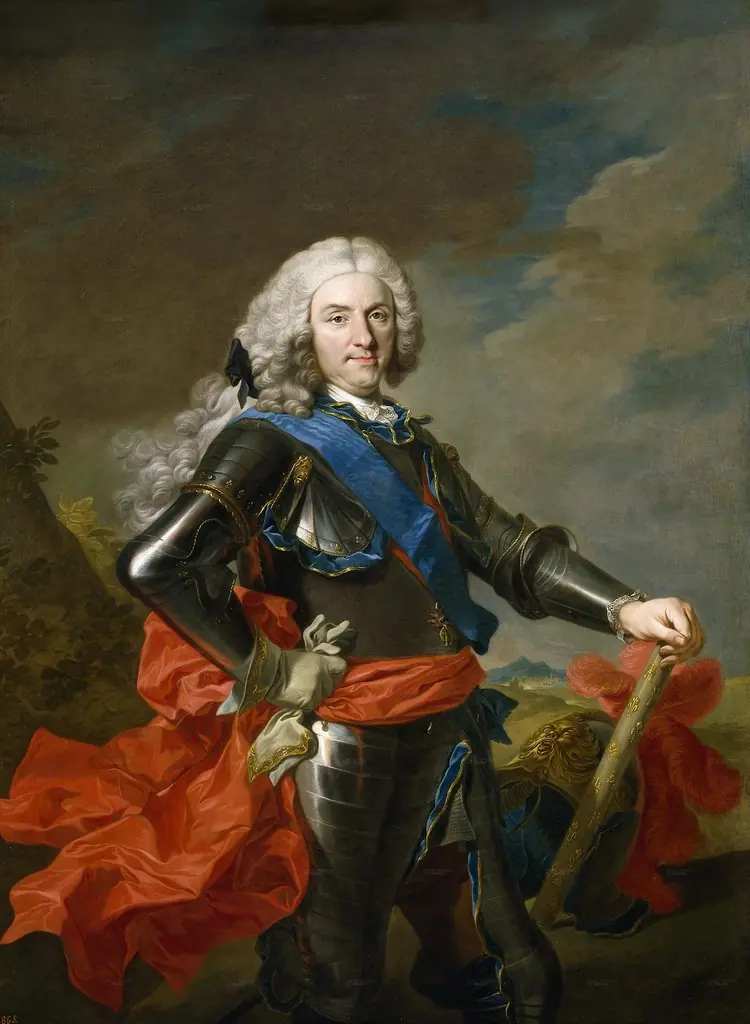
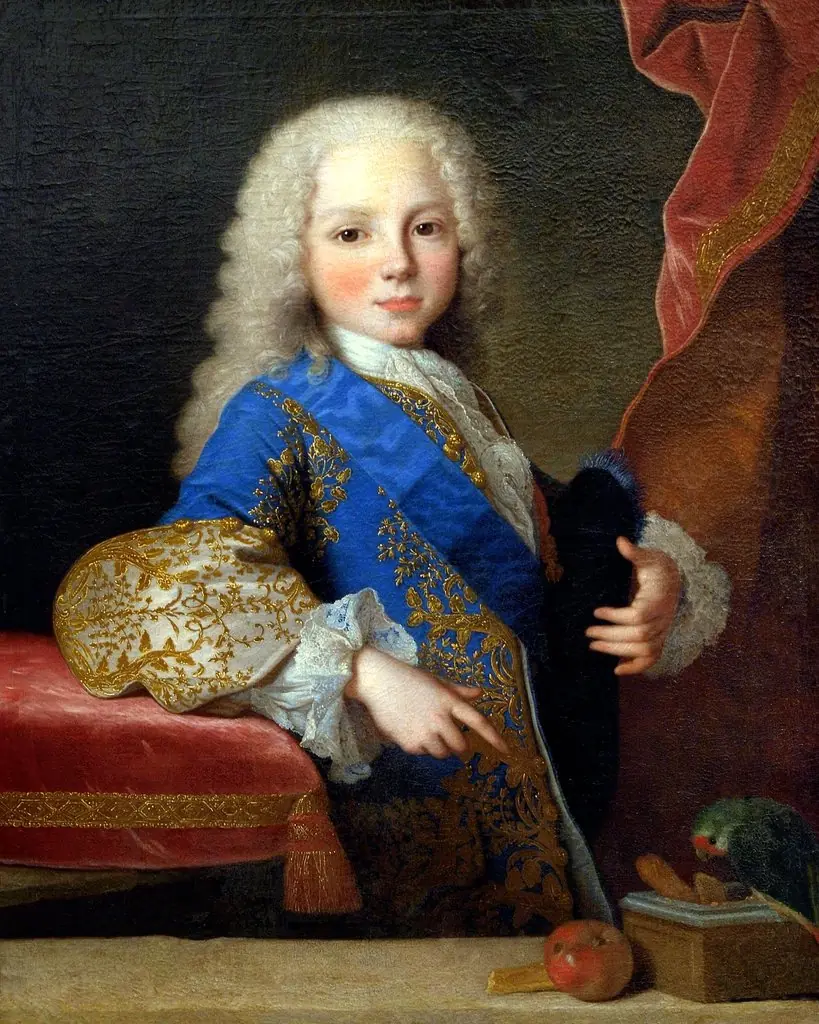
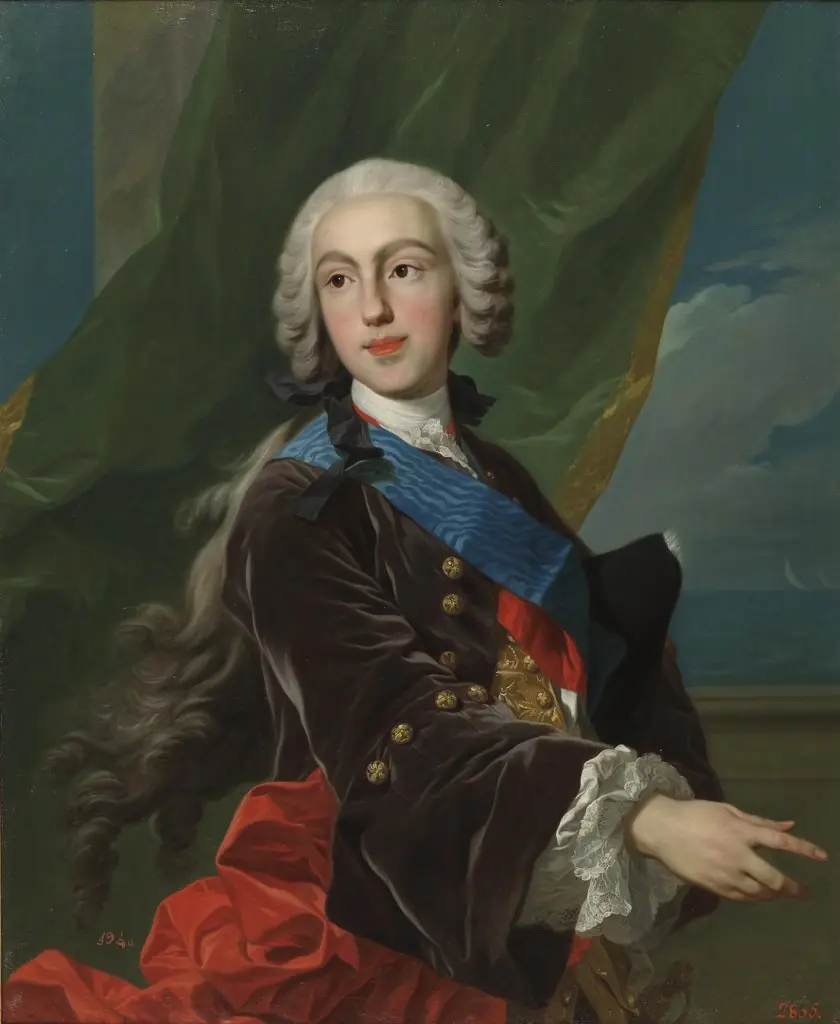
Felipe de Borbón y Farnesio, future Duke of Parma is an oil painting by the Rococo painting artist Jean Ranc. It dates from 1701 and is held in the collection of the Museo del Prado.
About this work
Subject & Meaning
These prestigious chivalric decorations symbolize his high standing within European royalty and his connection to powerful dynastic traditions.
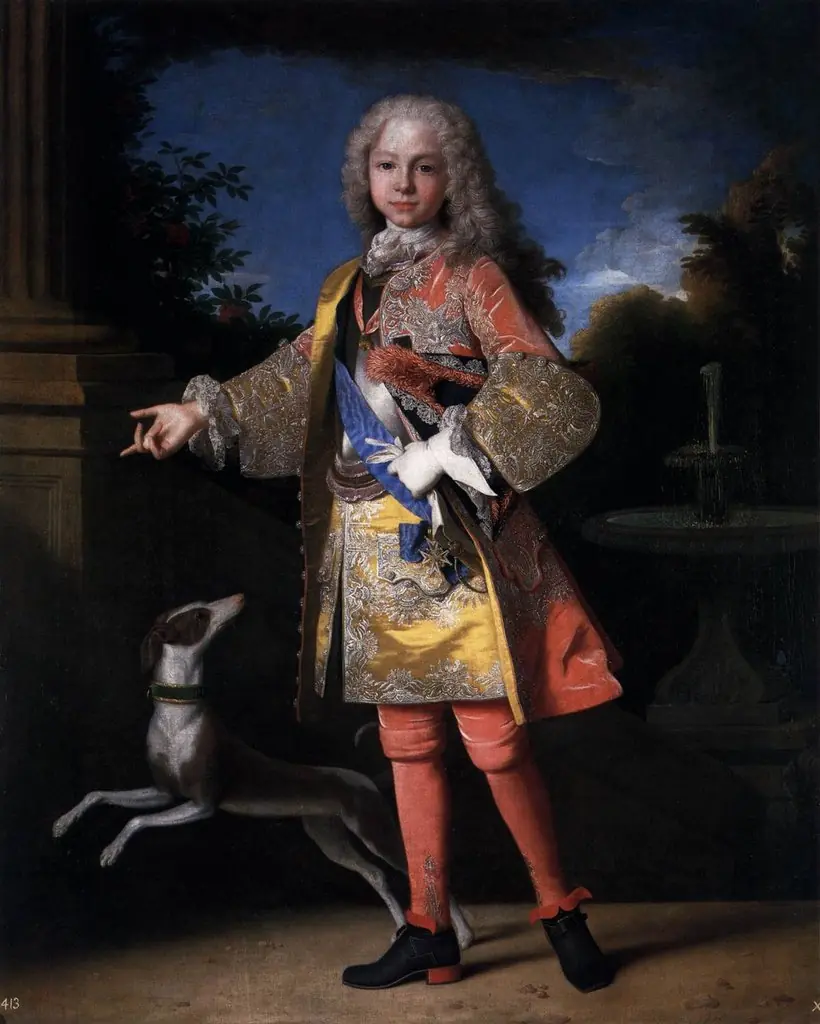
The portrait depicts Felipe de Borbón y Farnesio, who would later become the Duke of Parma. The work's iconography emphasizes his royal status and future authority through specific attributes. He is shown holding a book and a glove, objects that traditionally signify education, governance, and noble rank.
Furthermore, the composition includes the insignia of the Order of the Holy Spirit and the Order of the Golden Fleece. These prestigious chivalric decorations symbolize his high standing within European royalty and his connection to powerful dynastic traditions. Together, these elements construct an image of the subject not merely as a child, but as a legitimate heir prepared for leadership.
Technique & Style
Executed in oil paint on canvas, this portrait by Jean Ranc measures 105 cm in height and 84 cm in width. The composition formally depicts the subject adorned with the insignia of the Order of the Holy Spirit and the Golden Fleece. Stylistically, the handling of the medium captures specific attributes of status, including a book and a glove held by the figure. The work is currently held in the collection of the Museo del Prado.
History & Provenance
Jean Ranc executed this oil-on-canvas portrait in 1701, depicting Felipe de Borbón y Farnesio, the future Duke of Parma. The work measures 105 cm in height and 84 cm in width. While some records suggest an inception date as late as 1750, the authoritative date for the artwork's creation is established as 1701.
The painting currently resides in the collection of the Museo del Prado, where it is preserved as part of their holdings.
The portrait of Felipe de Borbón y Farnesio by Jean Ranc is held in the collection of the Museo del Prado in Madrid. The work, executed in oil on canvas, measures 105 cm in height and 84 cm in width. While the painting's inception is variously recorded as 1701 or 1750 within available records, its current location remains the primary documented fact regarding its history.
No specific inventory numbers or details regarding past exhibitions for this particular work are provided in the available sources.
Context
The painting Felipe de Borbón y Farnesio, future Duke of Parma, attributed to Jean Ranc and dated 1701, was housed at the Museo del Prado in Madrid, forming part of the museum's collection. It is an oil on canvas work measuring 84 cm in width and 105 cm in height, depicting symbolic items associated with the Order of the Holy Spirit and the Golden Fleece alongside books and gloves, reflecting contemporary Spanish aristocratic and political themes. Scholarship situates the work within Ranc's broader oeuvre of court portraiture, emphasizing its role in documenting Bourbon dynastic ambitions during the early eighteenth century.
The composition's iconography and technical execution have been analyzed in relation to Spanish Baroque painting traditions, though specific critical reception details remain sparse in available documentation.
Legacy
The portrait of Felipe de Borbón y Farnesio, painted by Jean Ranc in 1701, became a reference model for later depictions of Spanish royalty, influencing court portraiture across 18th-century Europe. Its composition and symbolic elements, such as the Order of the Holy Spirit and the Golden Fleece, established visual conventions adopted by subsequent artists portraying Bourbon heirs. The work’s presence in the Museo del Prado’s collection has ensured continued scholarly attention, reinforcing the sitter’s legacy as both a political figure and an artistic icon.
Overview
Jean Ranc’s 1701 oil portrait captures the future Duke of Parma, Felipe de Borbón y Farnesio, in an elaborate courtly pose. The young aristocrat is seated on a red upholstered chair, his hand resting on a white glove, while a distant landscape is visible through a window behind him. The composition emphasizes his status through sumptuous attire and decorative insignia.
Own this work as a print
Artist & collection
Artist
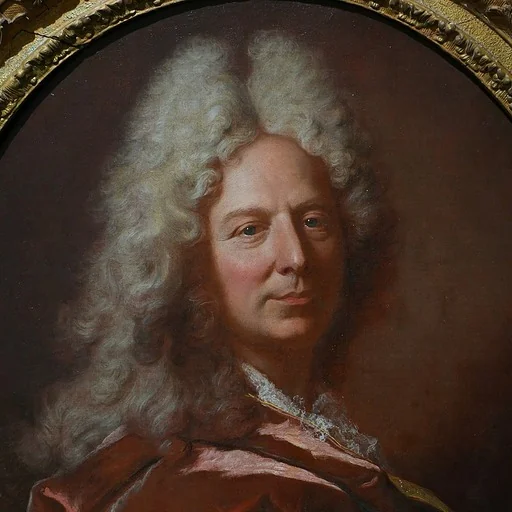
Jean Ranc (28 January 1674 – 1 July 1735) was a French painter, mainly active in portraiture.