Artwork
Fernando de Borbón y Saboya príncipe de Asturias (futuro Fernando VI de España)
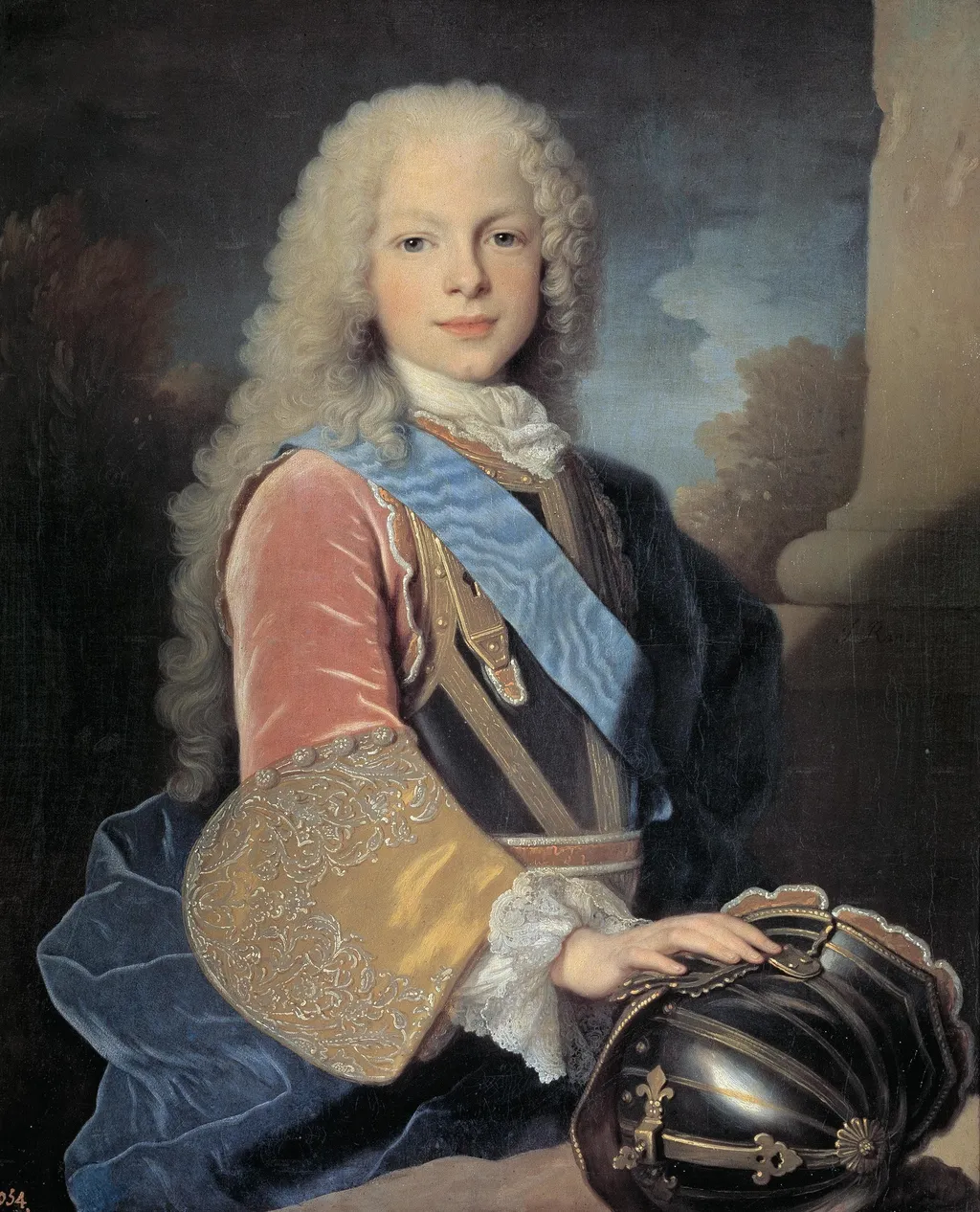
Fernando de Borbón y Saboya príncipe de Asturias (futuro Fernando VI de España) is an oil painting by the Rococo painting artist Jean Ranc. It dates from 1725 and is held in the collection of the Museo del Prado.
About this work
Subject & Meaning
A distinctive element of the iconography is the inclusion of a combat helmet alongside the sitter, symbolizing his future role as a monarch and warrior.
The painting depicts Fernando de Borbón y Saboya, who later became King Fernando VI of Spain, during his youth as the Prince of Asturias. Created in 1725 by Jean Ranc, the work presents the young royal in a formal portrait format. A distinctive element of the iconography is the inclusion of a combat helmet alongside the sitter, symbolizing his future role as a monarch and warrior.
This attribute suggests the expectation of martial leadership and royal duty associated with the Spanish crown at the time. The composition focuses on the main subject to emphasize his status and the responsibilities awaiting him as heir to the throne.
Technique & Style
The work is an oil painting on canvas measuring 75 cm in height and 62 cm in width. Executed in 1725, it depicts the future king Ferdinand VI of Spain wearing a combat helmet. The formal composition employs a restrained palette and precise rendering typical of early 18th‑century Spanish court portraiture, emphasizing the sitter's dignified presence through careful handling of light and drapery.
History & Provenance
Jean Ranc executed this oil-on-canvas portrait in 1725, depicting Ferdinand VI of Spain while he was still the Prince of Asturias. The work measures 75 cm in height and 62 cm in width. Historical records identify the sitter wearing a combat helmet, a specific iconographic choice for the royal portrait.
The painting eventually entered the collection of the Museo del Prado in Madrid, where it remains housed today under the inventory number P002335.
The portrait Fernando de Borbón y Saboya príncipe de Asturias (futuro Fernando VI de España) has been held by the Museo del Prado in Madrid since its accession into the museum's collection. It is inventoried under the reference number P002335.
The painting has been part of the Prado's permanent collection and has been exhibited there as a key representation of Jean Ranc's portraiture. Its display has contributed to the museum's holdings of 18th-century Spanish royal portraiture, reflecting the institution's focus on European court art.
Context
The portrait of Ferdinand VI as Prince of Asturias, painted by Jean Ranc in 1725, reflects the diplomatic and artistic ambitions of the Spanish court during the Bourbon consolidation of power. As a work within the broader trajectory of Ranc's career, it illustrates the transmission of French court portraiture into Iberian contexts, aligning with scholarly analyses of 18th-century transnational artistic exchange. The painting's formal composition and regal iconography underscore the heir's political positioning within the Spanish succession, a theme explored in recent studies of Bourbon visual propaganda.
Its presence in the Museo del Prado's collection, alongside other court portraits by Ranc, enables comparative examination of stylistic continuities and shifts in royal imagery across the mid-18th century.
Legacy
The portrait of the future king by Jean Ranc entered the Museo del Prado collection shortly after its creation and has remained on display in the museum’s Spanish Golden Age portrait gallery. Art historians cite the work as an early example of court portraiture that influenced later depictions of Bourbon monarchs, and it continues to be reproduced in scholarly catalogues of 18th‑century Spanish art.
The painting’s composition, showing the prince in a combat helmet, set a visual precedent for portraying Spanish royalty as both martial and learned, a motif that resurfaced in 19th‑century historiographical works and modern exhibitions on the Bourbon dynasty.
Overview
Jean Ranc’s 1725 oil portrait presents the future Ferdinand VI of Spain as a young prince of the House of Bourbon. Executed on canvas in a Rococo idiom, the work shows the heir in elaborate court dress, his left hand resting on a gleaming metal helmet against a subdued, shadowed backdrop.
Own this work as a print
Artist & collection
Artist
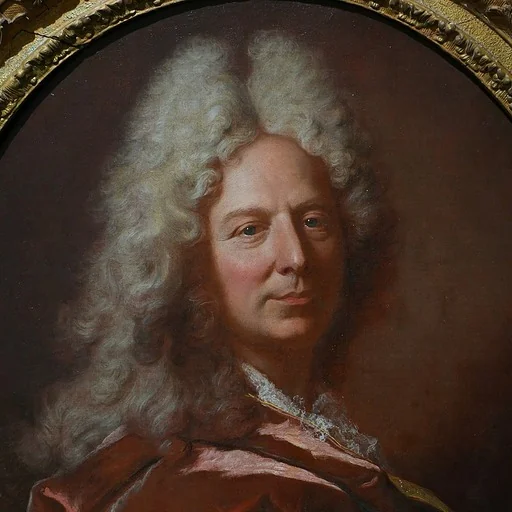
Jean Ranc (28 January 1674 – 1 July 1735) was a French painter, mainly active in portraiture.

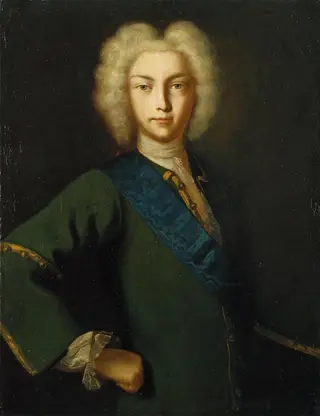 Portrait of Peter II
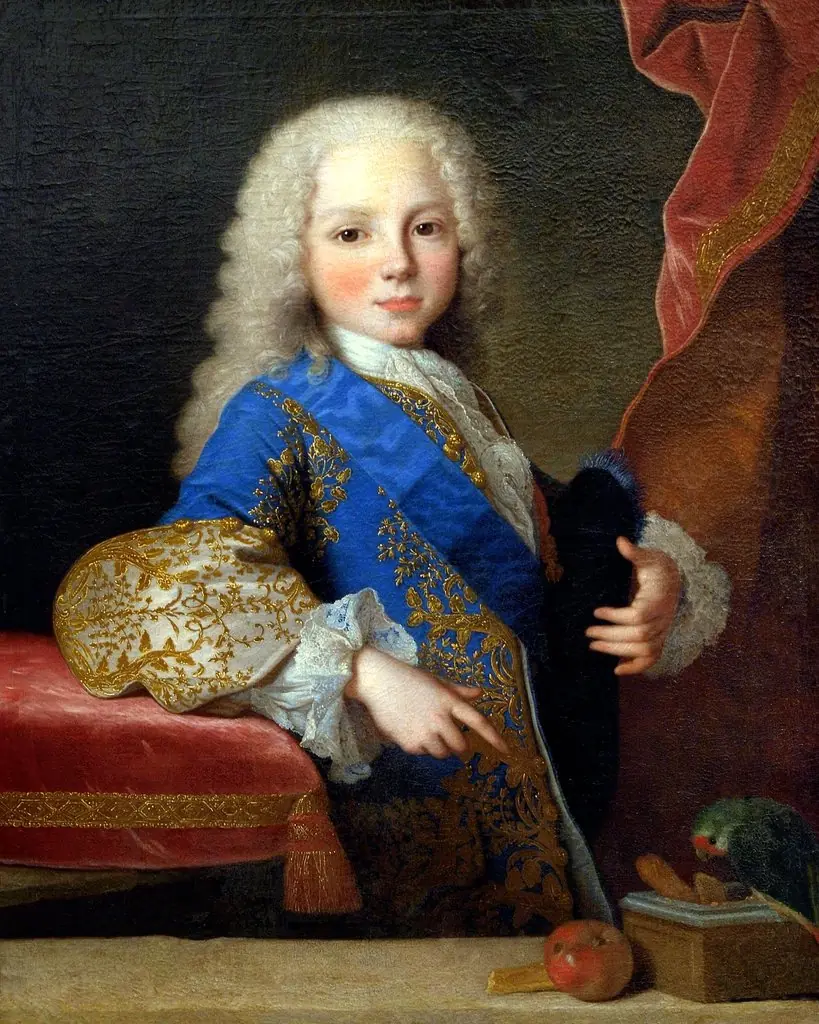 The Infant Philip of Bourbon, future Duke of Parma, Piacenza and Guastalla, in his childhood
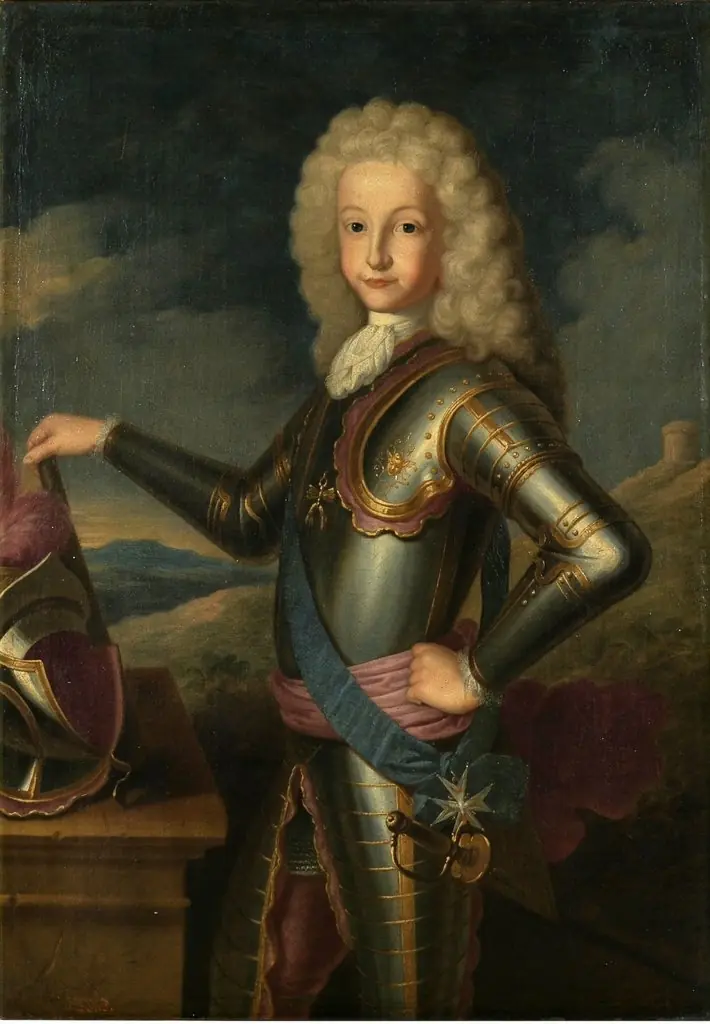 Luis I con armadura a los 10 años
 Ferdinando I of Parma
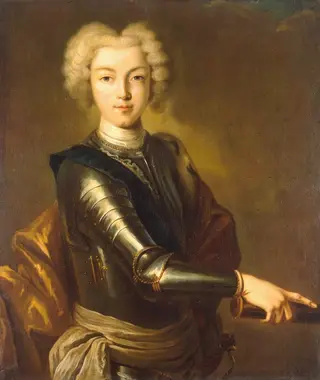 Portrait of Peter II
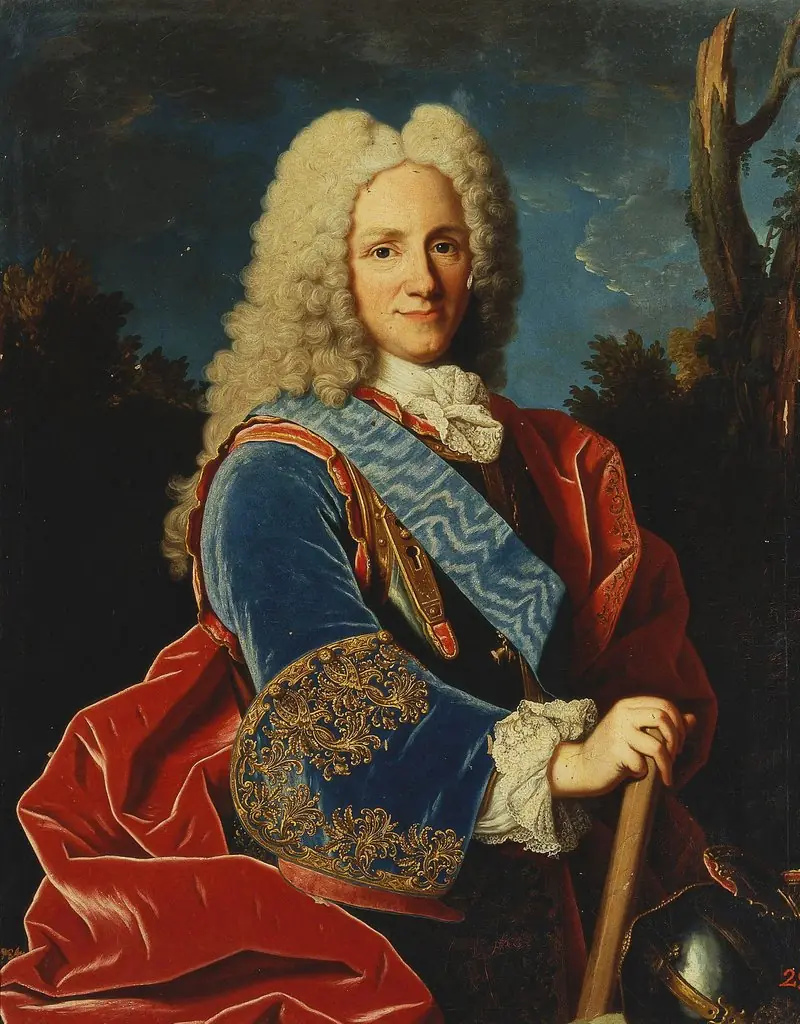 Philip V, King of Spain
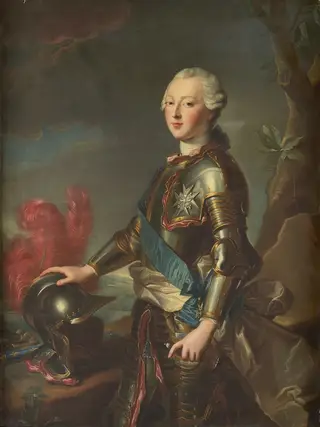 Louis V-Joseph de Bourbon, VIIIe prince de Condé
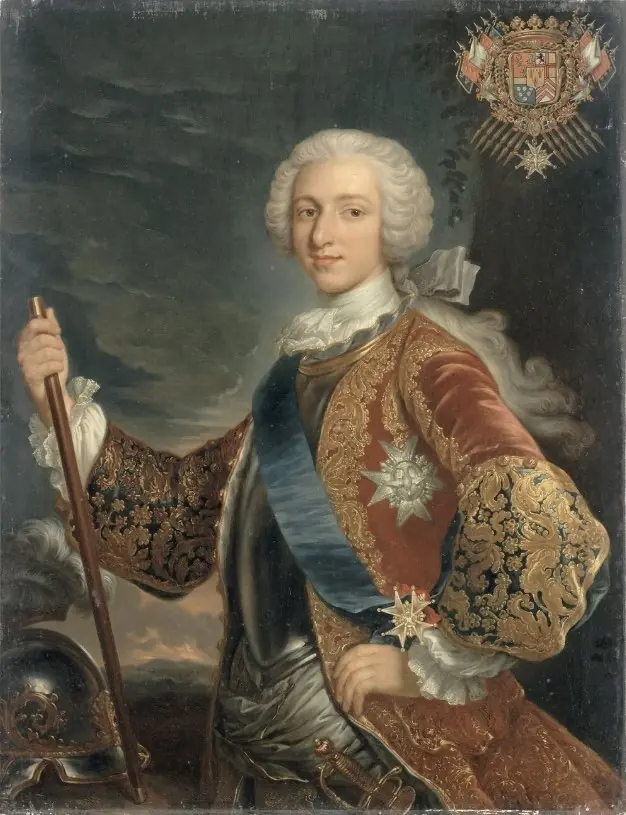 Anne-Louis de Thiard, marquis de Bissy (1715-1748), maître de camp général de la cavalerie en 1748
 The Dauphin Louis de Bourbon
 Portrait of Peter II
- Fernando VI rey de España