Artwork
Geheimeråd Henrik Hielmstierne
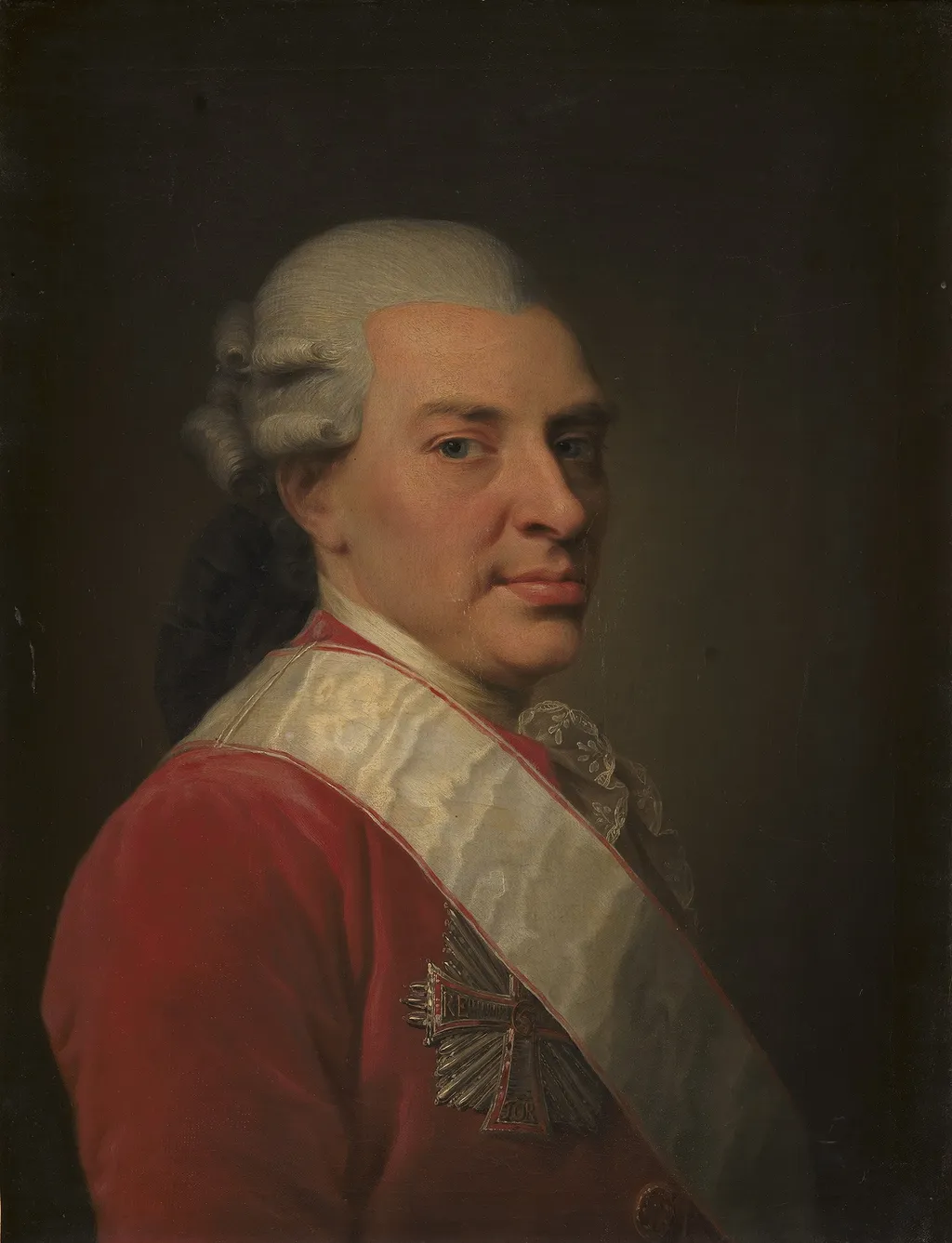
Geheimeråd Henrik Hielmstierne is an oil painting by the Rococo painting artist Jens Juel. It dates from 1790 and is held in the collection of the Statens Museum for Kunst.
About this work
Overview
Geheimeråd Henrik Hielmstierne is an oil-on-canvas portrait painted by the Danish artist Jens Juel in 1780.
Geheimeråd Henrik Hielmstierne is an oil-on-canvas portrait painted by the Danish artist Jens Juel in 1780. Measuring 64.5 by 50 centimeters, the bust-length depiction of a Danish statesman is now held in the collection of the Statens Museum for Kunst, the National Gallery of Denmark. The work exemplifies Juel's reputation as the leading Danish portrait painter of the eighteenth century, demonstrating the refined technique and psychological acuity that secured his dominance in aristocratic portraiture during the Danish Golden Age.
Subject & Meaning
The portrait represents Henrik Hielmstierne, identified by his title Geheimeråd, a senior governmental position indicating his status as a privy councillor in the Danish administration. The sitter is turned three-quarters to the right, his composed gaze directed slightly rightward, projecting the dignified restraint expected of statesmen in this period. His powdered white wig, rolled in curls above the ears with a dark queue behind, signals adherence to aristocratic fashion. The most significant iconographic element is the silver breast star pinned to his crimson coat, shaped as a radiating cross with visible lettering. This badge denotes his affiliation with an order of chivalry, transforming a religious symbol into a marker of secular honor and royal service. The cream-colored collar or sash trimmed with red, combined with the delicate white lace cravat, further emphasizes his elevated social position. The plain, dark brownish-black background eliminates distraction, focusing attention entirely on the sitter's face and the insignia of his rank.
Technique & Style
Juel executed the portrait in oil on canvas with a smooth, highly finished surface characteristic of his academic training and French-influenced technique. The lighting falls from the left, illuminating the face, wig, and fabrics while allowing the right side to recede into softer shadow, a device that models the features with subtle three-dimensionality. The painter lavished particular attention on textural differentiation: the crisp silk of the crimson coat, the delicate openwork of the white lace cravat, the metallic gleam of the silver breast star, and the matte powder of the wig each receive distinct handling. The flesh tones are rendered with smooth, pale modulation, avoiding the more robust coloration seen in some contemporary British portraiture. The centered, formal composition adheres to conventions of European court portraiture, yet the directness of the sitter's engagement suggests Juel's particular gift for conveying individual character within established formulae.
History & Provenance
The portrait was painted in 1780, during the mature phase of Juel's career, four years before his election to the Danish Academy in 1782 and fifteen years before his appointment as director of that institution in 1795. The circumstances of its commission remain unrecorded in the available sources, though the work's scale and formality suggest it was likely commissioned by or for the sitter himself as a document of his official position. The painting entered the collection of the Statens Museum for Kunst, where it remains today. Its accession history and any exhibition record are not specified in the provided sources.
Context
Jens Juel emerged from modest origins as the illegitimate son of Vilhelmine Elisabeth Juel, raised in Gamborg on the island of Funen after his mother's marriage to schoolmaster Jørgen Jørgensen. His apprenticeship to Johann Michael Gehrman in Hamburg during the 1760s provided rigorous technical foundation, after which he moved to Copenhagen to attend the Royal Danish Academy of Art. His gold medal wins in 1767 and 1771 for Biblical subjects confirmed his early promise. By 1780, when he painted Hielmstierne, Juel had established himself as the preeminent portraitist in Denmark, with the largest collection of his works now displayed at Frederiksborg Castle. His position at the apex of Danish portraiture paralleled the cultural aspirations of the Danish nobility and bourgeoisie, who sought visual affirmation of their status through commissioned portraits. The Hielmstierne portrait thus participates in a broader project of constructing and recording elite identity in late eighteenth-century Denmark.
Legacy
The portrait's afterlife is primarily institutional rather than broadly cultural. As part of the Statens Museum for Kunst collection, it remains accessible to scholars and the public, contributing to the understanding of Juel's oeuvre and Danish portraiture of the period. The work has also entered the commercial reproduction market, with prints available through contemporary vendors. Within Juel's legacy as the dominant Danish portraitist of his century, individual works such as this one sustain his reputation for technical refinement and for capturing the bearing of the Danish elite. The painting's continued presence in the national collection ensures its role in ongoing narratives of Danish art and political history, even as specific scholarly attention to this particular portrait appears limited in the available sources.
Own this work as a print
Artist & collection
Artist
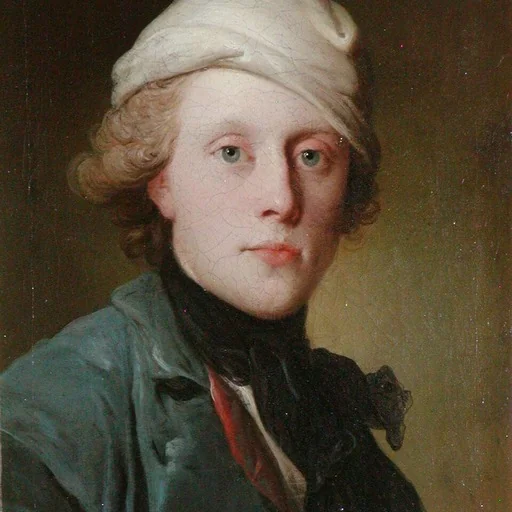
Jens Juel (12 May 1745 – 27 December 1802) was a Danish painter, primarily known for his many portraits, of which the largest collection is on display at Frederiksborg Castle.

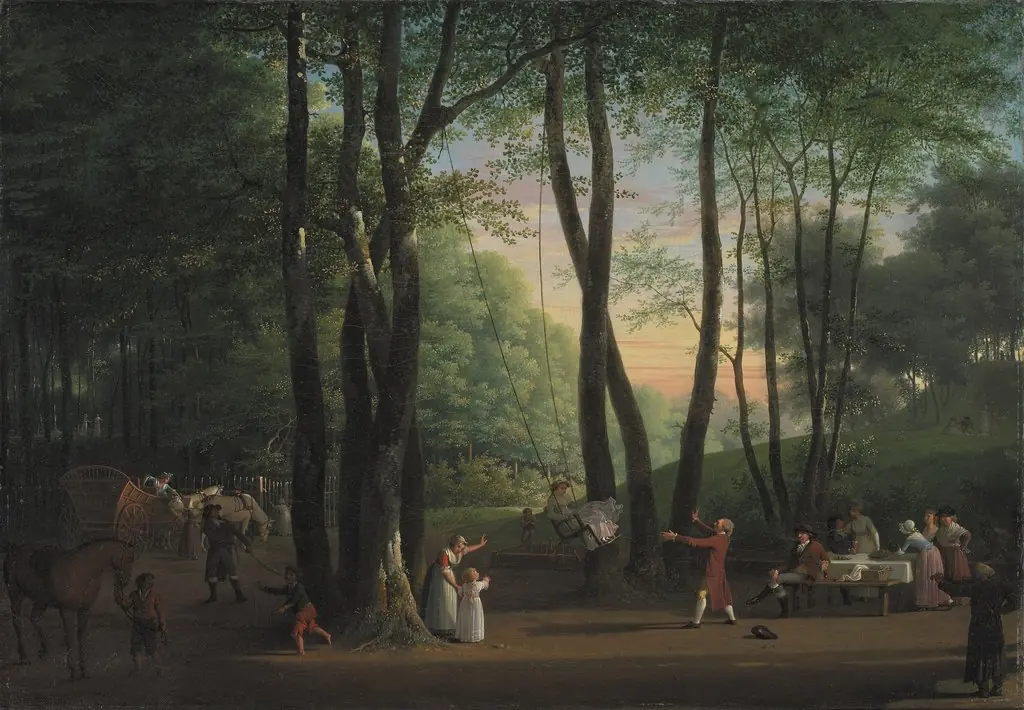 The Dancing Glade at Sorgenfri
 Kitchen Interior with a Girl Reading
 Niels Ryberg with his Son Johan Christian and his Daughter-in-Law Engelke, née Falbe
 An Autumn Landscape by the Rhine
 Flowers and Fruit on a Table
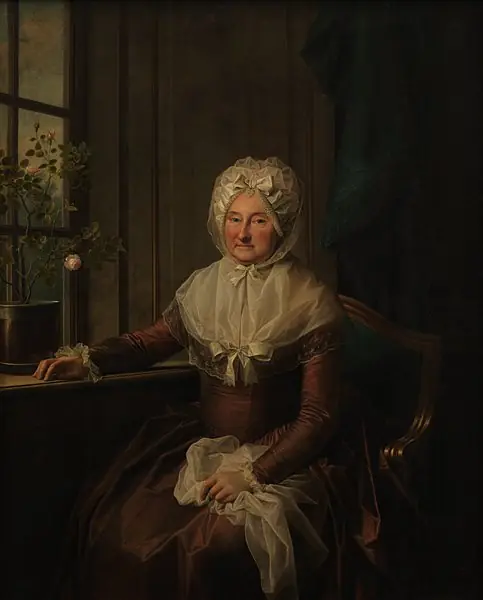 Countess Anna Joachima Danneskiold-Laurvigen, née Ahlefeldt
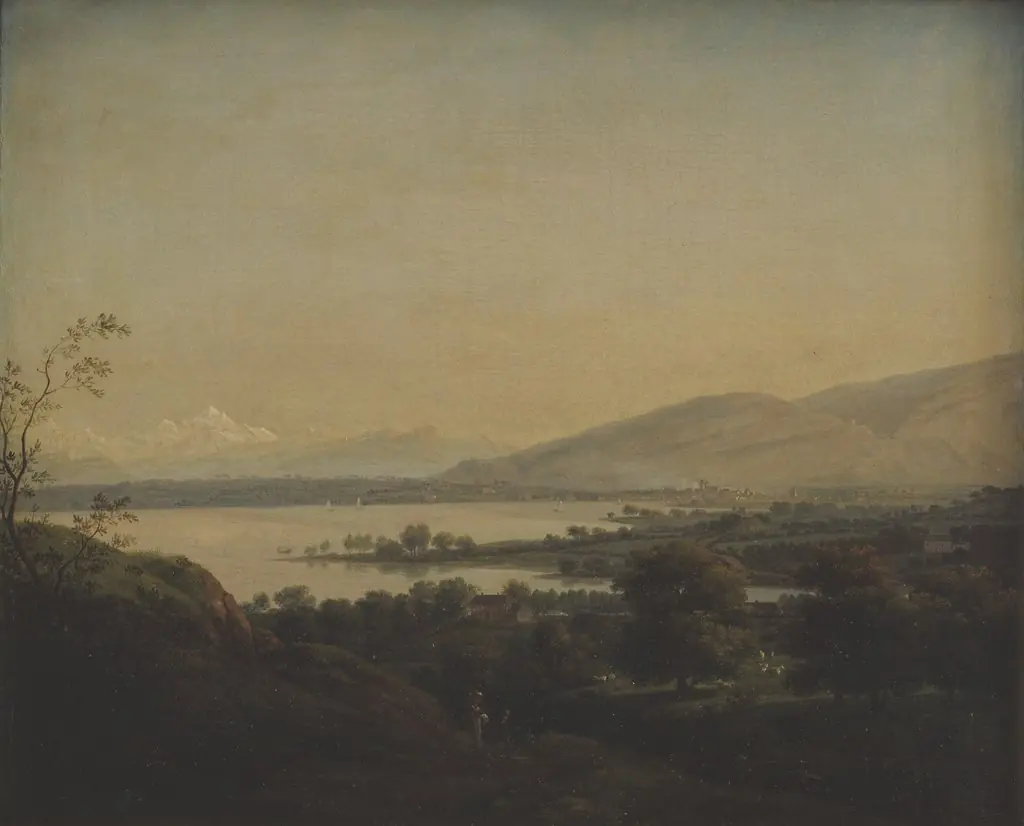 A View Across Lake Leman Towards Mont Blanc and Geneva
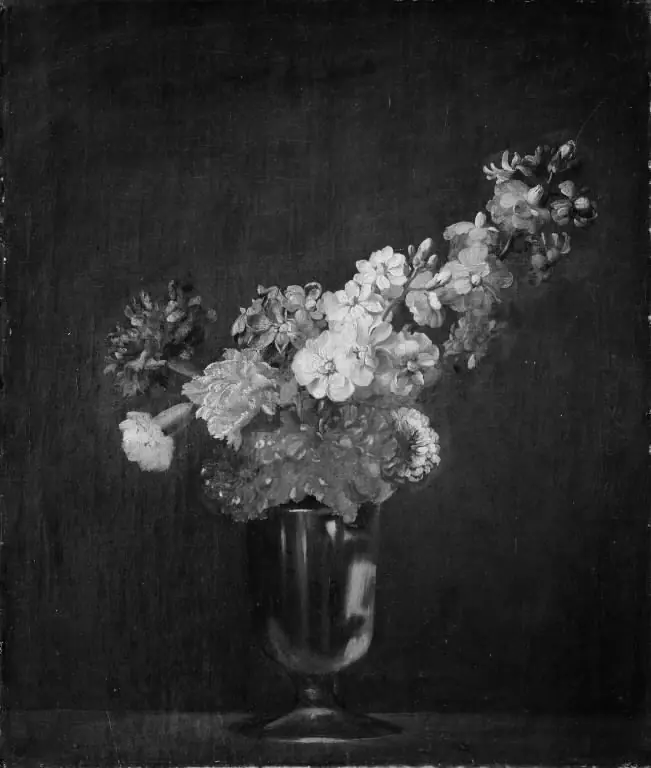 Stocks and Carnations
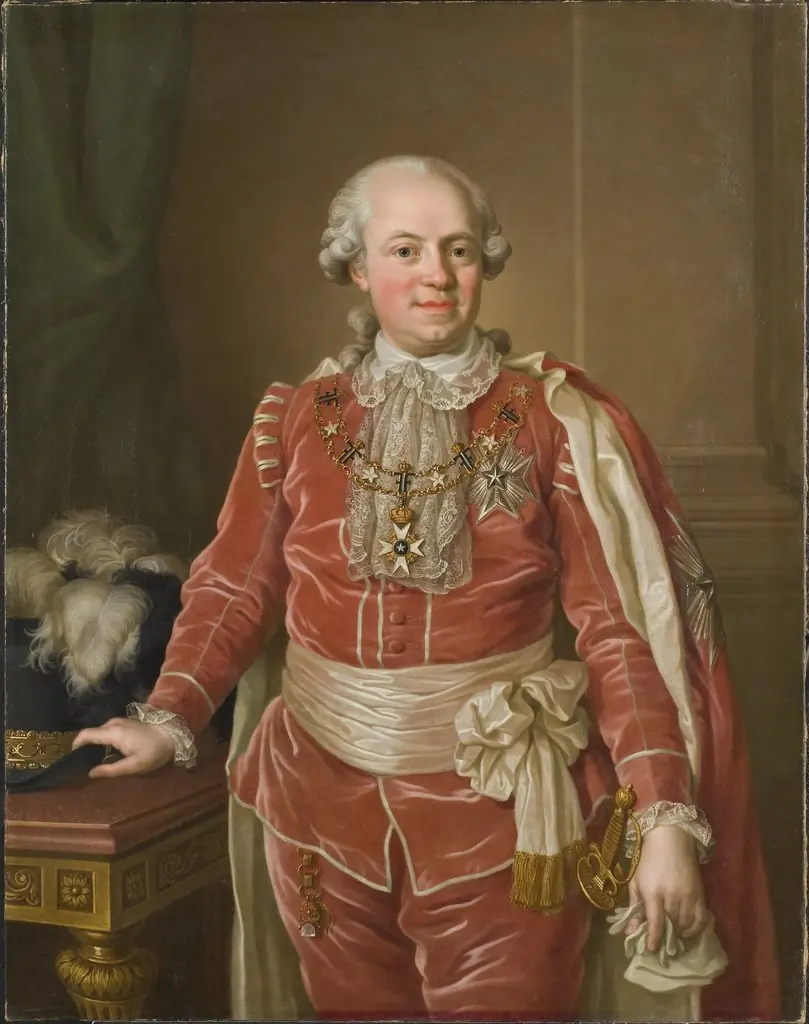 Samuel af Ugglas (1750-1812), greve, landshövding, överståthållare, kammarkollegiepresident, en av rikets herrar
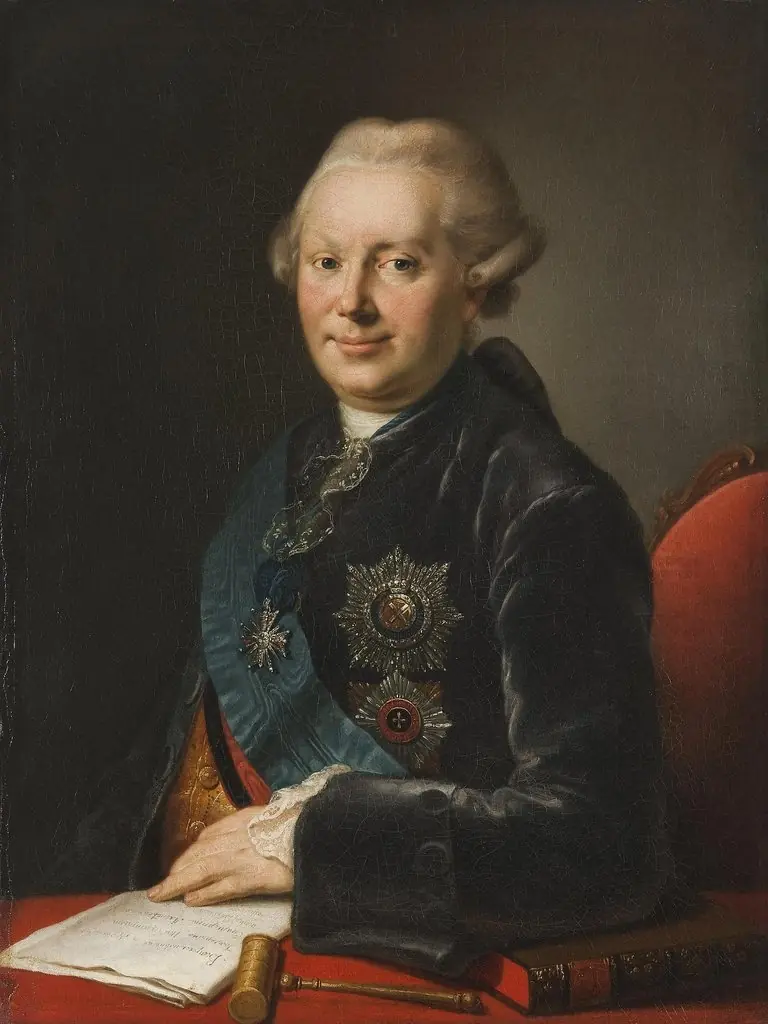 Portrait of Procurator-General Alexander Vyazemsky
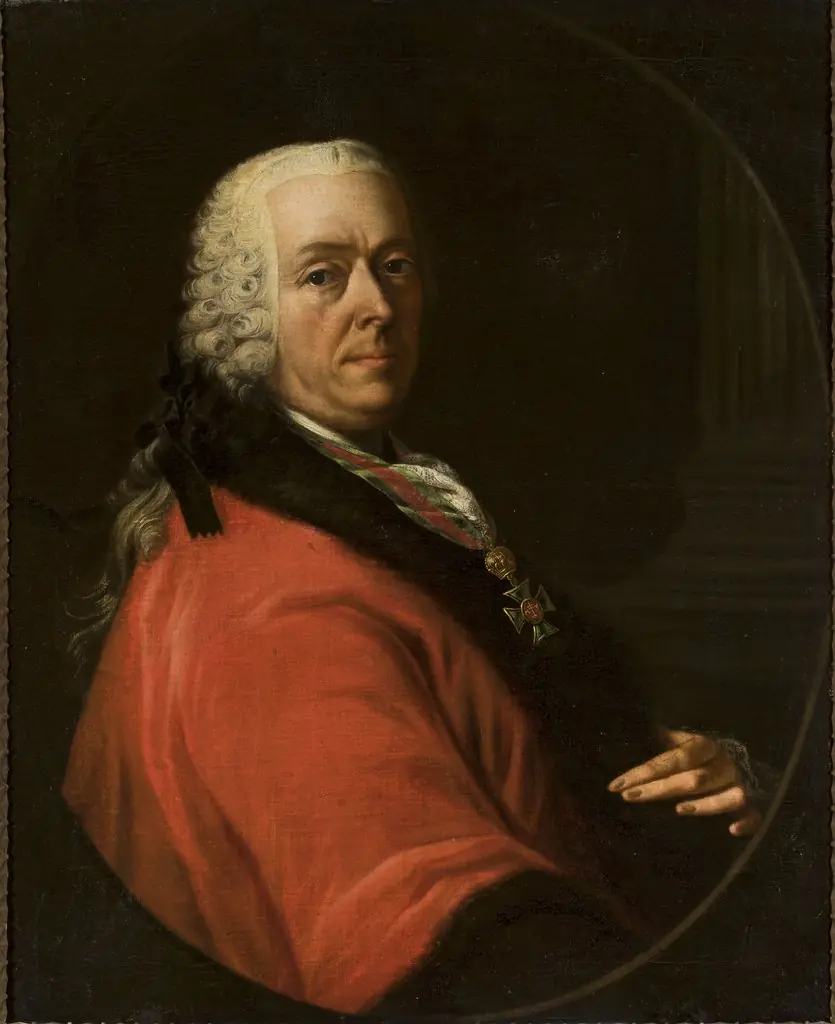 Portrait of count Gaspar Paris Anton
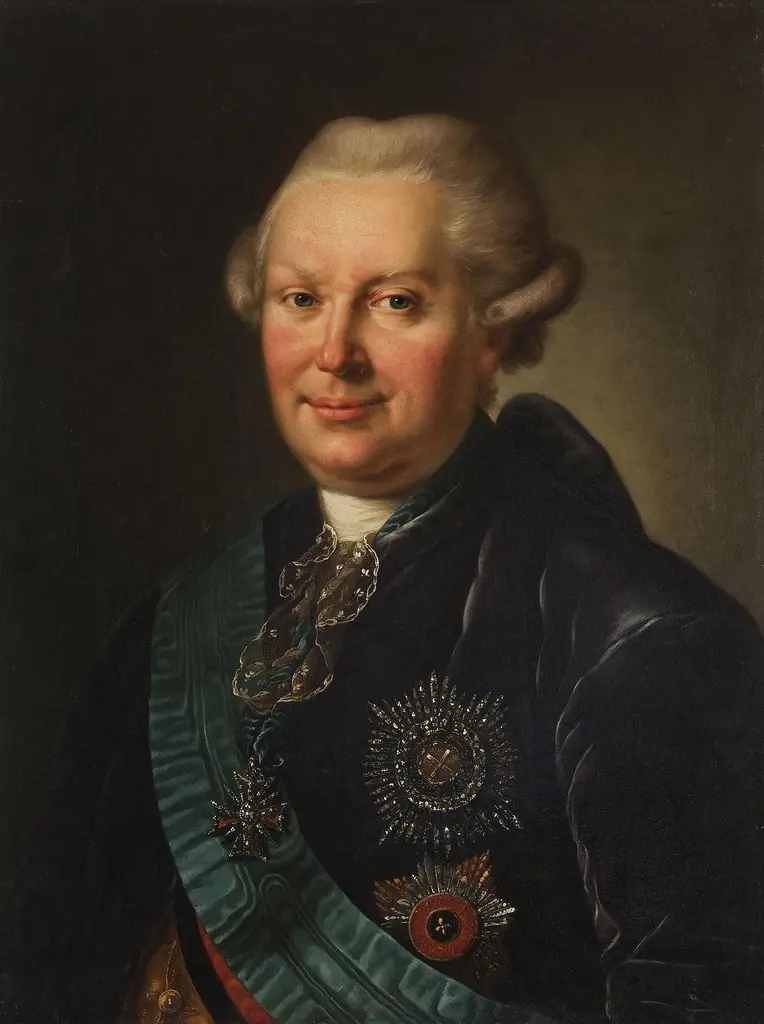 Portrait of Procurator-General Alexander Vyazemsky
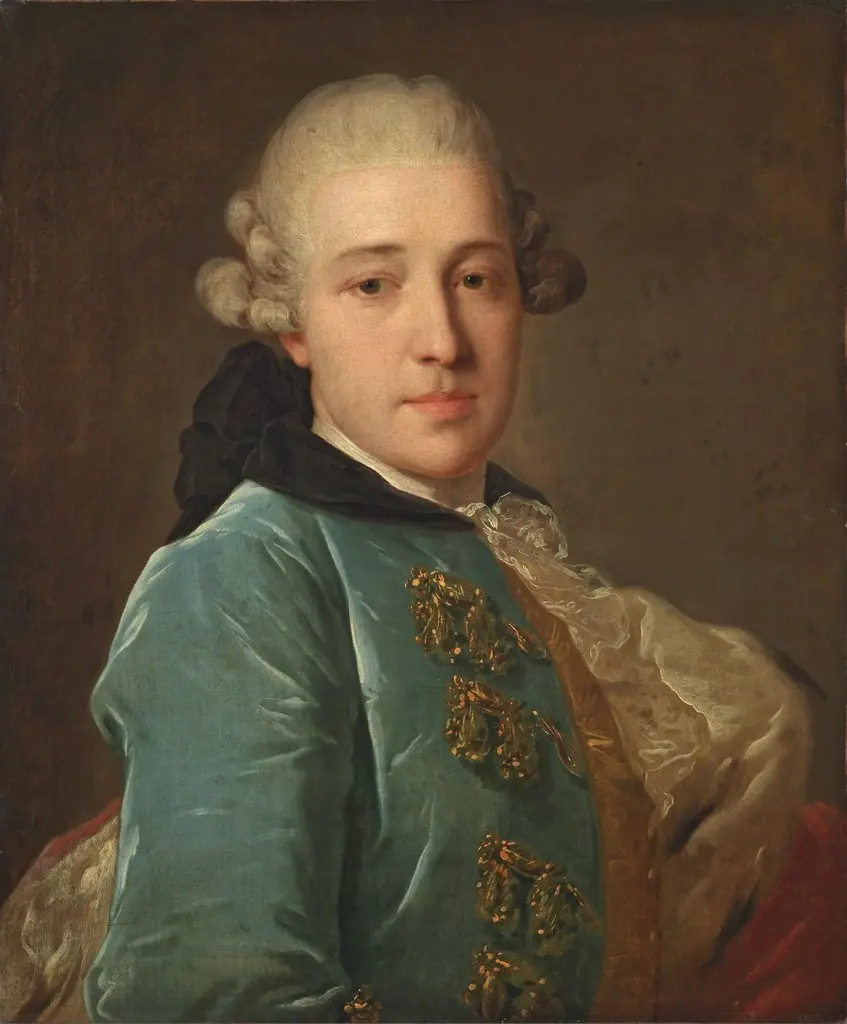 Portrait of Prince Dmitry Mikhailovich Golitsyn
 Paul Marie Victoire de Beauvilliers
 Portrait of Willem IV van Oranje-Nassau (1711-1751)
 Portrait of Gavrila Derzhavin
 Runoilija Gustaf Fredrik Gyllenborg
 Ritratto di Giovanni arciduca d'Austria (1782-1859)
 Împăratul Leopold II, Mare Duce de Toscana (în Registrul inventar: )
- Geheimeråd Henrik Hielmstierne