Artwork
The Dancing Glade at Sorgenfri
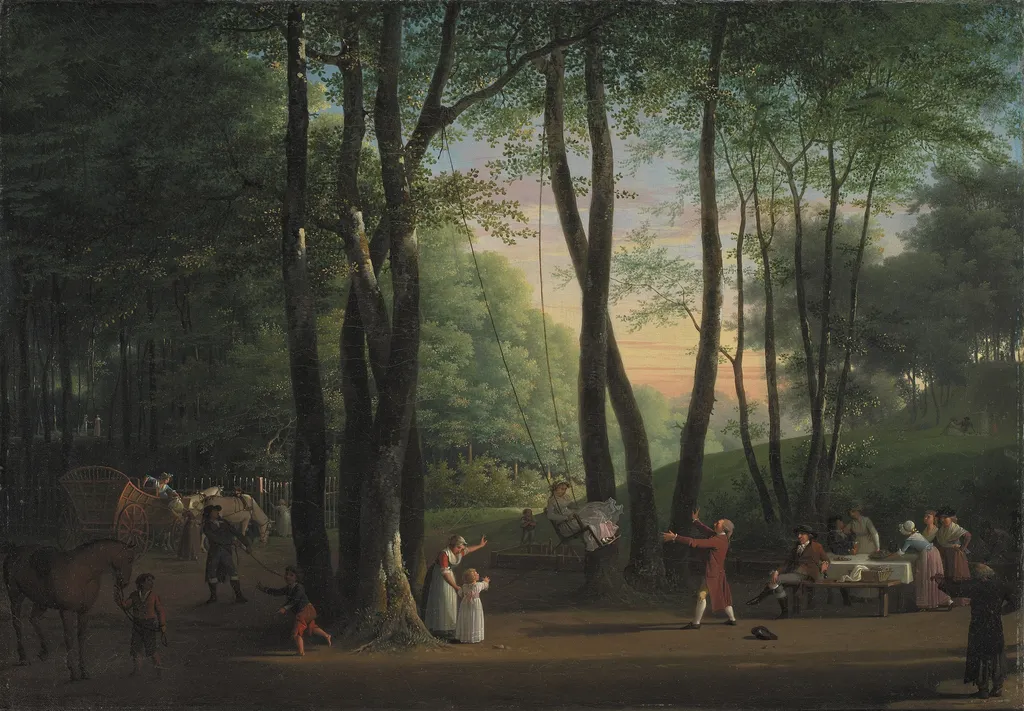
The Dancing Glade at Sorgenfri is an oil painting by the Neoclassicist artist Jens Juel. It dates from 1800 and is held in the collection of the Statens Museum for Kunst.
About this work
Subject & Meaning
The Dancing Glade at Sorgenfri depicts a pastoral gathering in a wooded clearing, populated by an array of figures and objects drawn from everyday rural life.
The Dancing Glade at Sorgenfri depicts a pastoral gathering in a wooded clearing, populated by an array of figures and objects drawn from everyday rural life. According to the Wikidata record, the painting shows a swing, horse, horse-drawn wagon, child, man, woman, tree, pipe, table, bench, tablecloth, bonnet, fence, and basket. Together these elements construct a scene of communal leisure: the swing and dancing figures suggest recreation, while the bench, table, and pipe evoke rest and social gathering.
The presence of children, women, and men, along with the horse-drawn wagon, situates the activity within a broader rural community outing. The wooded glade setting, framed by trees and a fence, reinforces an idyllic, pastoral character typical of Danish landscape painting of the period.
Technique & Style
The Dancing Glade at Sorgenfri is executed in oil paint on canvas, a standard medium for Jens Juel's easel paintings of this period. The work is relatively modest in scale, measuring 42 cm in height by 61 cm in width, and is held in the collection of the Statens Museum for Kunst. The horizontal format supports a multi-figure outdoor scene depicting a swing, a horse and horse-drawn wagon, children, men and women, trees, a table with a cloth, a bench, a fence, a basket, and a bonnet, with one figure shown smoking a pipe.
Such a densely populated genre landscape, combining figures, animals, and rustic furniture within a wooded clearing, reflects Juel's characteristic approach to naturalistic outdoor scenes rendered in oil.
History & Provenance
The Dancing Glade at Sorgenfri, an oil painting by Jens Juel from 1800, is held in the collection of the Statens Museum for Kunst. The work is documented on Wikidata as belonging to that museum's holdings, with no separate inventory or accession number provided in the available sources. No exhibition history is recorded in the supplied documentation.
Context
The Dancing Glade at Sorgenfri (1800) exemplifies Jens Juel’s neoclassical approach to genre scenes, combining precise draftsmanship with lyrical composition. Executed in oil on canvas and measuring 42 × 61 cm, the work entered the collection of the Statens Museum for Kunst, where it remains on view. Its iconography, featuring a swing, horse‑drawn wagon, and assorted figures, reflects Enlightenment‑era fascination with pastoral leisure while situating the painting within Danish artistic discourse of the late 18th century.
Scholarship highlights Juel’s role in bridging Danish Rococo tradition and the emerging Golden Age aesthetic, making this piece a reference point for studies of national identity in early 19th‑century painting.
Legacy
The Dancing Glade at Sorgenfri, painted by Jens Juel in 1800, entered the collection of the Statens Museum for Kunst and has remained on public display there. Its continued presence in a national museum underscores a lasting scholarly interest in Juel's neoclassical output and contributes to the painting's reputation as a representative example of Danish early-19th-century landscape art. By being featured in museum catalogues and exhibitions, the work maintains visibility that reinforces its legacy within the history of Scandinavian art, influencing subsequent interpretations of rural leisure scenes.
Overview
Jens Juel, a prominent Danish painter known primarily for his portraiture, created The Dancing Glade at Sorgenfri in 1800. This oil painting represents a departure from his usual subjects, instead capturing a vibrant outdoor gathering. Executed late in his career, the work depicts a group of individuals enjoying leisure in a sun-dappled forest setting, showcasing his skill beyond formal portrait commissions.
Own this work as a print
Artist & collection
Artist
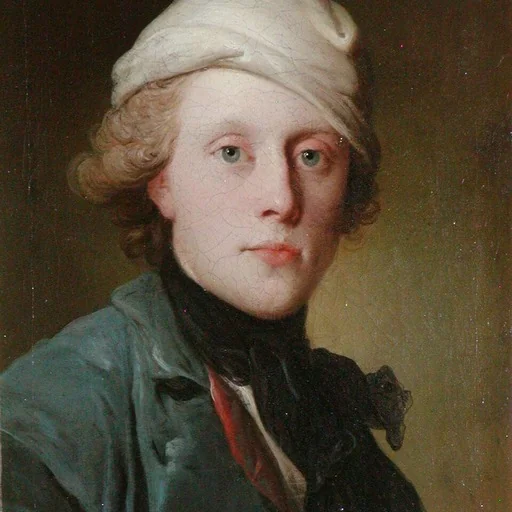
Jens Juel (12 May 1745 – 27 December 1802) was a Danish painter, primarily known for his many portraits, of which the largest collection is on display at Frederiksborg Castle.

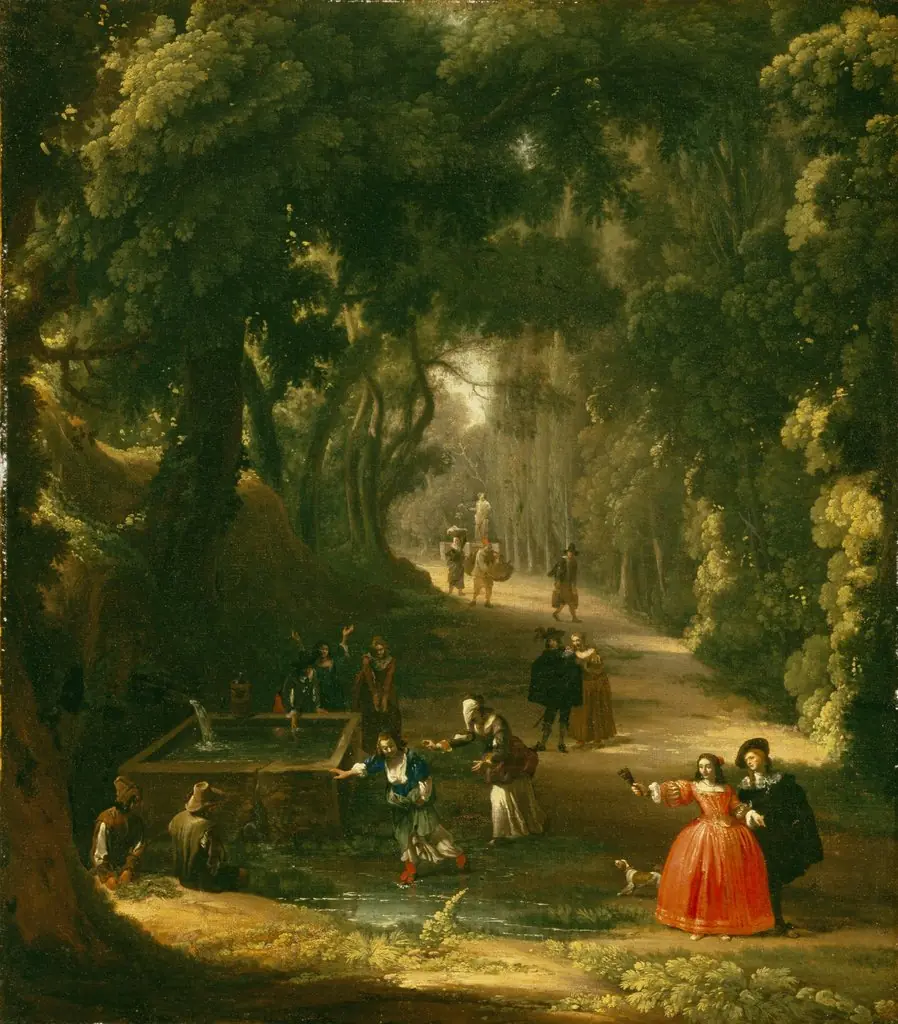 Blindman's Buff
 Music-Making Society in the Forest
 A Forest with Apollo and Daphne
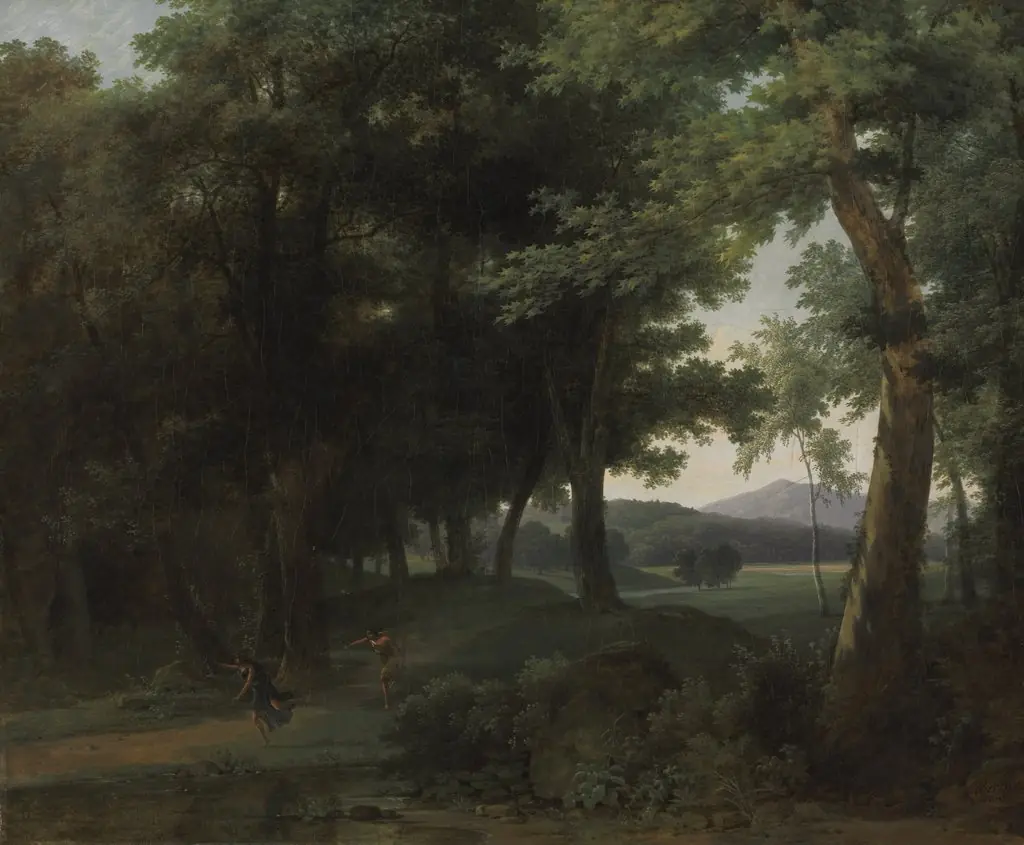 A Forest with Apollo and Daphne
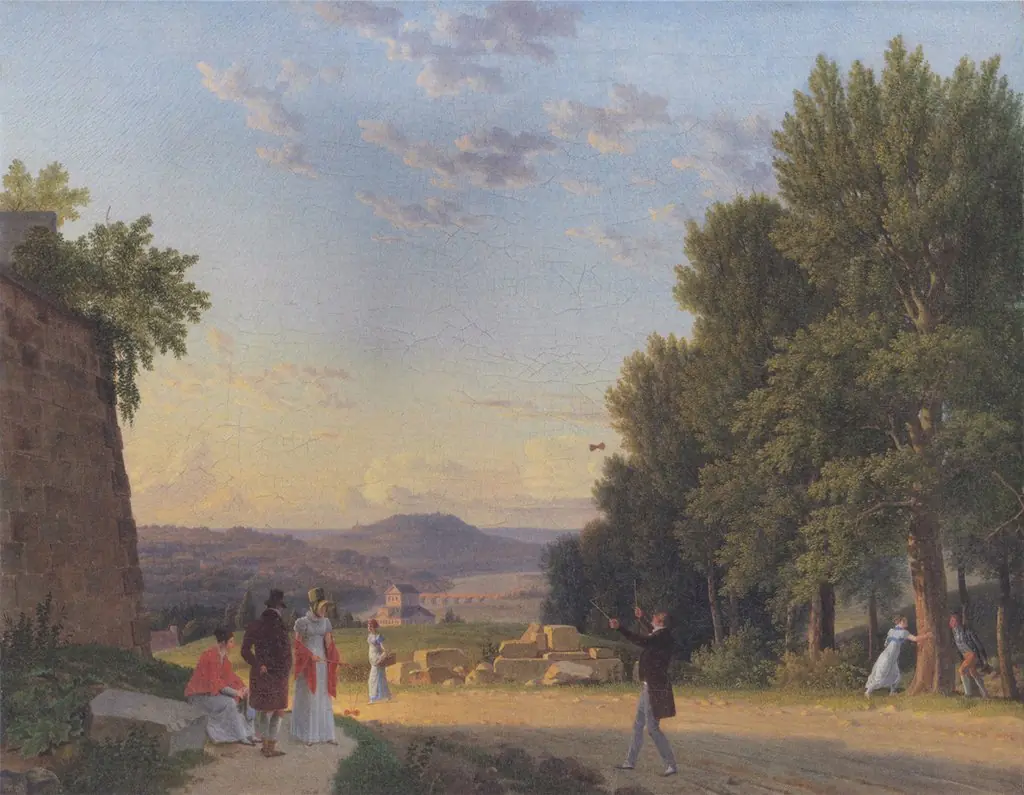 A View from the Château of Meudon
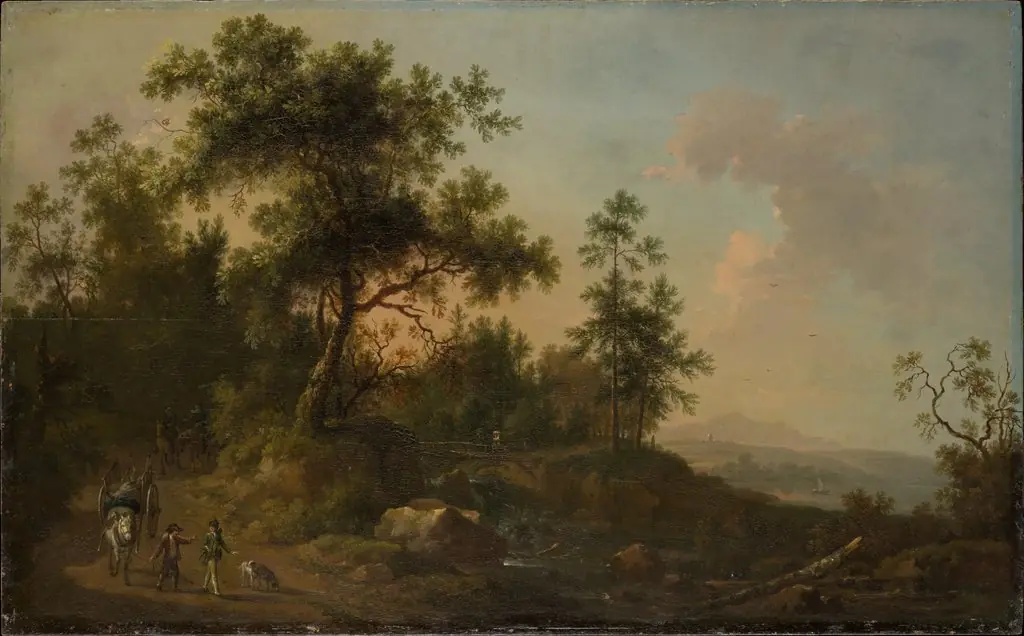 A Horsecart Leaving a Forest
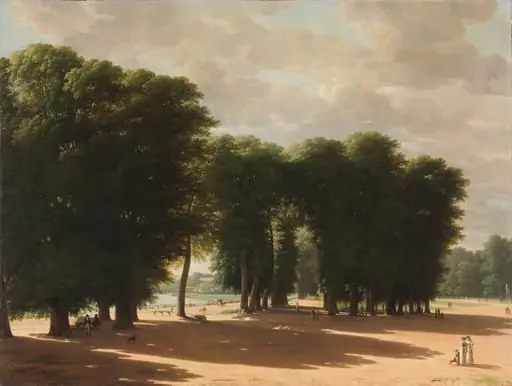 De ingang van het park van Saint-Cloud in Parijs
 Arcadisch landschap met musicerende en dansende herders
 Arcadisch landschap met linksvoor kinderen met een vogel en een hond
 A Coffee Party at a Gamekeeper's House
 The Herepad in the Haagse Bos
- The Dancing Glade at Sorgenfri, North of Copenhagen