Artwork
Mrs. John Dart
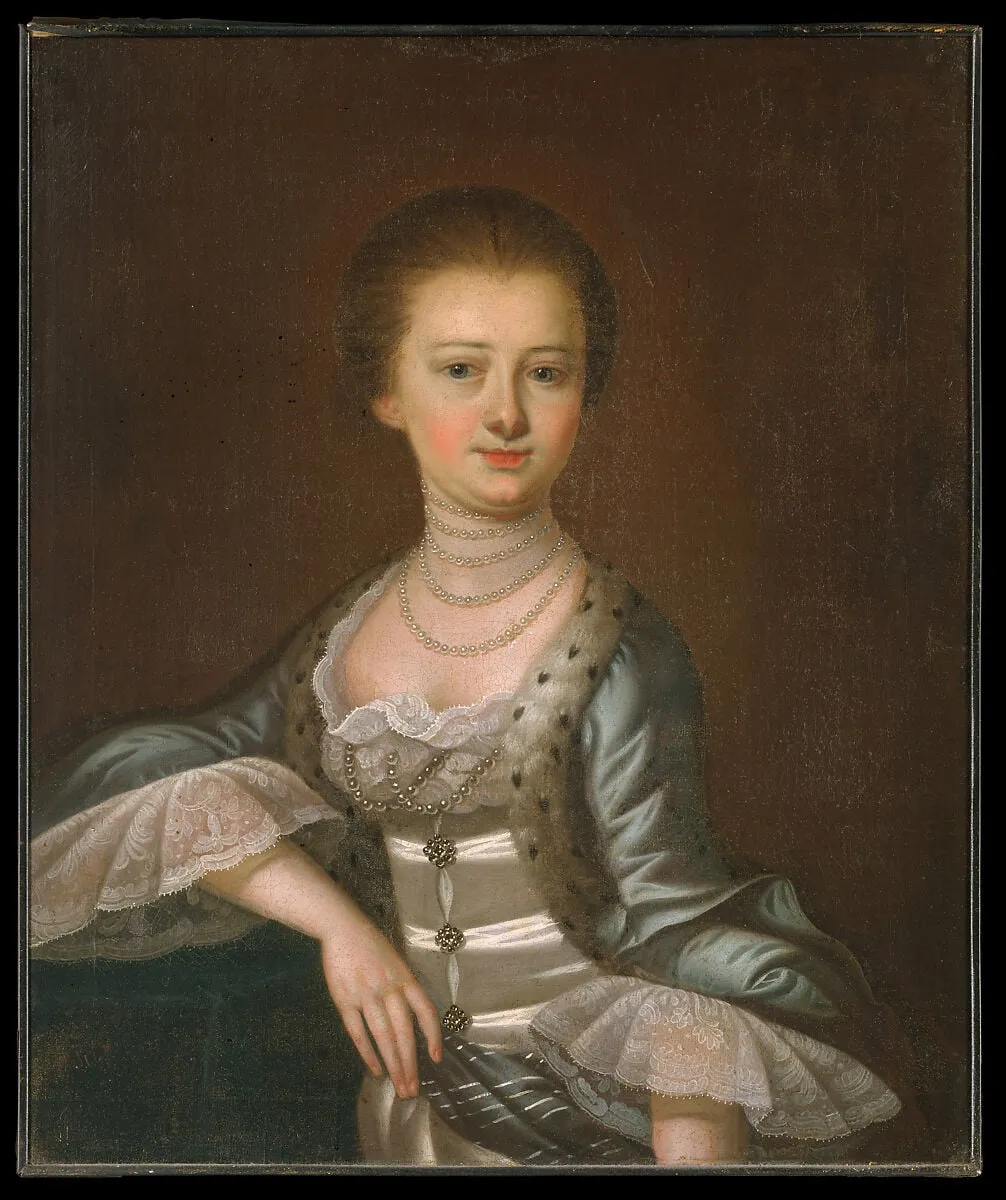
Mrs. John Dart is an oil painting by the Rococo painting artist Jeremiah Theus. It dates from 1773 and is held in the collection of the Metropolitan Museum of Art.
About this work
Overview
The subject wears a dark gown trimmed with lace, over which a white ermine stole is draped across her left shoulder, signifying wealth and status.
Painted in 1773 by Jeremiah Theus, Mrs. John Dart is a formal oil-on-canvas portrait depicting a woman seated in a three-quarter view against a neutral, dark background. The subject wears a dark gown trimmed with lace, over which a white ermine stole is draped across her left shoulder, signifying wealth and status. Her posture is rigid and upright, with one hand resting on a table to her right, a compositional device common in colonial portraiture to convey stability and dignity.
The lighting focuses on her face and the textures of her attire, minimizing background detail to emphasize the sitter's presence. Created in colonial South Carolina, this work exemplifies Theus's role as the leading portraitist in the region during the mid-18th century. The painting reflects the aspirations of the colonial elite, who sought to document their social standing through European-inspired artistic conventions adapted to the American context.
As one of the few surviving portraits from this period in the South, it serves as a significant historical document of the region's material culture and artistic development prior to the American Revolution.
Subject & Meaning
The portrait emphasizes the sitter's social standing through her elaborate costume. The ermine stole, draped over her shoulder, signified considerable wealth and prestige, as the fur was both costly and difficult to acquire in the colonies. Similarly, the intricate lace adorning her dress served as a clear indicator of affluence, being a handcrafted European import that required significant expense to obtain.
Context
Painted by Theus, this work originated in colonial South Carolina, a region where formal portraits of this nature were not common. The presence of such an artwork suggests a desire among the colonial elite to emulate European aristocratic traditions. The luxurious materials depicted, like European lace and ermine, underscore the transatlantic trade networks that supplied the colonies with symbols of status.
Technique & Style
The artist employed a direct and somewhat rigid style characteristic of colonial portraiture. The sitter's formal posture and the plain, undifferentiated background serve to highlight her figure and the details of her clothing. This compositional choice focuses the viewer's gaze on Mrs. Dart's face and the expensive textiles, underscoring her identity and social position rather than creating a narrative setting.
Artist & collection

Artist
Jeremiah Theus (né Theüs; April 5, 1716 – May 17, 1774) was a Swiss-born American painter, primarily of portraits.

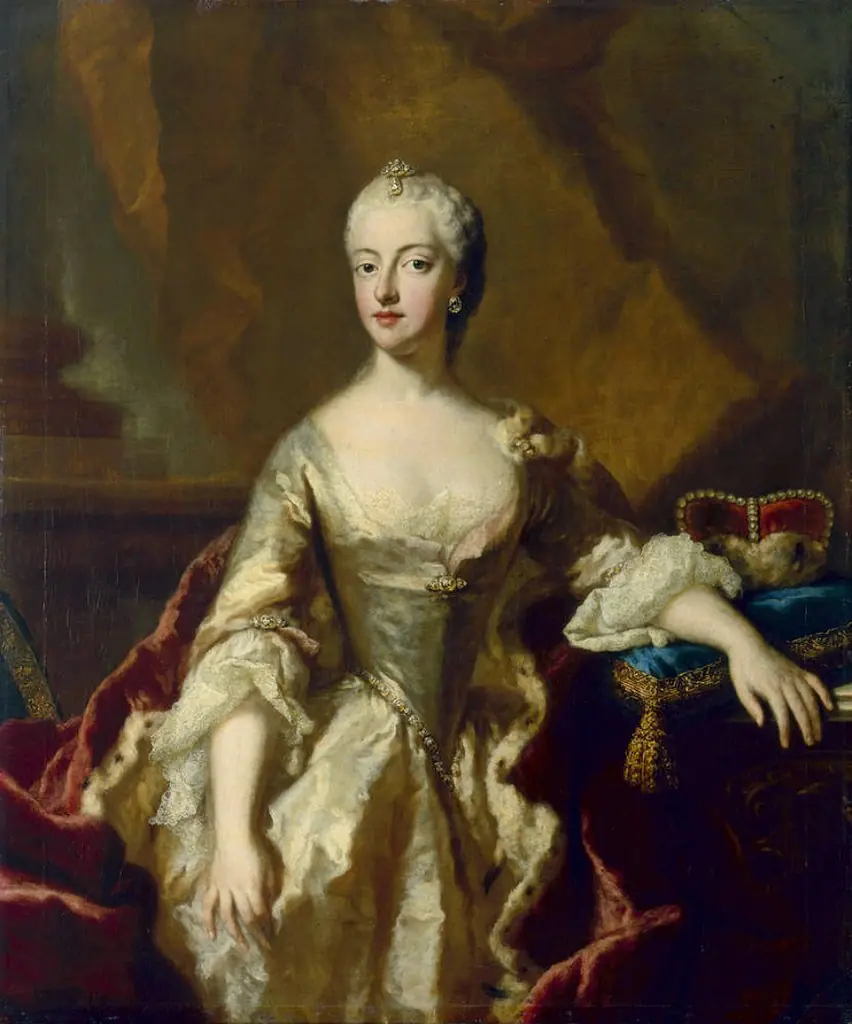 Margravine Maria Anna Josepha of Baden-Baden
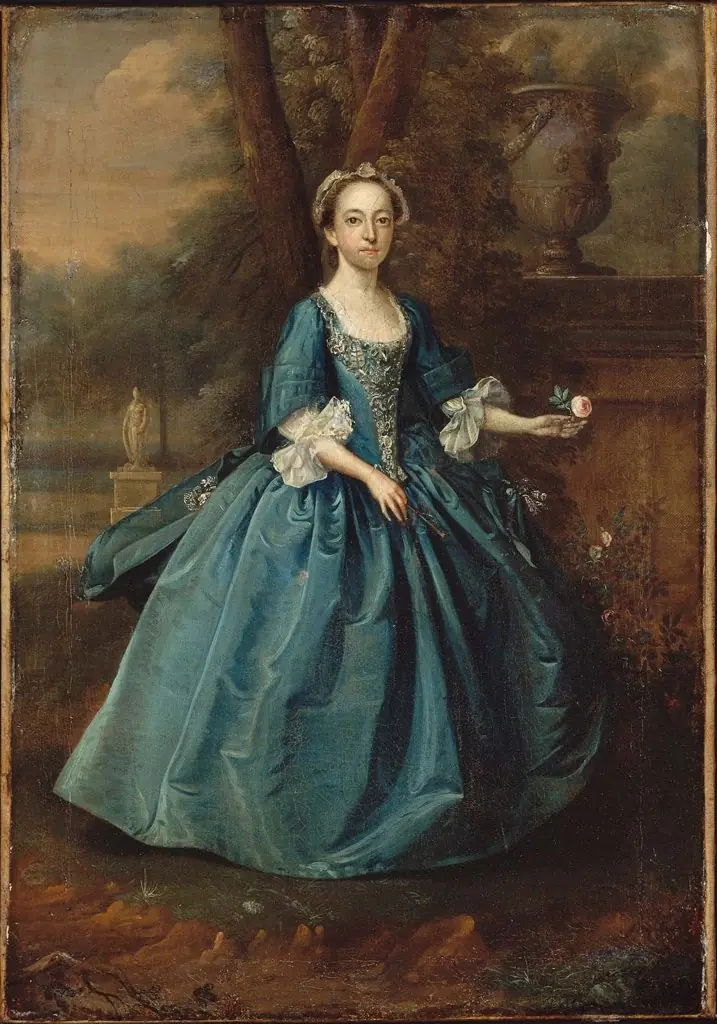 Portrait of a Woman Standing in a Garden
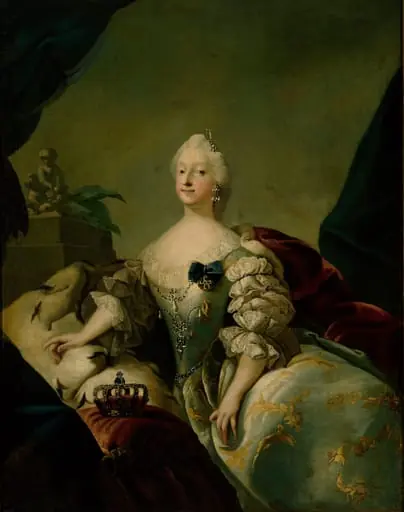 Tanskan kuningatar Louise
 Françoise-Marie de Bourbon, Mademoiselle de Blois, Duchess of Orléans
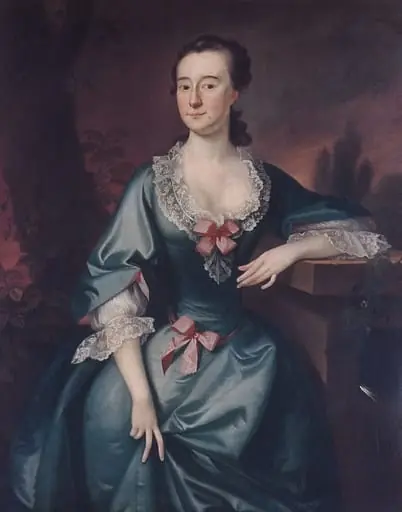 Mrs. David Chesebrough
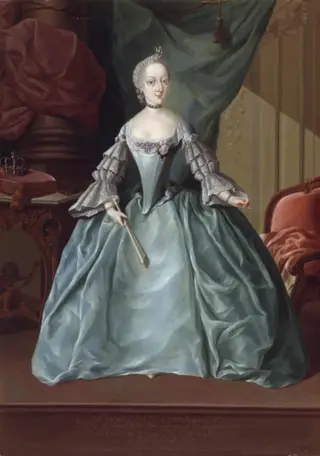 Philippine Charlotte, Duchess of Brunswick and Lüneburg, born Princess of Prussia
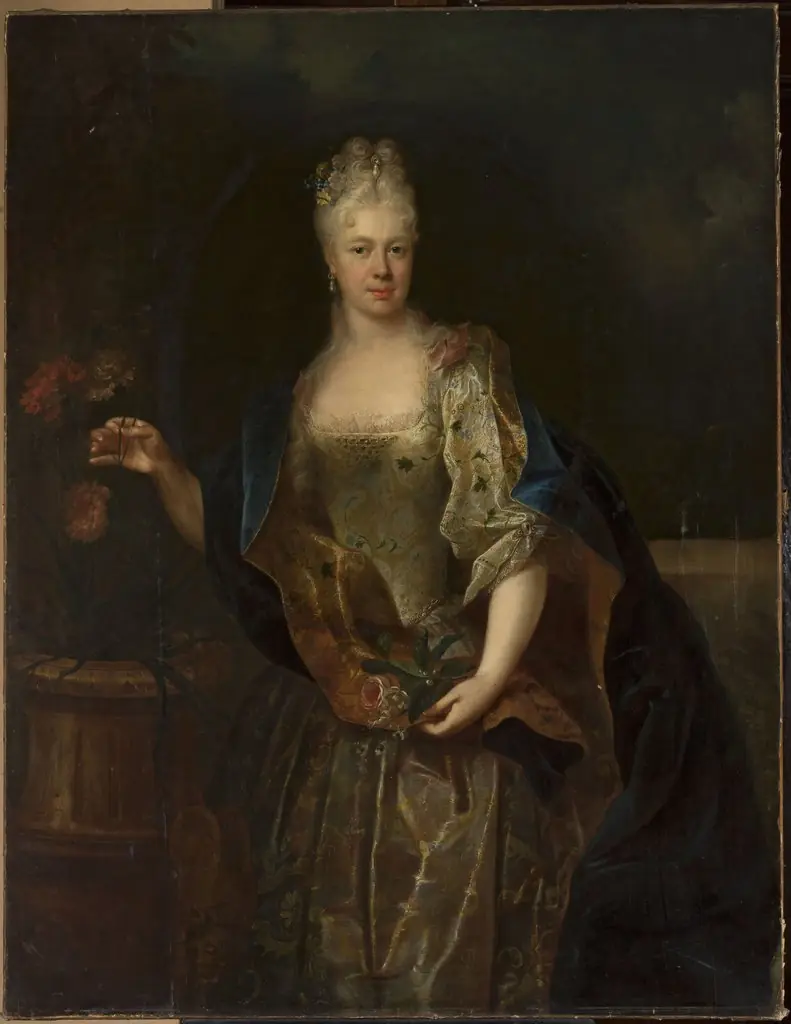 Portrait of Ludwika Amalia Lubomirska (1722–1778)
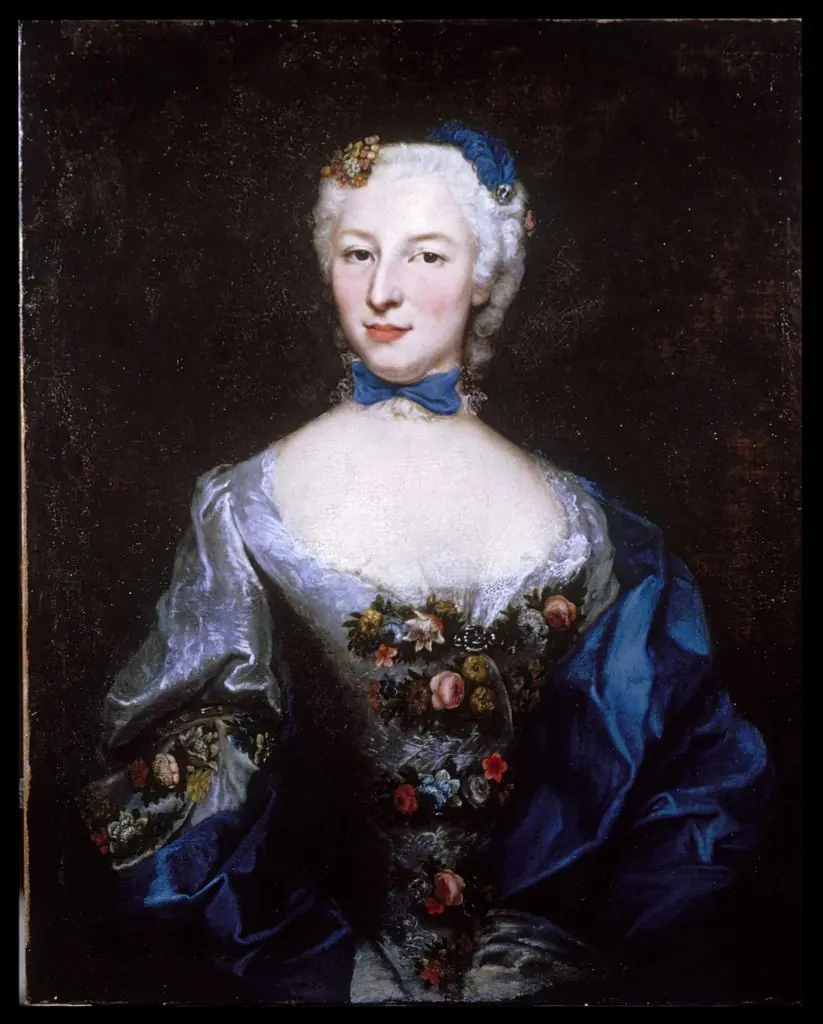 Portrait of a Lady
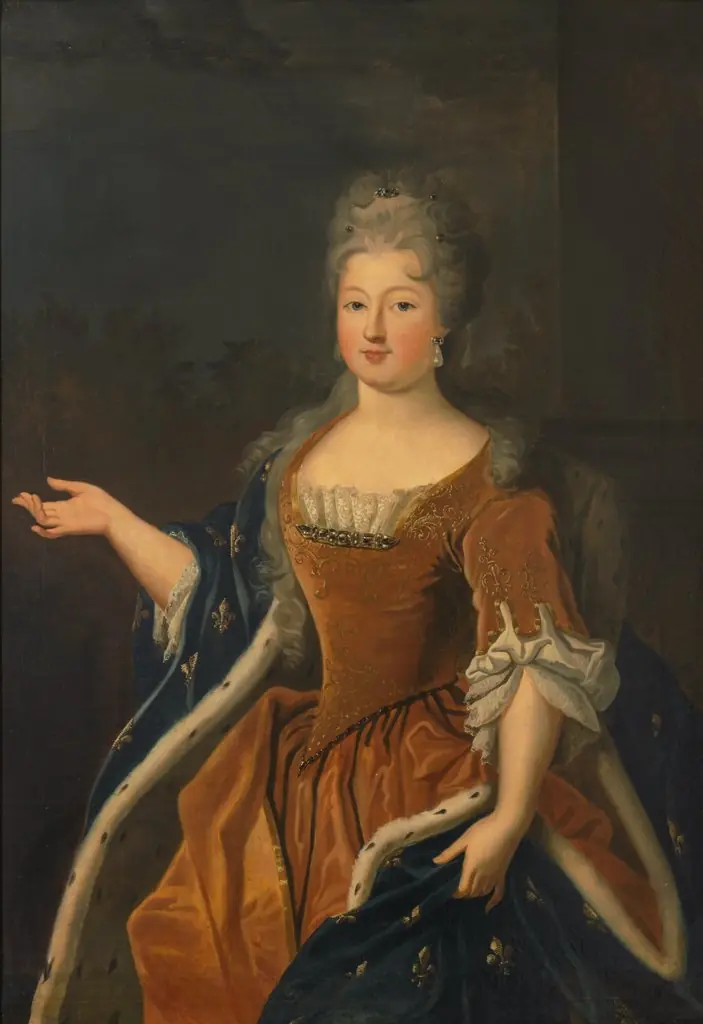 Portrait of Marie Louise-Elisabeth d'Orléans
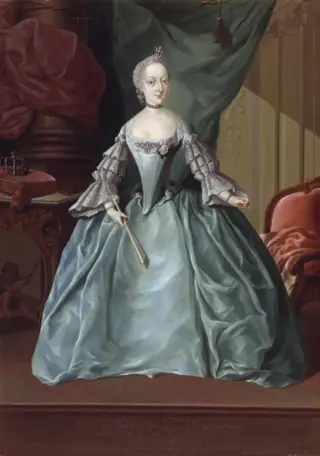 Philippine Charlotte, Duchess of Brunswick and Lüneburg, born Princess of Prussia
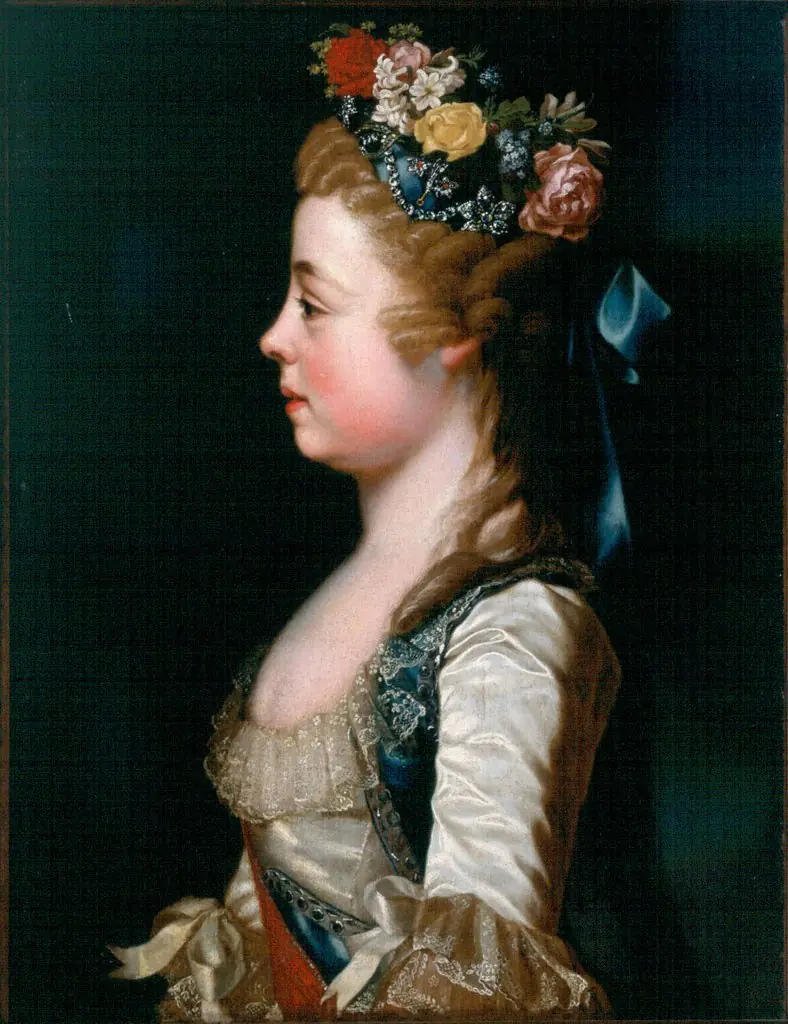 Porträt der Grand Duchess Alexandra Pavlovna of Russia