Artwork
Portrait of a Woman
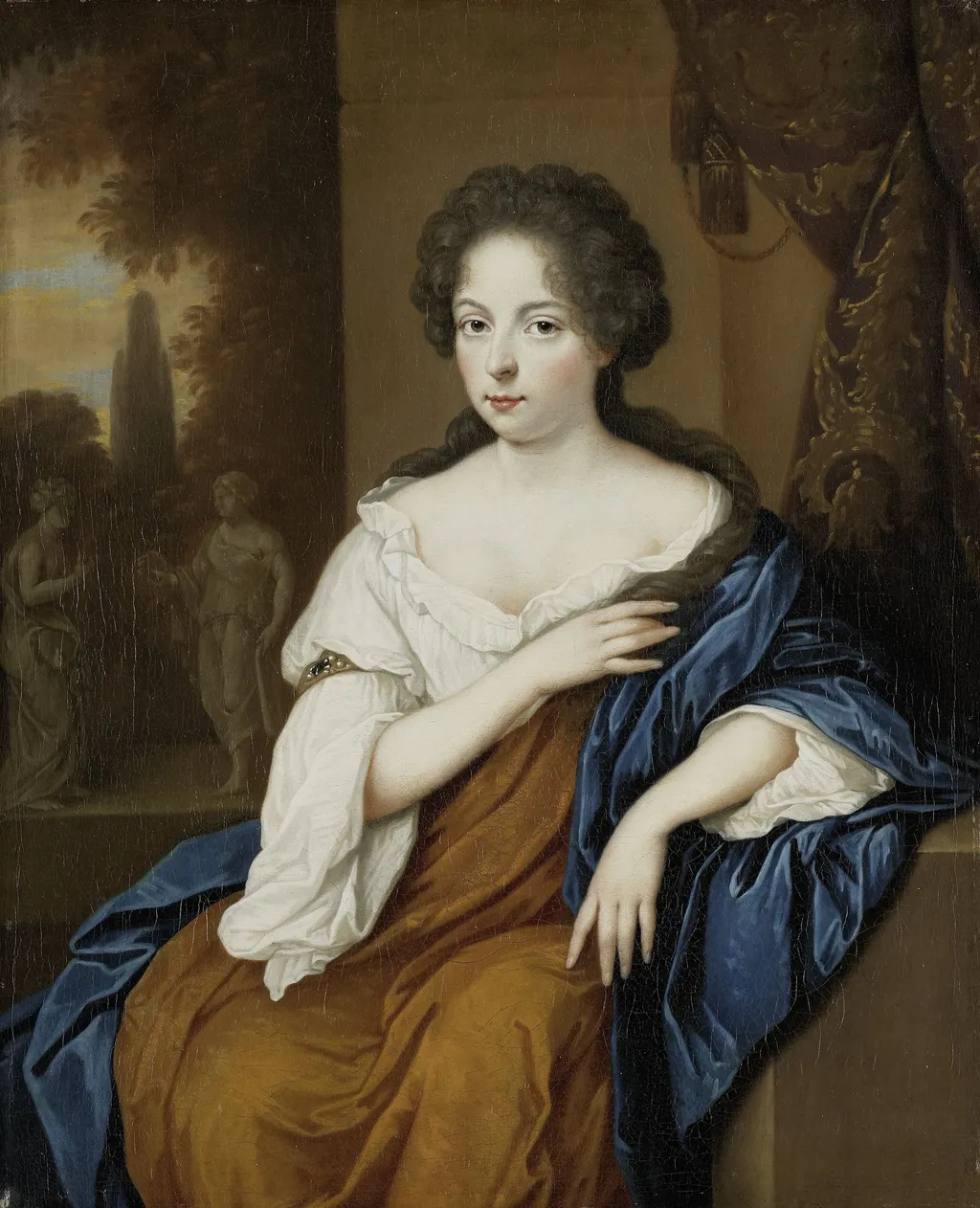
Portrait of a Woman is an oil painting by the Dutch Golden Age artist Johannes van Haensbergen. It dates from 1693 and is held in the collection of the Rijksmuseum.
About this work
Subject & Meaning
The painting depicts an unidentified woman, presented as a formal portrait typical of Dutch Golden Age conventions.
The painting depicts an unidentified woman, presented as a formal portrait typical of Dutch Golden Age conventions. The artist, Johannes van Haensbergen, presents his female subject directly, though the sources provide no further details about her identity, social status, or any attributes, objects, or settings that might carry symbolic meaning. Without additional information about costume, pose, accompanying objects, or background elements, the specific iconographic program or intended symbolism of the work cannot be determined from the available sources.
Technique & Style
Oil paint applied to a canvas support creates the painted surface, a common technique in late 17th-century Dutch portraiture. The work measures 48 cm in height and 39 cm in width, reflecting a modest scale typical of private portrait commissions. The handling of brushwork and the rendering of facial features exhibit a restrained, naturalistic style characteristic of the period, with fine attention to texture and light on the sitter's clothing and skin.
These formal qualities align with the conventions of Dutch Golden Age portraiture, emphasizing psychological presence through subtle chiaroscuro and detailed fabric depiction.
History & Provenance
Portrait of a Woman was created by Johannes van Haensbergen in 1685, executed in oil paint on canvas. The work entered the collection of Jacob Leonard de Bruyn Kops before being held by the Rijksmuseum, where it is currently located. No further details about its commission or intermediate ownership are documented in the available sources.
The painting is held in the collection of the Rijksmuseum, as recorded in Wikidata documentation of the work. It was at one point owned by Jacob Leonard de Bruyn Kops before entering the museum's holdings. No accession number is recorded in the available sources, and no exhibition history is documented for the work.
Legacy
The portrait has been recognized as an important example of Dutch Golden Age portraiture, particularly noted for its technical execution and representation of 17th-century elite subjects. Its presence in the Rijksmuseum collection has contributed to scholarly discussions of Dutch portraiture and the legacy of the van Haensbergen workshop, with the work frequently cited in studies of Dutch portrait conventions and workshop practices.
Overview
Johannes van Haensbergen’s oil painting Portrait of a Woman, executed in 1693, is part of the Rijksmuseum’s collection. The work presents a seated female figure whose calm gaze meets the viewer, set against a dimly lit interior that recedes into shadow.
Context
The portrait reflects the Dutch tradition of intimate, single‑figure works that emphasize realism and the play of light. Van Haensbergen, active in the late 1600s, often combined genre sensibilities with portraiture, situating this piece within a broader trend of domestic representation in Dutch art.
Own this work as a print
Artist & collection

Artist
Dutch artist Johannes van Haensbergen painted mythological scenes in the late 1600s, often on copper panels.




- Portrait of Catharina Dierquens
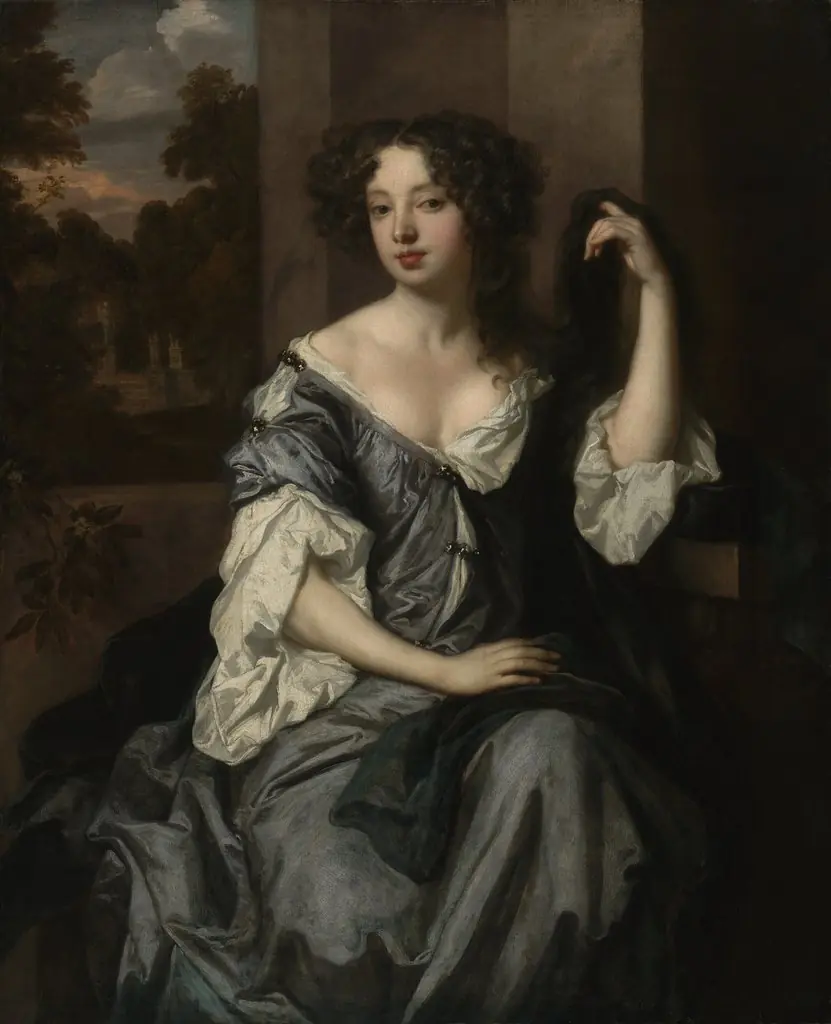 Portrait of Louise de Keroualle, Duchess of Portsmouth
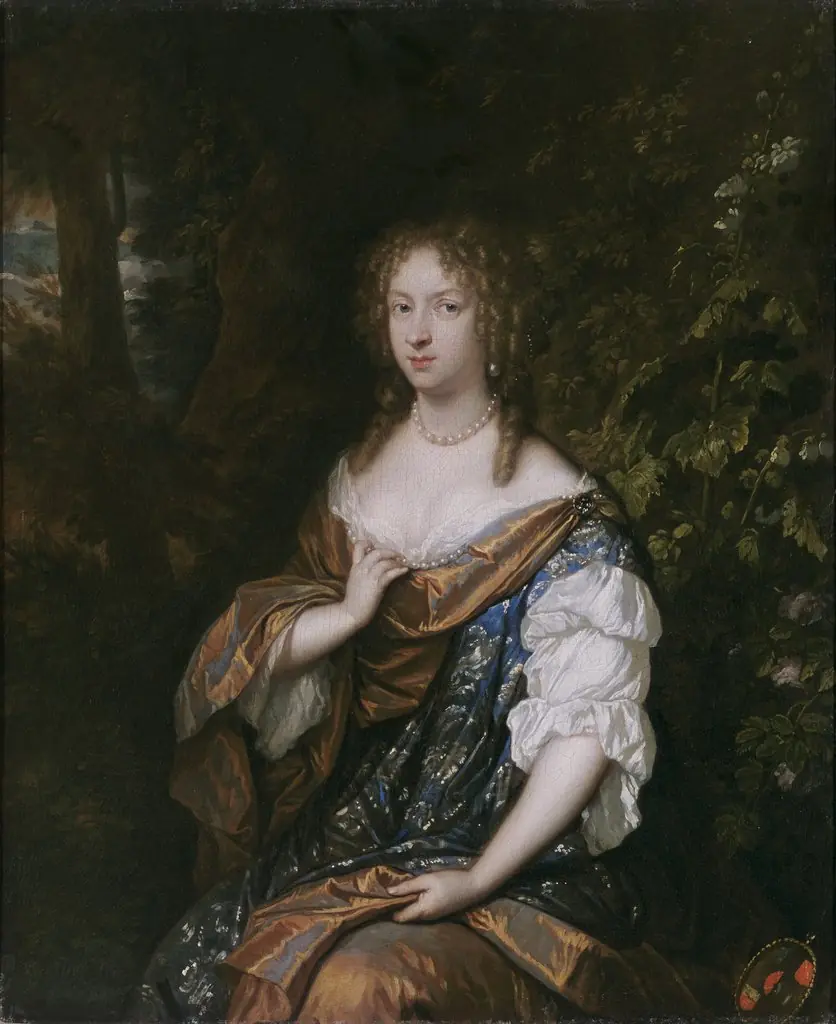 Alida de Lange, Wife of Johan Rammelman
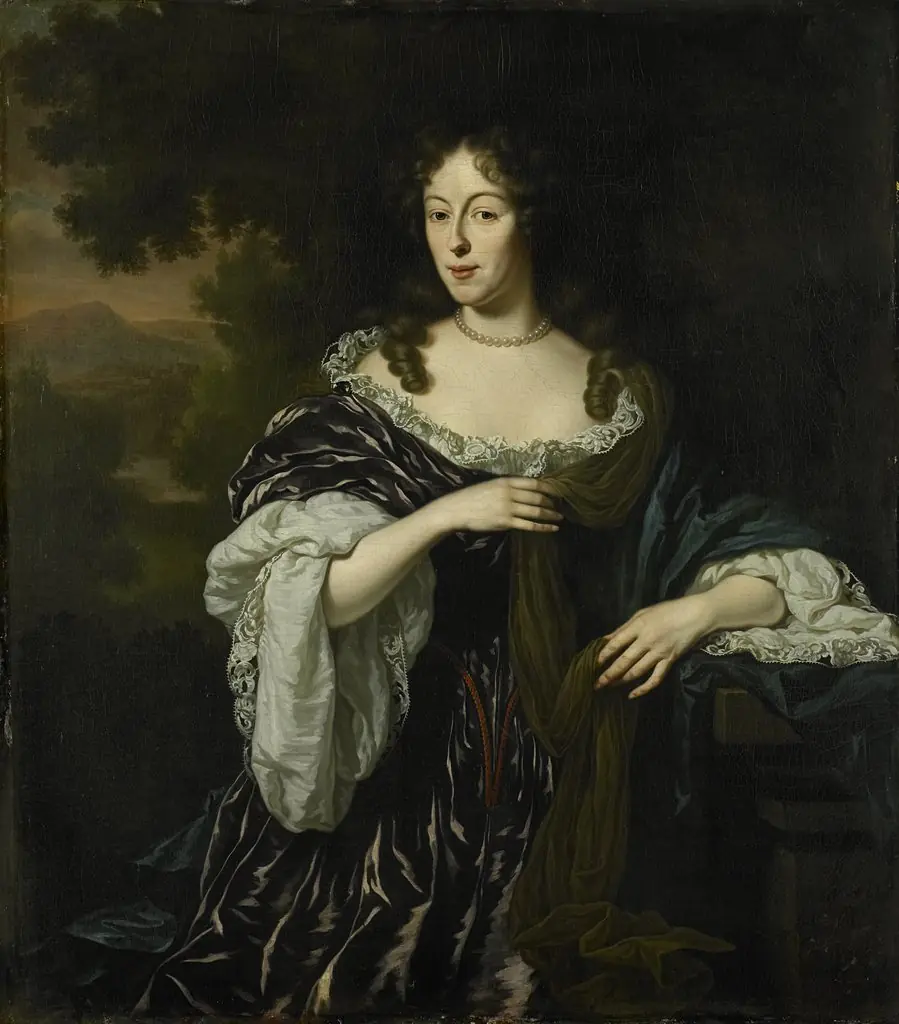 Portrait of Maria Schaep (1658-1725), wife of Hendrick Bicker
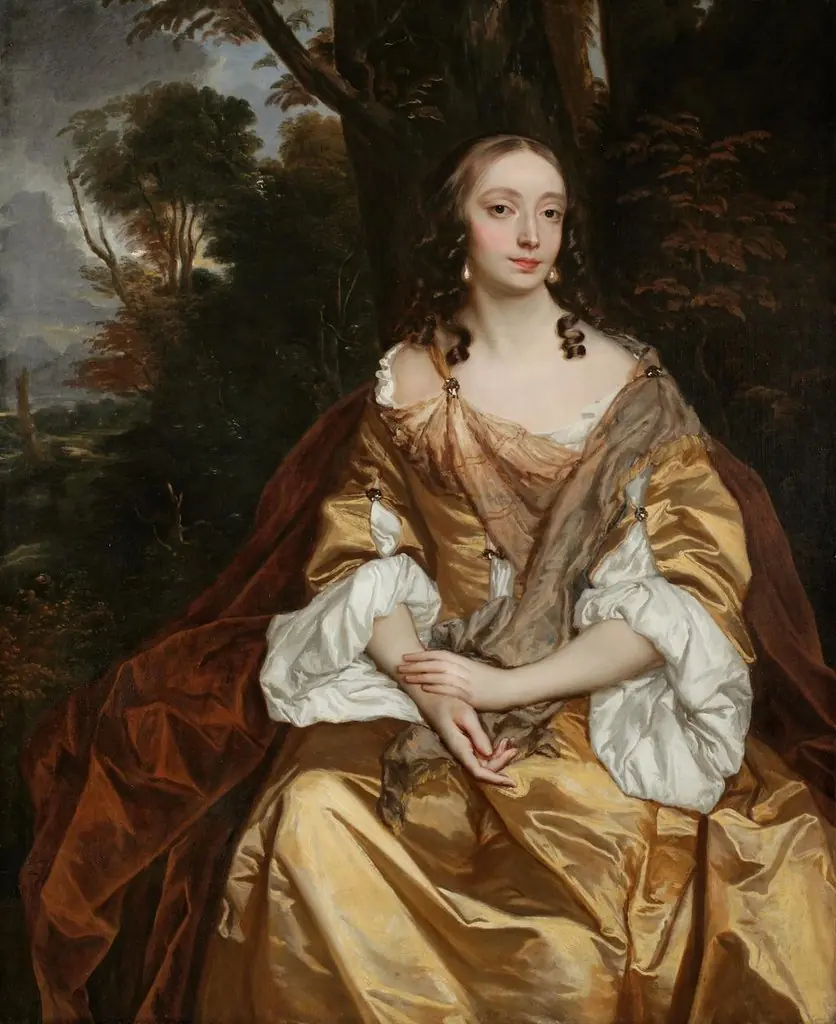 Portrait of a Lady; probably Mary Parsons, later Mrs Draper
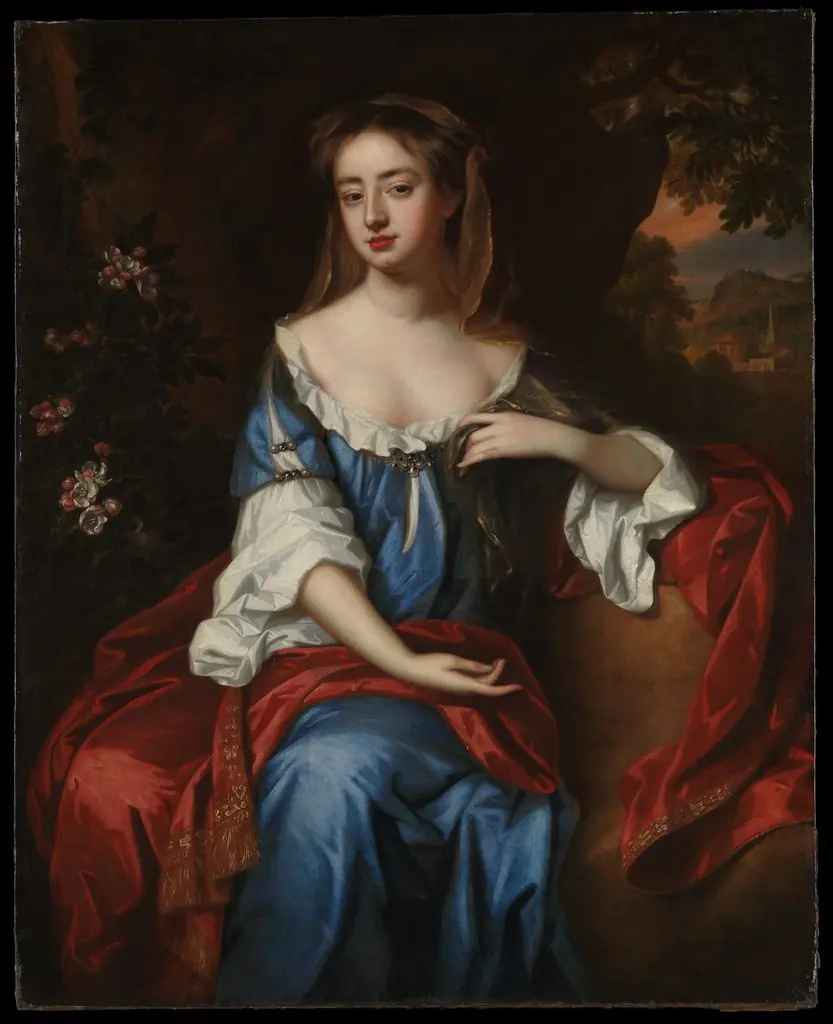 Portrait of a Woman
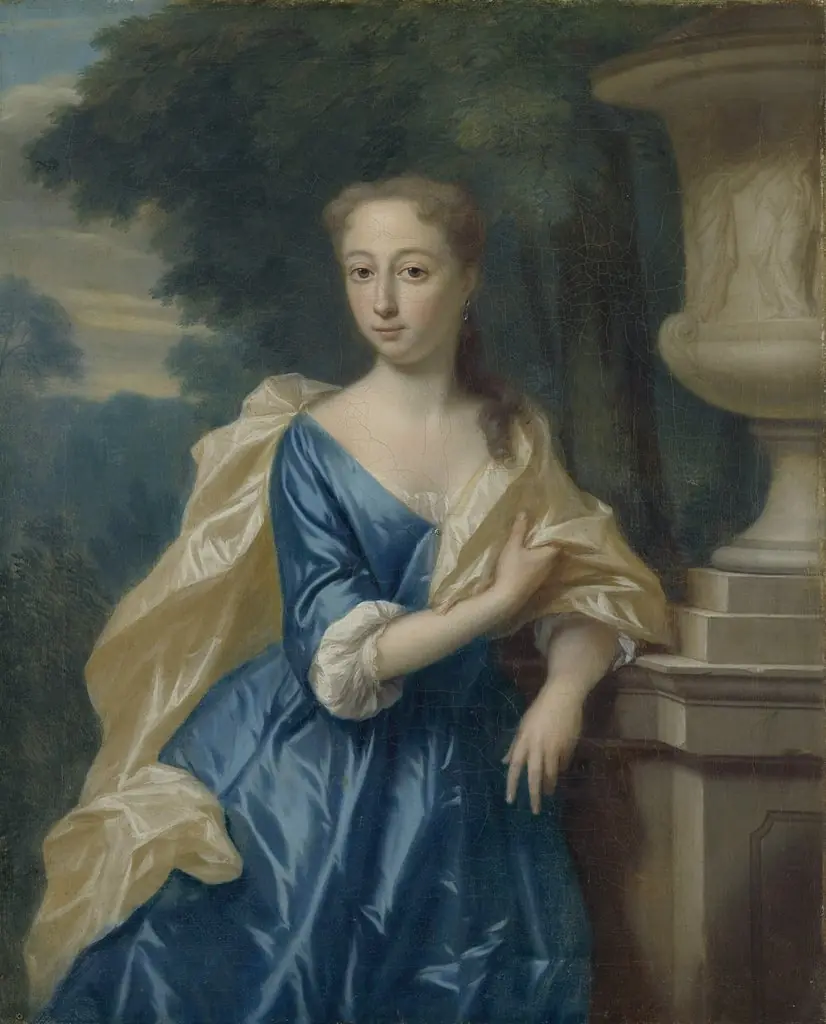 Portrait of Justina Johanna Ramskrammer, Wife of Isaac Parker
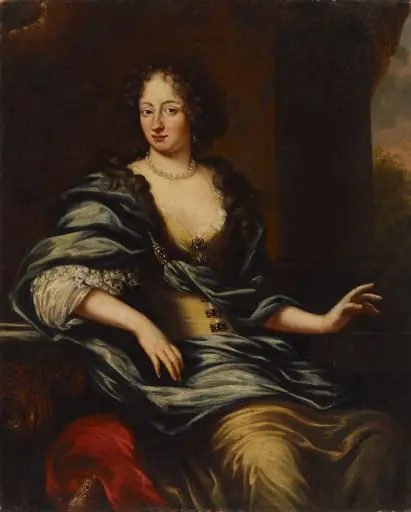 Kuningatar Ulrika Eleonora vanhempi
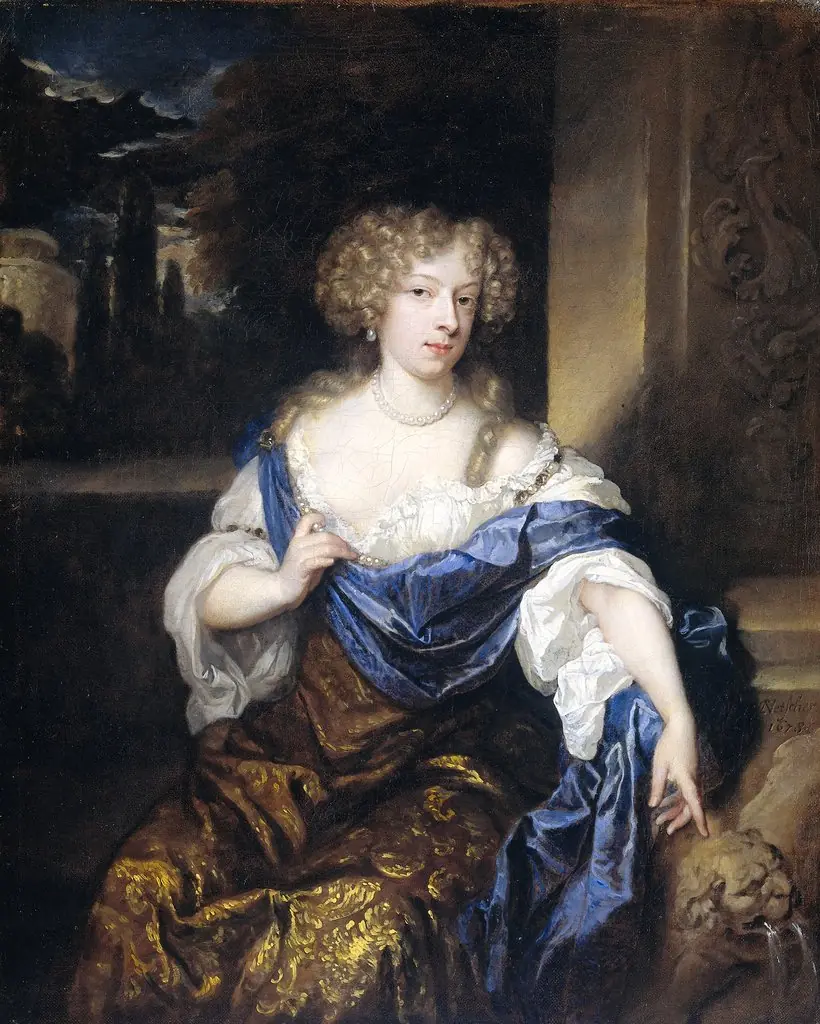 Portrait of Helena Catharina de Witte (1661-95), wife of Iman mogge, lord of Haamstede
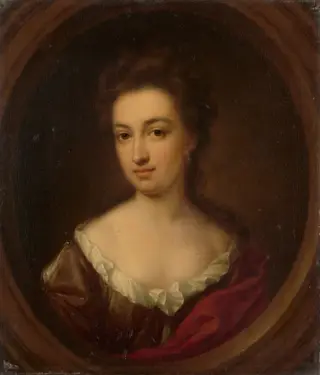 Josina Clara van Citters (1671-1753), Sister of Anna van Citters
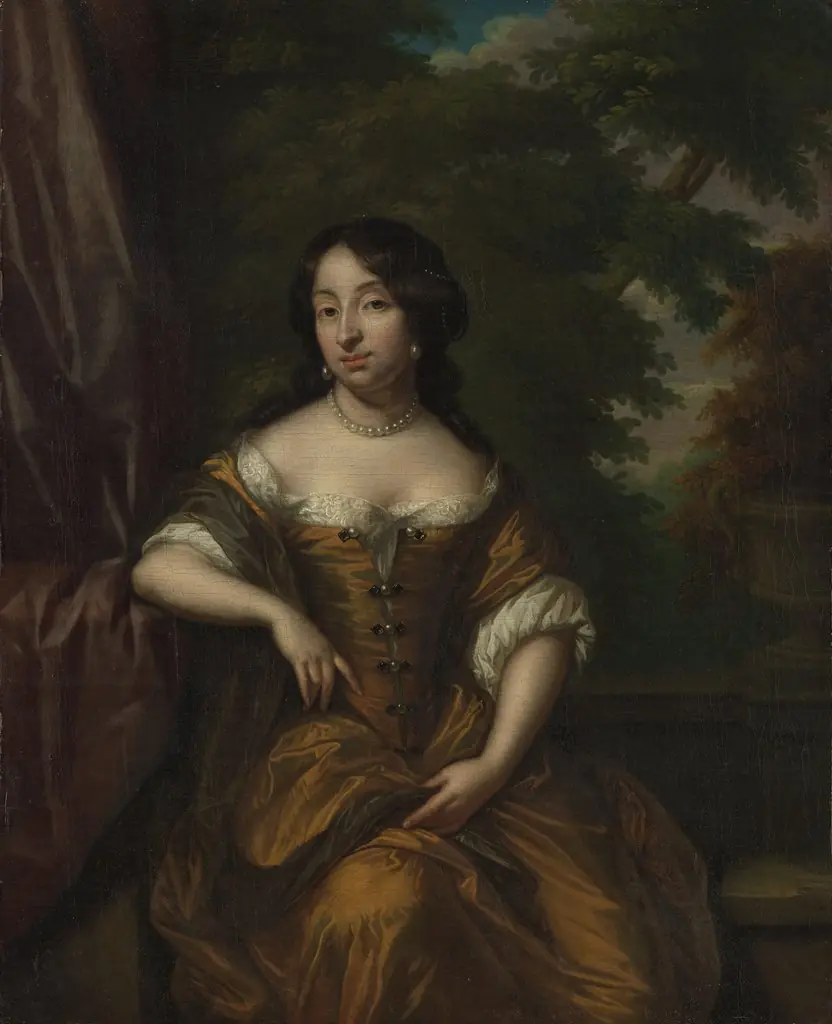 Portrait of Anna Maria Hoeufft (1646-1715), wife of Jan Boudaen Courten
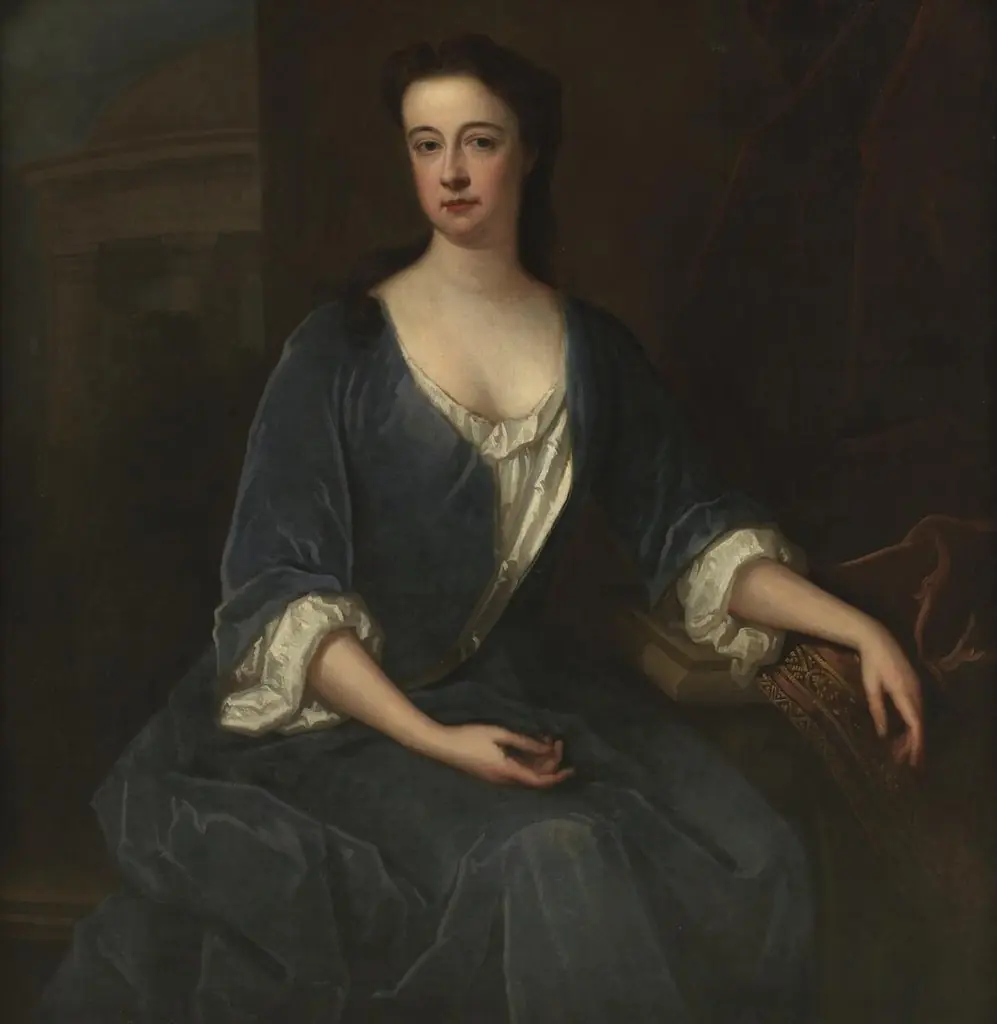 Barbara, Countess of Pembroke & Mont