Artwork
The card game on the cradle: allegory
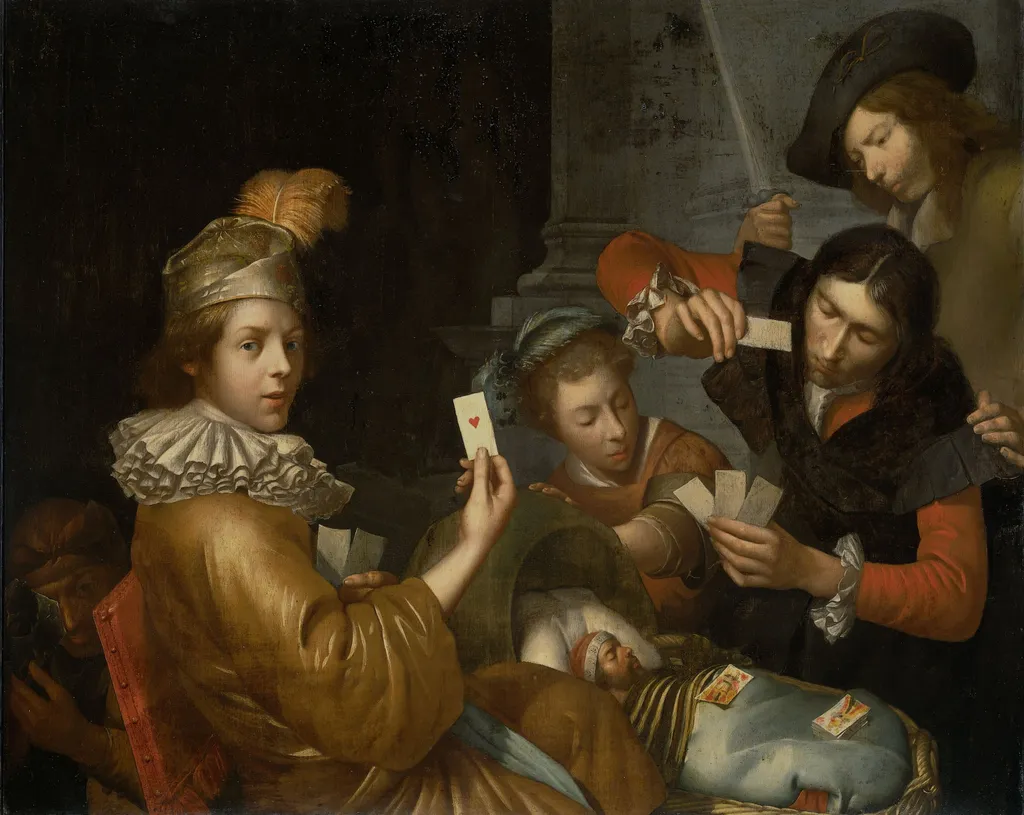
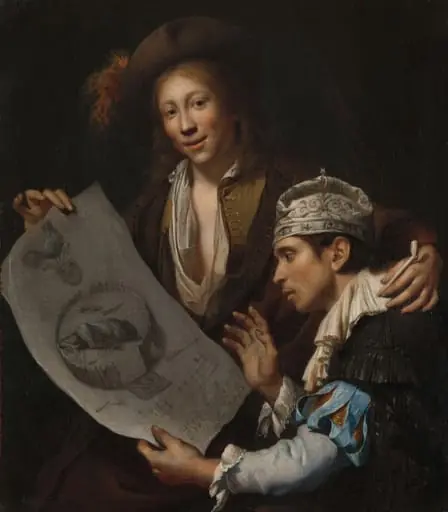
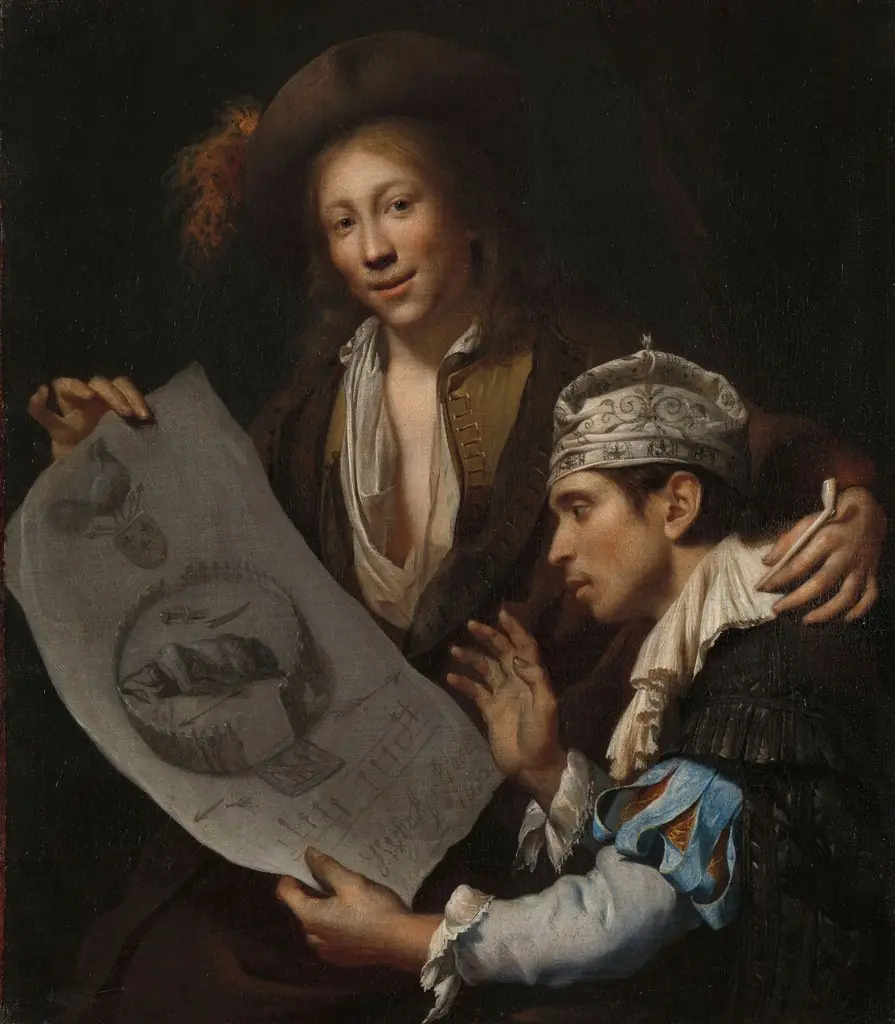
The card game on the cradle: allegory is an oil painting by the Dutch Golden Age artist Johannes van Wijckersloot. It dates from 1650 and is held in the collection of the Rijksmuseum.
About this work
Technique & Style
Johannes van Wijckersloot’s The Card Game on the Cradle: Allegory (1650) is executed in oil paint on a canvas support, measuring 98 × 121 cm.
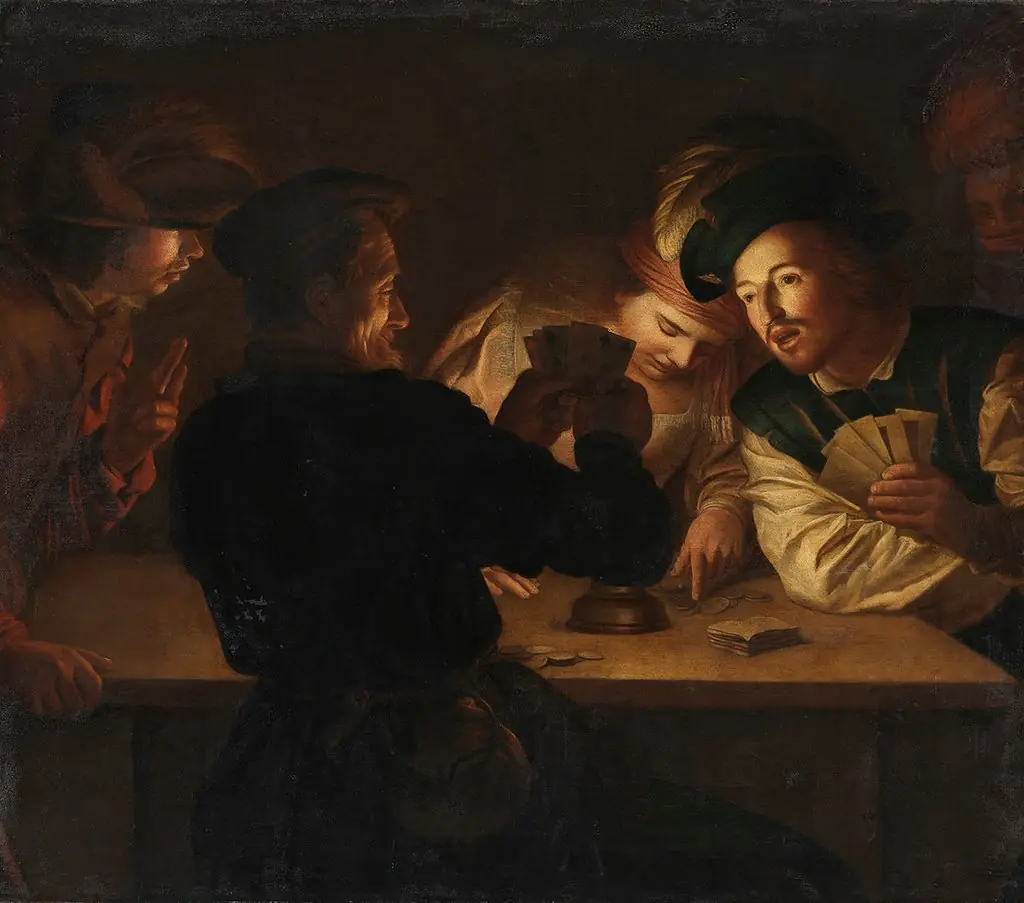
Johannes van Wijckersloot’s The Card Game on the Cradle: Allegory (1650) is executed in oil paint on a canvas support, measuring 98 × 121 cm. The medium’s fluidity allowed the artist to build up translucent glazes, evident in the luminous rendering of fabrics and flesh tones. Brushwork ranges from fine, almost invisible strokes in the delicate lace collars to broader, more energetic applications in the drapery folds, creating a tactile contrast between textures.
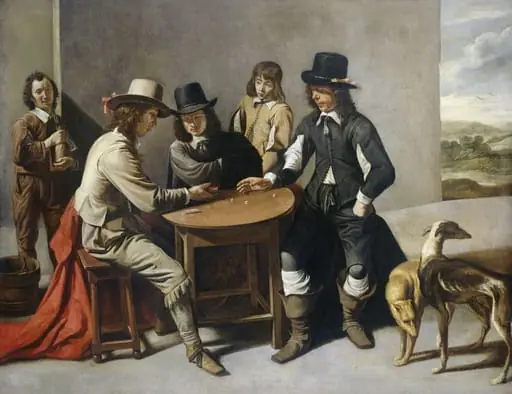
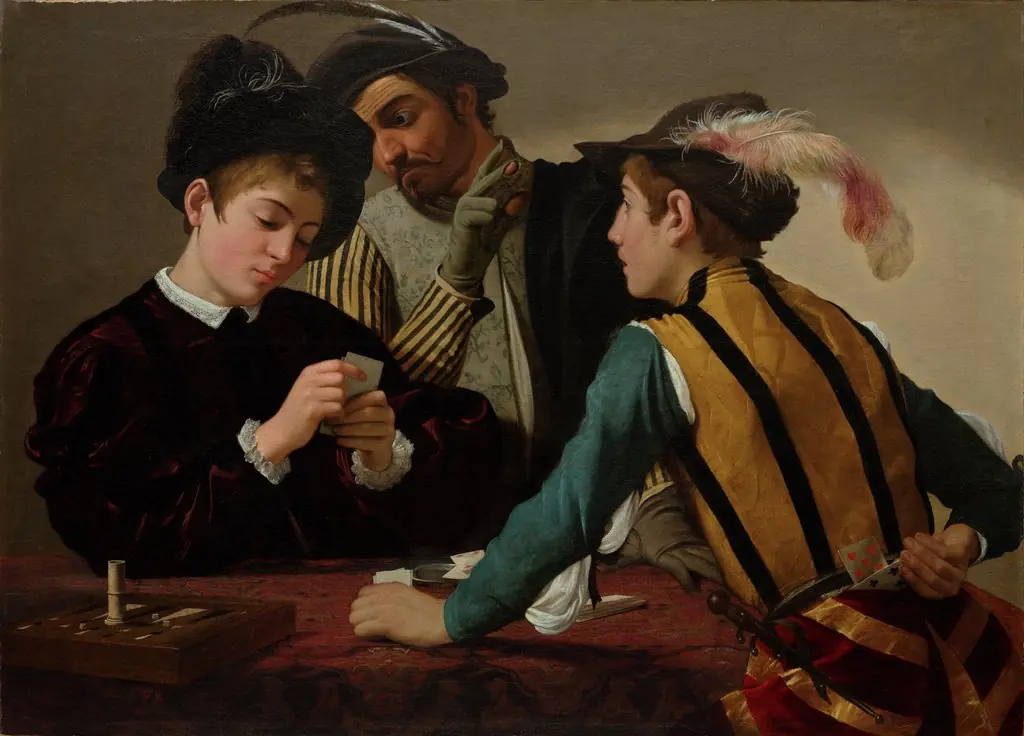
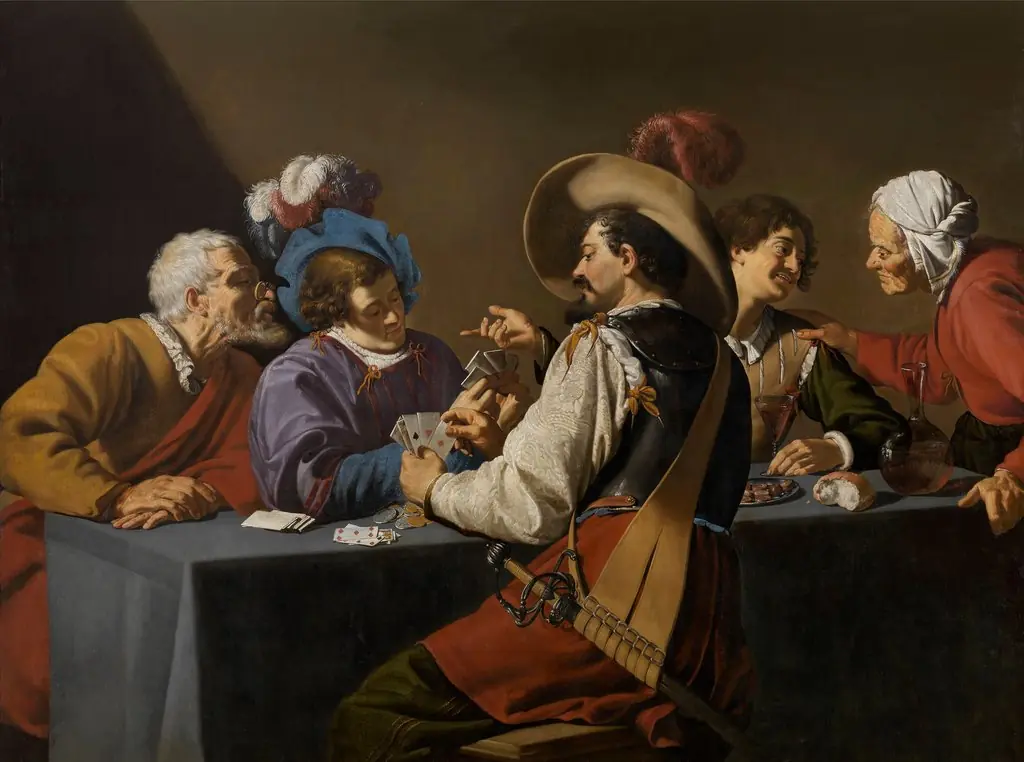
Stylistically, the work adheres to Dutch Golden Age conventions, with meticulous attention to detail and a restrained palette dominated by earthy browns, deep reds, and cool grays. The composition employs chiaroscuro to guide the viewer’s eye, while the allegorical figures, depicted with a blend of naturalism and symbolic exaggeration, reflect the period’s moralizing tendencies. The painting remains in stable condition, with no major losses reported in the Rijksmuseum’s records.
History & Provenance
Johannes van Wijckersloot created the allegorical oil painting The Card Game on the Cradle in 1650. Executed on canvas, the work measures 98 cm in height and 121 cm in width. The painting is currently held in the collection of the Rijksmuseum, where it remains on display.
No specific details regarding the original commission or the intermediate ownership chain prior to its acquisition by the museum are provided in the available records.
Overview
Created circa 1650 by Johannes van Wijckersloot, a Utrecht‑based painter of the Dutch Golden Age, this oil on canvas presents a dramatic interior scene. A group of figures surrounds a cradle holding an infant, their gestures and expressions suggesting tension. The composition is dominated by strong contrasts of light and shadow, drawing the eye toward the central tableau.
Subject & Meaning
The work depicts a gathering around a newborn, with one figure brandishing a heart‑marked playing card and another poised with a sword as if to threaten the child. Such iconography aligns with allegorical traditions, inviting interpretations of vulnerability, the perils of fate, or moral commentary on the interplay of love and violence in early life.
Context
During the mid‑seventeenth century, Utrecht artists frequently explored moralizing allegories, reflecting the city’s religious and cultural climate. Van Wijckersloot’s focus on symbolic narratives places him among contemporaries who used domestic interiors to comment on broader human conditions, employing familiar genre settings to convey complex ideas.
Own this work as a print
Artist & collection
Artist
Johannes van Wijckersloot (c. 1625-1630 – 1687) was a Dutch Golden Age painter. Wijckersloot was born in Utrecht and little is known of his early years, though he probably learned to paint at the newly opened drawing…