Artwork
Allegorie op de Franse invasie in 1672
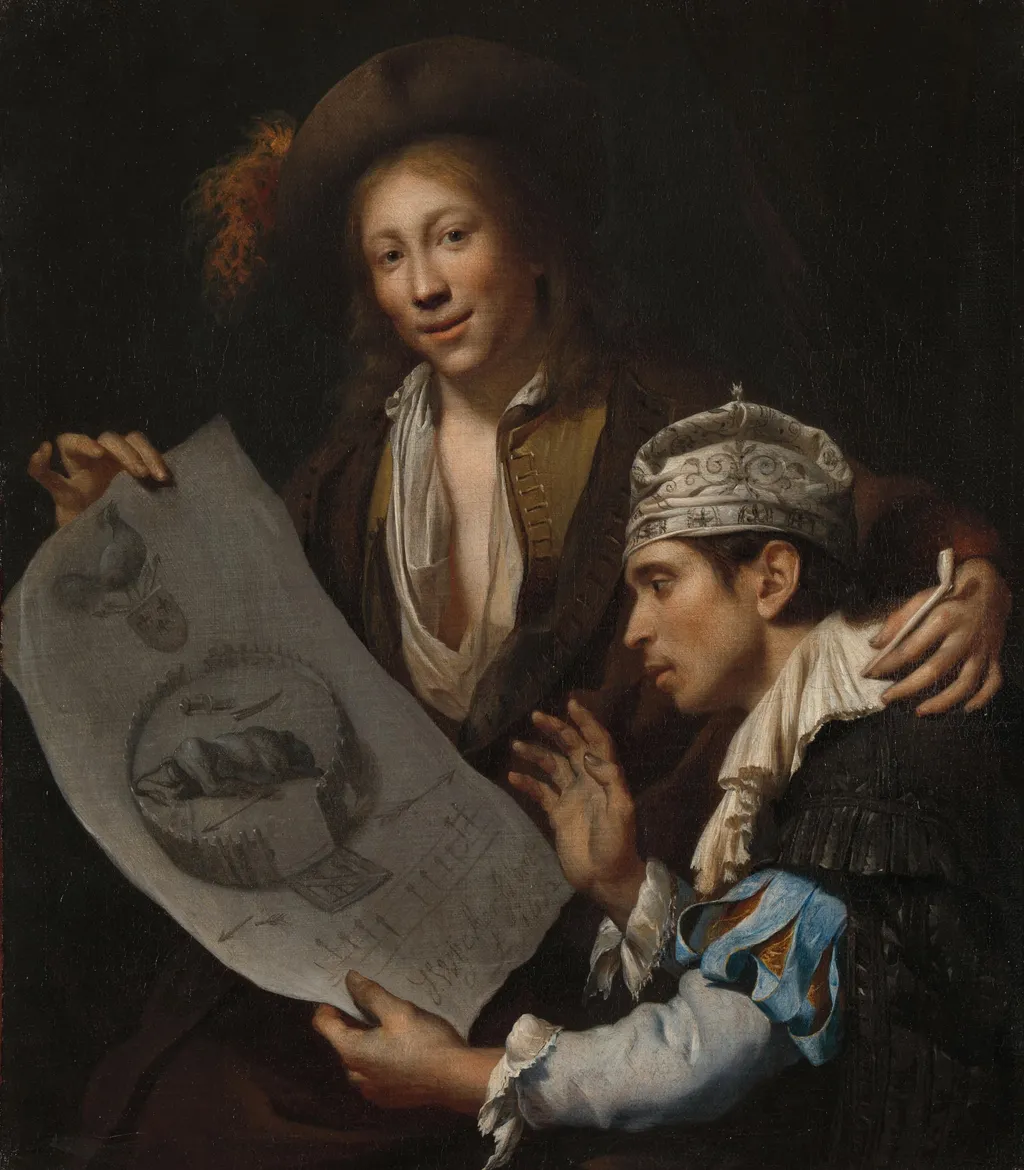
Allegorie op de Franse invasie in 1672 is an unspecified painting by the Dutch Golden Age artist Johannes van Wijckersloot. It dates from 1672 and is held in the collection of the Rijksmuseum. This painting presents an allegorical scene commenting on the French invasion of the Netherlands in 1672.
About this work
You see a man sitting at a table, staring at a drawing of a broken lion and a crowing rooster.
You see a man sitting at a table, staring at a drawing of a broken lion and a crowing rooster. Another man stands behind him, wearing an orange feather in his cap.
The drawing is a cartoon of the French invasion of the Netherlands in 1672. The lion is the Dutch symbol, its weapons shattered. The rooster is France, gloating. The orange feather hints at William III, who would later push the French out.
To see more works like this, look up the Dutch School.
Subject & Meaning
The painting is an allegory responding to the French invasion of the Dutch Republic in 1672, the year known in Dutch memory as the Rampjaar, or "Disaster Year." It belongs to a tradition of personifying the United Provinces as the Garden of Holland, a heraldic motif in which the Dutch lion rests within an enclosed garden. In Wijckersloot's rendering the lion is shown sleeping, a visual metaphor for the Republic's vulnerability and unpreparedness when French forces invaded. The motif of the lion in the Garden of Holland subsequently became a recurring emblem in Dutch heraldry, depicted either slumbering or standing victorious alongside a Phrygian cap. As a contemporary allegory produced in the very year of the invasion, the work functions both as political commentary on the crisis and as a symbolic representation of Holland's threatened identity.
History & Provenance
The painting *Allegorie op de Franse invasie in 1672* was created by Johannes van Wijckersloot in 1672 to commemorate the French invasion during the *Rampjaar* (Disaster Year). It depicts the Garden of Holland featuring a sleeping lion, a motif that became a common heraldic symbol in this context. While the specific commissioning body or original patron is not detailed in the available records, the work stands as the artist's most famous allegory. Jan van Wijckersloot, who served as headman of the Utrecht Guild of Saint Luke by 1658, produced this piece while active in Utrecht before his later relocation to Amsterdam.
Context
The painting occupies a distinctive place in Dutch visual responses to the Rampjaar, 1672, when the Republic faced simultaneous invasions. Art-historical discussion centers on its allegorical Garden of Holland motif, where a sleeping lion, an established heraldic emblem, lies among broken weapons and a Phrygian cap, signaling national vulnerability and eventual revival. Scholarly attention has focused on the work’s propagandistic function and its adaptation of traditional emblems to contemporary crisis, as analyzed in the Bulletin van het Rijksmuseum study by Bok and Jansen. Within the artist’s oeuvre, the allegory stands apart as his most frequently cited work, reflecting his prominence in Utrecht’s Guild of Saint Luke, where he served as headman in 1658. Its later reception is intertwined with the broader emblematic tradition in Dutch art, in which the lion’s posture could denote either peril or triumph, a duality that shaped its subsequent iconographic afterlife.
Legacy
Johannes van Wijckersloot's 1672 allegory of the Rampjaar is considered his most famous work. The painting's depiction of a sleeping lion within the Garden of Holland established a motif that evolved into a common symbol in heraldry. This imagery persisted in later representations, where the lion appeared either asleep or standing victoriously while wearing a Phrygian cap.
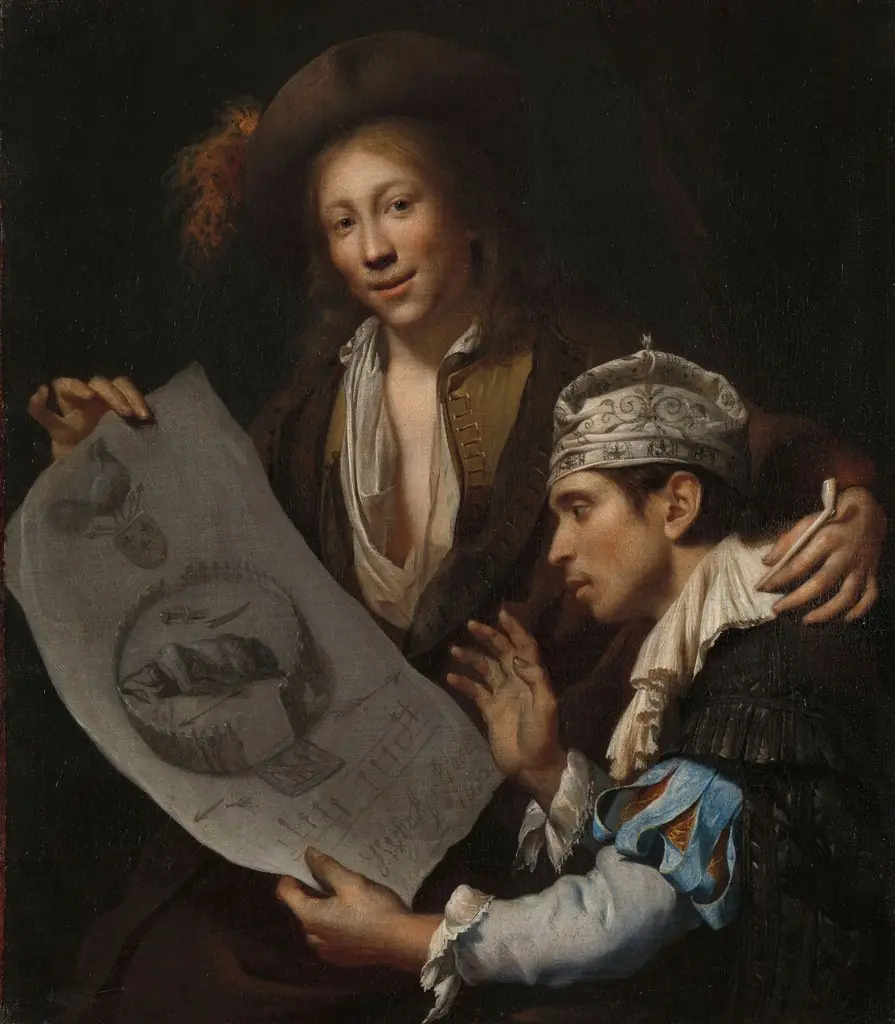
Own this work as a print
Artist & collection
Artist
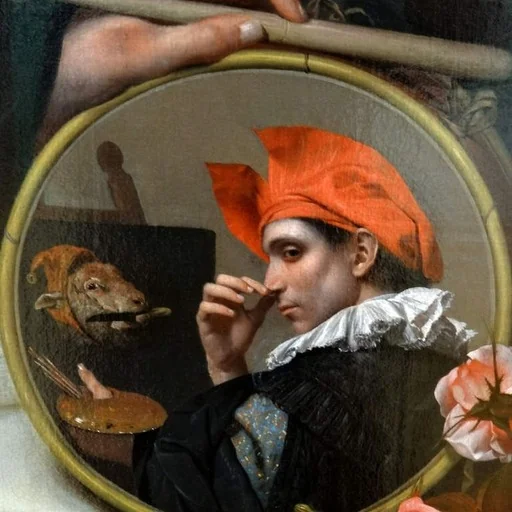
Johannes van Wijckersloot (c. 1625-1630 – 1687) was a Dutch Golden Age painter. Wijckersloot was born in Utrecht and little is known of his early years, though he probably learned to paint at the newly opened drawing…

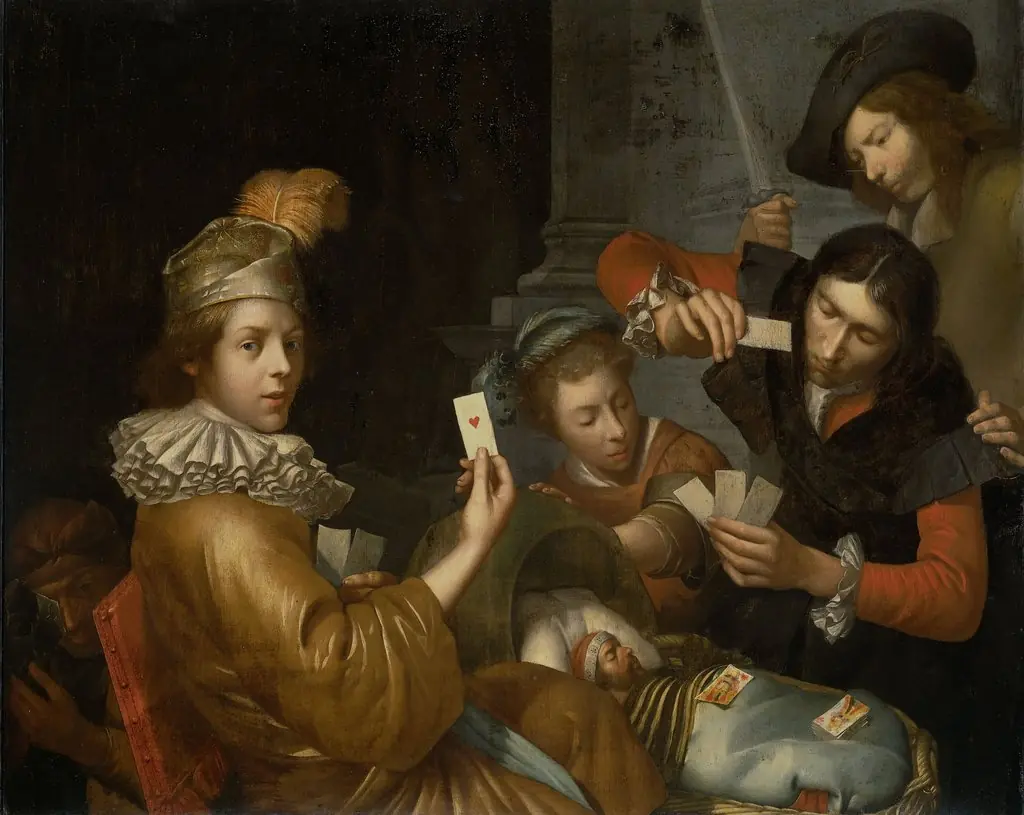
 The Drawing Lesson
 Young Painter in His Studio
 Young Man by Candlelight
 The Construction of Copenhagen´s Dock in the Reign of Christian VI
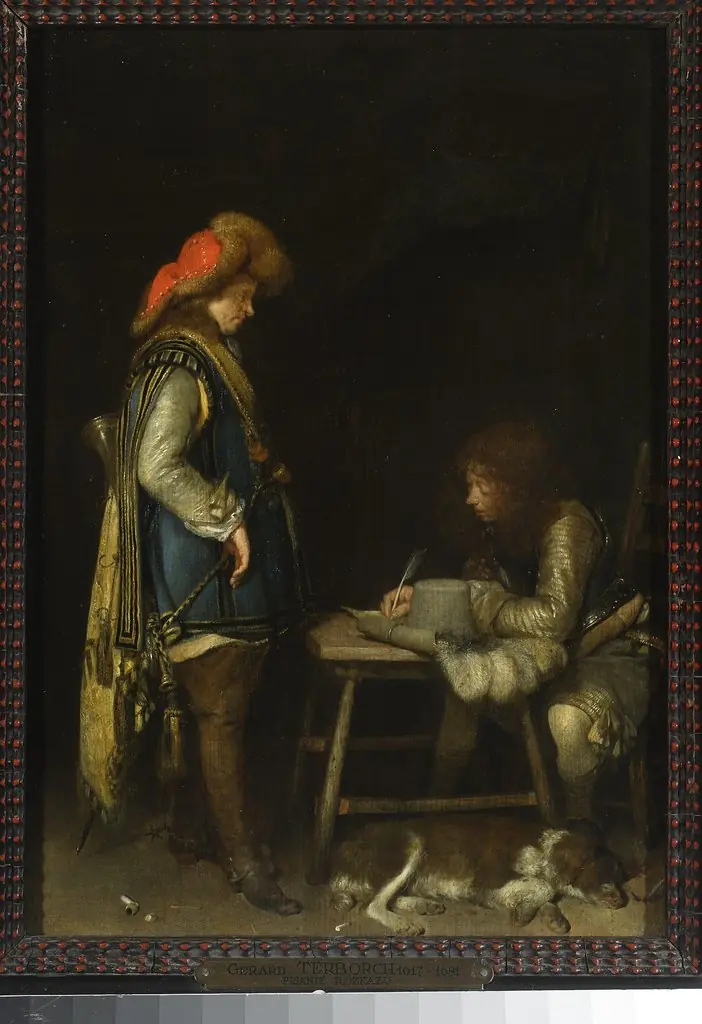 Officer writing a letter
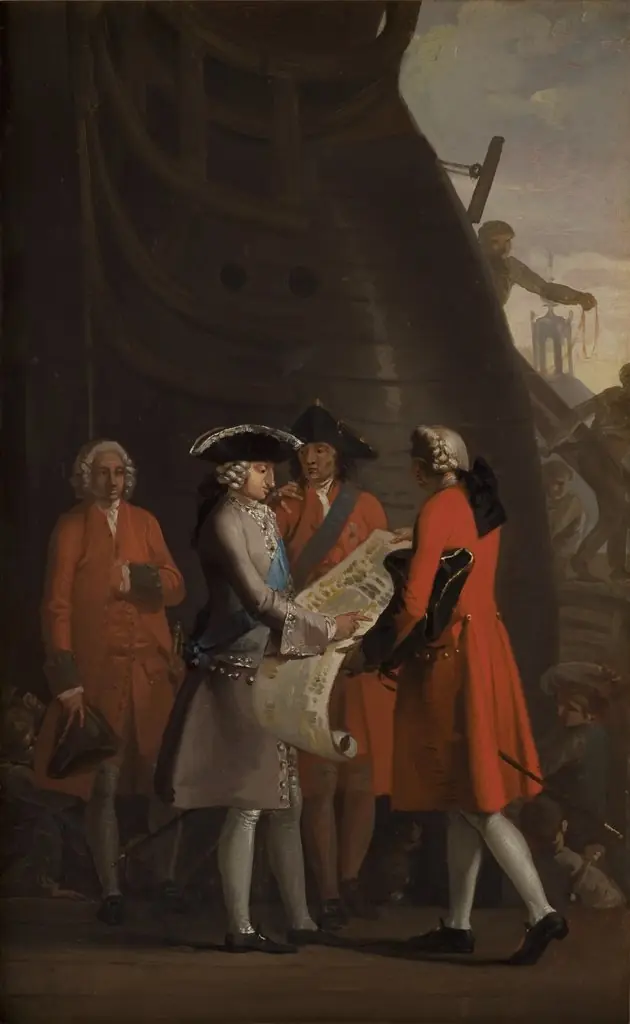 The Construction of Copenhagen´s Dock in the Reign of Christian VI
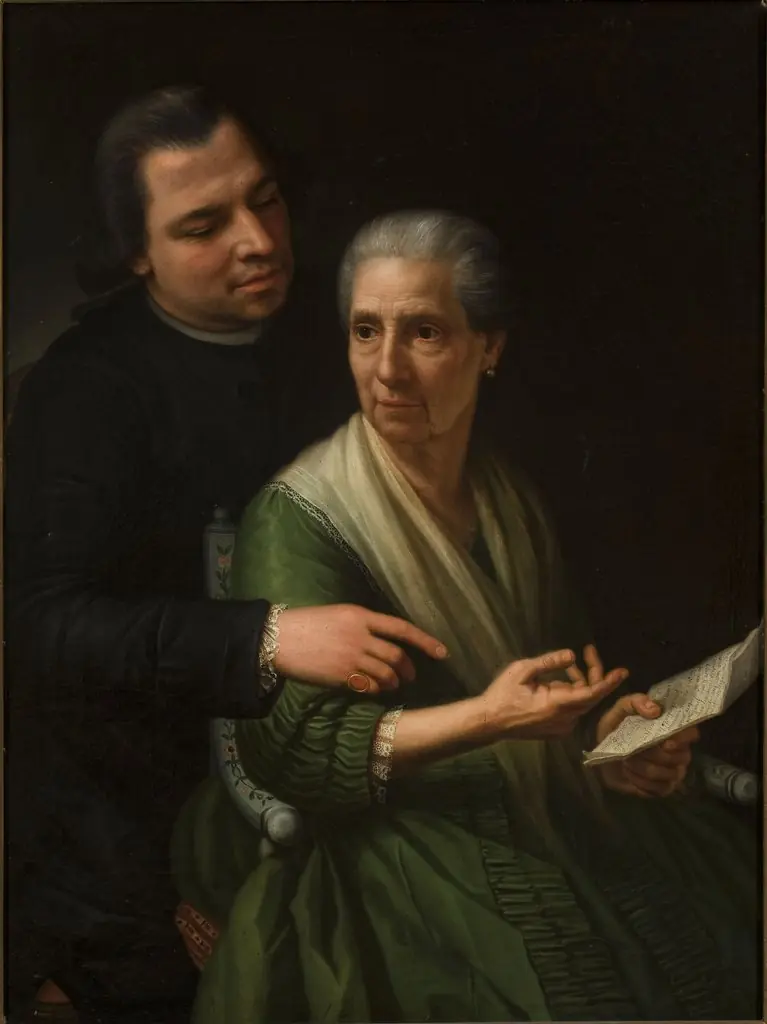 Portrait of Marcello Bacciarelli’s mother and brother
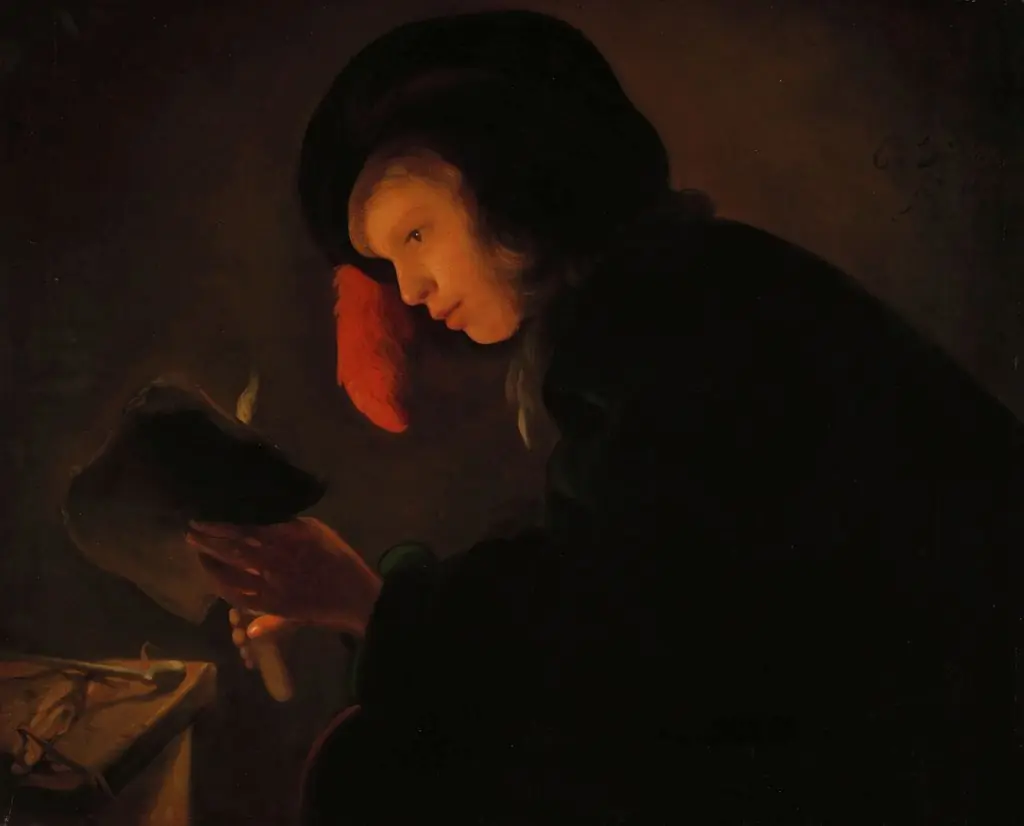 Young man by candle light
 Socrates and two students
 Magnus Stenbock Surrenders the Fortress of Tønningen to Frederik IV in 1714
 Concert