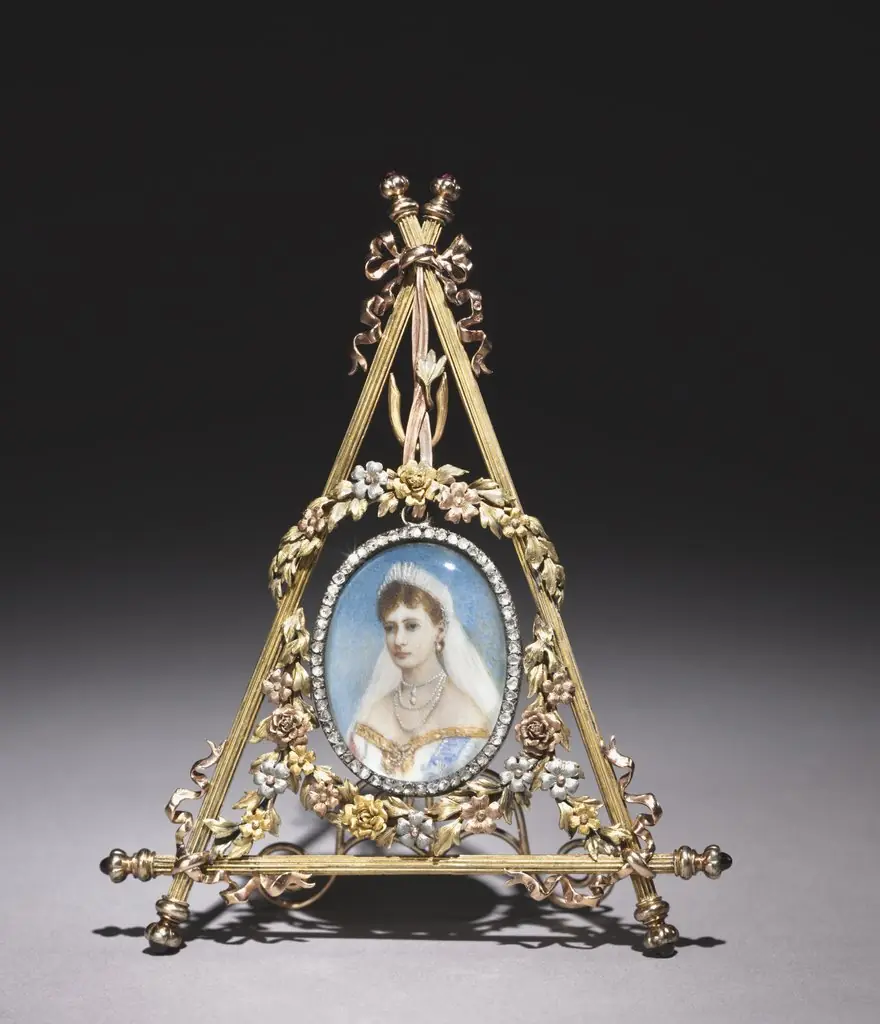
Artwork
Imperial Framed Miniature of Grand Duchess Olga Nicolaievna
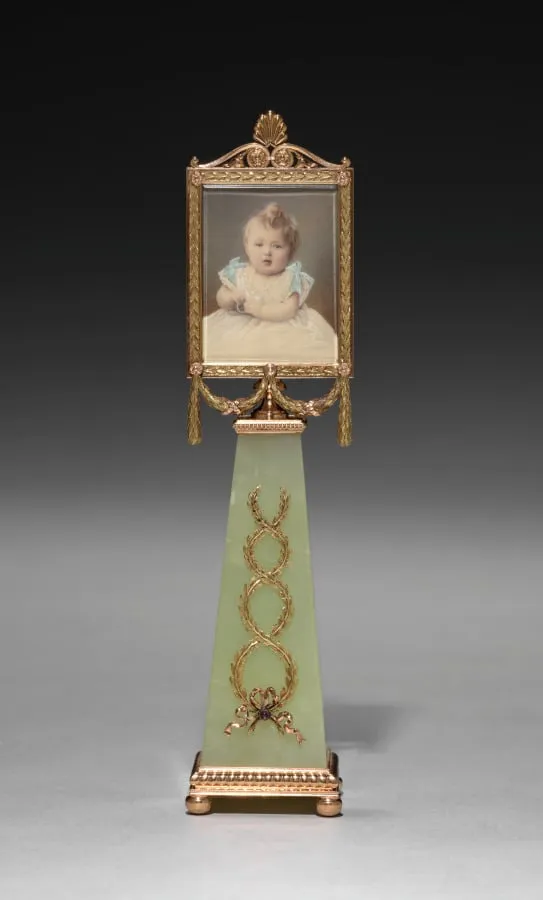
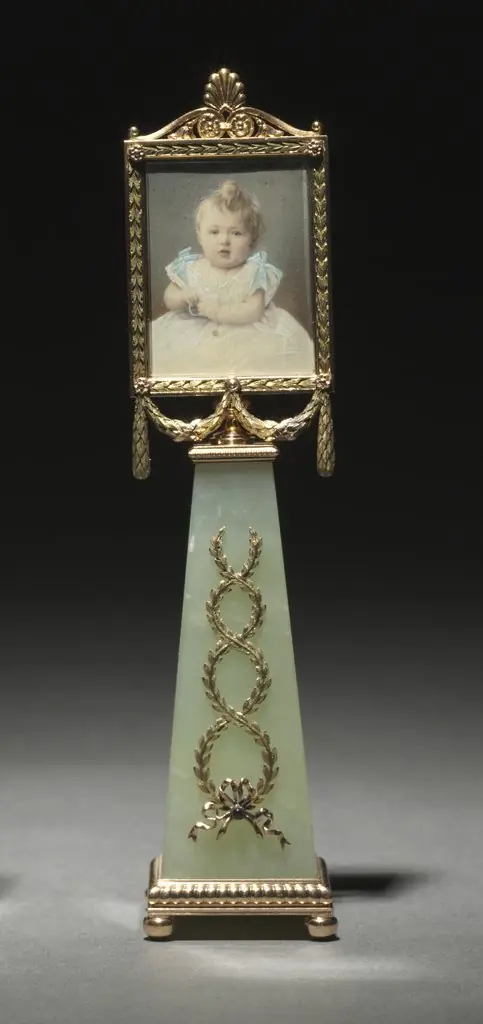
Imperial Framed Miniature of Grand Duchess Olga Nicolaievna is an unspecified portrait miniature by the Impressionist artist Johannes Zehngraf. It dates from 1896 and is held in the collection of the Cleveland Museum of Art.
- Accession no.
- 1966.458.2
- Credit line
- The India Early Minshall Collection
About this work
Overview
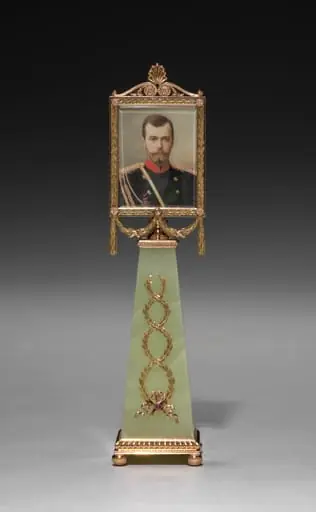
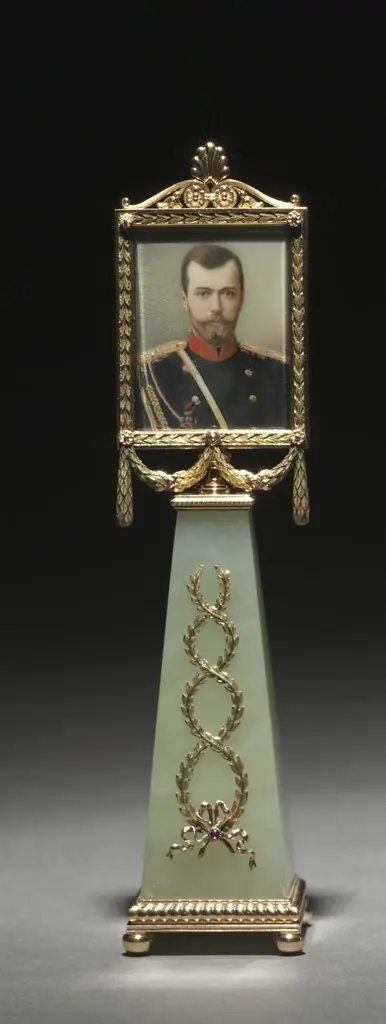
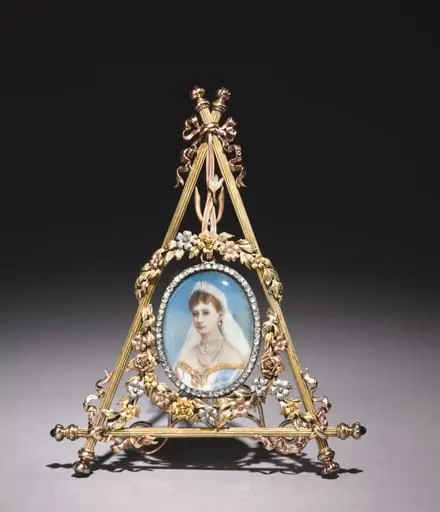
A small portrait miniature of Grand Duchess Olga Nikolaevna, daughter of Tsar Nicholas II, was crafted by Fabergé’s workshop in the early 20th century.
A small portrait miniature of Grand Duchess Olga Nikolaevna, daughter of Tsar Nicholas II, was crafted by Fabergé’s workshop in the early 20th century. Set within an elaborate gold frame adorned with pearls and enamel, the piece blends fine painting with jeweled ornamentation. Designed for private display, it reflects the imperial family’s tradition of commissioning intimate portraits to personalize their living spaces.
Subject & Meaning
The portrait depicts Olga, the eldest daughter of Russia’s last emperor, rendered with delicate precision. Her white dress and golden curls convey youthful grace, while the miniature’s scale suggests personal, private contemplation. Such images served as emotional anchors amid the rigid formality of court life, offering a sense of familial closeness in the vastness of imperial palaces.
Technique & Style
The miniature is painted in watercolor or enamel on ivory, with meticulous attention to facial detail, individual lashes and subtle blushes are rendered by hand. The frame, crafted in gold and enameled with floral motifs, is studded with small pearls, elevating the portrait into a wearable jewel. The combination of fine art and luxury craftsmanship reflects the imperial taste for refined, intimate objects.
History & Provenance
Commissioned by the Romanov family, this miniature was likely given as a personal gift among relatives or kept in private quarters. Fabergé’s workshop produced numerous such portraits for the imperial household between 1890 and 1917. After the revolution, many were dispersed; this example entered a private collection before being acquired by The Cleveland Museum of Art.
Context
In late imperial Russia, portrait miniatures were customary tokens of affection among aristocracy, long before Fabergé’s involvement. The Romanovs expanded this tradition, using them to surround themselves with likenesses of loved ones. These objects softened the distance between public duty and private emotion, turning art into a quiet form of domestic intimacy.
Legacy
Fabergé’s imperial miniatures remain among the most finely executed examples of their kind. Their survival offers insight into the personal lives of a dynasty often seen only through state imagery. Today, they are studied not only for artistry but as fragile relics of a world that vanished with the fall of the monarchy.
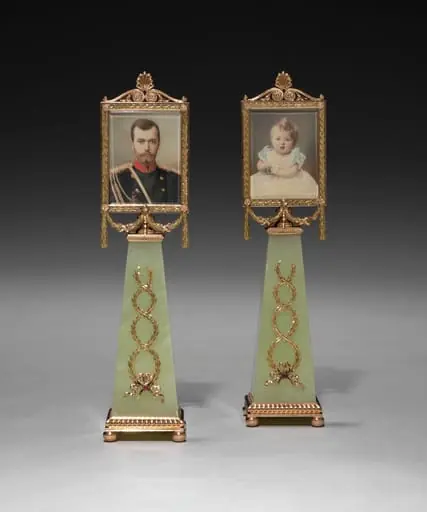
Artist & collection