Artwork
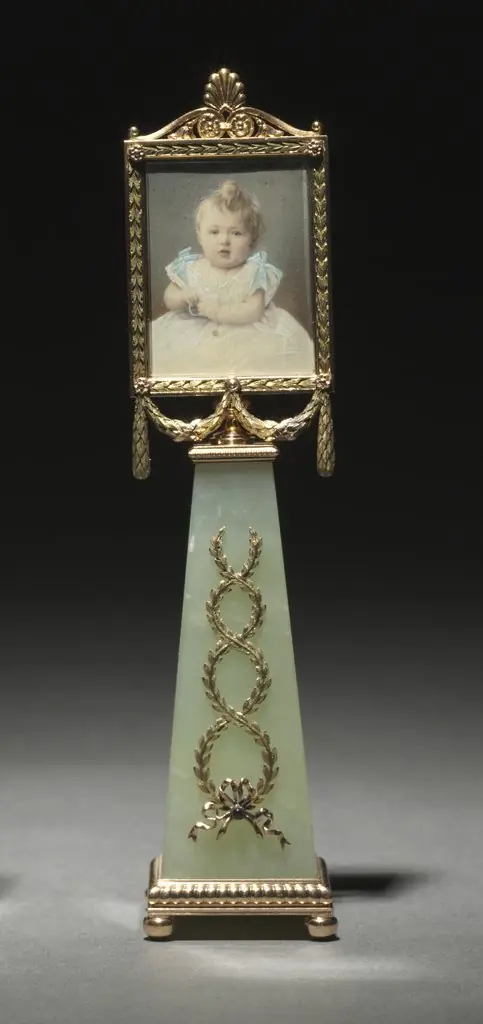
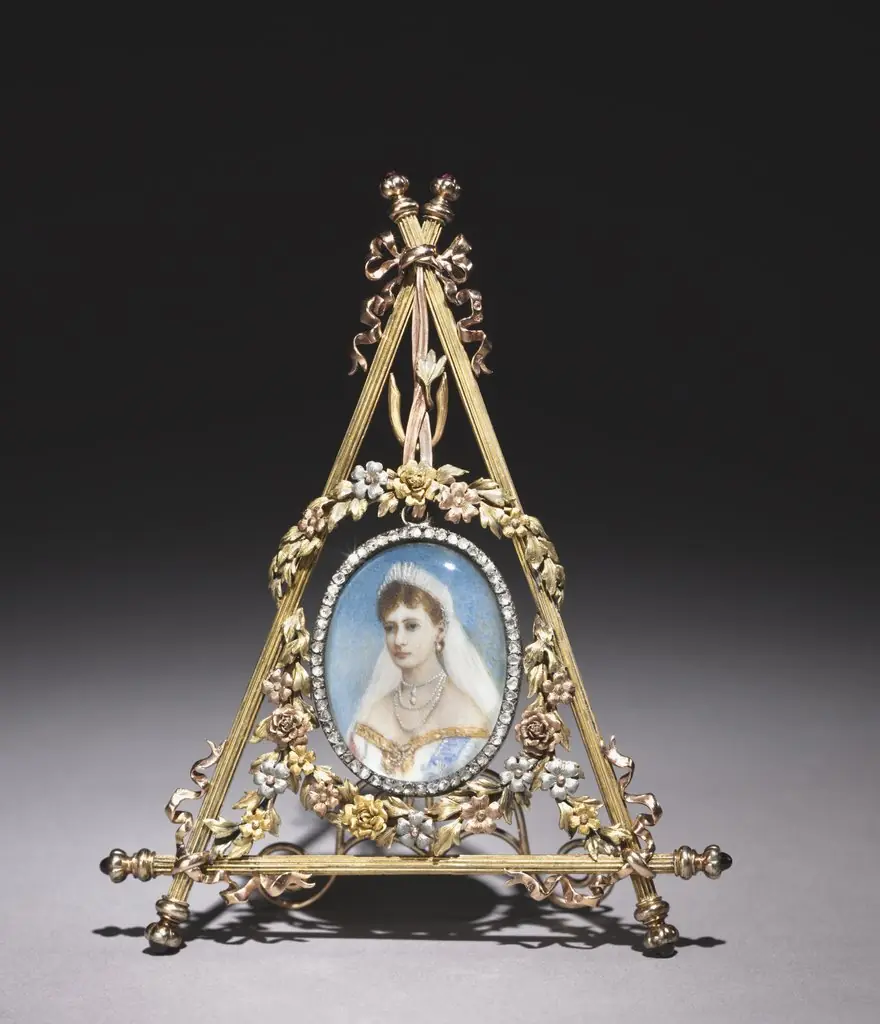
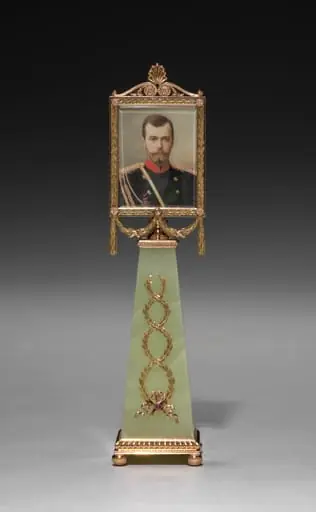
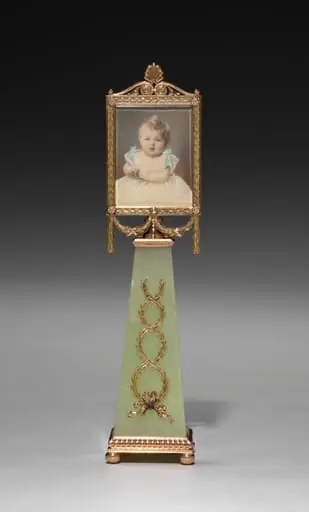
Imperial Framed Miniature of Tsar Nicholas II
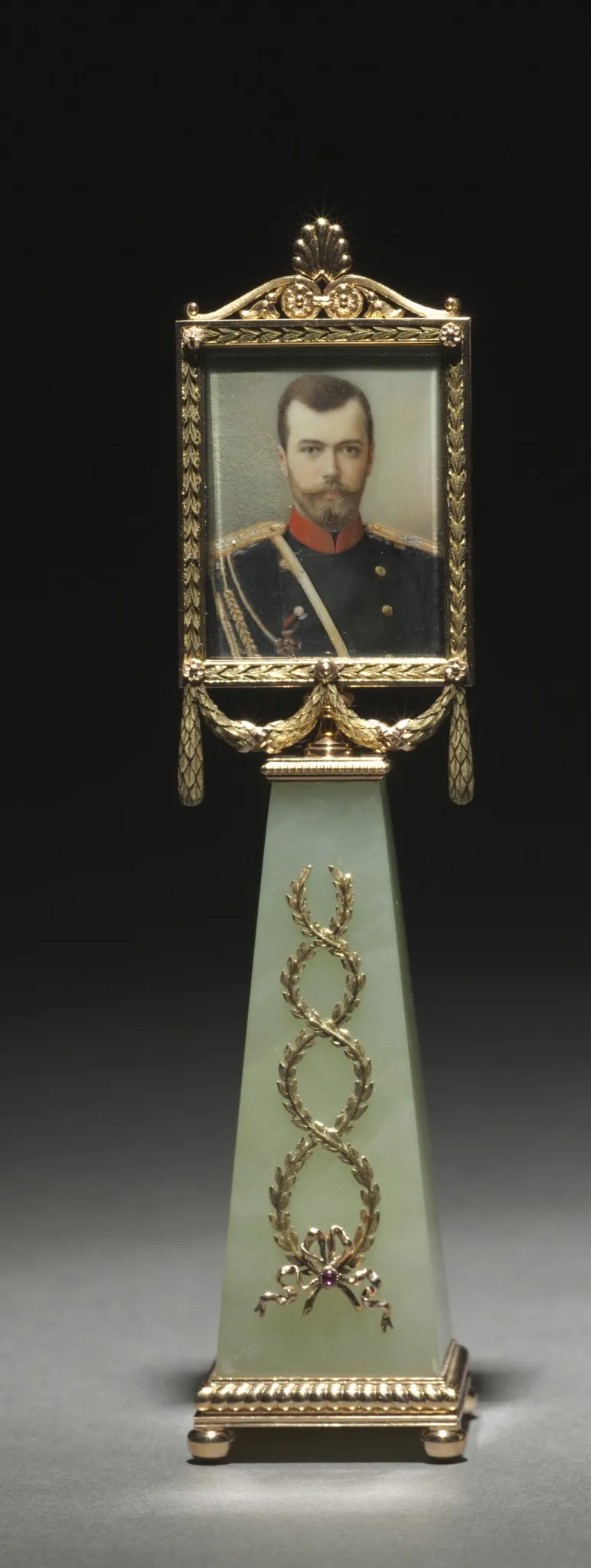
Imperial Framed Miniature of Tsar Nicholas II is an unspecified painting by the Japonisme artist Peter Carl Fabergé. It dates from 1898 and is held in the collection of the Cleveland Museum of Art.
About this work
This painting is called Imperial Framed Miniature of Tsar Nicholas II. It was made by Peter Carl Fabergé in 1896. The Cleveland Museum of Art has this work, and it's interesting because Fabergé was known for his detailed and intricate designs, often related to Russian royalty.
You can learn more about this type of art by looking up the museum: The Cleveland Museum of Art.
History & Provenance
The work, classified as a painting, entered the collection of the Cleveland Museum of Art, which holds it in its permanent holdings as accession 1966.
Imperial Framed Miniature of Tsar Nicholas II was produced in 1896 within the Fabergé workshop, where Peter Carl Fabergé oversaw the design and execution, with workshop artisans Mikhail Evlampievich Perkhin and Johannes Zehngraf contributing to the portrait miniature. The work, classified as a painting, entered the collection of the Cleveland Museum of Art, which holds it in its permanent holdings as accession 1966.458.1. Its creation coincided with the Russian imperial court's demand for commemorative miniatures of the tsar, and it remained in the museum's possession, reflecting a continuous ownership chain from the artist’s studio to the institution.
The Imperial Framed Miniature of Tsar Nicholas II is held in the collection of the Cleveland Museum of Art in Cleveland. The work is cataloged under the accession number 1966.458.1. Created in 1896, this portrait miniature is attributed to the House of Fabergé, with specific contributions from Peter Carl Fabergé, Mikhail Evlampievich Perkhin, and Johannes Zehngraf. The provided sources do not contain specific records regarding past or future exhibitions for this object.
Overview
This miniature portrait, titled Imperial Framed Miniature of Tsar Nicholas II, was created by Peter Carl Fabergé in 1896. The artwork depicts the last Emperor of Russia, Nicholas II, within a decorative frame. It is currently housed in the collection of The Cleveland Museum of Art, representing a facet of Fabergé's diverse artistic output beyond his renowned imperial eggs.
Subject & Meaning
The painting features Tsar Nicholas II, the final monarch of the Russian Empire. Such imperial miniatures served as personal mementos or diplomatic gifts, signifying allegiance and royal presence. They were often intimate objects, allowing the bearer to carry an image of the sovereign. This particular work reflects the tradition of royal portraiture, albeit on a smaller, more personal scale.
Technique & Style
Peter Carl Fabergé's studio, renowned for its intricate and detailed designs, produced this miniature portrait. While primarily celebrated for elaborate jewelry and decorative arts, this work showcases the firm's application of fine craftsmanship to portraiture. The painting likely features delicate brushwork, consistent with the precision expected from a Fabergé creation, and is presented within an imperial frame, underscoring the artist's signature blend of artistry and luxurious presentation.
Context
Fabergé's close association with the Russian imperial family is evident in works such as this miniature. His firm was a prominent supplier to the Romanov court, creating objects that ranged from personal adornments to significant state gifts. This portrait of Tsar Nicholas II exemplifies the artistic patronage of the era, where skilled artisans like Fabergé crafted pieces that reflected the grandeur and personal tastes of the imperial household.
Artist & collection

Artist
Peter Carl Gustavovich Fabergé was a Russian goldsmith and jeweller. He is best known for creating Fabergé eggs made in the style of genuine Easter eggs, but using precious metals and gemstones rather than more mundane…