Artwork
Portrait of a Gentleman
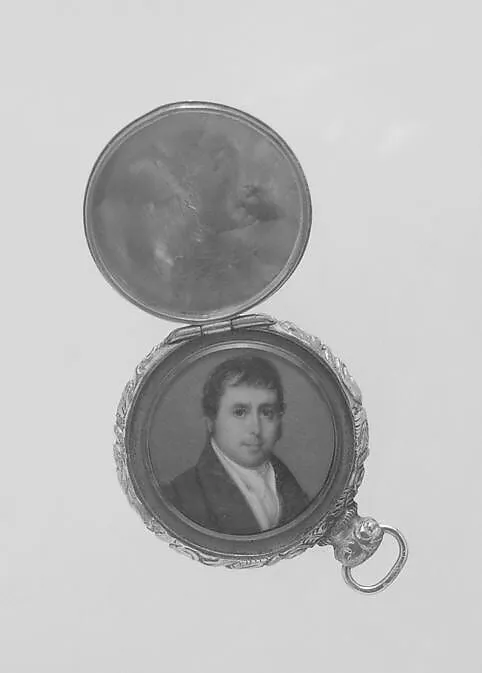
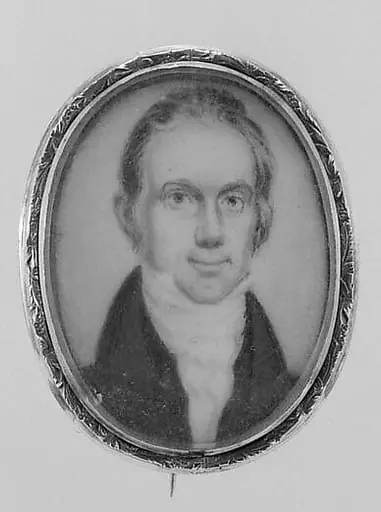
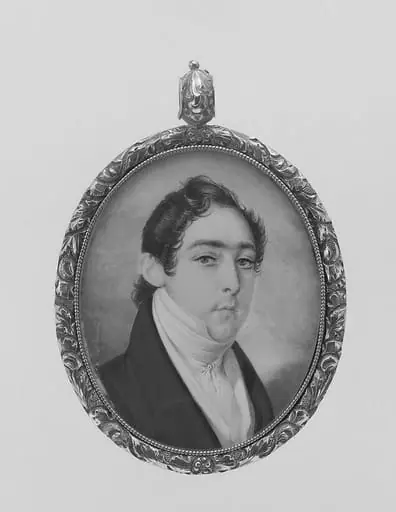
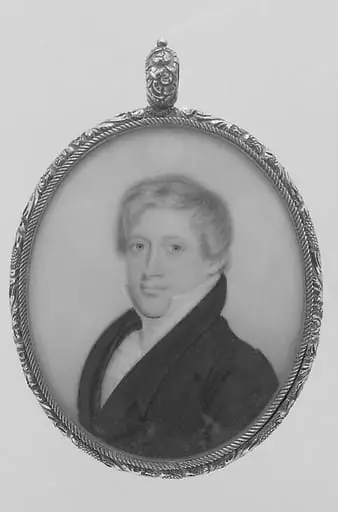
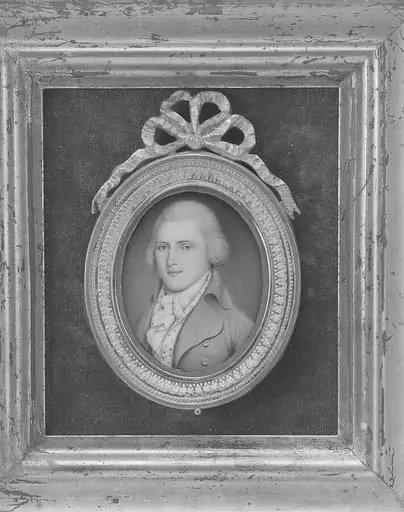
Portrait of a Gentleman is a watercolor painting by the American Folk Art artist John Alexander McDougall. It dates from 1852 and is held in the collection of the Metropolitan Museum of Art.
About this work
Technique & Style
The Portrait of a Gentleman (1852) is executed in watercolor on a thin ivory support, typical of mid-nineteenth-century American miniatures.
The Portrait of a Gentleman (1852) is executed in watercolor on a thin ivory support, typical of mid-nineteenth-century American miniatures. The artist applied transparent washes to capture subtle tonal gradations, preserving the delicate translucency of the medium. The work is classified within the American Wing as a portrait depicting an unidentified man.
As a watercolor on ivory, the support requires careful handling to prevent cracking or pigment loss. The available museum records do not detail its present condition.
History & Provenance
The miniature portrait was painted in 1852 by John Alexander McDougall in watercolor on ivory. The sitter remains unidentified, and the work is classified as a portrait depicting a man. It entered the Metropolitan Museum of Art in 2006 and bears the accession number 2006.235.233, where it is catalogued under the American Wing.
While the records confirm its current location and cataloguing details, the available documentation does not list specific exhibition histories or past display dates for this miniature portrait.
Overview
John Alexander McDougall, an American artist recognized for his miniature portraits, created Portrait of a Gentleman in 1852. Executed in watercolor on ivory, this small-scale work depicts an unidentified man. McDougall's practice often involved these intimate formats, which were popular during the mid-19th century for capturing individual likenesses. The painting exemplifies his skill in rendering detailed features within a confined space, characteristic of his output.
Subject & Meaning
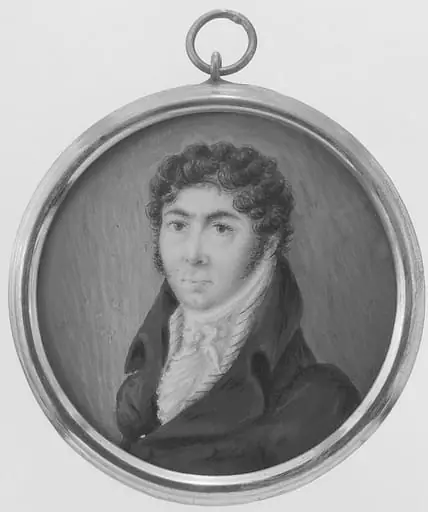
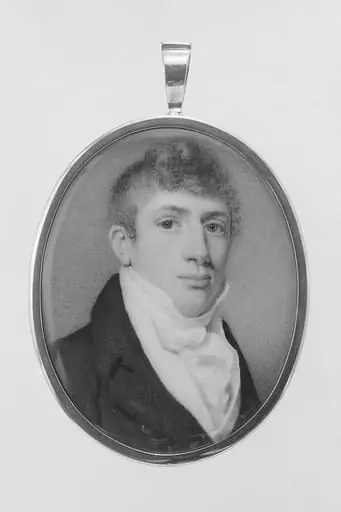
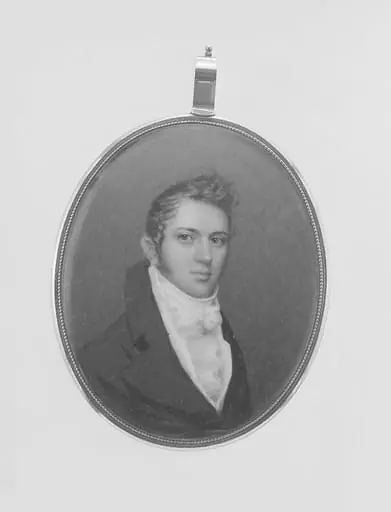
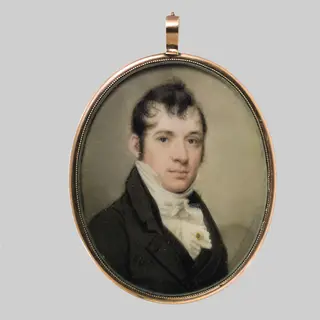
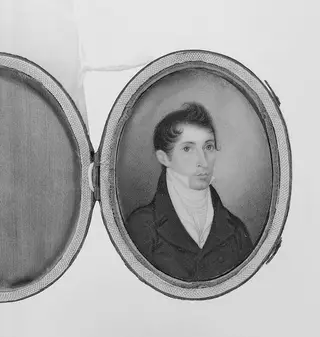
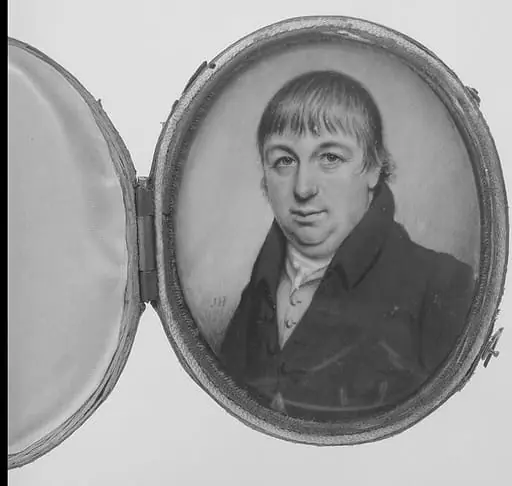
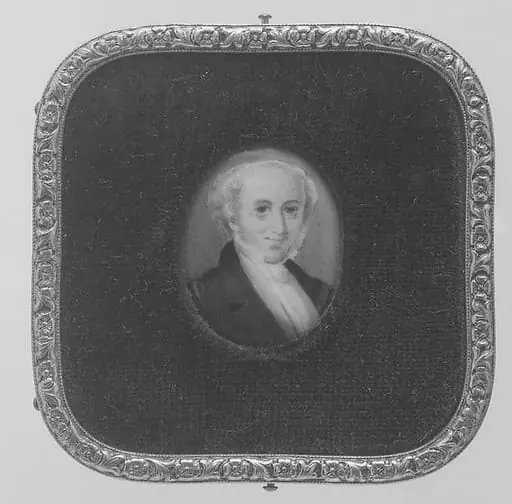
The painting presents a man dressed in a dark coat and a white cravat, gazing directly forward. His expression appears calm, with soft illumination highlighting his features against a simple background. This directness and focus on the sitter's countenance are typical of portrait miniatures, which aimed to capture a personal and often idealized likeness. The work serves as a record of an individual from the period.
Context
John Alexander McDougall, based in Newark, New Jersey, honed his artistic skills at the National Academy of Design in New York. His professional life included friendships with notable figures in American art and literature, such as painters George Inness and Asher B. Durand, and writers Washington Irving and Edgar Allan Poe. These connections placed him within significant cultural circles of his time, even as he specialized in the intimate format of miniatures.
Legacy
Examples of John Alexander McDougall's miniature portraits are preserved in the collections of prominent institutions. His works are held by the Metropolitan Museum of Art in New York and the Smithsonian American Art Museum, reflecting his contribution to American portraiture. These holdings ensure the continued study and display of his specialized artistic output.
Artist & collection

Artist
John Alexander McDougall (c.1810–1894) was an American painter and photographer, known for his portrait miniatures.