Artwork
Portrait of a Gentleman
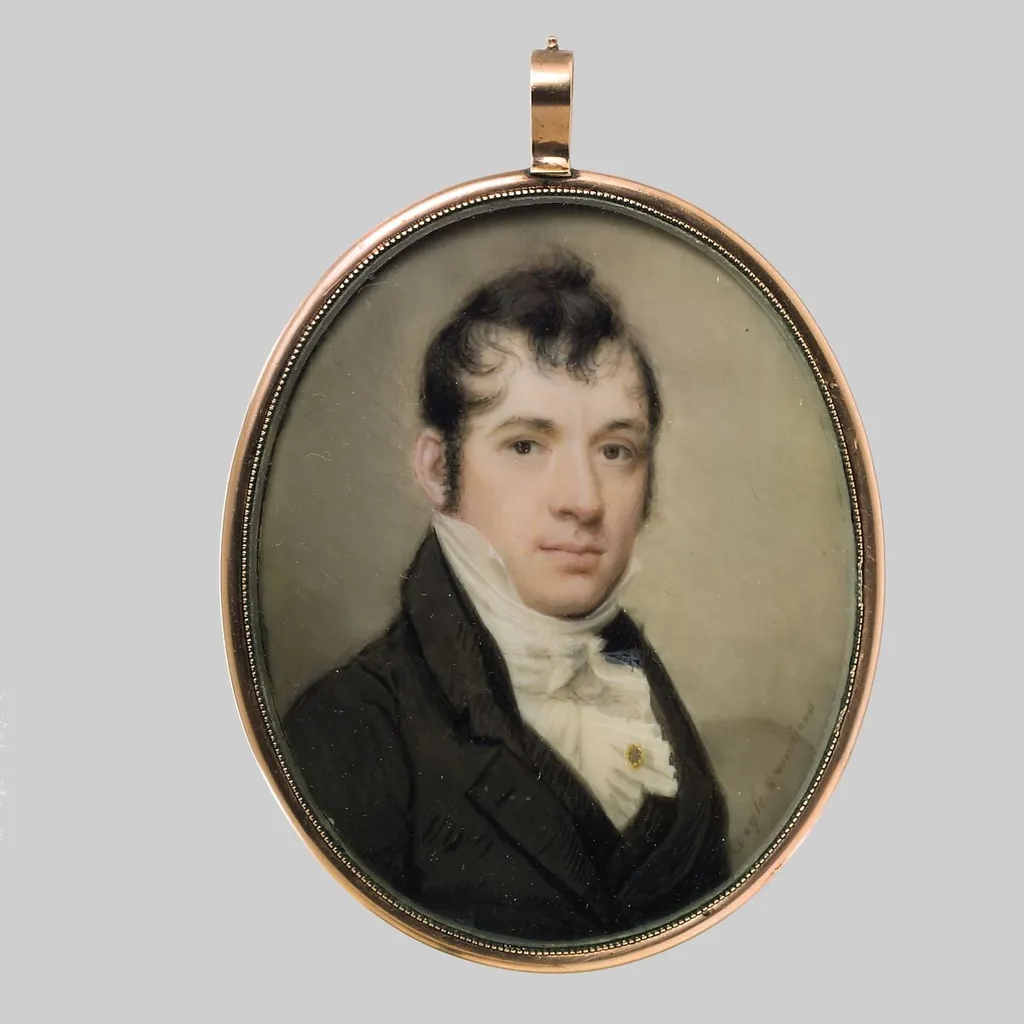
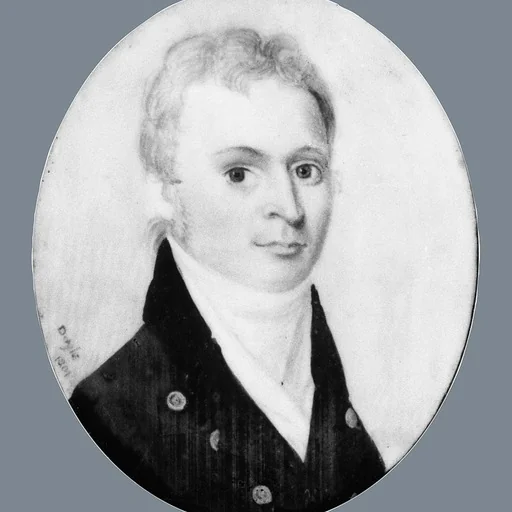
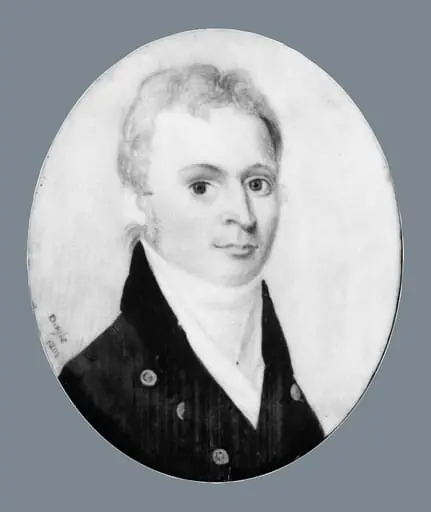
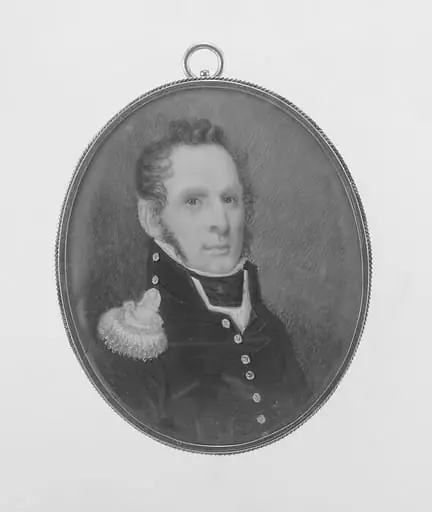
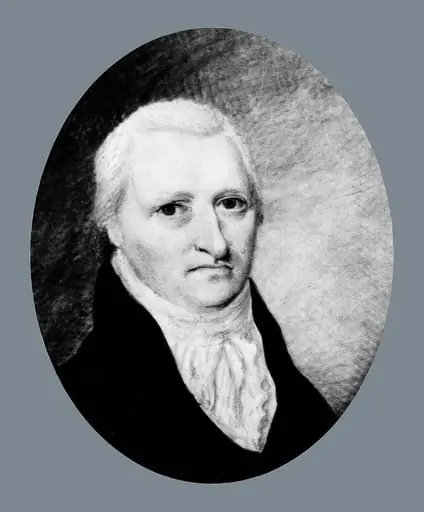
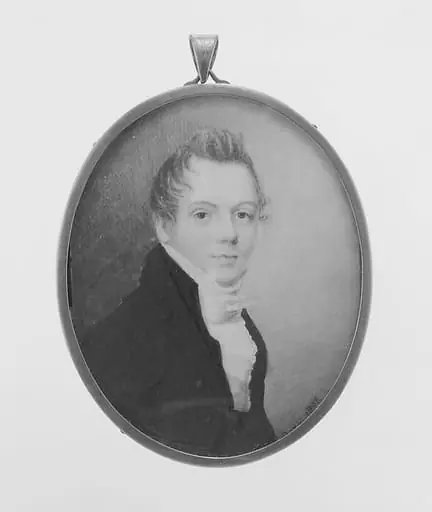
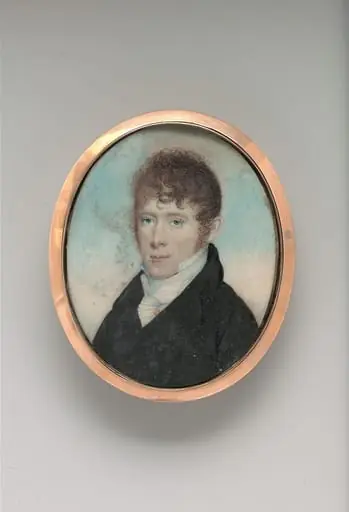
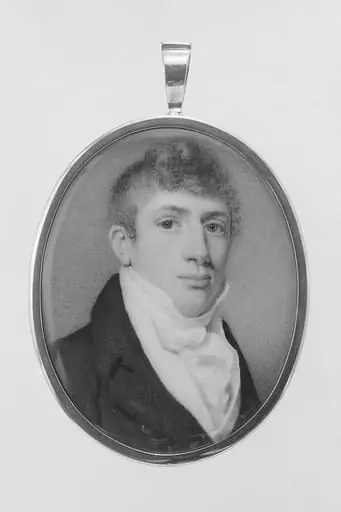
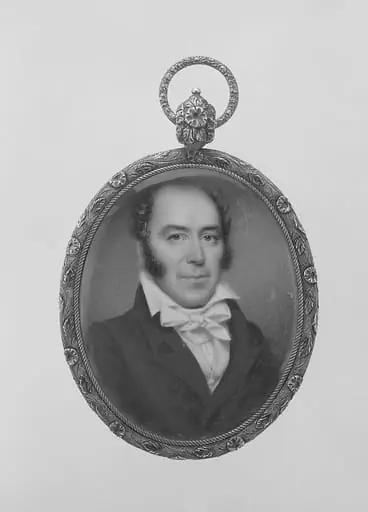
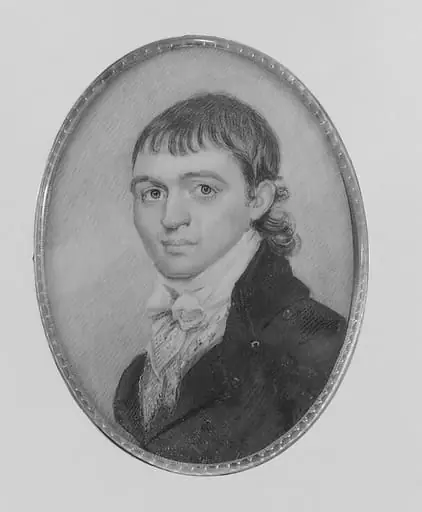
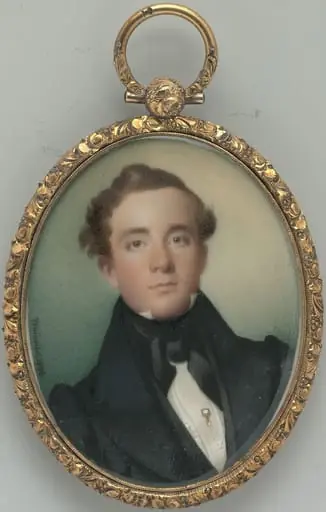
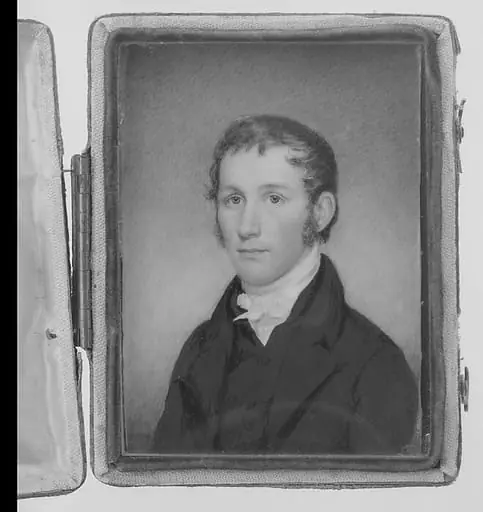
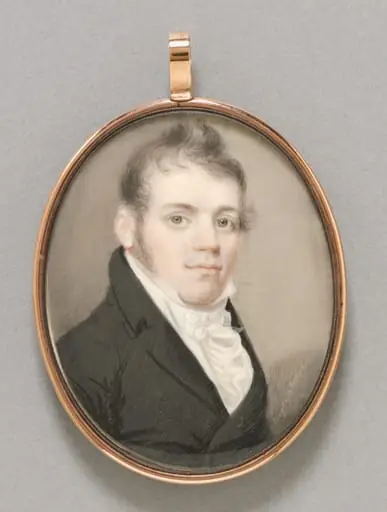
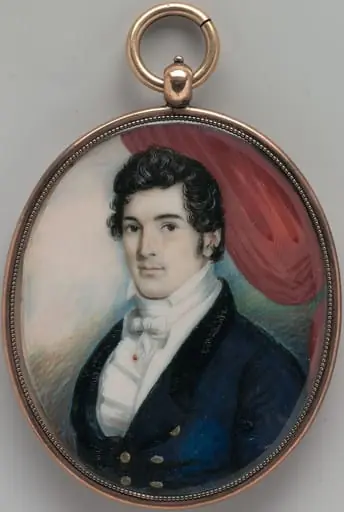
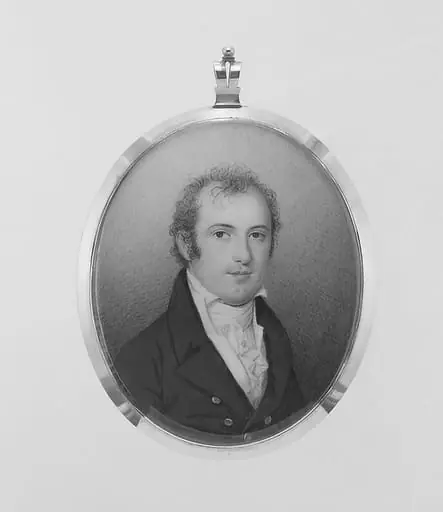
Portrait of a Gentleman is a watercolor painting by the Romanticist artist William M. S. Doyle. It dates from 1810 and is held in the collection of the Metropolitan Museum of Art.
- Accession no.
- 2004.285
- Credit line
- Dale T. Johnson Fund, 2004
About this work
Subject & Meaning
Iconographically, the sitter's attire and bearing suggest the cultural ideals of masculinity and status prevalent in 1810.
The work titled "Portrait of a Gentleman" portrays a man identified as a gentleman, reflecting the sitter's socially elevated status typical of early nineteenth‑century portraiture. The subject is rendered as a man, emphasizing conventional notions of refinement and respectability, while the medium of watercolor on ivory underscores a delicate, intimate presentation. The painting's classification within The American Wing and its inclusion among portraits highlight its role as a representative example of elite male portraiture in the period. Iconographically, the sitter's attire and bearing suggest the cultural ideals of masculinity and status prevalent in 1810.
Technique & Style
Portrait of a Gentleman is executed in watercolor on ivory, a miniature format suited to small-scale, detailed portraiture. The work measures 7.6 cm in height by 6 cm in width, a compact dimension characteristic of the ivory support, which provided a smooth, luminous ground for delicate watercolor washes. The classification places the piece within The American Wing, consistent with the conventions of early nineteenth-century American miniature portraiture, in which translucent pigments were applied over ivory to achieve subtle tonal gradations and a refined finish.
History & Provenance
Portrait of a Gentleman was created by William M. S. Doyle in 1810, executed in watercolor on ivory. The work entered the Metropolitan Museum of Art's collection, where it is catalogued as accession number 2004.285 and classified within The American Wing. No further details about the commission, prior ownership, or chain of custody are documented in the available sources.
The painting measures 7.6 cm in height by 6 cm in width, consistent with the small-scale format typical of portrait miniatures on ivory. The accession number (2004) suggests the work was accessioned by the Metropolitan Museum of Art in 2004, though the source materials do not specify the donor, vendor, or circumstances of the acquisition.
Overview
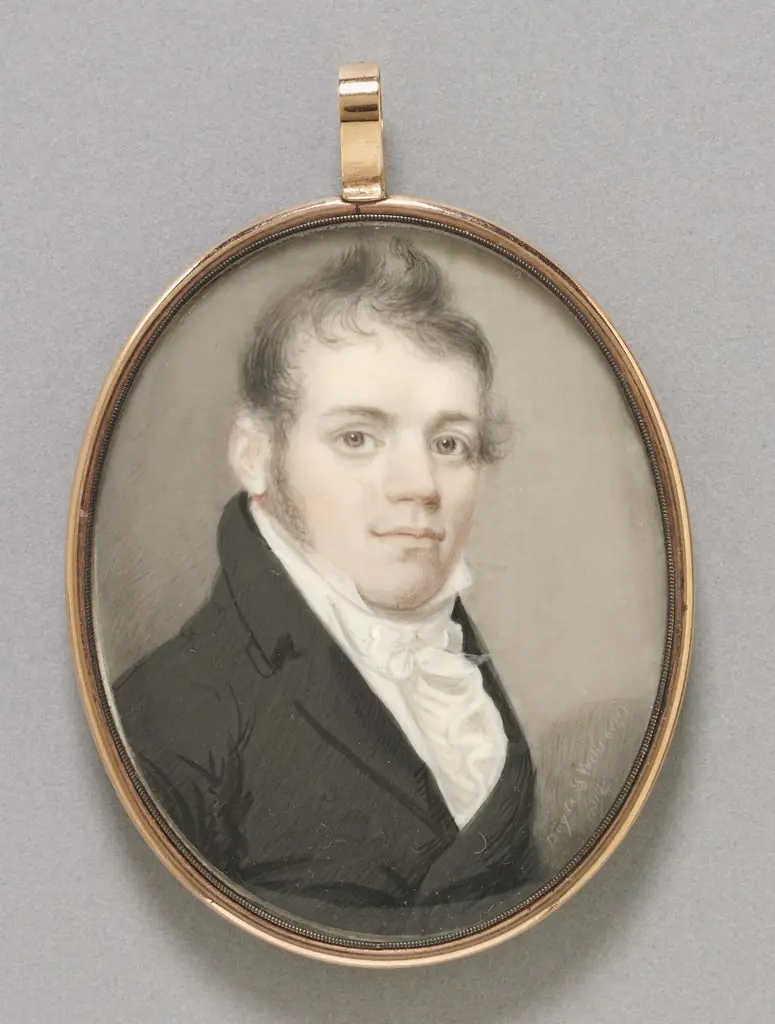
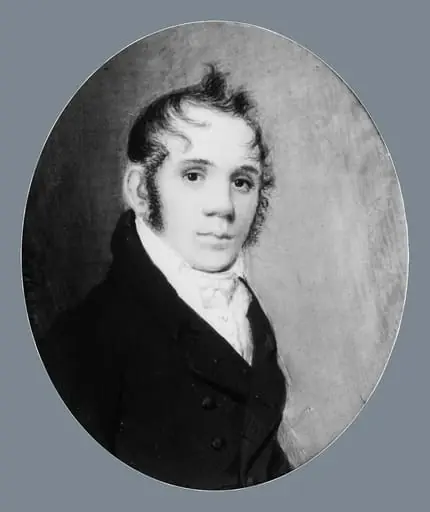
Portrait of a Gentleman, created by William M. S. Doyle in 1810, is a watercolor miniature painted on ivory. This small-scale work presents a man in a dark coat and white cravat, gazing directly forward with a softly illuminated face. Its diminutive size, smaller than a playing card, indicates its intended function as a personal keepsake, a popular form of portable portraiture during the early 19th century.
Context
Miniature portraits held significant cultural importance before the widespread availability of photography. These small artworks served as intimate personal objects, often carried or worn as tokens of affection or remembrance, much like modern wallet-sized pictures. Their popularity in America during the early 1800s reflects a desire for portable and personal representations of individuals, particularly among the affluent.
Artist & collection