Artwork
Portrait of a Gentleman
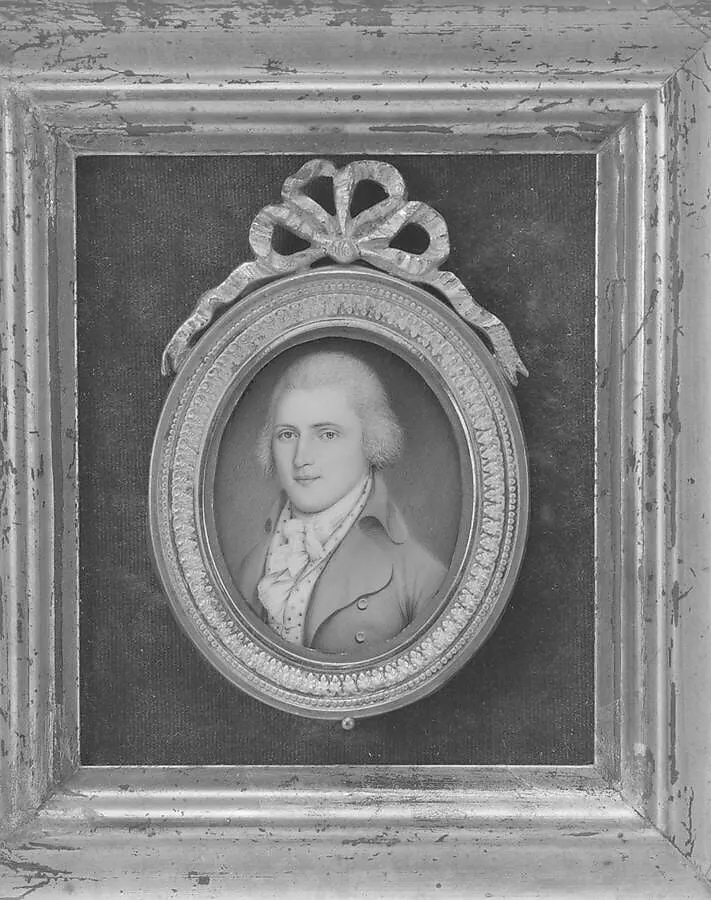
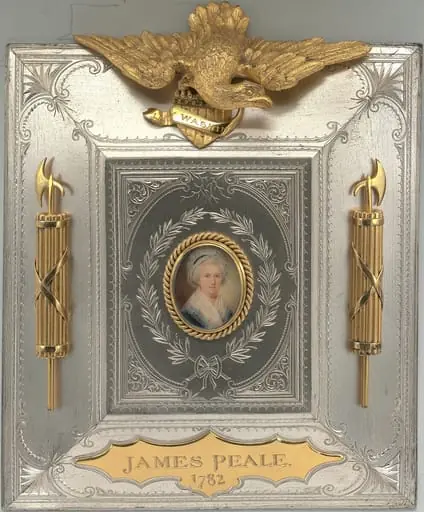
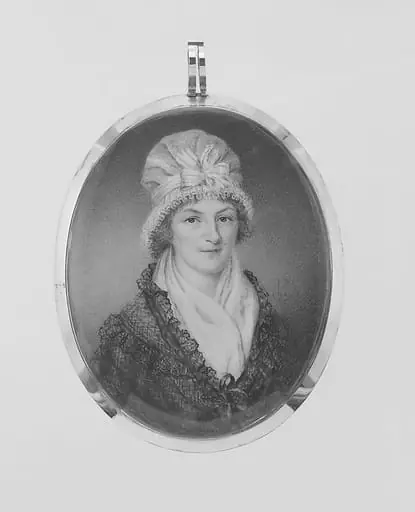
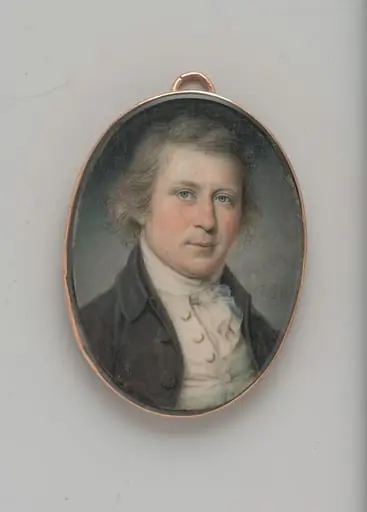
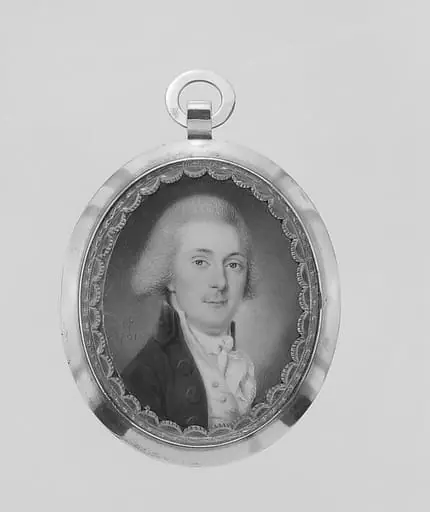
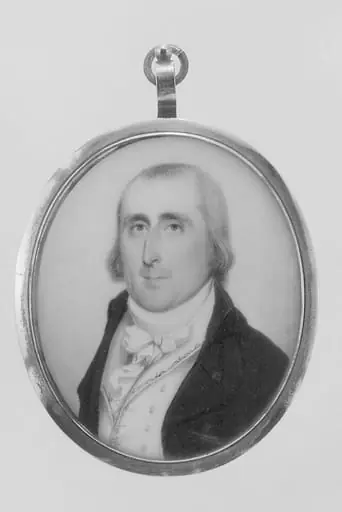
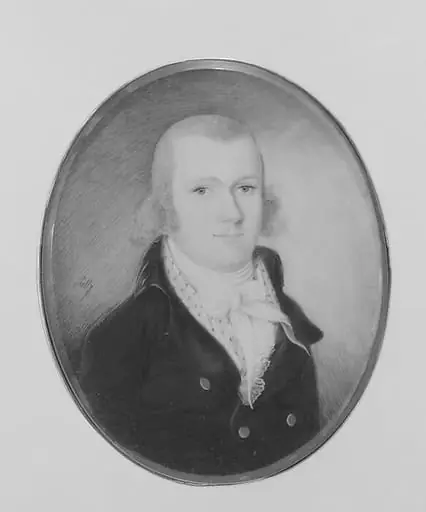
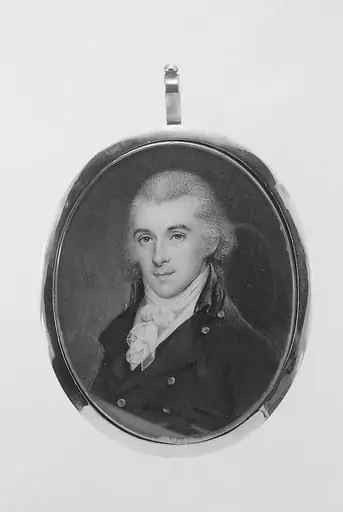
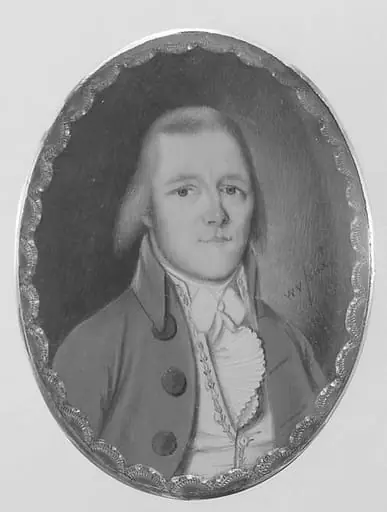
Portrait of a Gentleman is a watercolor painting by the American Folk Art artist James Peale. It dates from 1794 and is held in the collection of the Metropolitan Museum of Art.
About this work
Technique & Style
The handling reflects the disciplined technique associated with Peale's miniature practice, with careful attention to facial modeling and costume detail.
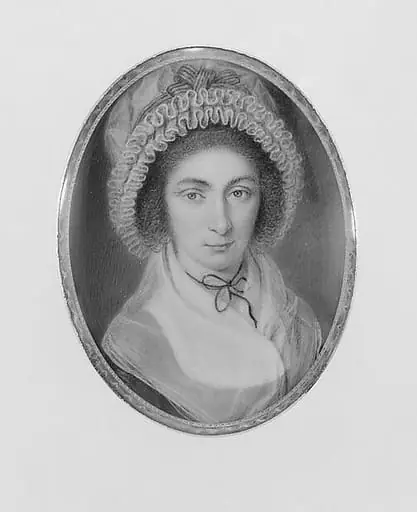
Portrait of a Gentleman is executed in watercolor on ivory, a miniature format that required James Peale to work with fine brushes on a smooth, luminous support. The ivory ground lends a soft, translucent quality to the sitter's features, allowing delicate gradations of tone and a refined finish characteristic of late eighteenth-century American portrait miniatures. The compact dimensions, approximately 5.8 by 4.6 centimeters, situate the work within the intimate scale typical of the medium, suited to private viewing rather than public display.
The handling reflects the disciplined technique associated with Peale's miniature practice, with careful attention to facial modeling and costume detail.
History & Provenance
The miniature was painted by James Peale in 1794, as indicated by the artist's date on the work and corroborated by the Metropolitan Museum's accession entry. It entered the Metropolitan Museum of Art, New York, in 2006 as a gift, inventoried as 2006.235.140, establishing its institutional ownership history from 2006 onward. The work has not been documented in major public exhibitions since its acquisition, and no exhibition history prior to 2006 is recorded.
Overview
James Peale's Portrait of a Gentleman, created in 1794, is a miniature rendered in watercolor on ivory. This work exemplifies the artist's skill in capturing individual likenesses, a genre in which he specialized. The portrait offers insight into the visual culture of the late 18th century and represents a contribution to the nascent American art tradition, particularly within the folk art movement of the period.
Subject & Meaning
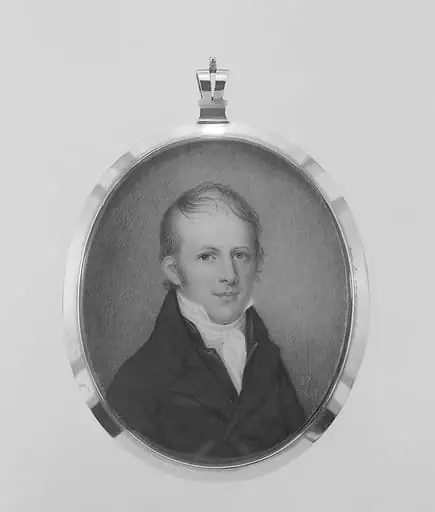
The subject of the portrait is an unidentified gentleman, depicted within a simple frame. He is shown wearing a white shirt beneath a dark coat, a common fashion choice of the period. His hairstyle and clothing are characteristic of late 18th-century American society, providing a visual record of the sartorial trends and personal presentation prevalent during that time.
Context
James Peale was a significant figure in the development of early American visual arts, known for his miniatures and still lifes. As the younger brother of the influential painter Charles Willson Peale, James contributed to the family's artistic legacy and the broader establishment of art in the new nation. His precise portraiture played a role in shaping the aesthetic sensibilities of the late 18th century.
Artist & collection

Artist
James Peale (1749 – May 24, 1831) was an American painter, best known for his miniature and still life paintings, and a younger brother of noted painter Charles Willson Peale.