Artwork
Portrait of a Lady
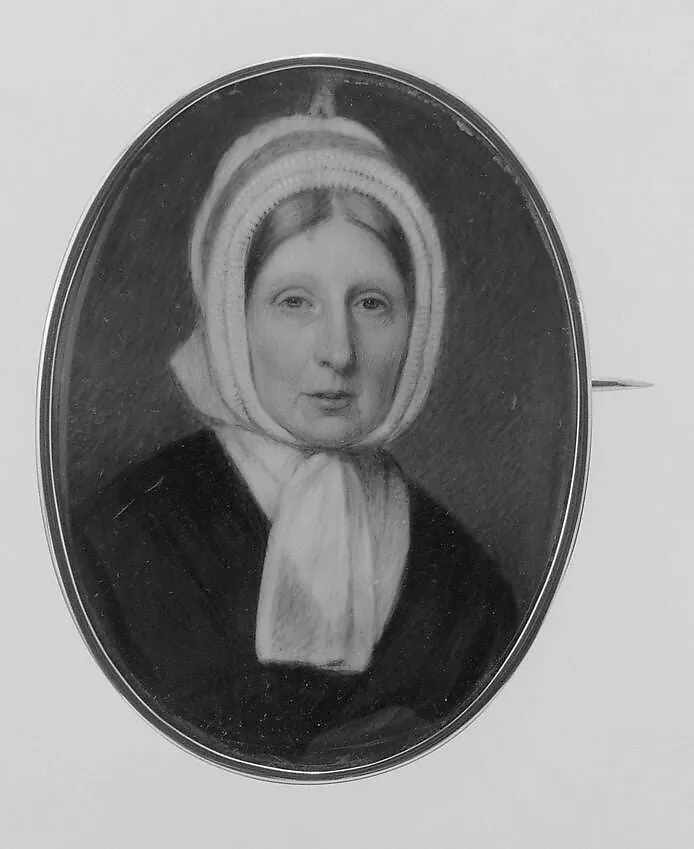
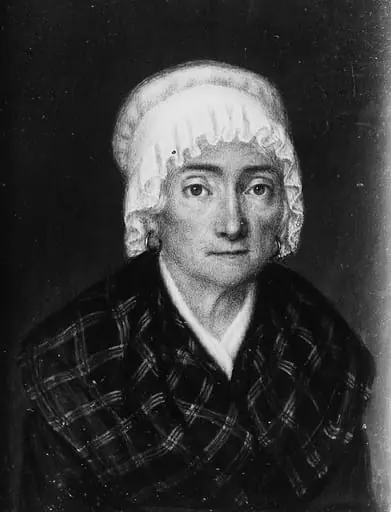
Portrait of a Lady is a watercolor painting by the Romanticist artist John Carlin. It dates from 1852 and is held in the collection of the Metropolitan Museum of Art.
About this work
Technique & Style
The choice of ivory as a ground allows for the luminous quality characteristic of watercolor miniatures from this period.
Executed in 1852, this portrait by John Carlin is a watercolor painting applied on an ivory support. The work exemplifies the miniature portrait tradition through its diminutive scale, measuring 4.9 cm in height and 3.8 cm in width. The choice of ivory as a ground allows for the luminous quality characteristic of watercolor miniatures from this period.
As a formal portrait, the composition focuses entirely on the depiction of a single female subject, utilizing the smooth surface of the ivory to achieve fine detail in the rendering of the sitter.
History & Provenance
Portrait of a Lady is a watercolor on ivory painted by John Carlin in 1852, as recorded in the work’s catalog entry and confirmed by the Metropolitan Museum of Art’s collection data. The painting, classified as a portrait depicting a woman, entered the museum’s holdings and is presently displayed in The American Wing. Its creation is dated to 1852, with the museum’s records noting an inception date of 1852‑01‑01 and dimensions of 4.9 cm by 3.8 cm. The work remains part of the museum’s permanent collection, reflecting its documented provenance within the institution.
The watercolor portrait titled Portrait of a Lady by John Carlin, created in 1852, is held in the collection of the Metropolitan Museum of Art. The work is categorized within The American Wing and bears the accession number 2006.235.246. While the source material confirms the painting's current location and inventory details, it does not provide a specific record of past or future exhibitions for this piece.
Overview
John Carlin, an American artist and poet, created this Portrait of a Lady in 1852. Executed in watercolor on ivory, the miniature depicts an unidentified woman, characteristic of the portraiture popular during the mid-19th century. Carlin, notable as the United States' first published deaf poet, also maintained a prolific career as a painter and illustrator throughout his life.
Subject & Meaning
The artwork presents a woman seated against a muted, soft gray backdrop. Her dark dress contrasts with her complexion, while her hair is neatly styled and pulled back. Her hands are gently clasped in her lap, conveying a sense of composure.
This intimate depiction aligns with the common practice of creating personal portraits as keepsakes during the period, capturing individual likenesses for private remembrance.
Context
John Carlin, born in Philadelphia in 1813, established himself in New York City, where he pursued both visual arts and literature until his death in 1891. Beyond his painting and illustration, Carlin achieved recognition as the first published deaf poet in the United States. Miniature portraits on ivory, like this one, were highly favored during the 19th century as personal mementos, cherished for their portability and intimate scale.
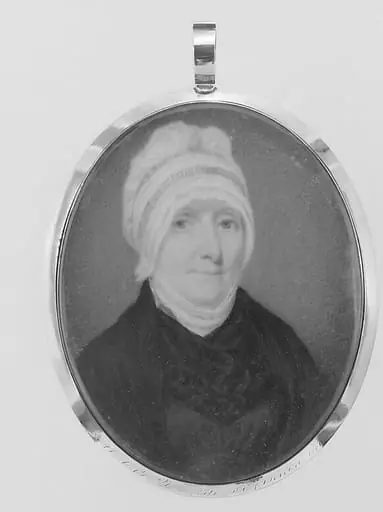
Artist & collection

Artist
John Carlin (15 May or 15 June 1813 in Philadelphia – 23 April 1891 in New York City) was an American illustrator, painter and poet. He was the first published deaf poet in the USA.

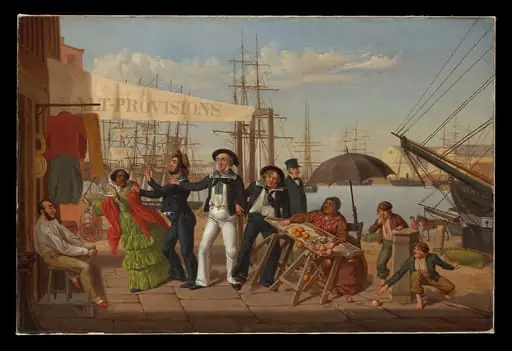
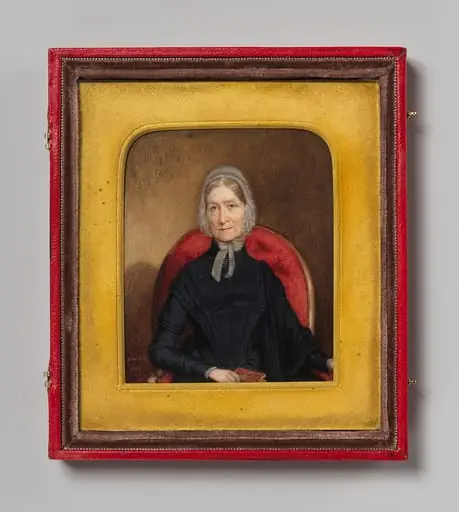
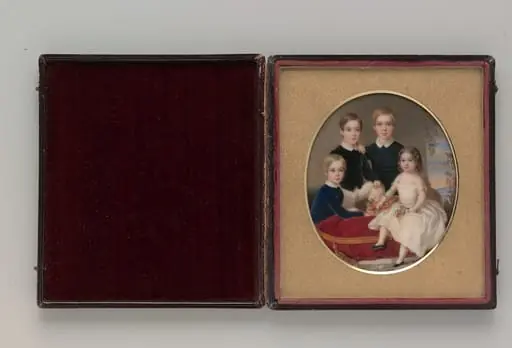
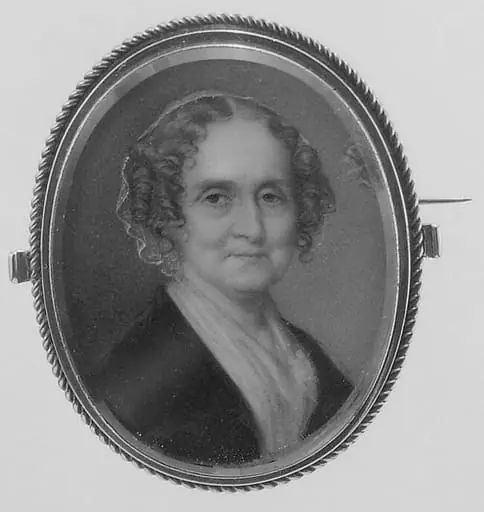
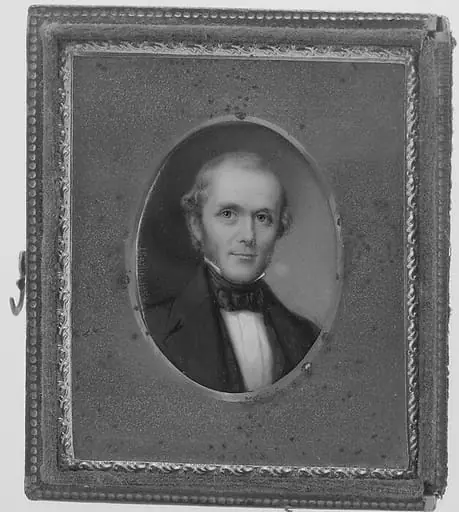
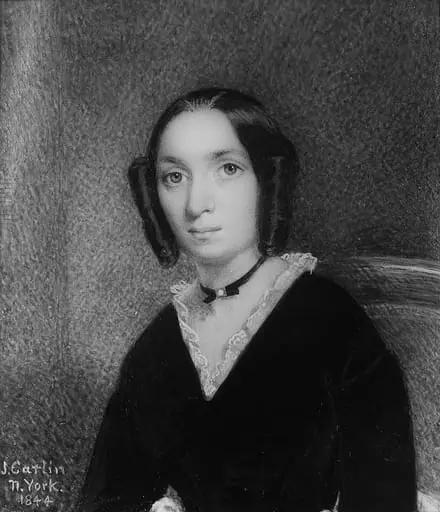
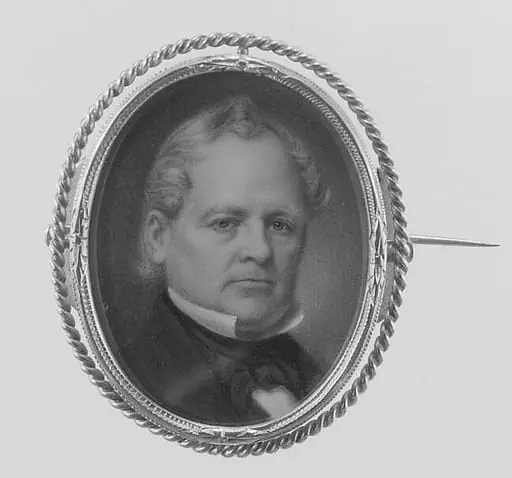
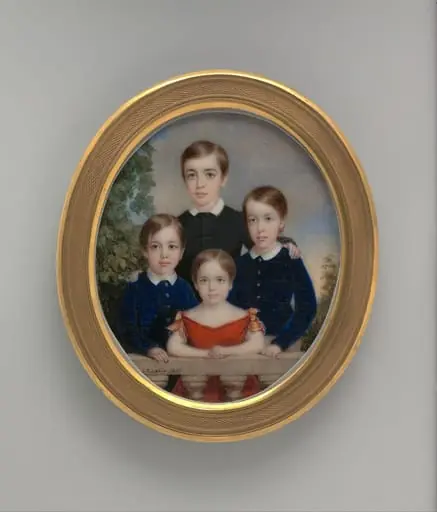
- Portrait of a Lady
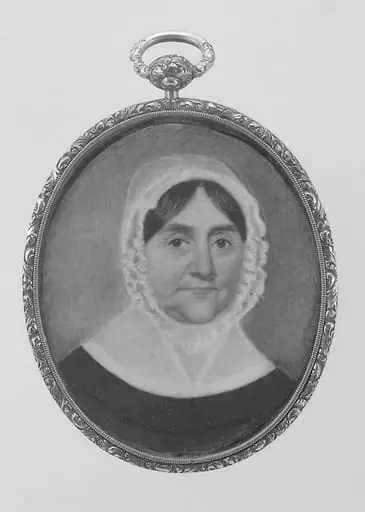 Portrait of a Lady
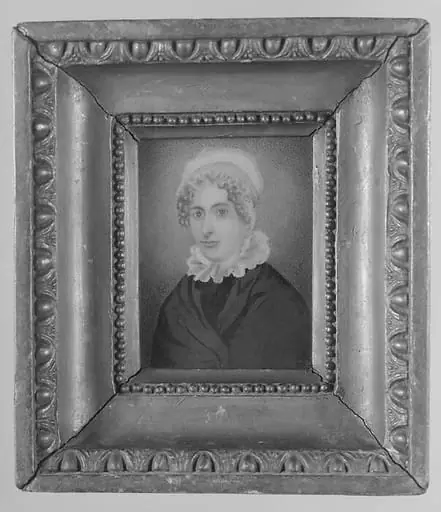 Portrait of a Lady
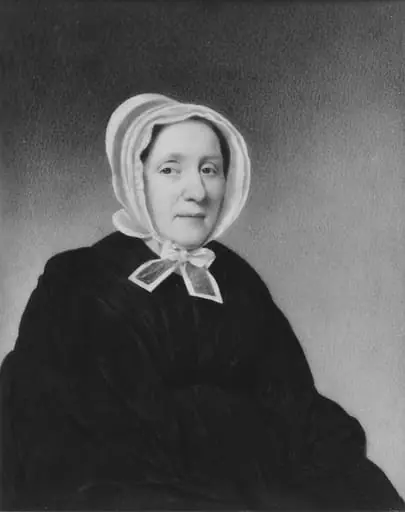 Mrs. Thomas Streatfield Clarkson (Elizabeth Van Horne)
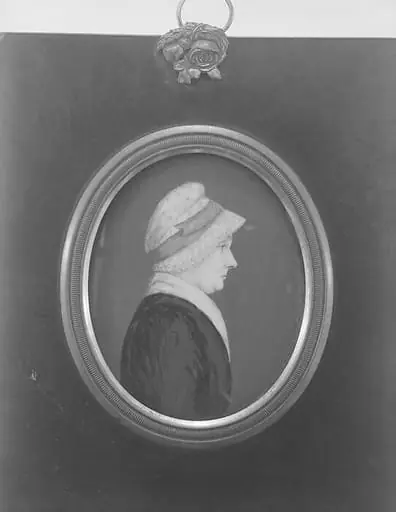 Mrs. David Howe (Sarah Whitney)
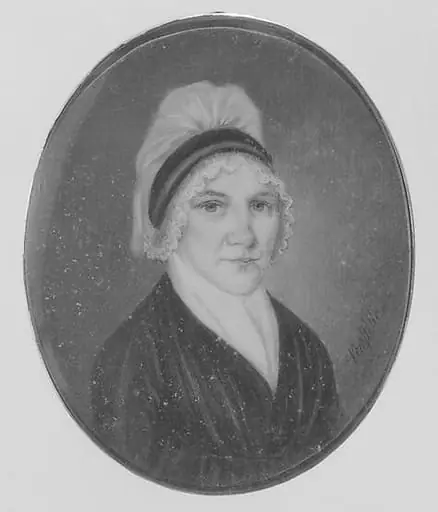 Mrs. Anstis Stone
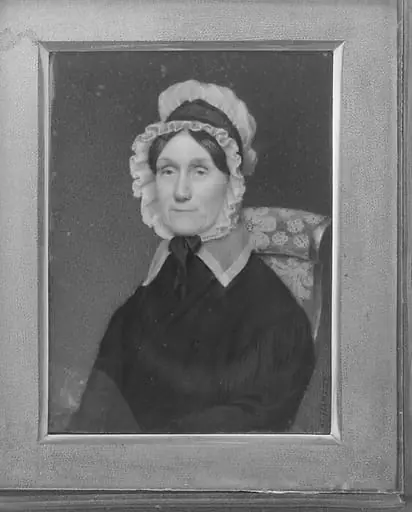 Sarah May Holland
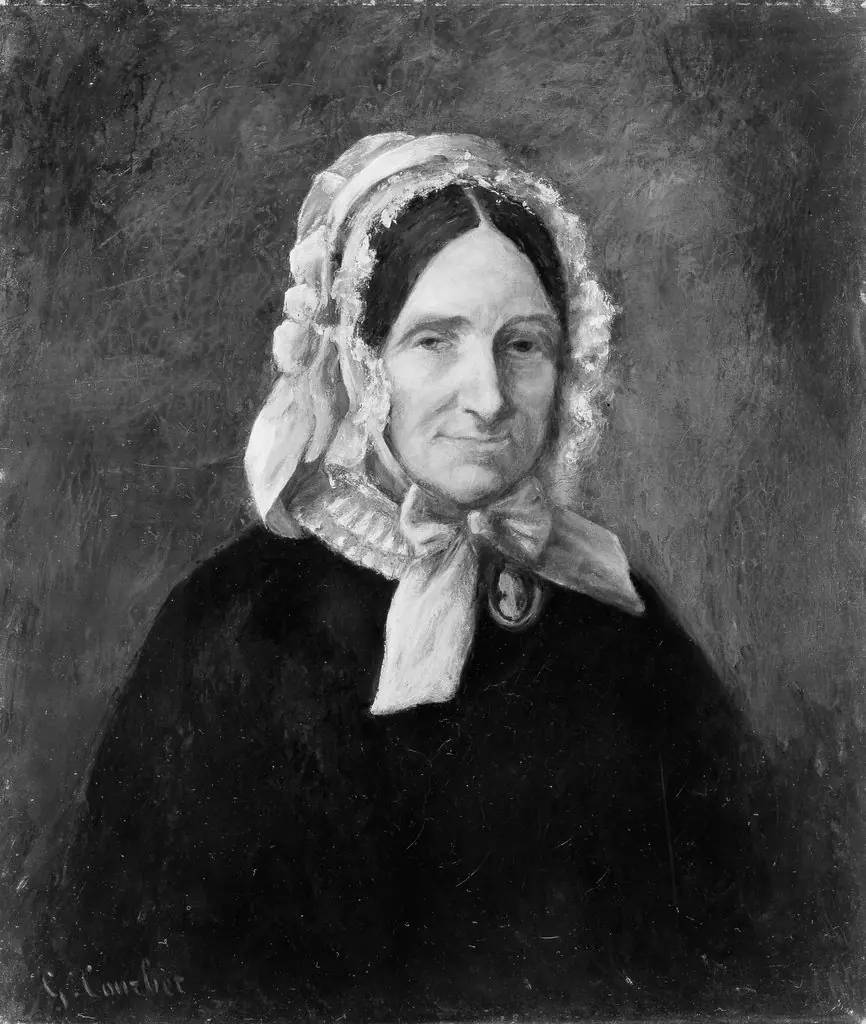 Portrait of a Woman, Called Héloïse Abélard
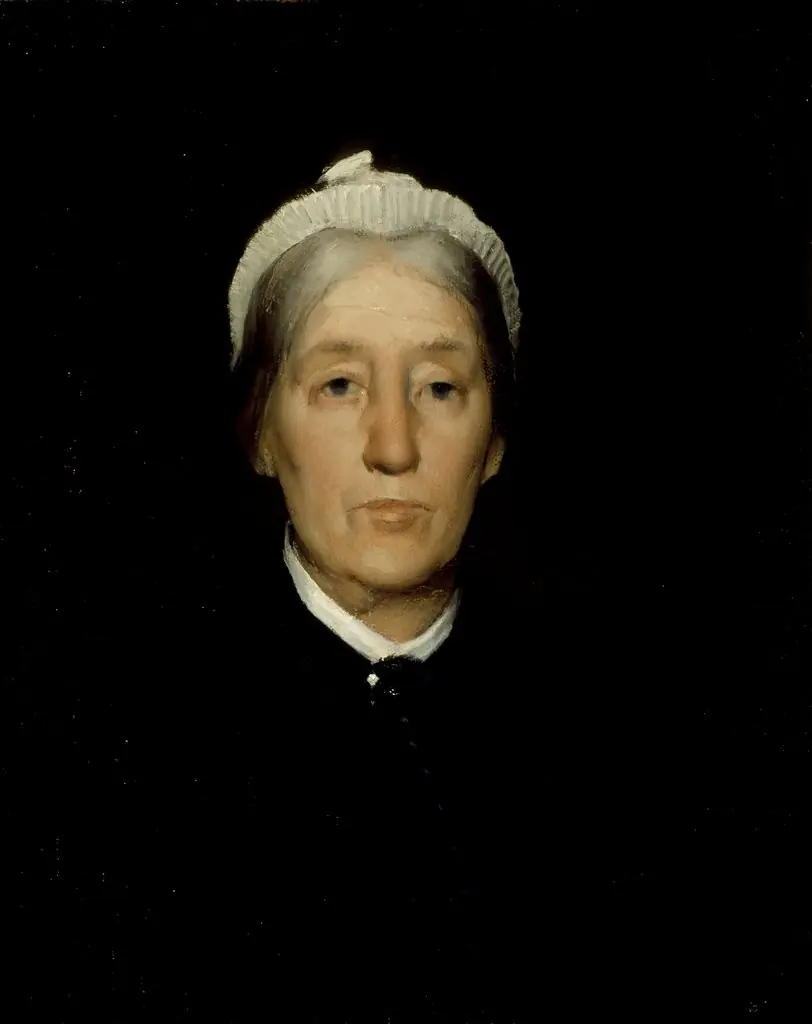 Portrait of Mrs. Robert Walter Weir
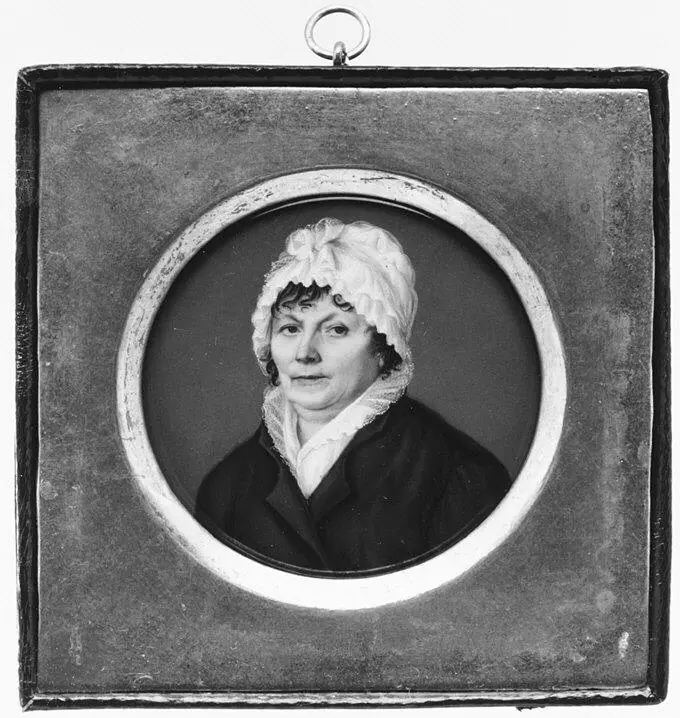 Margaret Rieche Richard
 Catherine Roberts, Gwraig Robert Roberts
 Mrs. Daniel Strobel Jr. (Anna Church)