Artwork
Portrait of a Lady
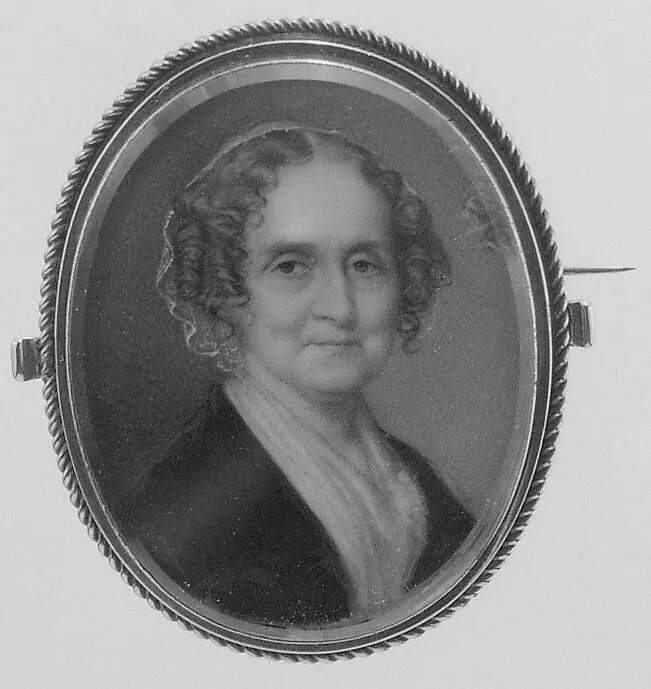
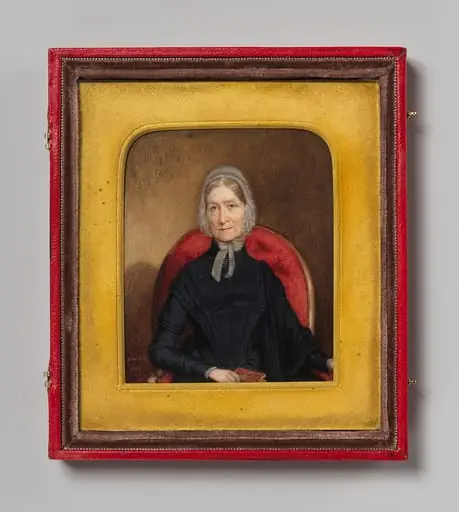
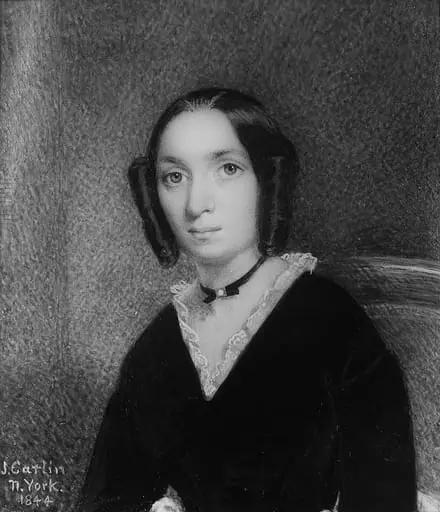
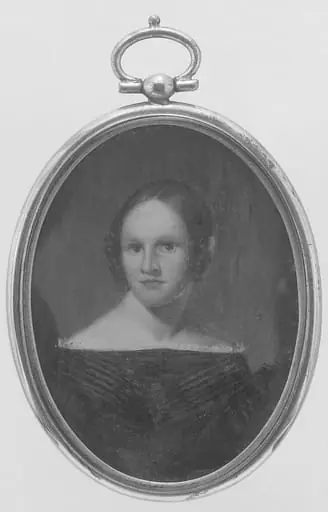
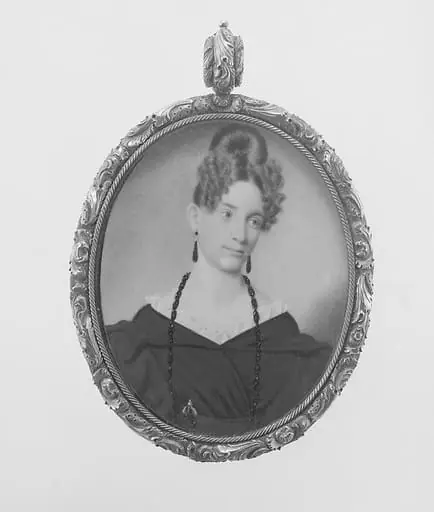
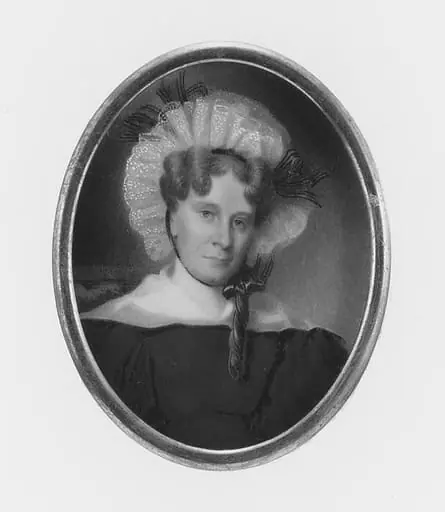
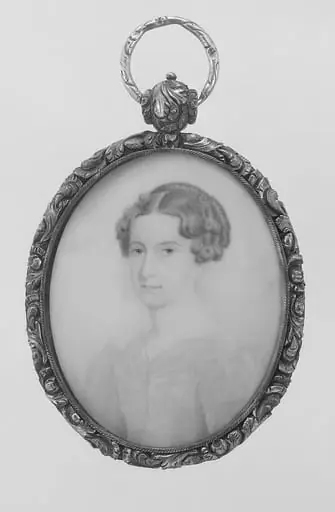
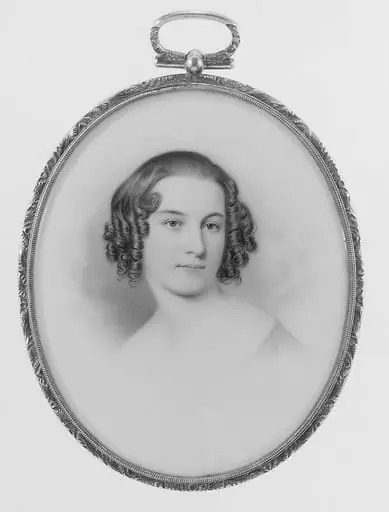
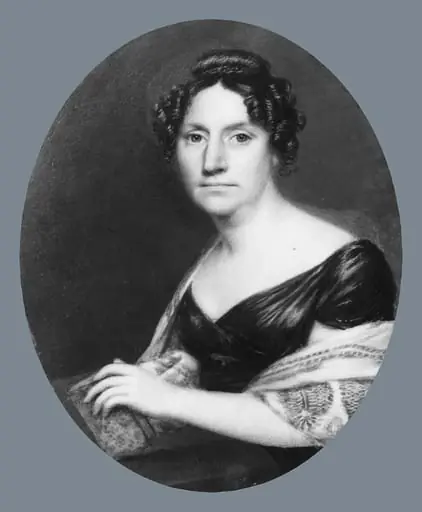
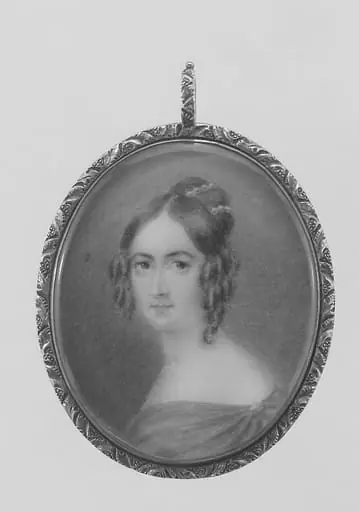
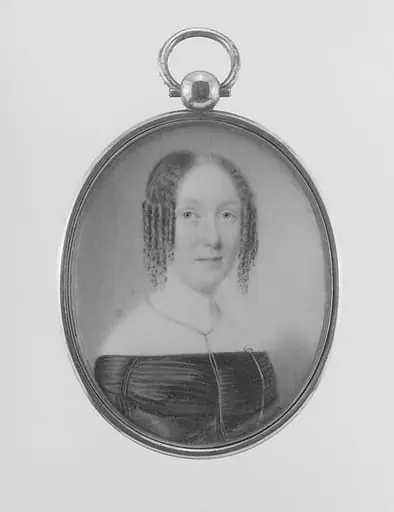
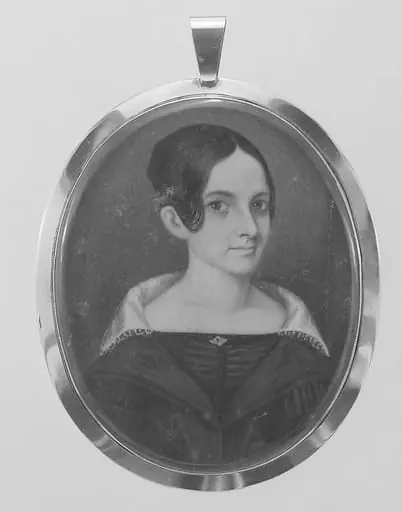
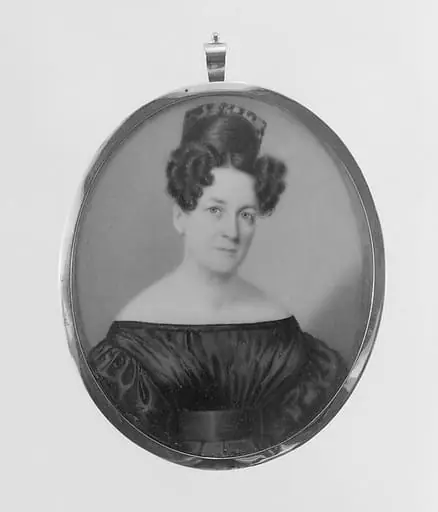
Portrait of a Lady is a watercolor painting by the British Romanticist artist John Carlin. It dates from 1850 and is held in the collection of the Metropolitan Museum of Art.
- Accession no.
- 2006.235.26
- Credit line
- Gift of Gloria Manney, 2006
About this work
Technique & Style
The ivory surface contributes to the luminous quality of the pigments and supports the delicate handling required for watercolor media.
The Portrait of a Lady, painted by John Carlin in 1850, is executed in watercolor on an ivory support. The work measures roughly 4.1 by 3.2 inches, as recorded in the Metropolitan Museum of Art catalog. Carlin’s technique employs layered washes to achieve subtle tonal transitions, while fine linear strokes define the sitter’s facial features, a approach typical of mid‑nineteenth‑century American portraiture.
The ivory surface contributes to the luminous quality of the pigments and supports the delicate handling required for watercolor media. The composition presents a single female figure in a conventional portrait format, emphasizing quiet dignity through restrained color and balanced spatial arrangement.
History & Provenance
The work titled Portrait of a Lady was created in 1850 by the artist John Carlin. Executed as a watercolor on ivory, the piece measures approximately 4.1 by 3.2 units. The painting is currently held in the collection of the Metropolitan Museum of Art, where it is classified under The American Wing.
While the specific original commissioner and the detailed chain of ownership prior to its museum acquisition are not explicitly detailed in the available records, the work's inception is firmly dated to the mid-nineteenth century. It remains a recognized example of Carlin's portraiture, depicting an unidentified woman, and is cataloged within the museum's holdings under the accession number 2006.235.26.
Overview
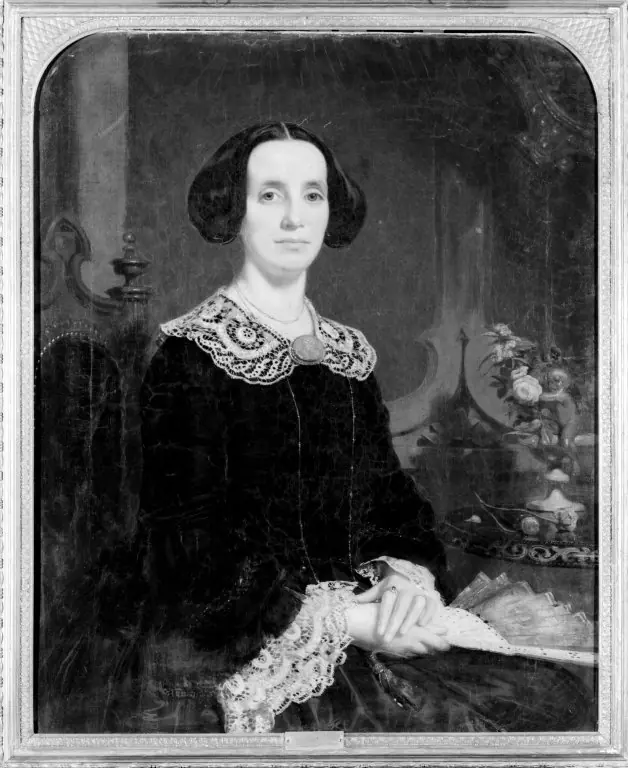
John Carlin's Portrait of a Lady, created around 1850, is a miniature watercolor on ivory. It depicts a woman in a dark dress, gazing directly forward with her hands clasped in her lap. This small-scale work, characteristic of the American Wing's collection, reflects the artistic trends prevalent in the mid-19th century. Carlin, an American artist, was also notable as the first published deaf poet in the United States.
Subject & Meaning
The painting presents an intimate depiction of an unidentified woman, rendered with a direct gaze and composed posture. Its diminutive size, smaller than a postcard, suggests it was intended for personal use, possibly as a cherished keepsake or memento. Such portable portraits were common during the period, allowing individuals to carry images of loved ones. The delicate rendering on ivory contributes to a sense of preciousness and personal connection.
Context
John Carlin was a multifaceted American artist, recognized not only as a painter and illustrator but also as a poet. He holds the distinction of being the first published deaf poet in the United States, a significant aspect of his biography. This portrait exemplifies a common form of artistic production in America during the mid-19th century, where miniature portraits served both aesthetic and sentimental functions. His work contributes to the broader understanding of American art within the period.
Artist & collection

Artist
John Carlin (15 May or 15 June 1813 in Philadelphia – 23 April 1891 in New York City) was an American illustrator, painter and poet. He was the first published deaf poet in the USA.