Artwork
Portrait of a Lady
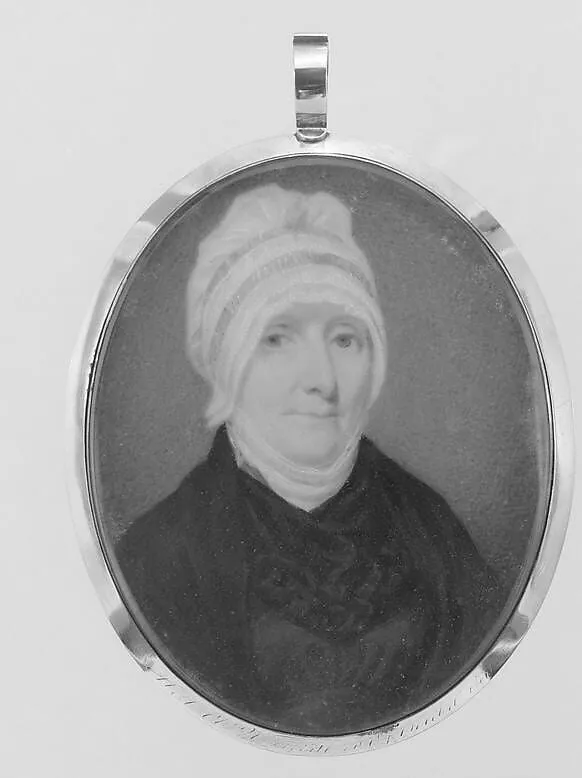
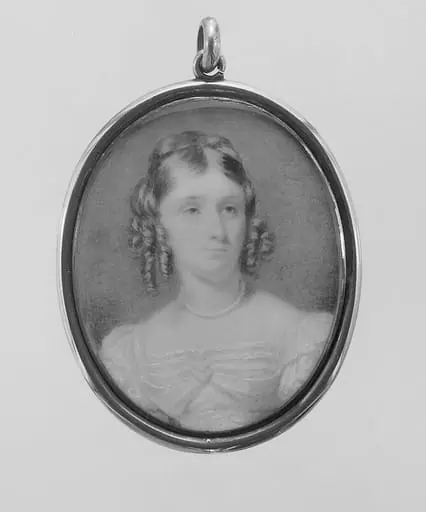
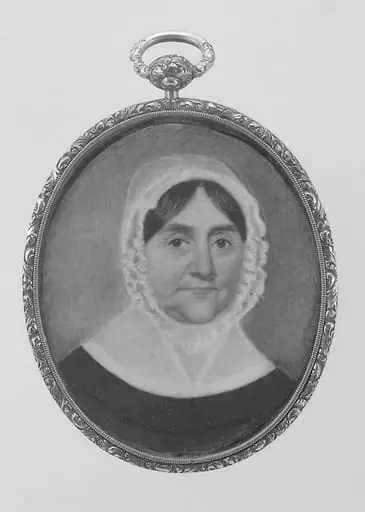
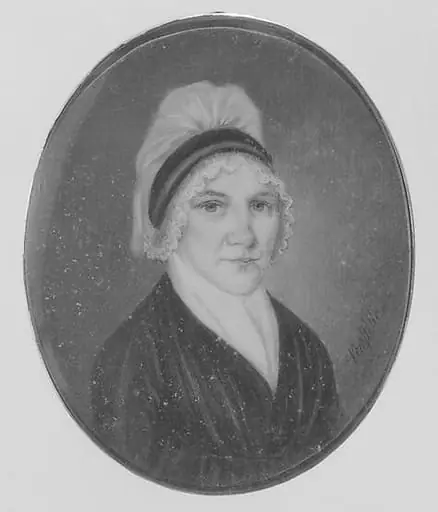
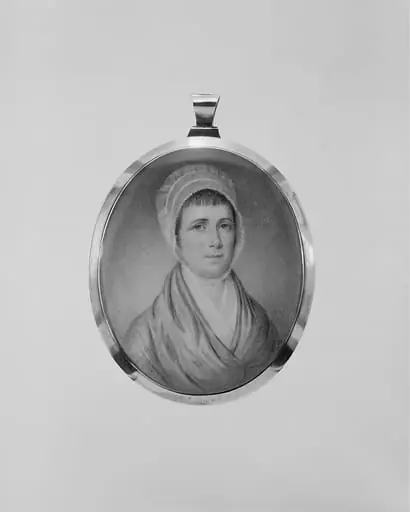
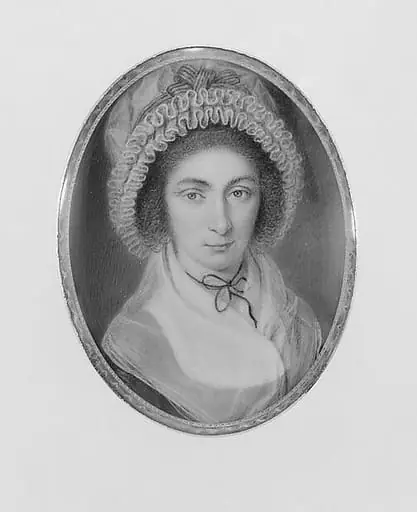
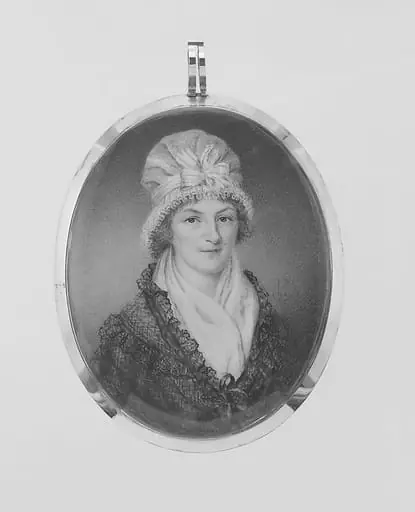
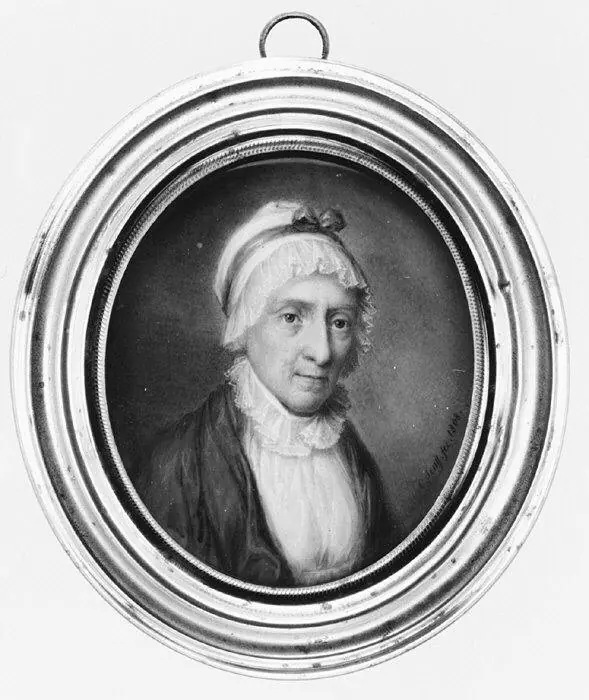
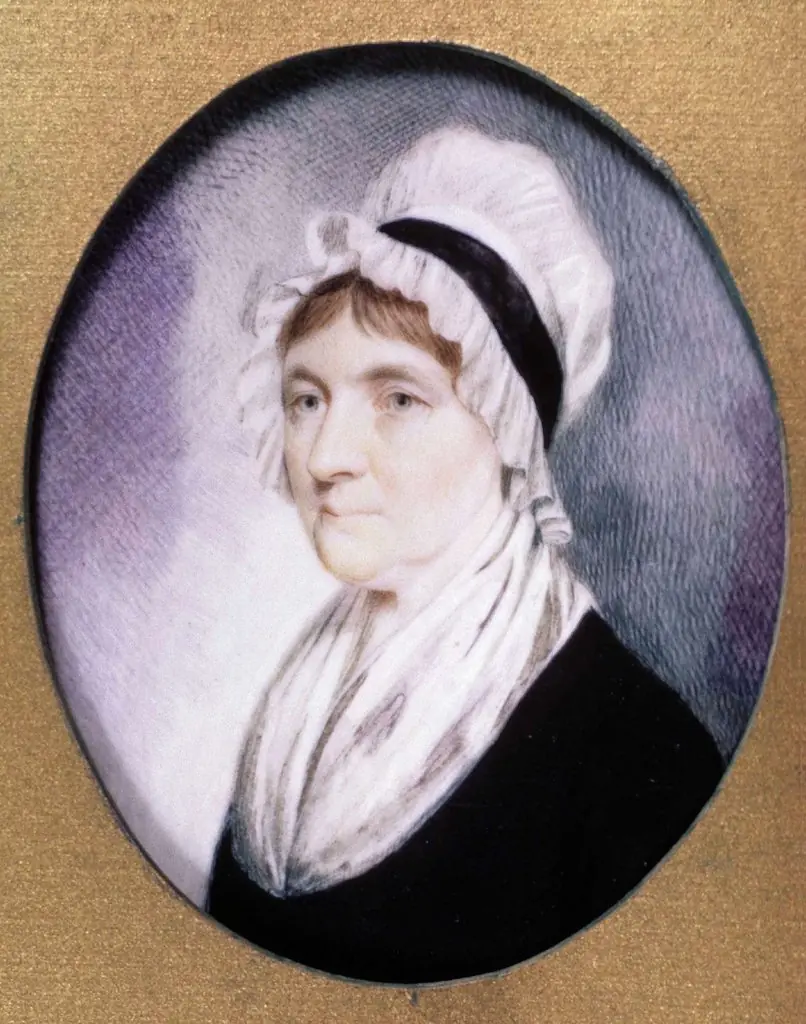
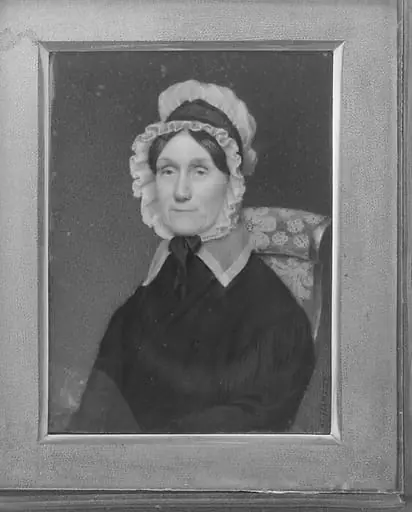
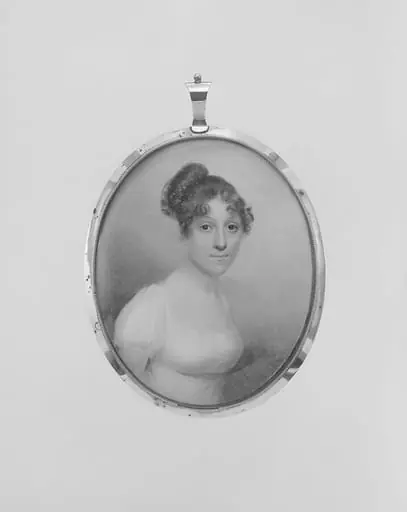
Portrait of a Lady is a watercolor painting by the British Romanticist artist William John Thomson. It dates from 1817 and is held in the collection of the Metropolitan Museum of Art.
About this work
Technique & Style
The handling combines fine stippling with delicate glazes to model facial features and costume, while the restricted scale (6.
Executed in 1817, the portrait is a watercolor on ivory, a common miniature support of the period. The handling combines fine stippling with delicate glazes to model facial features and costume, while the restricted scale (6.8 × 5.3 cm) demands concentrated detail. Stylistically, Thomson employs a restrained neoclassical clarity, using a muted palette to emphasize the sitter’s refined contours and the silky sheen of her dress.
The ivory’s luminous surface enhances the luminosity of flesh tones and the translucency of pearls, while the miniature’s small format focuses attention on the sitter’s direct gaze and composed demeanor.
History & Provenance
Portrait of a Lady is a watercolor on ivory painted by William John Thomson in 1817. The work portrays a woman and belongs to the portrait genre. It was created as an independent piece, not part of a documented commission, and has remained in the collection of the Metropolitan Museum of Art since its acquisition.
The museum’s records list the painting under The American Wing classification and identify Thomson as its creator. The work measures approximately 6.8 × 5.3 inches and is catalogued with an inception date of 1817‑01‑01. Its current location is the Metropolitan Museum of Art in New York.
Portrait of a Lady, painted by William John Thomson in 1817, is housed in the Metropolitan Museum of Art in New York, where it is included in the American Wing's collection; the work is catalogued as a watercolor on ivory portrait of a woman. The available documentation does not disclose an explicit inventory or accession number, and it does not record any documented exhibition history within the provided sources to date.
Overview
William John Thomson, an artist with American origins working in Britain, completed Portrait of a Lady in 1817. This watercolor on ivory is a miniature, depicting an unidentified woman. Its small scale and delicate execution exemplify the intimate nature of portraiture during the early 19th century, reflecting artistic trends that valued personal expression.
Subject & Meaning
The artwork presents a woman in a dark garment, her pale complexion softly illuminated, with a lace collar rendered in fine detail. Her direct gaze engages the viewer. Created during the British Romanticism movement, the portrait likely aimed to capture the sitter's unique character and inner life, aligning with the era's emphasis on individual sentiment and emotional depth.
Context
William John Thomson, though born in America, established his career primarily in Great Britain. He was particularly recognized for his skill in creating portraits and miniatures. These small-format works were often intended for private viewing or as personal mementos, making them suitable for intimate settings rather than large public displays. The piece is housed within the American Wing, reflecting its artist's origins.
Artist & collection
Artist
William John Thomson (3 October 1771 – 24 March 1845) was an American-born painter of silhouettes, portraits and miniatures who was active in Great Britain.