Artwork
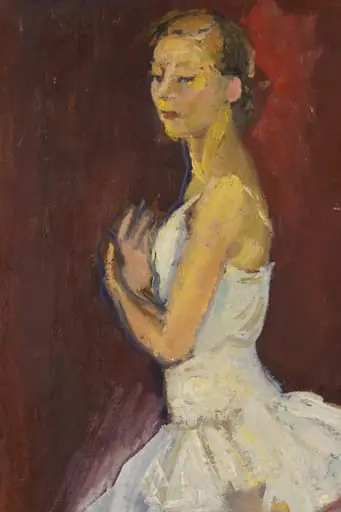
Anna Pavlova (1881–1931), as 'The Dying Swan'
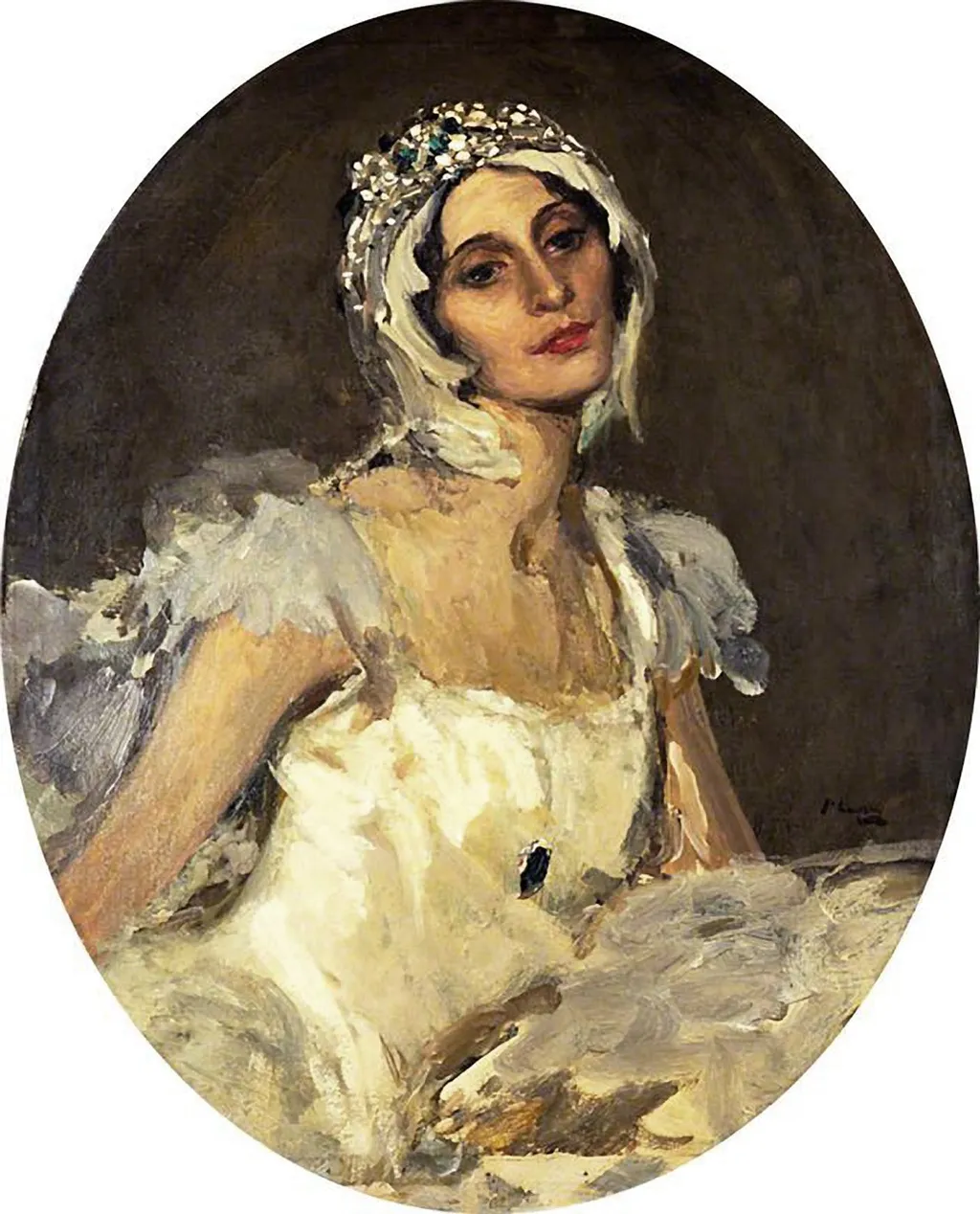
Anna Pavlova (1881–1931), as 'The Dying Swan' is an oil painting by the Post-Impressionist artist John Lavery. It dates from 1911 and is held in the collection of the Victoria and Albert Museum.
About this work
Overview
Anna Pavlova (1881-1931), as 'The Dying Swan' is an oil on canvas portrait by the Irish painter Sir John Lavery, dated 1911.
Anna Pavlova (1881-1931), as 'The Dying Swan' is an oil on canvas portrait by the Irish painter Sir John Lavery, dated 1911. Measuring 82.5 by 66 cm, the half-length oval painting depicts the Russian prima ballerina in the costume of her most celebrated role and is now held by the Victoria and Albert Museum, London, under accession number E.329-1990. The work matters as a significant document of early twentieth-century cultural exchange between visual art and ballet, capturing at a pivotal moment the performer who became synonymous with this role and helped establish ballet as a global art form.
Subject & Meaning
The painting portrays Anna Pavlova in costume for Le Cygne (The Swan), the solo choreographed by Mikhail Fokine that depicted the final minutes of a dying bird's life and became popularly known as The Dying Swan. Lavery shows her wearing the white tutu with stiffened wings over the skirt, her face framed by feathers and a jewelled headdress, with a blue glass jewel at her breast. This detail carries symbolic weight: while later dancers in the role often wore a red jewel to suggest the swan had been shot, the original conception, as reflected here, was of a creature drifting and drowning at the end of its natural life. The pose, with body turning slightly right while the head tilts back toward the viewer, captures the fragility and transience that defined Pavlova's interpretation. The dark, undefined background isolates the figure, emphasizing the solitariness of death and the liminal space between life and extinction that the choreography explored.
Technique & Style
Lavery executed the portrait in oil on canvas, employing a palette dominated by whites, creams, and warm browns against a deep shadowed ground. Light falls from the upper left, illuminating the face, neck, and costume while allowing the background to recede. The brushwork is loose and visible, particularly in the costume and background, with thicker impasto in the voluminous skirt and more blended handling in the facial features. This differential treatment, combining painterly freedom in the textiles with delicate modelling of the physiognomy, is characteristic of Lavery's portraiture and reflects his engagement with contemporary developments in British and French painting. The oval format, noted in the physical description, lends a classical, medallion-like quality that elevates the subject beyond mere theatrical documentation toward iconic status.
History & Provenance
The portrait relates closely to a larger, full-length depiction of Pavlova in the same role that Lavery painted for the Tate Gallery, inspired by her first London season and exhibited at the Royal Academy in 1912. According to the Victoria and Albert Museum's object history, Pavlova's husband Victor Dandre did not feel that the Royal Academy portrait was a good likeness and preferred Lavery's head of Pavlova in The Bacchanale, which had been the great success at the first night of her initial London season. The present half-length work was bequeathed to the Victoria and Albert Museum by Mrs Leonore Lena Graham in 1989, entering the collection with accession number E.329-1990. The painting is currently not on display. A photogravure print after the related full-length composition, signed by both Pavlova and Lavery, is also held by the Victoria and Albert Museum, indicating the commercial circulation of the image during the period.
Context
Lavery's engagement with Pavlova occurred during a period of intense British fascination with Russian ballet, particularly following Sergei Diaghilev's Ballets Russes appearances in London. Pavlova first performed in London at private parties in 1909, including one for King Edward VII and Queen Alexandra, and made her public debut at the Palace Theatre in 1910, where she achieved what impresario Alfred Butt described as 'the greatest success of any artist in my memory.' The portrait thus belongs to a broader phenomenon of visual artists responding to the Ballets Russes and its stars; Pavlova appealed greatly to sculptors and painters, and multiple representations of her in this role circulated in fine and popular art. The work also reflects Lavery's established practice of painting celebrated performers and his position within British official art, having received numerous portrait commissions and academic recognition. Scholarship on the image has addressed its place within the iconography of The Dying Swan, distinguishing between performance-related documentation and independent artistic interpretation, and noting how Pavlova's own sculptural work on the theme further complicated the relationship between primary choreographic creation and subsequent visual representation.
Legacy
The portrait contributes to the enduring visual mythology of Anna Pavlova as the 'Immortal Swan,' a figure who through relentless touring from her London base became ballet's first global celebrity. The image's afterlife was amplified by reproduction: the 1912 photogravure published by the Fine Arts Publishing Co. extended its reach beyond the museum walls, while the related full-length composition at Tate secured its place in public art collections. Pavlova's own sculptural interpretation of the role, though less examined, represents a further layer of creative agency that scholars have analysed as 'secondary relatively independent actor's activity.' The Dying Swan itself remained Pavlova's signature piece throughout her career, and visual representations like Lavery's helped fix its iconography in cultural memory. The Victoria and Albert Museum's holding of both the painting and a signed print testifies to the institutional recognition of this convergence of dance and visual art as a significant chapter in British cultural history, even as the work itself now rests in storage, its physical invisibility contrasting with its continued presence in scholarly and popular imagination of early modernist performance.
Artist & collection
Artist
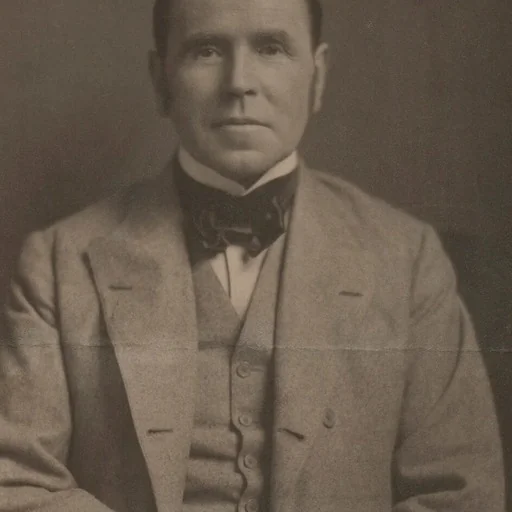
Sir John Lavery (20 March 1856 – 10 January 1941) was an Irish painter best known for his portraits and wartime depictions.

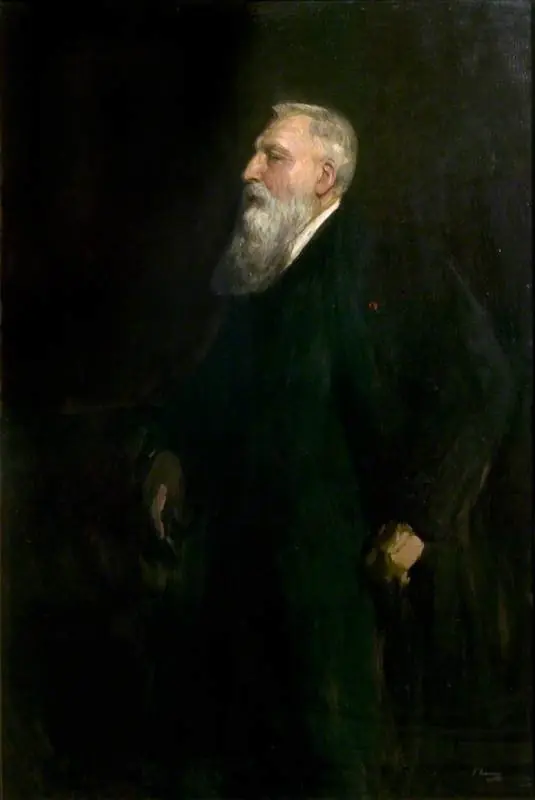 Auguste Rodin (1840–1917)
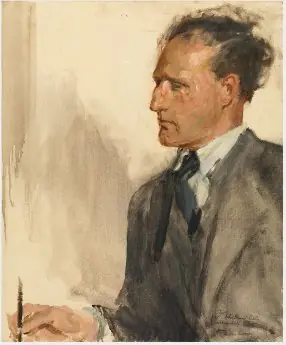 Portrait of John Stewart Collis (1900-1984), Author
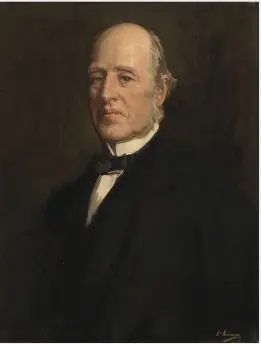 Portrait of W.E.H. Lecky (1838-1903), Historian
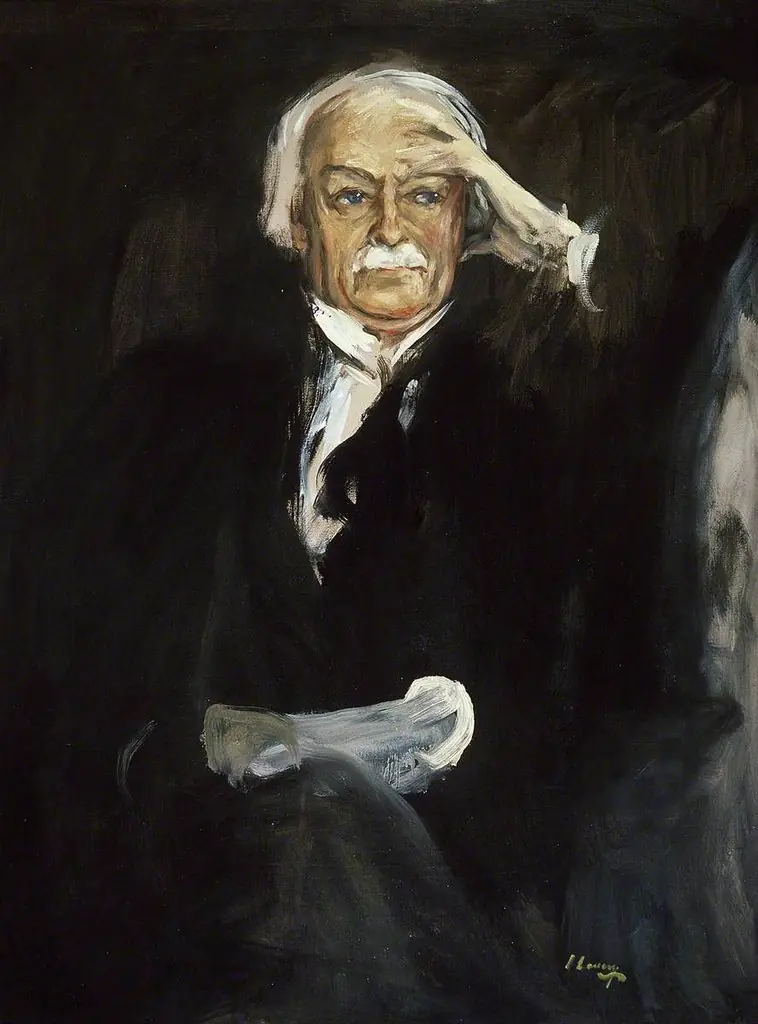 David Lloyd George (1863–1945)
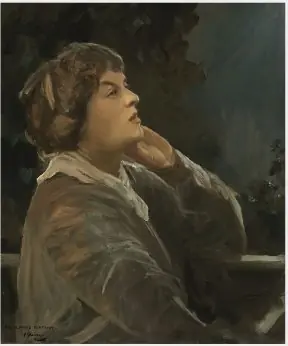 Portrait of Dora Sigerson (Mrs Shorter) (c.1870-1918), Poet
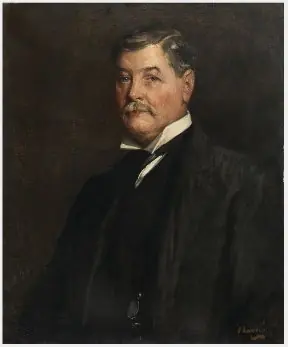 Portrait of T.P. O'Connor, Parliamentarian and Journalist
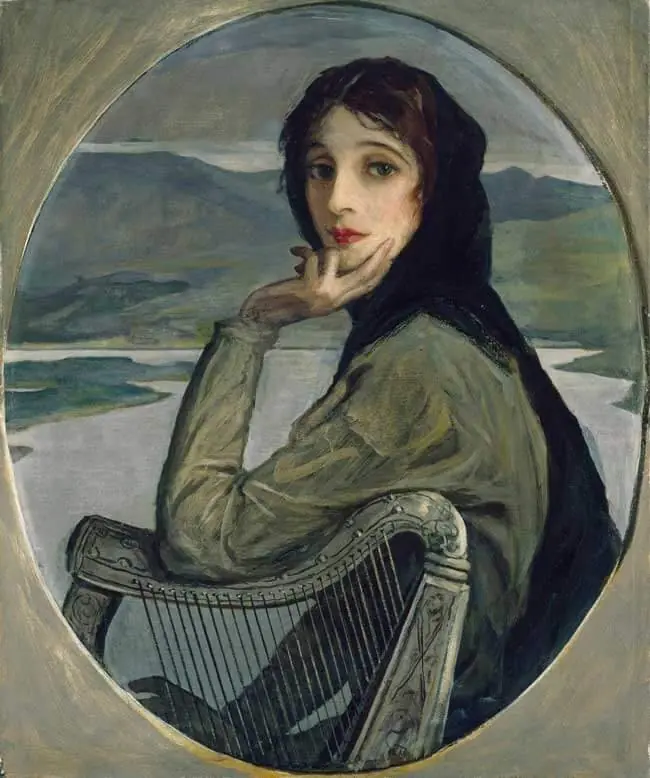 Portrait of Lady Lavery as Kathleen Ni Houlihan
 Saint Patrick's Purgatory, Lough Derg