Artwork
Mr. Kline
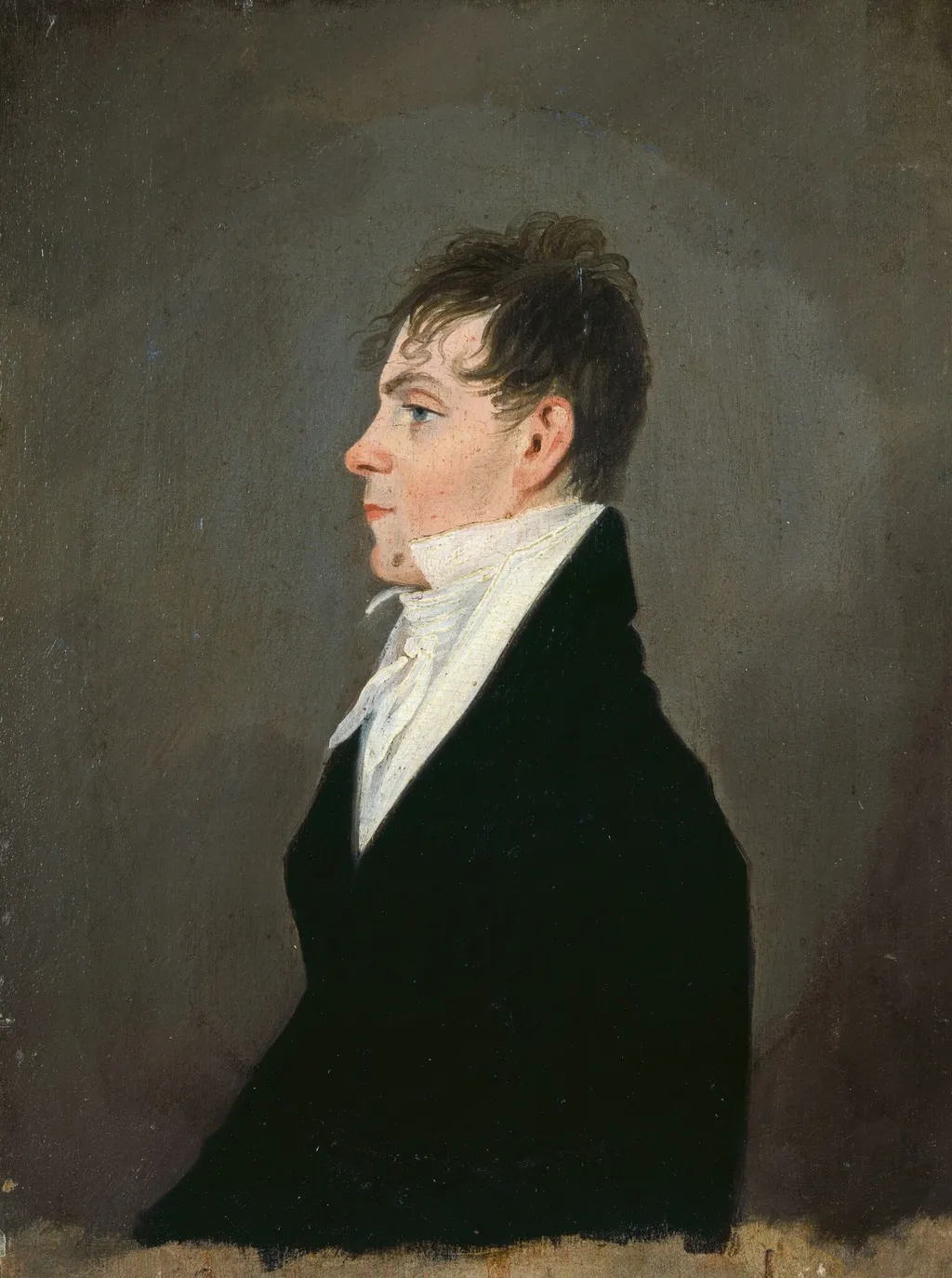
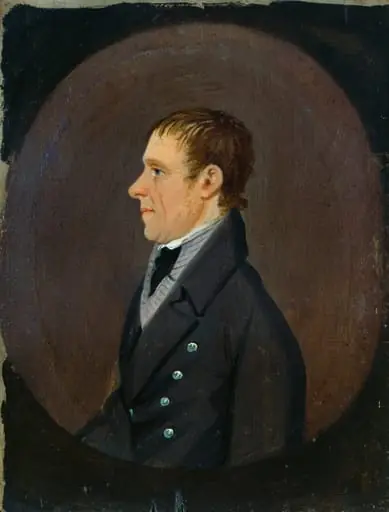
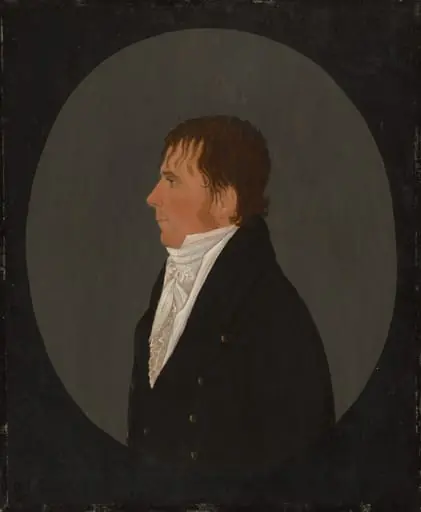
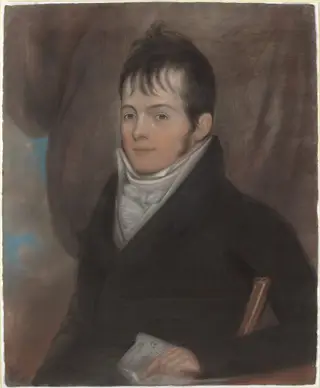
Mr. Kline is an oil painting by the American Folk Art artist Jacob Eichholtz. It dates from 1808 and is held in the collection of the National Gallery of Art.
About this work
Technique & Style
Created in 1808, Mr. Kline is an oil painting executed on a wood panel support. The work measures 22.7 cm in height and 17.6 cm in width. As an early 19th-century portrait, the piece demonstrates the artist Jacob Eichholtz's handling of oil paint on a rigid wooden substrate, a common medium for portraiture of this period.
History & Provenance
The work's early ownership history traces to its discovery in Pennsylvania, though the specific date of this finding is not recorded in the available files.
Jacob Eichholtz created the oil-on-panel portrait Mr. Kline in 1808. The work's early ownership history traces to its discovery in Pennsylvania, though the specific date of this finding is not recorded in the available files. In 1948, the painting was acquired by collectors Edgar William and Bernice Chrysler Garbisch, who held it in their residences in New York and Cambridge, Maryland.
The Garbisch family subsequently donated the piece to the National Gallery of Art in Washington, D.C., in 1953, where it remains part of the permanent collection.
Mr. Kline is held in the collection of the National Gallery of Art in Washington, D.C. The museum acquired the painting in 1953 as a gift from Edgar William and Bernice Chrysler Garbisch, who had purchased it five years earlier in 1948. Prior to their acquisition, the work was recorded as having been found in Pennsylvania.
No specific inventory or accession numbers are provided in the available records, nor is there any documented exhibition history for this artwork.
Legacy
Mr. Kline has been recognized for its role in early American portraiture, particularly in shaping the visual language of middle-class domestic identity in the early Republic. Art historians cite its technical refinement and psychological immediacy as influential within the oeuvre of Jacob Eichholtz, contributing to later reassessments of regional painting traditions in the Mid-Atlantic. The work’s presence in a major public collection has ensured its inclusion in scholarly surveys of early American art, reinforcing its reputation as a representative example of post-Revolutionary portraiture.
The painting’s legacy is anchored in its provenance and institutional stewardship, having entered the National Gallery of Art through the bequest of Edgar William and Bernice Chrysler Garbisch in 1953. Its display and interpretation at the museum have contributed to broader narratives about the development of American artistic identity in the early 19th century.
Overview
Jacob Eichholtz’s portrait titled “Mr. Kline” is an oil painting executed on a wooden panel around 1808. The work belongs to the early nineteenth‑century Romantic period, reflecting the era’s interest in individual character and emotional presence.
Subject & Meaning
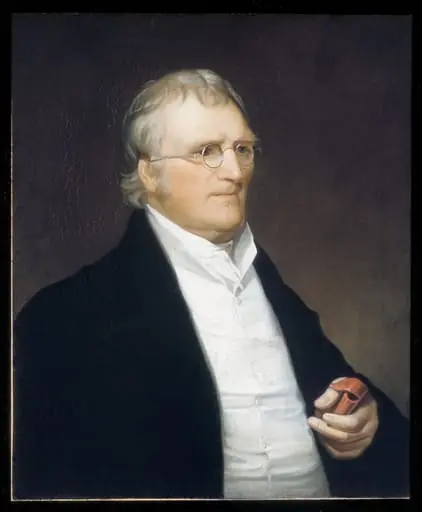
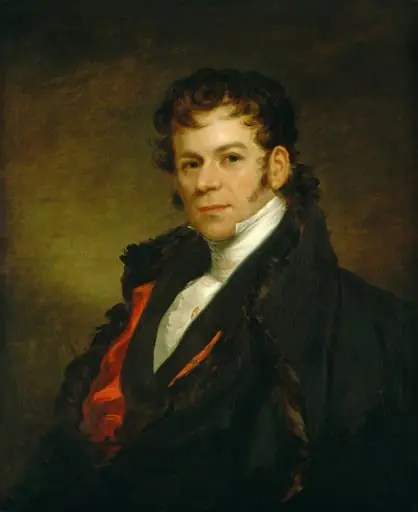
The canvas depicts a seated gentleman turned slightly toward his left. He is dressed in a black coat with a smooth texture, a crisp white shirt, and a white cravat that peeks beneath a high collar. His short, somewhat disheveled hair and direct gaze convey a personal, informal immediacy typical of Romantic portraiture.
Own this work as a print
Artist & collection