Artwork
Ben-y-Gloe, Glen Tilt
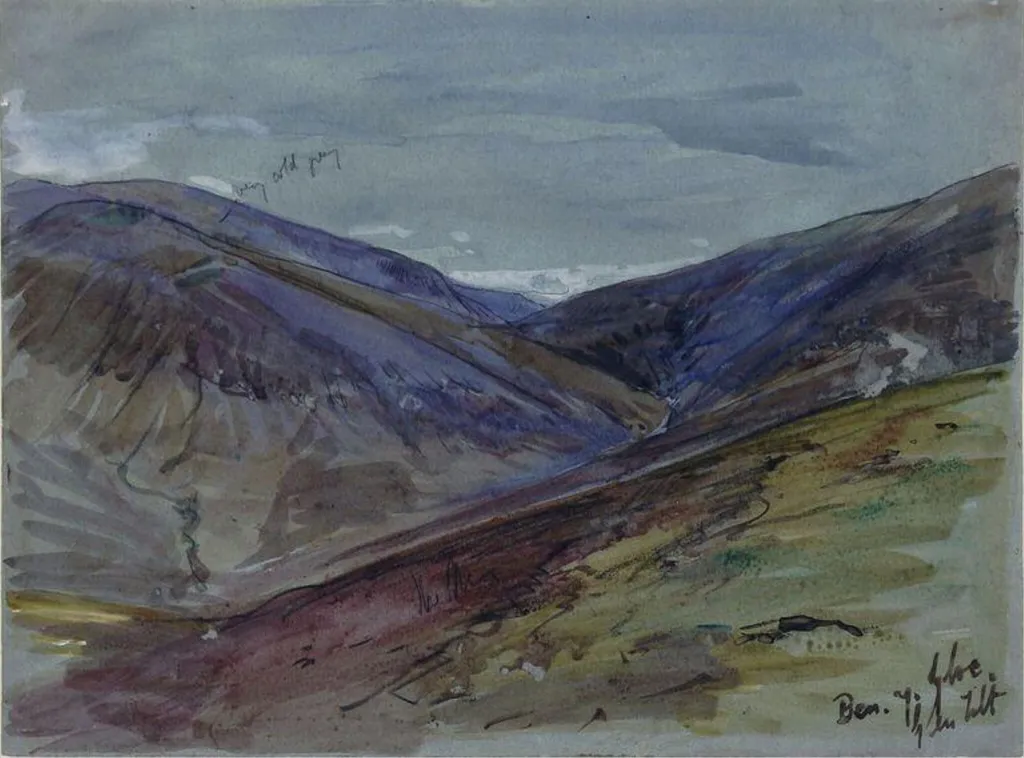
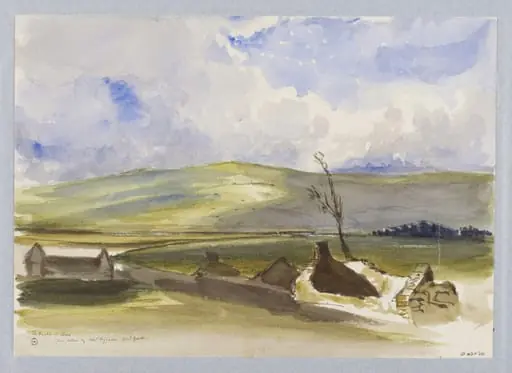
Ben-y-Gloe, Glen Tilt is a watercolor work on paper by the Plein Air artist John Sargeant Noble. It dates from 1850 and is held in the collection of the Victoria and Albert Museum. John Sargent Noble created this watercolour in 1850, capturing the Scottish landscape of Ben-y-Gloe within Glen Tilt.
About this work
Overview
Its modest scale and quiet composition align with 19th-century topographical watercolour traditions, emphasizing natural detail over dramatic effect.
John Sargent Noble created this watercolour in 1850, capturing the Scottish landscape of Ben-y-Gloe within Glen Tilt. The work is executed on paper with careful attention to atmospheric tone, featuring inscribed title and colour annotations that reflect the artist’s observational process. Its modest scale and quiet composition align with 19th-century topographical watercolour traditions, emphasizing natural detail over dramatic effect.
Subject & Meaning
The scene portrays a quiet, undisturbed stretch of the Scottish Highlands, with rolling hills receding toward mist-cloaked peaks. No human presence or architectural elements interrupt the natural order, suggesting an emphasis on solitude and the enduring character of the land. The subdued palette and soft transitions between forms convey a sense of stillness, reflecting a contemplative engagement with the environment rather than a celebratory or romanticized view.
Technique & Style
Noble employed transparent watercolour washes to build layered tones of muted green, ochre, and grey, allowing the paper’s white to suggest light and cloud reflections. Fine brushwork defines distant ridges and scattered trees, while wet-on-wet techniques soften the mist enveloping the summits. The absence of sharp outlines and the deliberate restraint in colour reinforce a mood of quiet observation, characteristic of amateur topographical artists of the period.
History & Provenance
The watercolour was completed in 1850, during a period when amateur artists frequently documented British landscapes for personal or familial archives. Though Noble was not a professional painter, his annotated work suggests a methodical approach to recording place. Its survival indicates it was preserved within a private collection, likely by the artist or a close associate, but no public exhibition or institutional ownership history is documented.
Context
In mid-19th-century Britain, watercolour was a common medium for amateur naturalists and travellers recording scenery during excursions. Noble’s work fits within this tradition, where accuracy and mood were valued over artistic innovation. Similar landscapes by contemporaries often served as visual diaries, reflecting a cultural interest in regional topography and the quiet beauty of rural Britain beyond urban centers.
Legacy
Ben-y-Gloe remains a quiet example of 19th-century amateur landscape watercolour, valued for its sincerity rather than its influence. It contributes to a broader archive of personal responses to the Scottish Highlands, offering insight into how non-professionals engaged with nature through art. While not widely known, it endures as a modest record of place, technique, and perception from its time.
Own this work as a print
Artist & collection

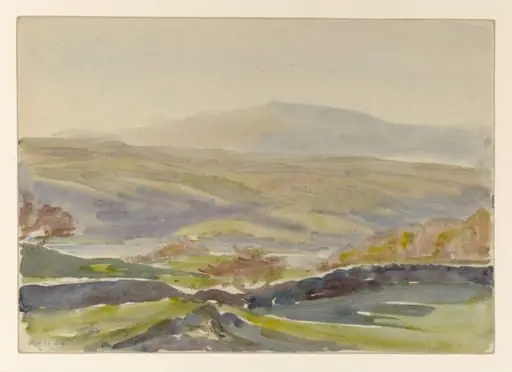 Monk Coniston moor
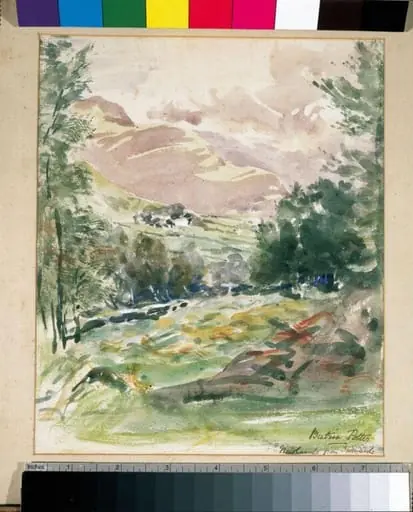 Newlands from Swindale
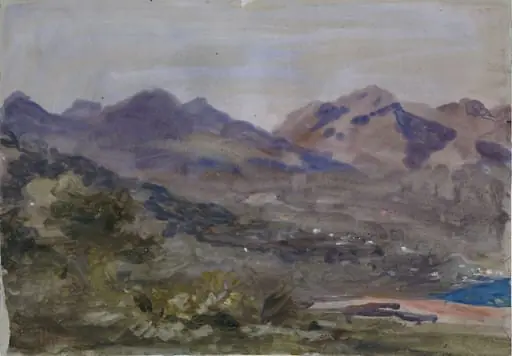 Above Mentone
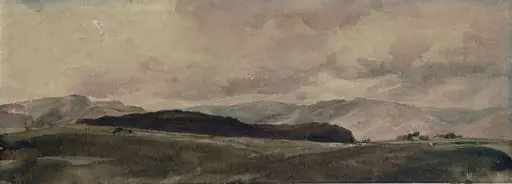 Shap Fells, Westmorland
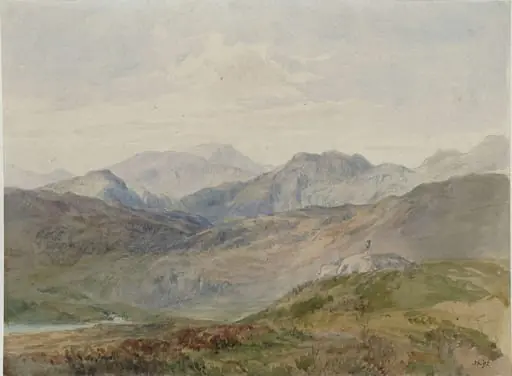 Llanrhychwyn, near Trefriw, North Wales
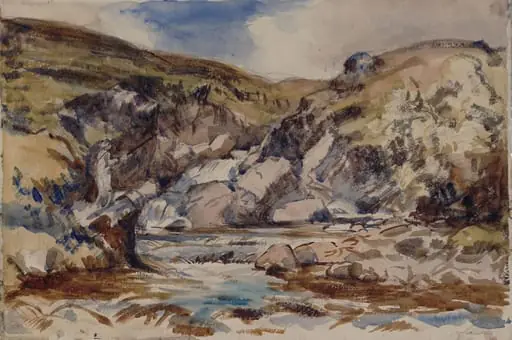 Rocky Landscape with River
 View across Esthwaite Water
 Rock Cliffs along the Romanche
 Ruin in Campagna
 Vilele de vară de la Alma - Ata
 Sketches made during the Campaign of 1854-55 in the Crimea, Circassia and Constantinople
- Glen Sligachen, Isle of Skye