Subject
Grass
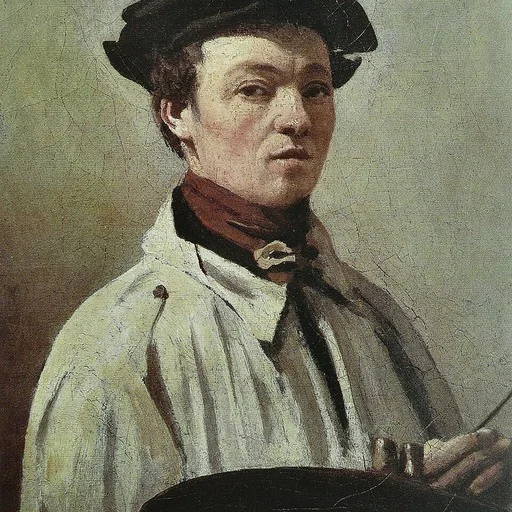
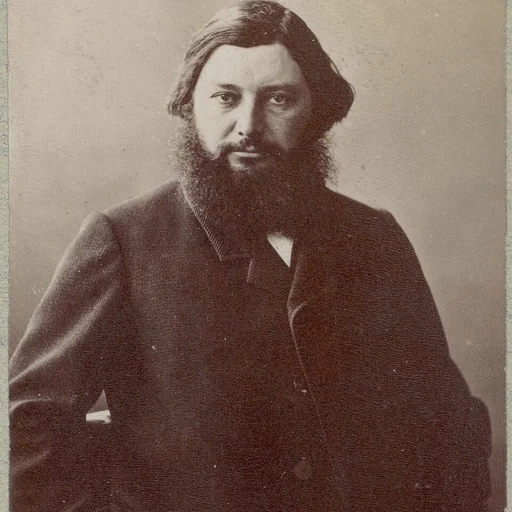
Grass is a subject in art. The gallery holds 83 works in this subject in art, including works by Jean Baptiste Camille Corot, Lorenzo Lotto and Gustave Courbet.
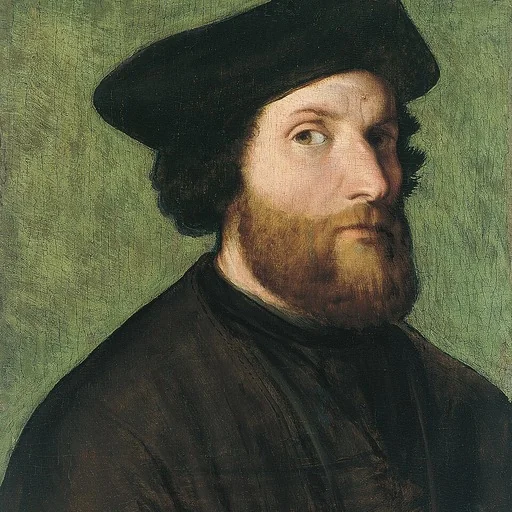
Grass—the true grasses of the family Poaceae (Gramineae), the soft green ground cover of meadow, pasture, and lawn—seldom commands a painting on its own, yet it underlies the entire European tradition of landscape. For centuries it served as mere setting: in Lorenzo Lotto's Venetian *Venus and Cupid* (c. 1520s) a strip of turf simply cushions the reclining goddess. The decisive break came in 1503, when Albrecht Dürer painted *The Great Piece of Turf* (Albertina, Vienna), a watercolour and gouache study of an unremarkable clump of cock's-foot, meadow-grass, dandelion, and plantain, roots and all. By treating a wayward patch of weeds with hyper-realist attention—subject matter that Renaissance art reserved for backgrounds—Dürer made grass itself worthy of sustained looking.
The meadow came fully into its own in the nineteenth century, when landscape was elevated from backdrop to subject. The English painter John Constable filled canvases such as *Wivenhoe Park, Essex* (1816) with broad, light-struck sweeps of grazing land; a Royal Academy committee once dismissed a related work as "very green," a complaint that now reads as praise. In France, the Barbizon School—Théodore Rousseau, Jean-François Millet, and Jean-Baptiste-Camille Corot among them—gathered near the Forest of Fontainebleau from the 1830s to paint directly from nature, the silvery, feathery turf of Corot's *The Repose* and *Bacchante by the Sea* dissolving figures into atmosphere.
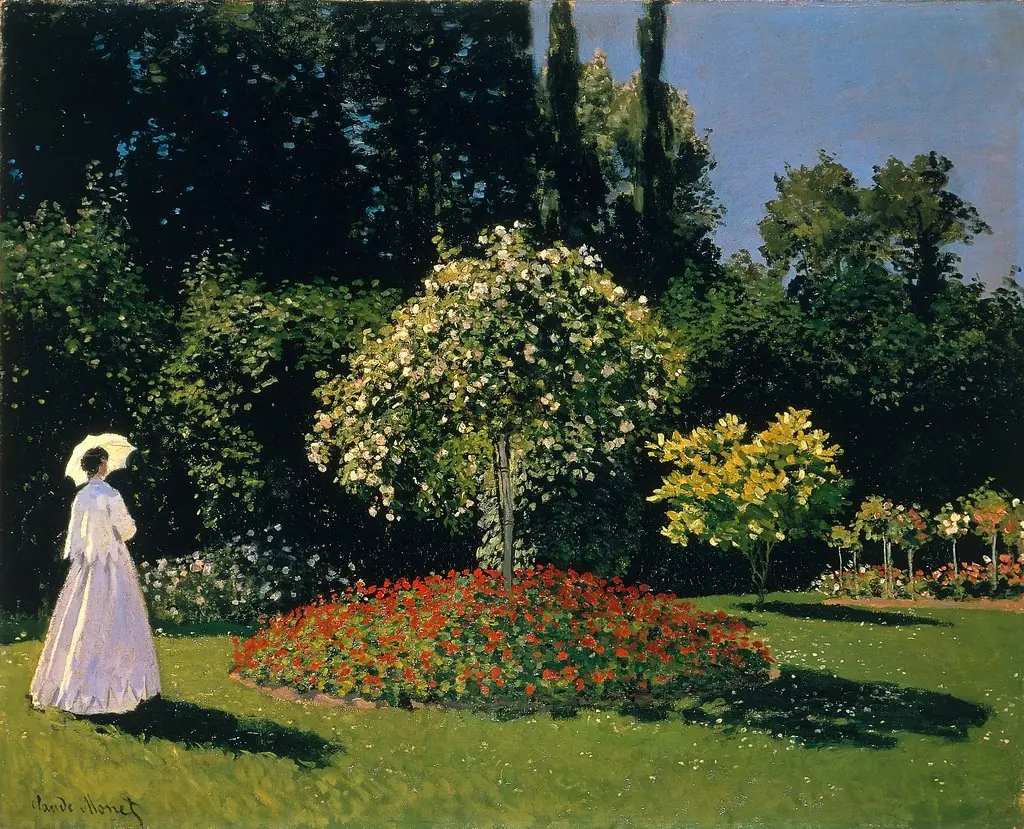
Barbizon naturalism fed directly into Impressionism. Claude Monet, working en plein air, rendered grass as flickering touches of green and yellow responding to shifting light, as in *In the Meadow* (1876) and the wind-tossed bank of *Woman with a Parasol—Madame Monet and Her Son* (1875). In America, the luminist grandeur of Albert Bierstadt's *Lake Lucerne* set lush foreground meadow against alpine scale.
The motif endured into the twentieth century. Gustav Klimt built his shimmering *Blumenwiese* (Blooming Meadow, 1908) from sponge-like dabs of leaf and grass, while Andrew Wyeth famously sat "for hours working on the grass" of *Christina's World* (1948, MoMA), a tawny field of green, gold, and grey that carries the painting's whole emotional weight. From Dürer's roots to Wyeth's tempera, grass remains the quiet measure of how closely a painter has chosen to look at the ordinary earth.
Key artists
Overview
Grass, belonging to the family Poaceae (also called Gramineae), is one of the most frequently depicted natural motifs in art, appearing in 91 works in the collection. As a large and nearly ubiquitous family of monocotyledonous flowering plants, true grasses include cereal crops, bamboos, natural grassland species, and lawn and pasture cultivars. With approximately 780 genera and around 12,000 species, Poaceae ranks as the fifth-largest plant family. Its economic significance is unparalleled among plant families, providing staple foods including wheat, rice, maize, oats, barley, and millet, which together supply a substantial portion of global dietary energy. Grasslands such as savannahs and prairies cover an estimated 40.5 percent of Earth's land area, excluding Greenland and Antarctica, making grass an inescapable element of landscape representation across cultures and periods.
Iconography & meaning
In art, grass carries multivalent symbolism rooted in its biological and cultural properties. Its capacity for regeneration, growing from the base of the blade rather than elongated stem tips, has served as a metaphor for resilience and renewal. The family's morphological characteristics, hollow stems called culms plugged at nodes, narrow alternate leaves with parallel veins, and distinctive spikelet inflorescences, provide artists with recognizable visual markers. Economically, grasses symbolize sustenance and civilization through their association with domesticated cereals. The contrast between cultivated lawns, pastures, and wild grasslands has allowed artists to encode notions of human order versus natural wilderness. In religious and mythological contexts, grass's ephemeral quality, annual species completing their life cycle in a single growing season, has supported meditations on mortality and the passage of time. The German distinction between Süßgräser (sweet grasses) and Sauergräser (sour grasses), based on nutritional value, hints at how grass types carried implicit moral or utilitarian judgments in certain cultural contexts.
Legacy
The persistent depiction of grass across 91 works in this collection testifies to its enduring hold on the artistic imagination. This legacy rests on the fundamental tension between grass's humble ubiquity and its profound importance to human survival and landscape experience. As the most economically important plant family, providing rice, wheat, maize, and other staples, grass connects artistic representation to agricultural civilization. The scientific understanding of grass morphology, from hollow culms and parallel-veined leaves to wind-pollinated spikelets, has informed increasingly accurate botanical depiction, even as artistic movements have used grass to pursue diverse aesthetic goals. The coverage of grasslands across over 40 percent of terrestrial habitats ensures that this motif will remain central to landscape art. The collection's range, from intimate portraits to expansive historical scenes, from Dutch polders to Swiss lakeshores, demonstrates that grass functions as a universal artistic language, adaptable to any context where human figures and narratives meet the natural world.
Works
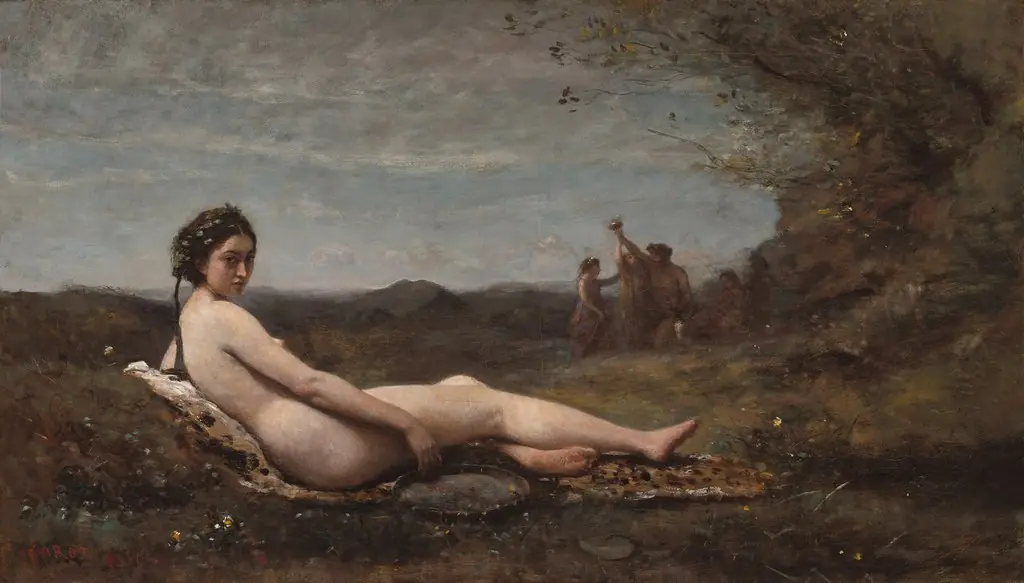 The Repose
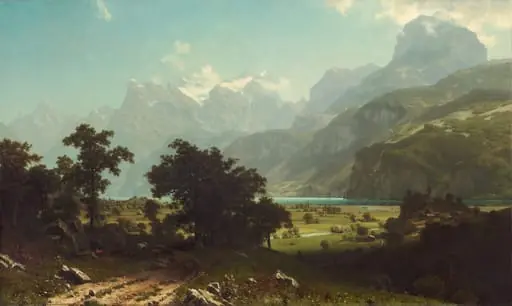 Lake Lucerne
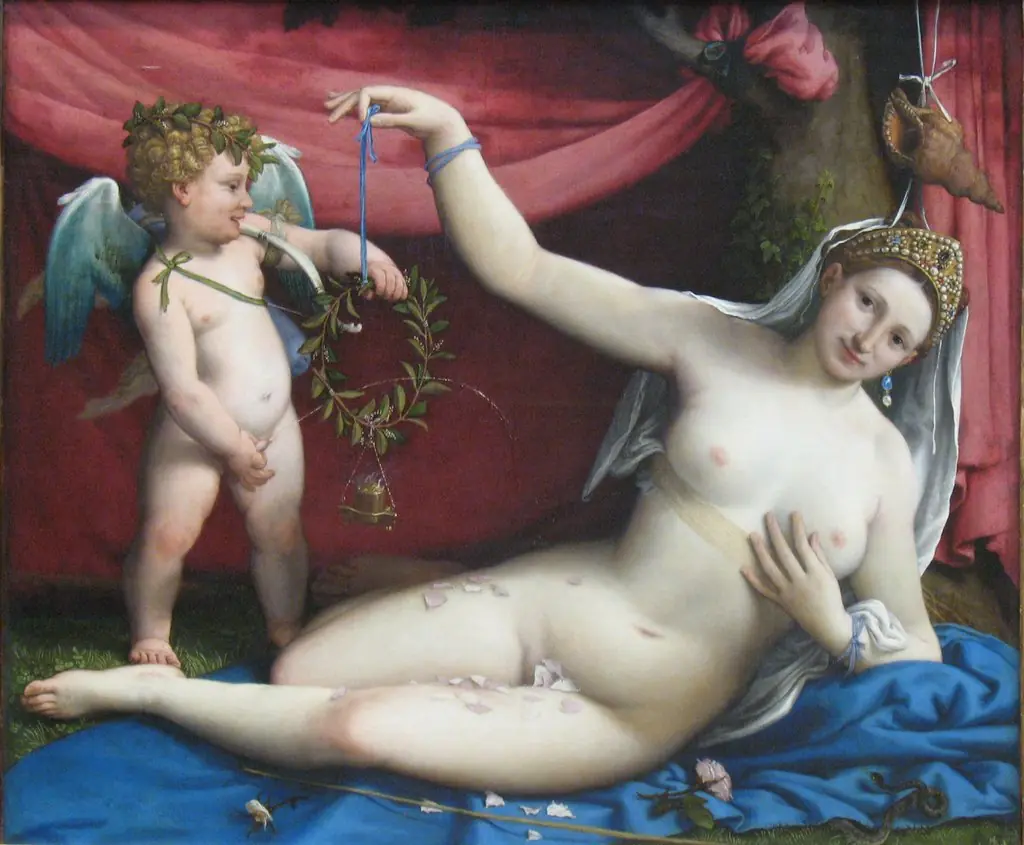 Venus and Cupid
 Woman with a Parasol - Madame Monet and Her Son
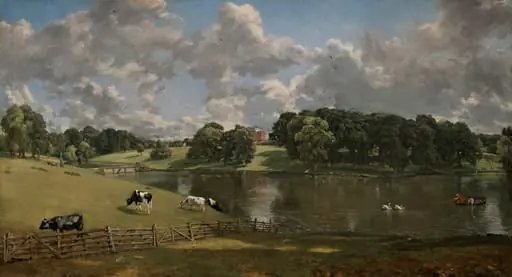 Wivenhoe Park, Essex
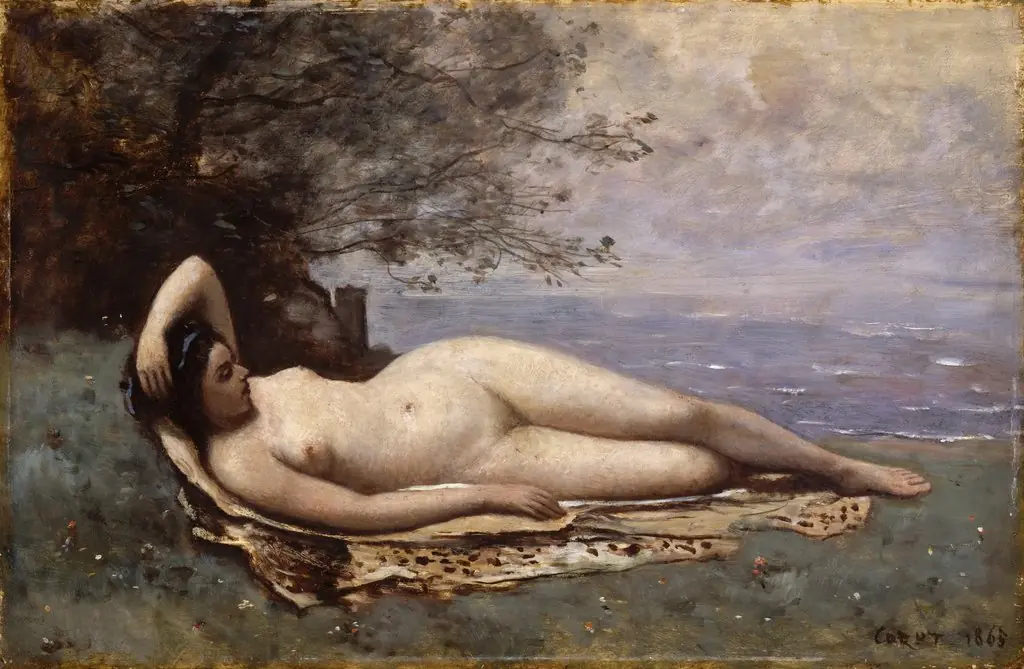 Bacchante by the Sea
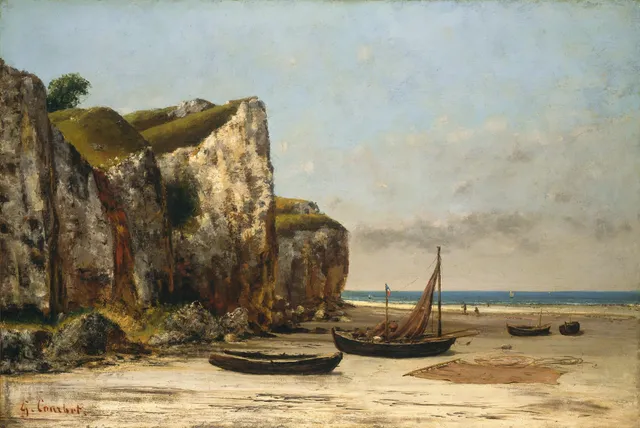
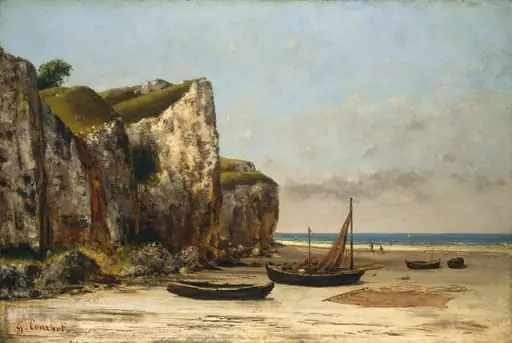 Beach in Normandy
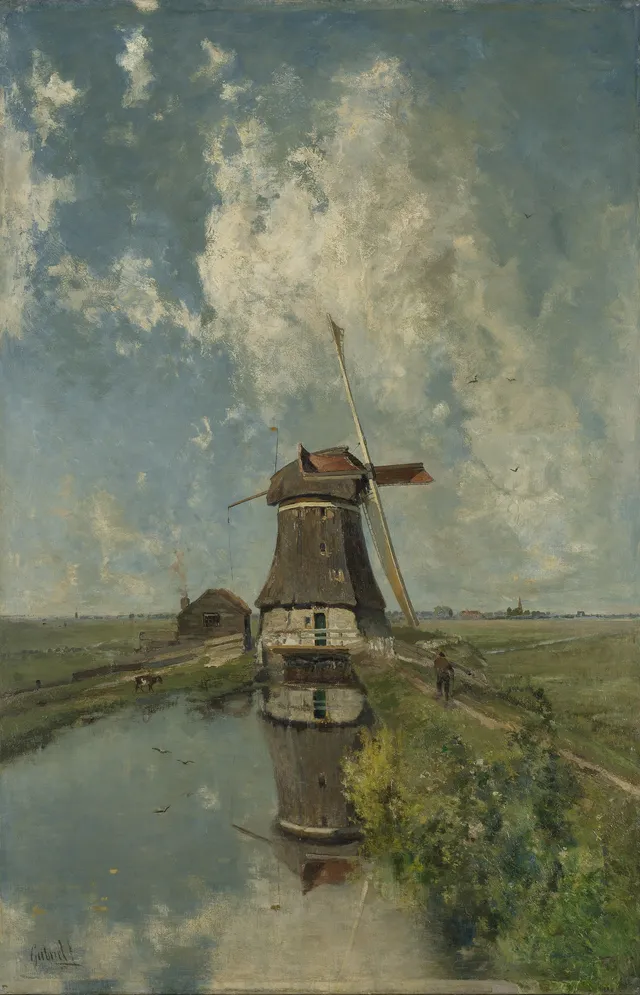
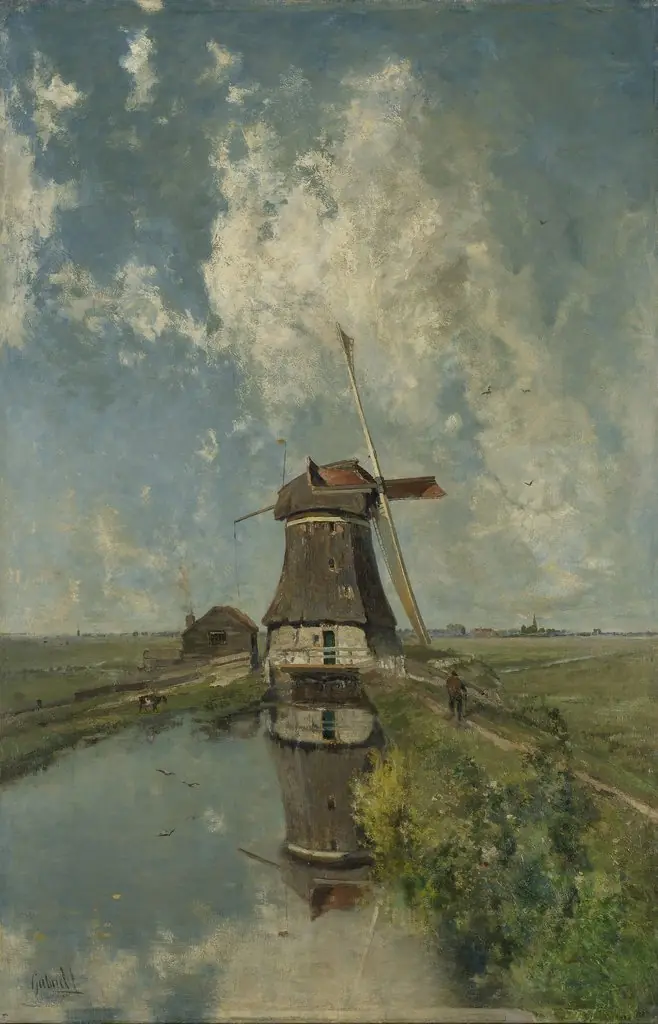 A Windmill on a Polder Waterway, Known as ‘In the Month of July’
 1807, Friedland
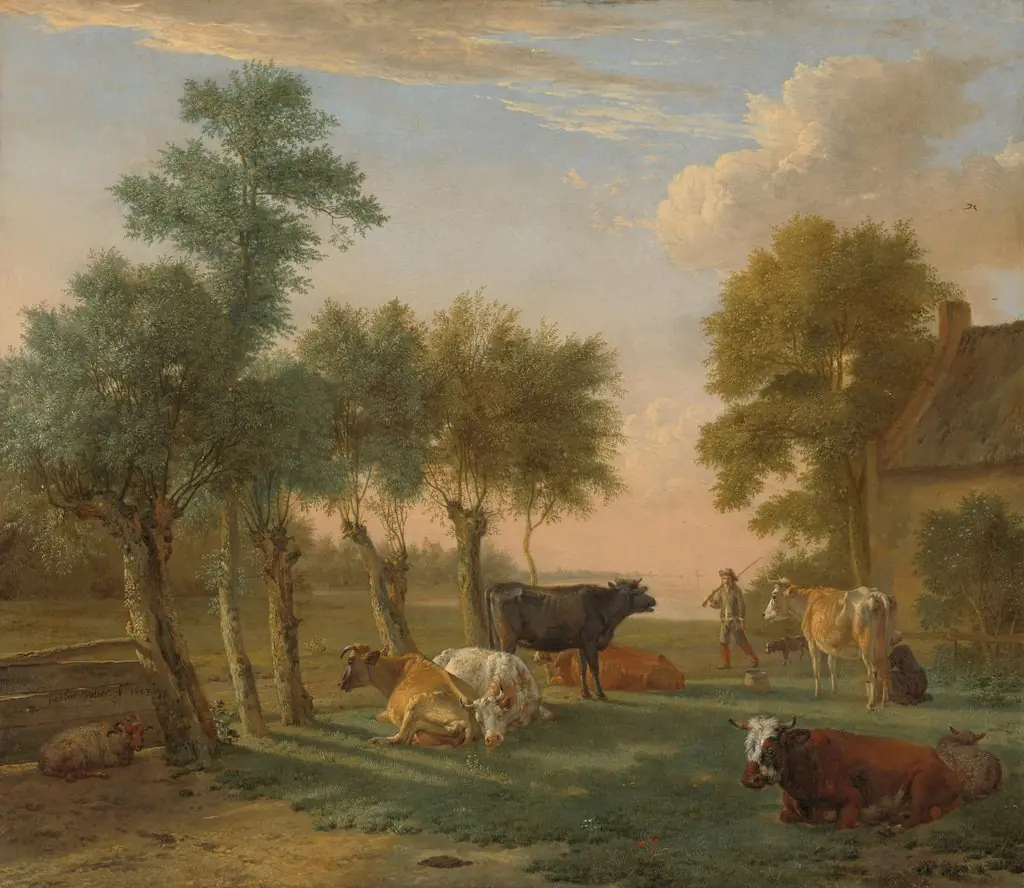 Cows in a Meadow near a Farm
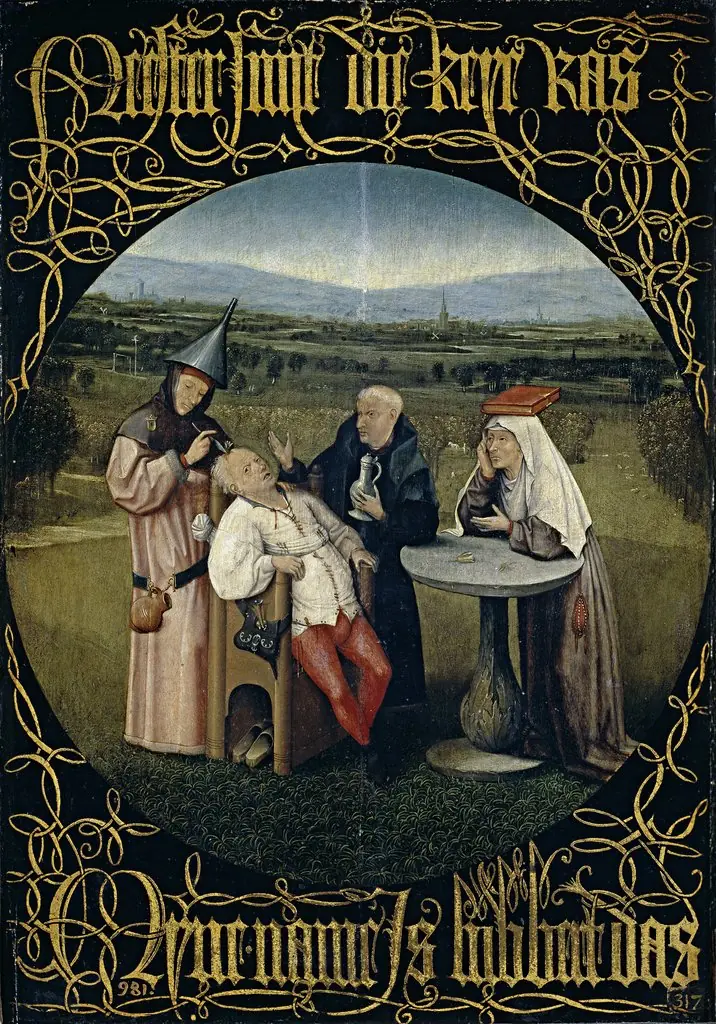 Cutting the Stone
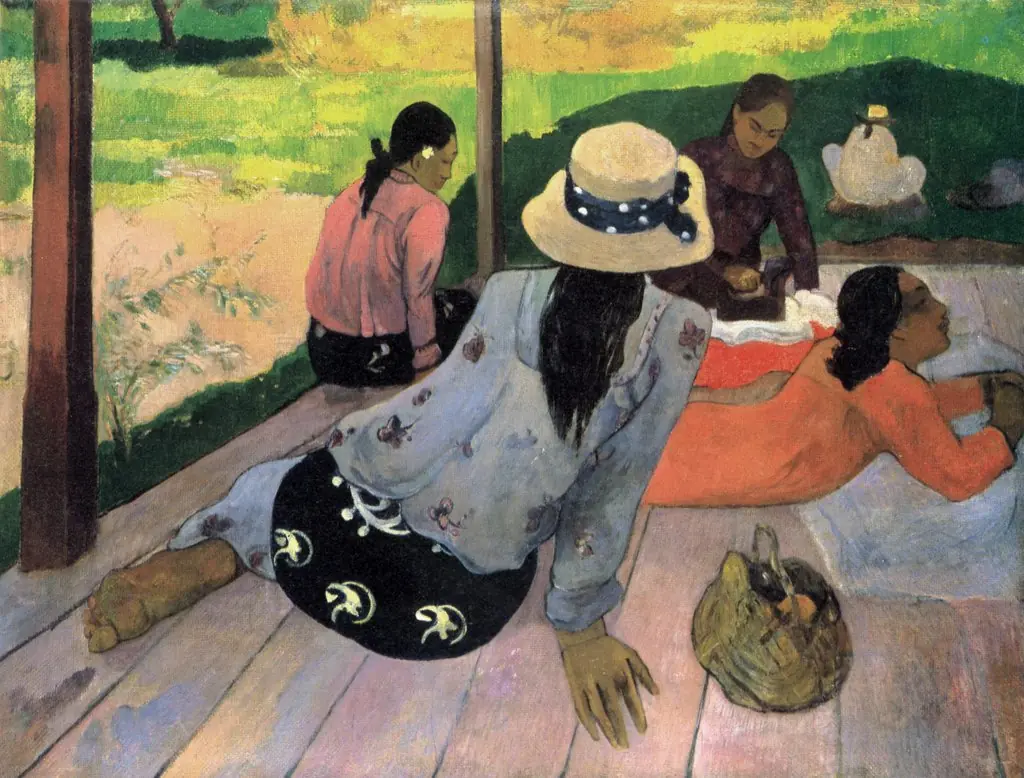 The Siesta
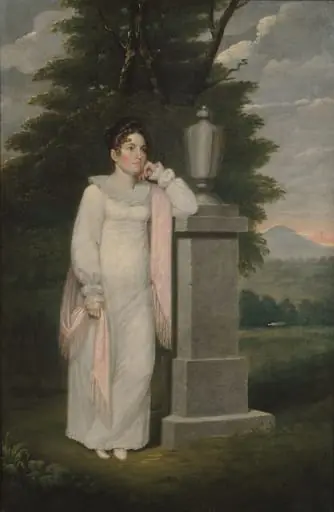 Mrs. Cephas Thompson (Olivia Leonard)
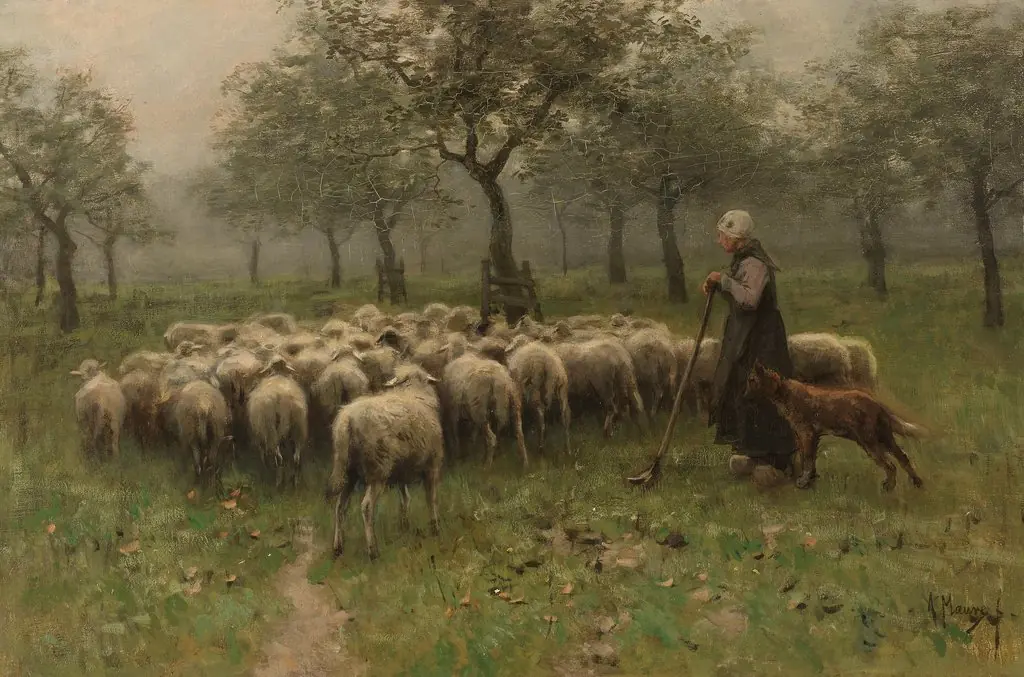 Shepherdess with a Flock of Sheep
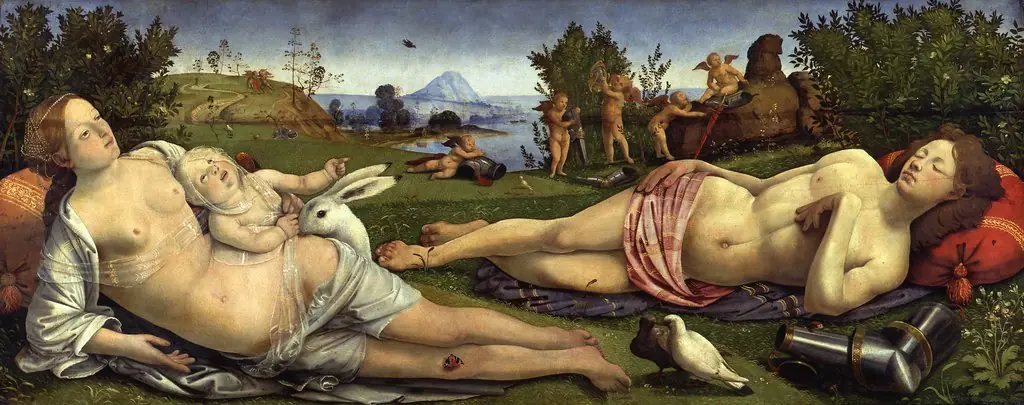 Venus, Mars and Cupid
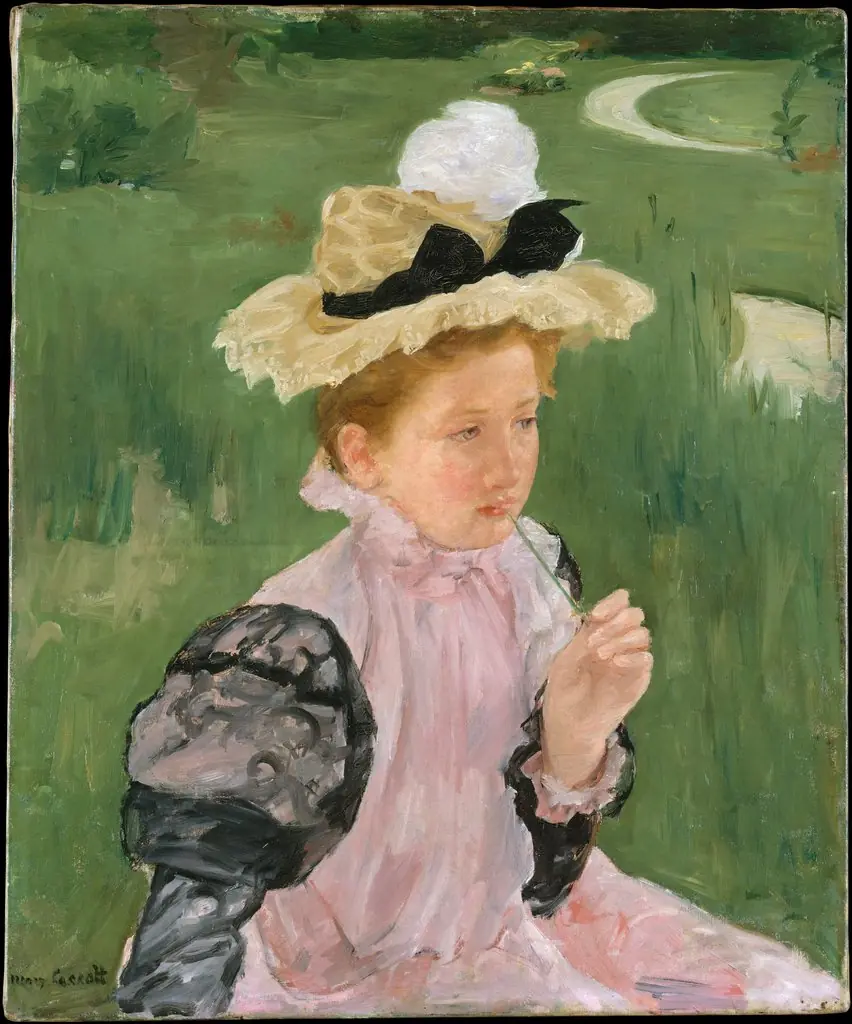 Portrait of a Young Girl
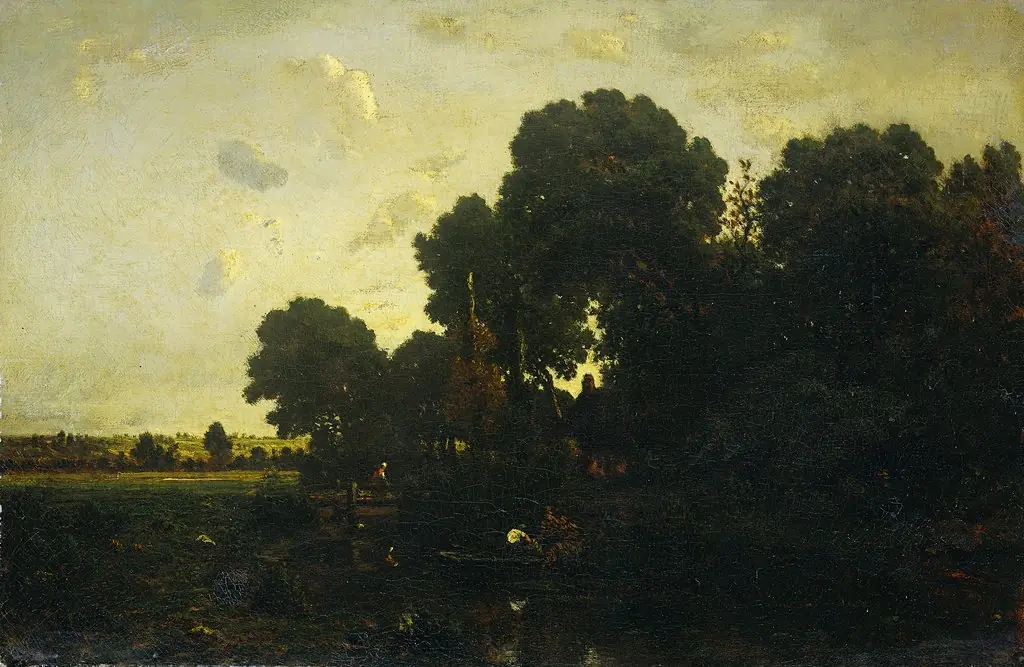 Twilight
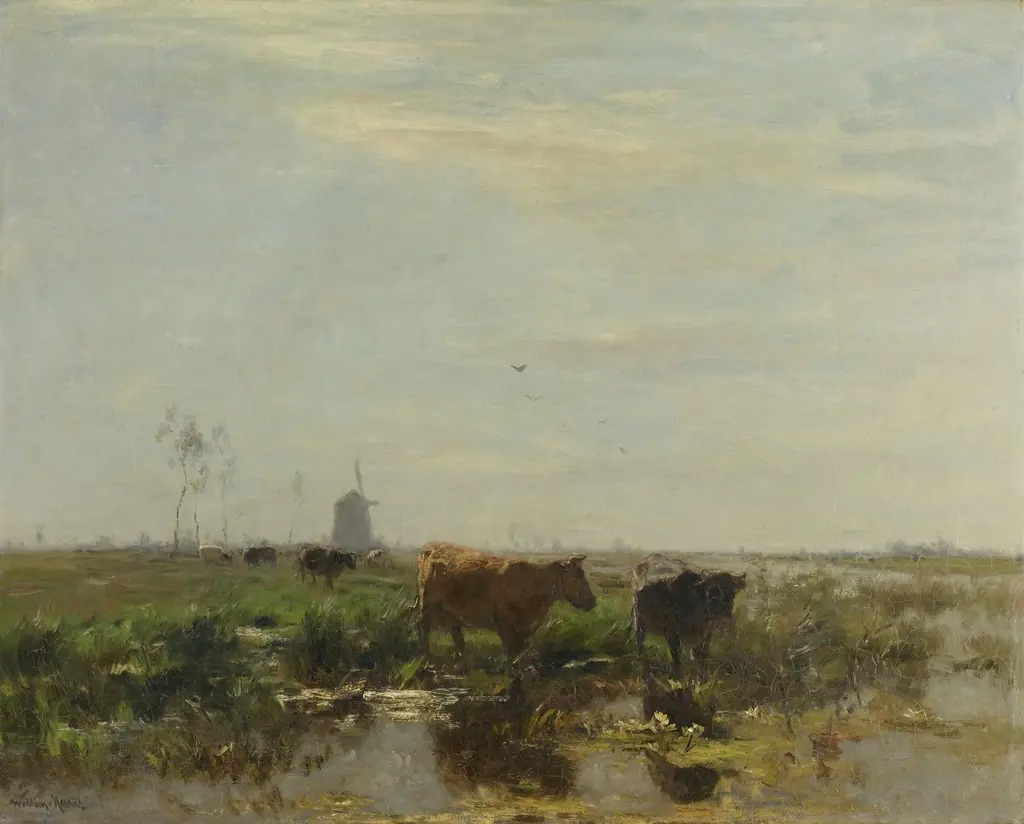 Meadow with Cows by the Water
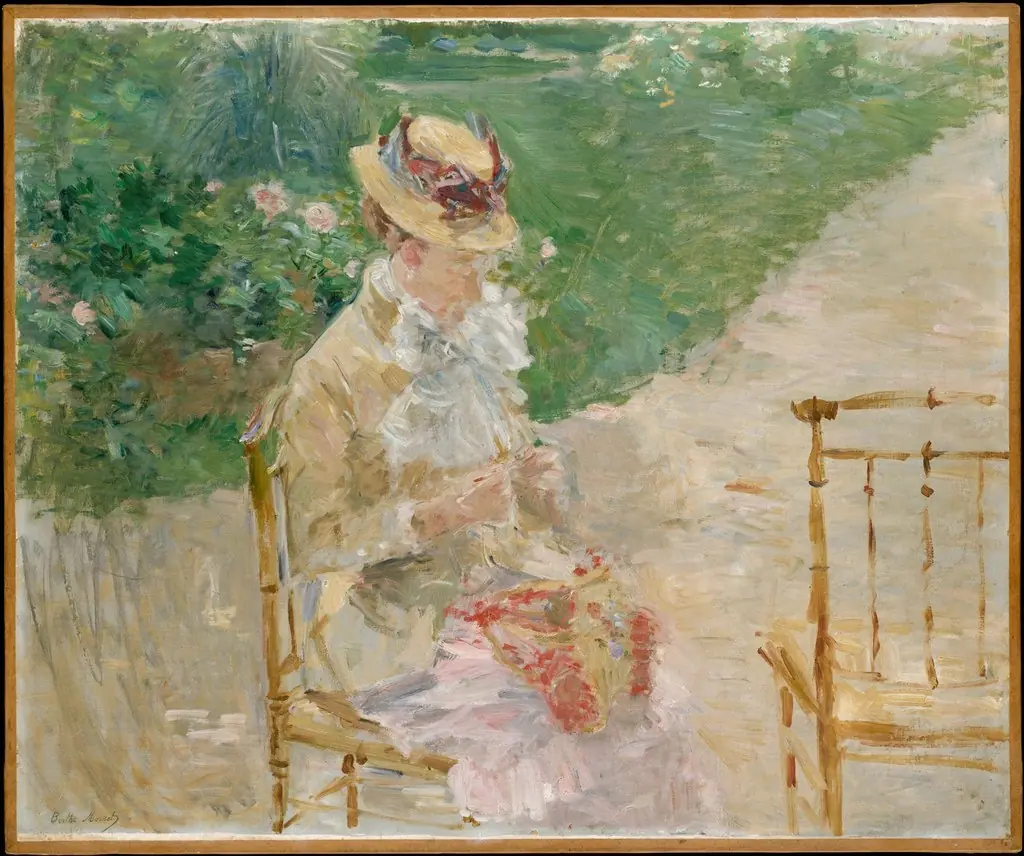 Young Woman Knitting
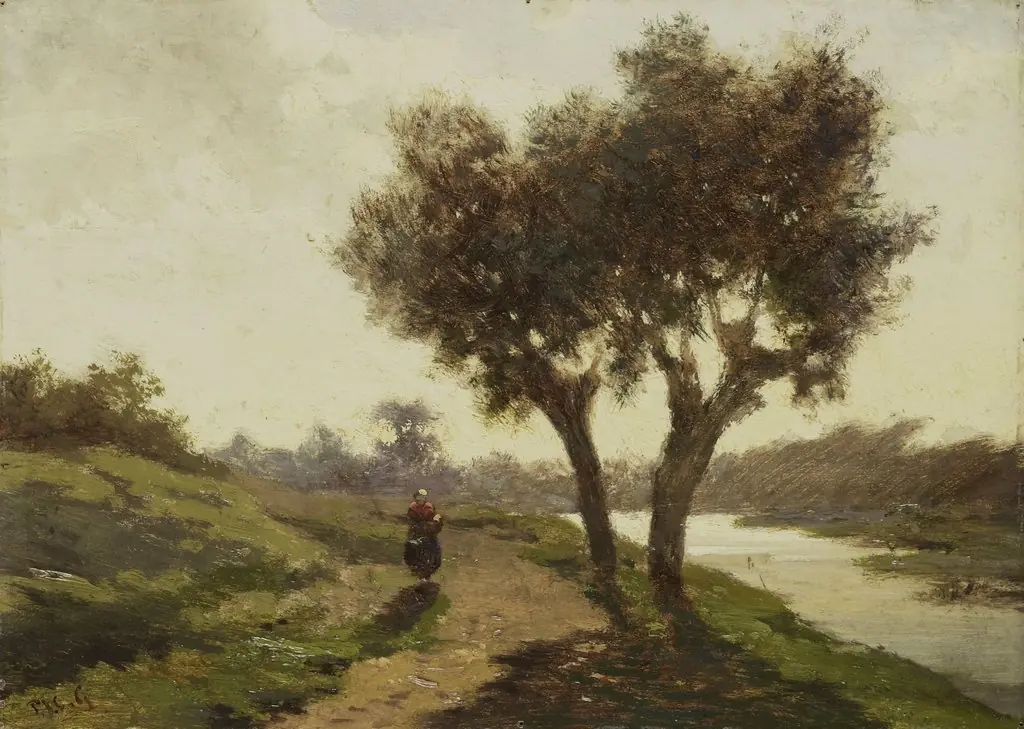 Landscape with two Trees
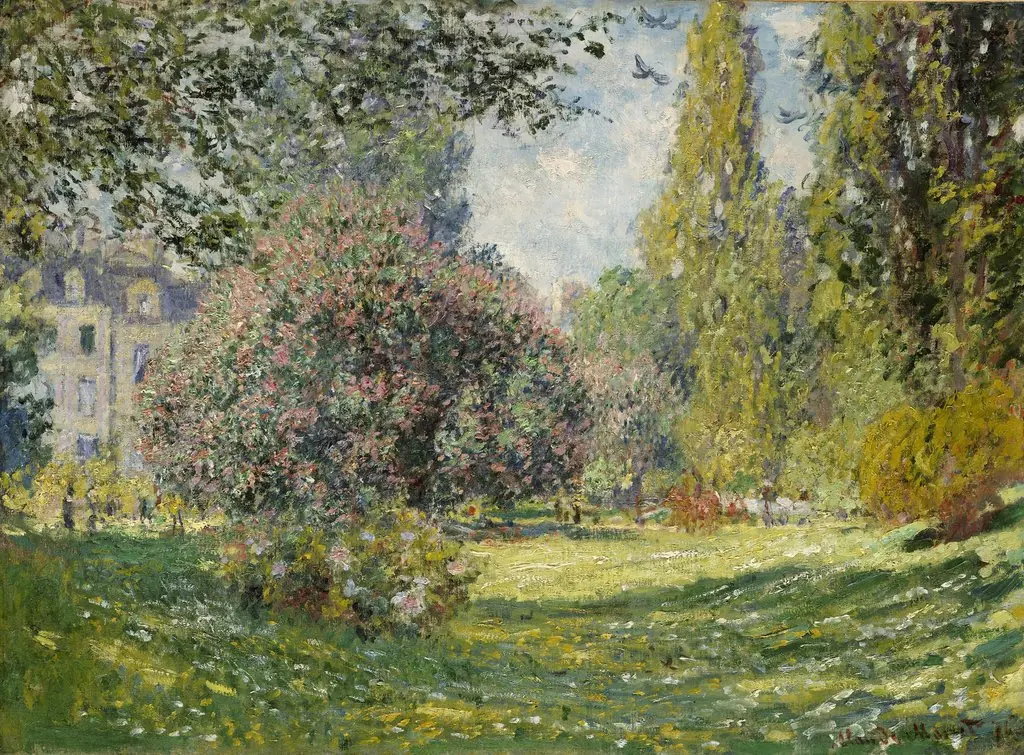 Landscape: The Parc Monceau
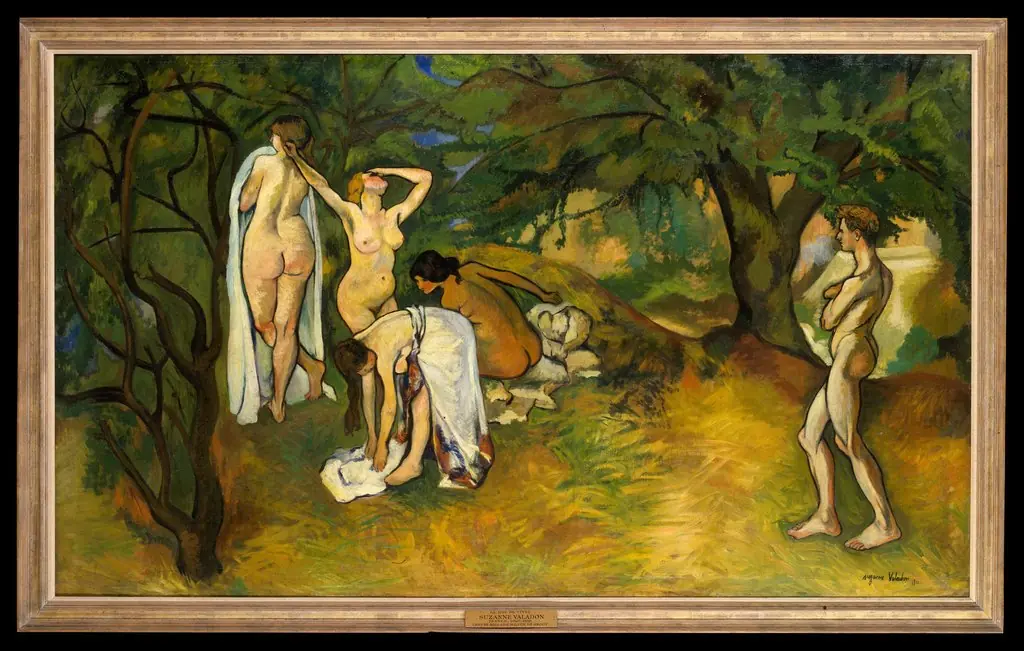 Joy of Life
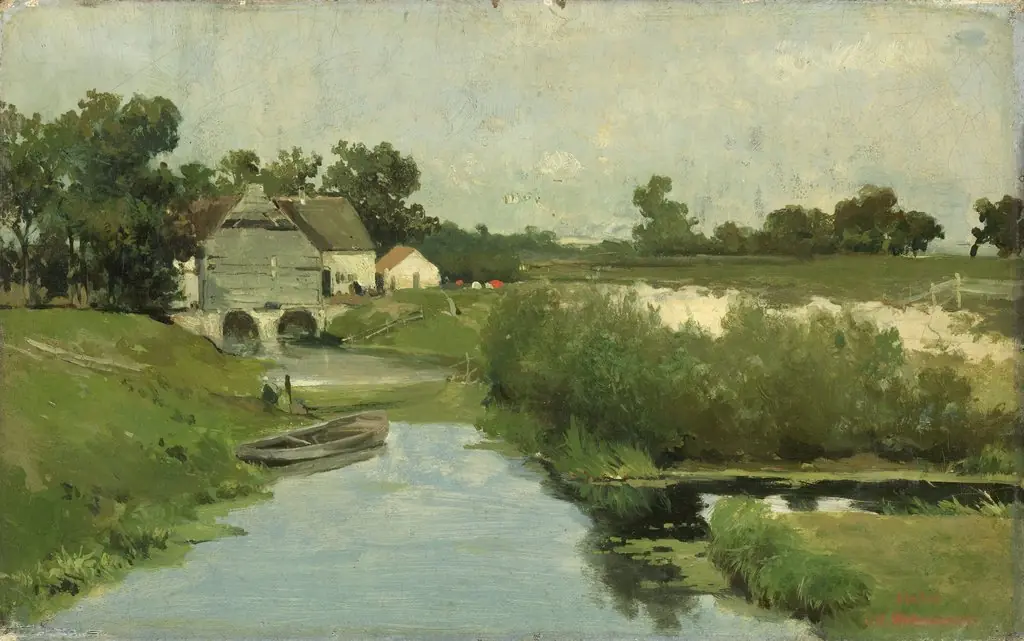 Summer Day
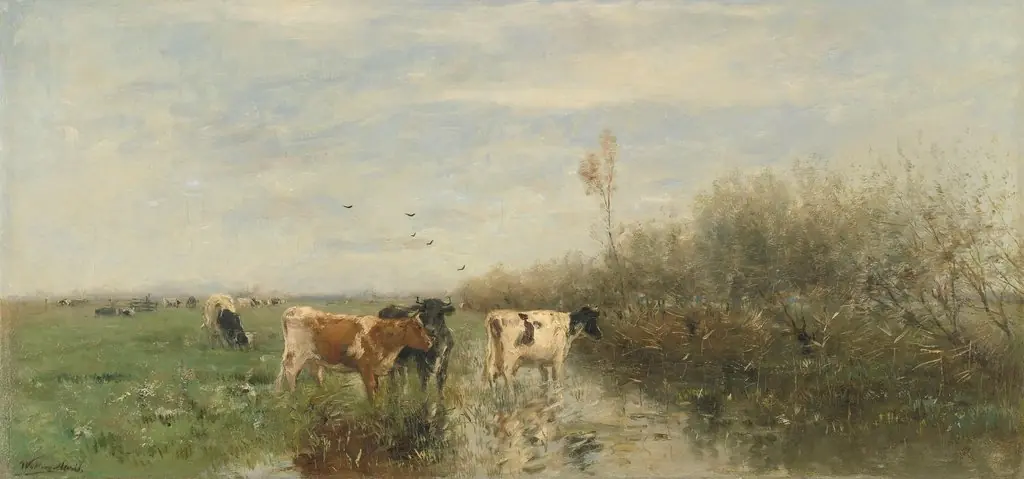 Cows in a soggy meadow
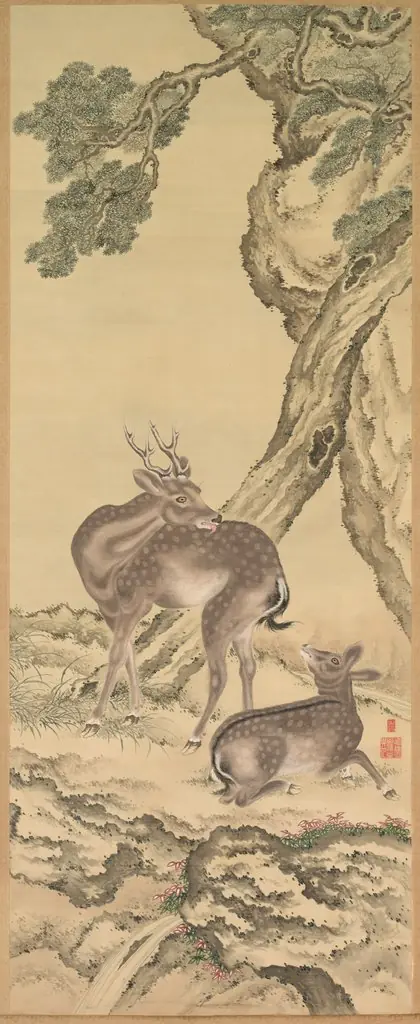 Symbols of Longevity: Deer under Peach and Pine (Peach) (left)
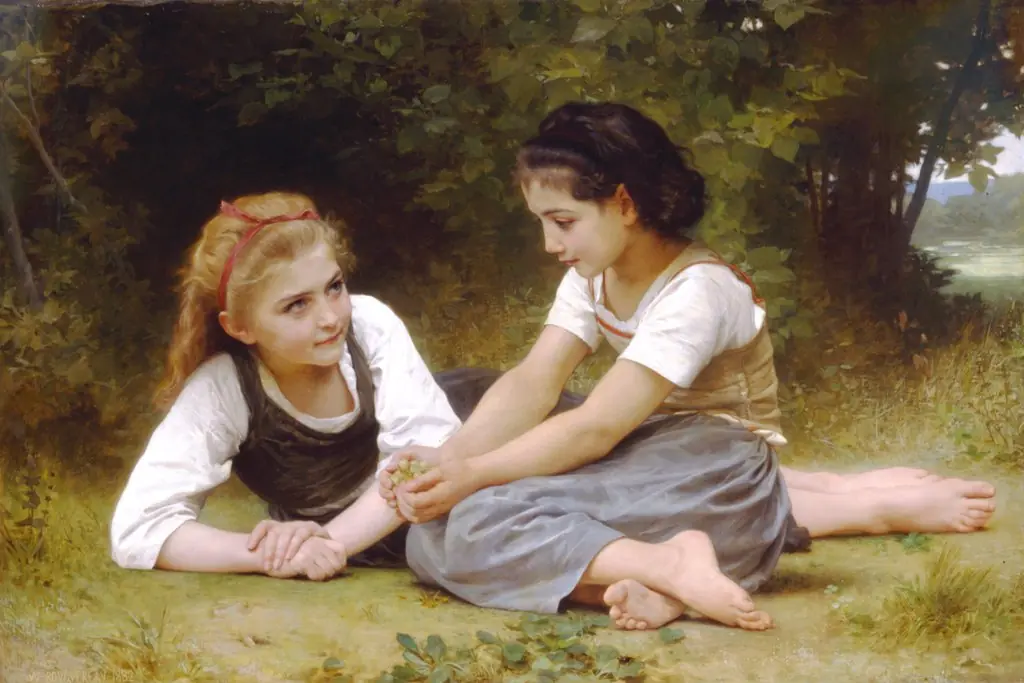 The Nut Gatherers
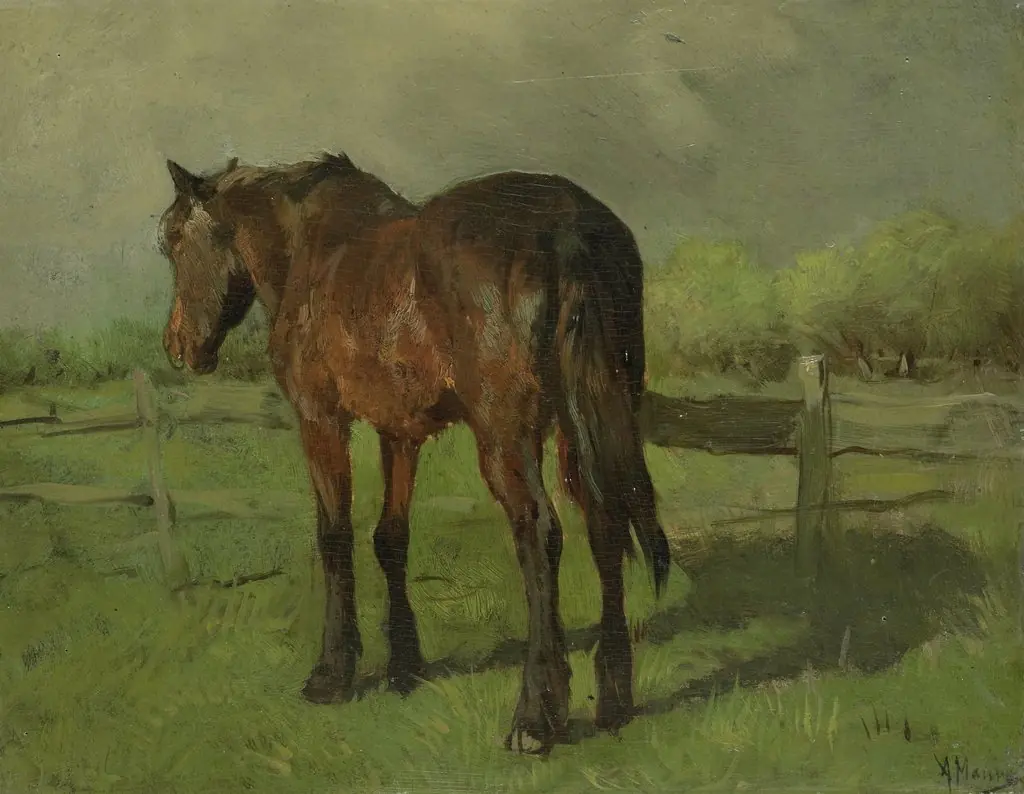 Horse
Horse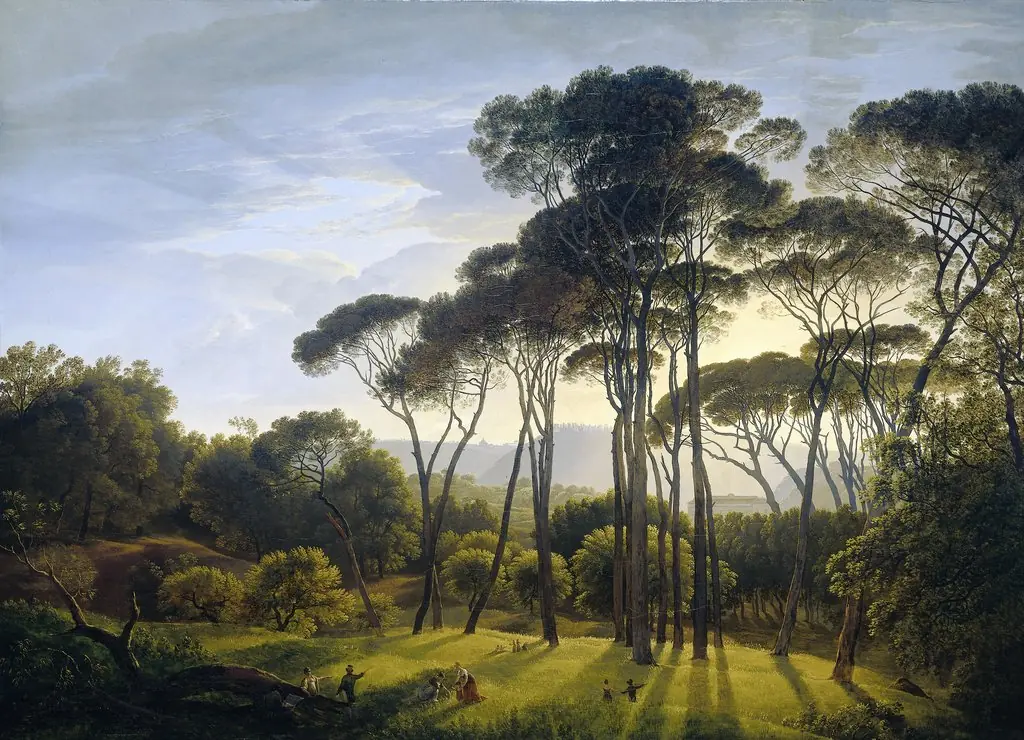 Italian Landscape with Umbrella Pines
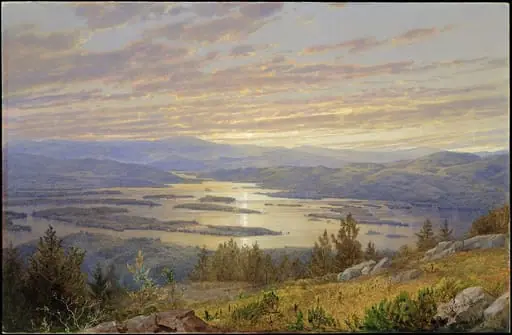 Lake Squam from Red Hill
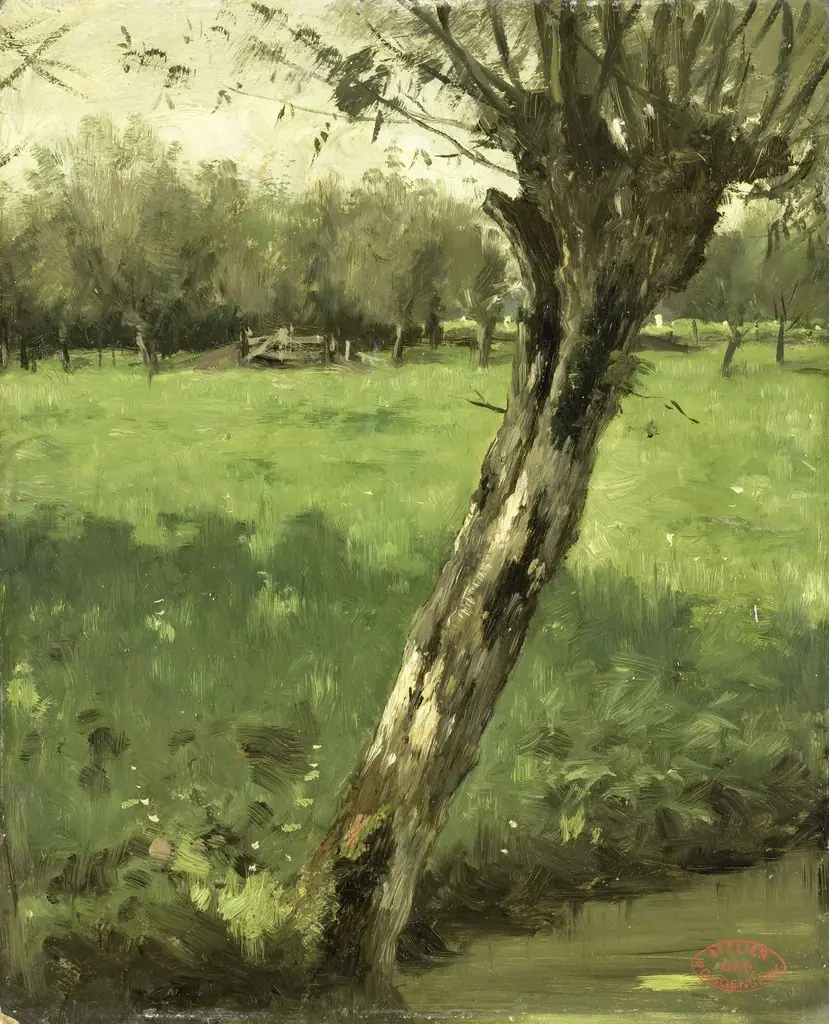 The Willow
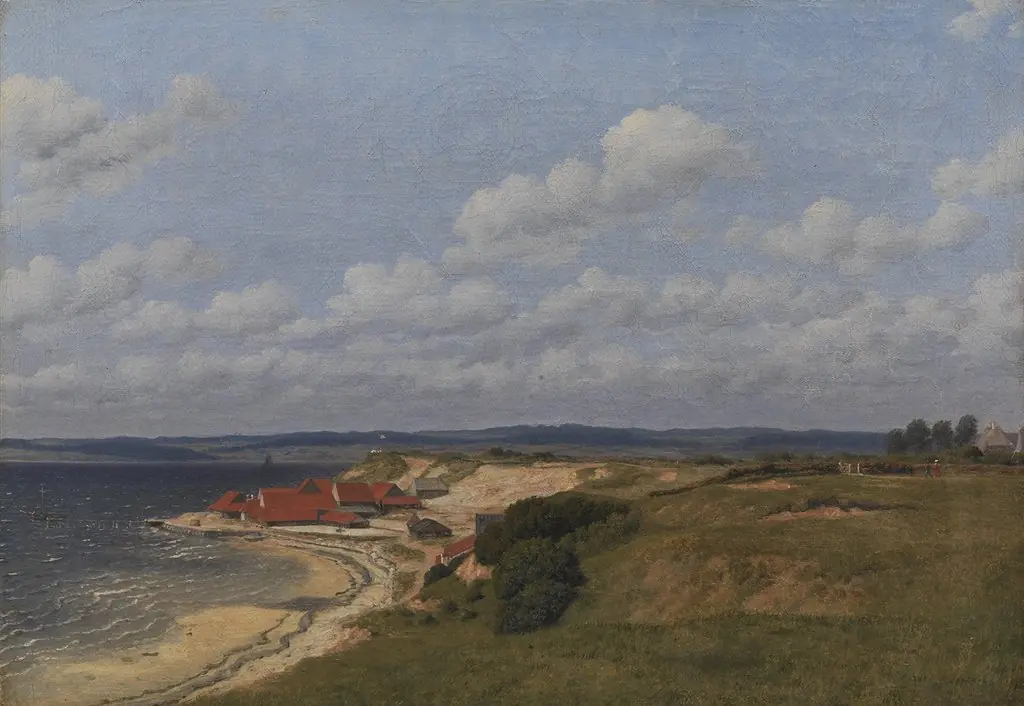 Renbjærg Tileworks by Flensburg Fiord
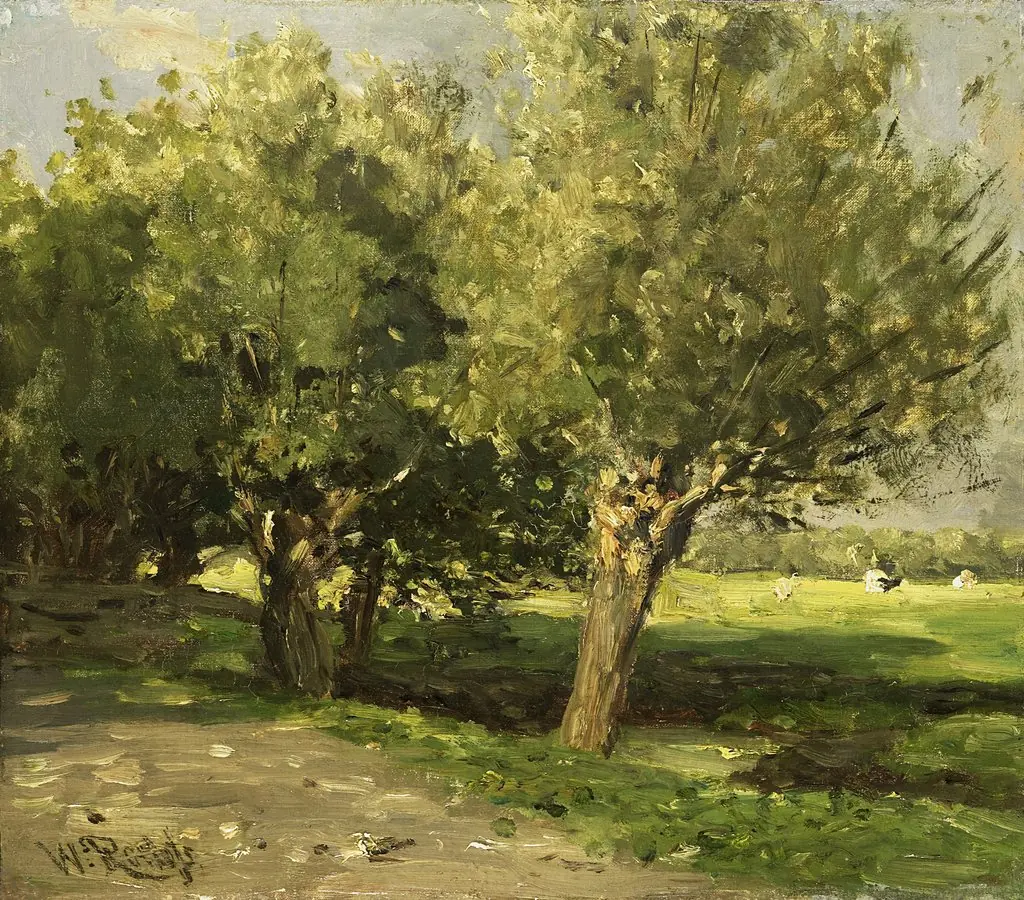 Wilgebomen
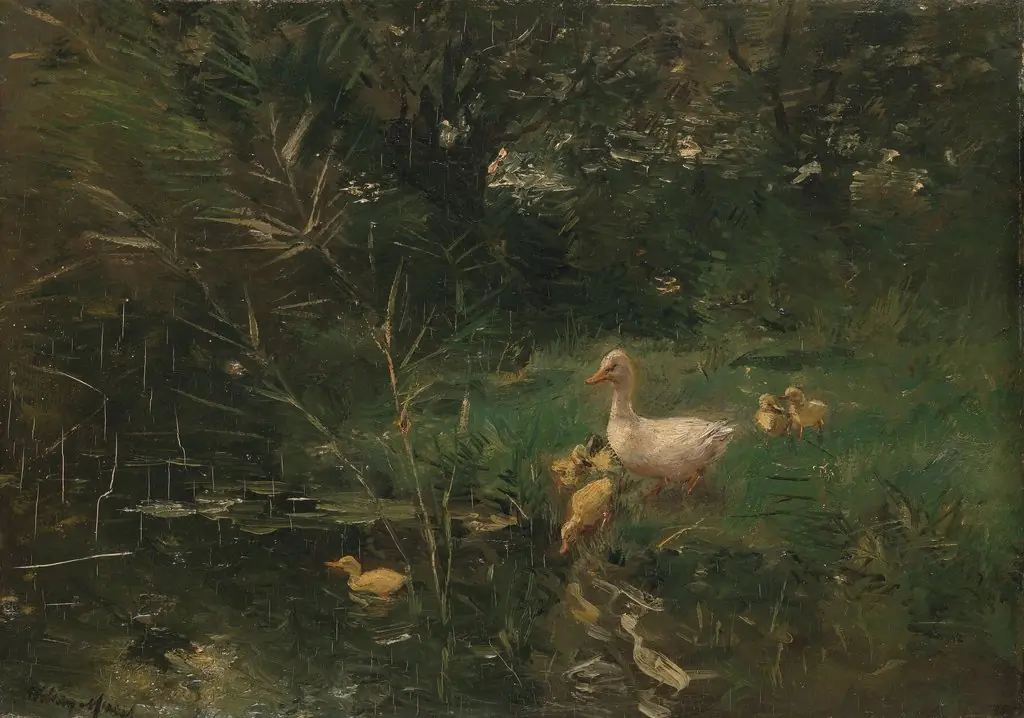 Eendjes
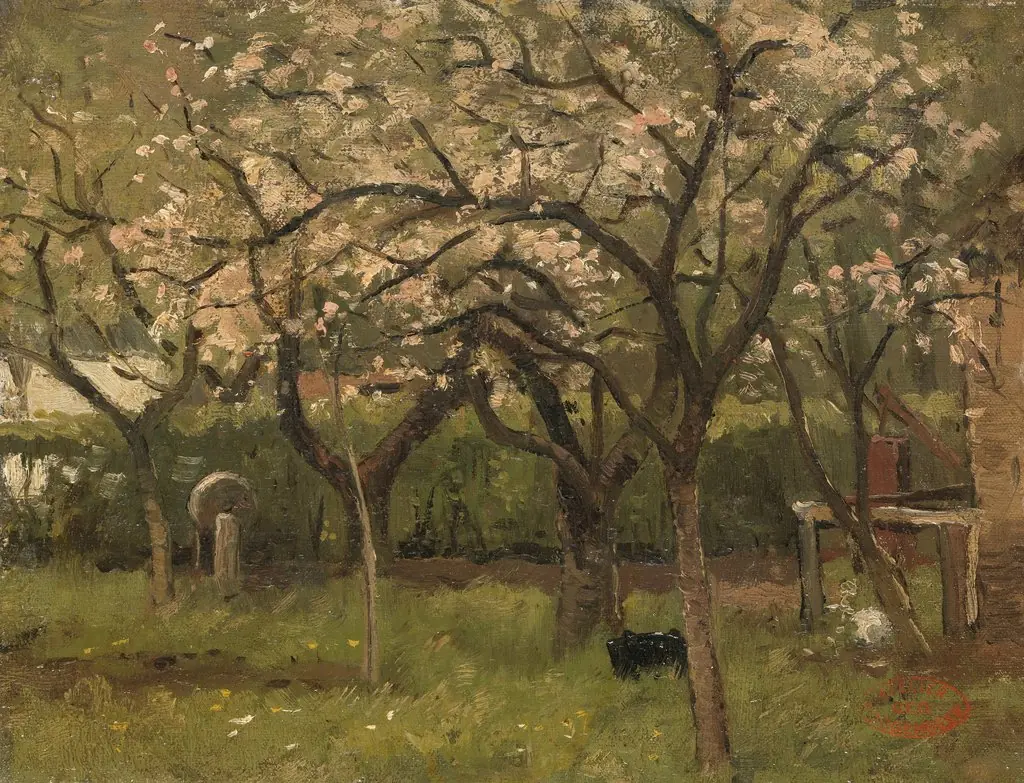 An orchard in bloom
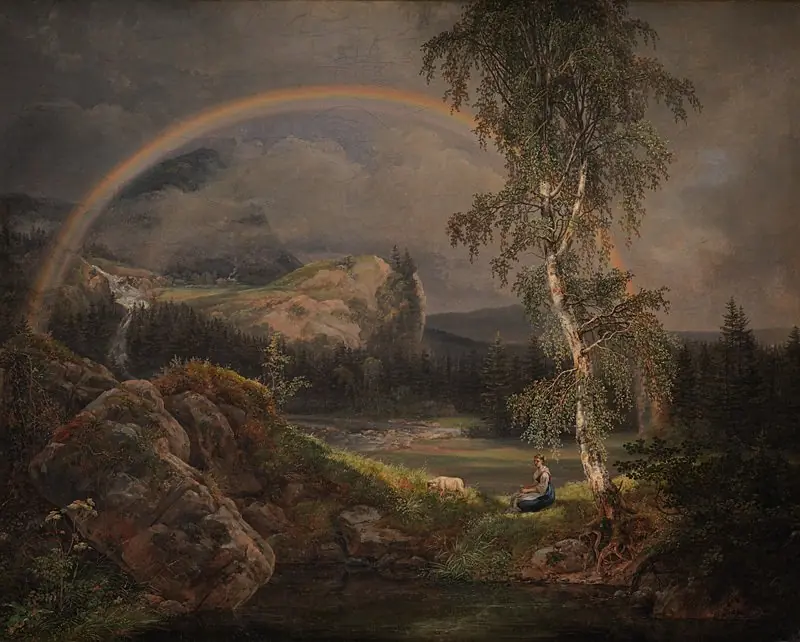 Norwegian Landscape with a Rainbow
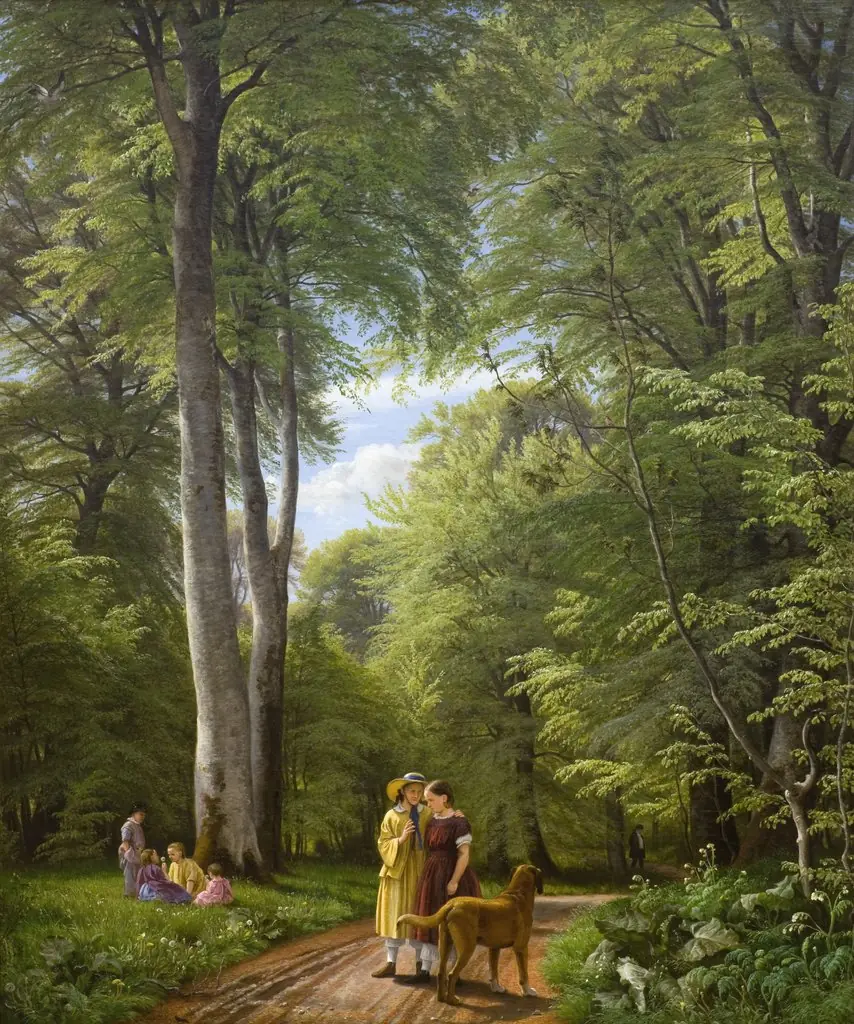 A Beech Wood in May near Iselingen Manor, Zealand
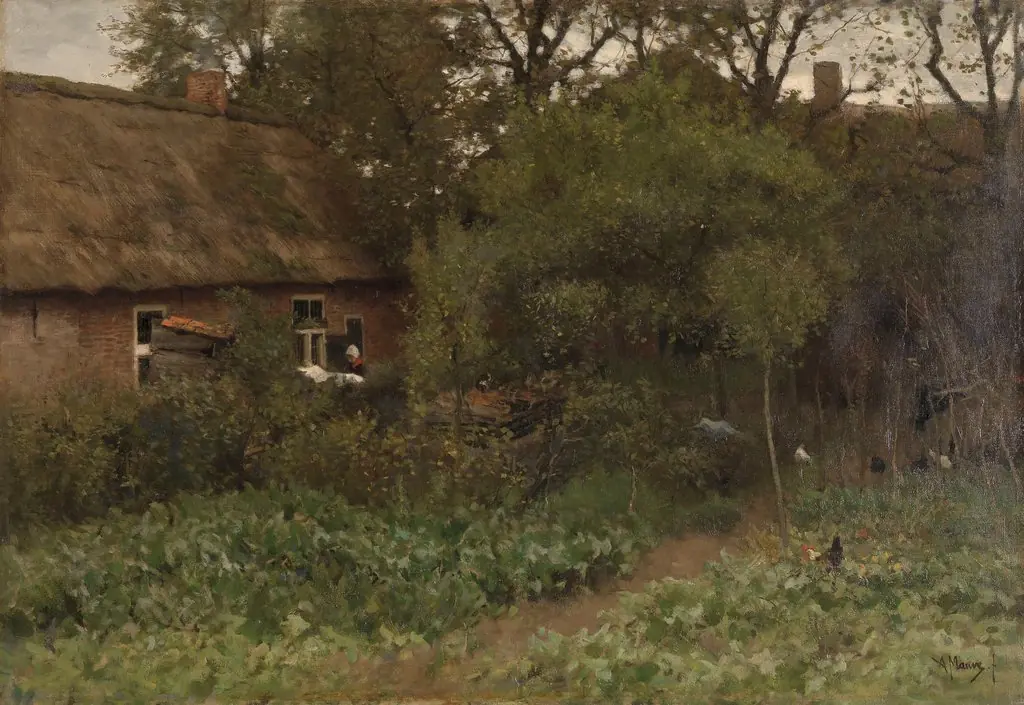 The Vegetable Garden
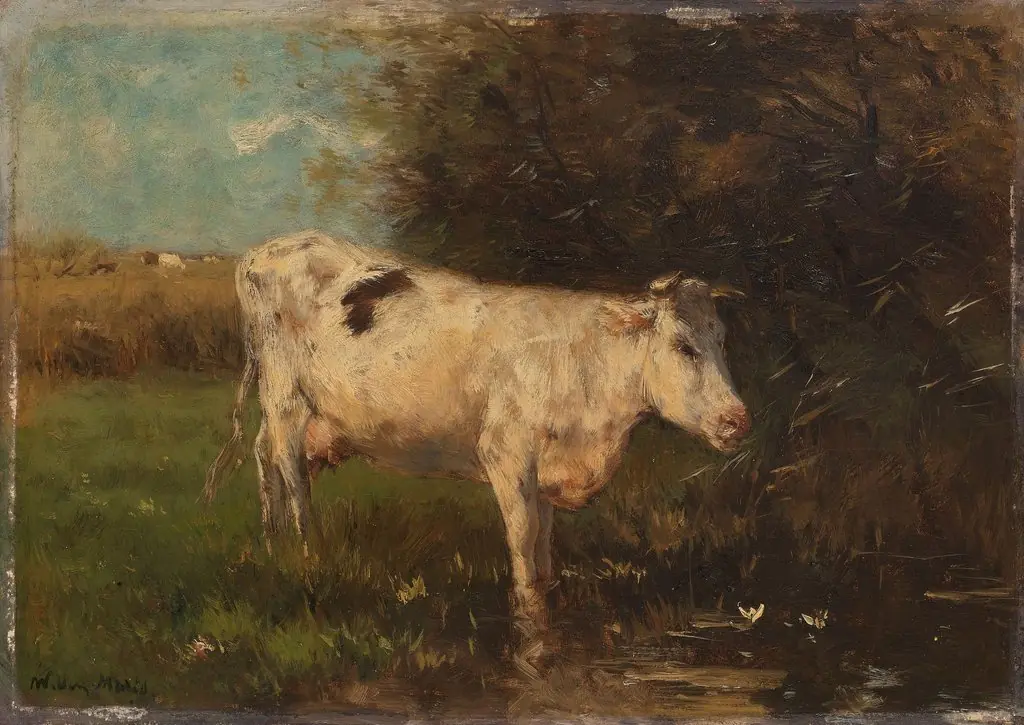 White Cow
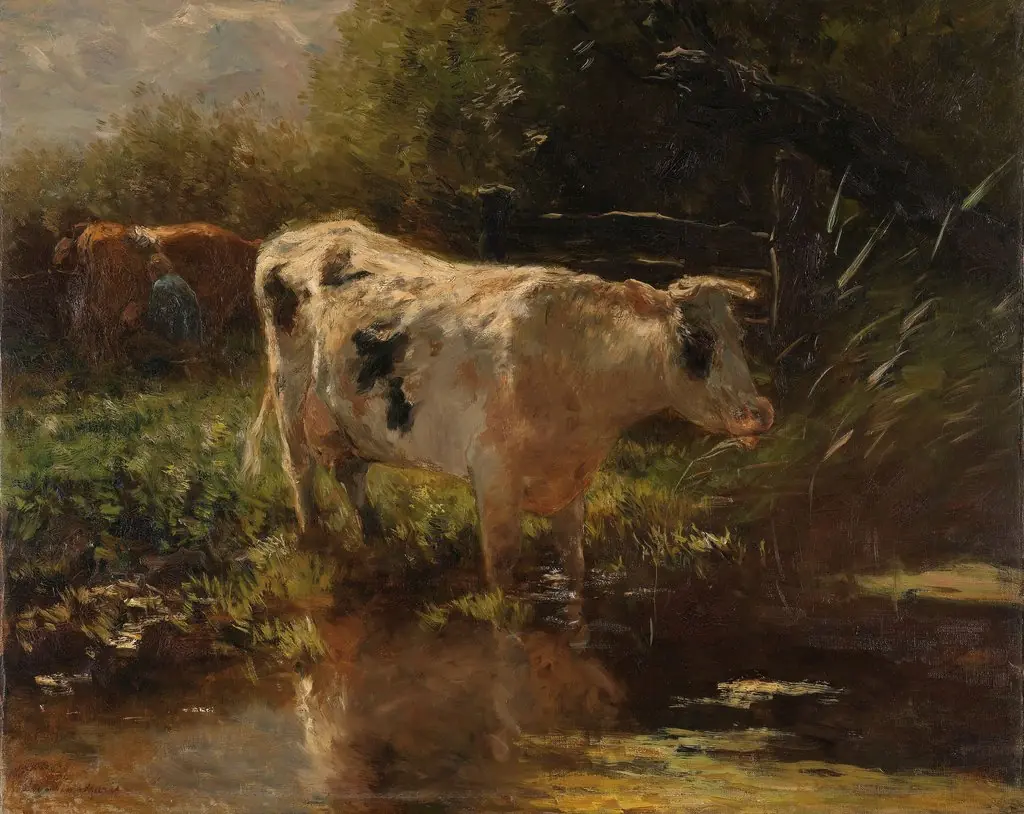 Cow beside a Ditch
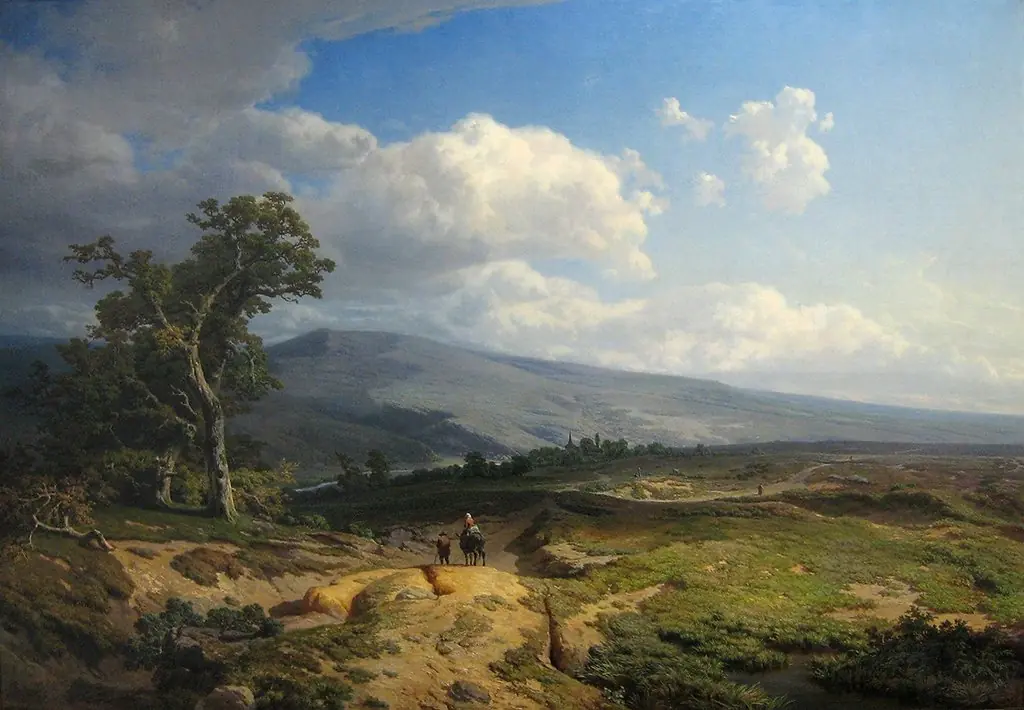 Valley of Amblève
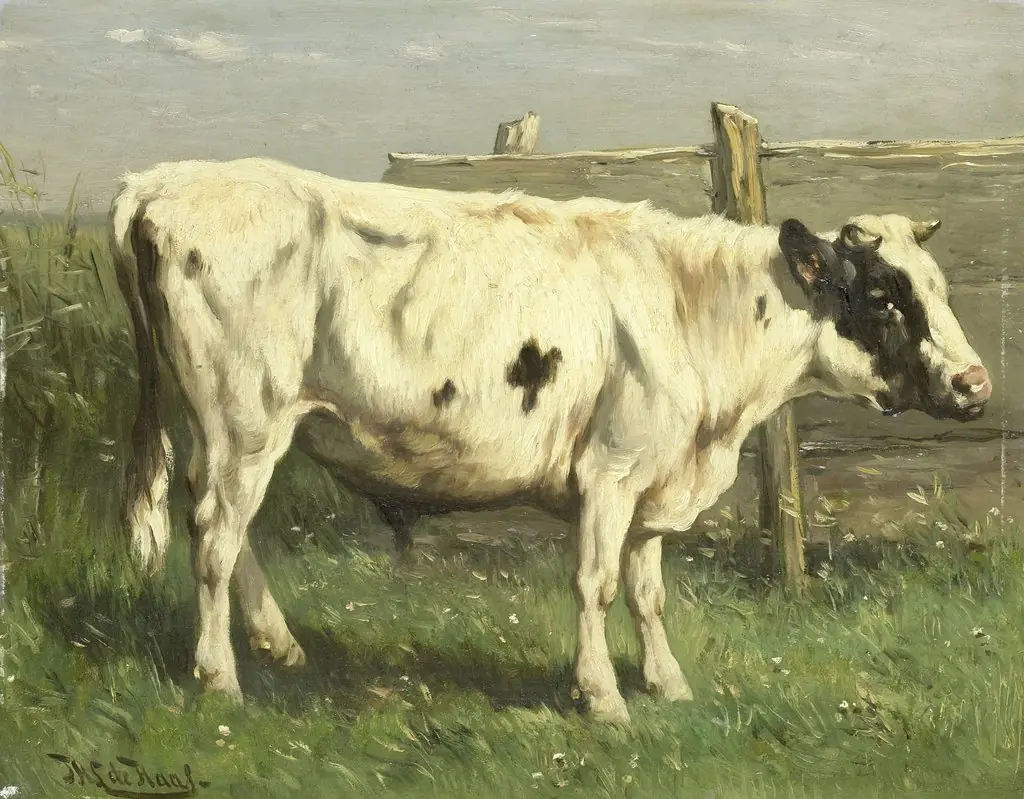 Young Bull
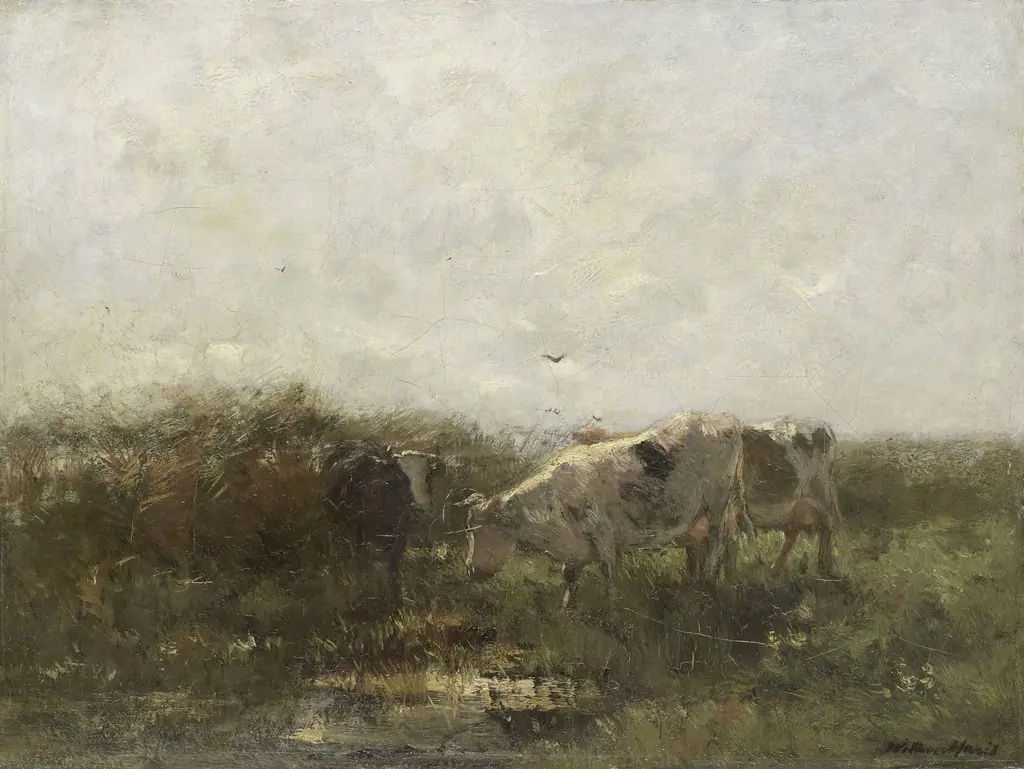 Koeien
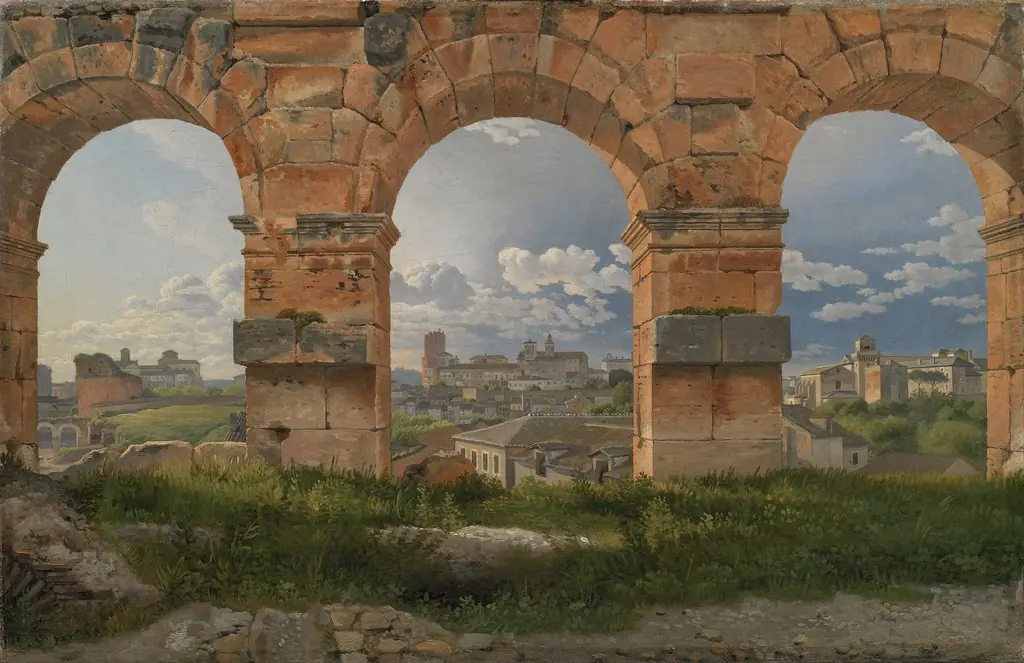 A View through Three of the North-Western Arches of the Third Storey of the Coliseum
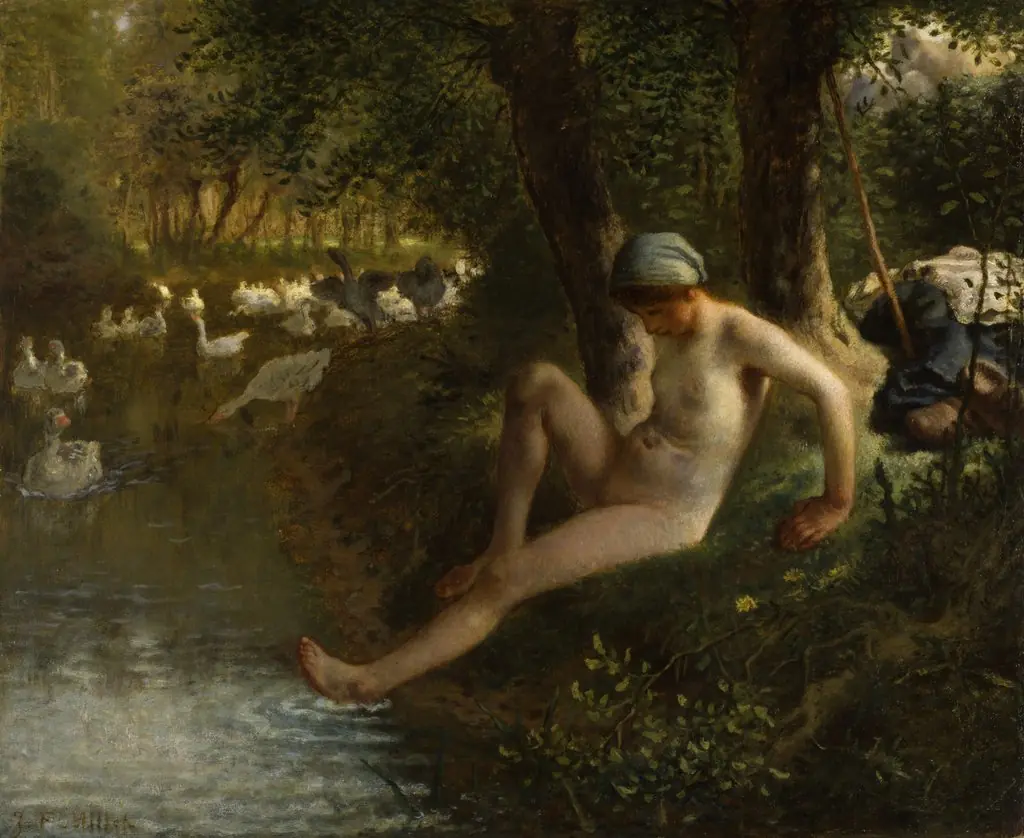 The Goose Girl
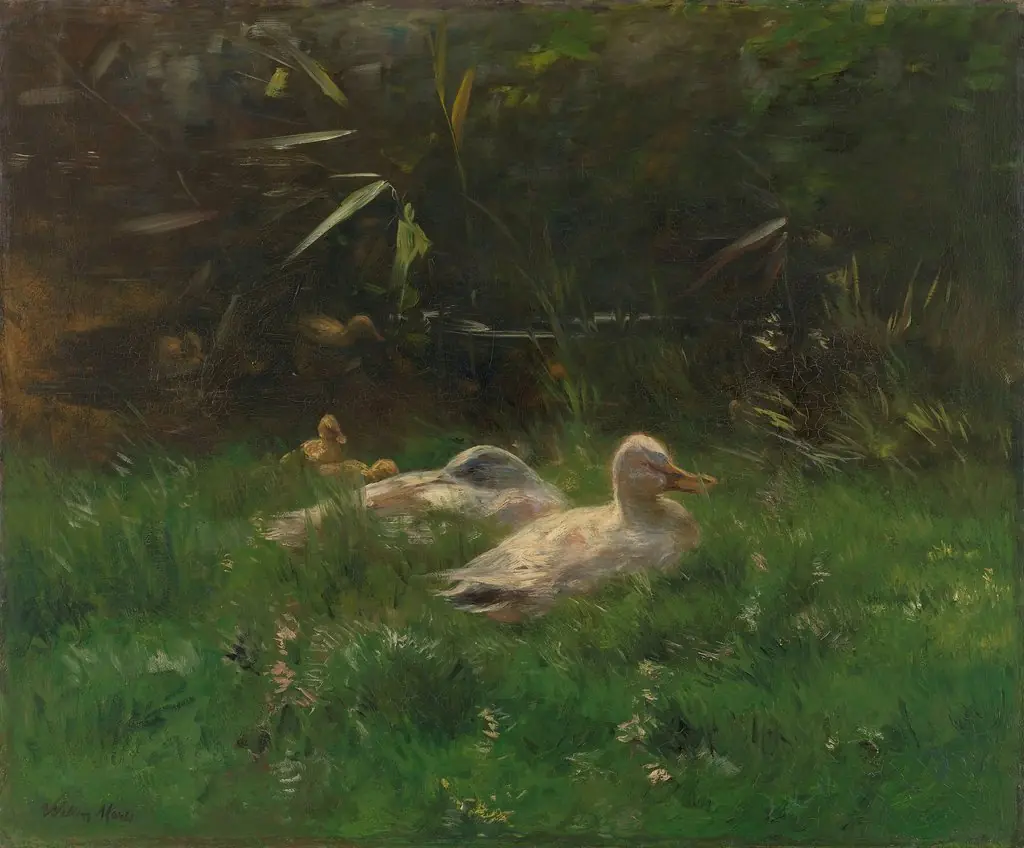 Ducks
Ducks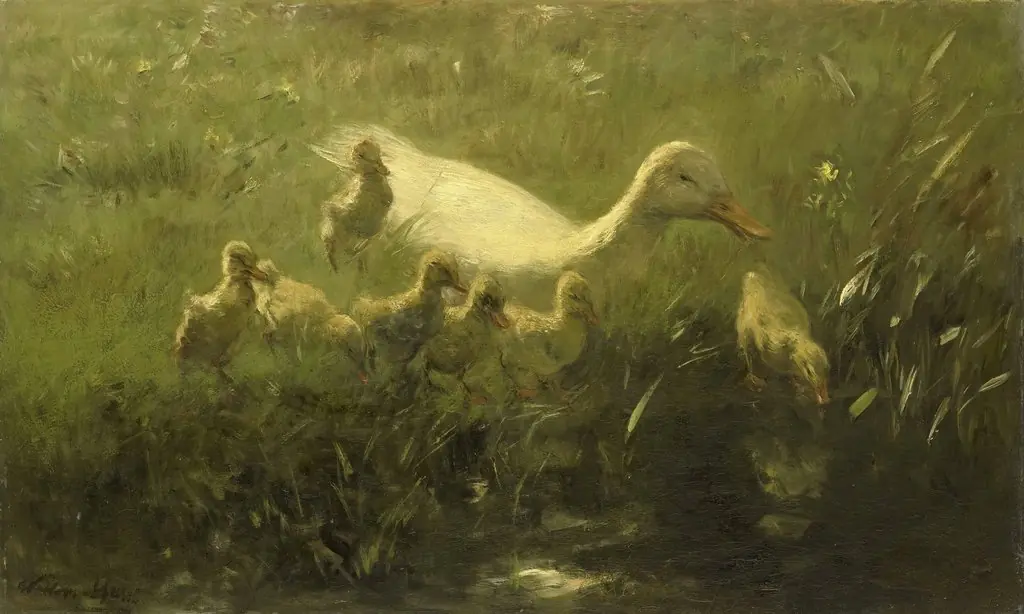 Witte eend met kiekens
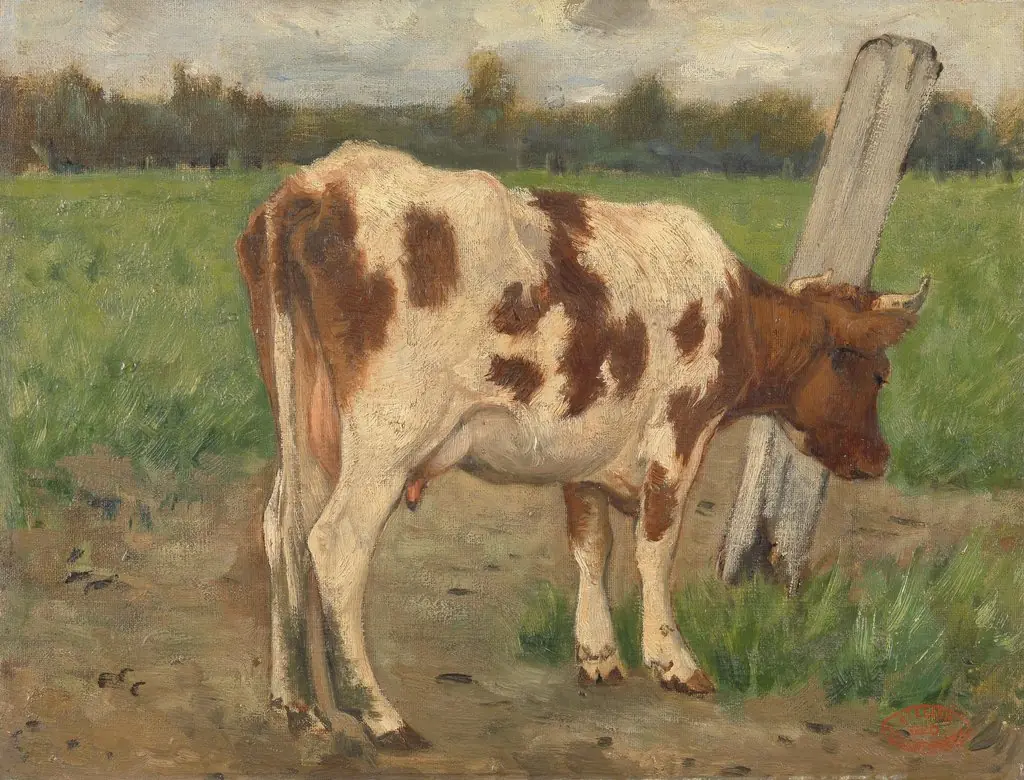 Cow
Cow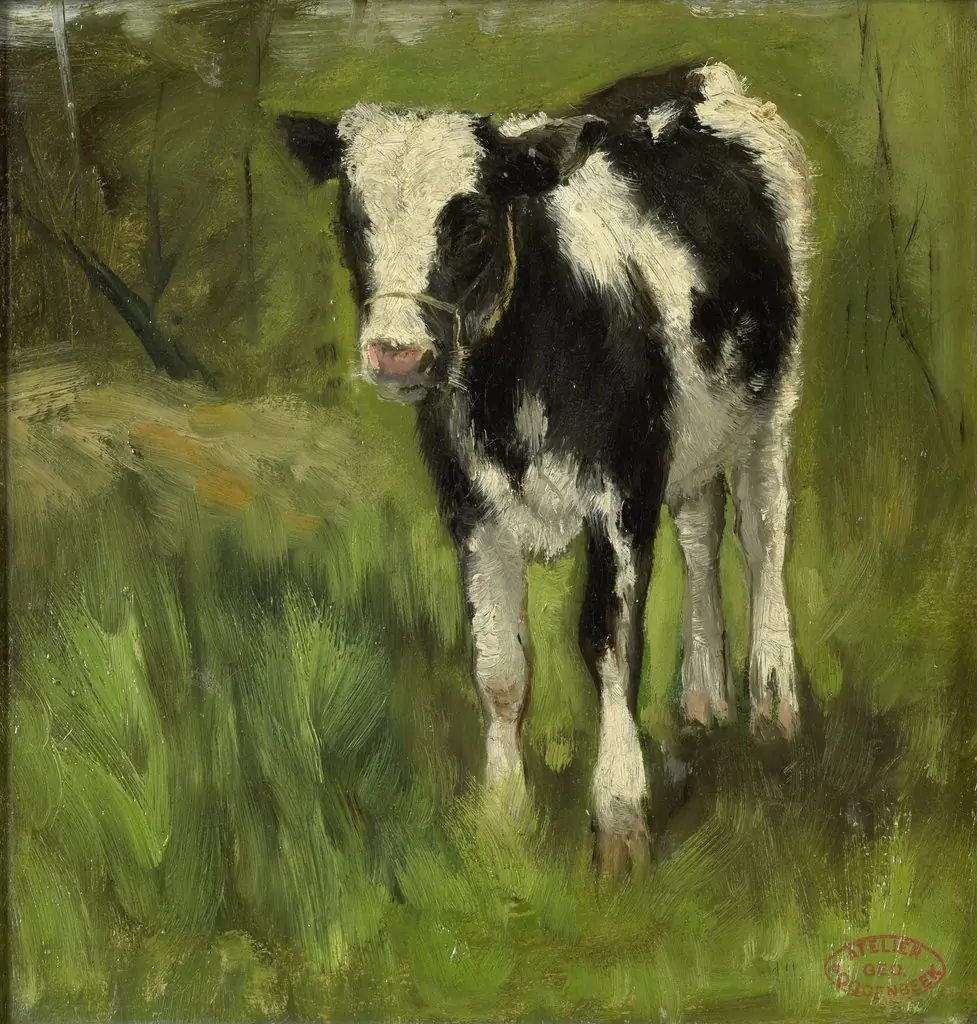 Calf, spotted black and white
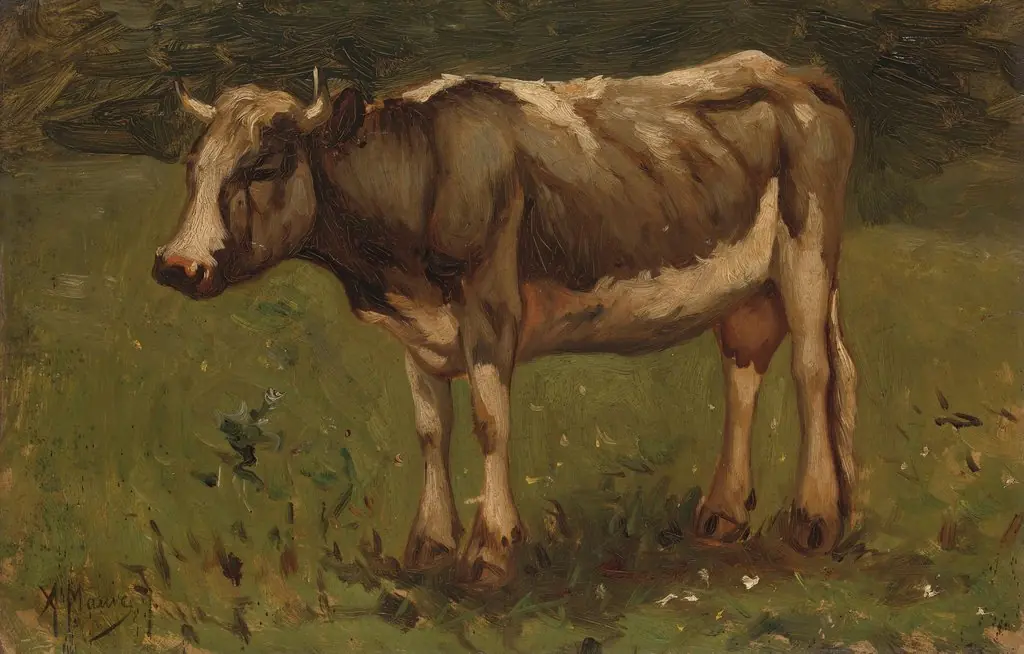 Cow
Cow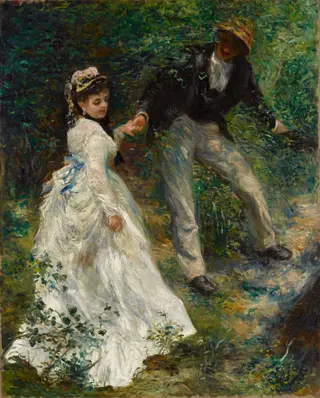 La Promenade
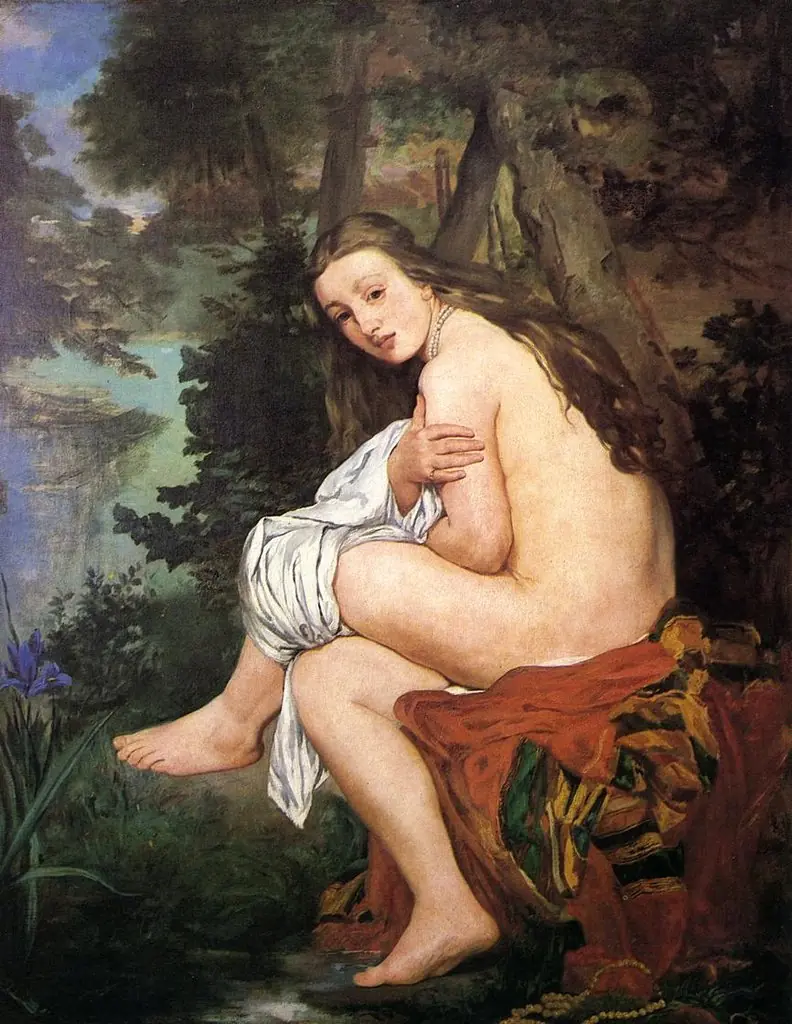 La Nymphe surprise
 Woman in the Garden
 Boy and Girl with Sheep and Goats
 Boomgaard
 Clearing weather after a rain shower at Gurre Lake
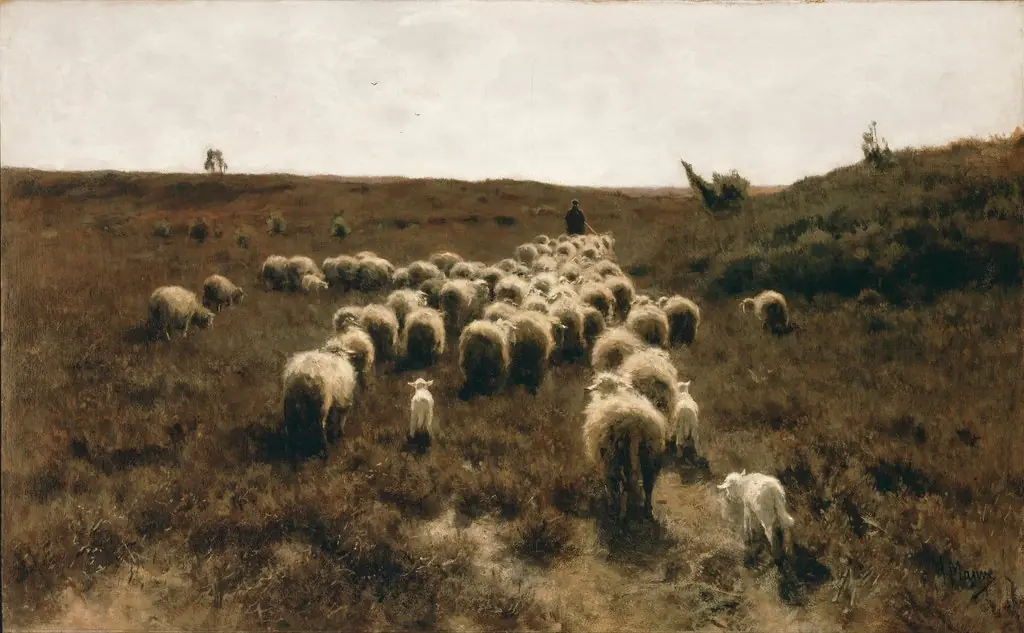 The Return of the Flock, Laren
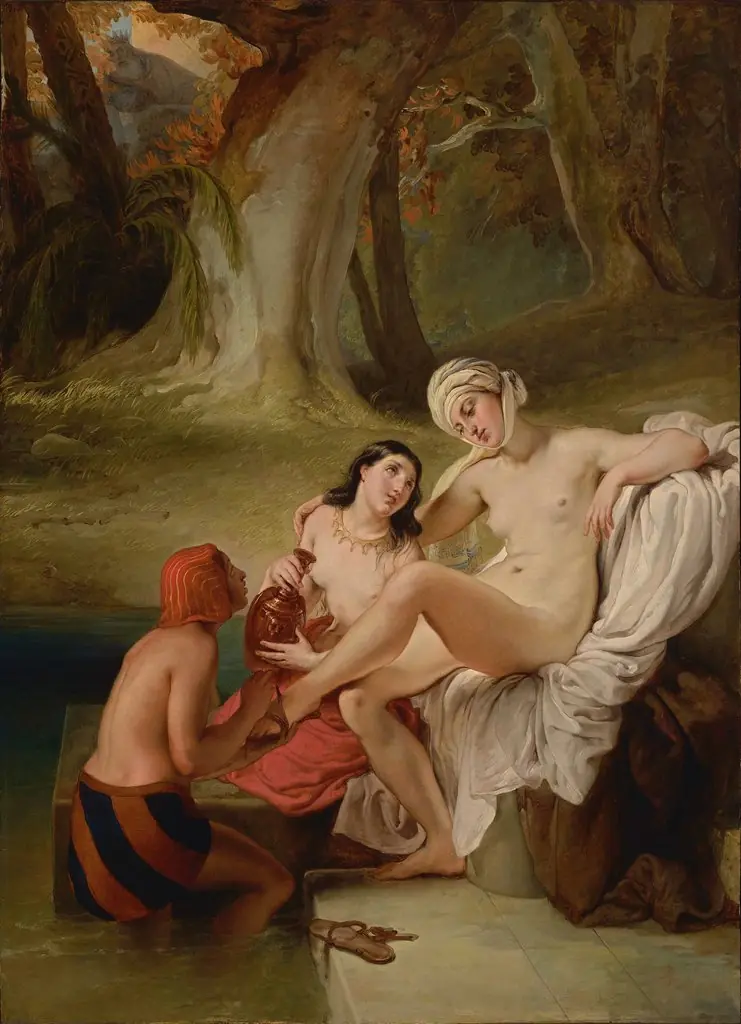 Bathsheba Bathing
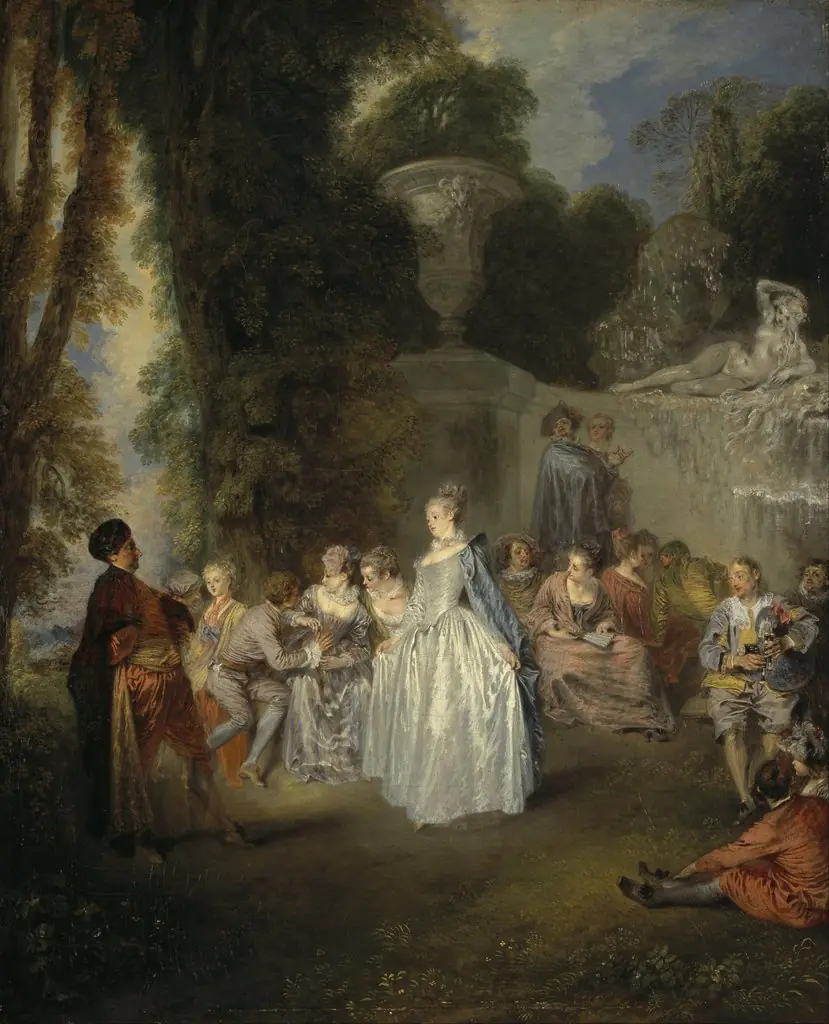 Fêtes Vénitiennes
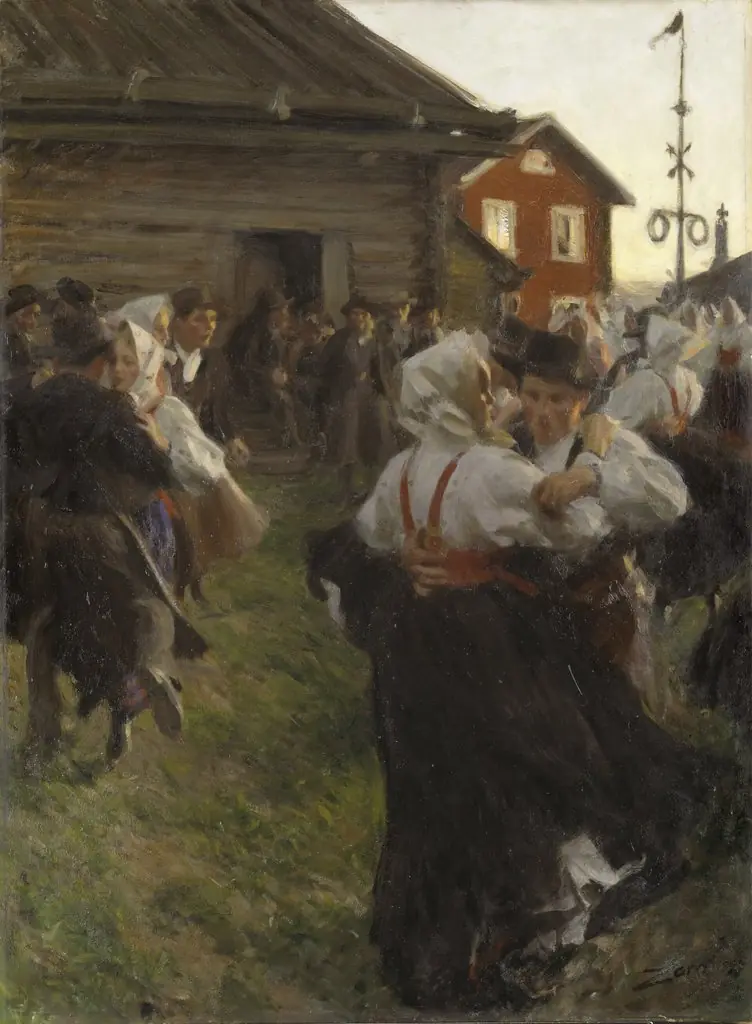 Midsummer Dance
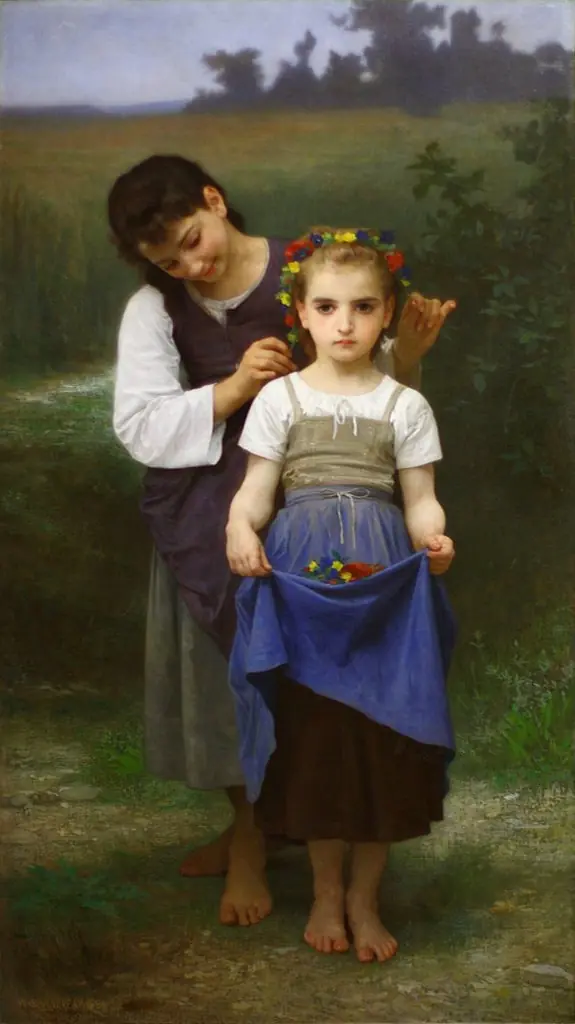 Crown of Flowers
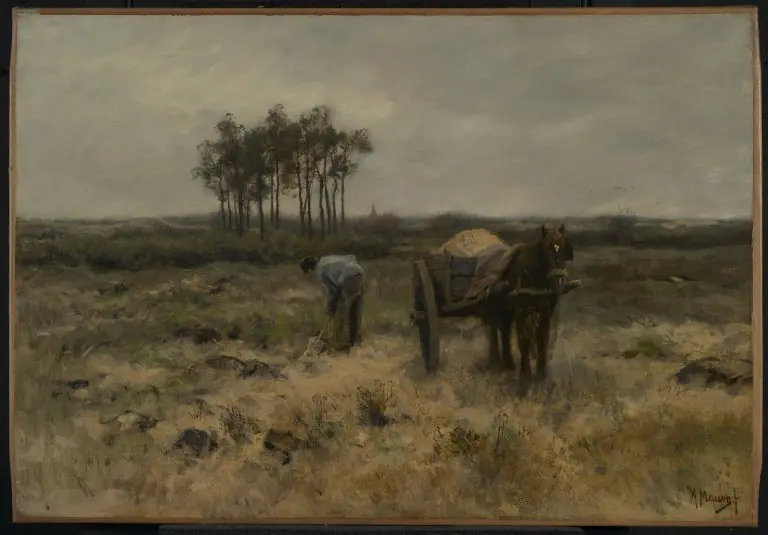 Digging Sand, or The Sand Cart
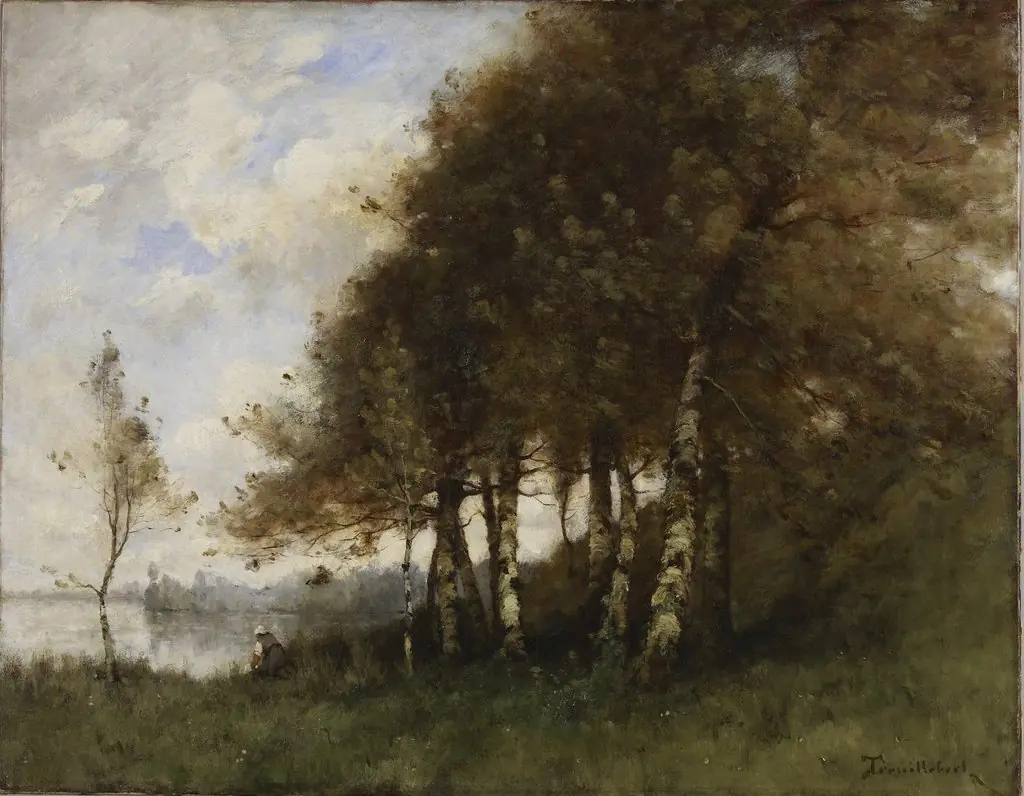 Landscape.
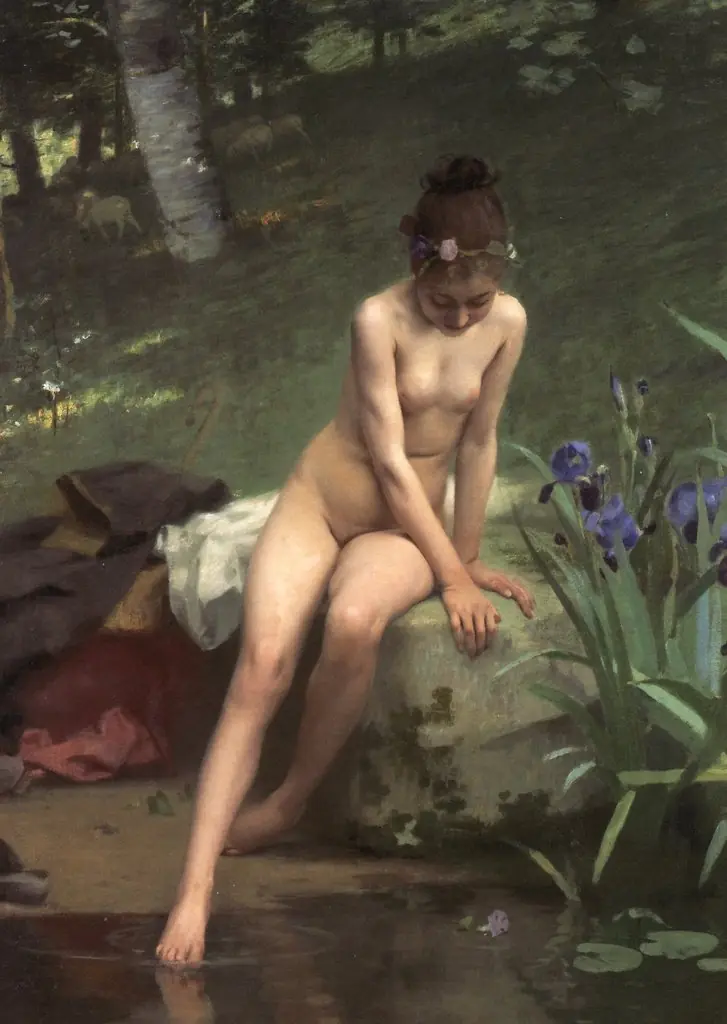 The Young Shepherdess
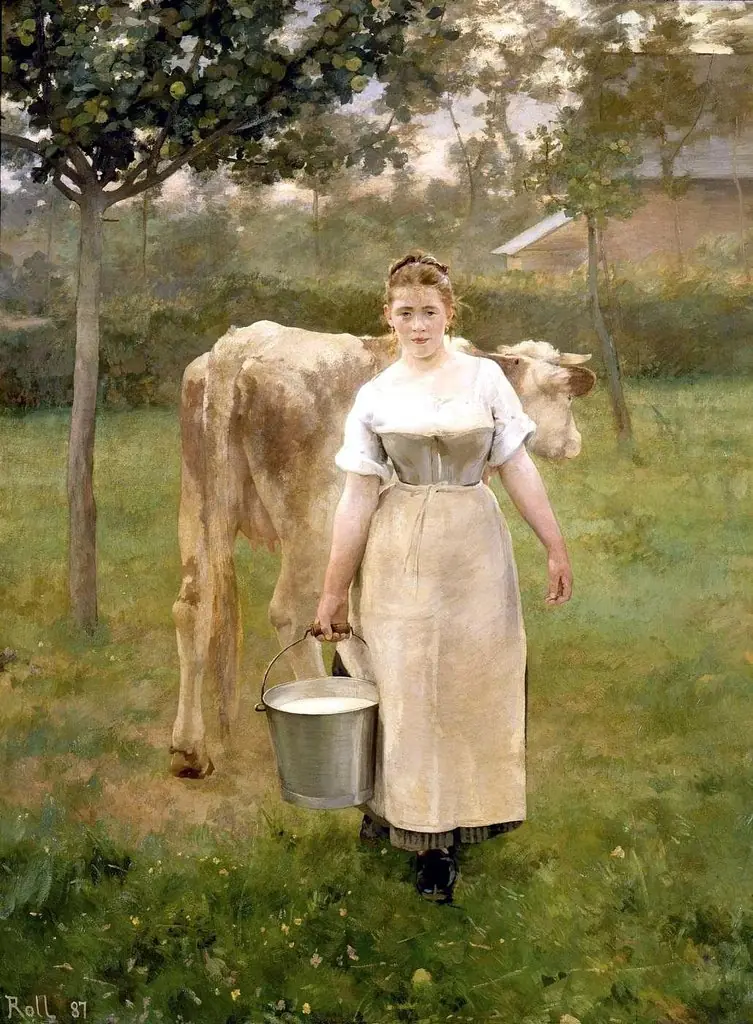 Manda Lamétrie, fermière
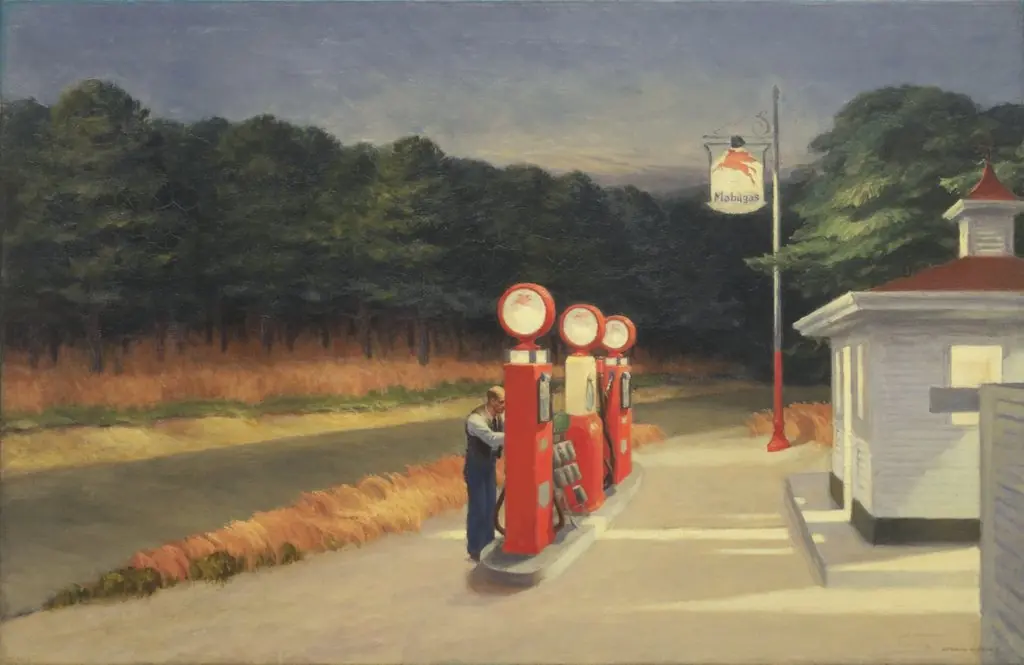 Gas
Gas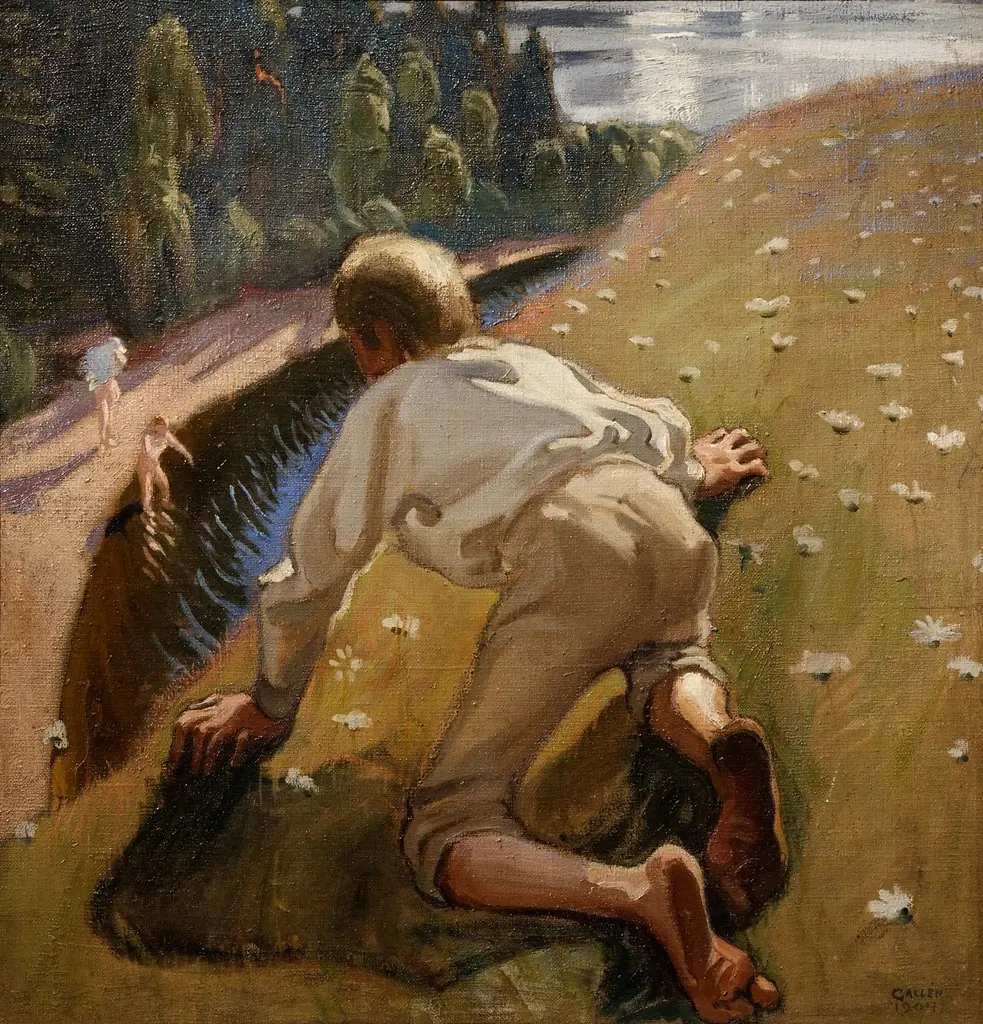 Young faun
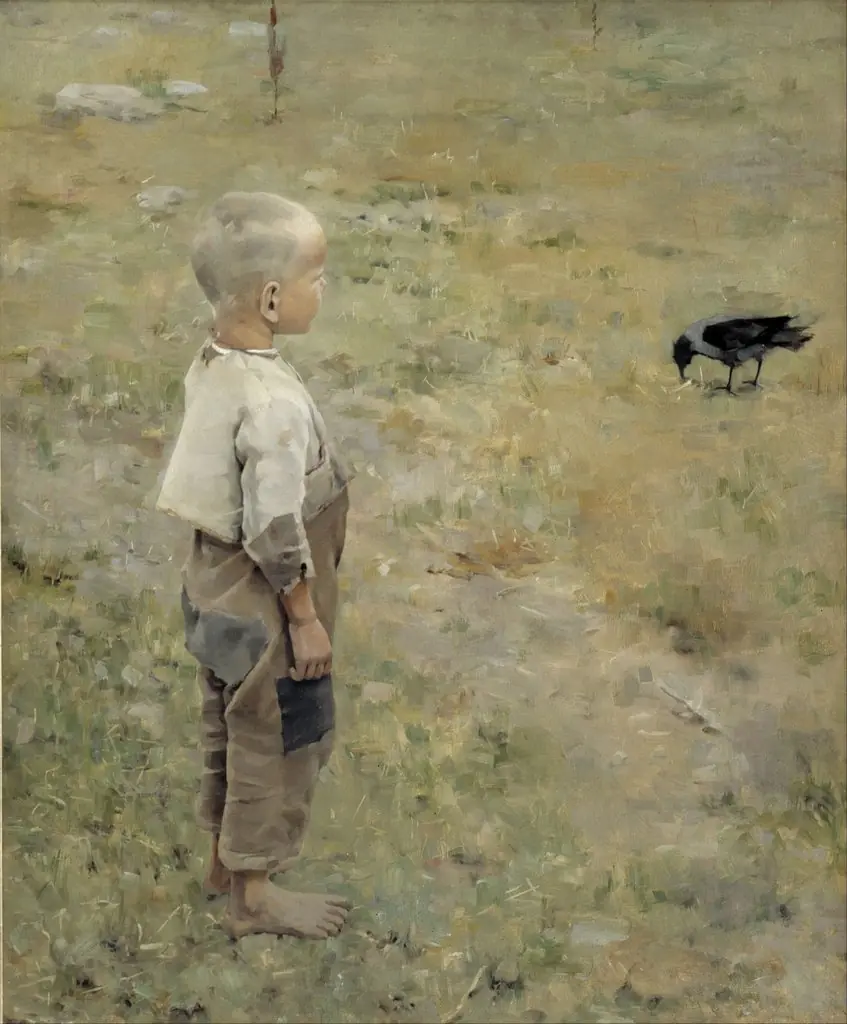 Boy with a Crow
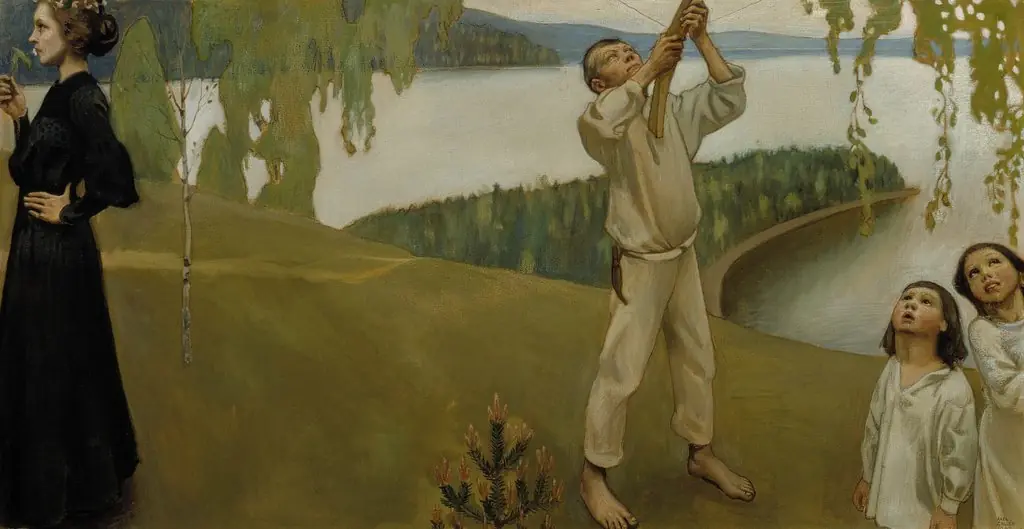 Spring, study for the Jusélius Mausoleum frescos
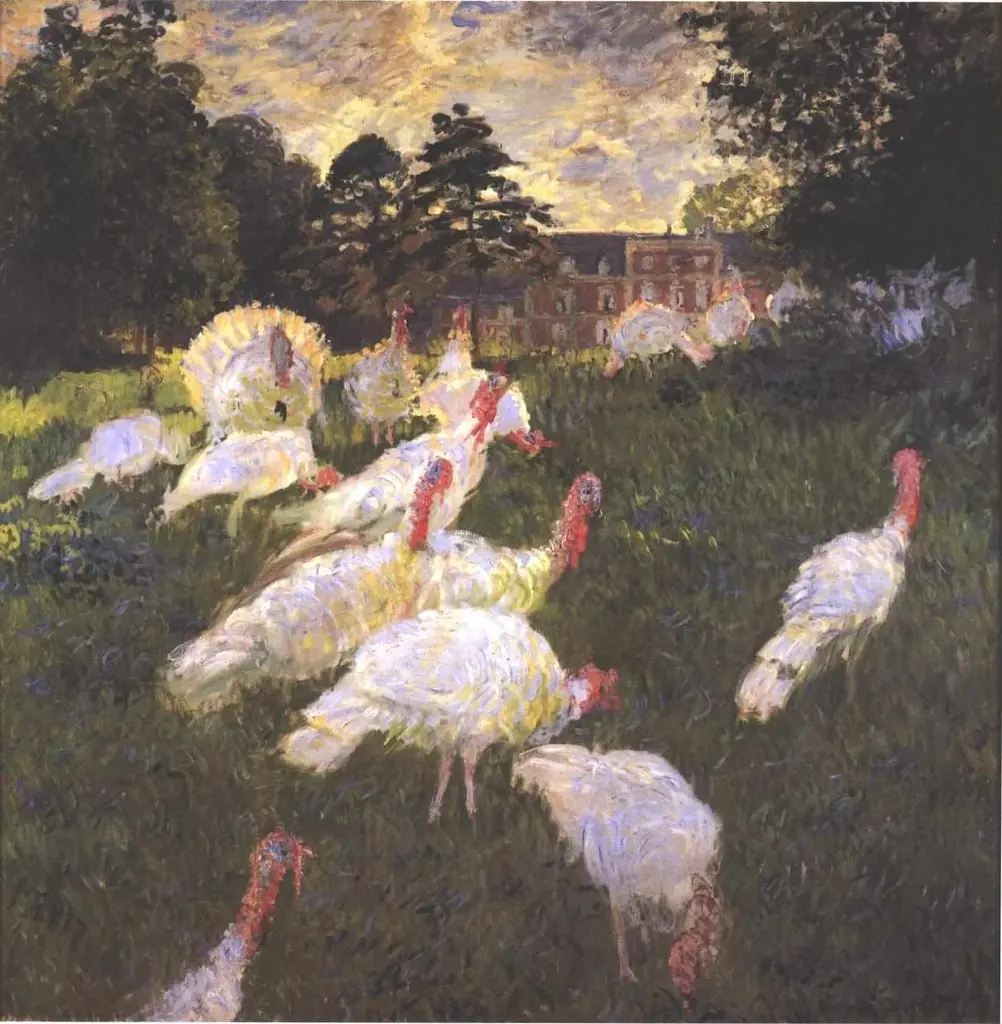 The Turkeys
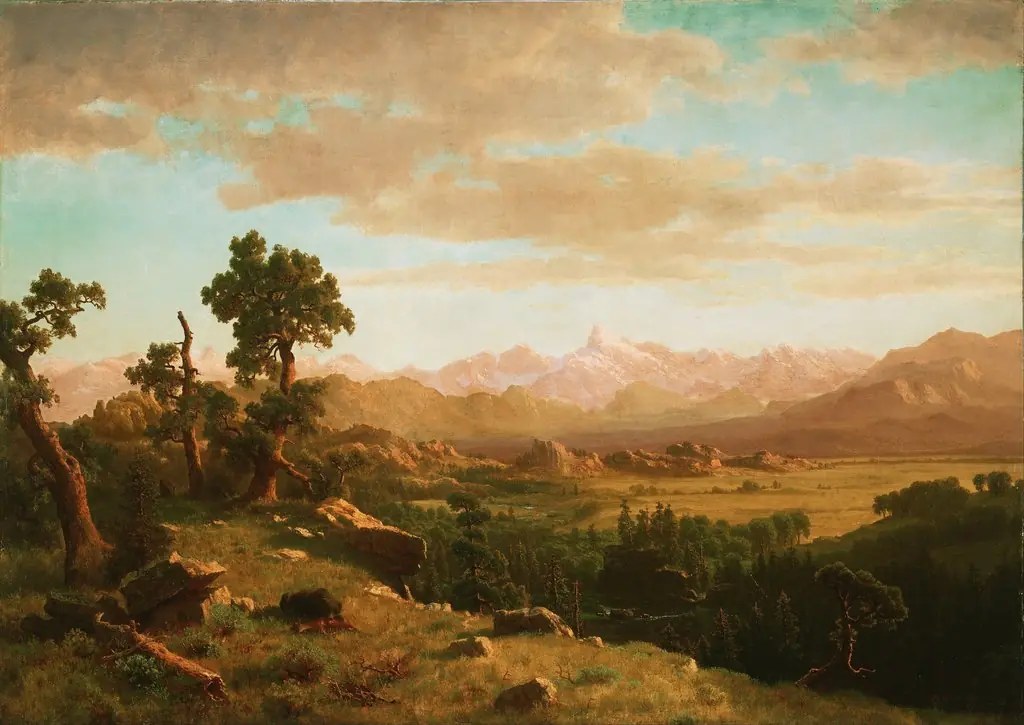 Wind River Country
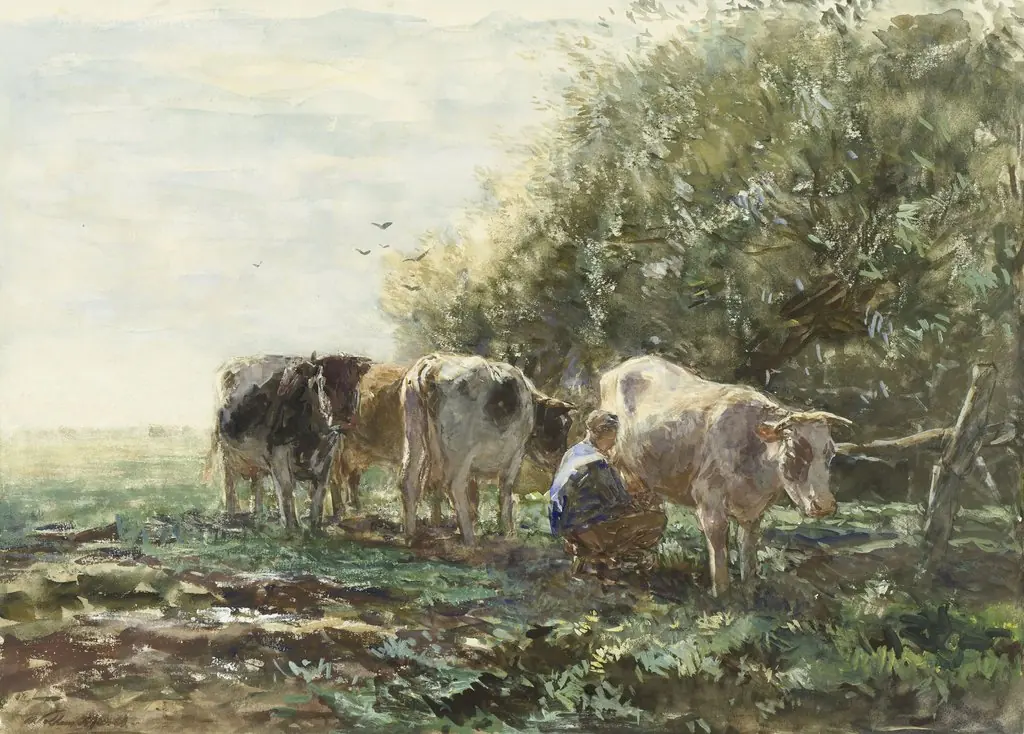 De melkbocht
 La margine de pădure
 Peisaj cu magazie
 Studiu de peisaj cu un lac. În prim-plan, malul lacului acoperit de iarbă. În plan secund, lacul cu o barcă roșie în marginea din dreapta a lucrării și cu o cabană parțial acoperită de un dâmb în extremitatea opusă. În fundal, cerul cu linia orizontului joasă, cu soarele aproape dispărând și luminând roșu-indigo, albastru. Semnat cu negru, dreapta jos: Craiu.
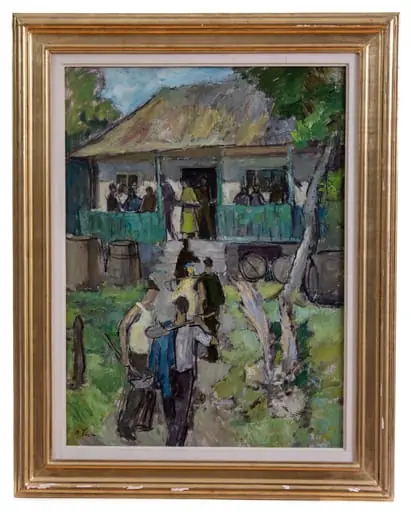 Lucrători la G.A.S. Bucium
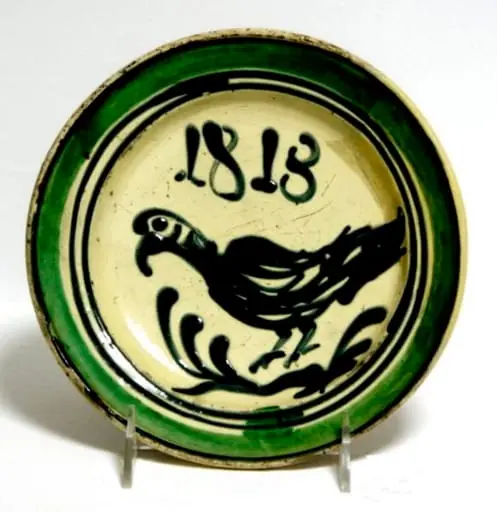 farfurie
 Copaci în furtună
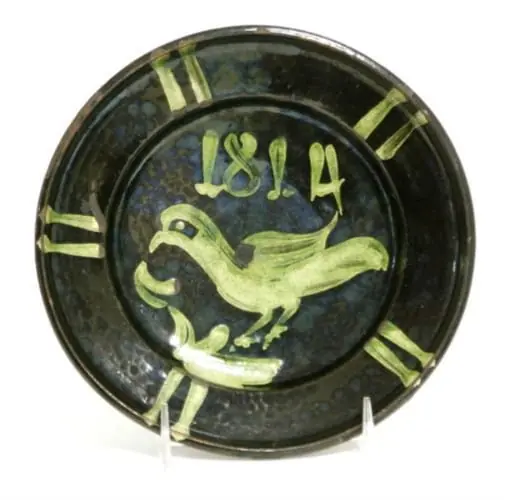 farfurie
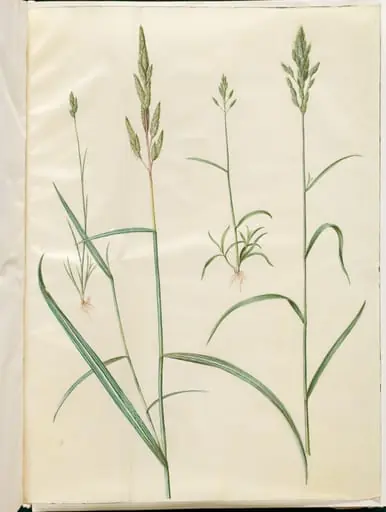 Bromus hordeaceus (blød hejre); Phalaris arundinacea (stribegræs)
 Ritual pentru încolțirea ierbii
 Femeie în genunchi aplecată la iarbă verde
 Peisaj pe Bistrița la Piatra Neamț
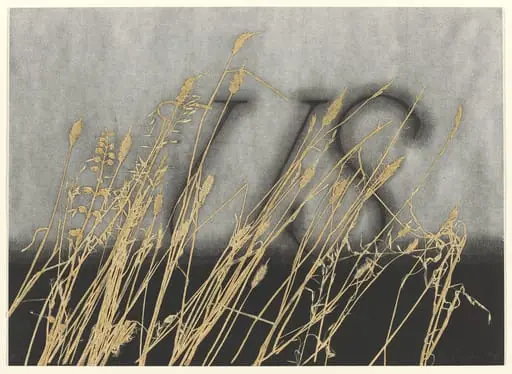 Untitled
Frequently asked questions
What is Grass?
Grass is a subject in art. Poaceae ( poh-AY-see-e(y)e), also called Gramineae ( grə-MIN-ee-e(y)e), is a large and nearly ubiquitous family of monocotyledonous flowering plants commonly known as true grasses.
How many Grass works does Artifact World Gallery have?
Artifact World Gallery holds 83 public-domain Grass works, all free to view and download.
Who are the key Grass artists?
Key Grass artists in the collection include Jean Baptiste Camille Corot, Lorenzo Lotto and Gustave Courbet.
Where can I see Grass works?
Grass works in the collection are held by Rijksmuseum, Metropolitan Museum of Art and Statens Museum for Kunst.