Artwork
The House that Jeff Built
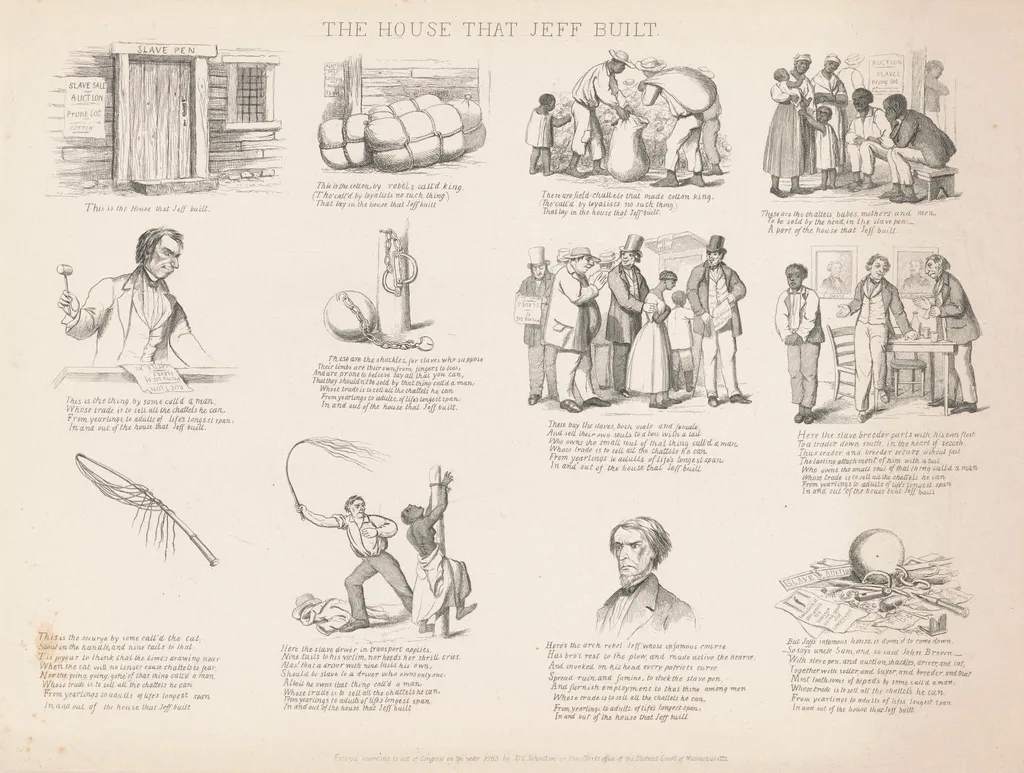
The House that Jeff Built is an ink print by the Impressionist artist David Claypoole Johnston. It dates from 1863 and is held in the collection of the National Gallery of Art.
- Inscription
- Inscribed:upper center in plate: THE HOUSE THAT JEFF BUILT; lower center in plate: Entered according to the act of Congress in the year 1863 by D.C. Johnston in the Clerk's office of the Distric of Massachusetts. text in plate: This is the House that Jeff Built. / This is the cotton, by rebels call'd king, / (Tho' call'd by loyalists no such thing) / That lay in the house that Jeff built. / These are field-chattels that made cotton kin, / (Tho' call'd by loyalists no such thing,) / That lay in the house that Jeff built. / These are the chattels, babes, mothers, and men, / To be sold by the head in the slave pen:_ / As part of the house that Jeff built. / This is the thing by some call'd a man, / Whose trade is to sell all the chattels he can, / From yearlings to adults of life's longest span: / In and out of the house that Jeff built. / These are the shackles, for slave who suppose / Their limbs are their own, from fingers to toes; / And are prone to believe, say all that you can, / That they shouldn't be sold by that thing call'd a man; / Whose trade is to sell all the chattels he can / From yearlings to adults of life's longest span: / In and out of the house that Jeff built / These buy the slaves, both male and female, / And sell their own souls to a boss with a tail: / Who owns the small soul of that thing call'd a man; / Whose trade is to sell all the chattels he can / From yearlings to adults of life's longest span: / In and out of the house that Jeff built / Here the slave breeder parts with his own flesh / To a trader down south, in the heart of the secesh. / Thus trader and breeder secure without fail / The lasting attachment of him with a tail, / Who owns the small soul of that thing call'd a man; / Whose trade is to sell all the chattels he can / From yearlings to adults of life's longest span: / In and out of the house that Jeff built / This is the scurge, by some call'd the cat; / Stout in the handle, and nine tails to that: / Tis joyous to think that the time's drawing near / When the cat will no longer cause chattels to fear, / Nor the going, going, gone of that thing call'd a man, / Whose trade is to sell all the chattels he can / From yearlings to adults of life's longest span: / In and out of the house that Jeff built / Here the slave driver in transport applies, / Nine tails to his victim, nor heeds her shrill cries. / Alas. that a driver with nine tails his own; / Should be slave to a driver who owns only one: Albeit he owns that thing call'd a man, / Whose trade is to sell all the chattels he can / From yearlings to adults of life's longest span: / In and out of the house that Jeff built / Here's the arch rebel Jeff. whose infamouse course / Has bro't rest to the pillow, and made active the hearse; / And invoked on his head every patriots curse, / Spread ruin, and famine, to stock the slave pen, / And furnish employment to that thing among men / Whose trade is to sell all the chattels he can / From yearlings to adults of life's longest span: / In and out of the house that Jeff built / But Jeff's infamous hosue, is doom'd to come down. / _So says uncle Sam, and so siad John Brown._ / With slave pen, and auction, shackles, driver, and cat, / Together with seller, and buyer, and breeder, and that / Most loathsome of bipeds by some call'd a man, / hose trade is to sell all the chattels he can / From yearlings to adults of life's longest span, / In and out of the house that Jeff built
About this work
Overview
The House that Jeff Built is a print created by David Claypoole Johnston in 1863 using etching on wove paper.
Subject & Meaning
The print comprises a grid of black-and-white sketches depicting scenes related to slavery, including slave pens, sales, and whipping. Accompanying text describes each scene in stark, unvarnished language, highlighting the harsh realities of slavery.
Technique & Style
The artist employed etching, a technique involving the incision of lines into a metal plate, which is then inked to produce the printed image. The resulting sketches feature bold outlines and a stark, monochromatic aesthetic.
Own this work as a print
Artist & collection


- Eight Vignettes of Genre Incidents
 Femme de lettre humanitaire se livrant sur l'homme ...
 Mexican News
 Je compte sur vous pour signer
 Actualités: Gare la Question d'Orient!
 Social Vignettes
 News from the War
 Une envie de femme grosse
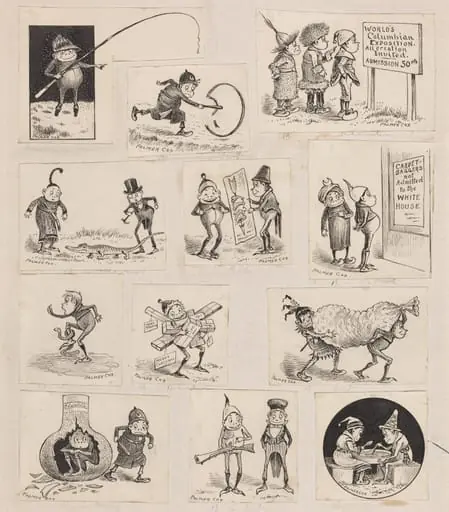 Brownies at Home - Twelve Vignettes
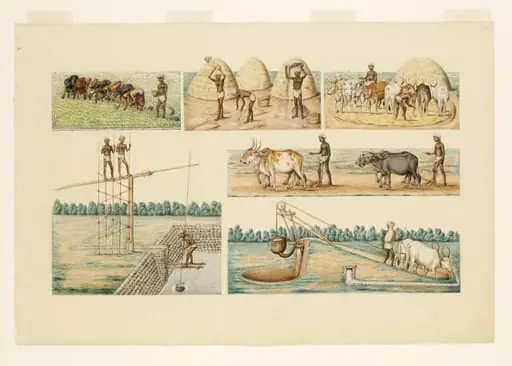 Six scenes of cultivation and irrigation
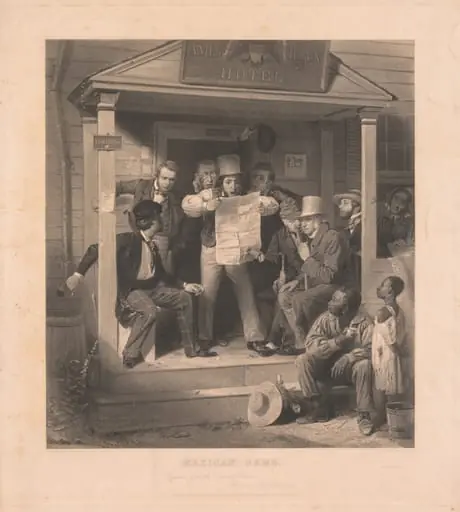 Mexican News
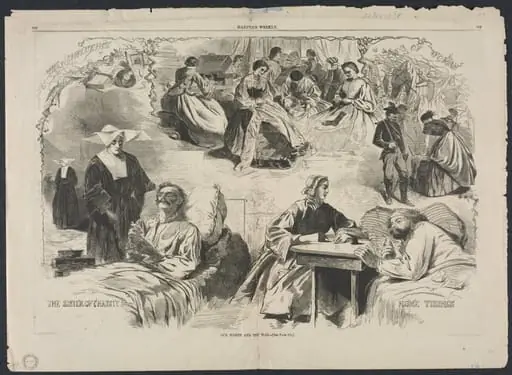 Our Women and the War