
Subject
Market
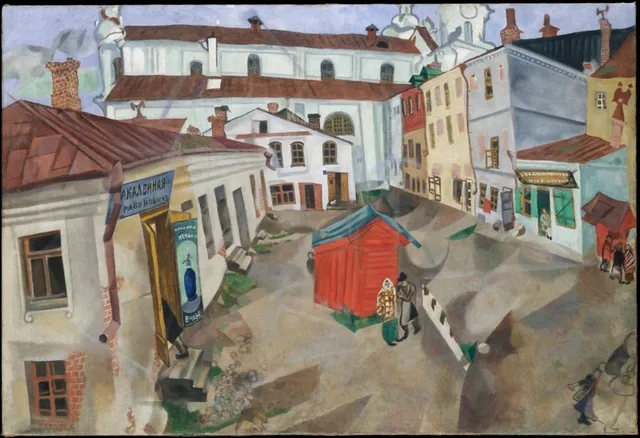
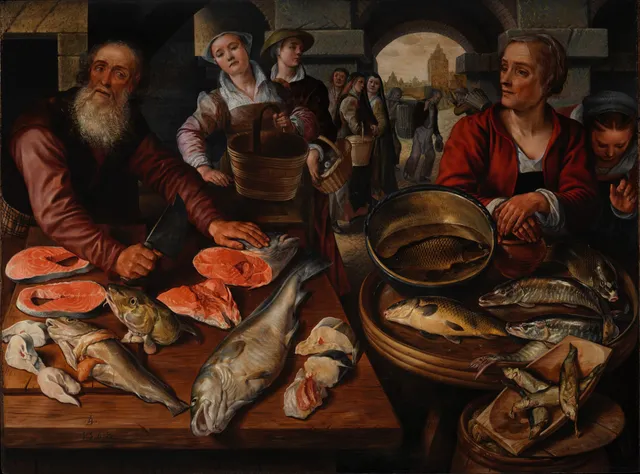
Market is a subject in art. The gallery holds 189 works in this subject in art, including works by Camille Pissarro, Joseph Mallord William Turner and David Teniers the Younger.
In economics, a market is a composition of systems, institutions, procedures, social relations or infrastructures whereby parties engage in exchange. While parties may exchange goods and services by barter, most markets rely on sellers offering their goods or services (including labour power) to buyers in exchange for money.
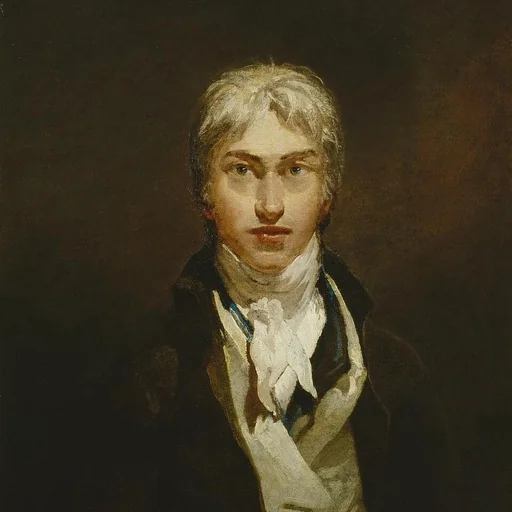
Key artists

Overview
A market is a composition of systems, institutions, procedures, social relations, and infrastructures whereby parties engage in exchange. While parties may exchange goods and services by barter, most markets rely on sellers offering their goods or services, including labor, to buyers in exchange for money. The concept encompasses the mechanisms whereby supply and demand confront each other and deals are made, involving places, processes, and institutions in which exchanges occur. In economics, a market serves as a coordinating mechanism that uses prices to convey information among economic entities to regulate production and distribution. It can be said that a market is the process by which the value of goods and services is established, facilitating trade and enabling the distribution and allocation of resources in a society.
Iconography & meaning
Markets carry layered meanings as both physical spaces and abstract social institutions. In its oldest sense, a market is an institution hosting localized commerce, precisely situated in space and time, such as traditional markets, flea markets, or historical trading venues. This spatial dimension emphasizes the market as a place of human interaction and social relations. However, the concept is also fundamentally abstract. As the economist Augustin Cournot noted, a market is not necessarily a specific location where purchases and sales occur, but rather an entire territory united by free commerce, where prices level out easily and promptly. The term can also refer metonymically to a specific transaction or demand, and metaphorically to categories of non-commercial social exchange, such as the market of ideas. Markets are generally held in place through rules and customs, including booth fees, competitive pricing, and source registration, and they often supplant gift economies.
Across movements & periods
The treatment of the market as a subject has shifted alongside its evolving economic and spatial definitions. Historically, the market was primarily understood as a concrete, physical venue where buyers and sellers met face to face, as seen in local weekly markets or livestock fairs. Over time, the concept expanded to encompass abstract markets, where a visible meeting place is absent, such as the grain market or the housing market. This transition from concrete to abstract is reflected in artistic depictions, which moved from documenting the specific social interactions and material culture of physical marketplaces to engaging with the market as a broader, more diffuse segment of commerce. In the modern era, the rise of electronic commerce and dematerialized platforms has further transformed the concept, shifting the defining characteristic of a market from a geographic emplacement to the existence of a dedicated organizing authority.
Legacy
The legacy of the market as both an economic concept and a visual subject persists in its fundamental role in modern society, though its form has shifted dramatically from the physical marketplaces of earlier eras. While the physical market remains a vital institution for local exchange, the abstract market now dominates global economic theory and practice. The development of digital marketplaces and electronic commerce has continued to redefine the boundaries and nature of exchange, replacing geographic emplacement with virtual platforms. Furthermore, the theoretical distinction between the market and the firm, articulated by Ronald Coase, remains a cornerstone of economic thought, underscoring how the price mechanism coordinates production outside organizational hierarchies. Today, the concept of the market extends beyond traditional goods and services to include financial instruments, labor, and even environmental permits, such as carbon credits, reflecting its enduring adaptability as a framework for organizing human activity.
Works
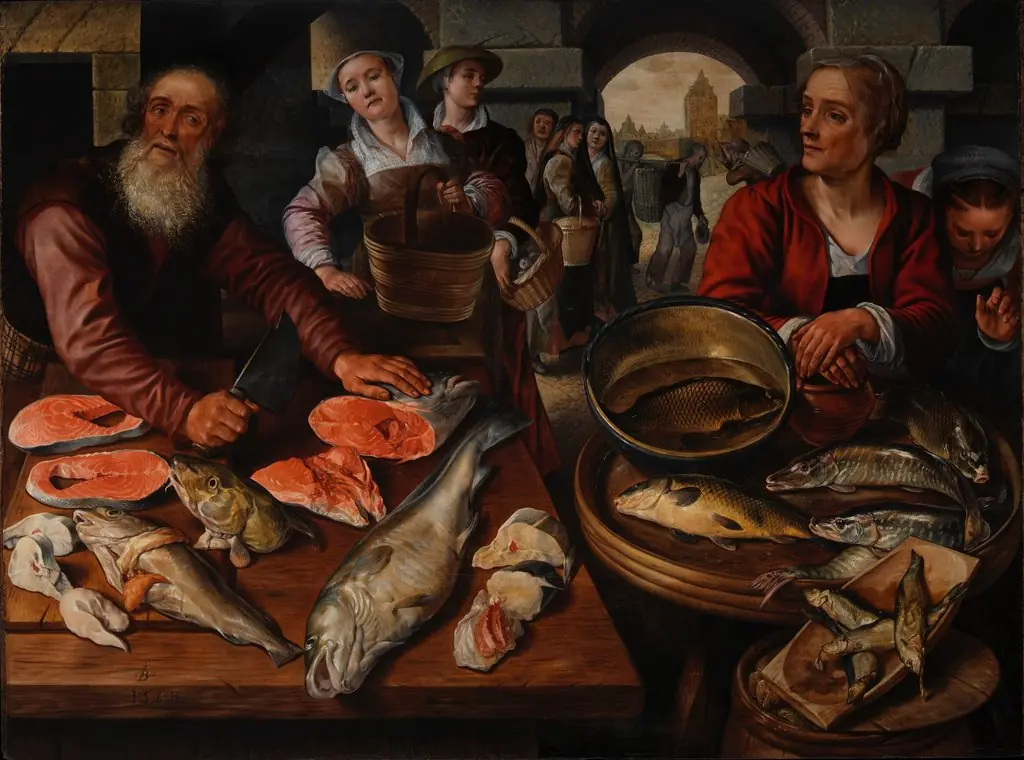 Fish Market
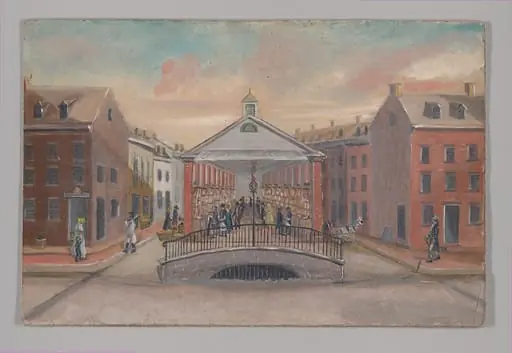 Fly Market
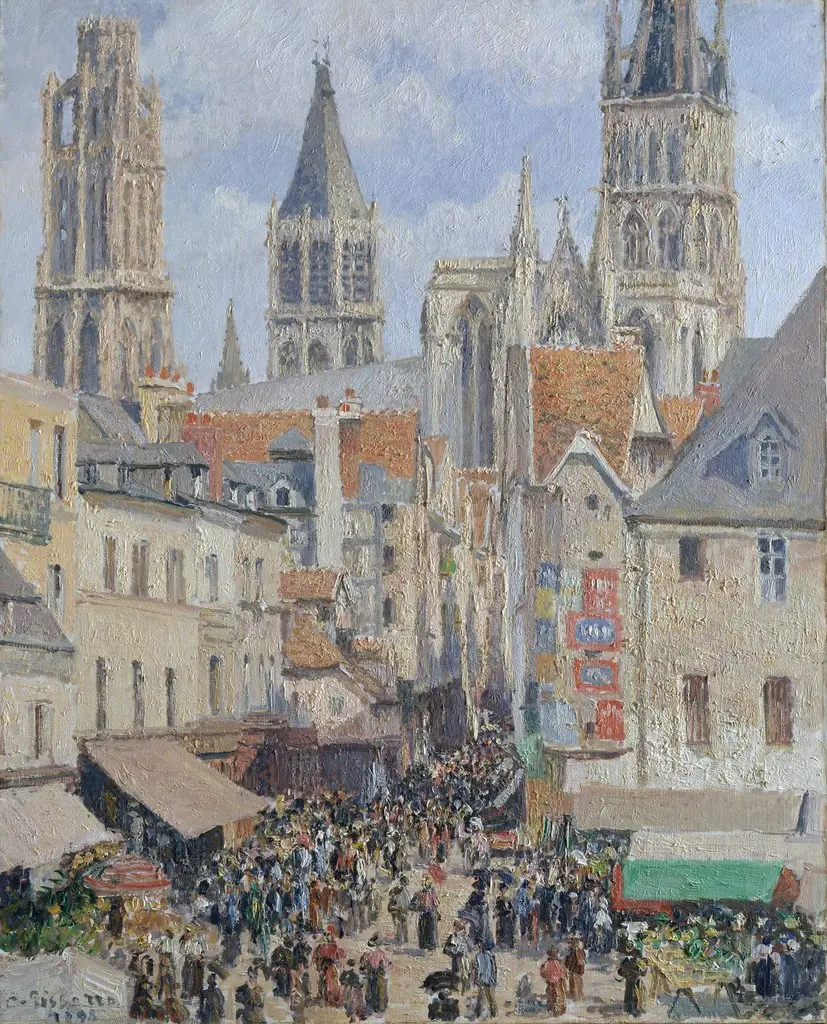 Rue de l'Épicerie, Rouen (Effect of Sunlight)
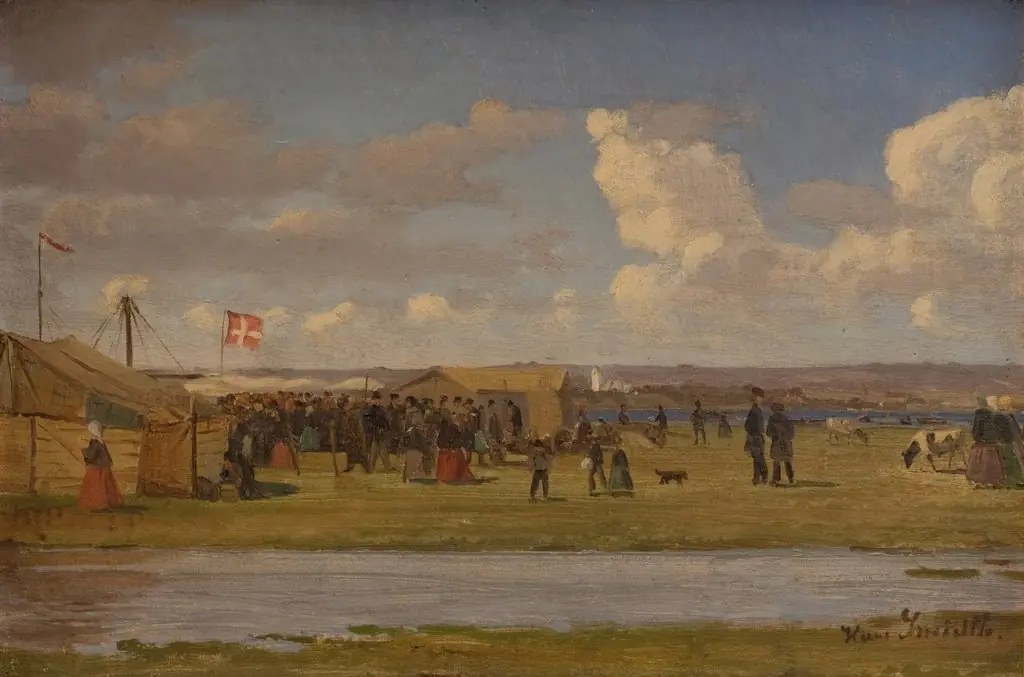 Fur marked
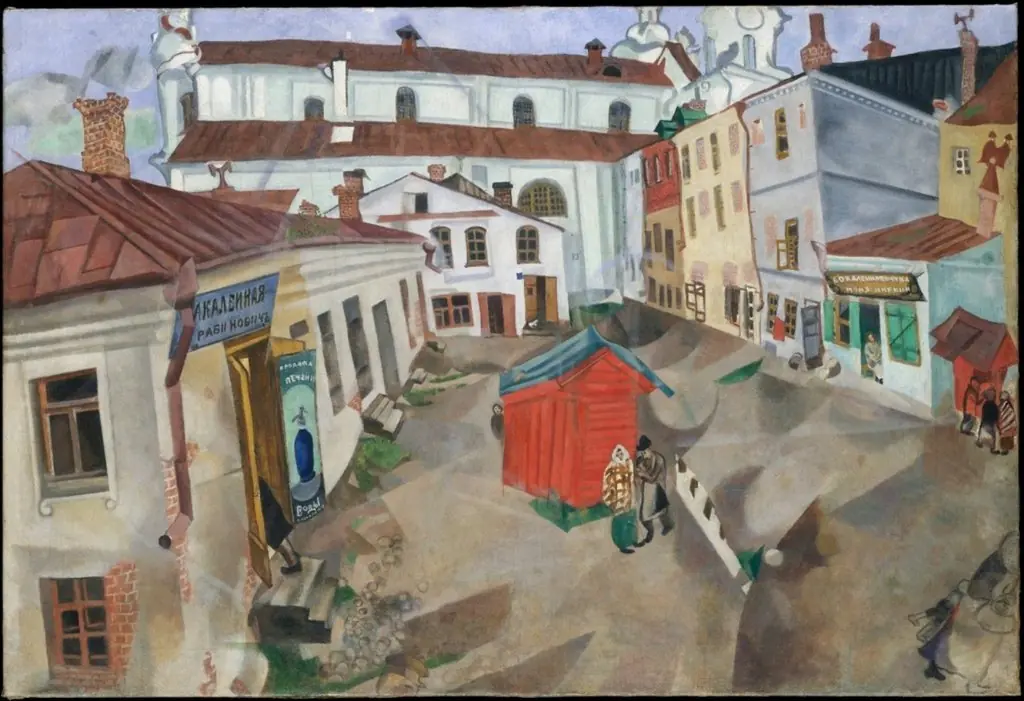 The Marketplace, Vitebsk
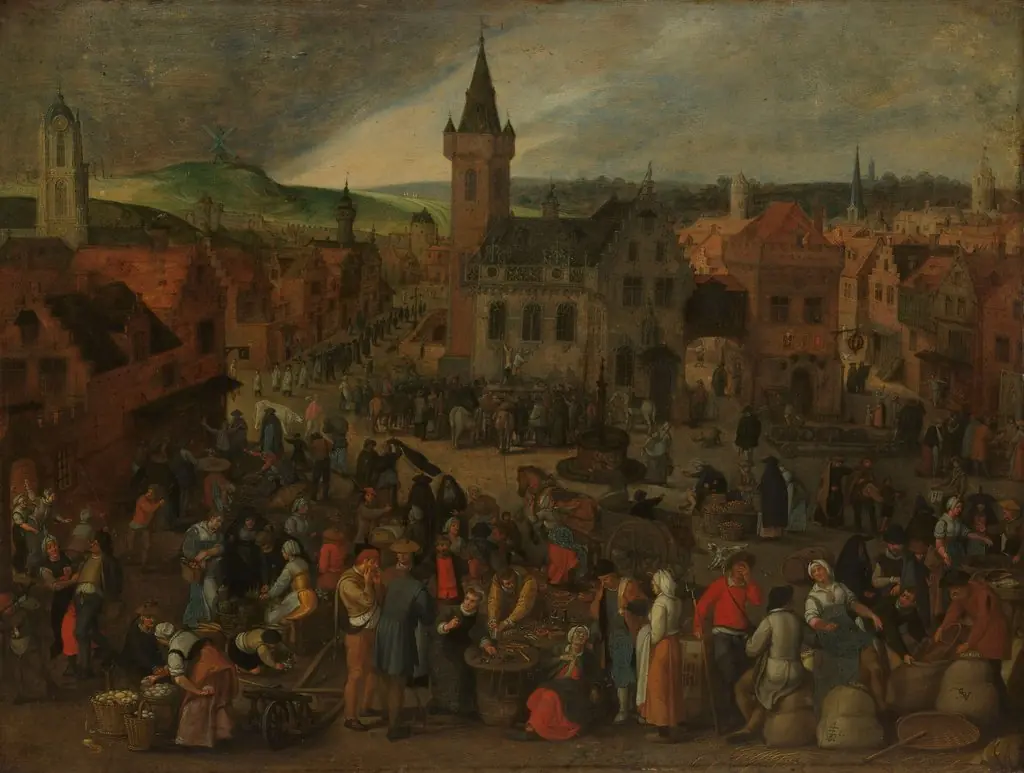 Market day in a Flemish town
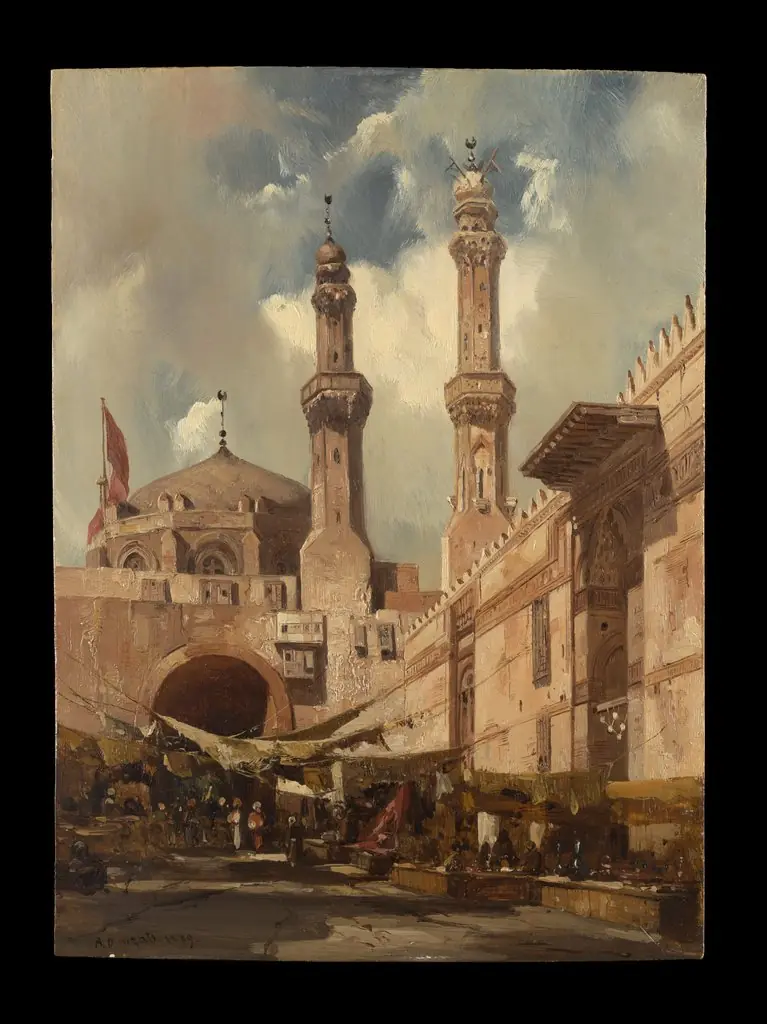 A Cairo Bazaar
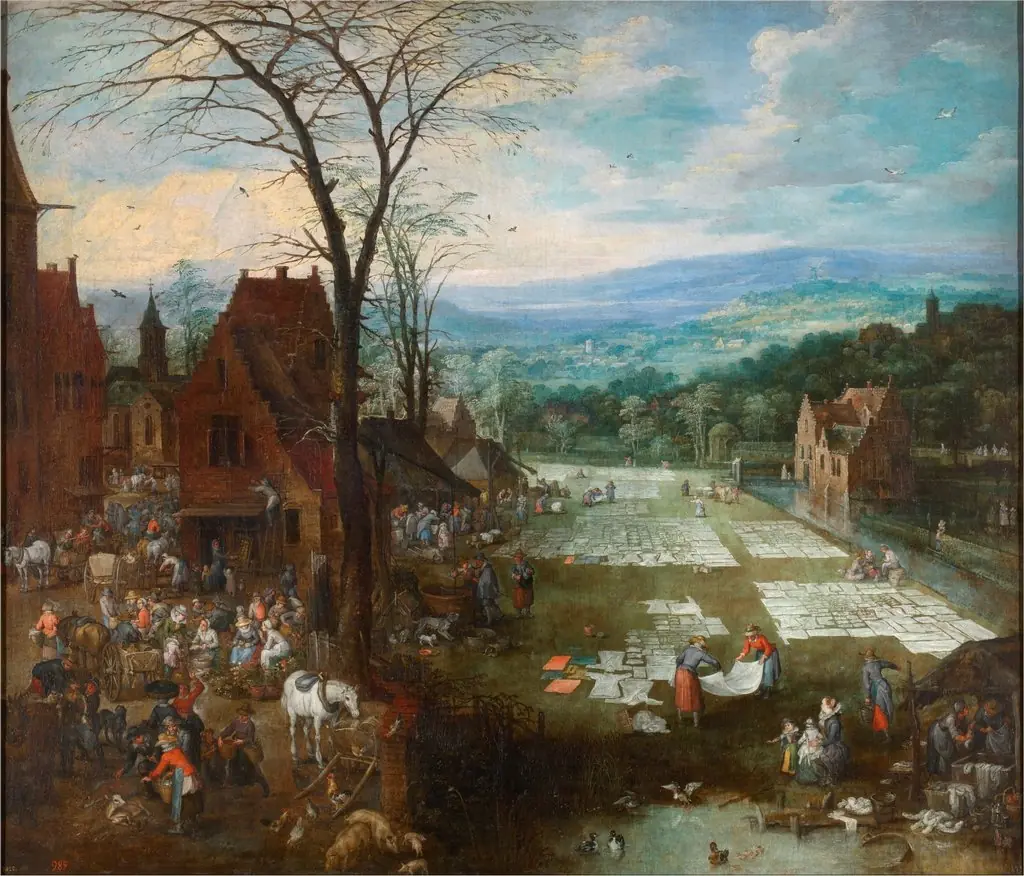 Flemish Market and Washing Place
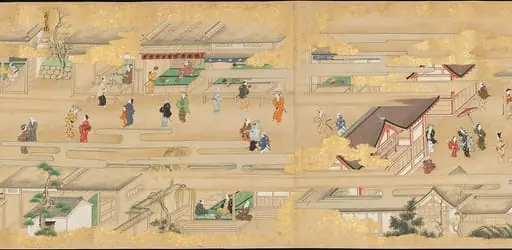 Untitled
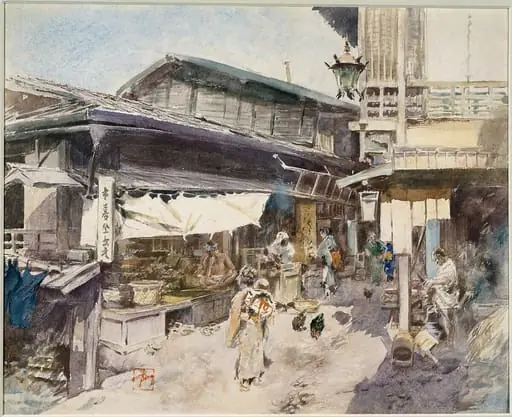 Street Scene in Ikao, Japan
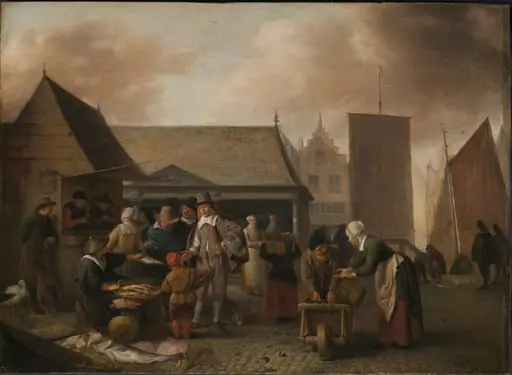 Fish Market
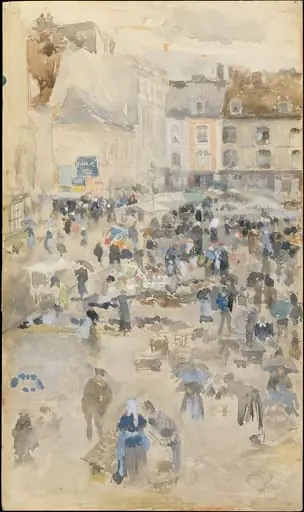 Variations in Violet and Grey—Market Place, Dieppe
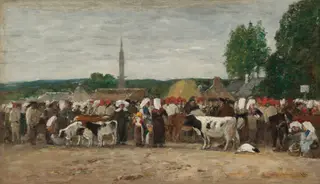 Fair in Brittany
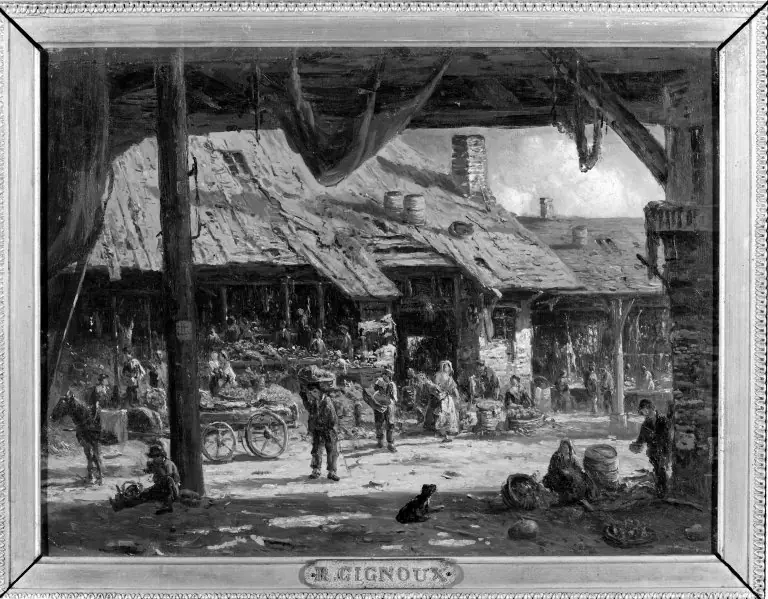 Market Scene
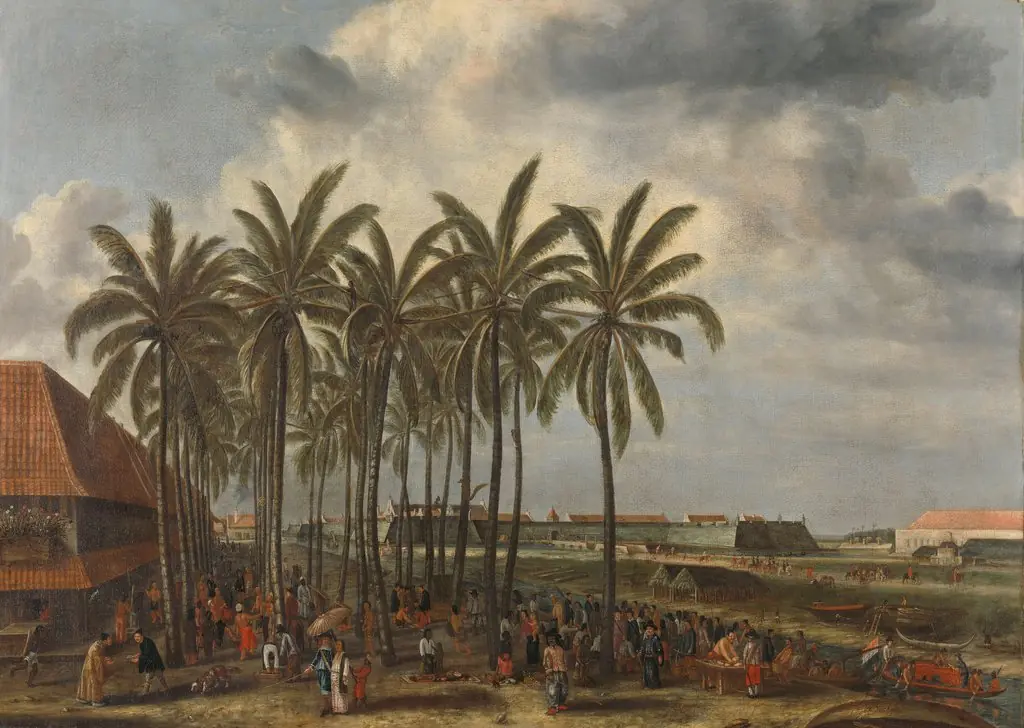 The Castle of Batavia
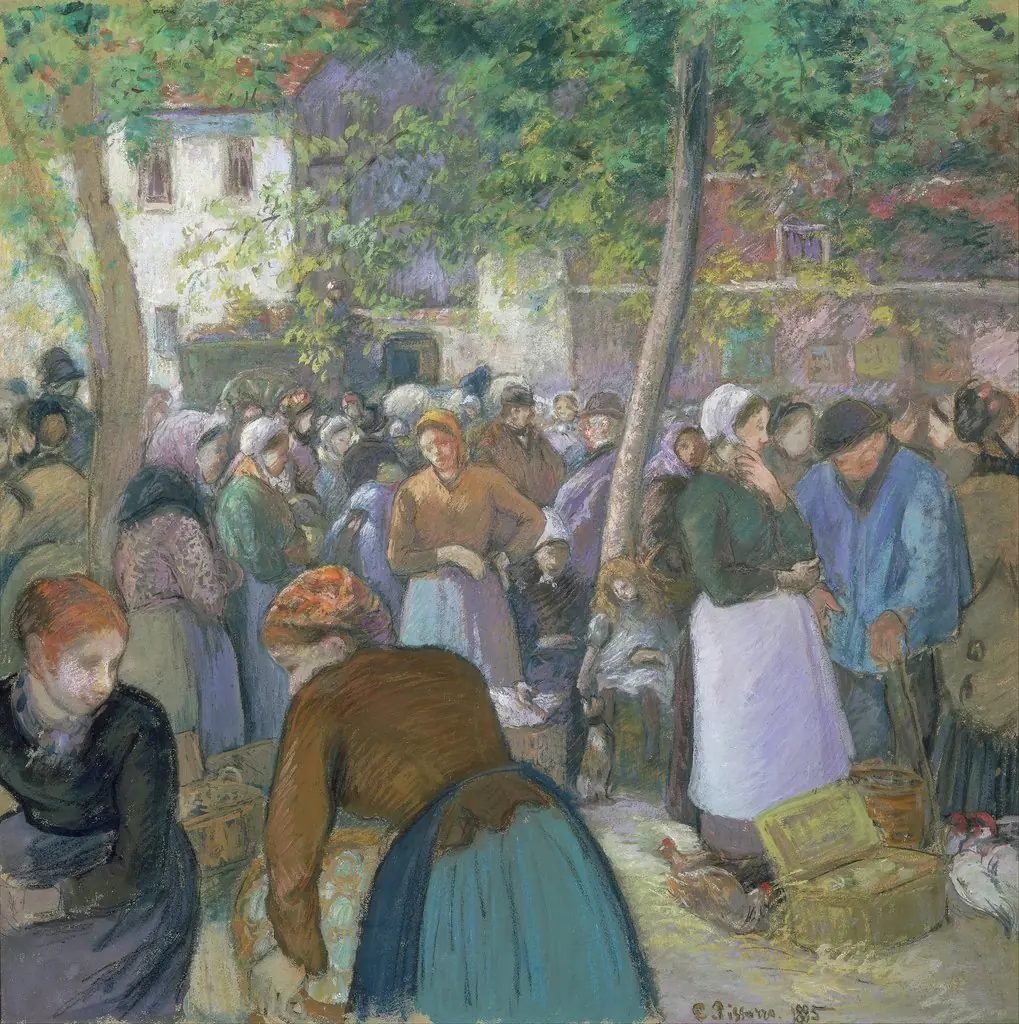 Poultry Market at Gisors
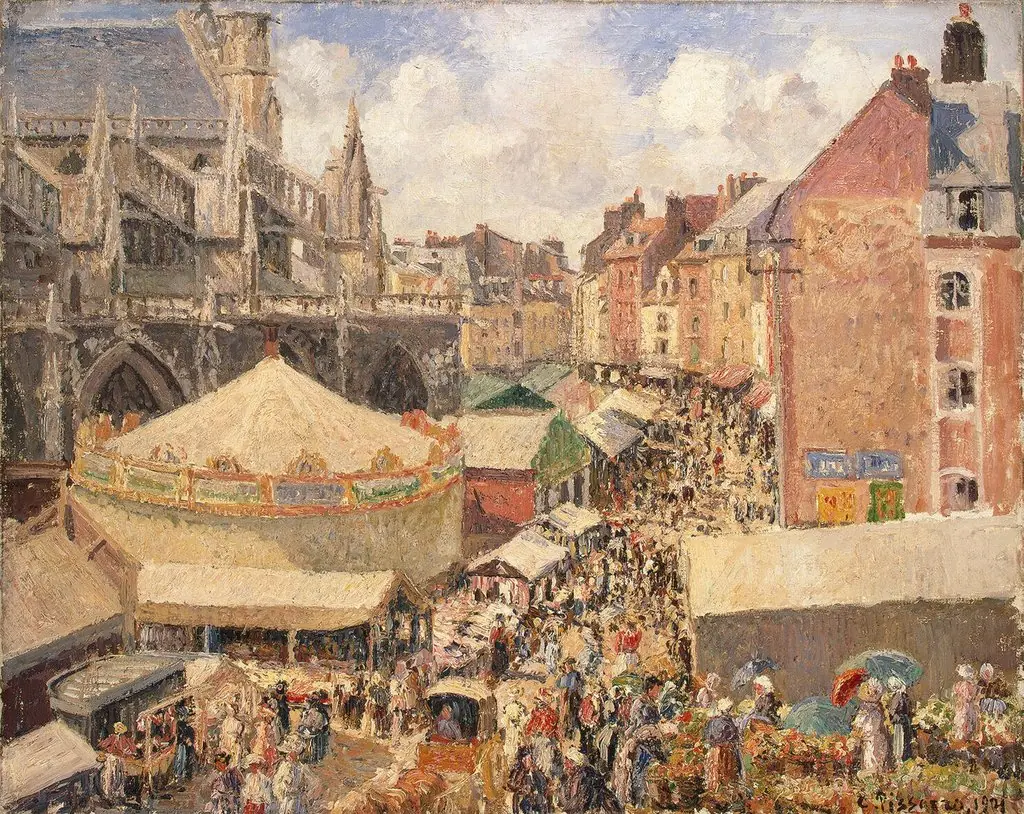 The Town Fair by the Church of Saint-Jacques in Dieppe, Morning, Sunlight
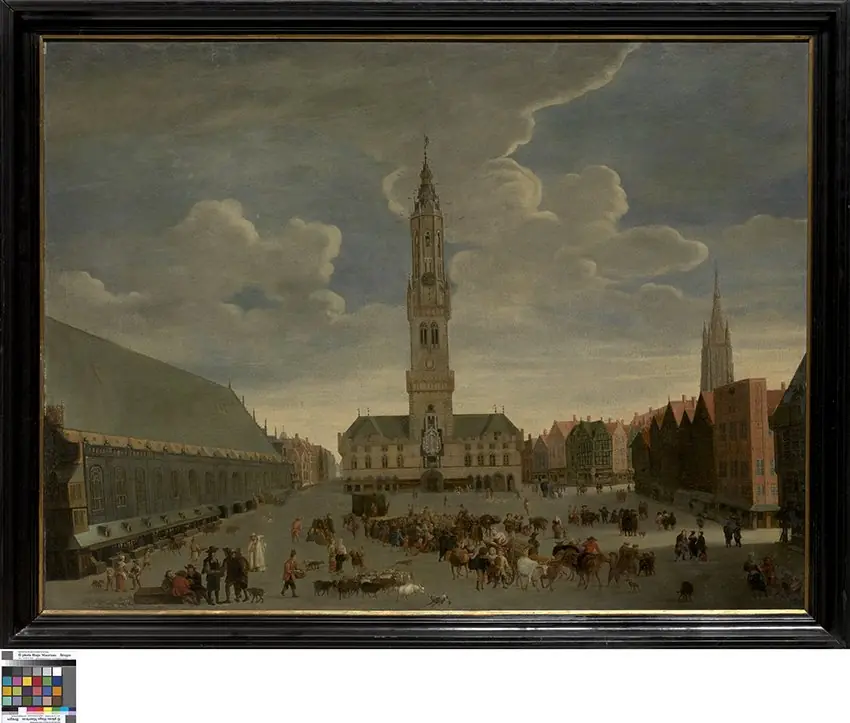 De Markt in Brugge
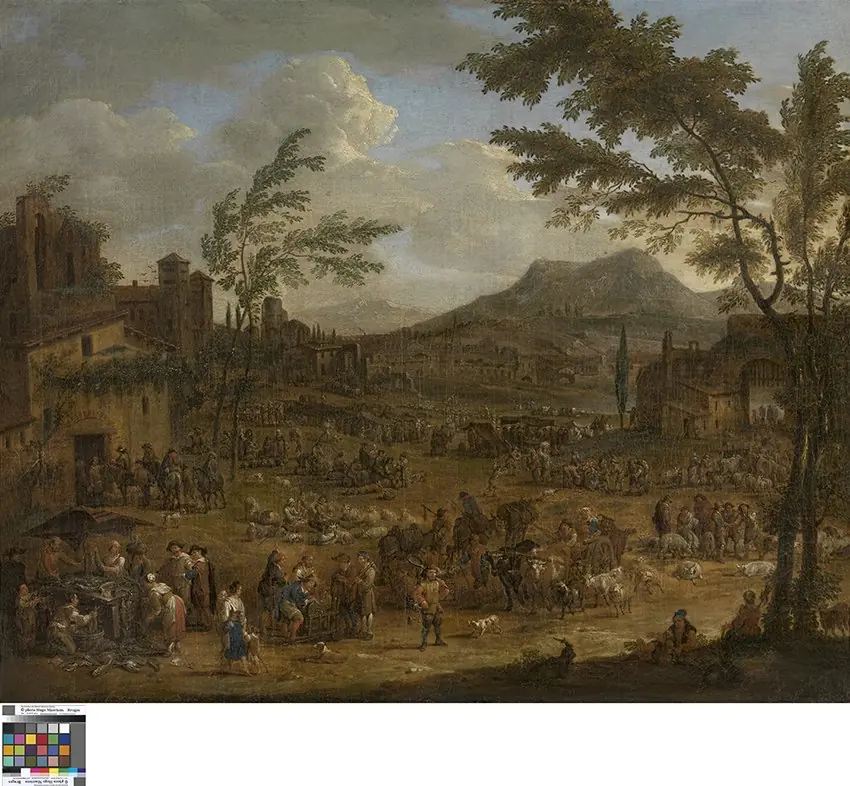 Italianate Landscape with a Market Scene
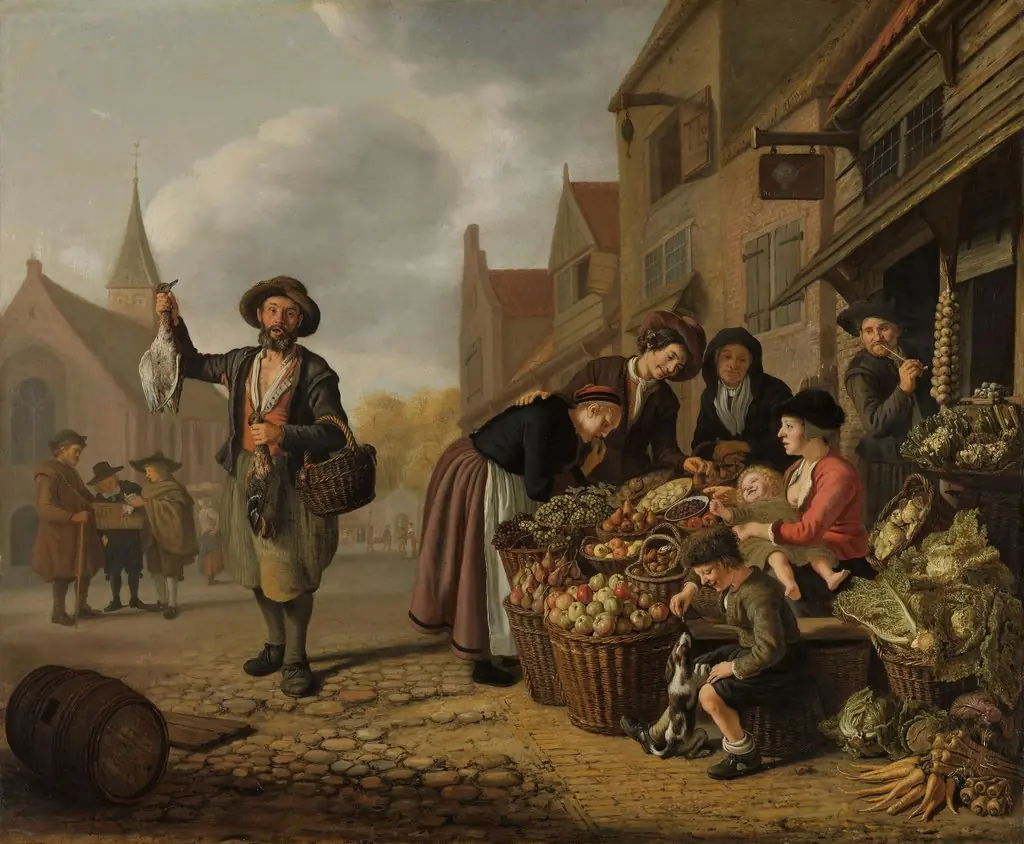 The greengrocer at the sign of 'De Buyscool'
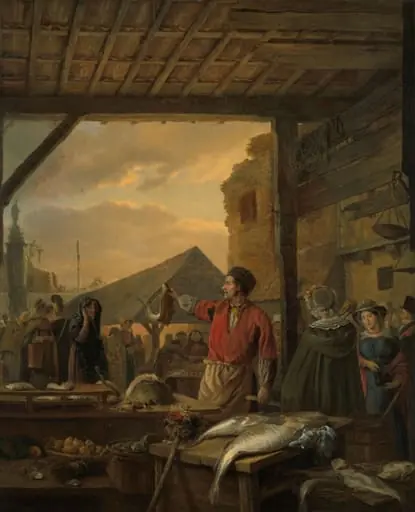 The Fish Market in Antwerp
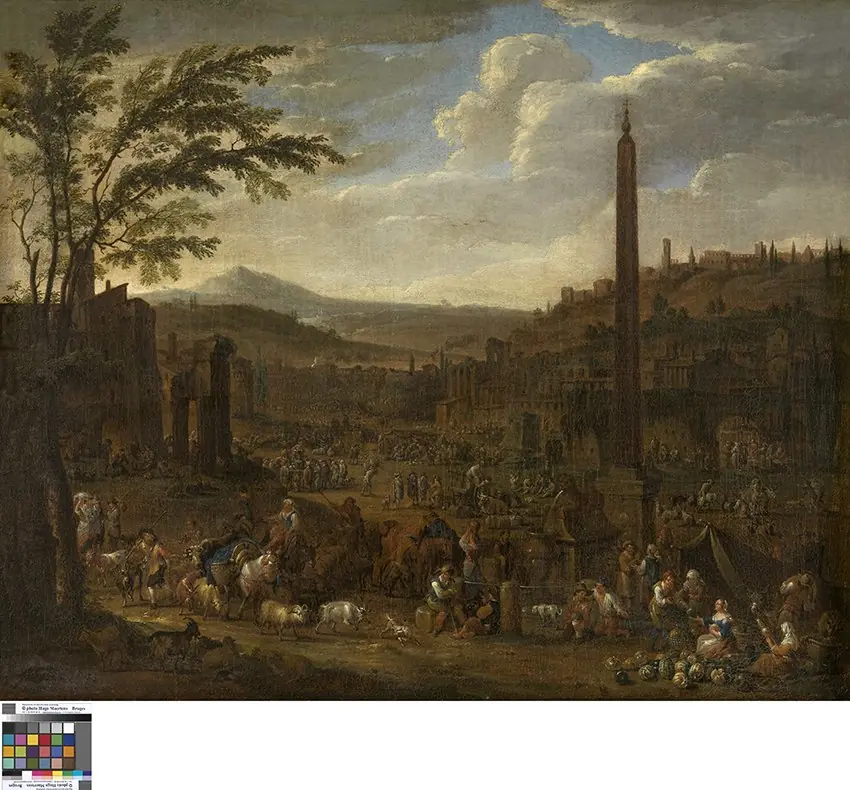 Italianiserend landschap met markttafereel
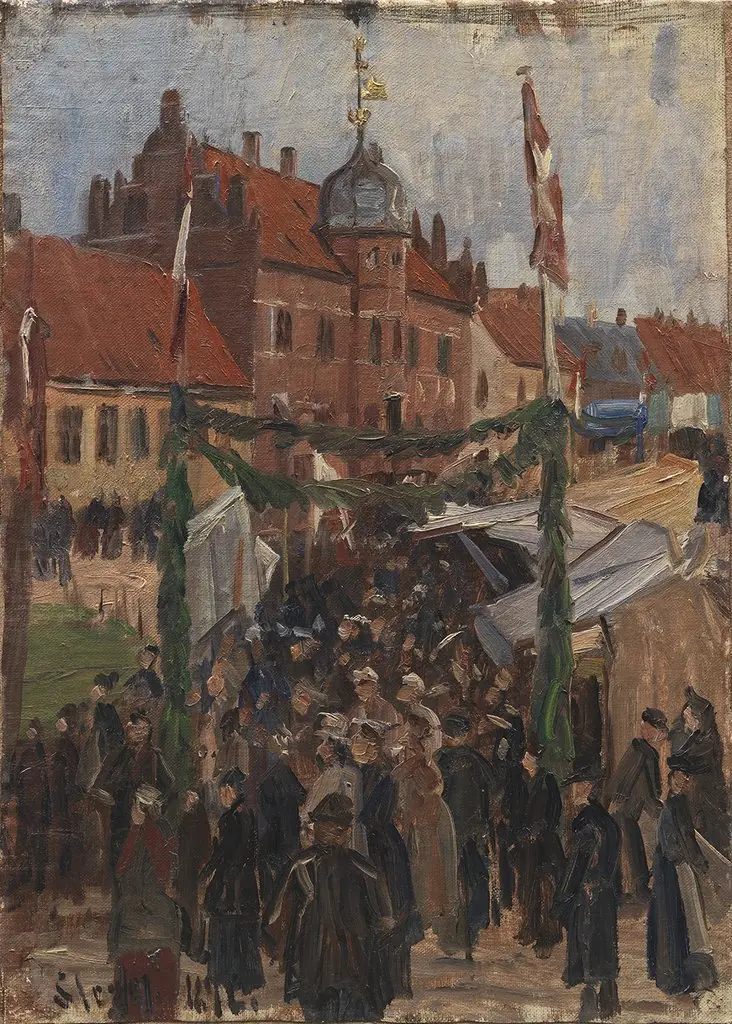 Market in Stege Torv
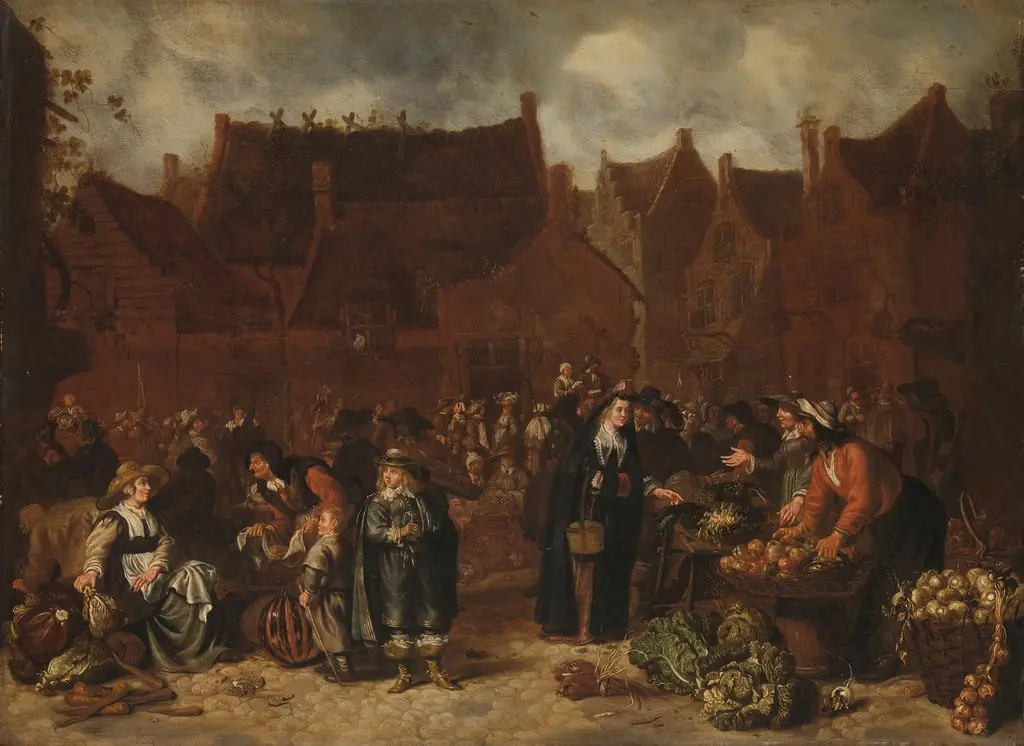 Vegetable market
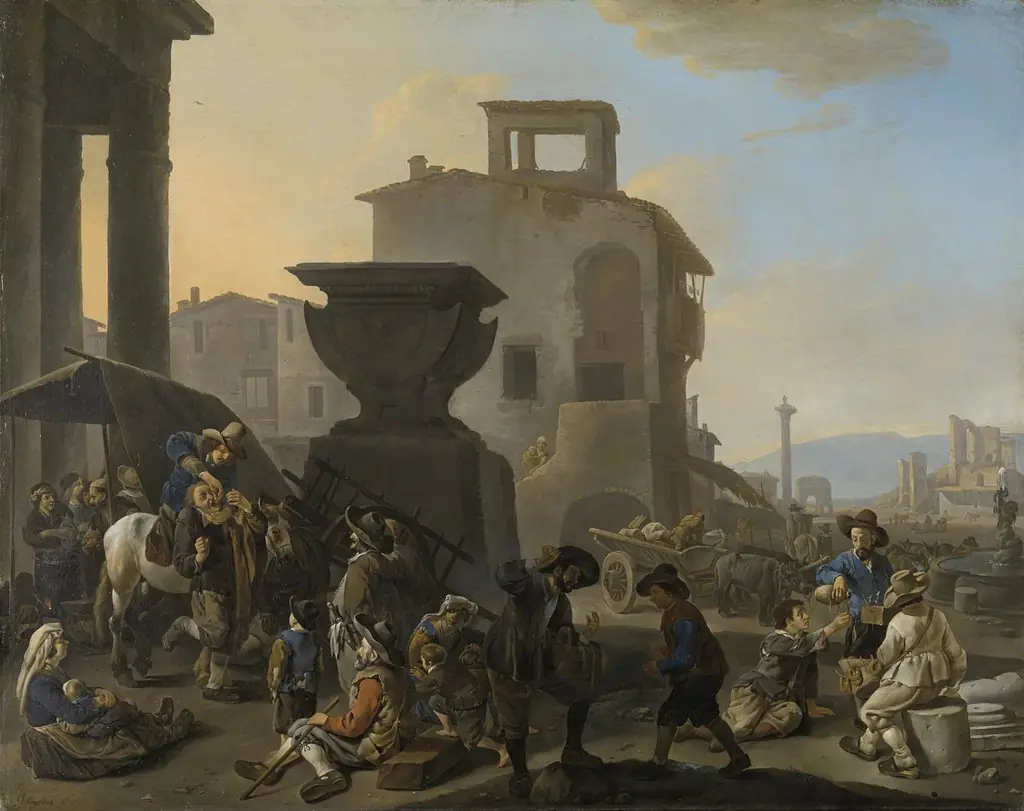 Italian Marketplace with a Quack Dentist
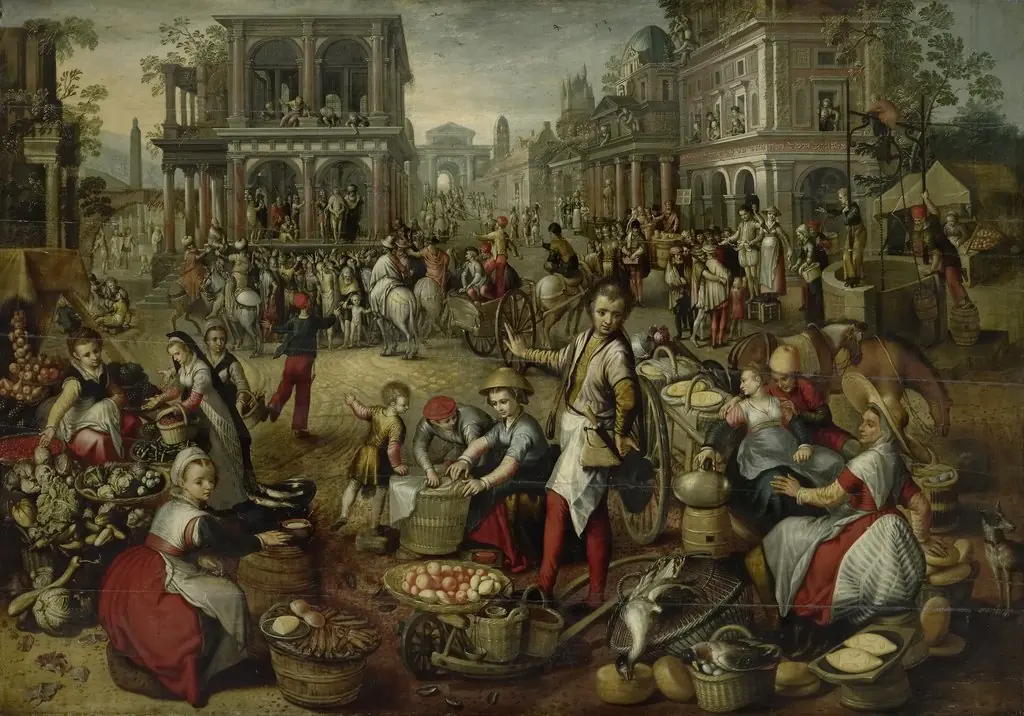 Marketplace with the flaggellation, the Ecce Homo and the bearing of the cross in the background
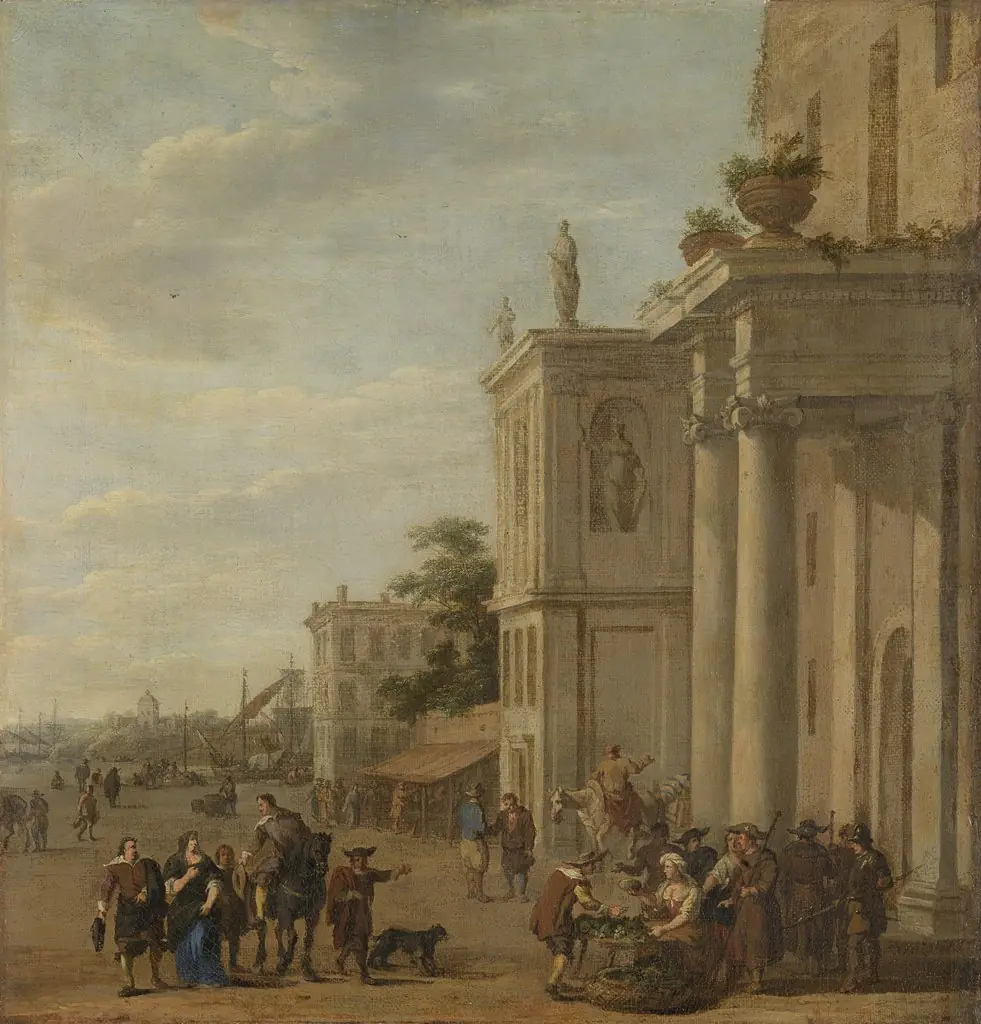 Italian marketplace
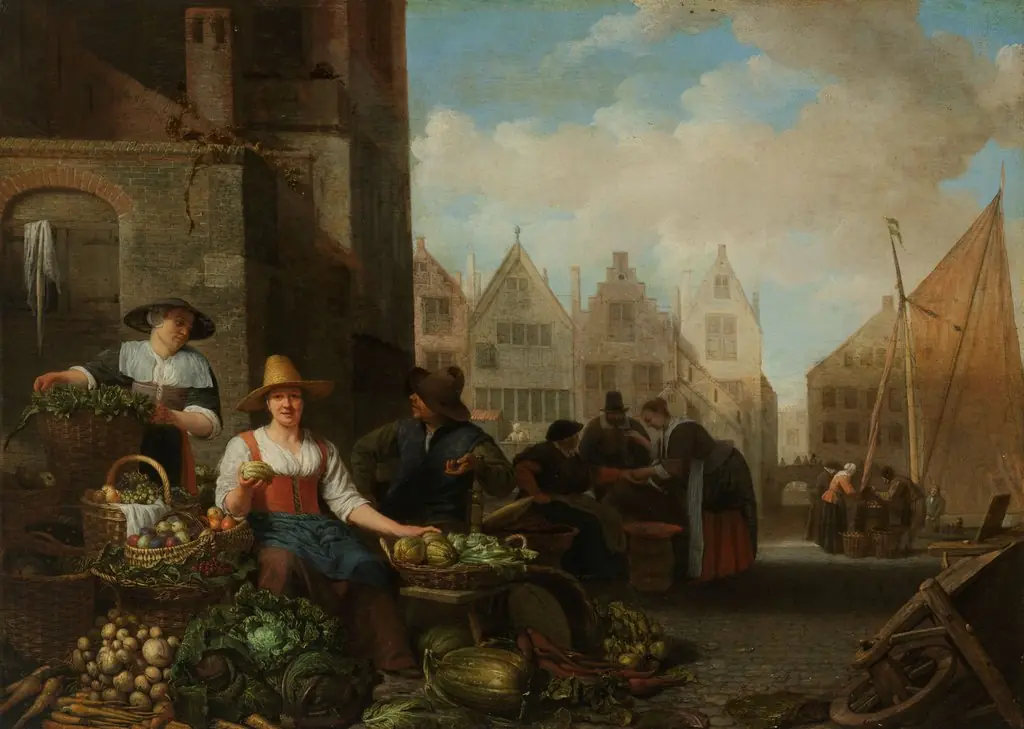 The Vegetable Market
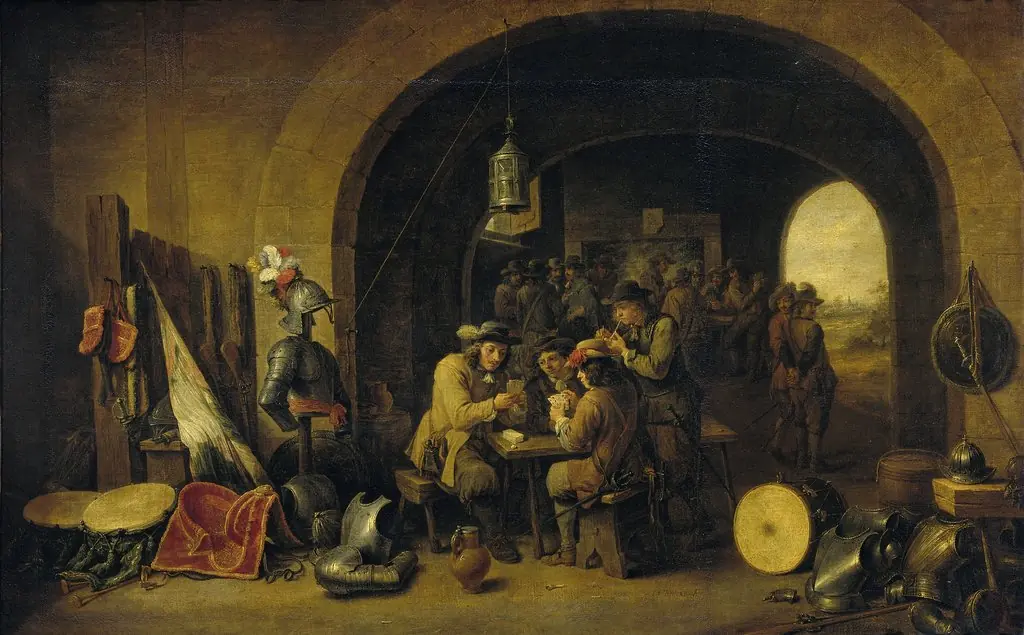 Guardroom
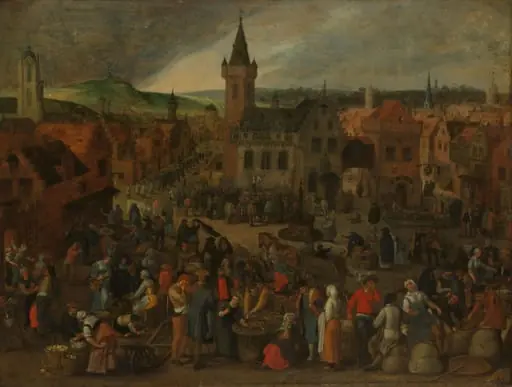 Market Day in a Flemish Town
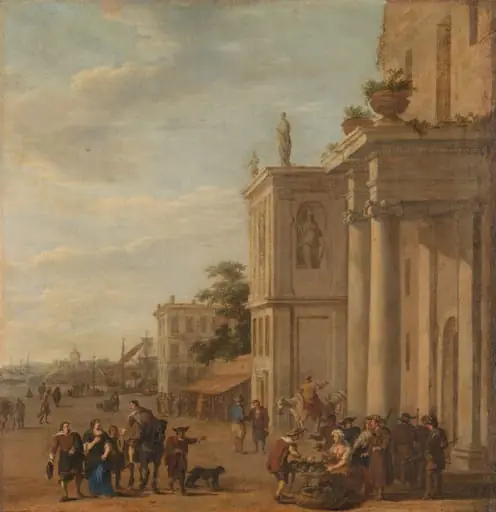 Italian marketplace
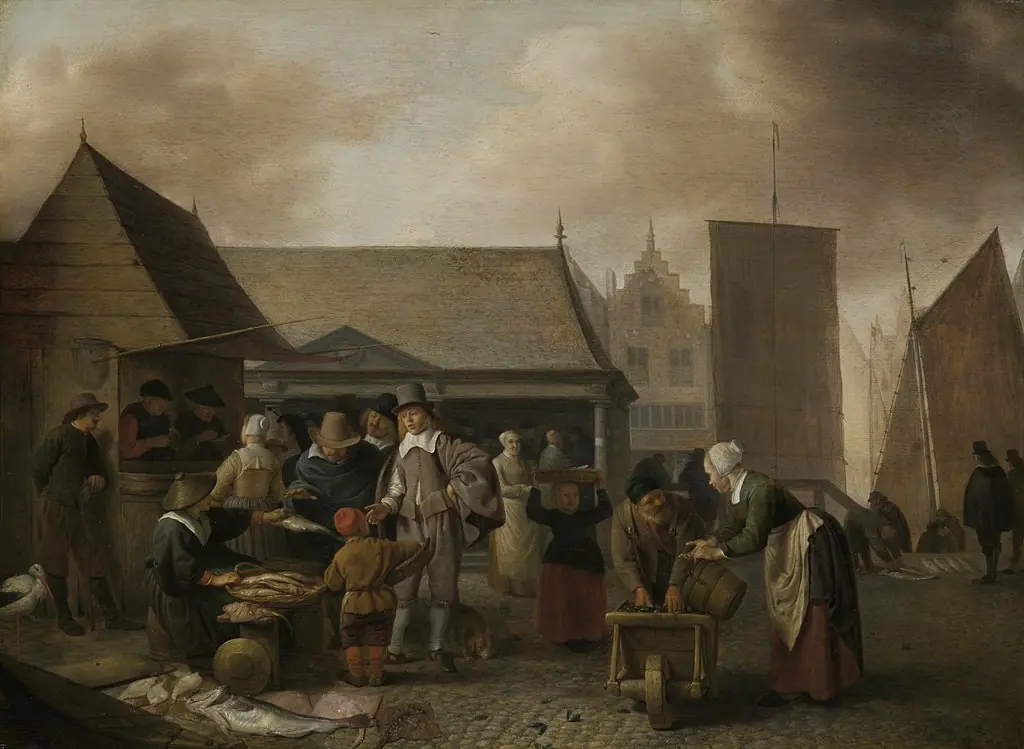 Fish Market
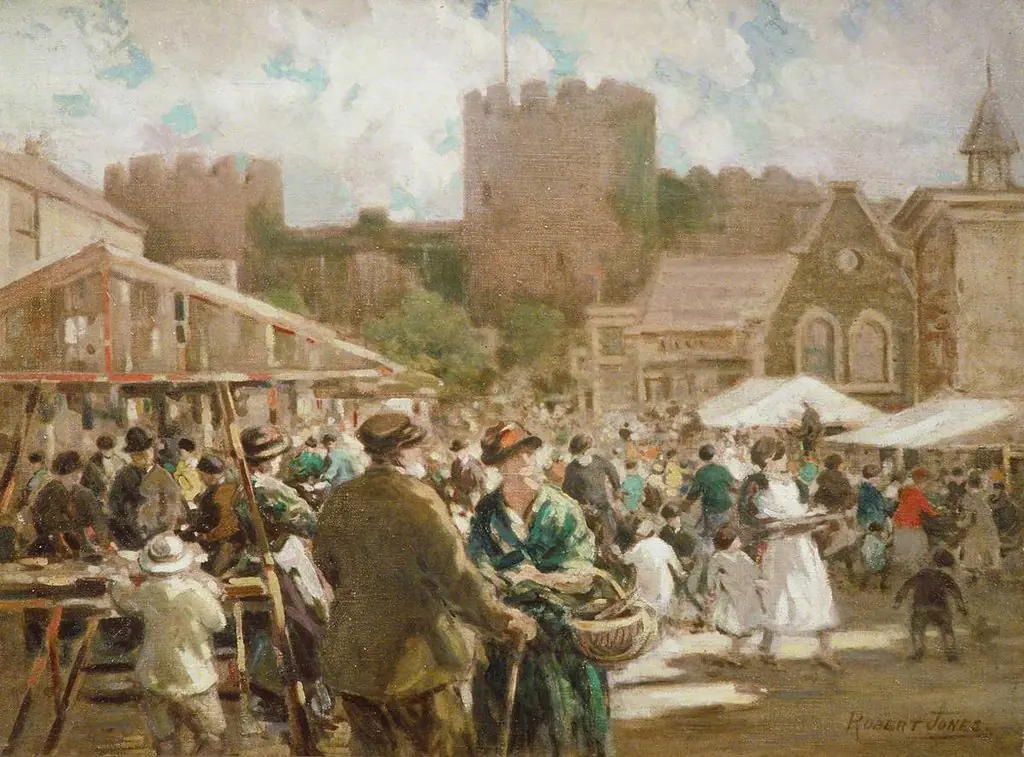 Conway Market
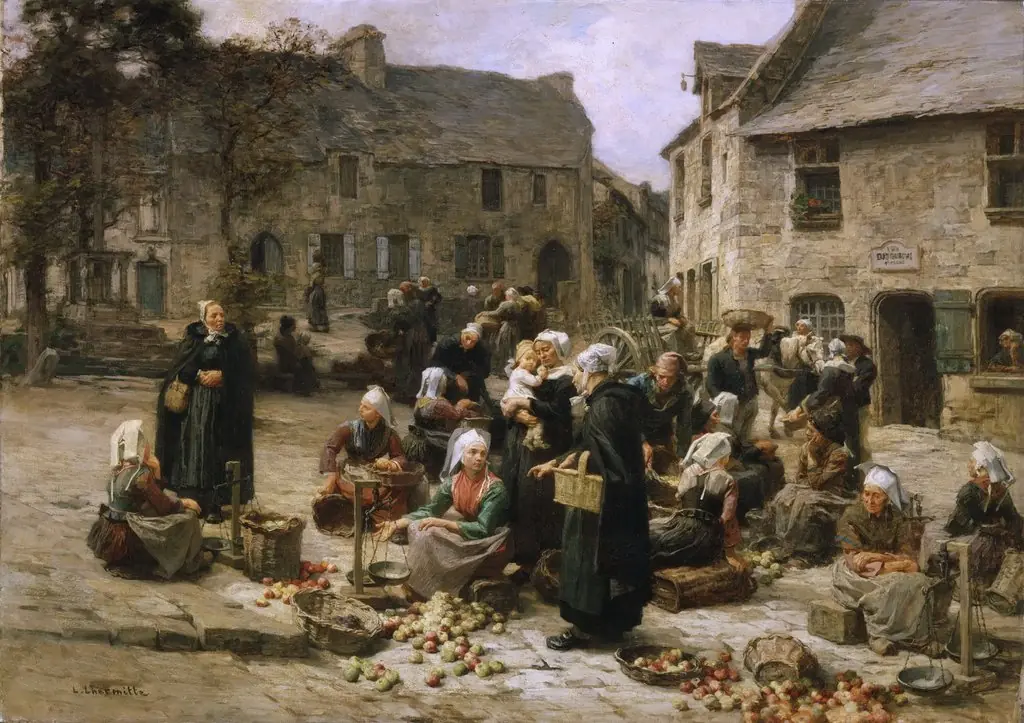 Apple Market, Landerneau, Brittany
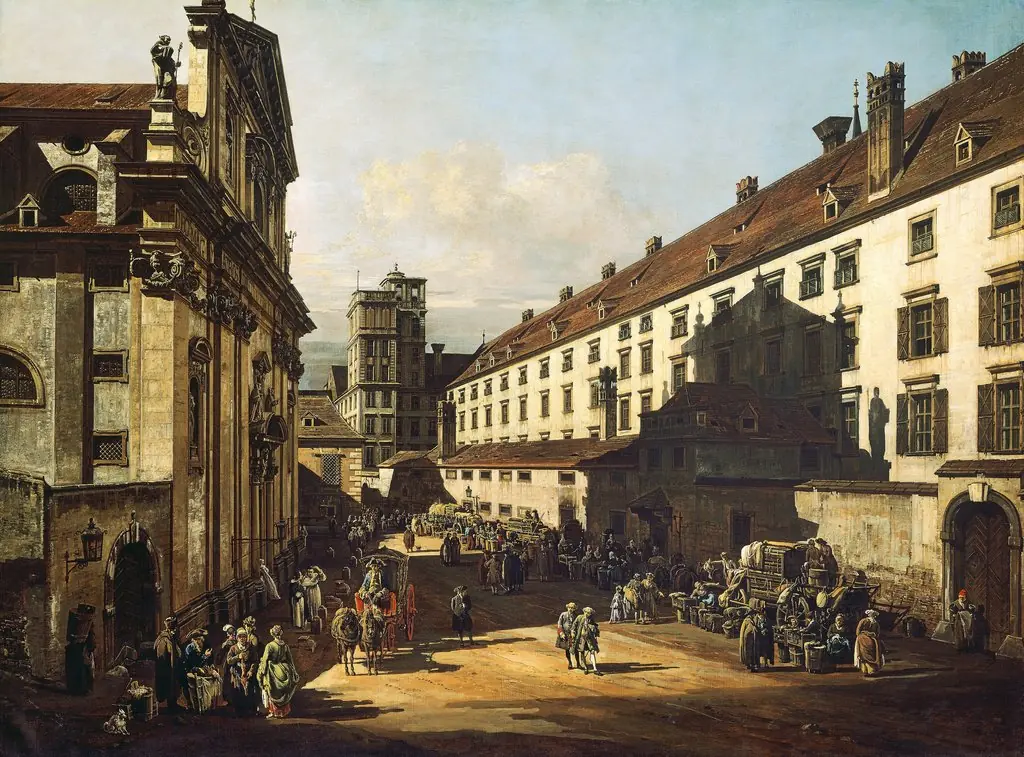 Vienna, Dominican Church
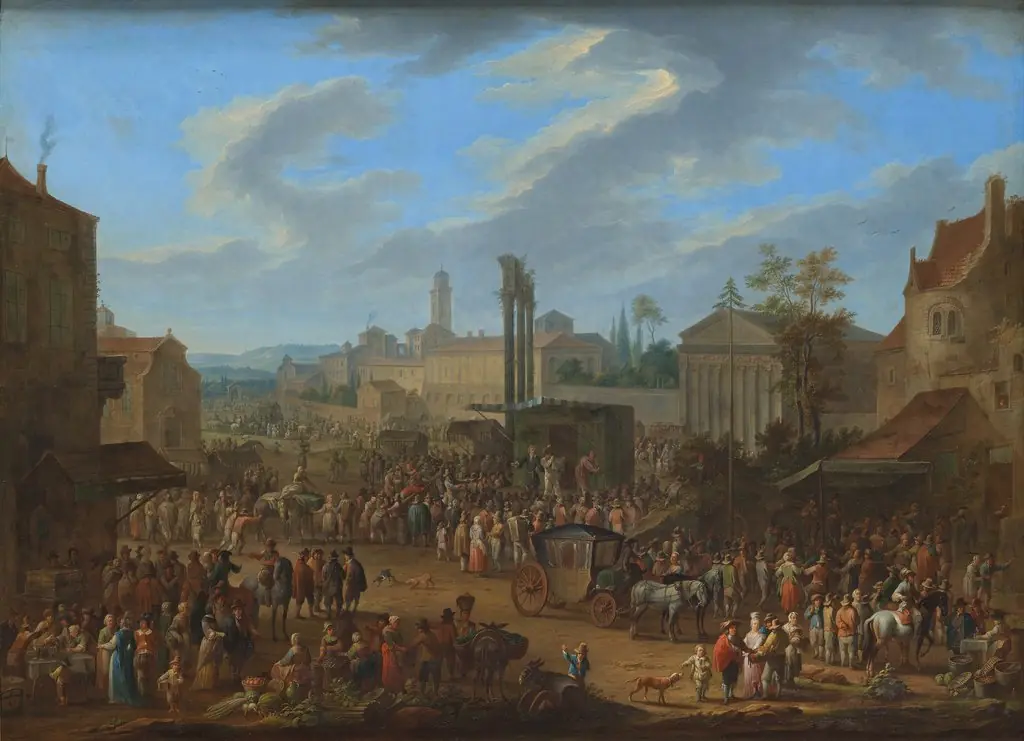 Market with temple and maypole
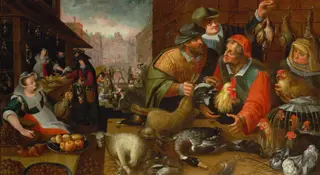 Geflügelmarkt (Herbst)
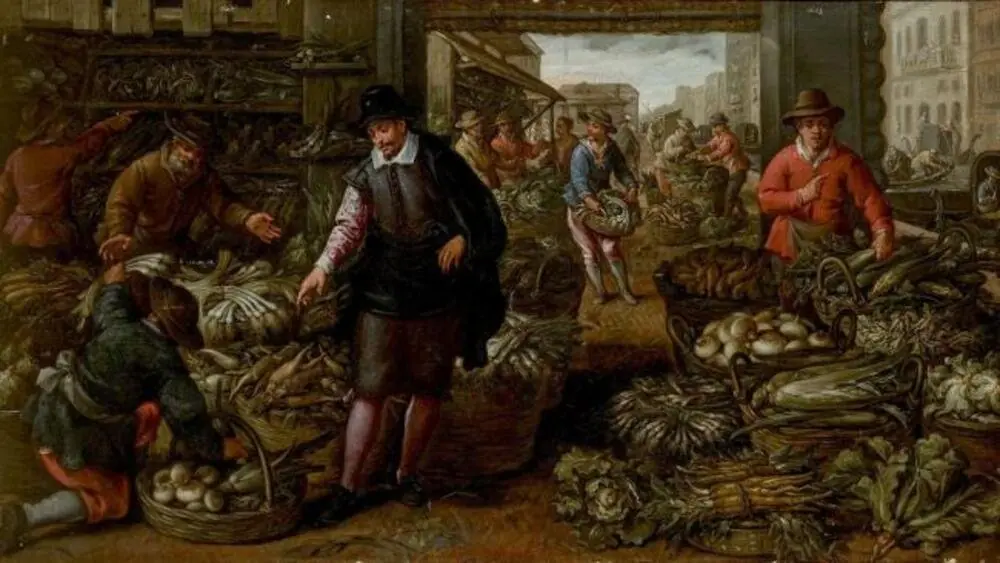 Vegetable Market in Venice
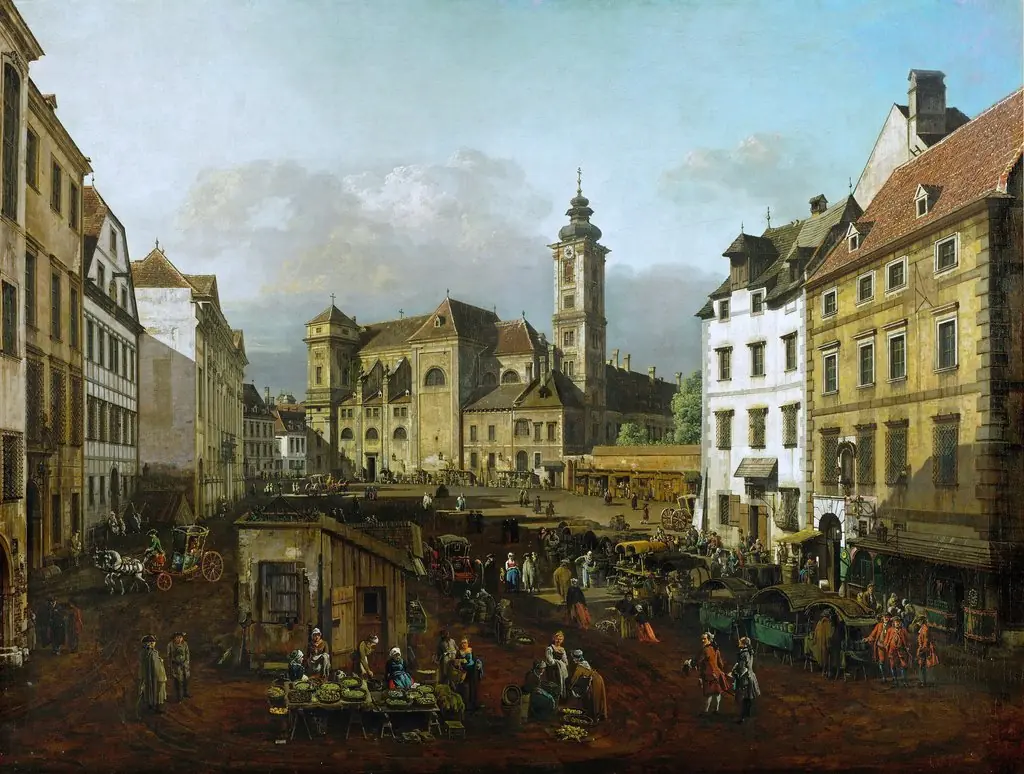 The Freyung in Vienne, from the South-East
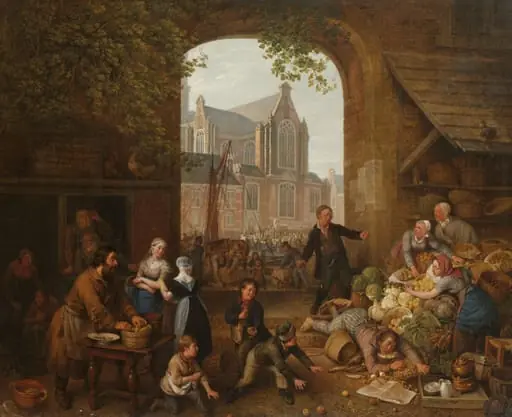 Two Drunkards at the Market near the Westerkerk in Amsterdam
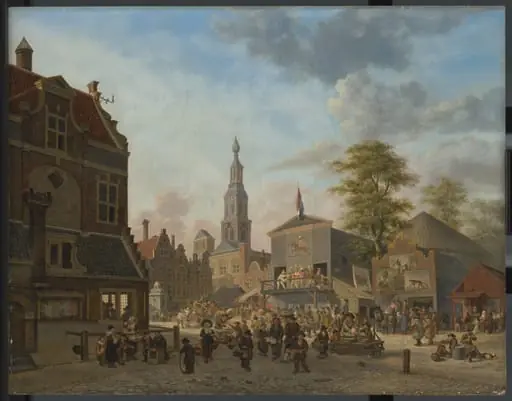 A town square with a fair
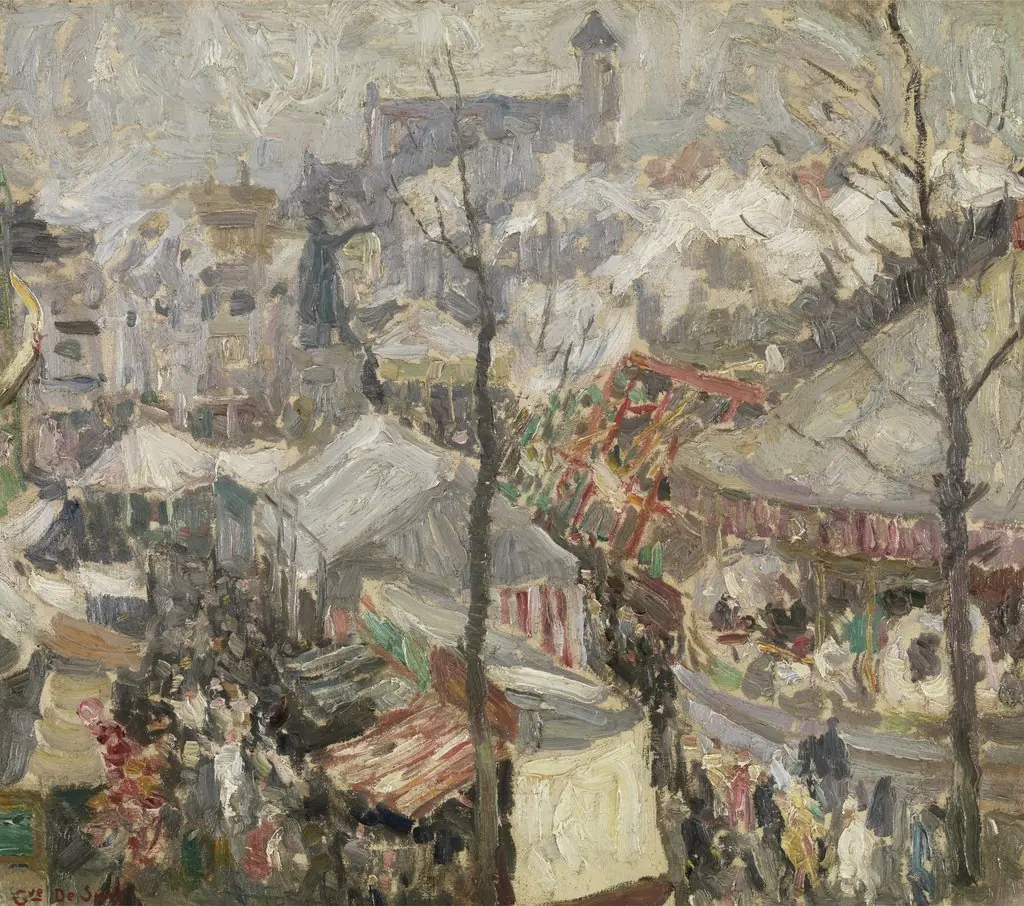 Fair at Vrijdagmarkt in Ghent
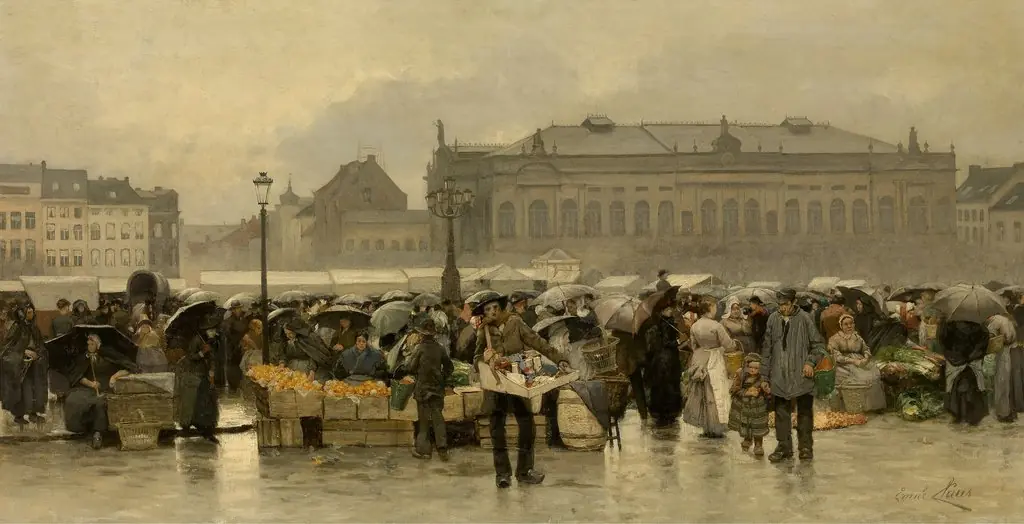 De markt voor de schouwburg in Antwerpen
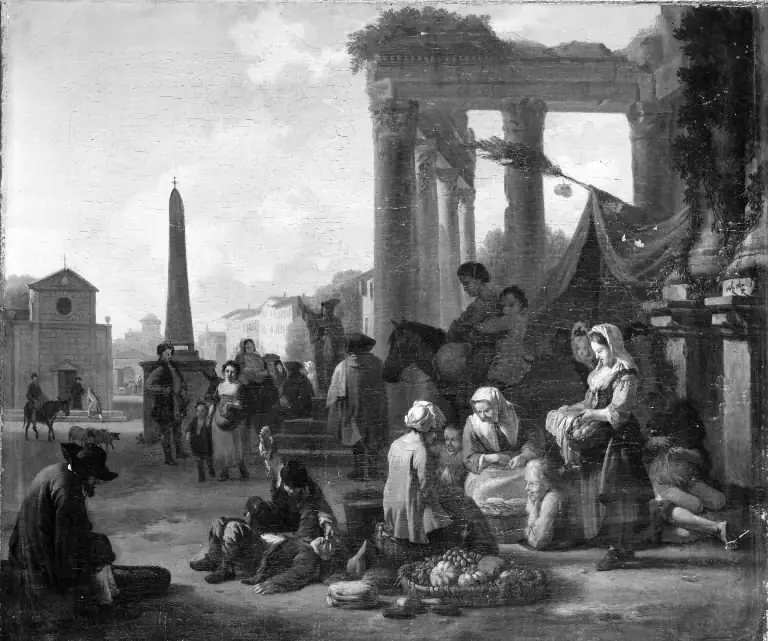 Market Place in Rome
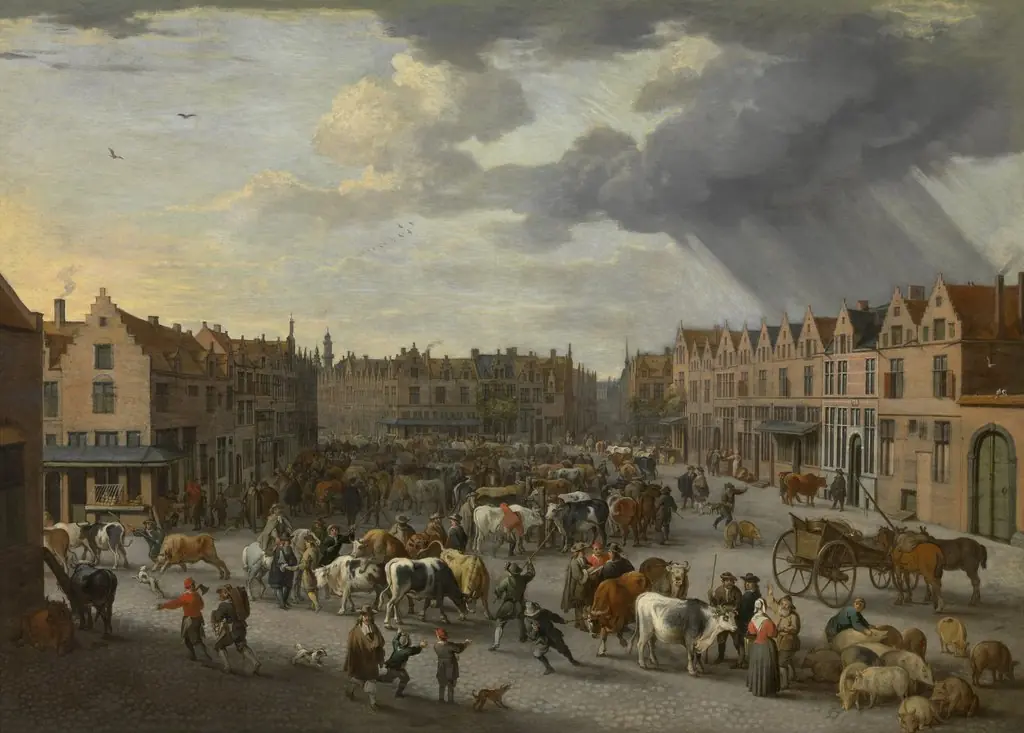 The old cattle market in Antwerp
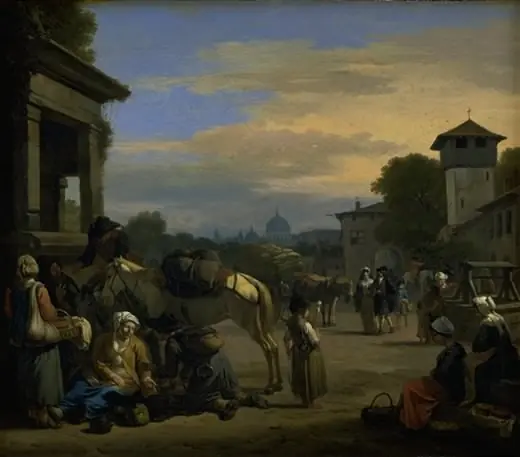 Street Scene in Rome
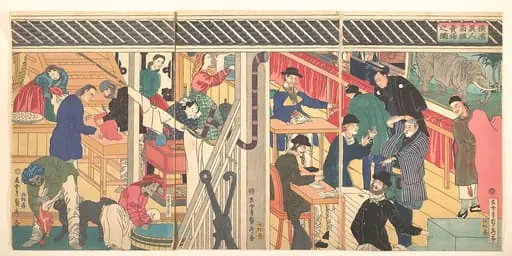 「横浜異人商館買場之圖」|Foreign Business Establishment in Yokohama (Yokohama ijin shōkan uriba no zu)
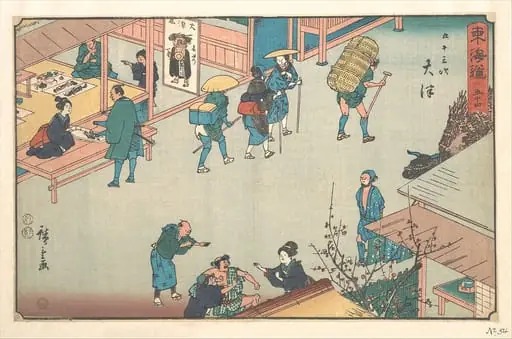 東海道五十三次 大津|Otsu
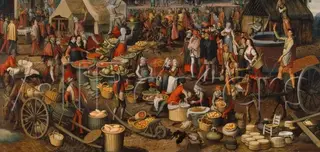 Market Scene (Fragment of An Ecce-homo)
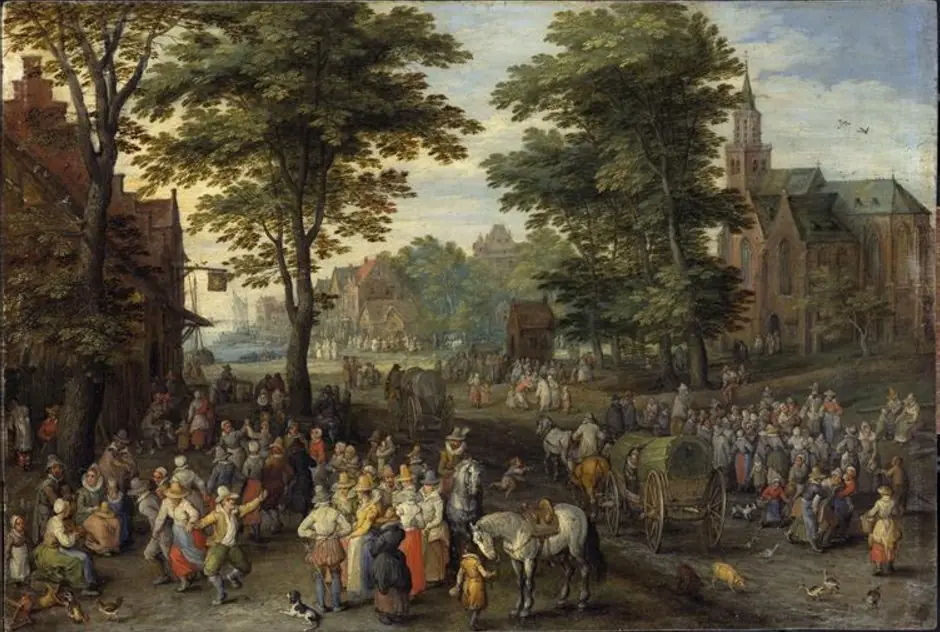 Village Kermis
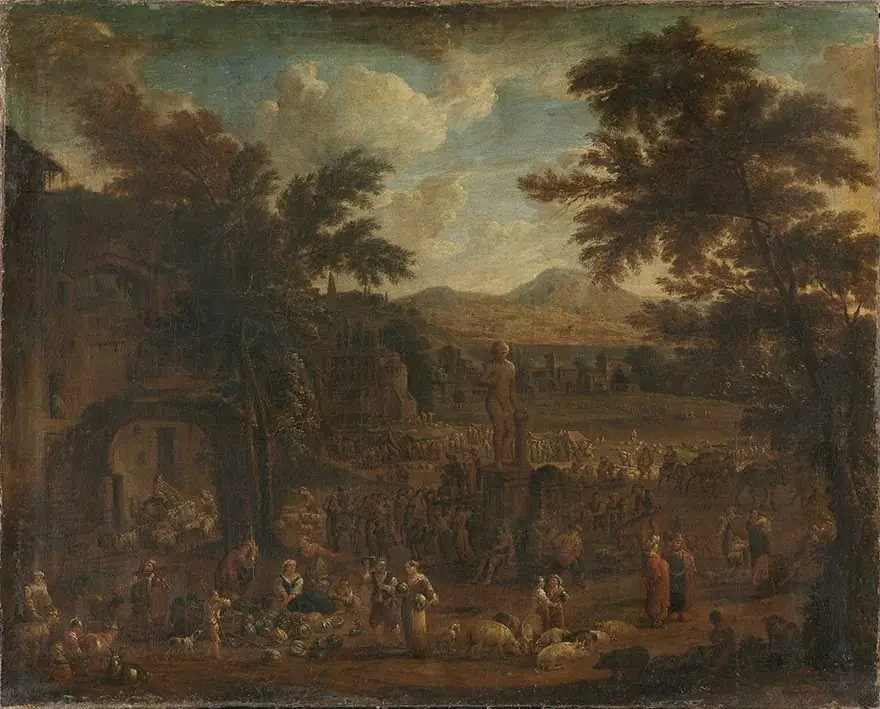 Jahrmarkt
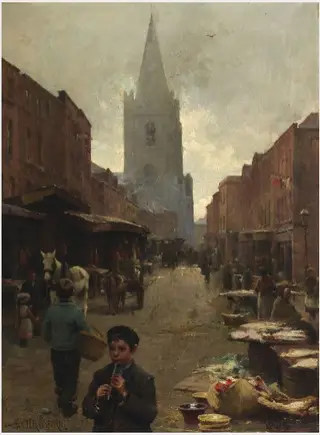 Saint Patrick's Close, Dublin
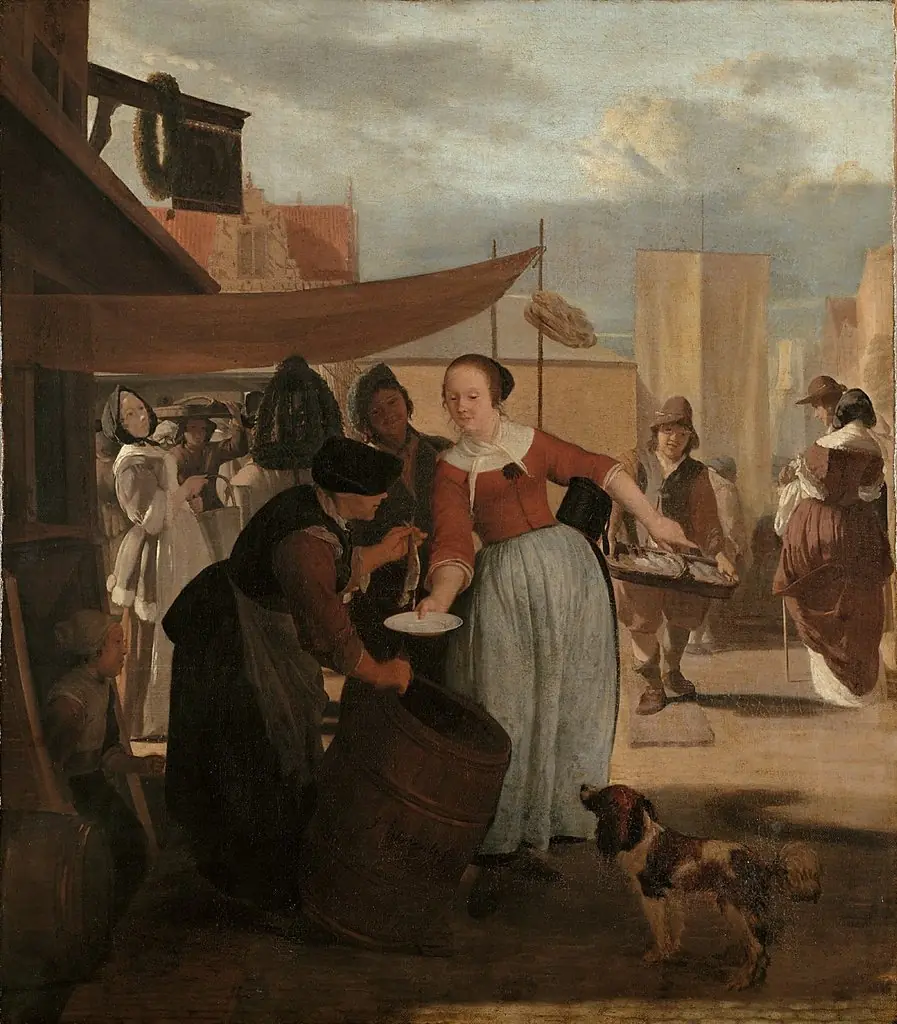 Fischmarkt
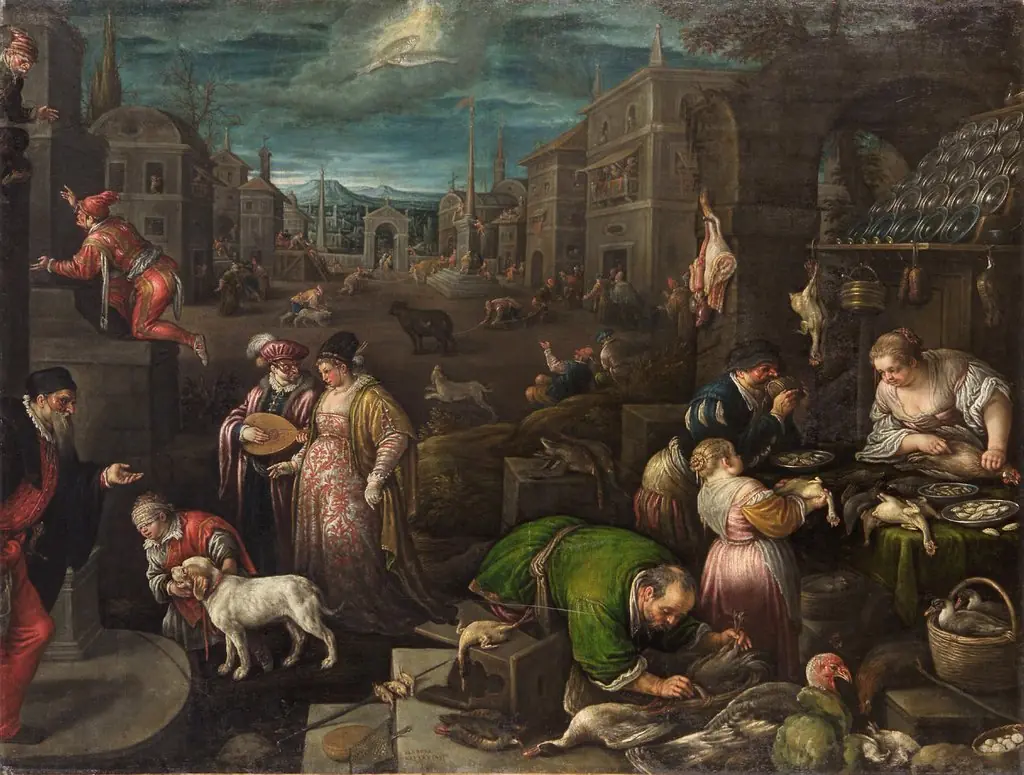 Februar
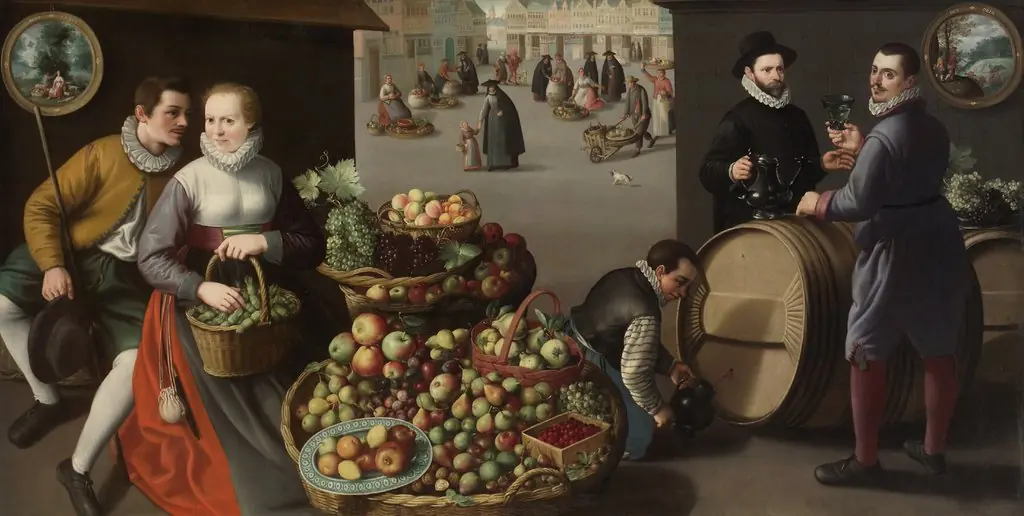 Obstmarkt (September-Oktober)
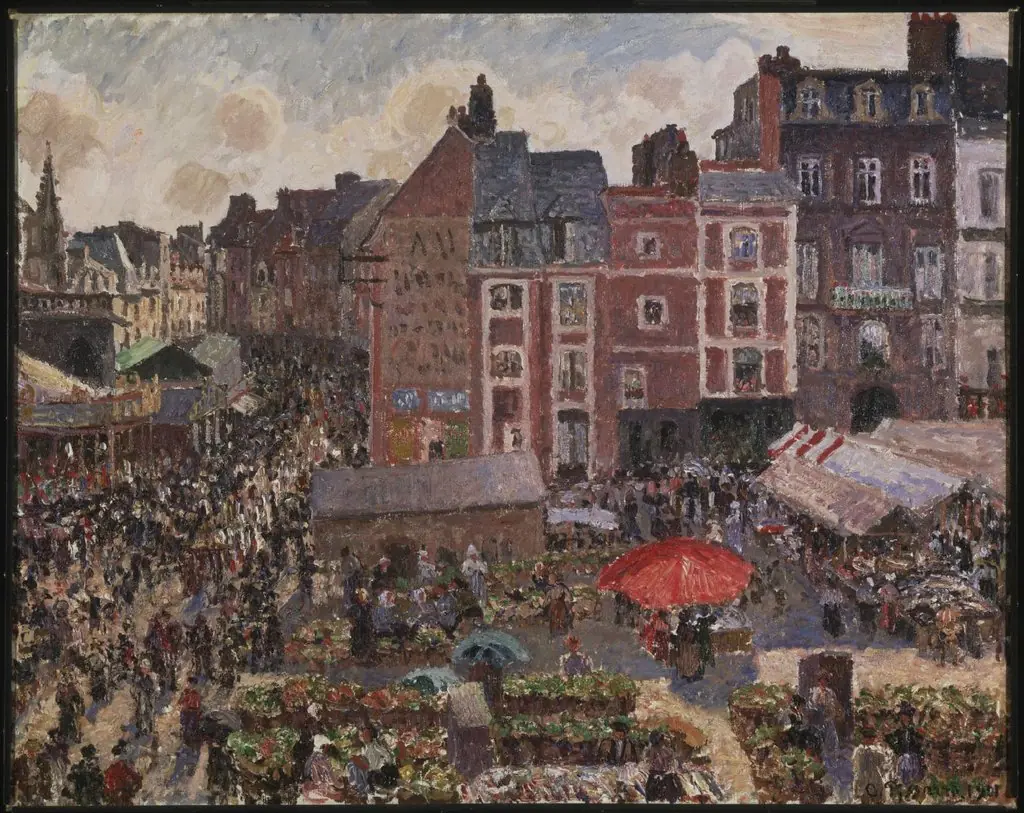 Fair on a Sunny Afternoon, Dieppe
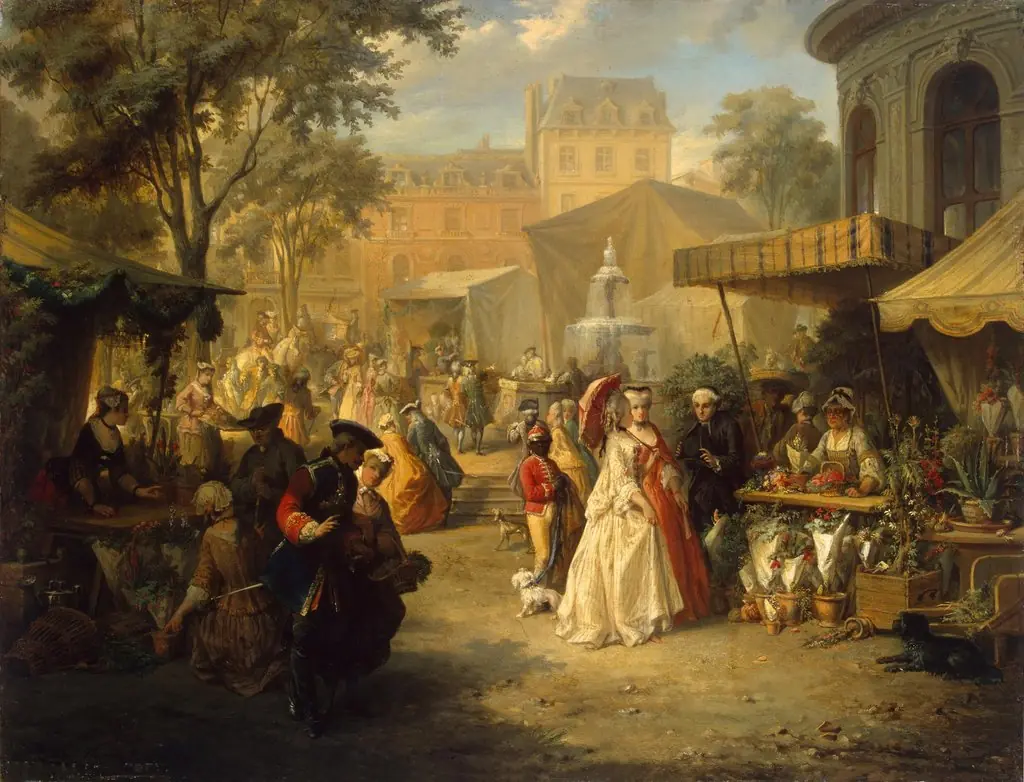 Fair
Fair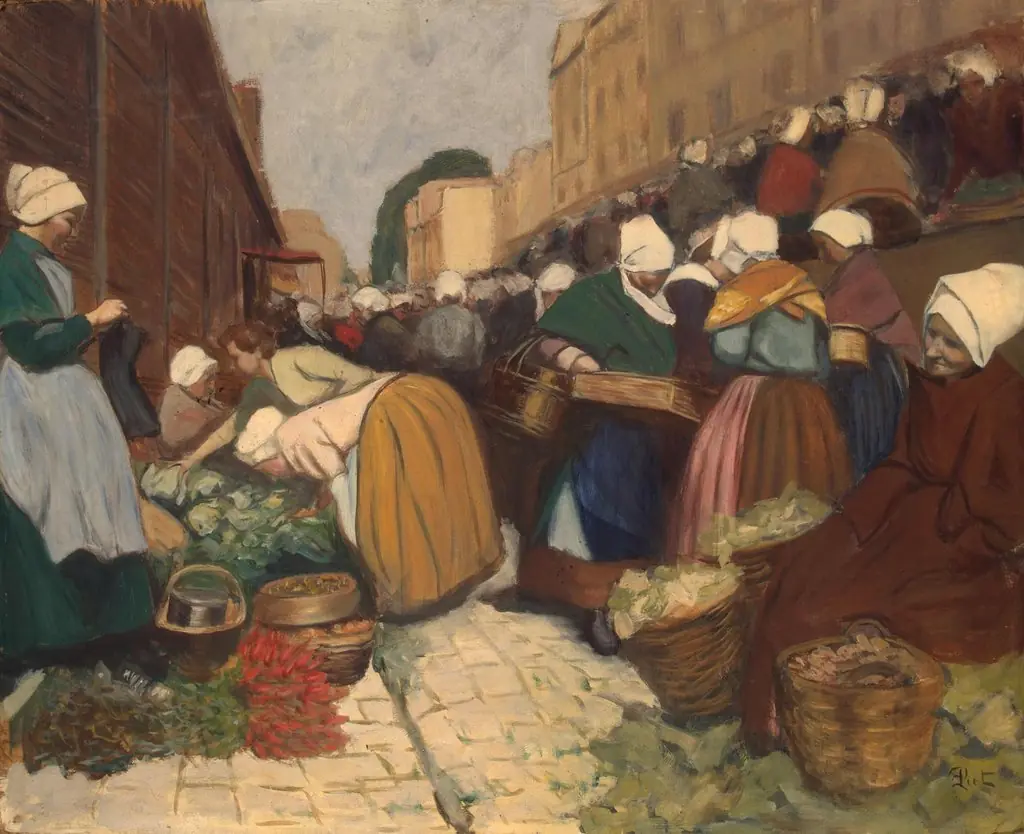 Market in Brest
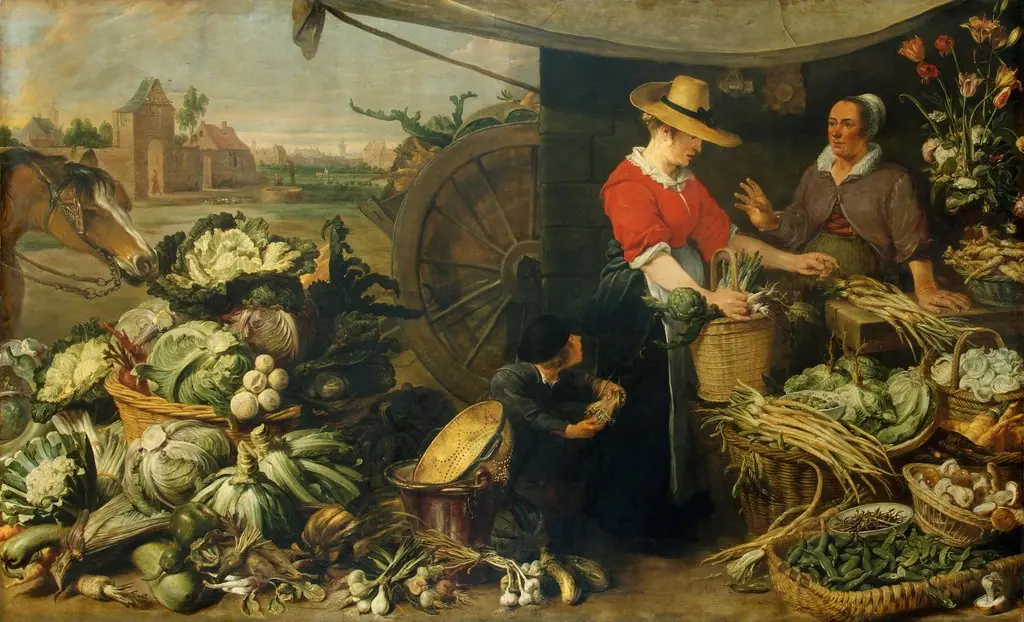 Greengrocery Stall
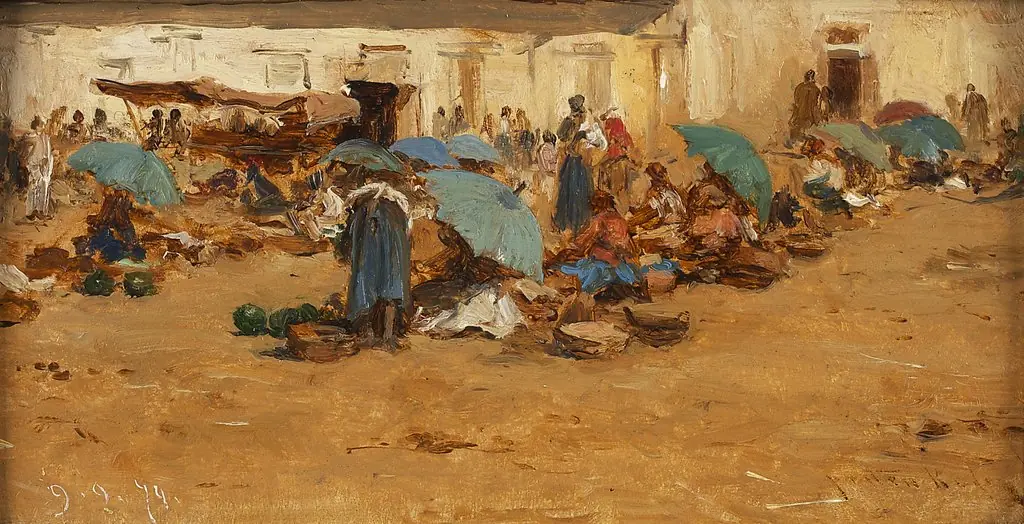 Hungarian market with blue umbrellas
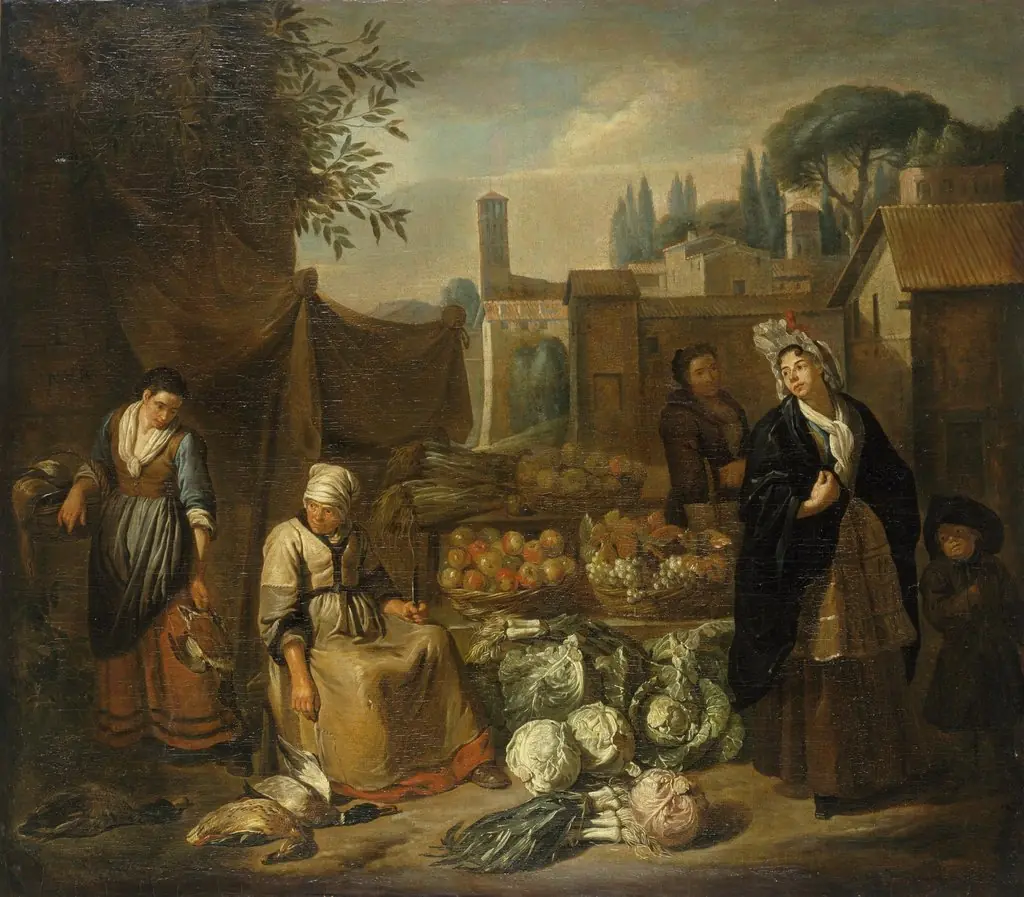 Genre Scene
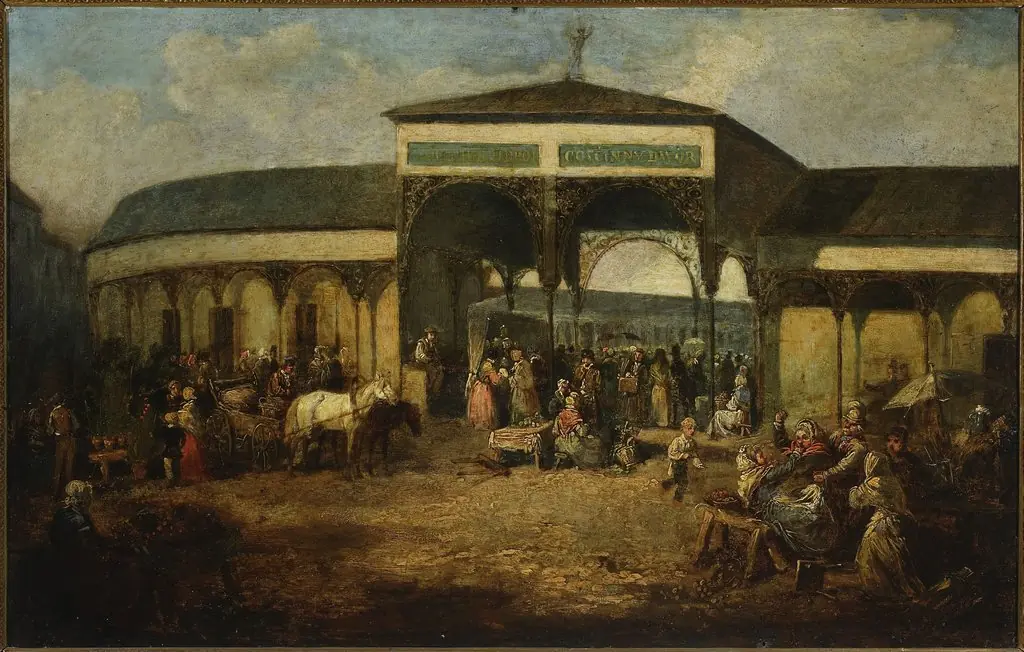 Iron-Gate Square
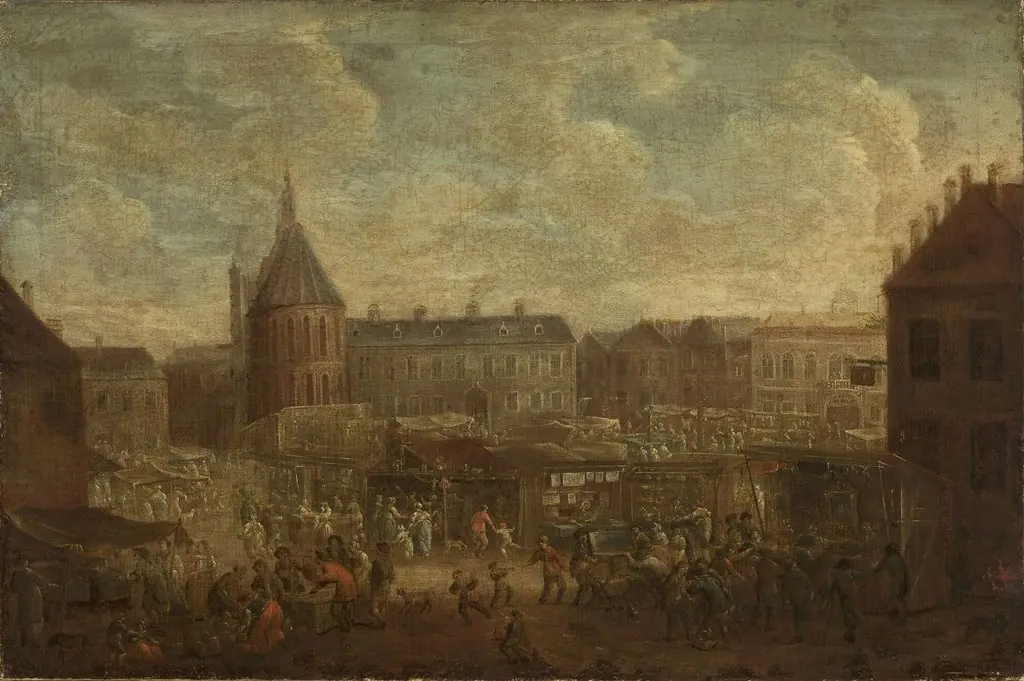 Marketplace in a town
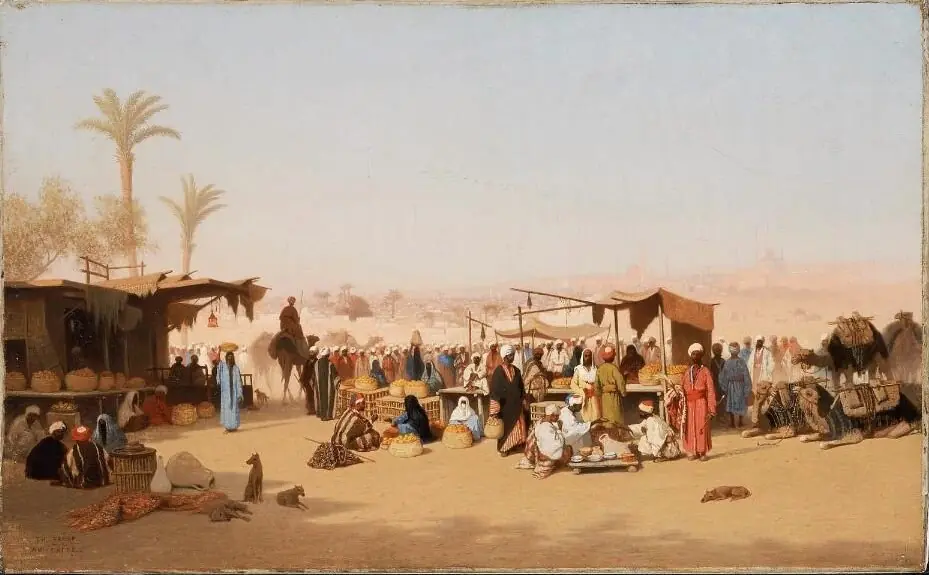 Scene in Cairo
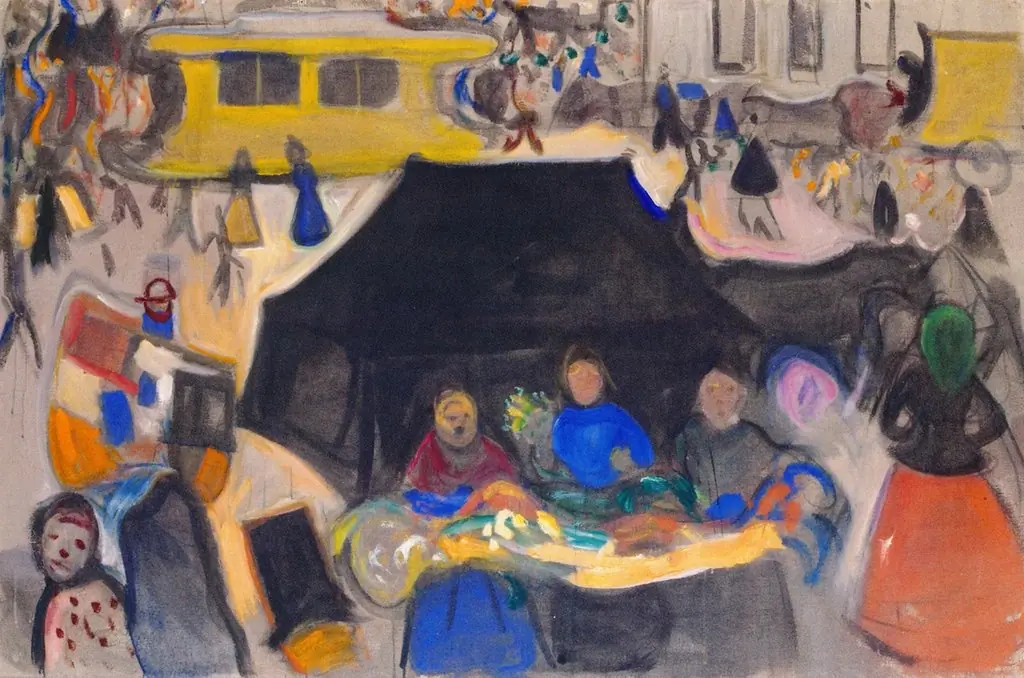 The Hearse on Potsdamer Platz
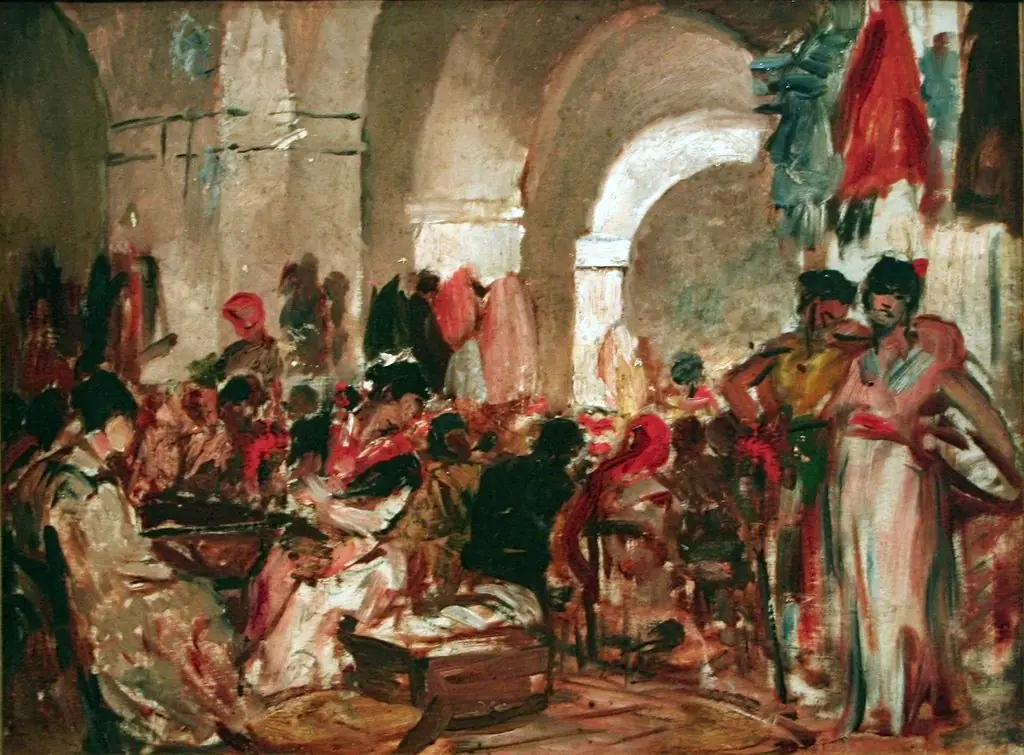 Cigar Makers in Sevilla
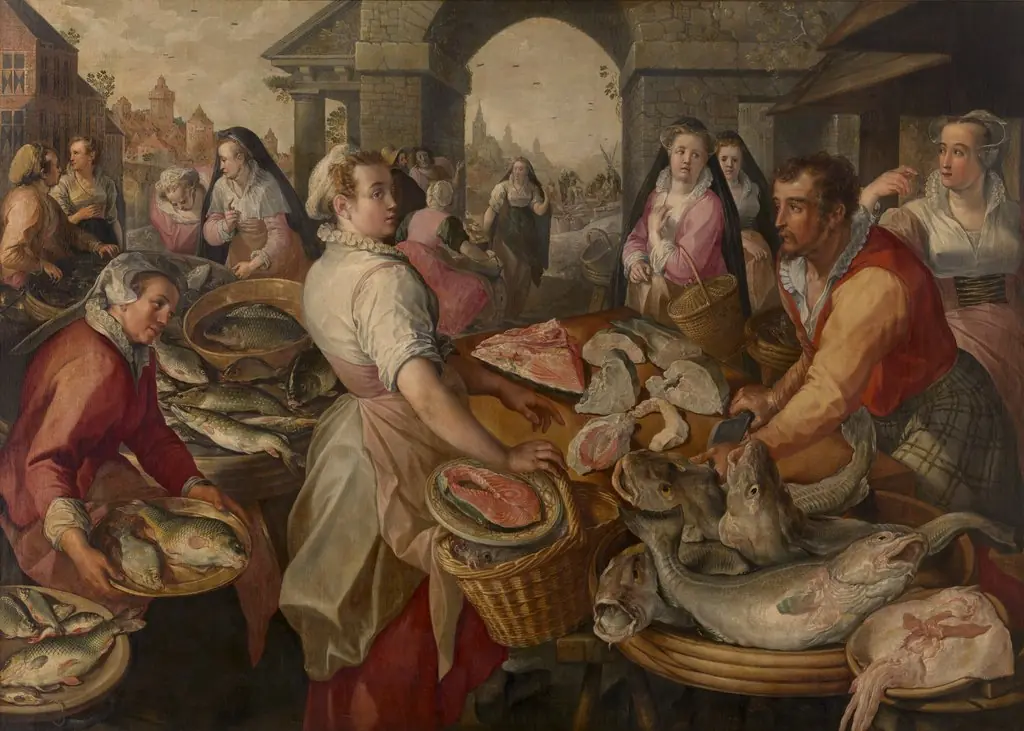 Vismarkt
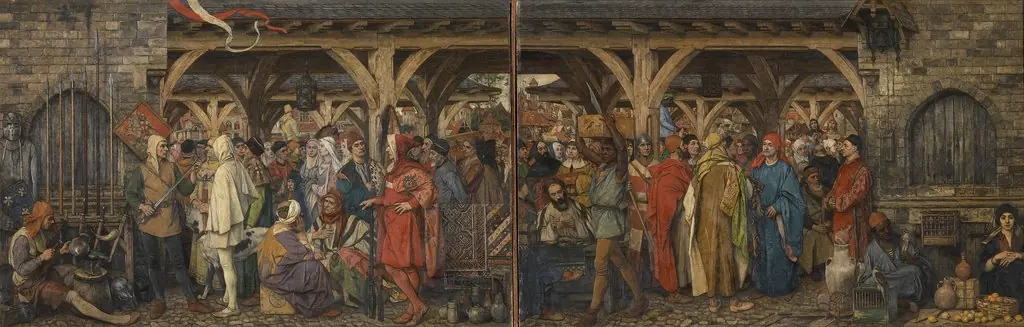 The annual fair
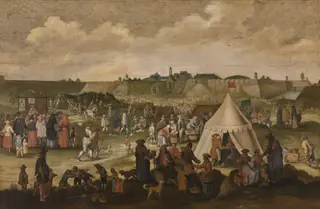 The Antwerp Castle
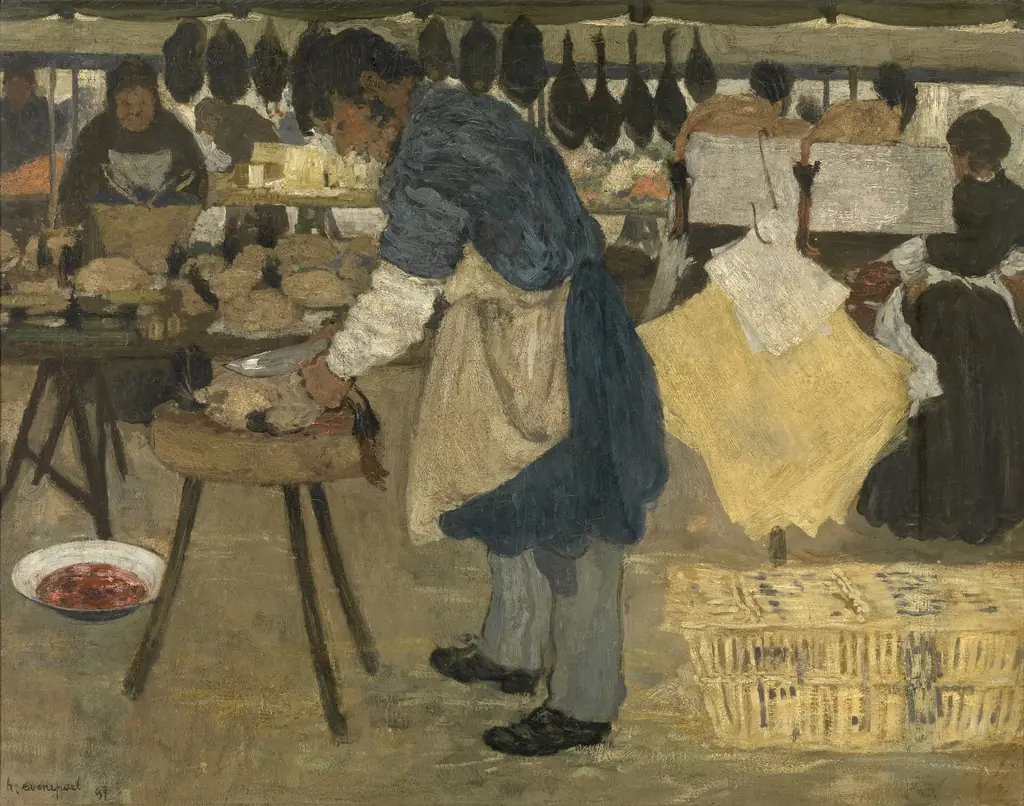 The Poulterer
 Fair on the Antwerp Meir
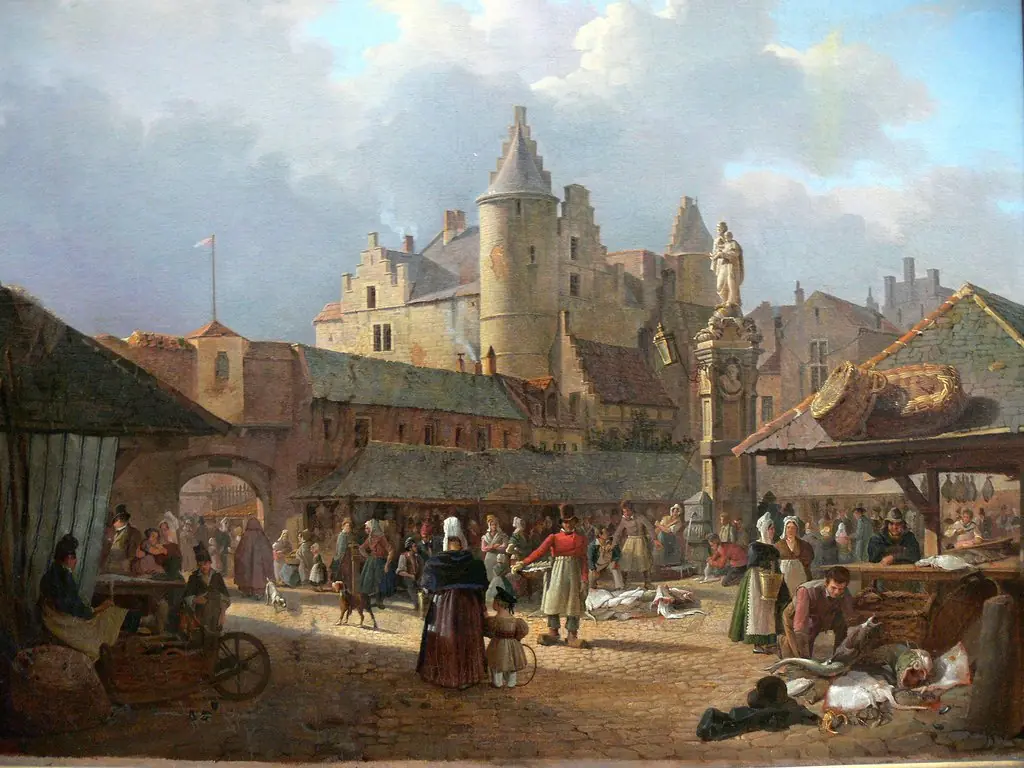 The Old Fish Market in Antwerp
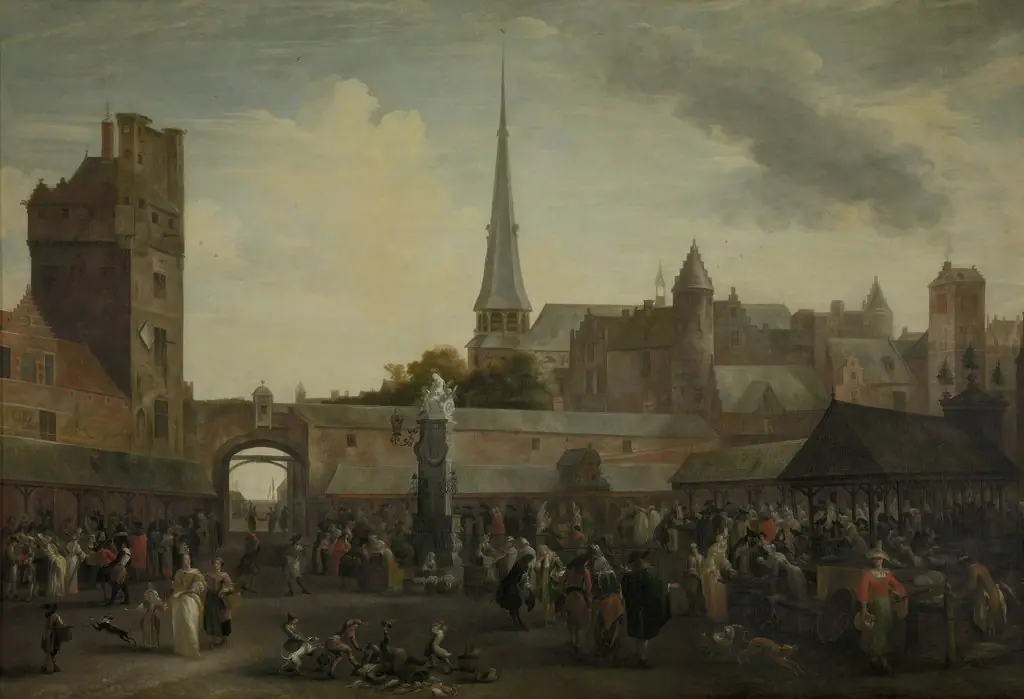 The Fish Market of Antwerp
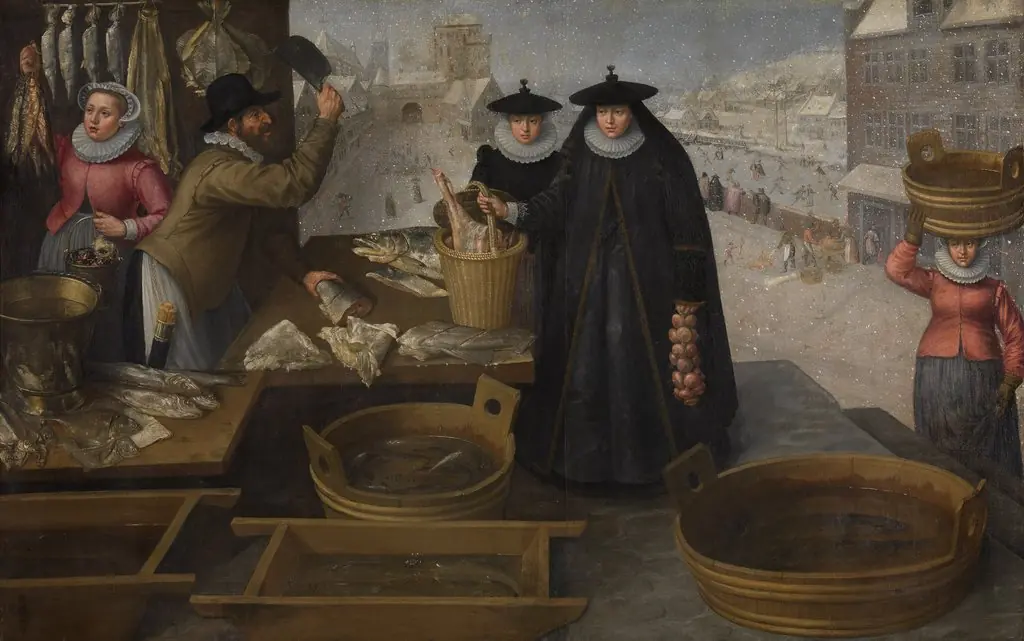 Fishmarket
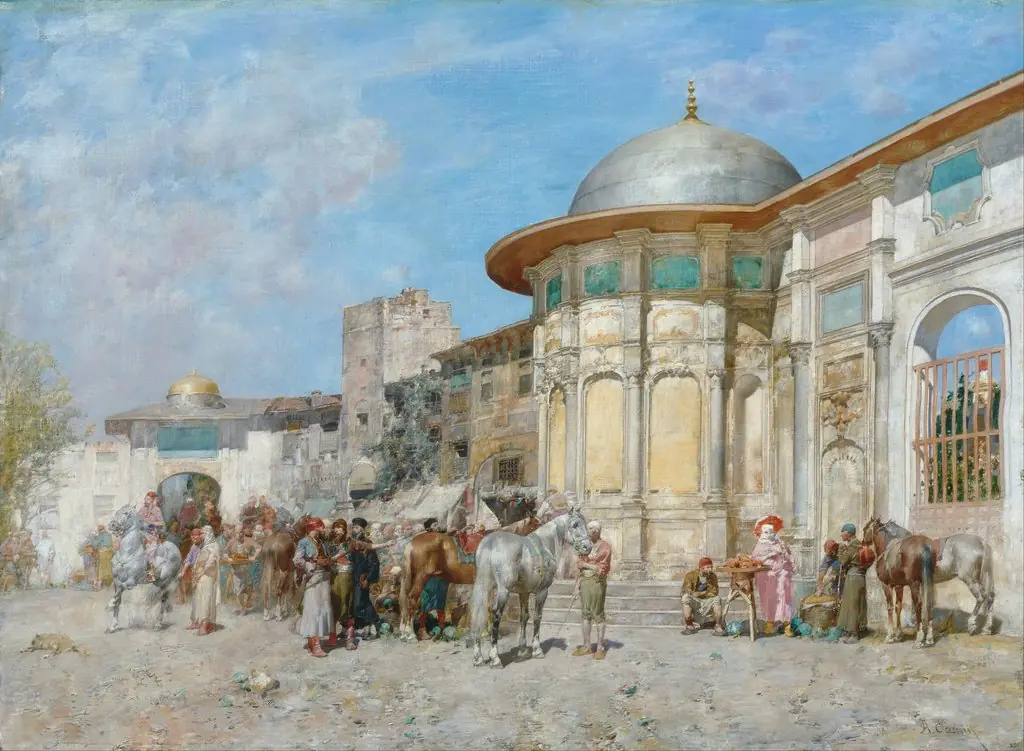 Horse market, Syria
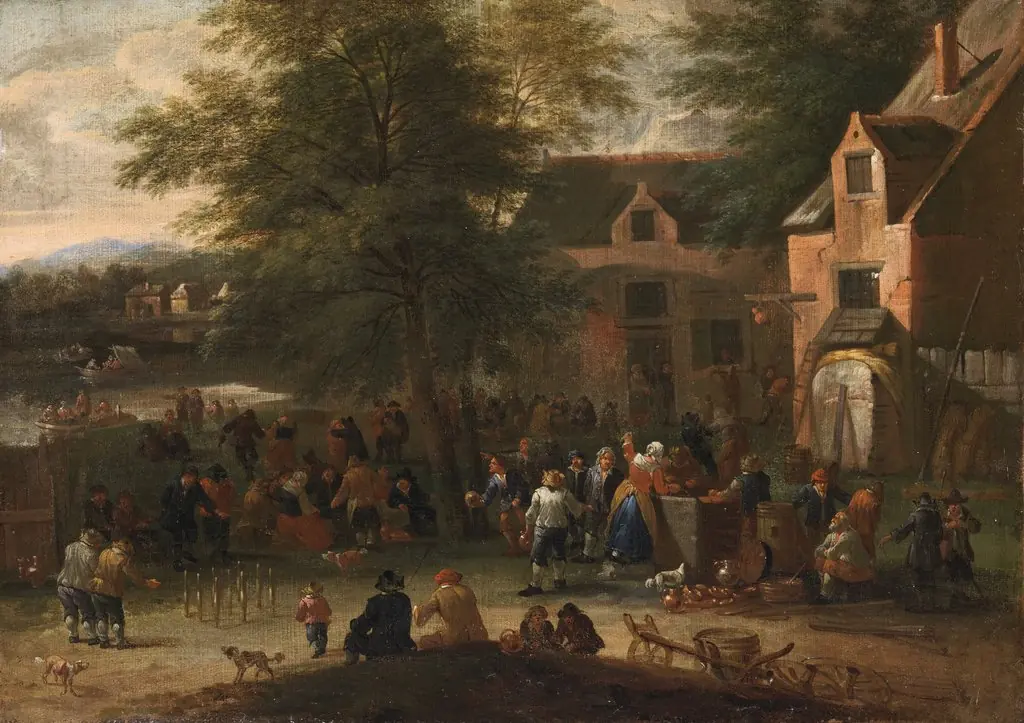 The Game of Bowls
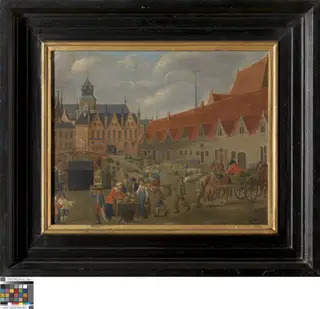 Vis- en groentenmarkt op de Braamberg in Brugge
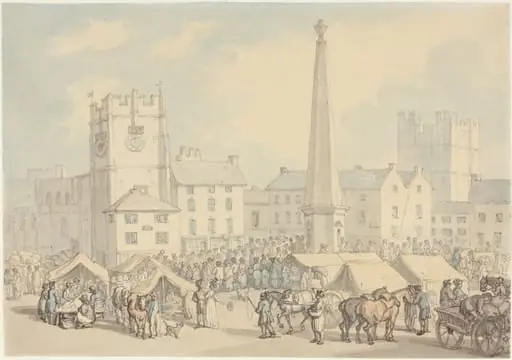 Market Day at Richmond in Yorkshire
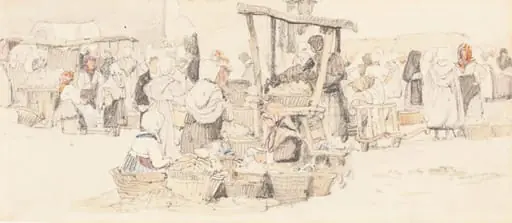 An Outdoor Market
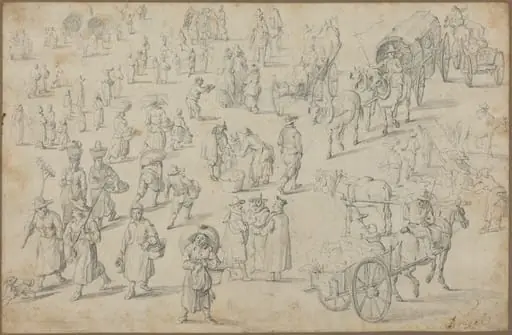 Studies of Market Figures
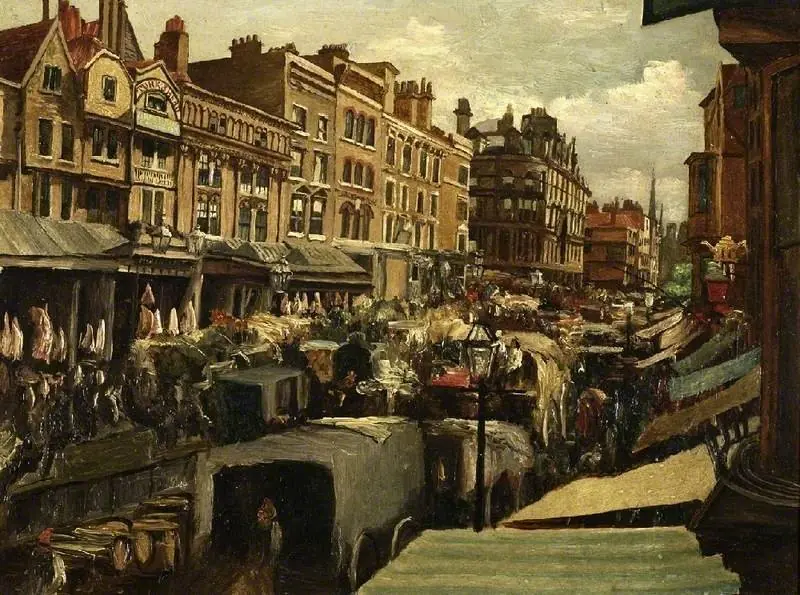 High Street, Whitechapel
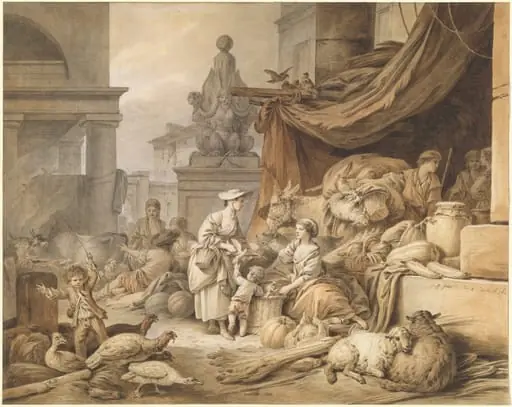 Market Scene with a Fantastic Sculpture
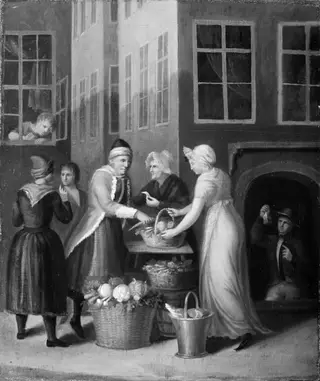 Gadescene i København ved år 1800. En pige gør indkøb af grøntsager hos Amagerkonen
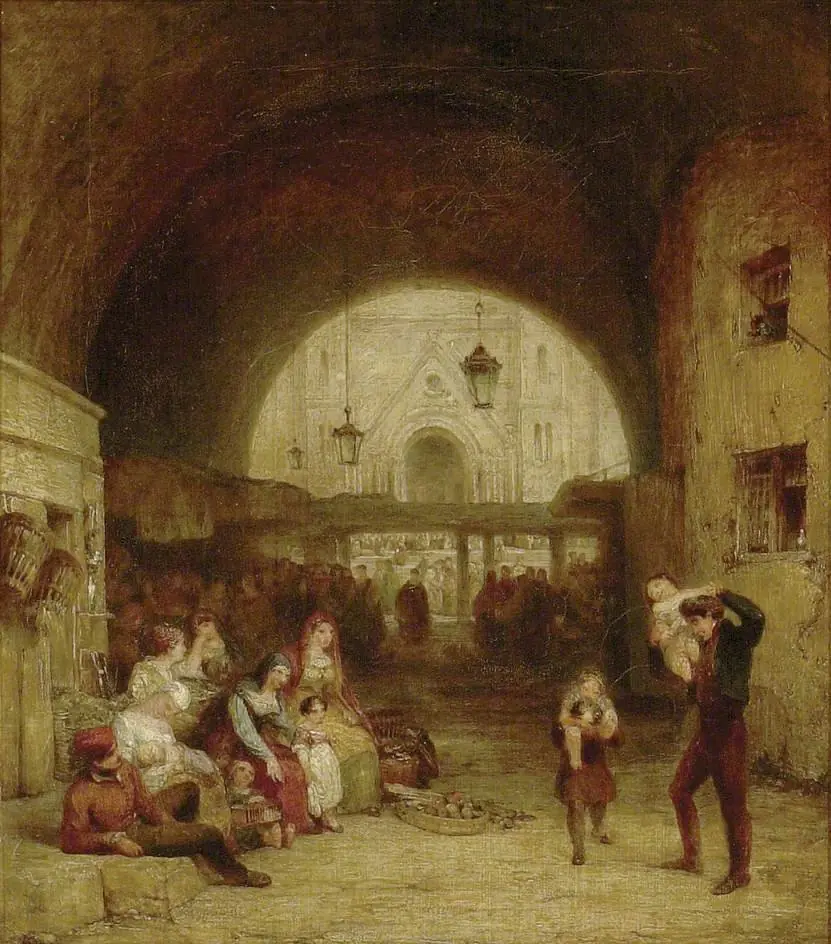 An Archway at Bologna, with the Piazza Maggiore beyond
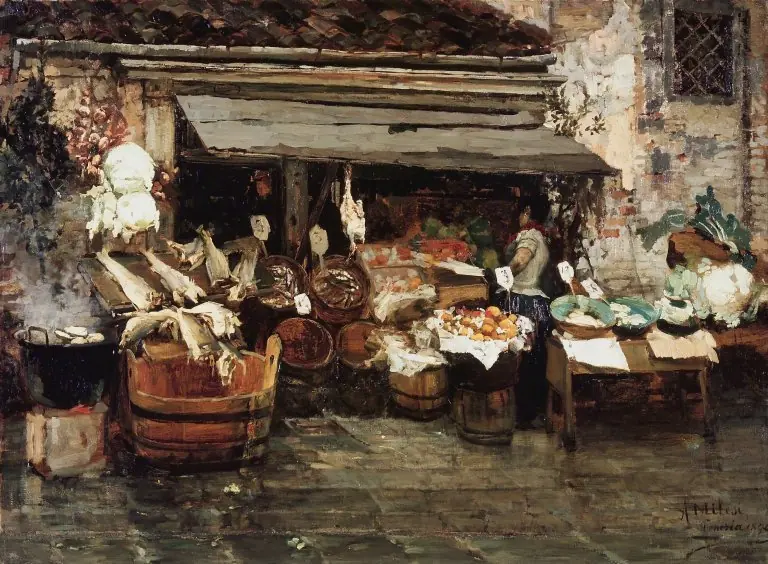 Market Scene in Venice
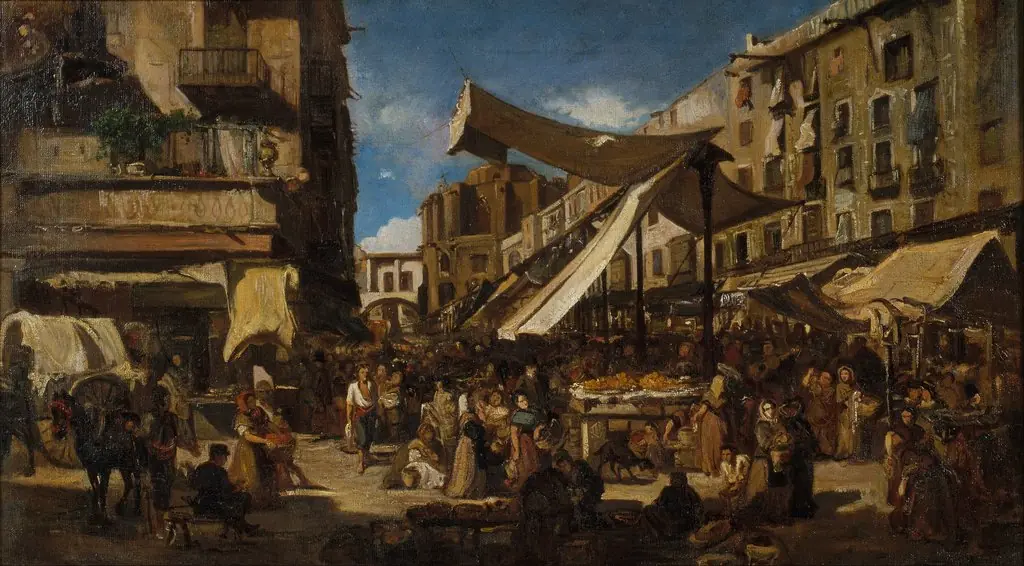 Born Vell
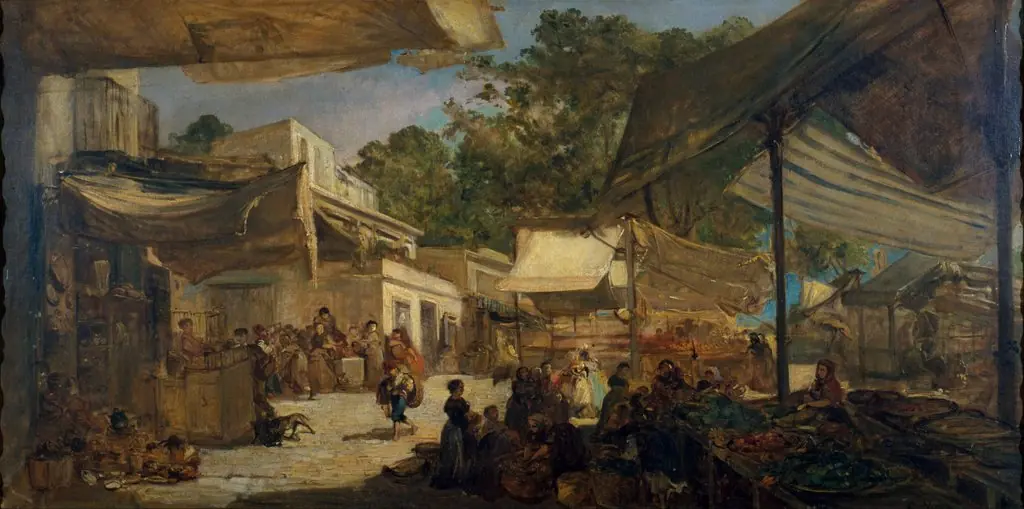 El Bornet
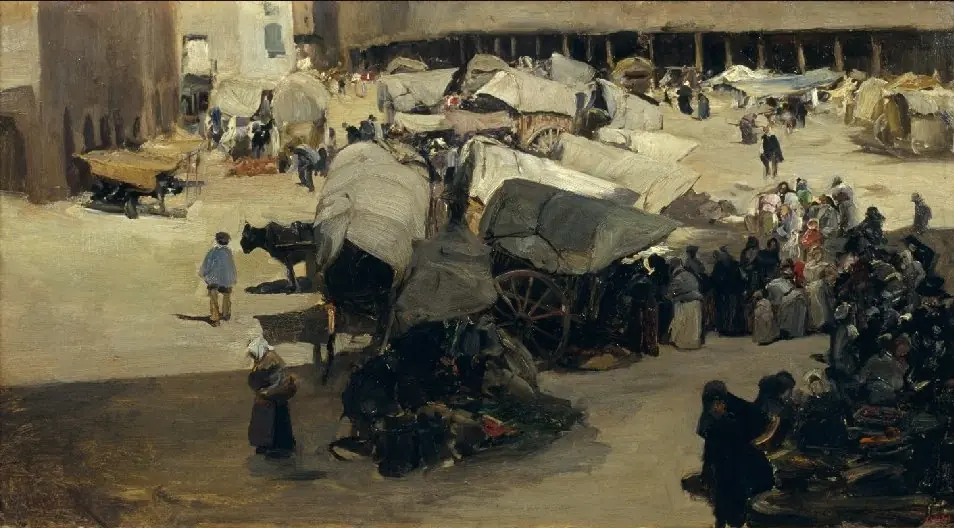 The Market in Santa Coloma de Queralt
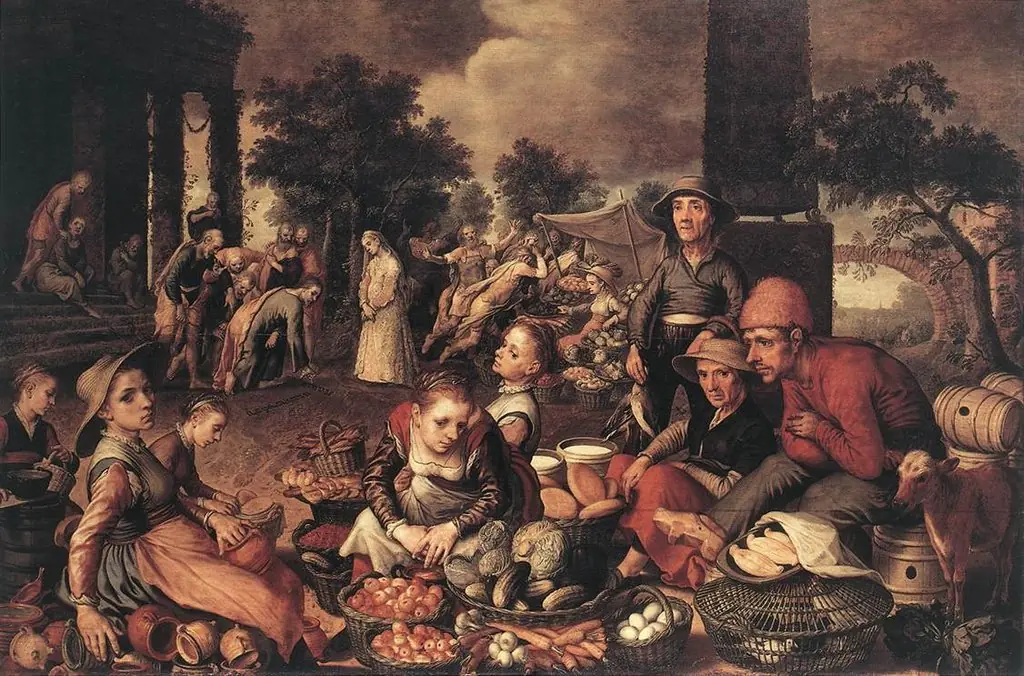 Christ and the woman taken in adultery
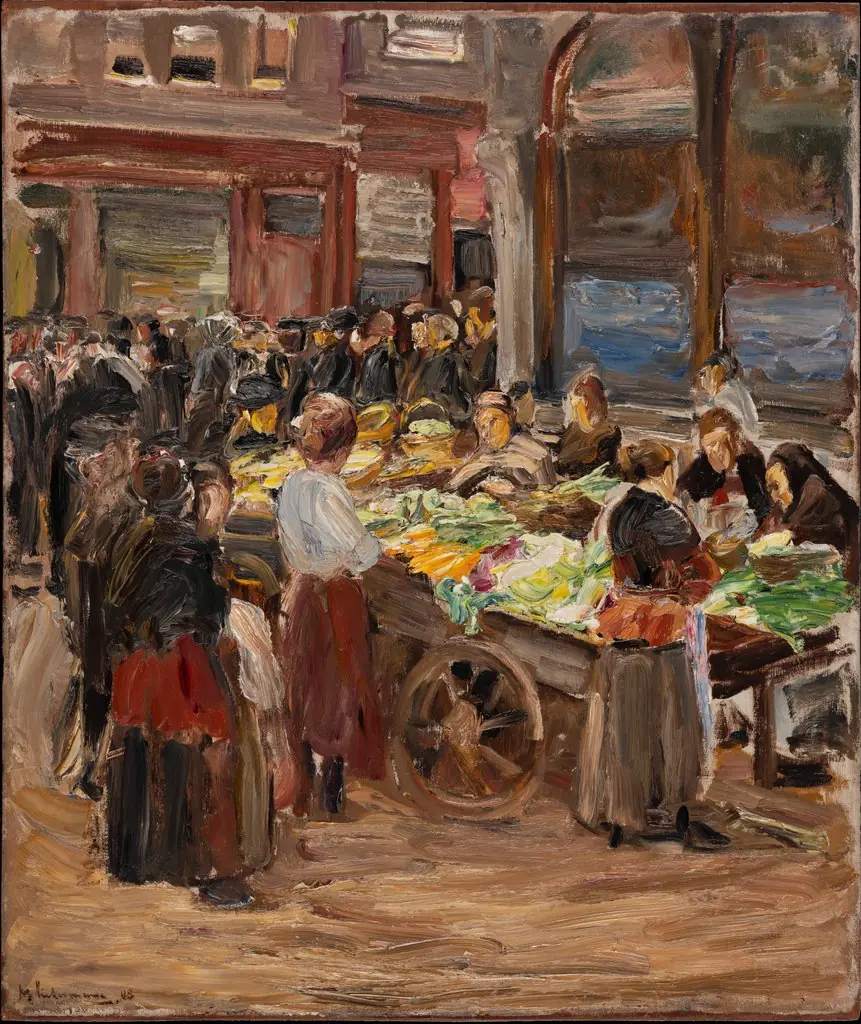 Jewish Street in Amsterdam
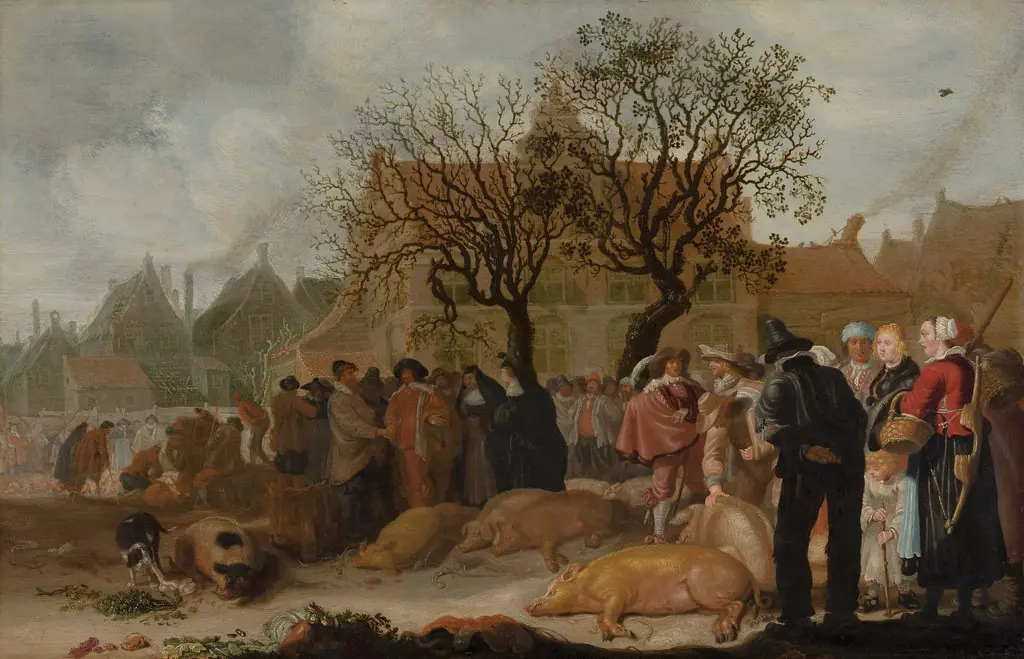 Hog Market
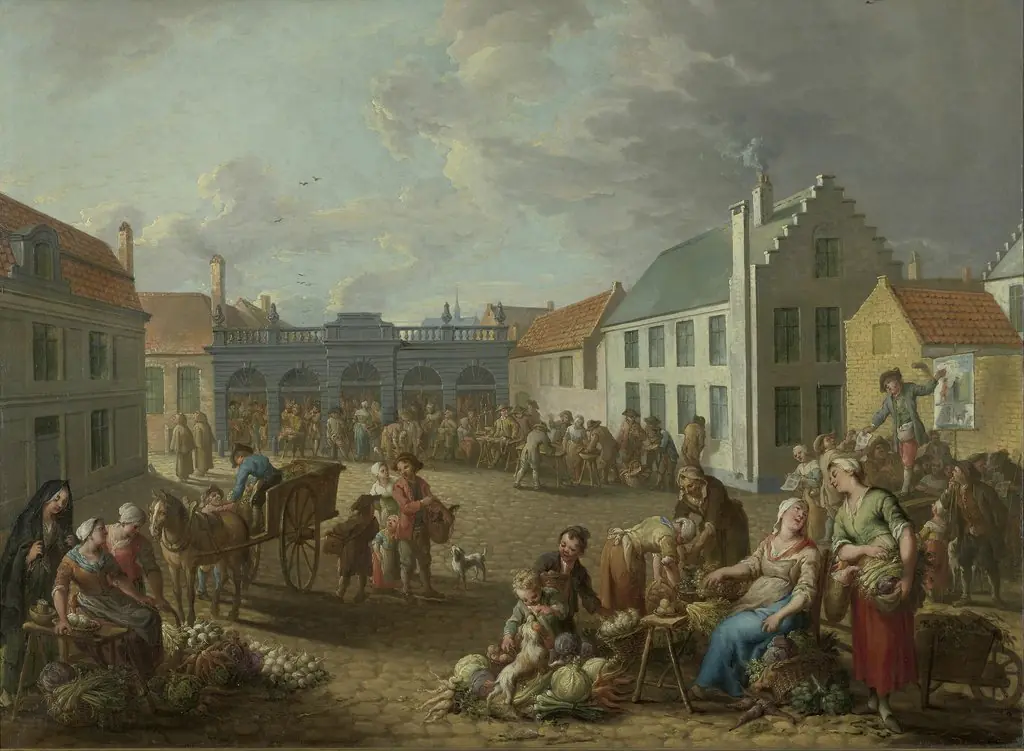 Pandreitje street in Bruges
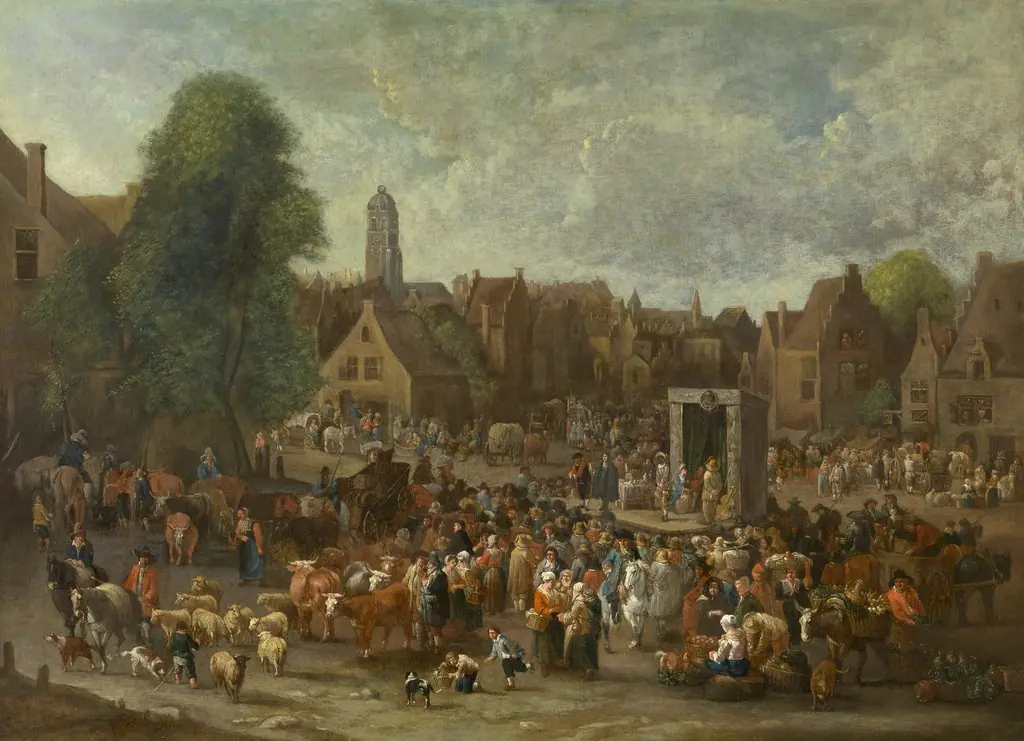 Theatre on the Marketplace
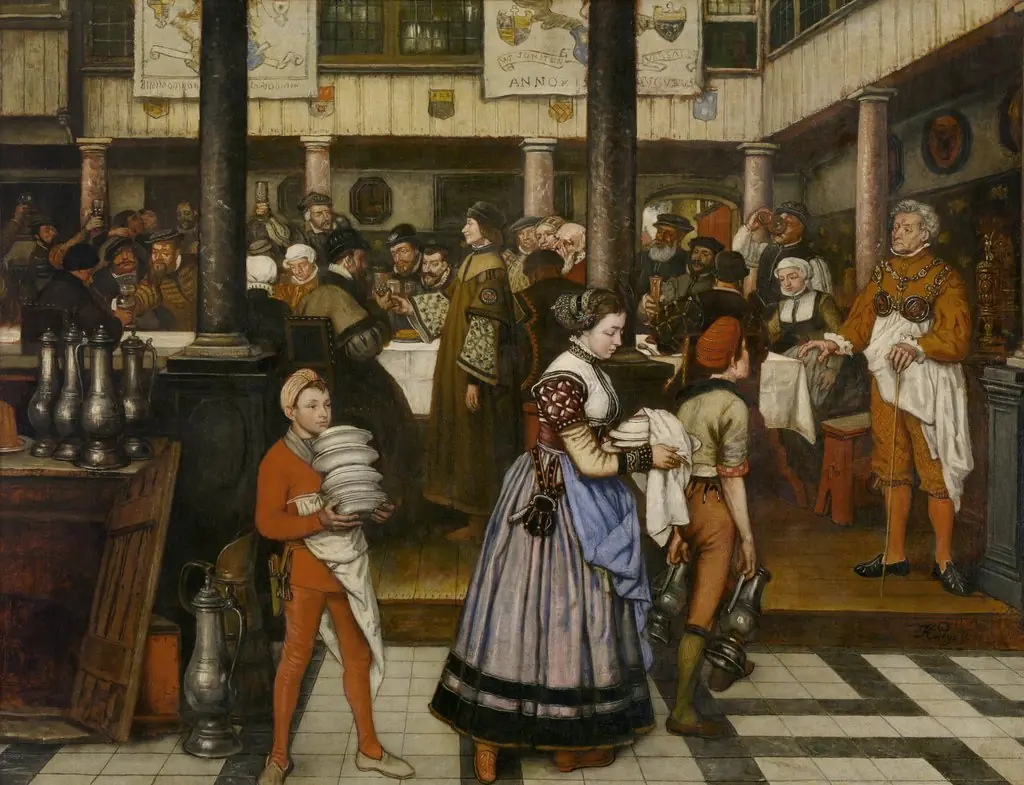 Frans Floris Attending a Banquet of the Guild of Saint Luke
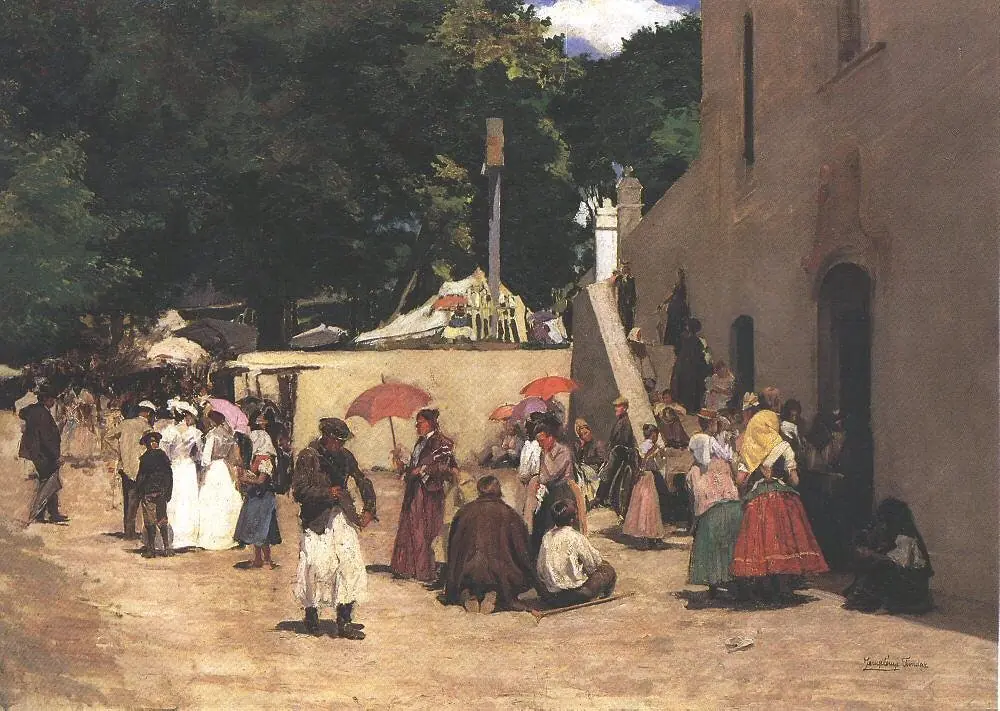 Holiday
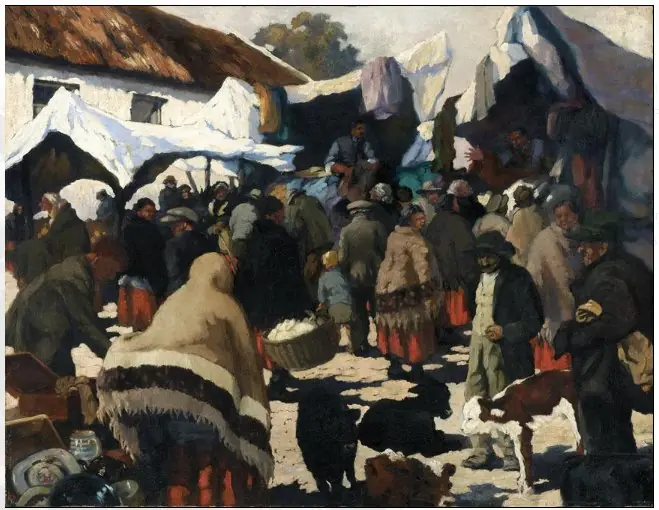 Fashions at the Fair
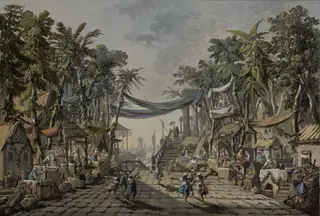 Market Scene in an Imaginary Oriental Port
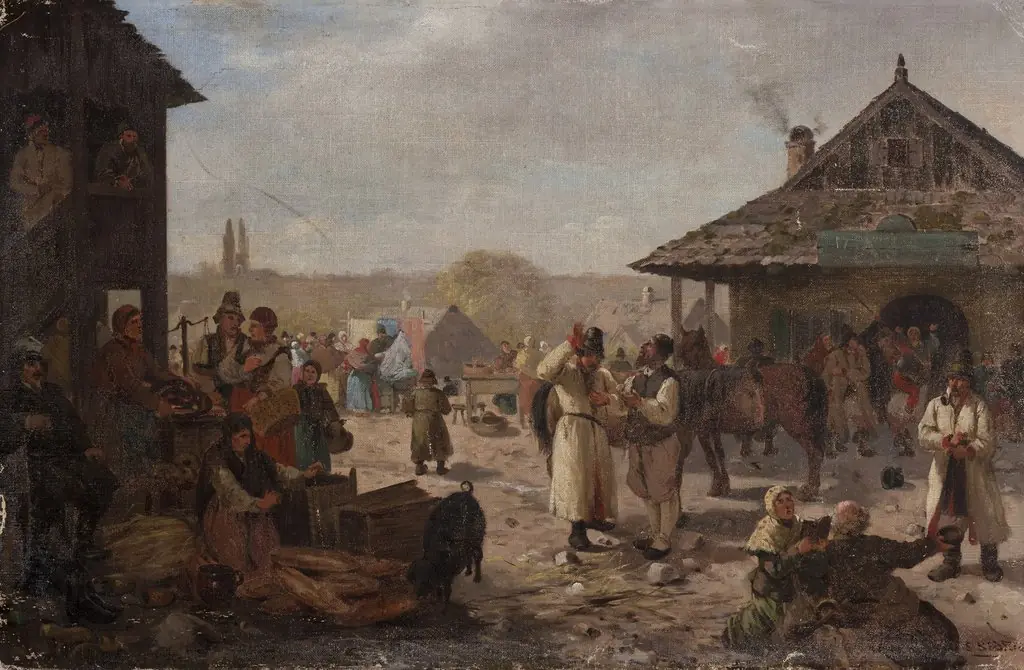 Fair in a Small Town
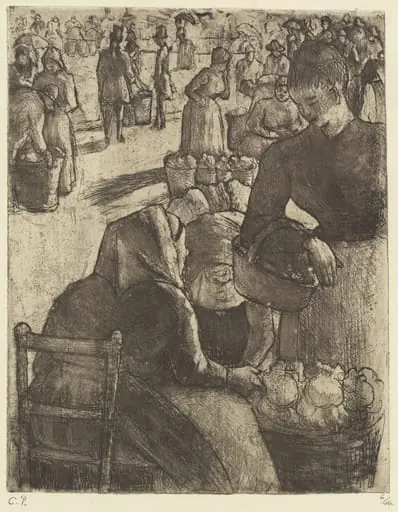 Vegetable Market at Pontoise (Marché aux légumes á Pontoise)
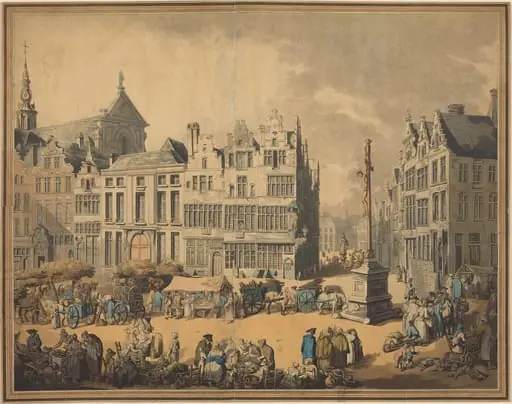 Place de Meir at Antwerp
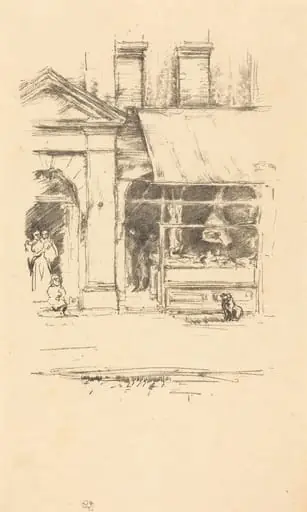 The Butcher's Dog
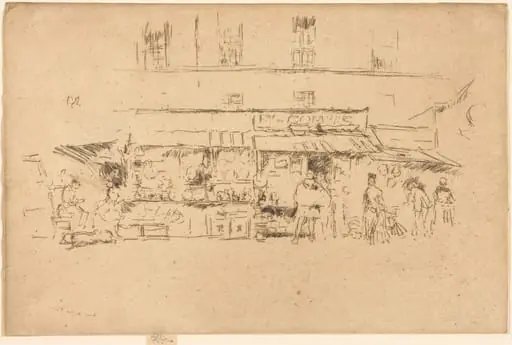 Quai de Montebello
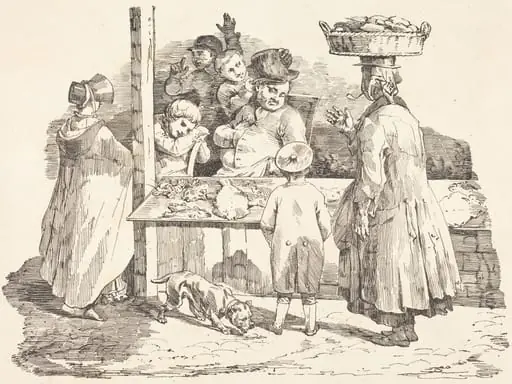 The Dozing Fishmonger (Le marchand de poissons endormie)
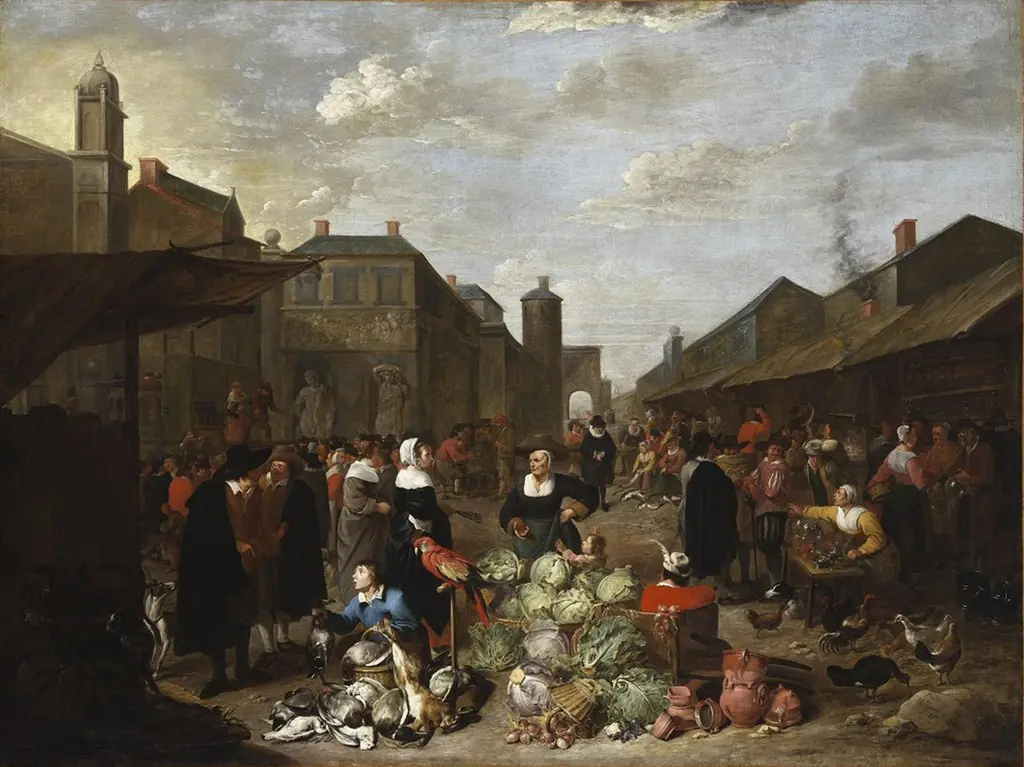 Town Market
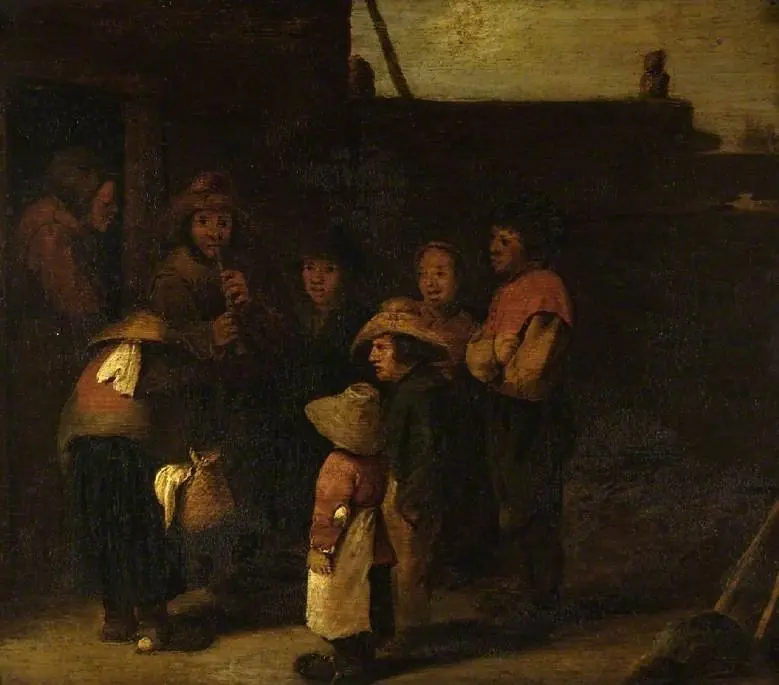 Village scene with figures
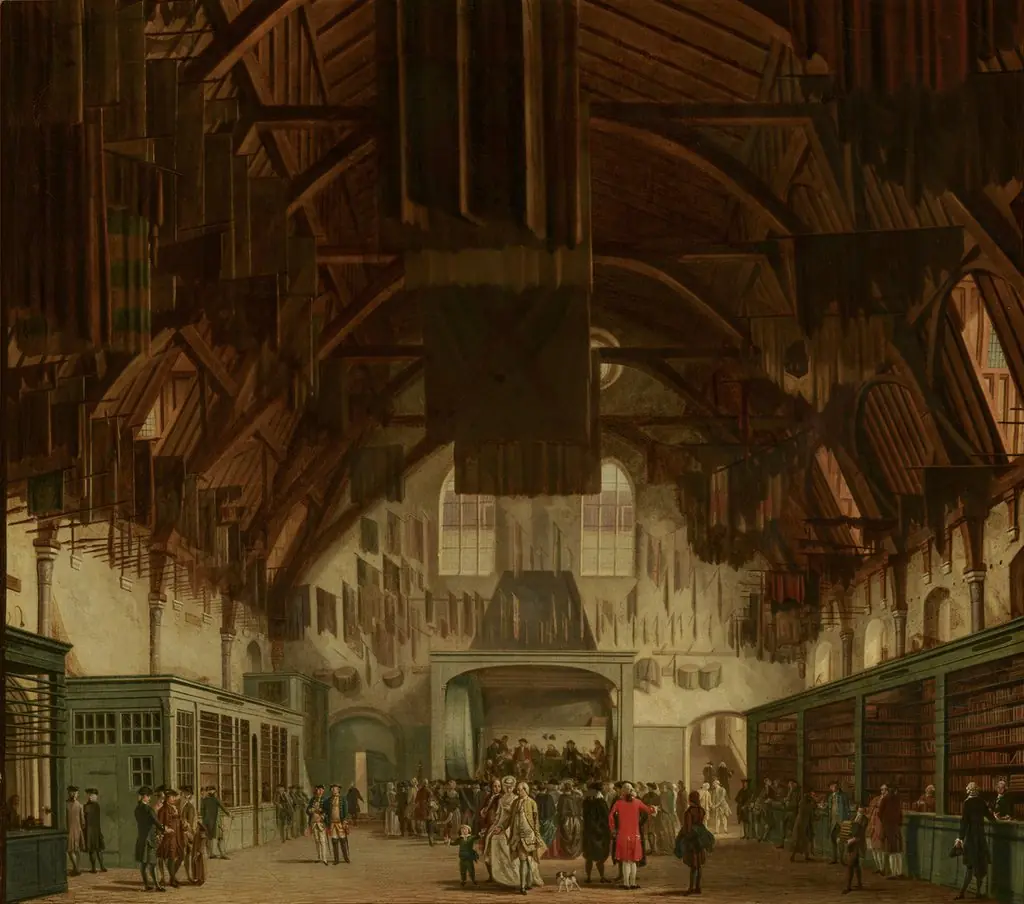 The Main Hall of the Binnenhof in The Hague, with the State Lottery Office
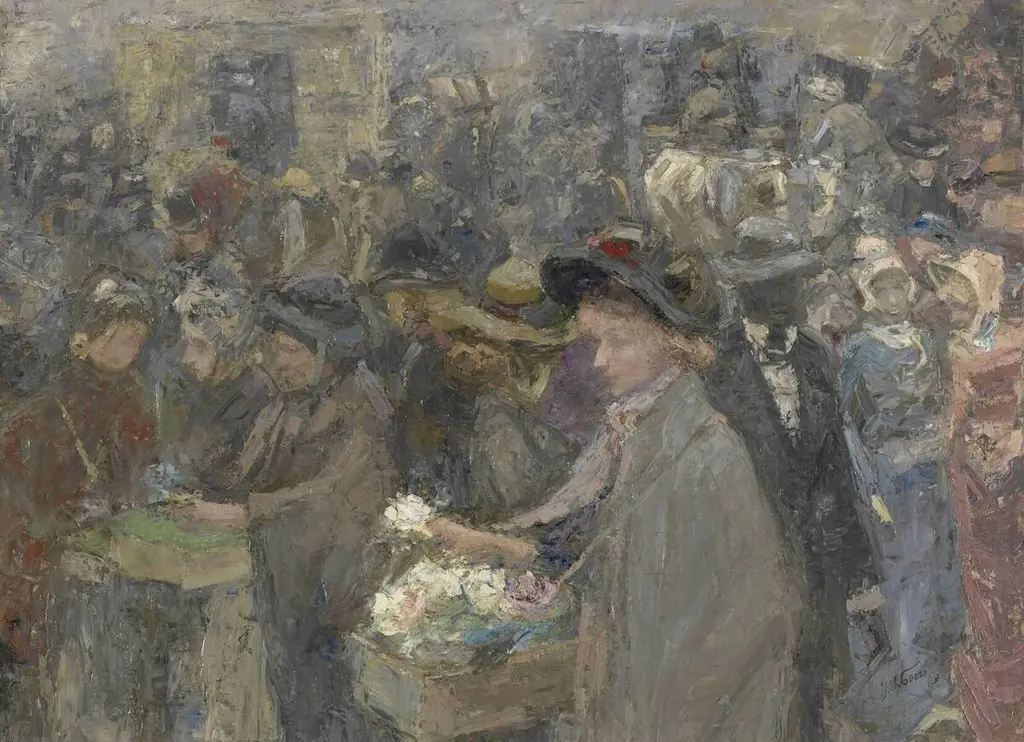 Bloemenmarkt in Londen
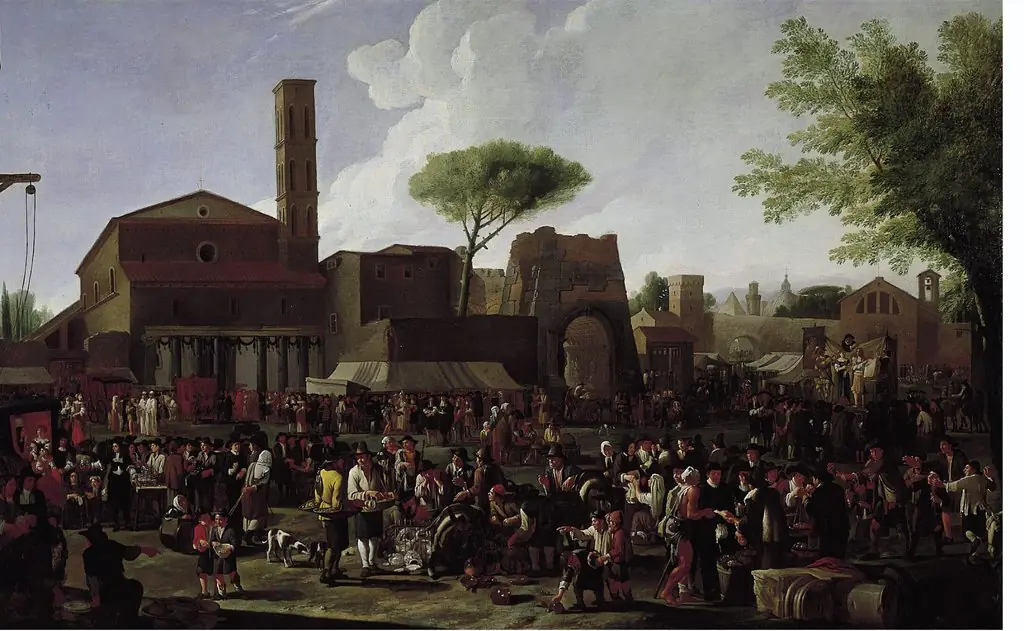 Roman Market
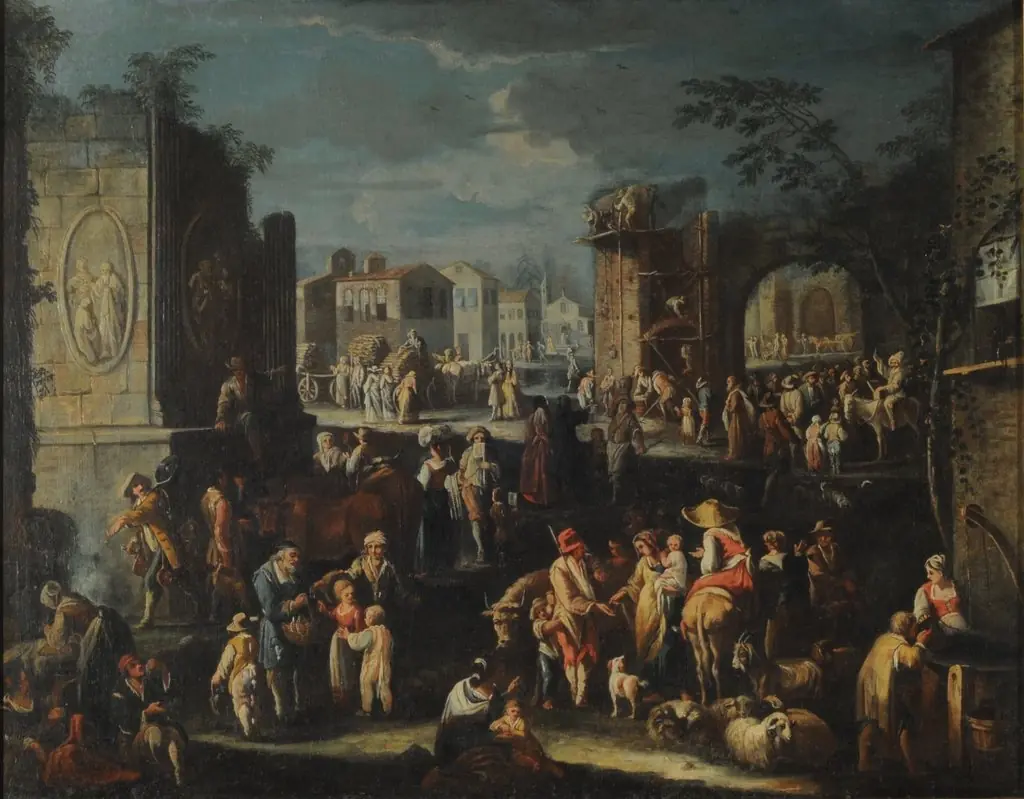 Ferias italianas. (Tit. Ant.: Costumbres genovesas del año 1652)
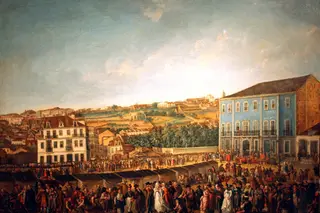 Praça da Alegria
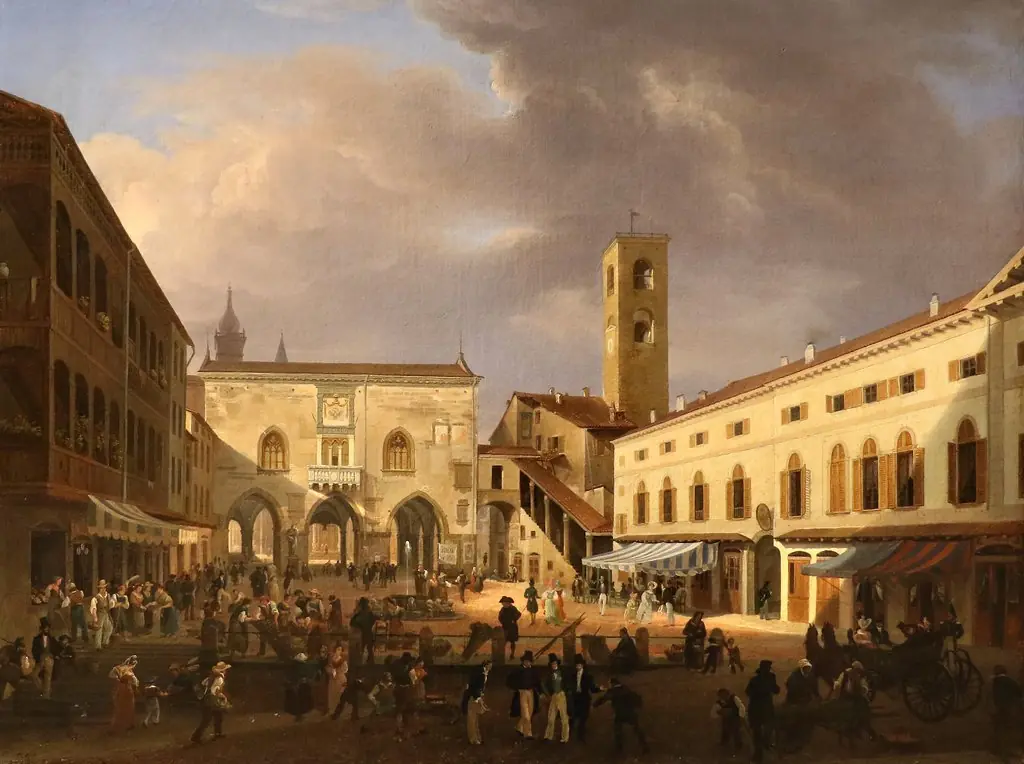 Piazza grande in Bergamo Alta
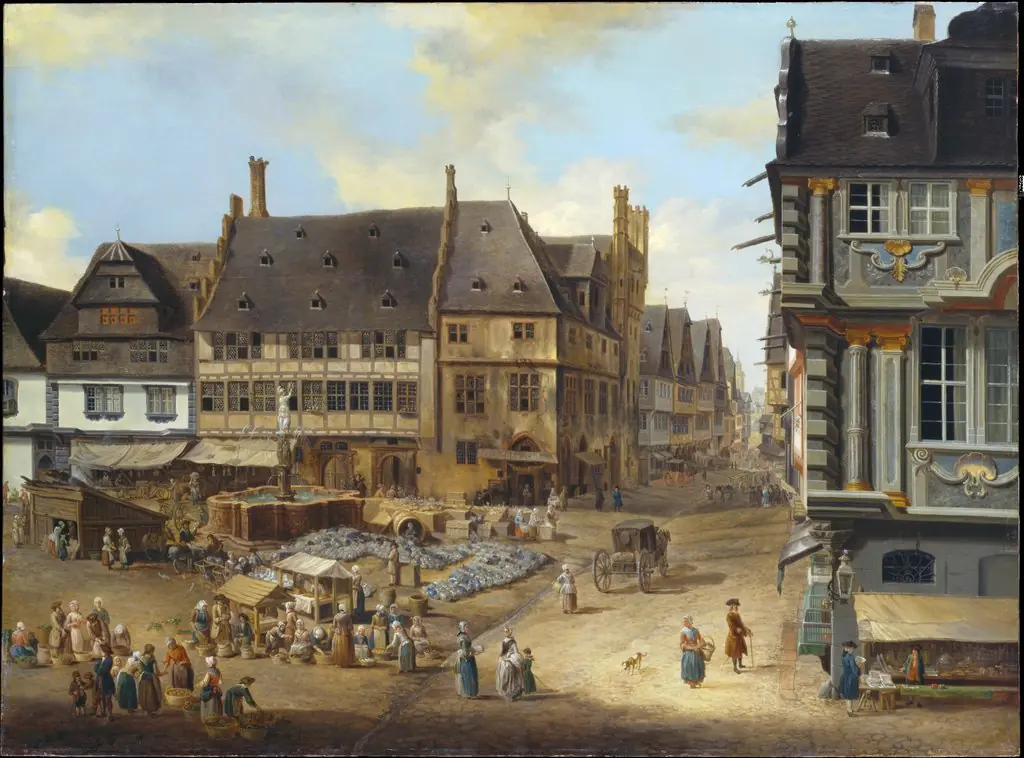 The Liebfrauenberg in Frankfurt
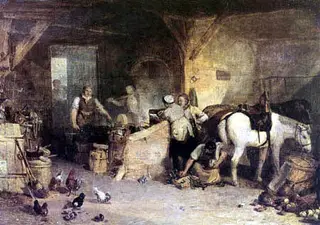 Depiction of blacksmith debating price of iron.
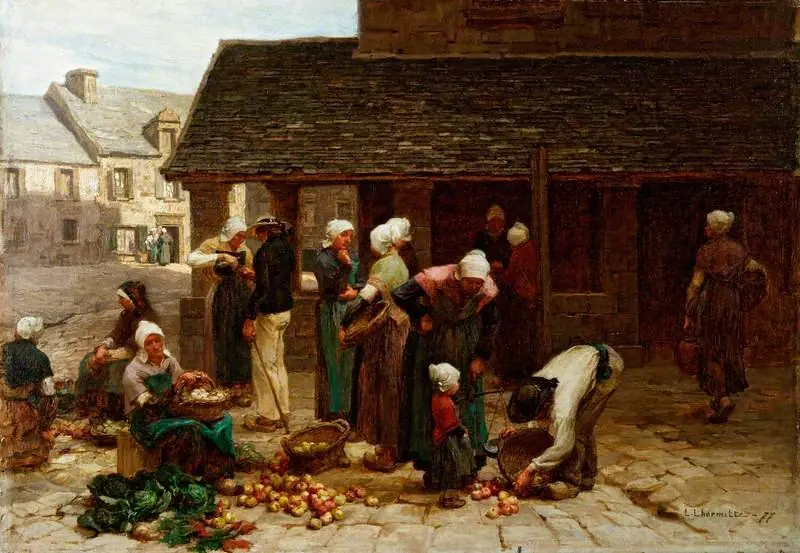 The Market Place of Ploudalmézeau, Brittany
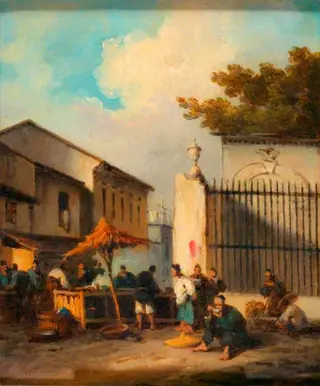 Chinese Street Scene with Figures
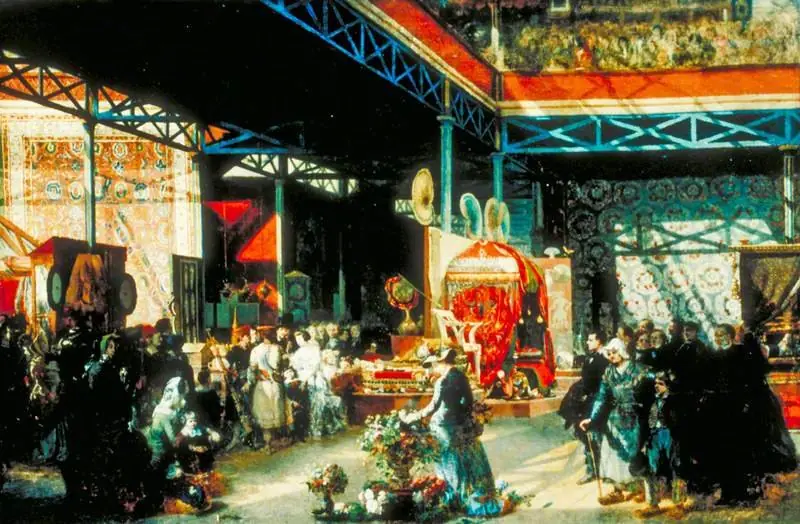 Queen Victoria, Prince Albert and Three of Their Children at the Indian Pavilion of the Great Exhibition
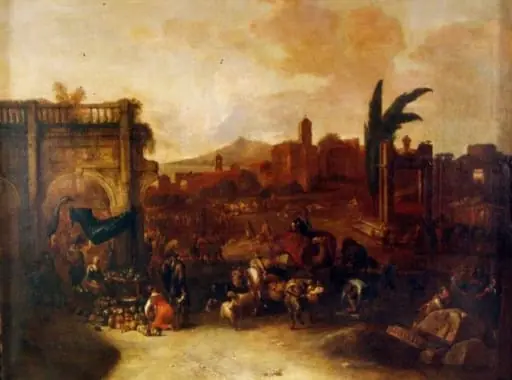 Zi de târg într-un oraș italian
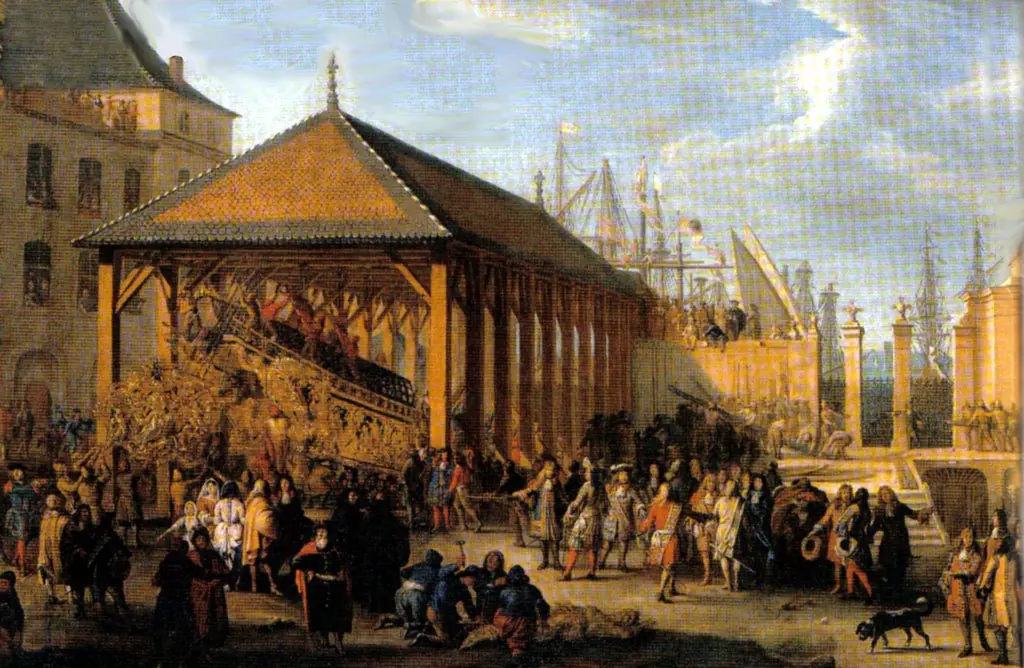 Le Marquis de Seignelay et le duc de Vivonne visitent la galère Réal dans l'arsenal de Marseille vers 1677.
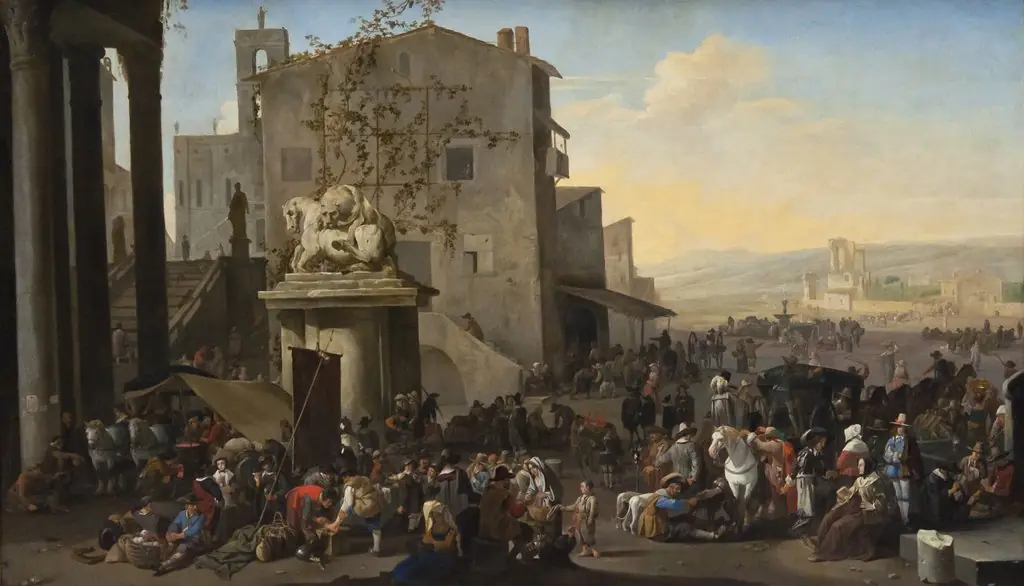 Campo Vaccino in Rome
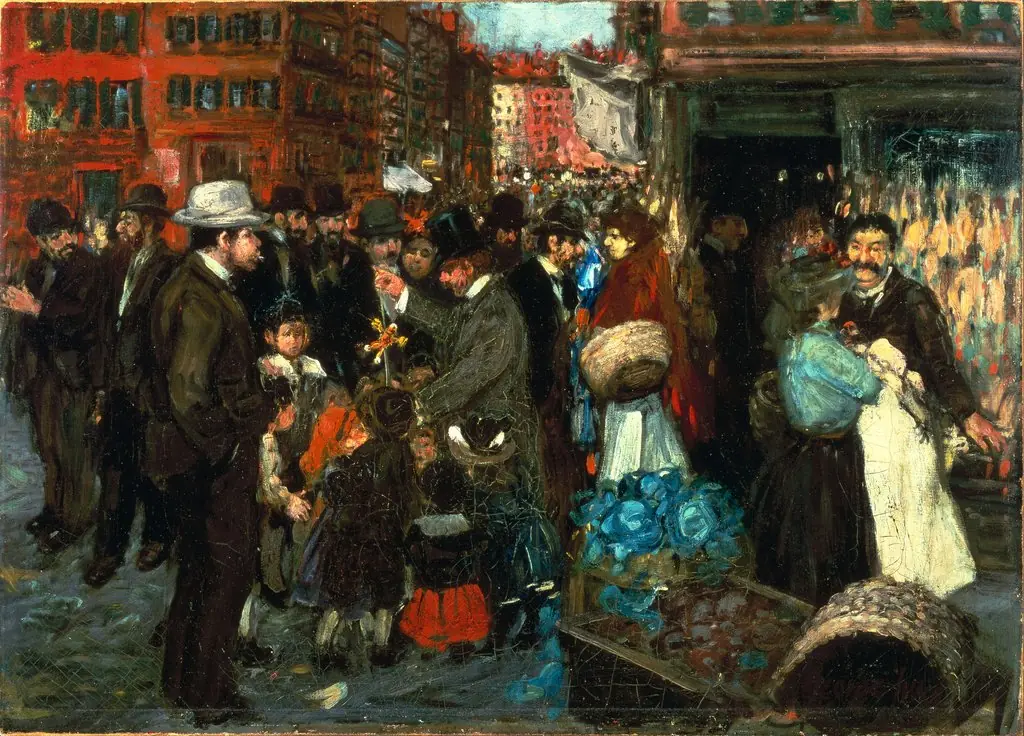 Street Scene (Hester Street)
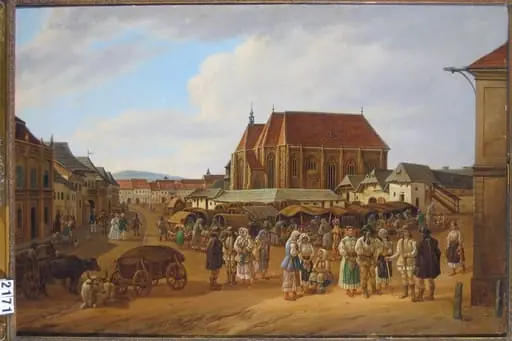 Biserica din Piața Mare din Cluj
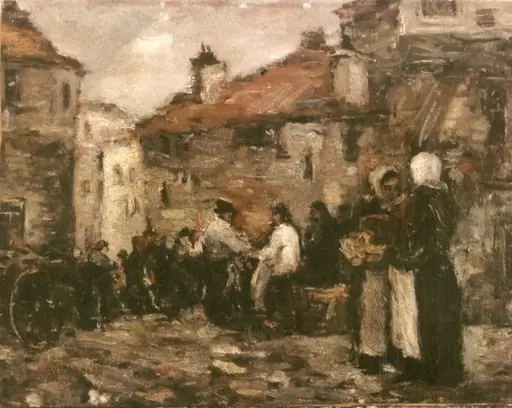 Târg
Târg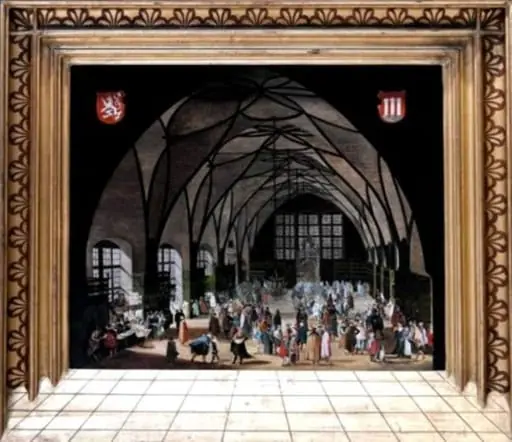 Sala Vladislav din Castelul Hradčani
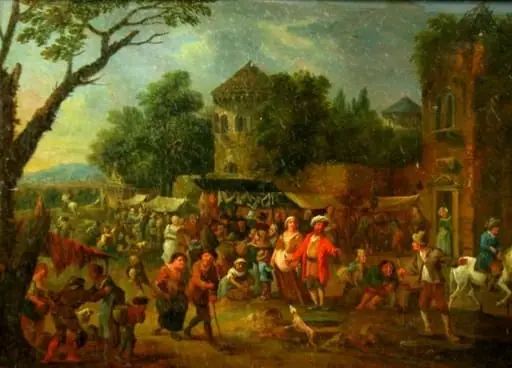 Scenă de târg (Iarmarocul)
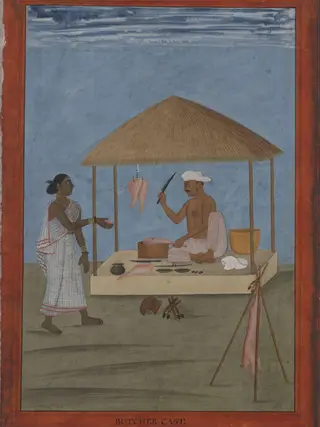 A butcher and his wife
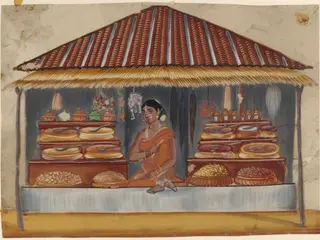 One of ten drawings of shops.
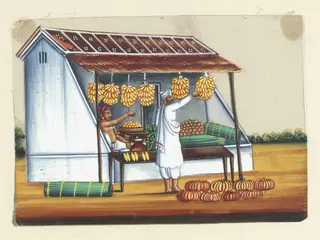 One of eight paintings of occupations and ceremonies.
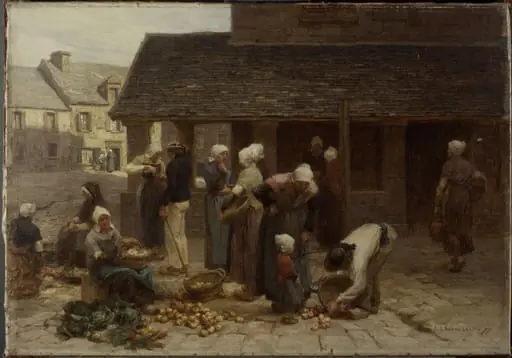 The Market Place of Ploudalmézeau, Brittany
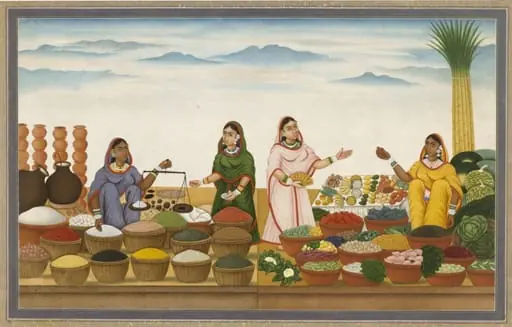 Untitled
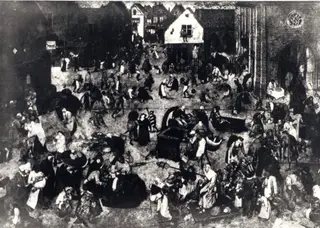 The Fight Between Carnival and Lent.
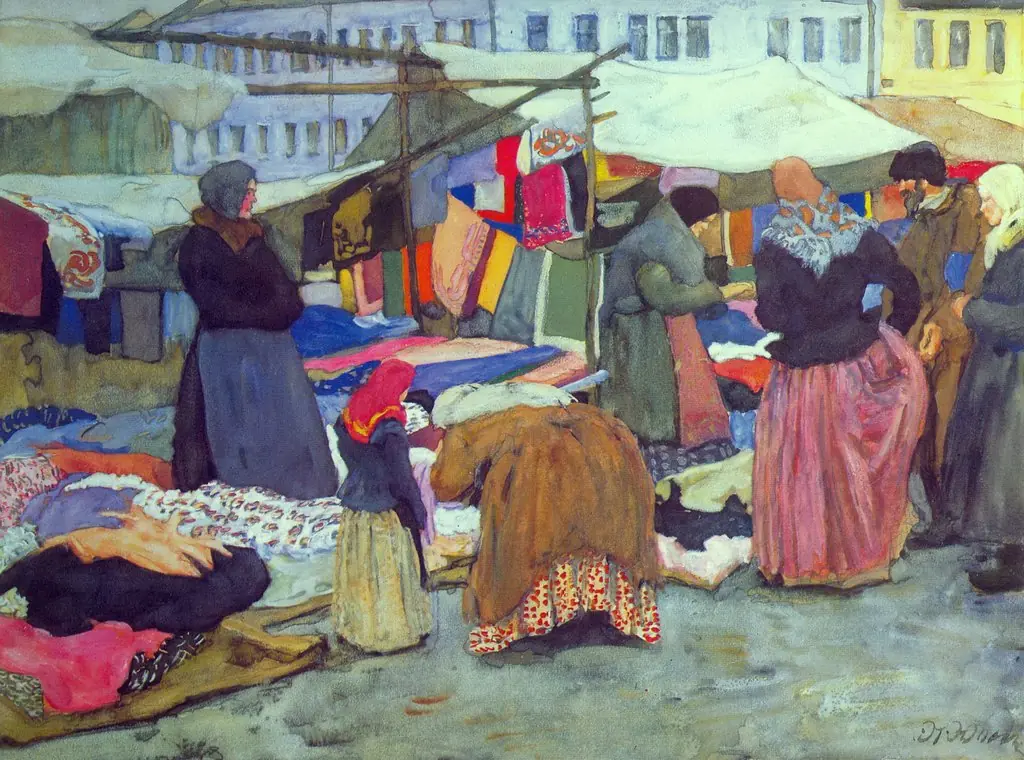 Soft goods. Rostov the Great
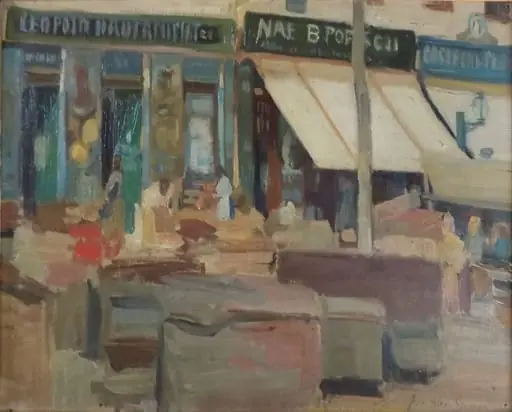 Piața Mare
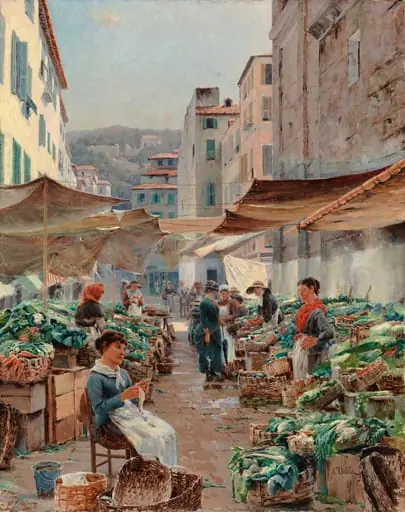 Nizzan vihannestori (Vanha tori)
 Piață la Veneția
 Piață în Balcic
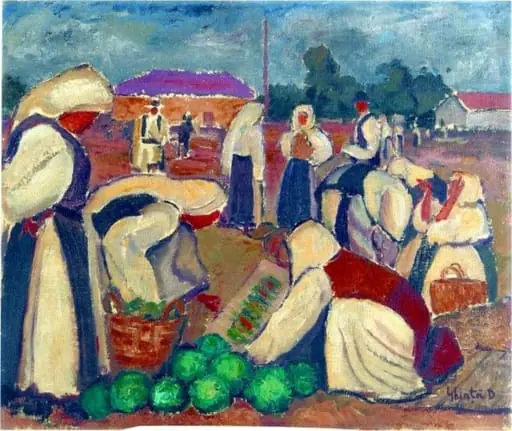 Târg oltenesc
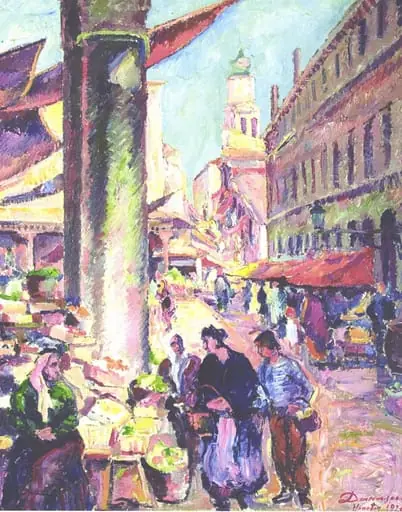 Veneția
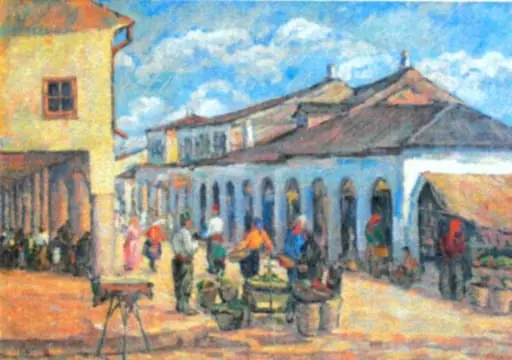 Peisaj din Tulcea
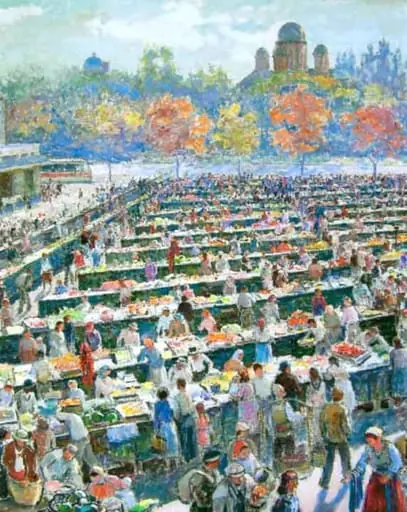 Piața Națiunii
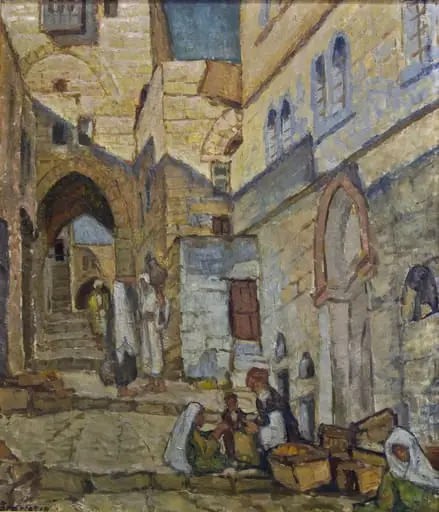 Tiberiada
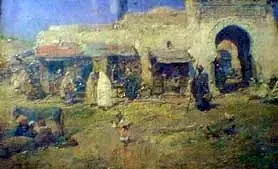 El zoco
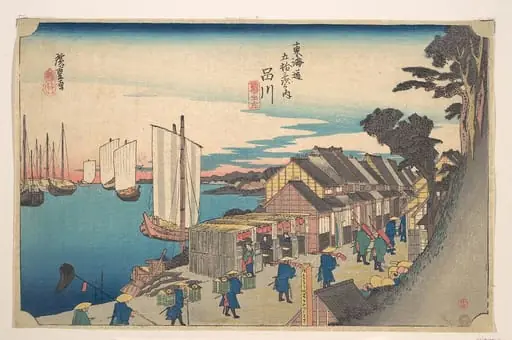 東海道五十三次之内 品川 諸侯出立|Shinagawa; Shoko Detachi
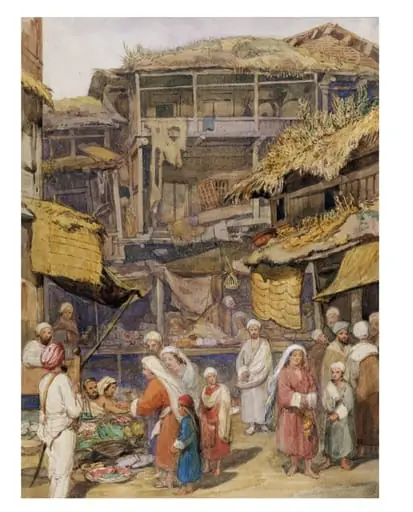 Street in Srinagar
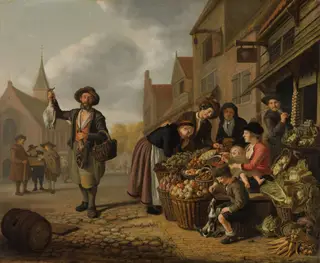 The Greengrocer's Shop De Buyskool
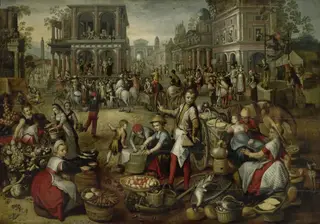 Marketplace, with the Flagellation, the Ecce Homo and the Bearing of the Cross in the background
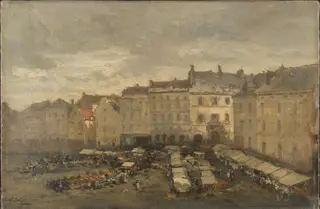 The Grote Zavel (Grand Sablon), Brussels
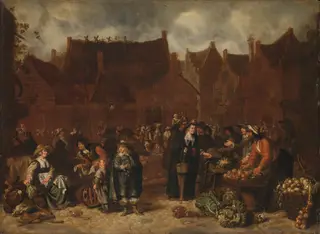 Vegetable Market
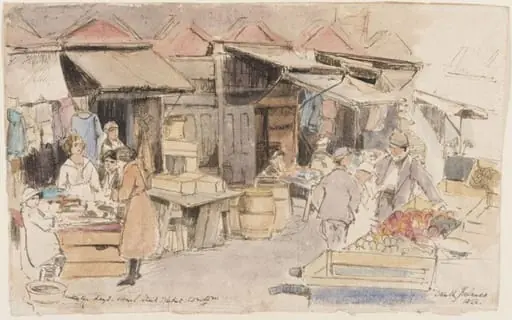 Winter days, Hessel Street Market, London
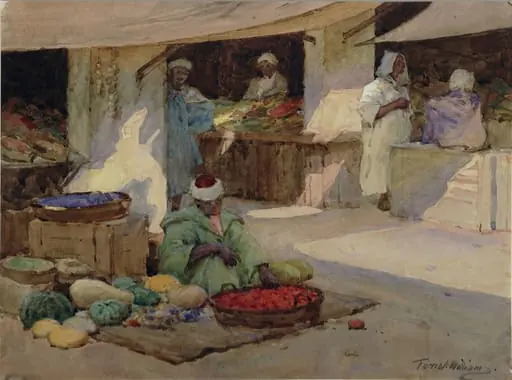 The Fruit Market, Tangier
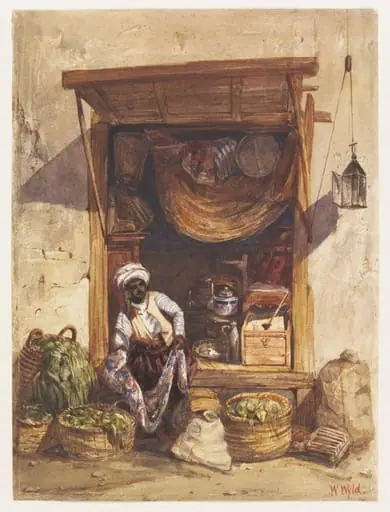 Marchand de Legumes à Alger
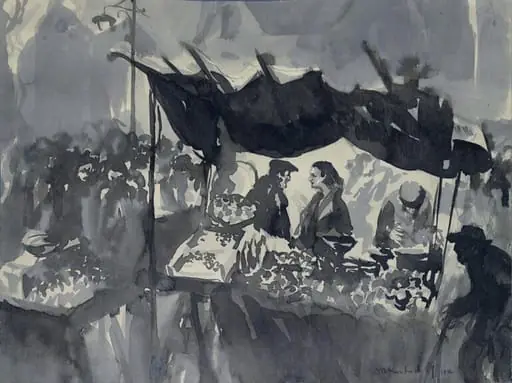 Market at Kingsland Road
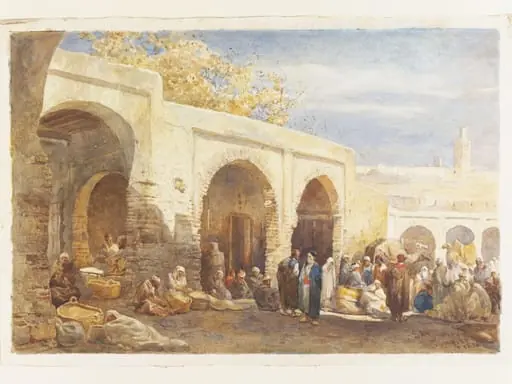 The Corn Market, Tangier
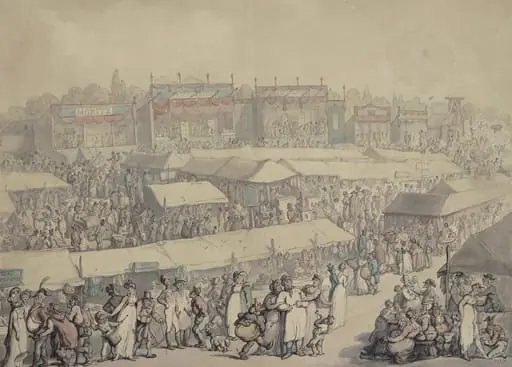 Brook Green Fair
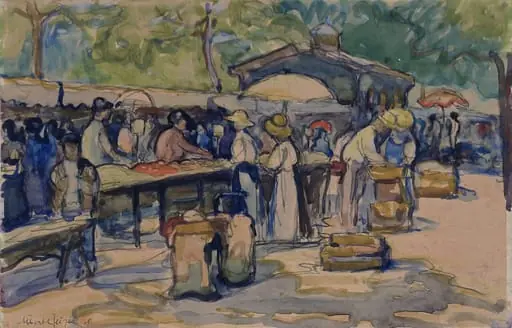 Market Stalls
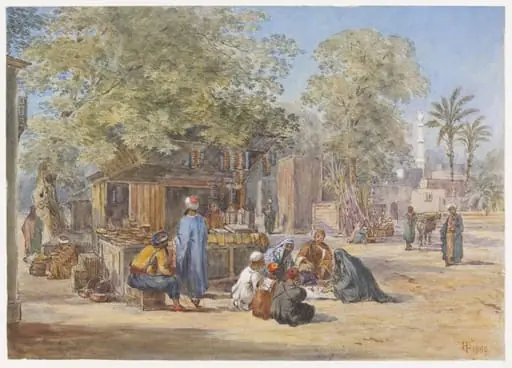 Egyptian Village Scene
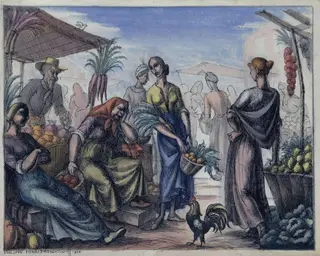 The Fruit Market
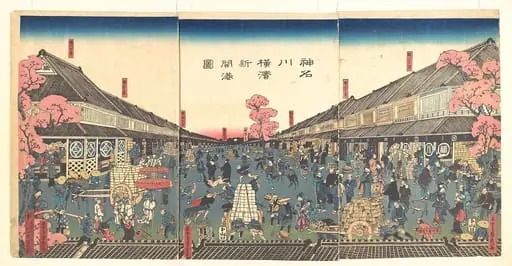 歌川五雲亭貞秀画 『神名川横浜新開港圖』|The Newly Opened Port of Yokohama in Kanagawa Prefecture (Kanagawa Yokohama shinkaikōzu)
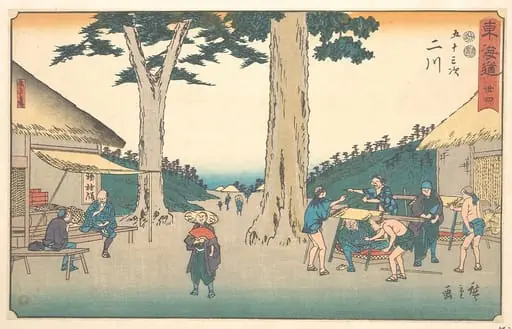 東海道五十三次 二川 猿ヶ馬場|Futagawa
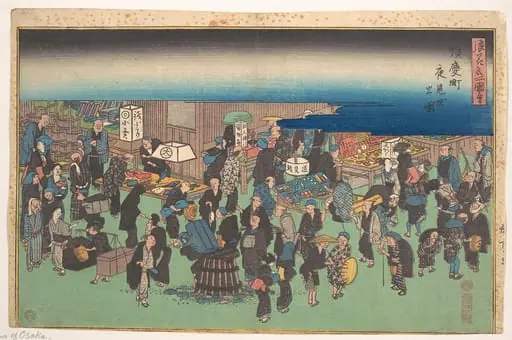 浪花名所図会 順慶町夜見世の図|Junkei machi Yomise no Zu
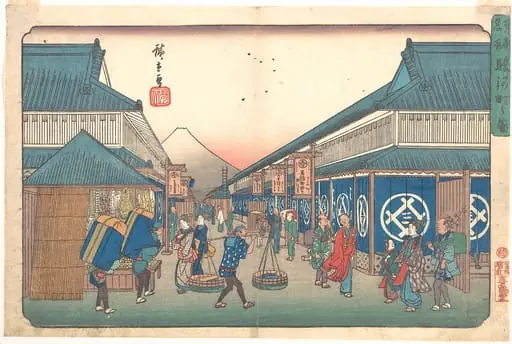 東都名所 駿河町の図|Suruga Street
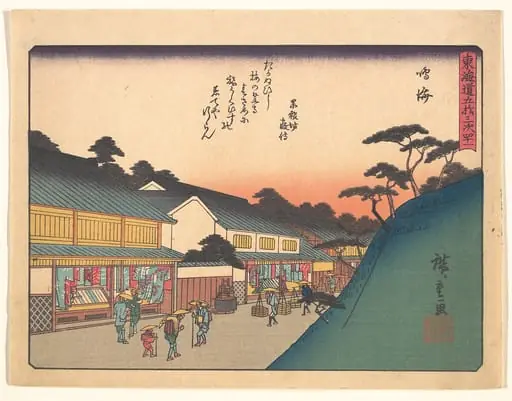 東海道五十三次 鳴海|Narumi, from the series The Fifty-three Stations of the Tōkaidō Road
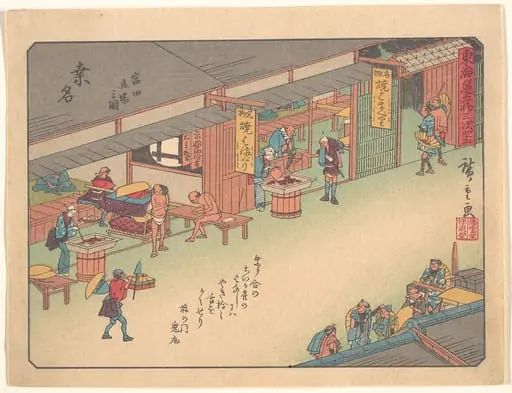 東海道五十三次 桑名|Kuwana, from the series The Fifty-three Stations of the Tōkaidō Road
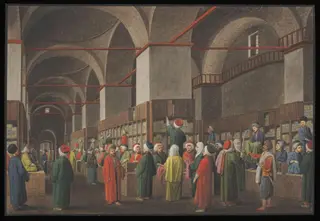 Sandal Bedesteni, or Silk Bazaar
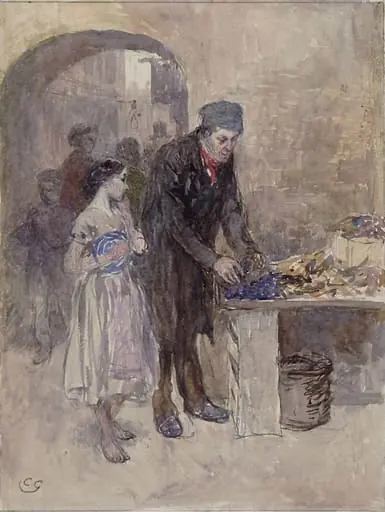 The Street Seller
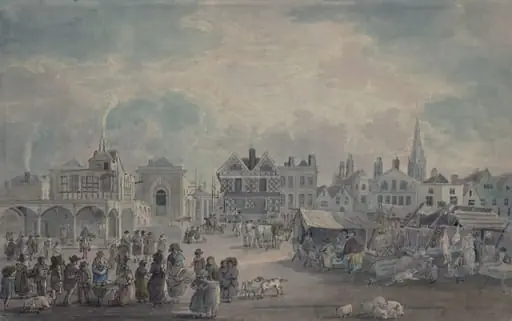 The Market Place, Salisbury
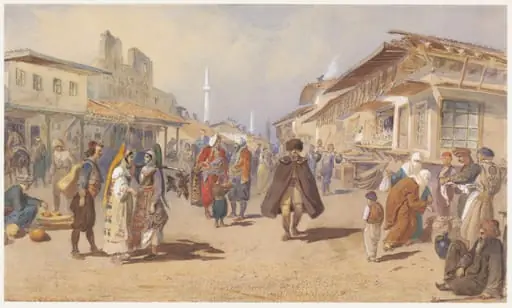 Vue de Belgrad la ruine du Prince Eugene
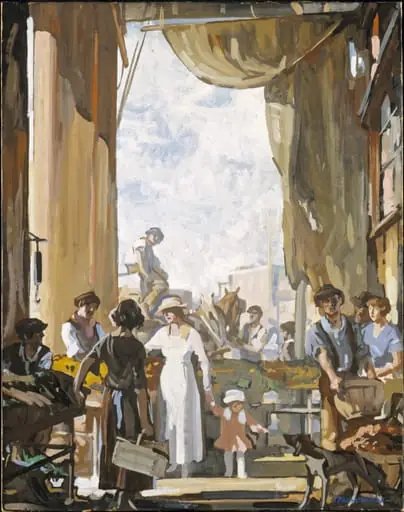 The Old Market, Cleveland
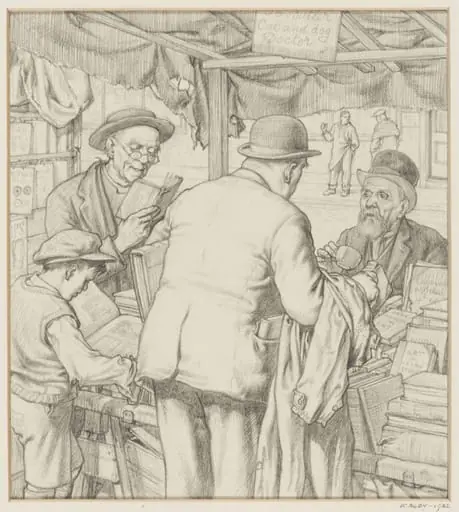 Gleaners
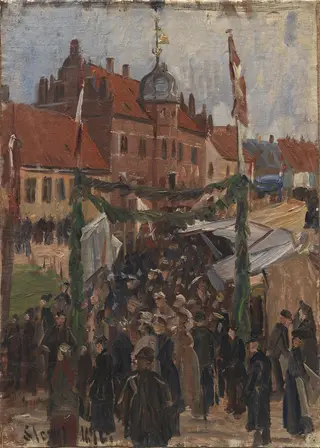 Marked på Stege Torv
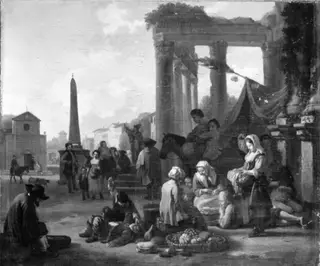 Market Place in Rome
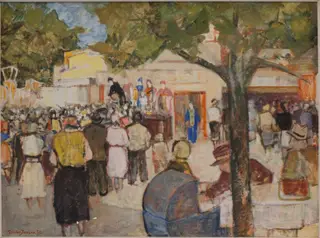 Resort in the Deerpark
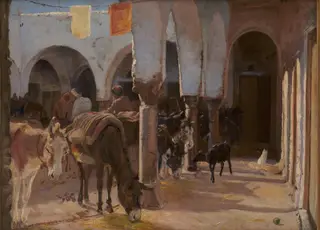 A Donkey House in Tunis
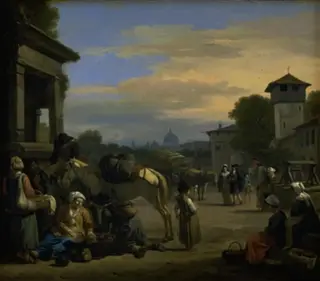 Street Scene in Rome
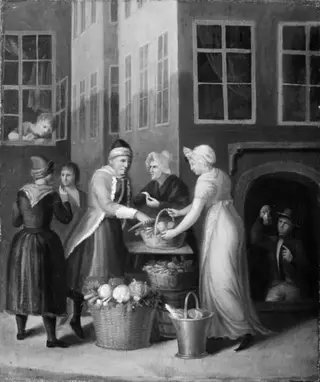 Gadescene i København ved år 1800. En pige gør indkøb af grøntsager hos Amagerkonen
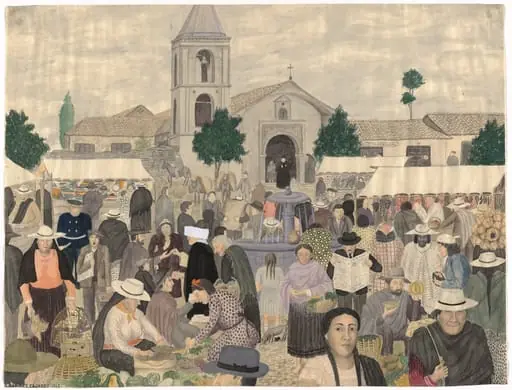 Untitled
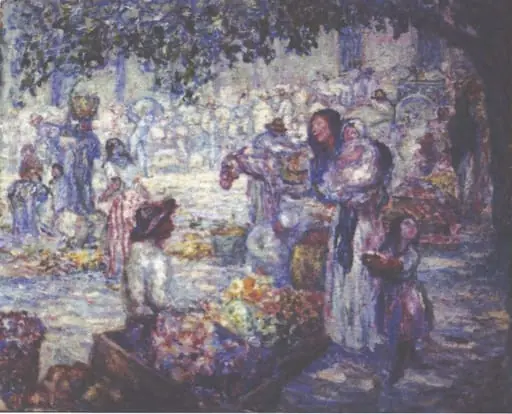 Piață din Caracas
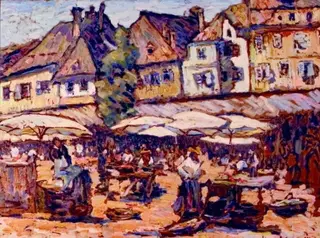 Piața din Sibiu
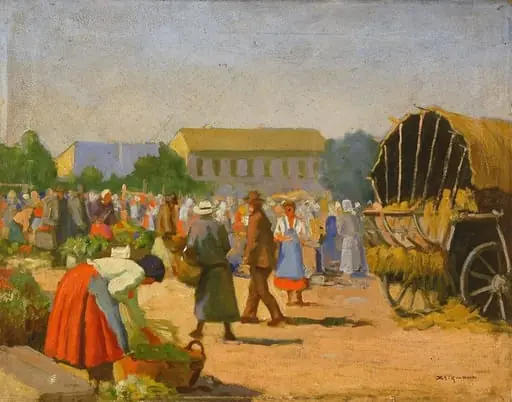 La târg (Piață din Oradea)
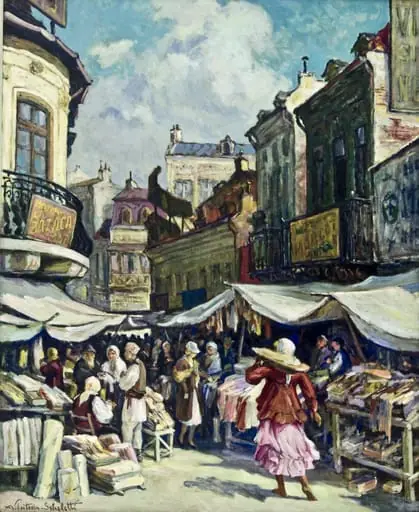 Hanul/Pasajul Bazaca, din ciclul „Bucureștiul pitoresc”
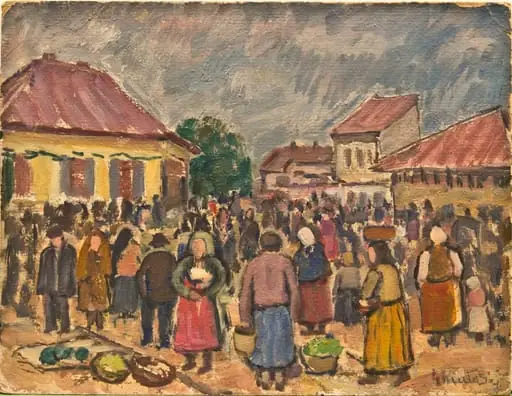 Piață din Turnu Severin
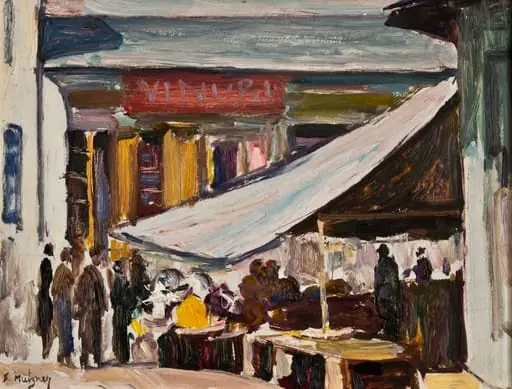 Bazar
Bazar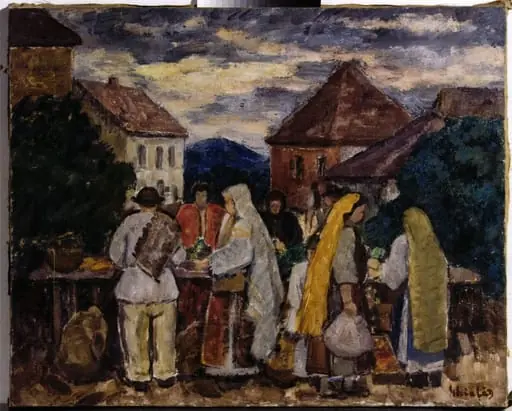 Târg (În piață la TG Hurez)
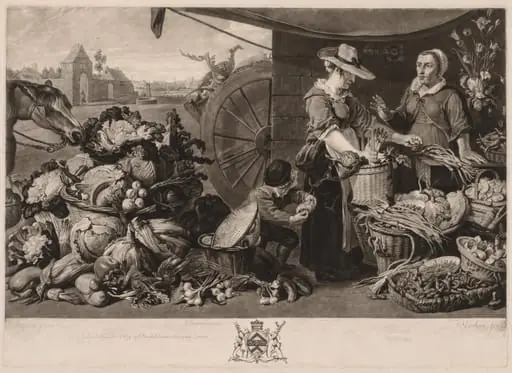 The Four Markets: The Vegetable Market
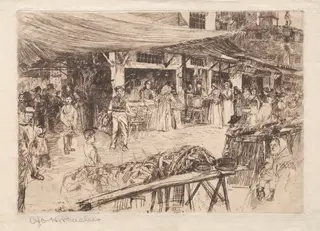 Old Market, Florence
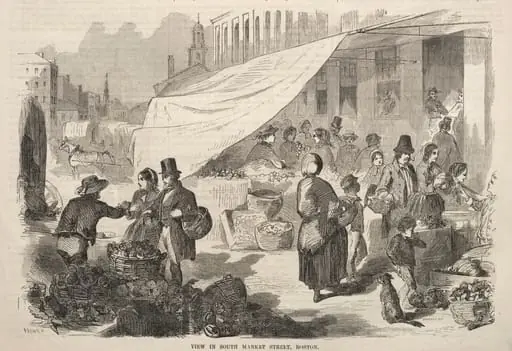 View in South Market Street, Boston
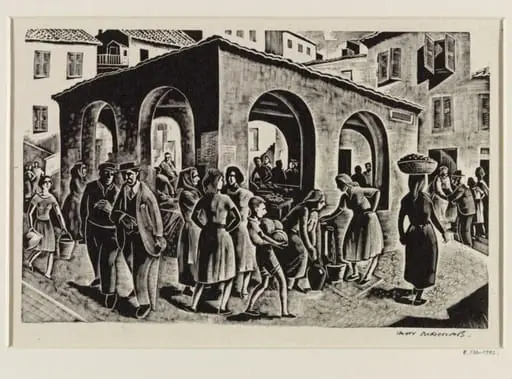 Le Marché
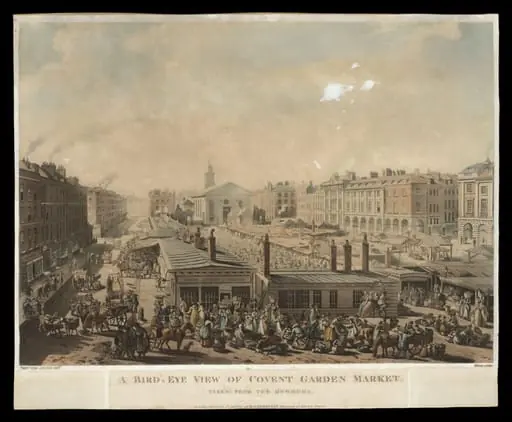 H Beard Print Collection
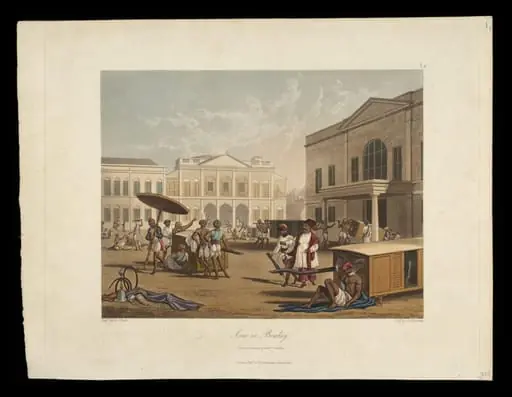 H Beard Print Collection
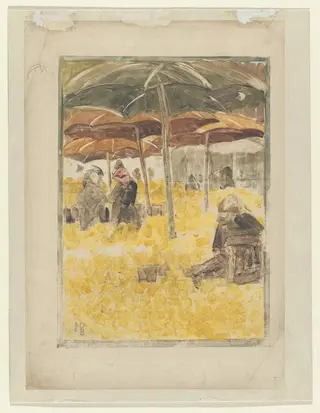 Untitled
Frequently asked questions
What is Market?
Market is a subject in art. In economics, a market is a composition of systems, institutions, procedures, social relations or infrastructures whereby parties engage in exchange.
How many Market works does Artifact World Gallery have?
Artifact World Gallery holds 189 public-domain Market works, all free to view and download.
Who are the key Market artists?
Key Market artists in the collection include Camille Pissarro, Joseph Mallord William Turner and David Teniers the Younger.
Where can I see Market works?
Market works in the collection are held by Victoria and Albert Museum, Rijksmuseum and Metropolitan Museum of Art.