Artwork
The Hawthorn Horse, Oakham, Rutlandshire
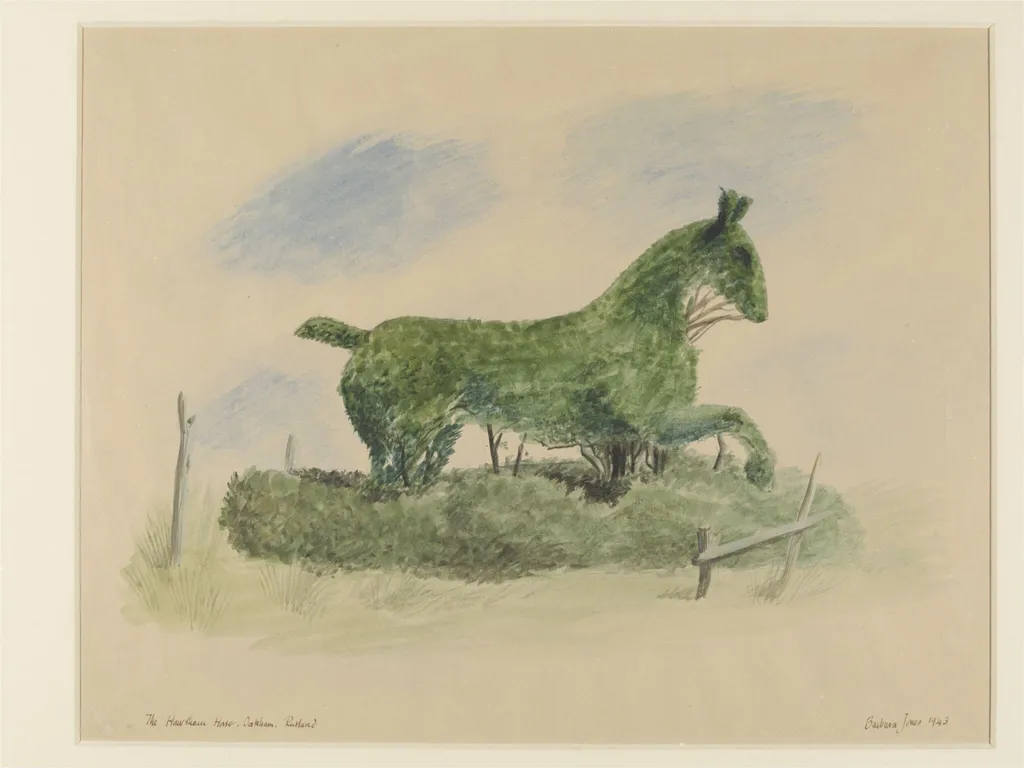
The Hawthorn Horse, Oakham, Rutlandshire is a watercolor work on paper by Barbara Jones. It dates from 1943 and is held in the collection of the Victoria and Albert Museum.
About this work
The title mentions a place called Oakham, but you can’t see any buildings or landmarks here.
This painting shows a single horse standing on a grassy hill. The horse is dark green with a lighter mane, and it faces left. In the background, there’s a fence with a few posts and some small bushes. The sky is light blue with soft, wavy strokes.
The artist signed it in the corner with the year 1943. The title mentions a place called Oakham, but you can’t see any buildings or landmarks here.
If you like this style, look up Victoria and Albert Museum to see more works like it.
Overview
Painted in 1943, this watercolour by Barbara Jones captures a topiary horse formed from hawthorn shrubs in Oakham, Rutlandshire. Created as part of the 'Recording Britain' project, the work reflects a wartime effort to preserve visual records of England’s rural heritage. The composition isolates the sculpted animal against a quiet landscape, emphasizing texture and form over context or narrative.
Subject & Meaning
The subject is a hawthorn topiary shaped as a horse, a traditional rural ornament now fading from common practice. Its solitary presence on a grassy slope suggests both endurance and obsolescence. The absence of buildings or landmarks shifts focus to the sculpture itself, inviting contemplation of craftsmanship and the quiet loss of vernacular traditions amid wartime disruption.
Technique & Style
Jones employs delicate watercolour washes to render the green topiary with subtle tonal variations, suggesting the texture of clipped foliage. The mane is lightly highlighted with pale strokes, contrasting the darker body. The background features soft, loose brushwork for the sky and sparse foliage, creating a sense of air and distance. The signature and date are placed unobtrusively, consistent with the project’s documentary aim.
History & Provenance
Commissioned by the 'Recording Britain' initiative, this work entered the Victoria and Albert Museum’s collection alongside over 1,500 other pieces by 97 artists. The project, directed by Sir Kenneth Clark, sought to archive at-risk elements of the English countryside during the Second World War. Jones’s watercolour remains part of this curated archive, preserved as a record of a specific time and place.
Context
During the war, many rural landscapes and traditional crafts faced decline due to neglect, development, or destruction. 'Recording Britain' responded by commissioning artists to document these elements before they vanished. Jones’s focus on a single topiary animal reflects the project’s interest in modest, overlooked features of the English countryside rather than grand monuments.
Legacy
The painting endures as part of a significant wartime cultural archive, offering insight into how artists interpreted quiet, everyday rural forms. Its preservation in the Victoria and Albert Museum ensures continued access to this perspective on England’s landscape during a period of national upheaval. The work contributes to broader understanding of how art documented social and environmental change.
Artist & collection
Artist
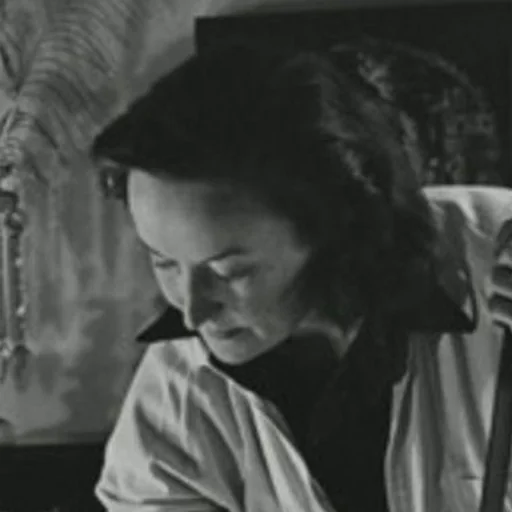
Barbara Mildred Jones (25 December 1912 – 28 August 1978) was an English artist, writer and mural painter. She is known for curating the exhibition Black Eyes and Lemonade (1951) and her book The Unsophisticated Arts (1951).

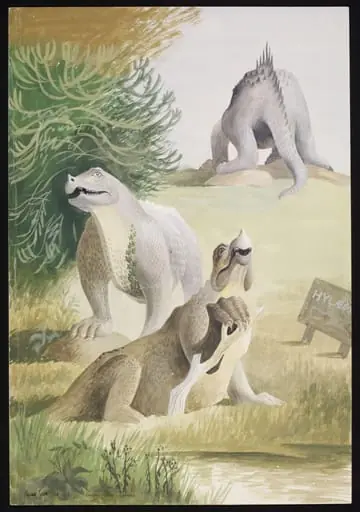 Crystal Palace Gardens, Sydenham, Kent
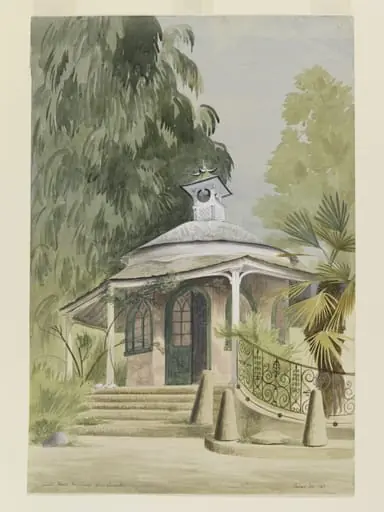 Summer House, Marlborough House, Falmouth
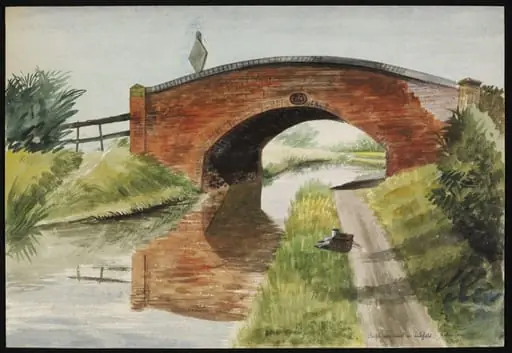 Bridge over Canal, near Litchfield
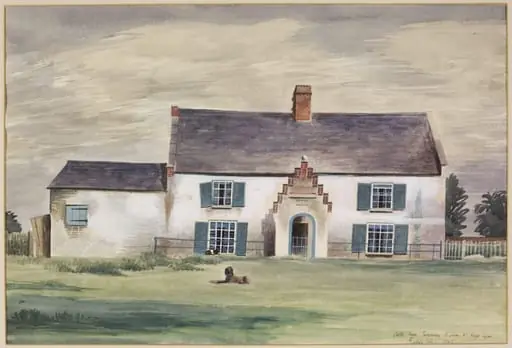 Castle Farm, Terrington St John, near King's Lynn
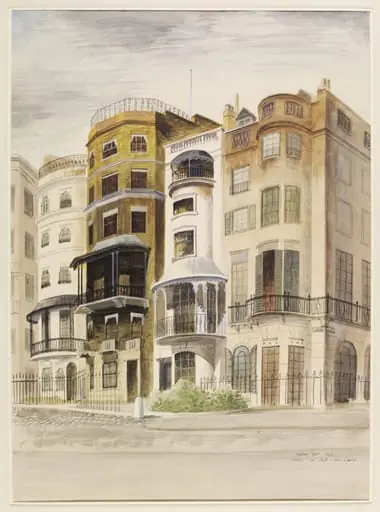 93 to 97 Park Lane, W.1.
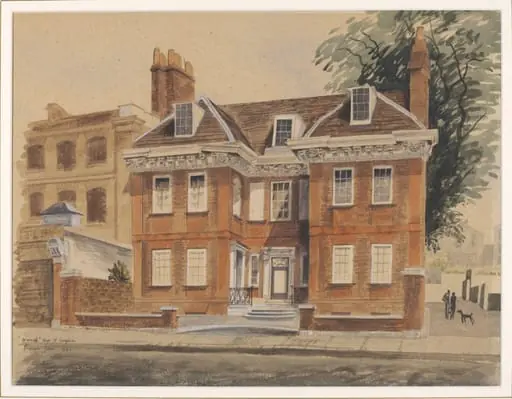 "Wrencote," High Street, Croydon
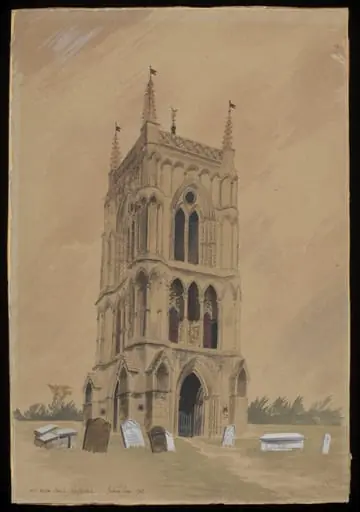 The bell tower, St. Mary's Church, West Walton near Wisbech
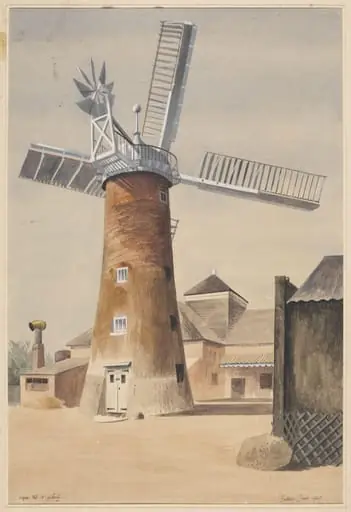 The Mill, Walpole Highway, near Wisbech