
Subject
Fence
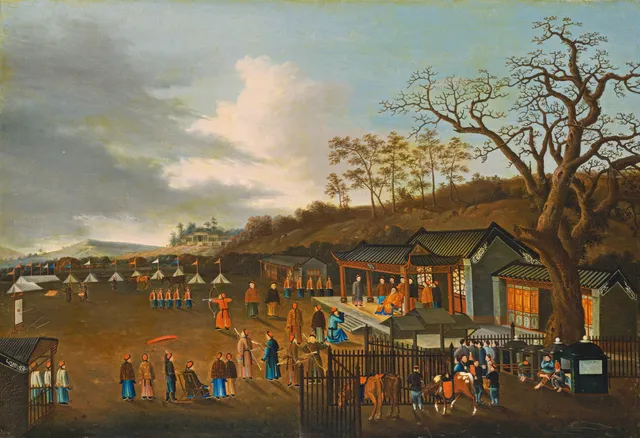
Fence is a subject in art. The gallery holds 51 works in this subject in art, including works by Thomas Cole, Chinese Qing Dynasty and William Sidney Mount.
A fence is a structure that encloses an area, typically outdoors creating a boundary, and is usually constructed from posts that are connected by boards, wire, rails or netting. A fence differs from a wall in not having a solid foundation along its whole length.
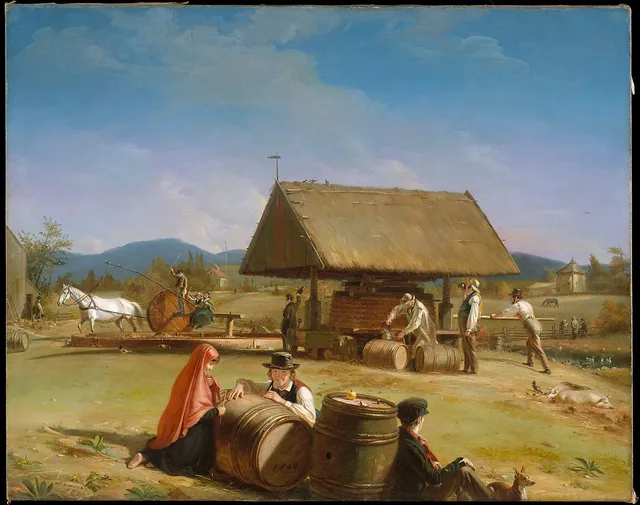
Key artists

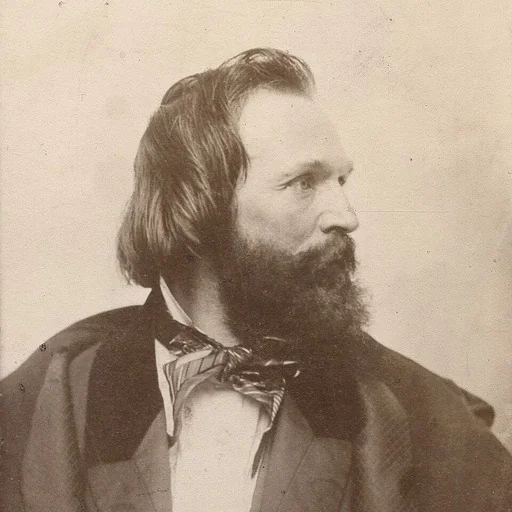

Overview
A fence is a freestanding structure that encloses an area, typically outdoors, creating a boundary between spaces. Unlike a wall, it lacks a solid foundation along its entire length and is usually constructed from posts connected by boards, wire, rails, or netting. Materials range from wood, metal, and wire to wattle, glass, and synthetic compounds. In art, the fence appears as a recurring motif that carries multiple functions: it demarcates property, controls movement, provides protection, and shapes how viewers perceive space and social order. Its ubiquity in painted, drawn, and printed landscapes makes it a significant element for understanding how artists frame human presence within nature and society.
Iconography & meaning
The fence operates iconographically as both a physical barrier and a symbolic threshold. It materializes boundaries between public and private, wild and cultivated, insider and outsider. In agricultural settings, fences control livestock and mark human dominion over land. In residential contexts, they signal privacy, security, and social status. The sociological dimension of fencing extends to expressions of power, property rights, and even trust or distrust in one's neighbors. Some traditions employ fences as spiritual protections against hostile forces. In visual art, the fence can function compositionally to lead the eye, create depth, or establish a foreground plane against which other action unfolds. Its appearance in landscapes often encodes human labor and the organization of territory, transforming raw nature into cultivated, owned space.
Across movements & periods
The treatment of the fence motif varies considerably across artistic movements and cultures. In seventeenth-century Dutch landscape painting, fences often appeared as subtle demarcations of reclaimed land and productive property, reflecting a society preoccupied with land management. British pastoral traditions, as seen in Constable's work, used fences to harmonize human presence with seemingly unspoiled nature. American nineteenth-century painting employed split-rail and other wooden fence types as markers of westward expansion and agrarian identity, with the zigzag split-rail fence becoming particularly emblematic of newly settled territories. French Impressionism and Post-Impressionism, evident in Pissarro's suburban scenes, treated fences with looser brushwork, integrating them into modern perceptual experience rather than symbolic statement. Scandinavian and Northern European artists often depicted roundpole fences and other timber constructions characteristic of regions abundant in raw wood. The materials and forms of depicted fences thus encode specific regional ecologies and building traditions, from the stone vaccary fences of northern England to the wattle and palisade structures of earlier European settlement.
Works
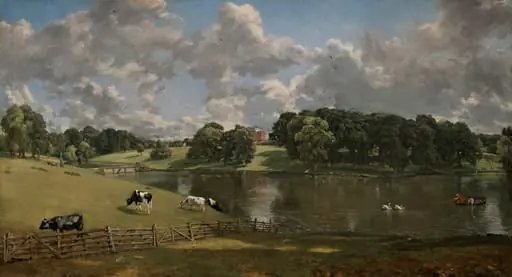 Wivenhoe Park, Essex
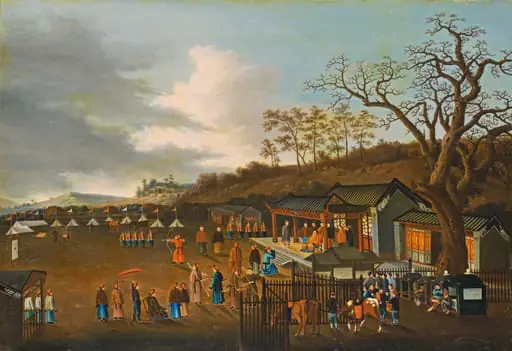 Archery Contest
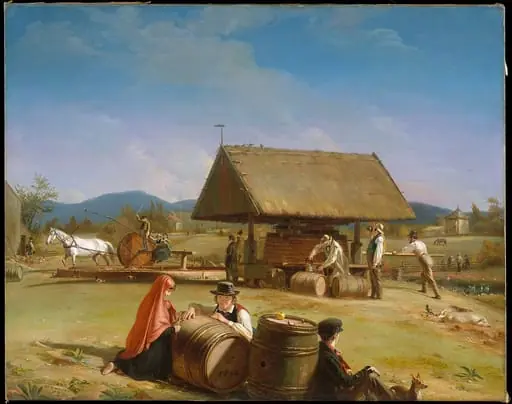 Cider Making
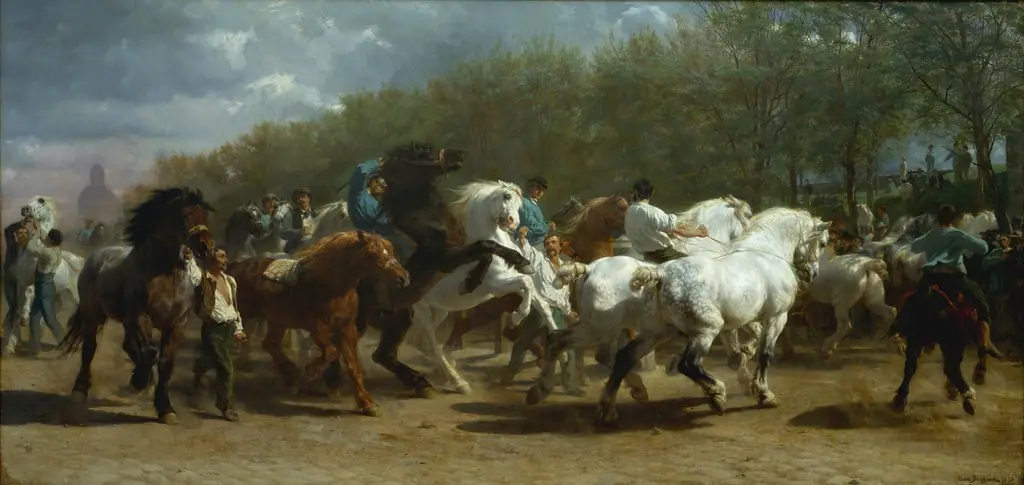 The Horse Fair
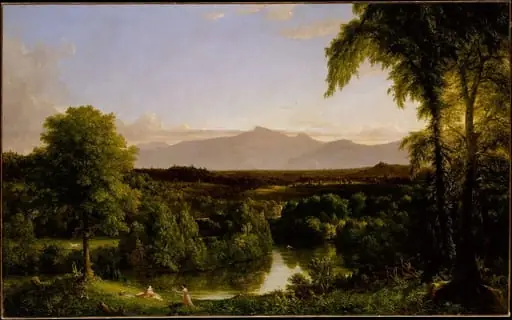 View on the Catskill—Early Autumn
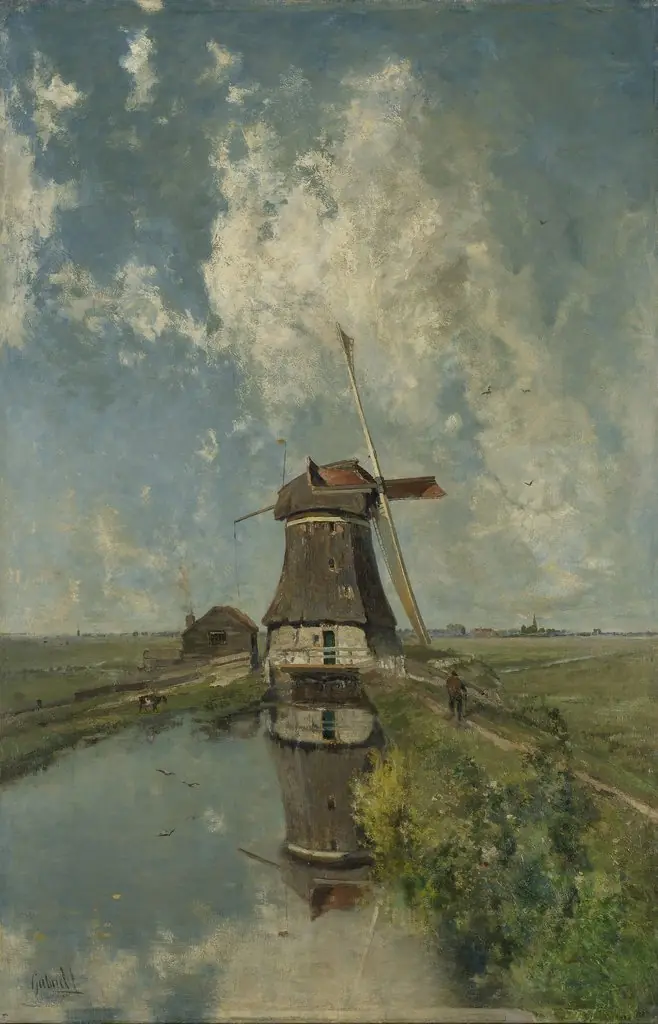 A Windmill on a Polder Waterway, Known as ‘In the Month of July’
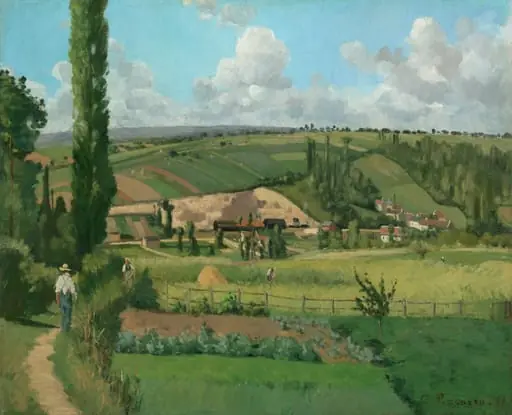 Landscape at Les Pâtis, Pontoise
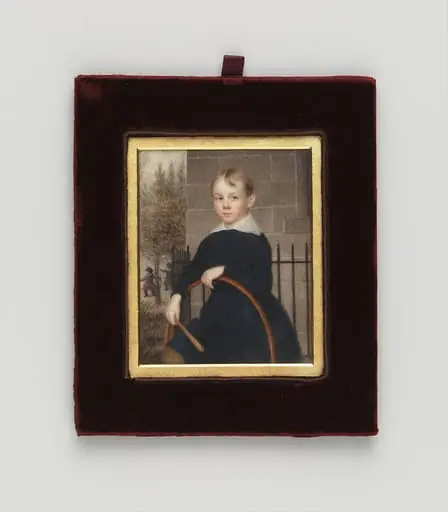 Paul Joseph Revere
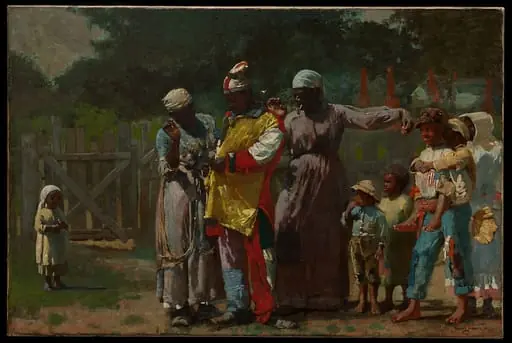 Dressing for the Carnival
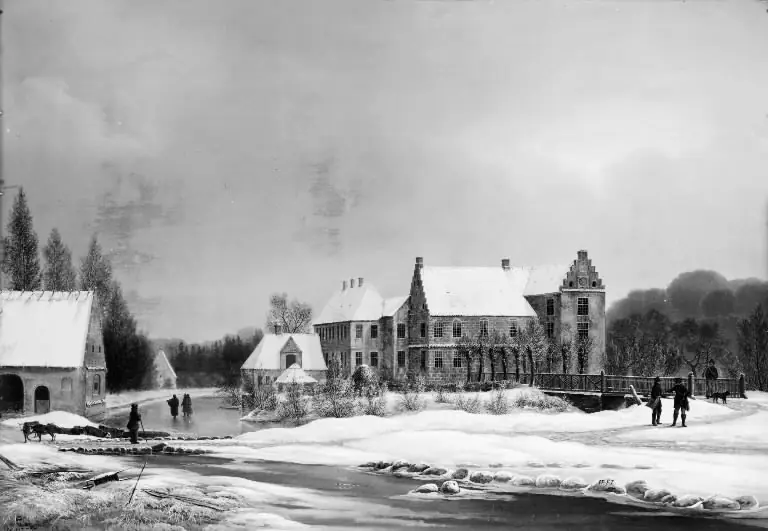 Prospekt af hovedgården Lykkesholm på Fyn. Vinter
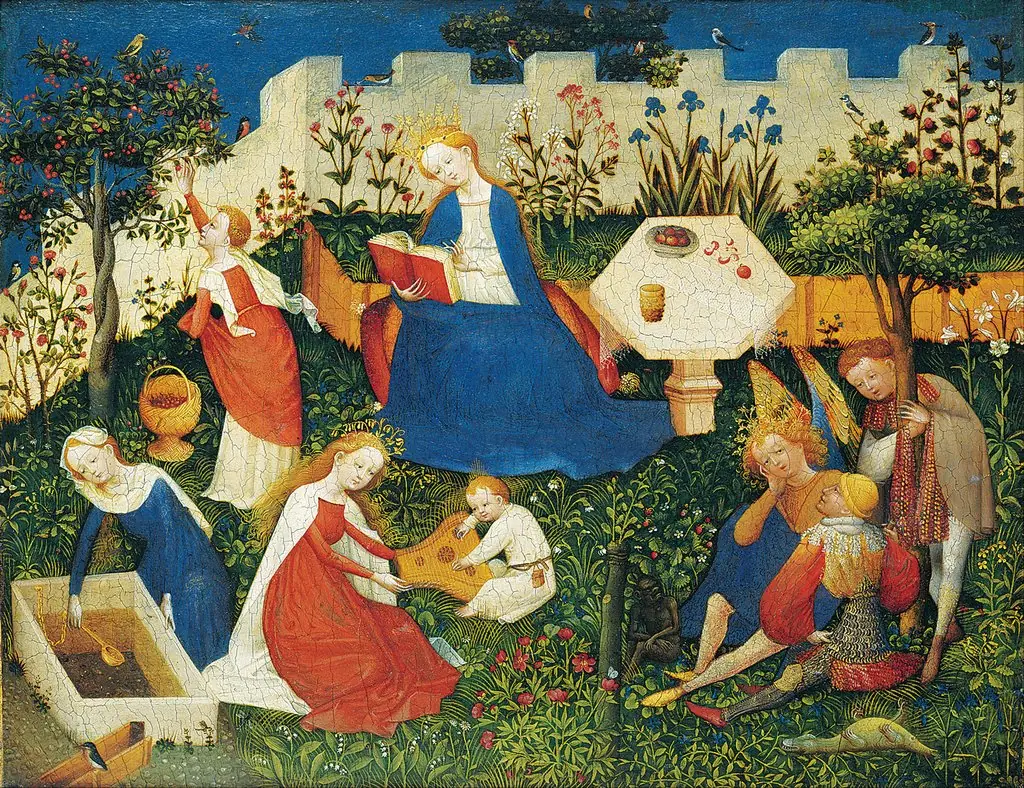 Paradiesgärtlein
 Children's Games
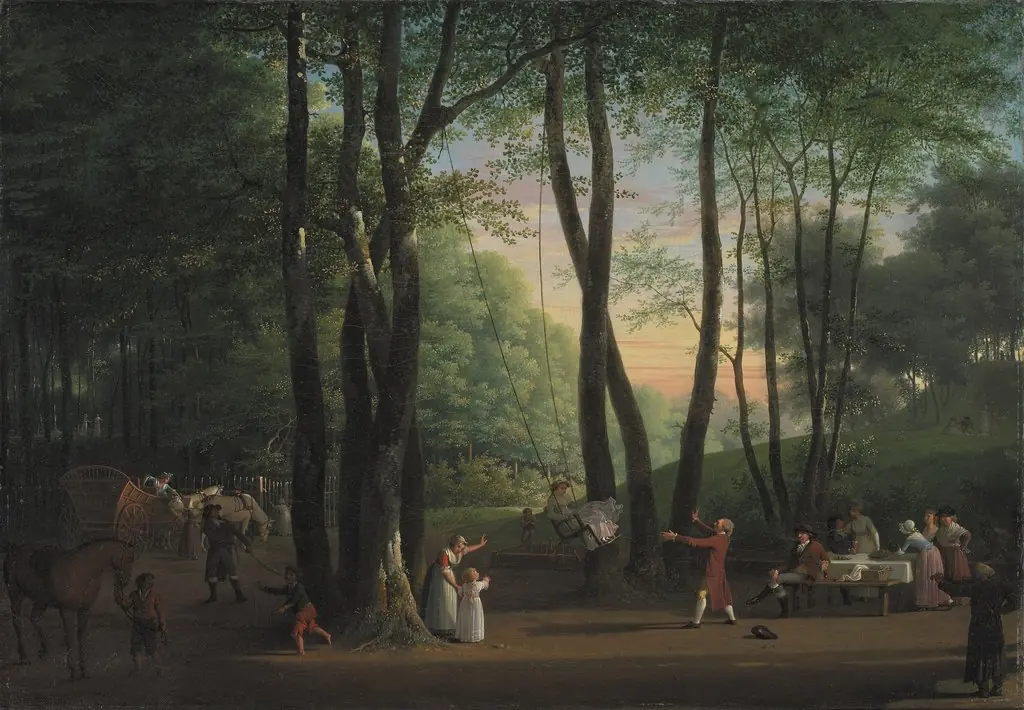 The Dancing Glade at Sorgenfri
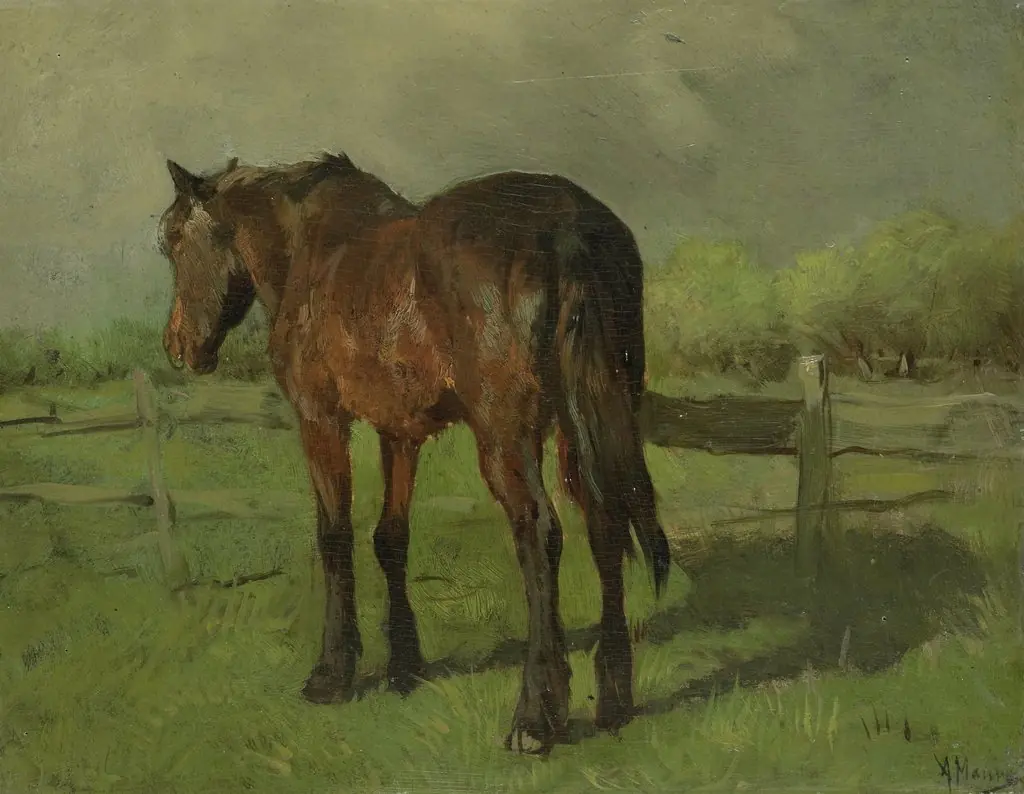 Horse
Horse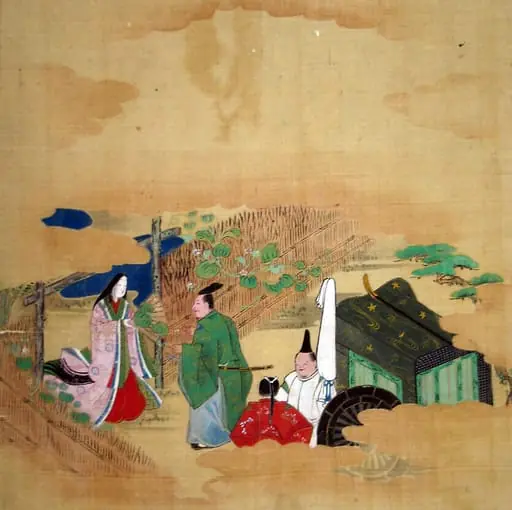 Untitled
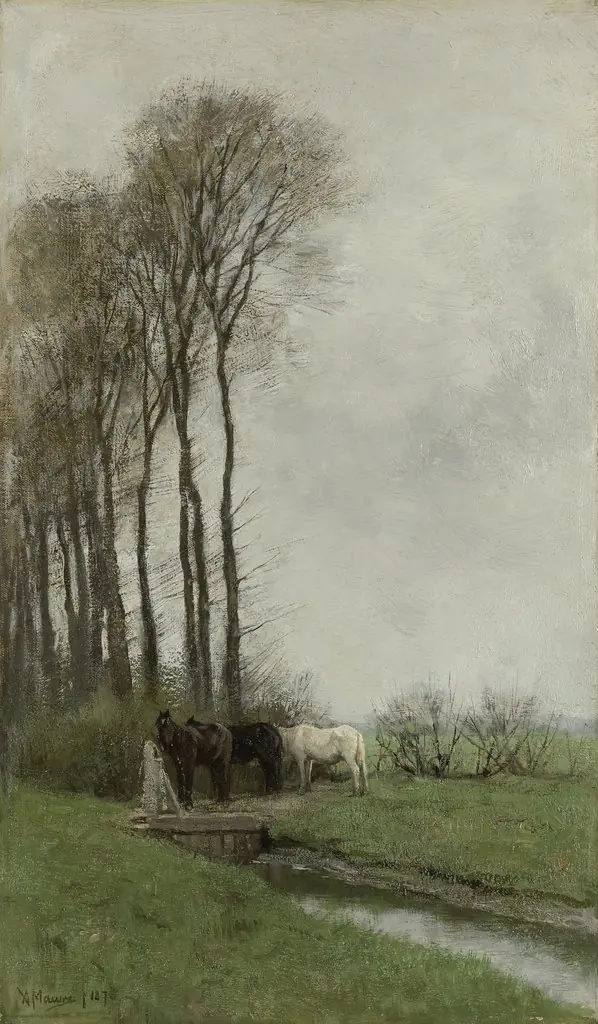 Horses near the fence.
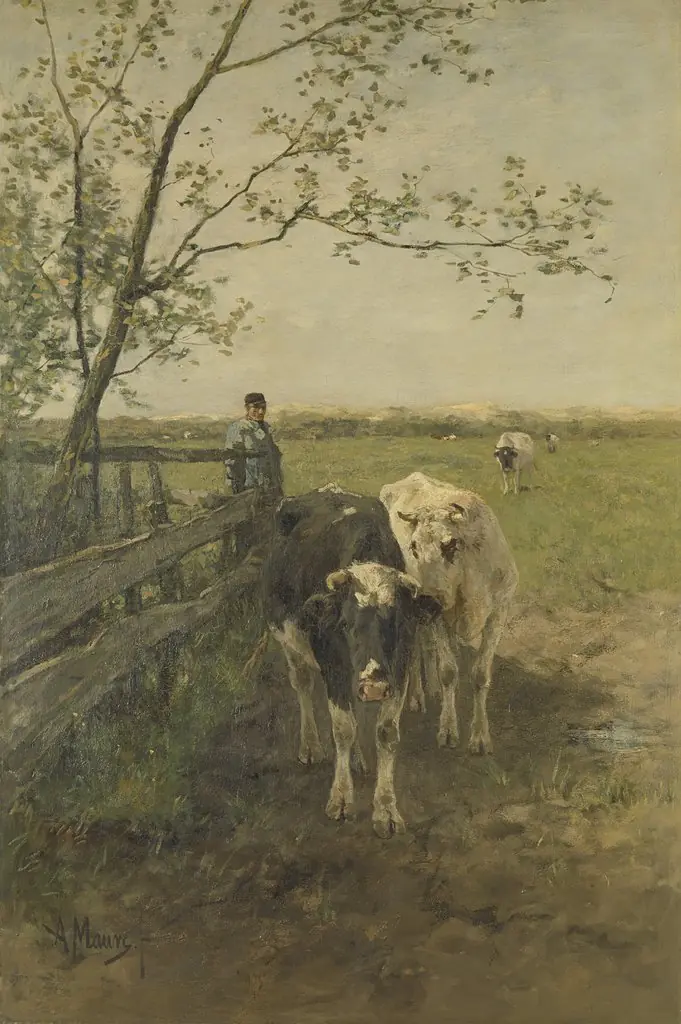 The milking corner.
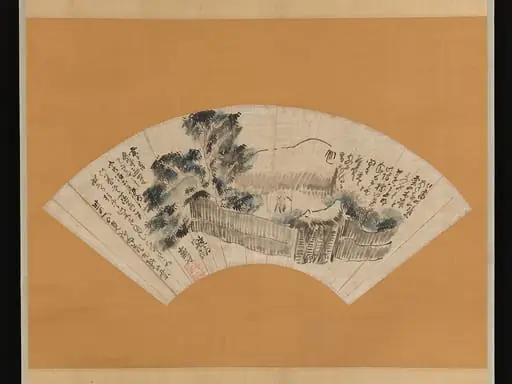 与謝蕪村筆 奥の細道図扇面|Scene from The Narrow Road to the Deep North
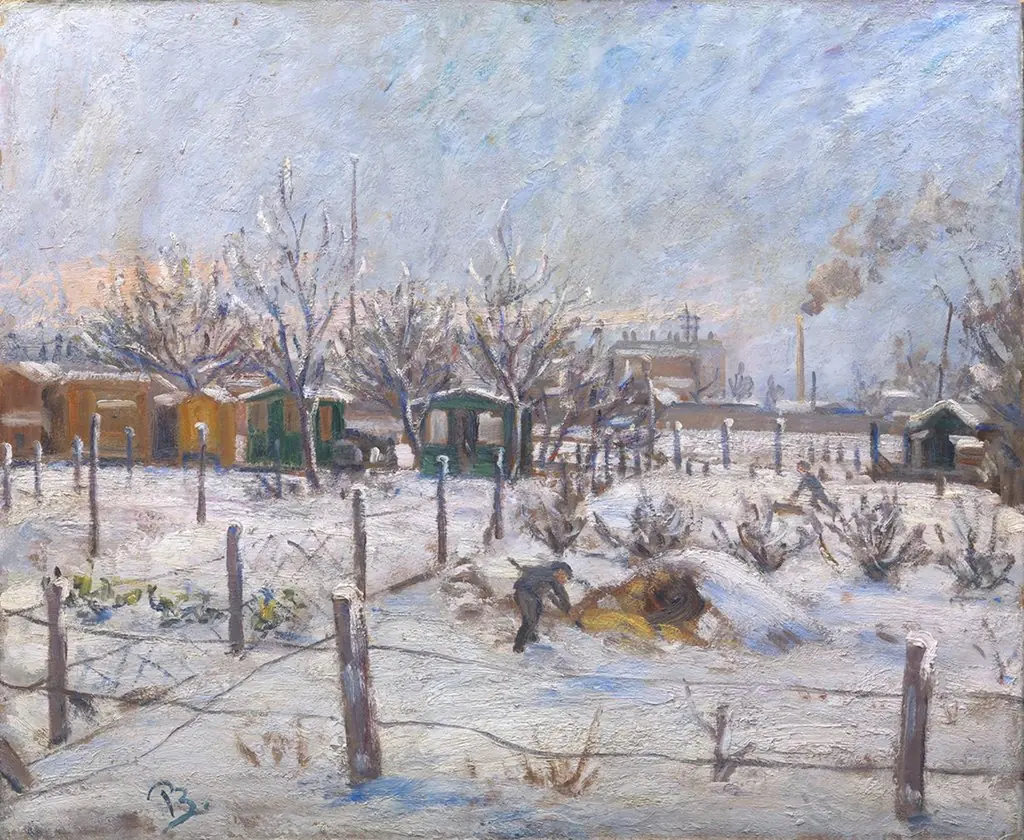 Winter at Nørrebro
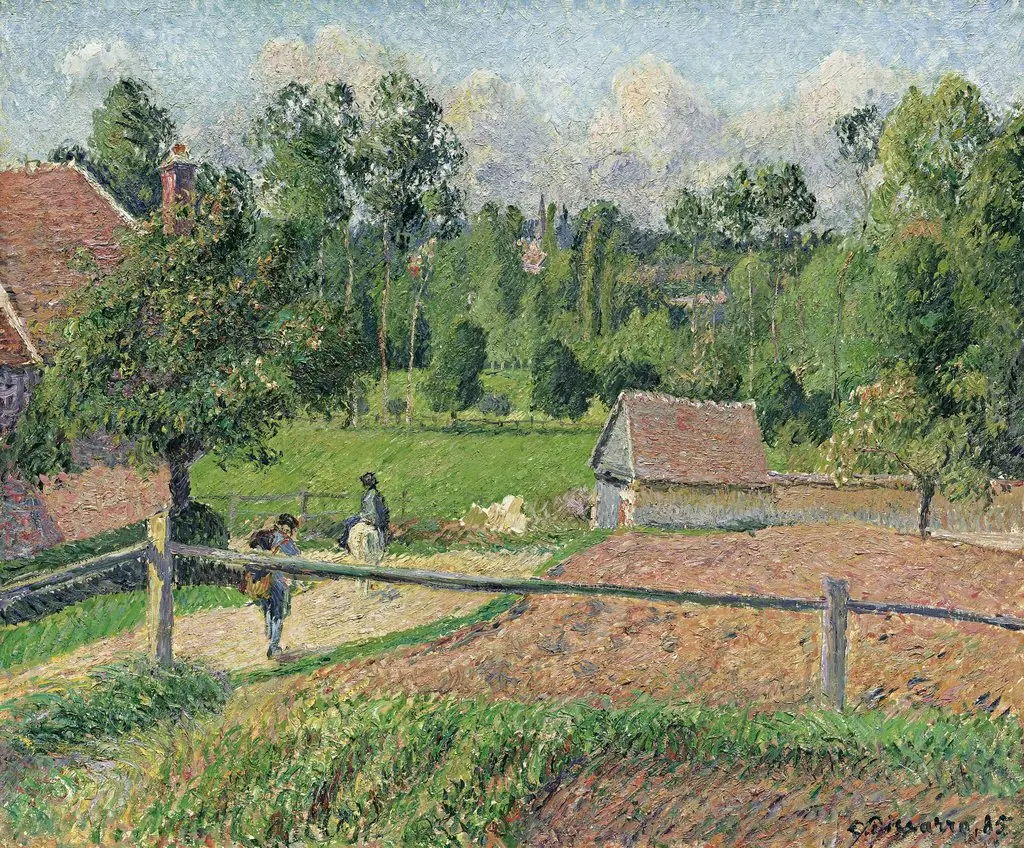 The Delafolie House, Éragny
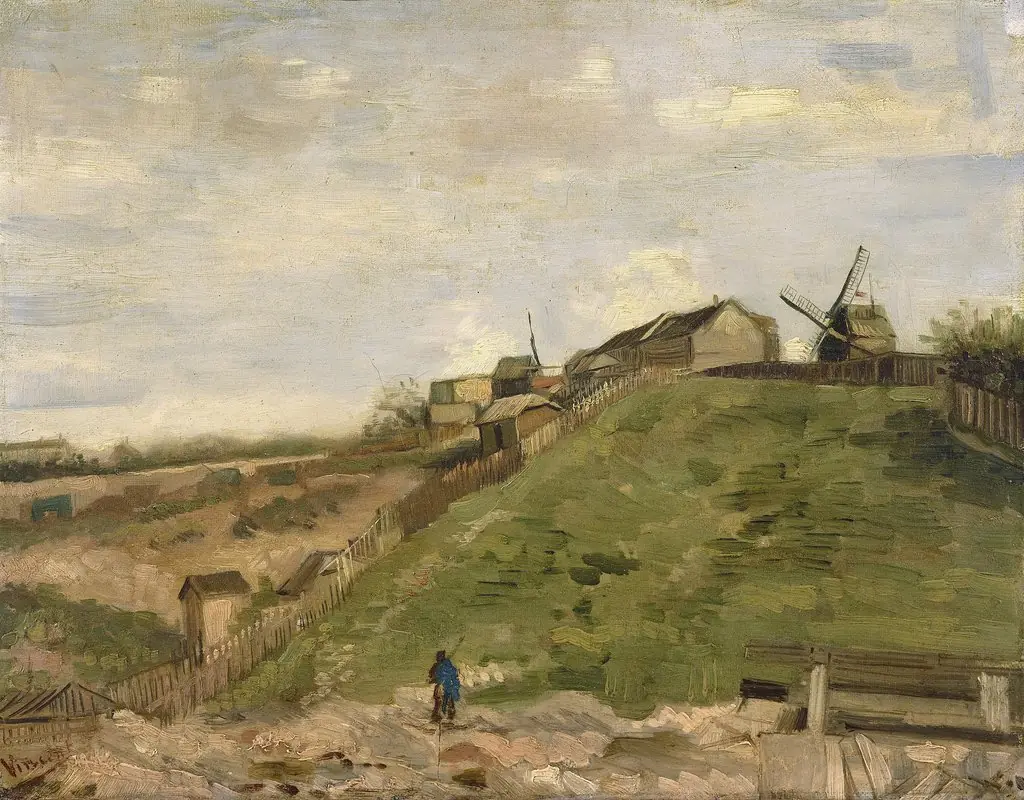 The Hill of Montmartre with Stone Quarry
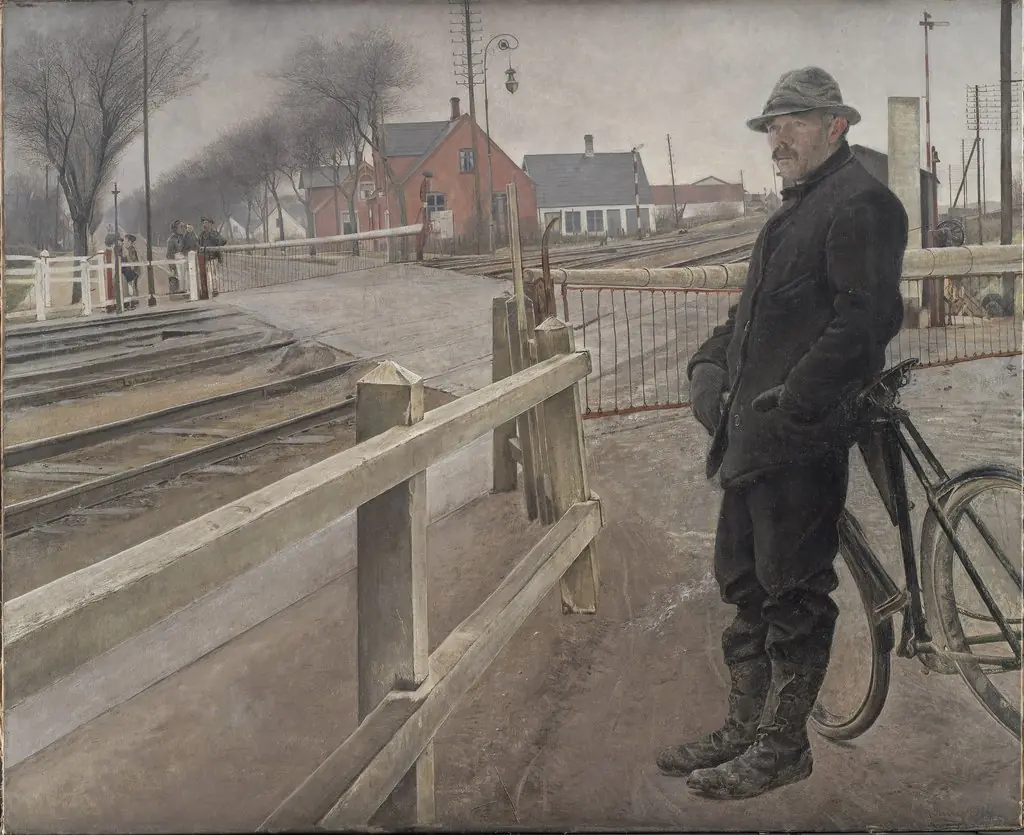 Waiting for the Train. Level Crossing by Roskilde Highway
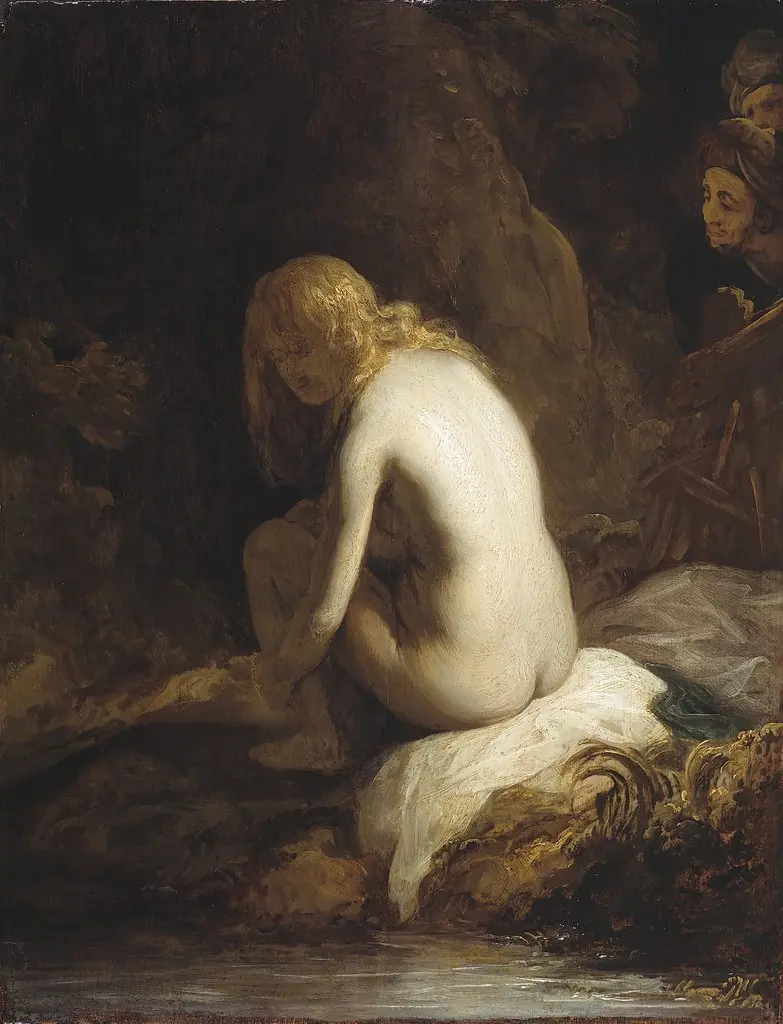 Susanna and the Elders
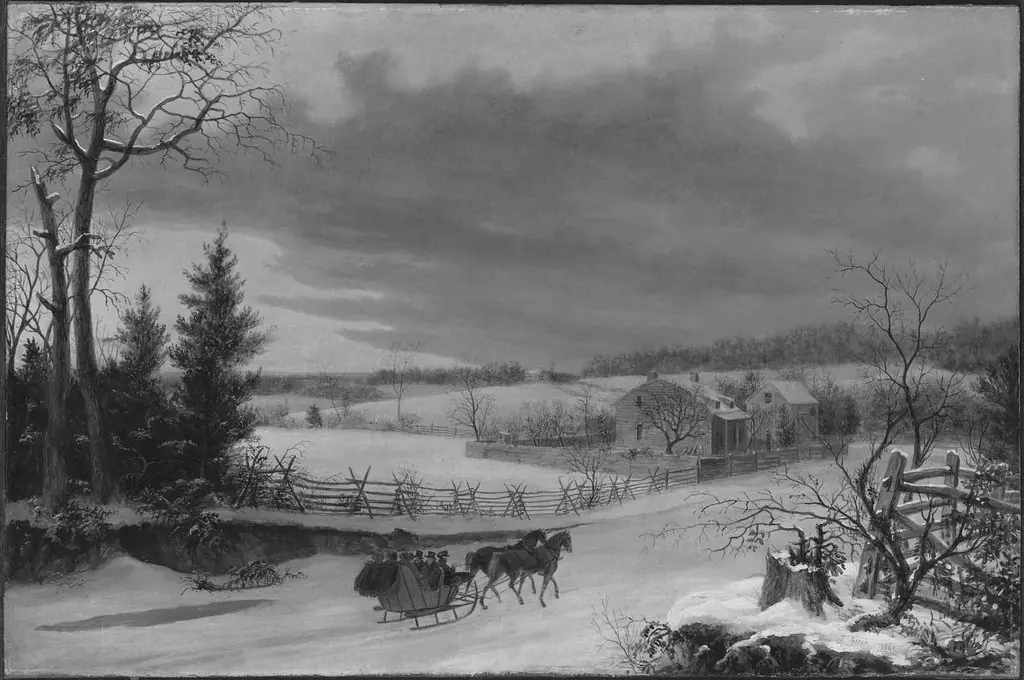 Sleigh Ride in the Country
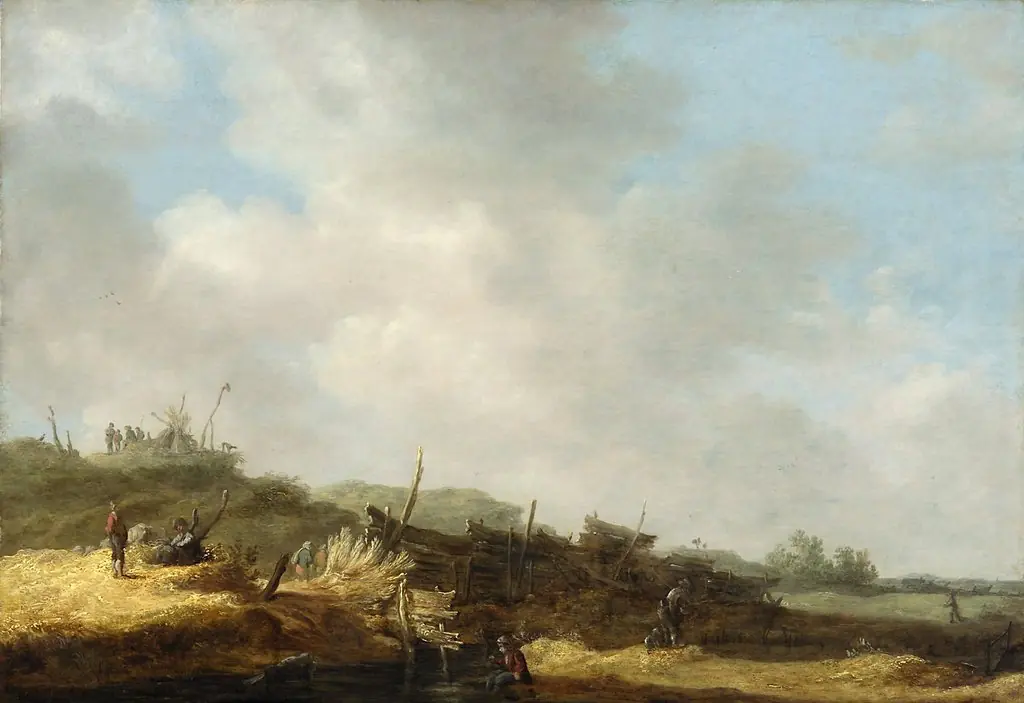 Dune Landscape
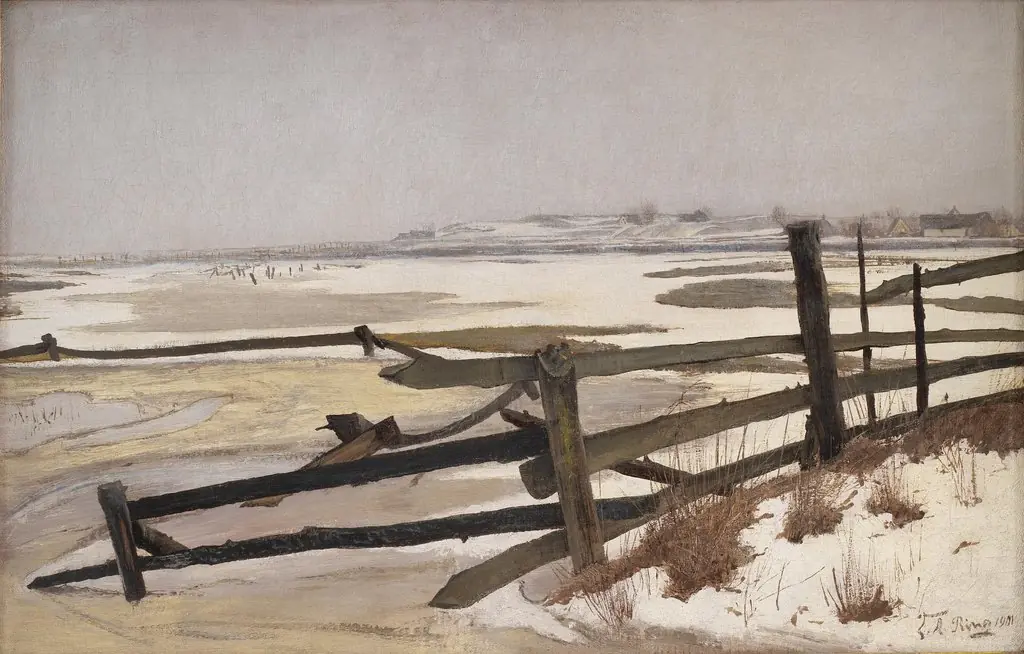 Thaw
Thaw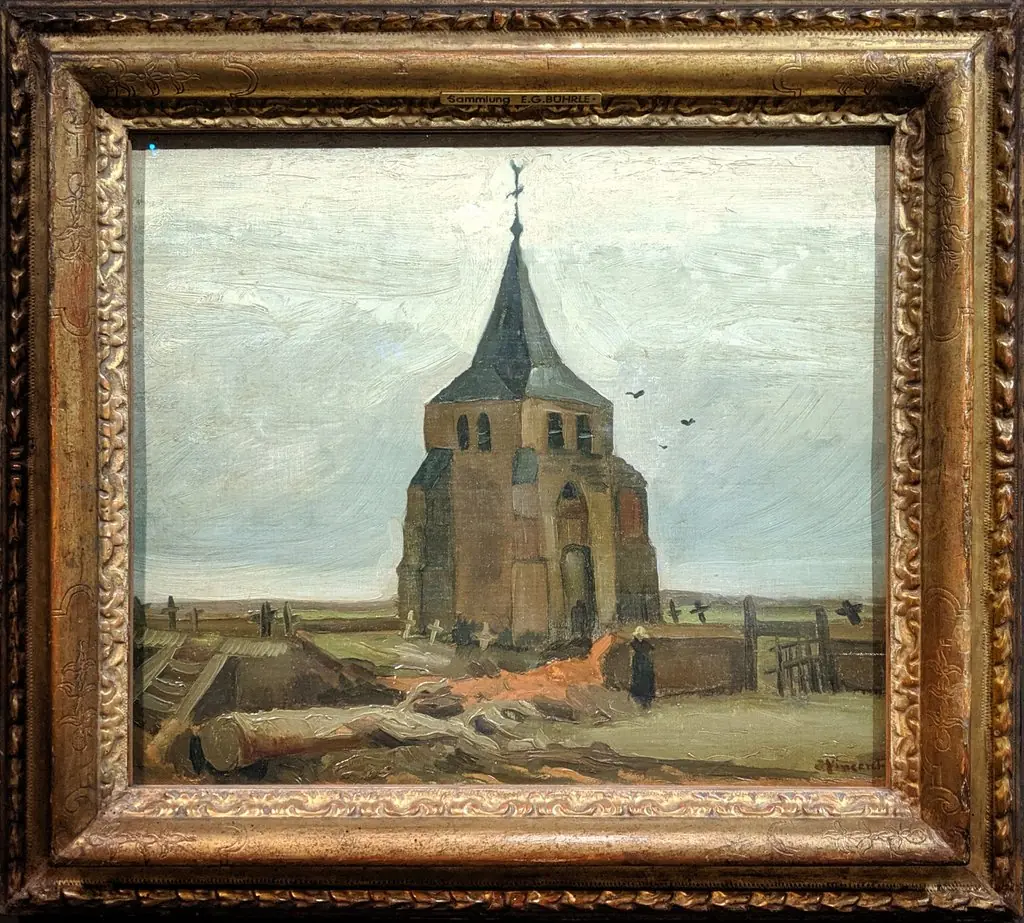 The Old Church Tower at Nuenen
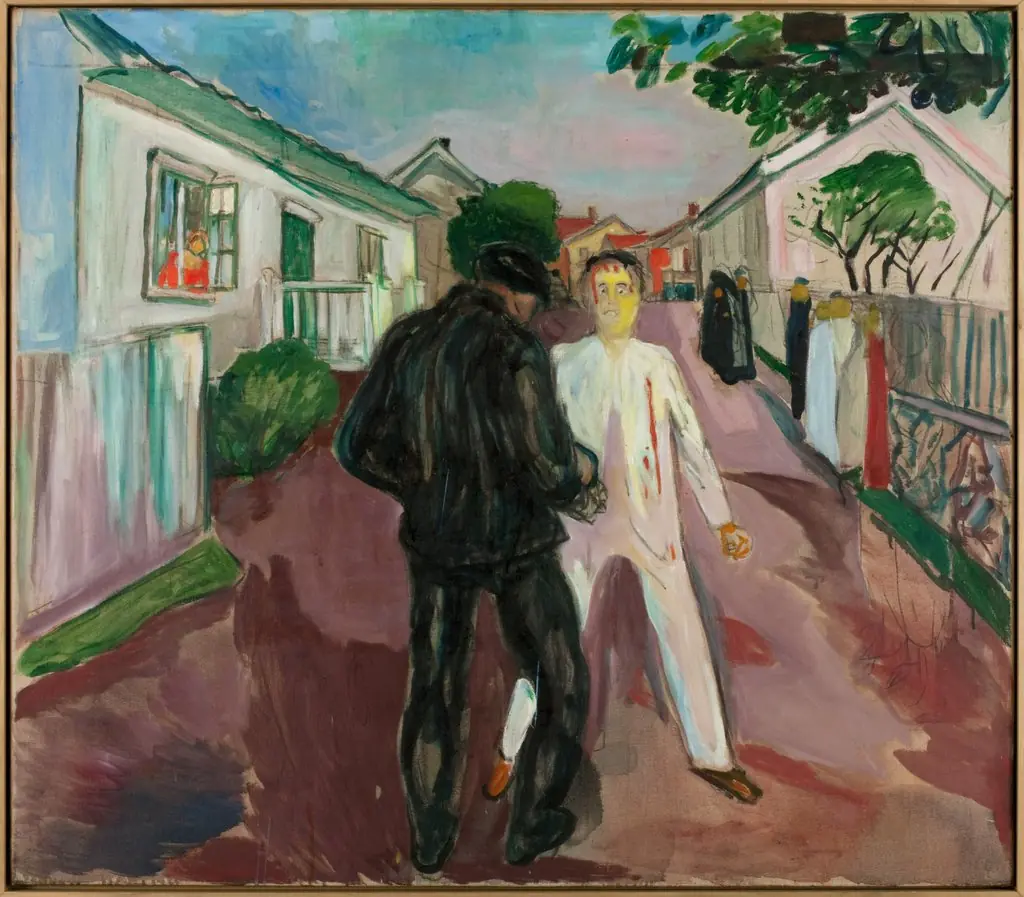 The Fight
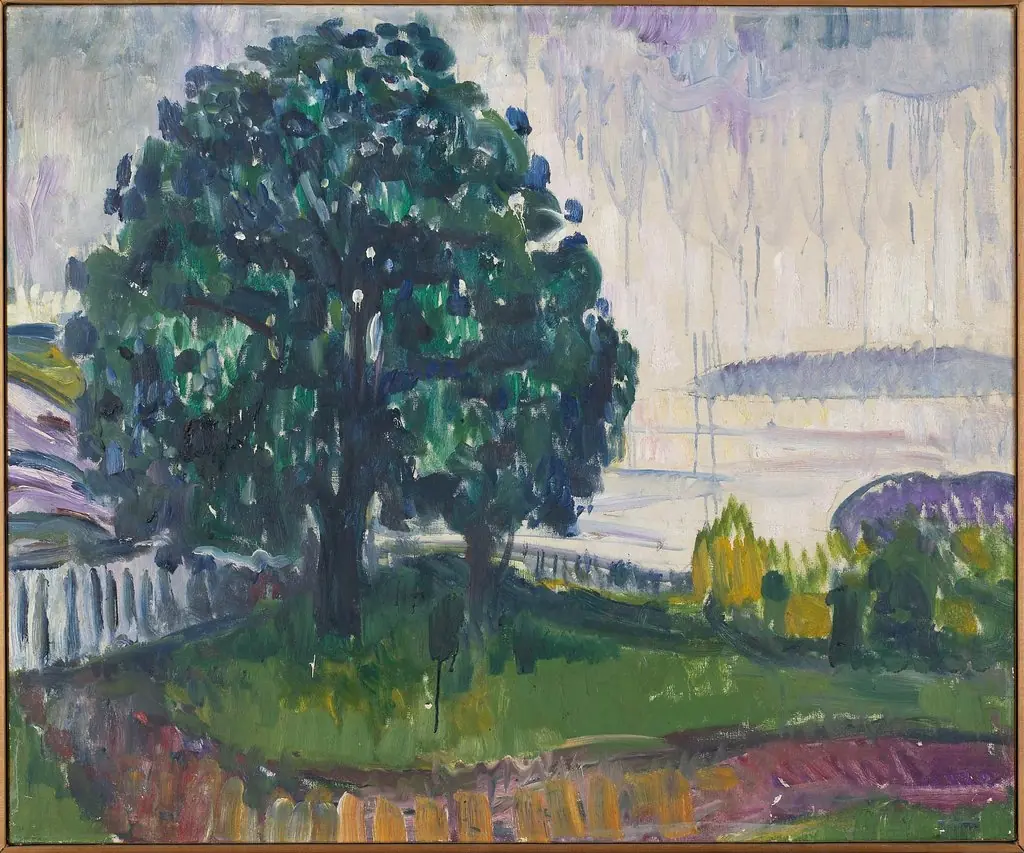 Trees by the Sea
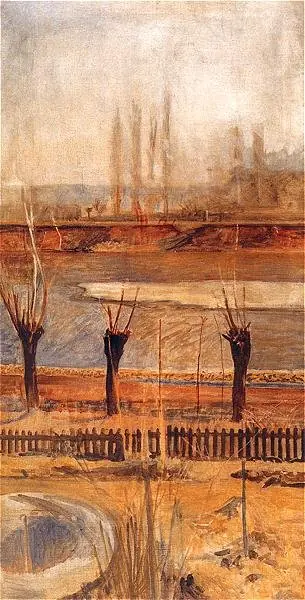 Landscape from the Banks of the Vistula
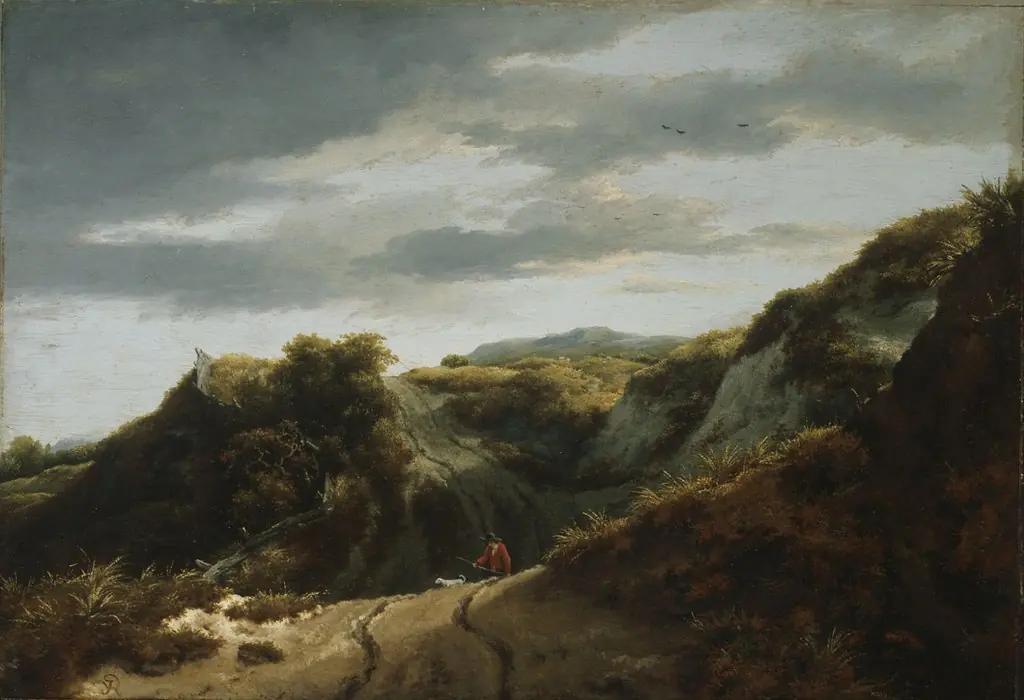 Dunes
Dunes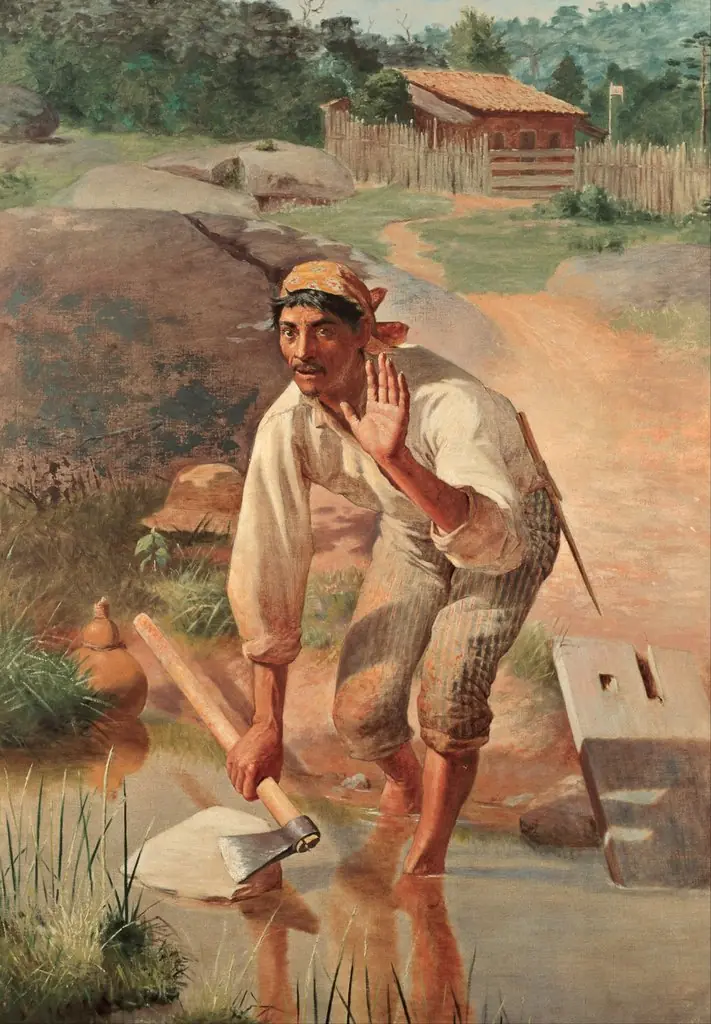 Interrupted Whetting
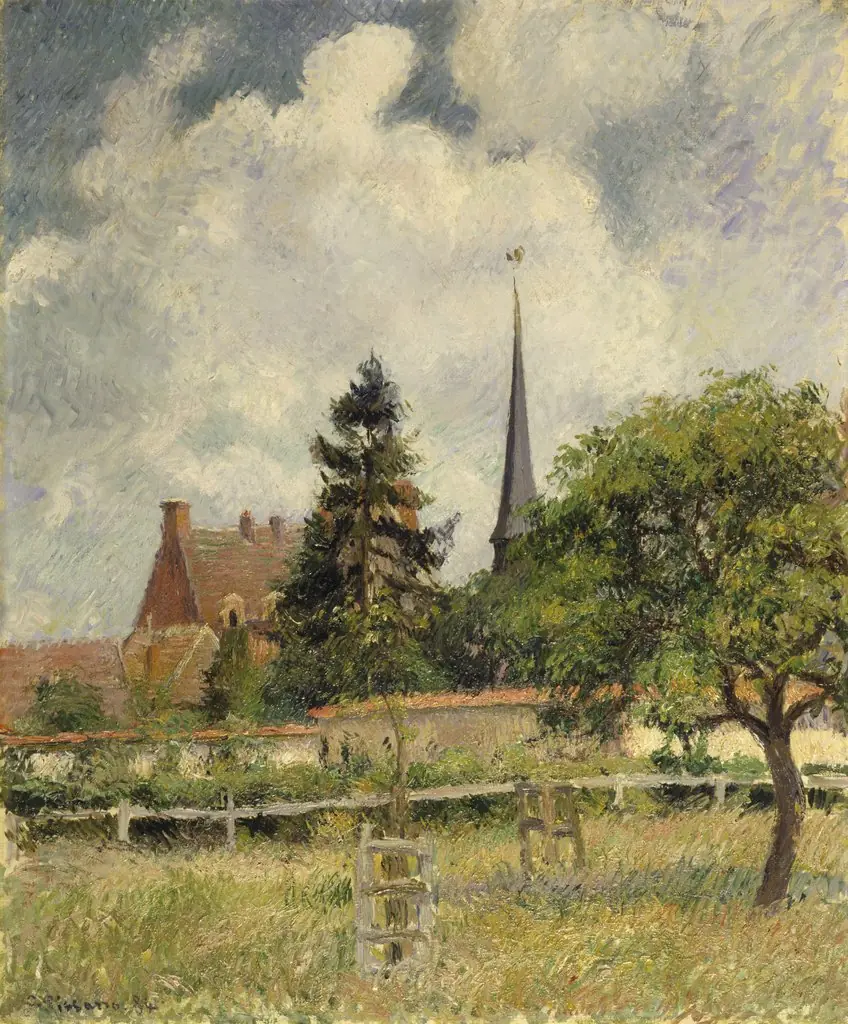 The Church at Eragny
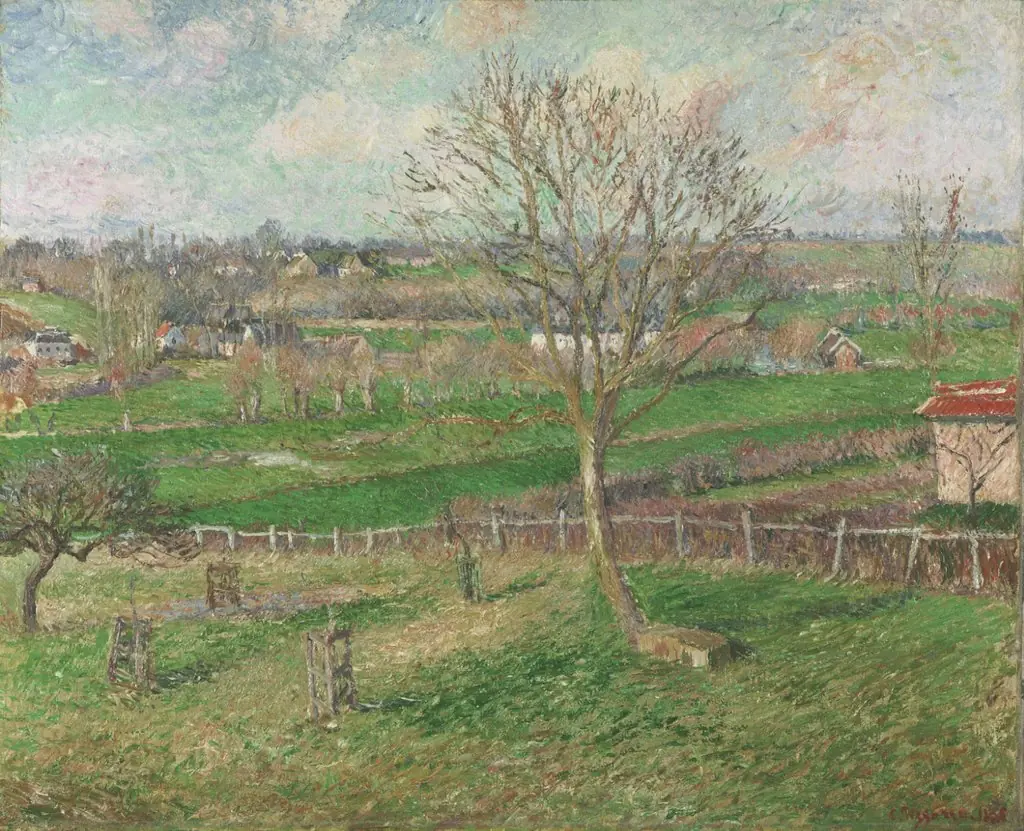 The Field and the Great Walnut Tree in Winter, Eragny
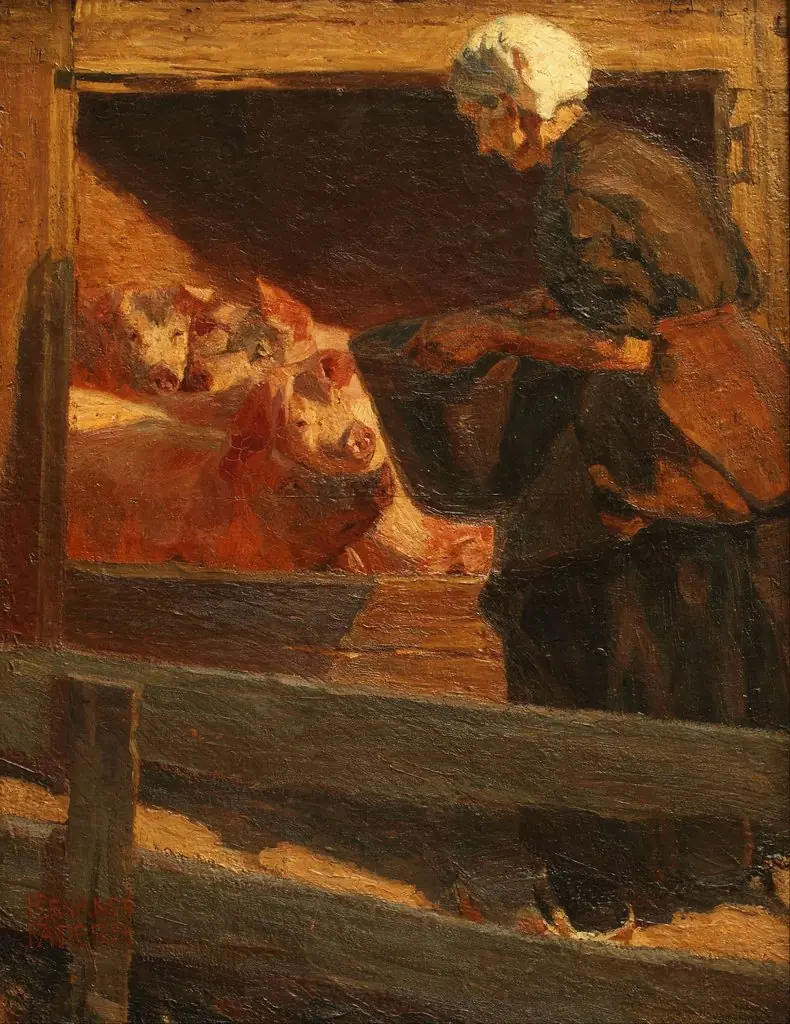 La comida de los cerdos
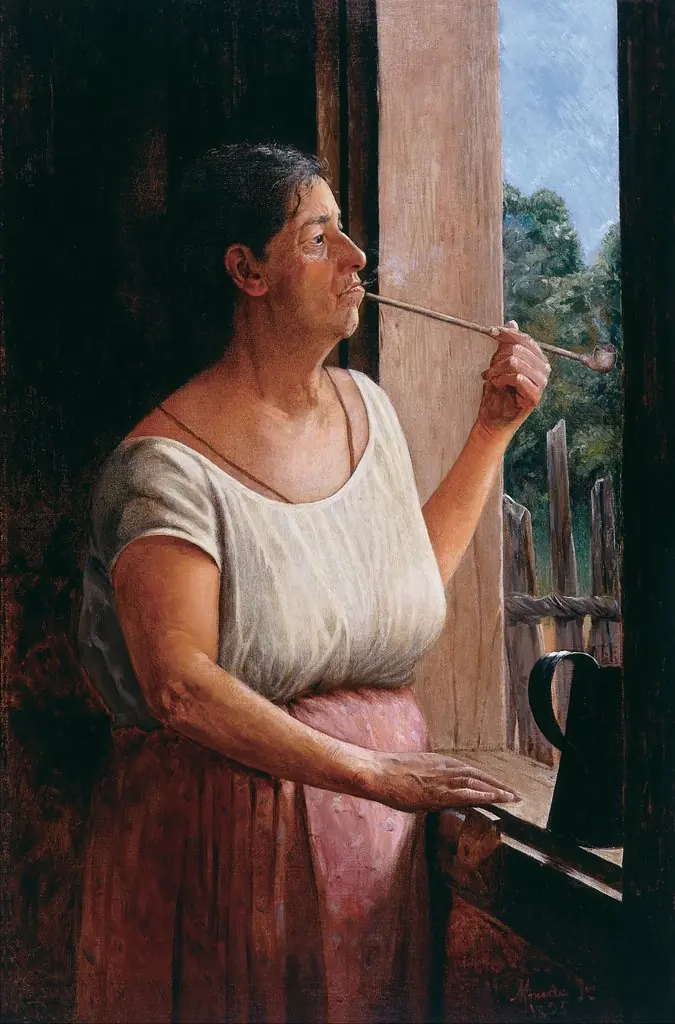 Nhá Chica
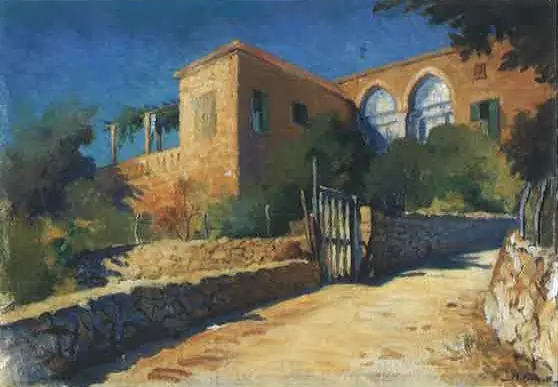 A House at Abadiyeh
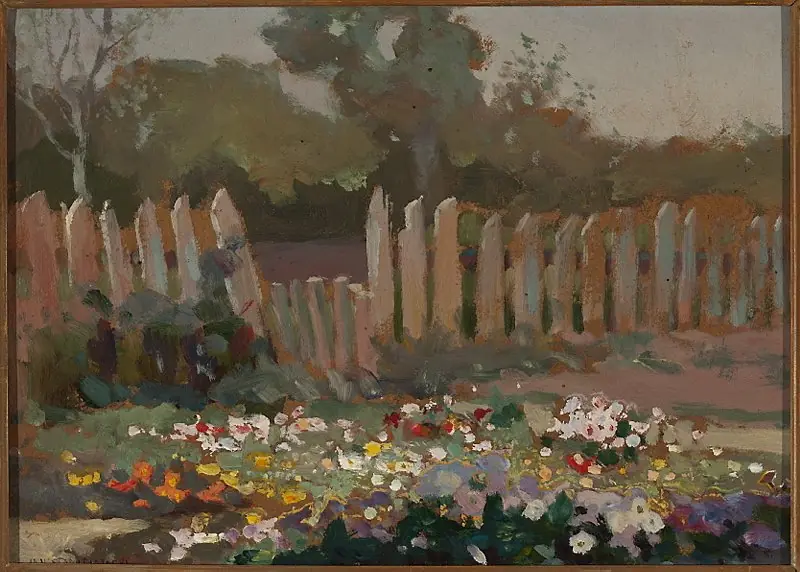 Village garden
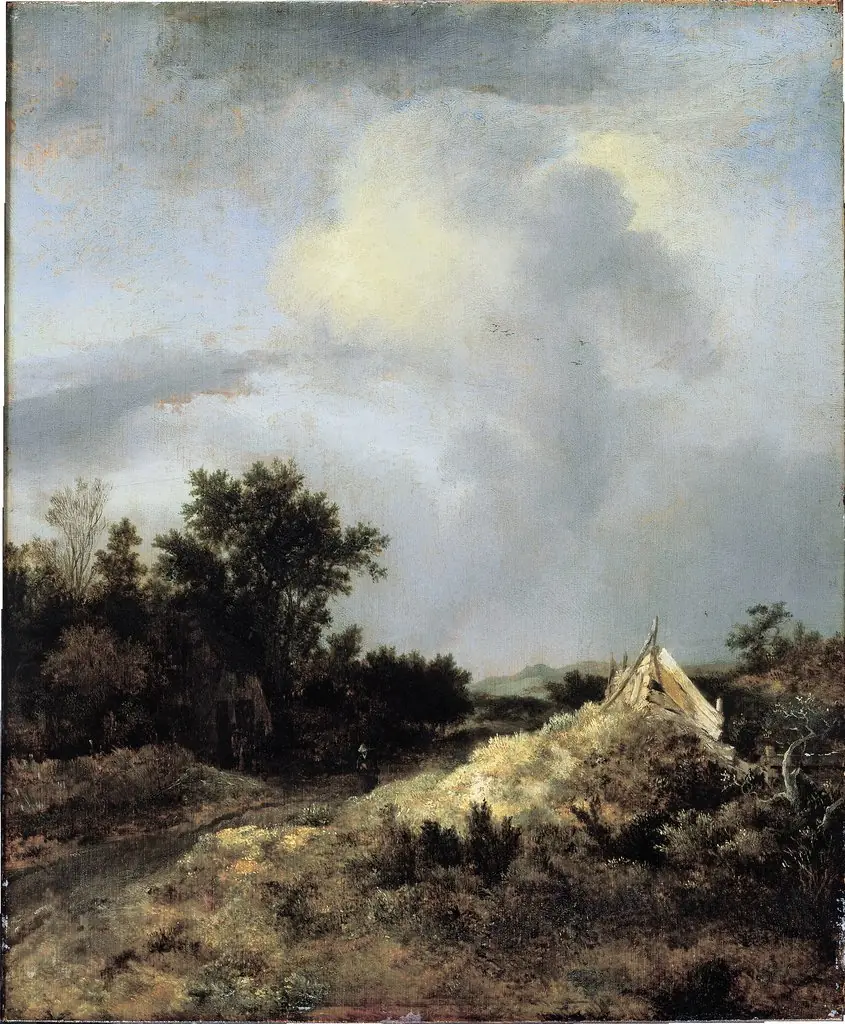 Dune Landscape with Fence, ca. 1647
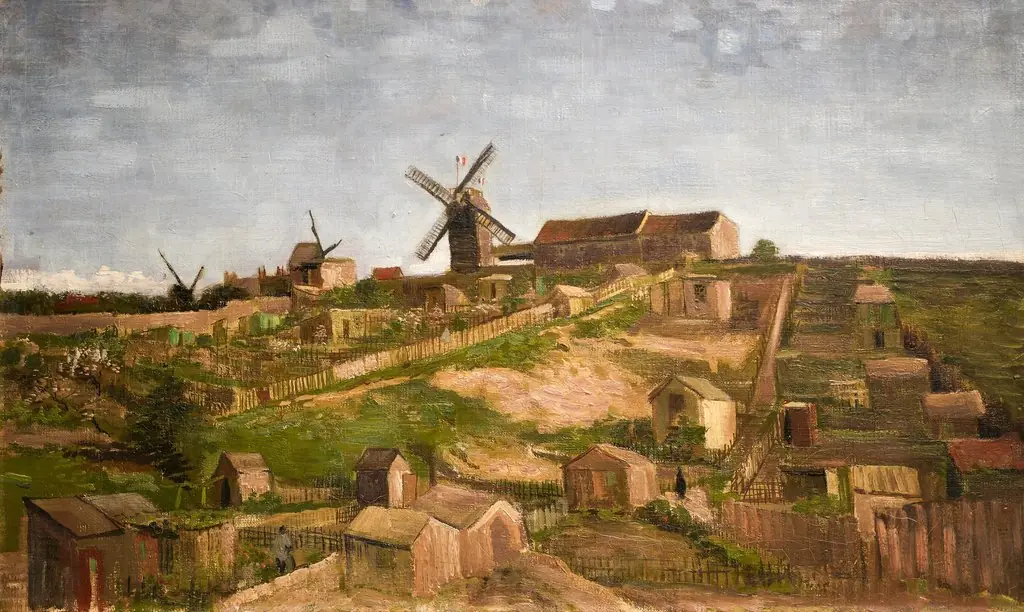 The Hill of Montmartre
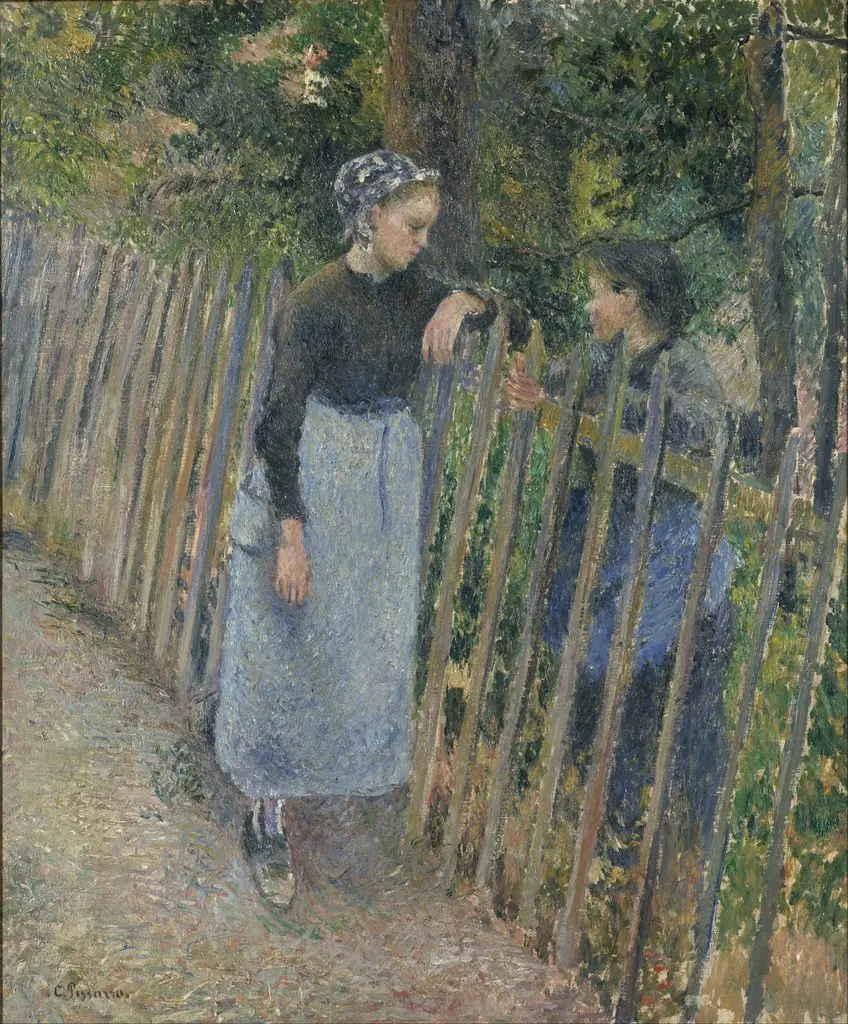 The Conversation
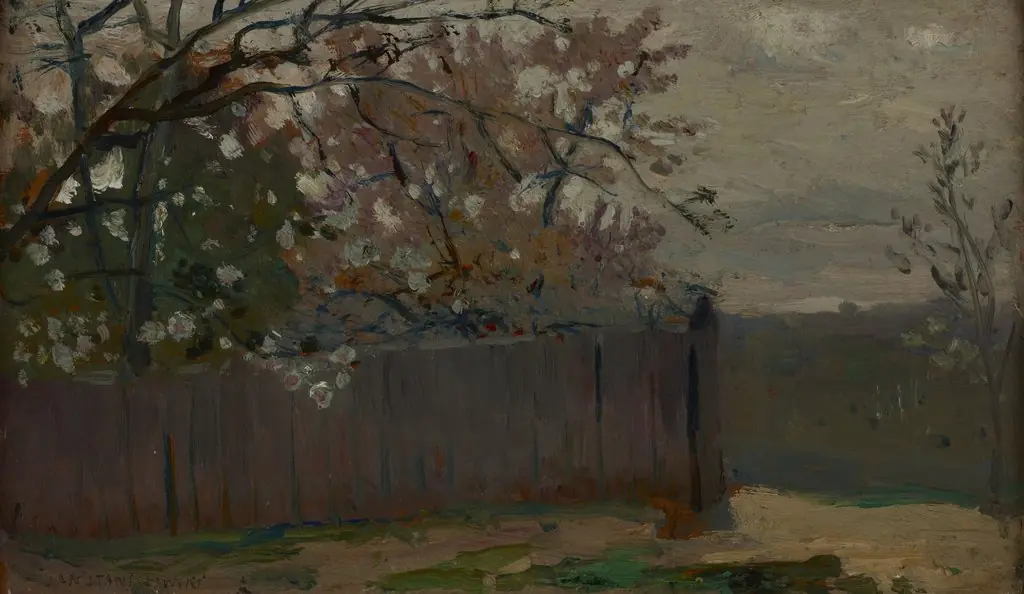 Early Spring at Ville d`Avray
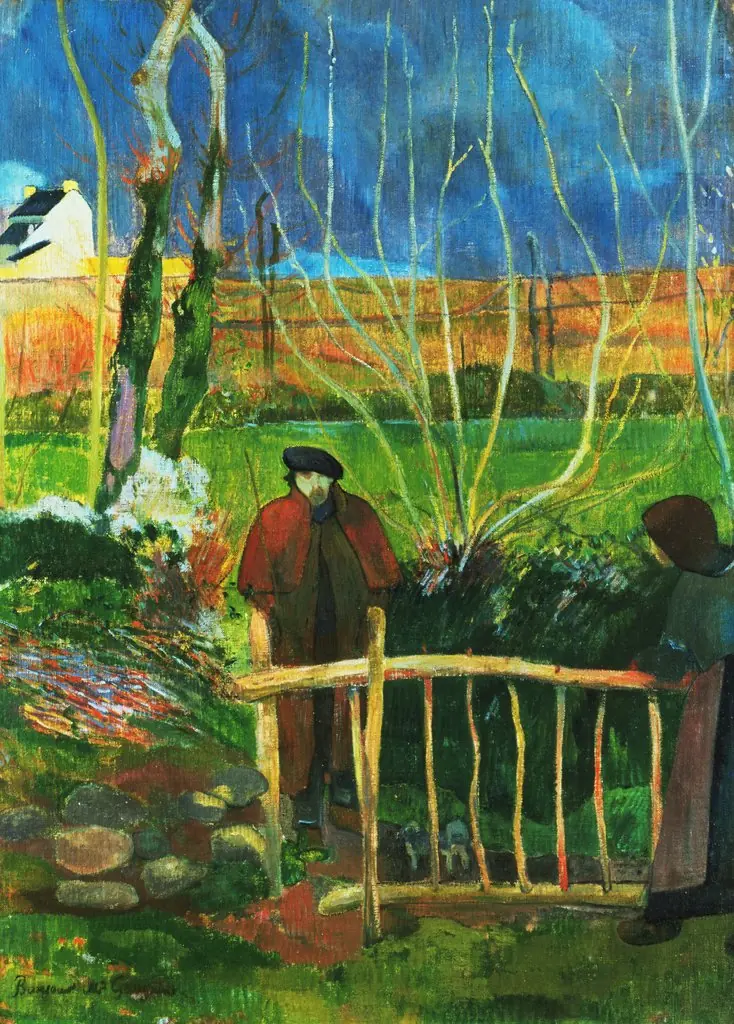 Bonjour Monsieur Gauguin
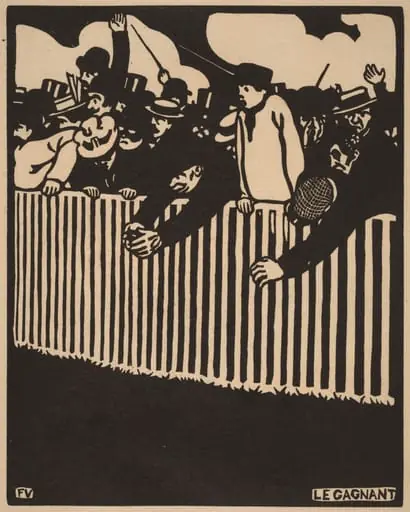 Le Gagnant (The Winner)
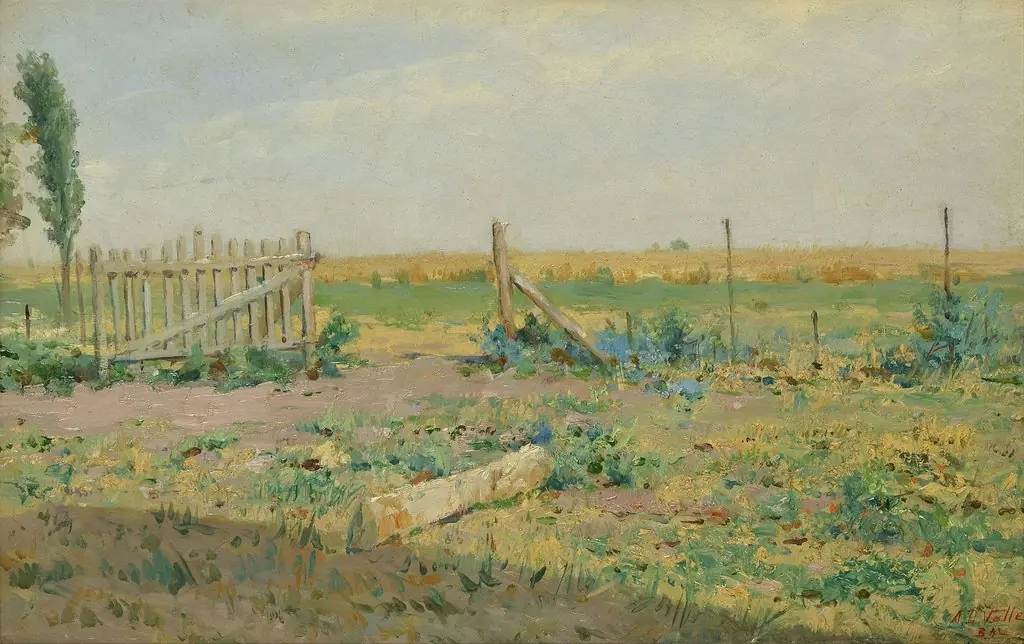 A pasture
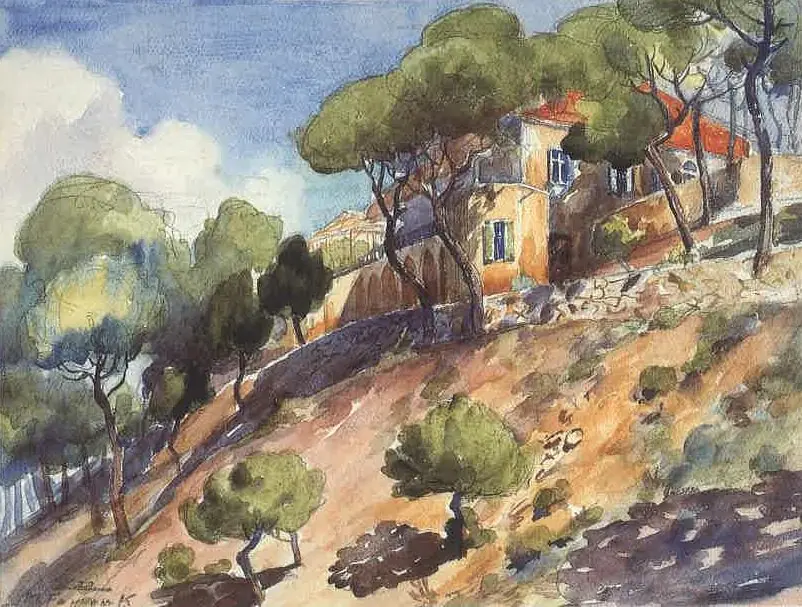 Souq Al-Gharb
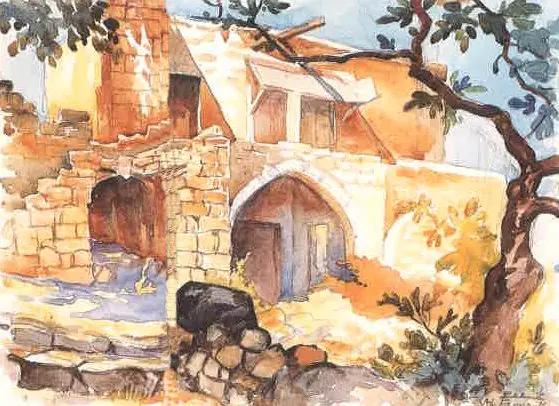 A Village House
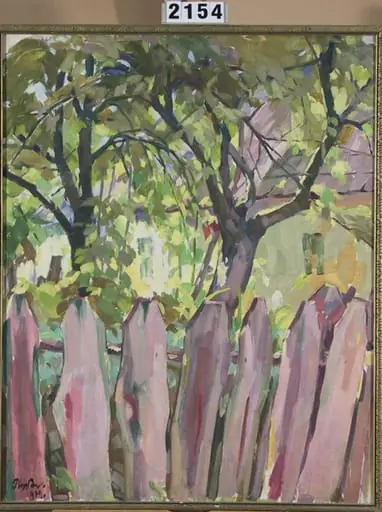 Peisaj de vară
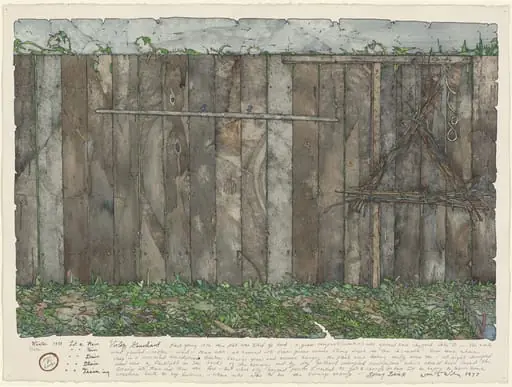 Untitled
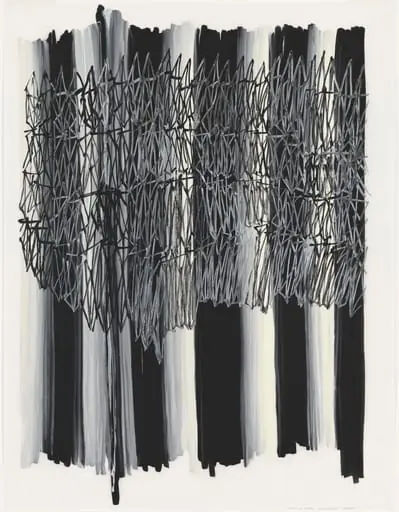 Untitled
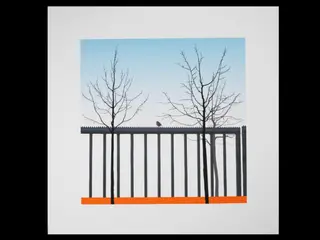 Untitled (Robin)
Frequently asked questions
What is Fence?
Fence is a subject in art. A fence is a structure that encloses an area, typically outdoors creating a boundary, and is usually constructed from posts that are connected by boards, wire, rails or netting.
How many Fence works does Artifact World Gallery have?
Artifact World Gallery holds 51 public-domain Fence works, all free to view and download.
Who are the key Fence artists?
Key Fence artists in the collection include Thomas Cole, Chinese Qing Dynasty and William Sidney Mount.
Where can I see Fence works?
Fence works in the collection are held by Metropolitan Museum of Art, Statens Museum for Kunst and Rijksmuseum.