Artwork
Natură moartă pe o masă de piatră
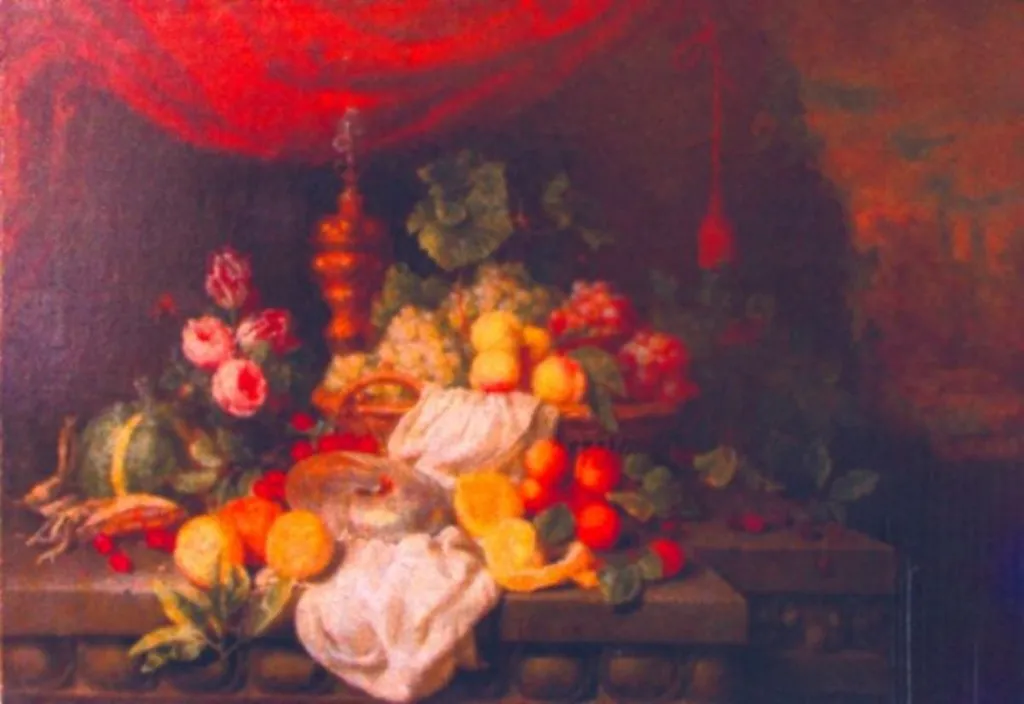
Natură moartă pe o masă de piatră is an unspecified painting by the Baroque artist Joris van Son. It dates from 1662 and is held in the collection of the Brukenthal National Museum.
About this work
Overview
The composition is carefully ordered, with ripe peaches, citrus, and grapes placed beside blooming roses and other blossoms.
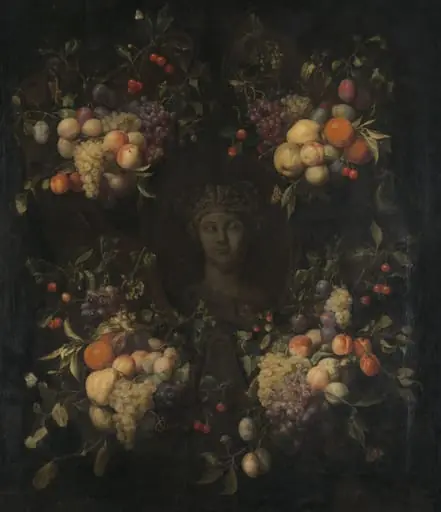
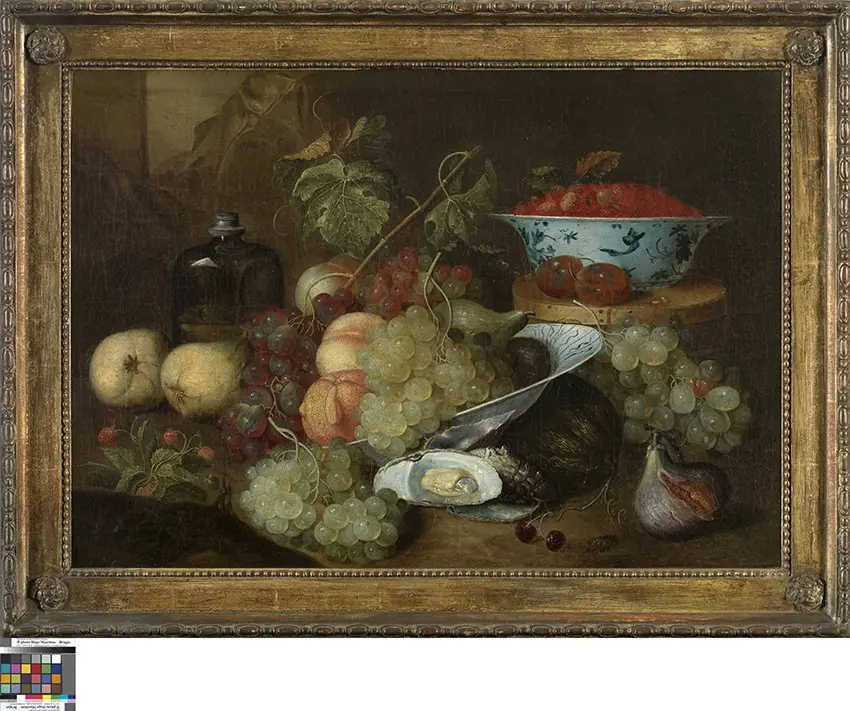
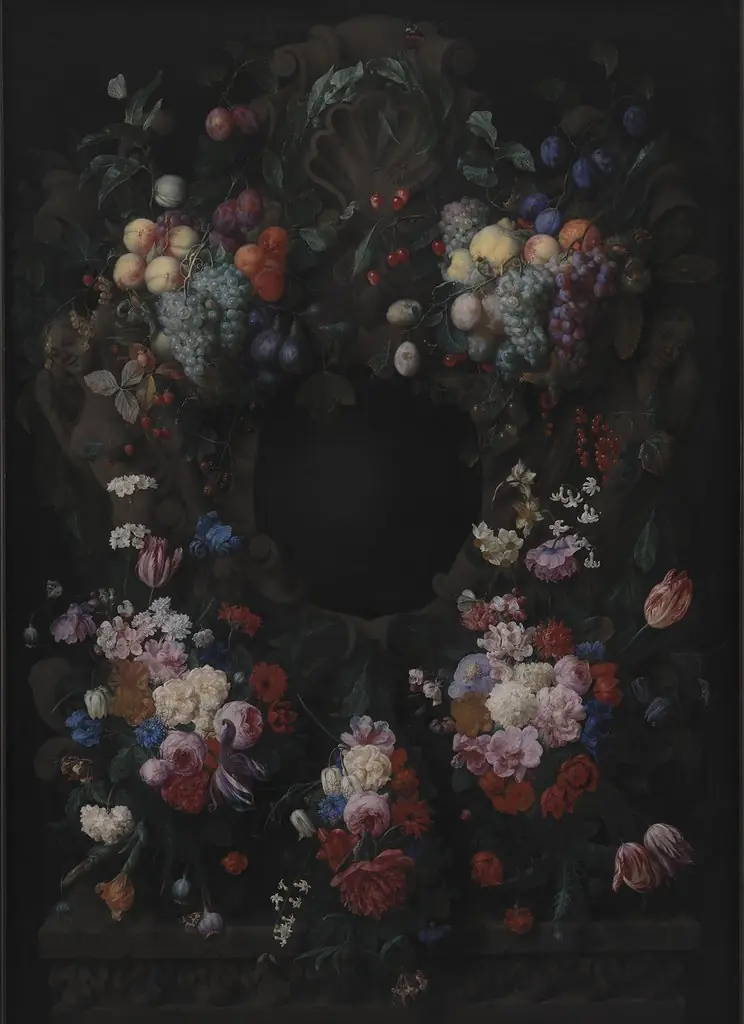
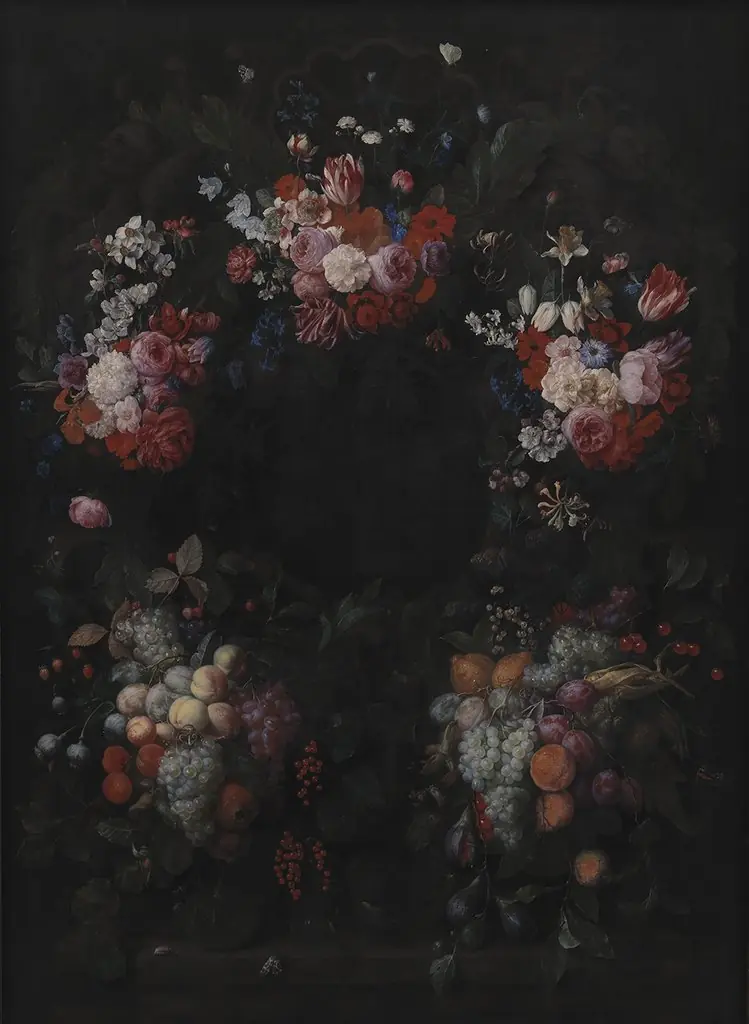
Painted in 1662 by Joris van Son, this still life depicts an arrangement of fruits and flowers on a stone table. The composition is carefully ordered, with ripe peaches, citrus, and grapes placed beside blooming roses and other blossoms. A folded cloth adds texture and contrast, while the deep, unmodulated background isolates the objects, enhancing their presence through visual focus rather than spatial depth.
Subject & Meaning
The arrangement includes seasonal fruits and perishable blooms, suggesting themes of transience and the passage of time. While not overtly symbolic, the juxtaposition of delicate petals with sturdy citrus and the folded linen hints at the tension between natural beauty and its inevitable decay, a quiet meditation on impermanence common in Dutch still life of the period.
Technique & Style
Van Son employs chiaroscuro to model the forms, using strong highlights on the fruit’s skin and petals against a shadowed backdrop. The brushwork is precise yet fluid, capturing the sheen of waxed peaches and the translucency of grape skins. The dark ground amplifies the warmth of the colors, crimson, gold, and olive, creating a sense of quiet luminosity without theatricality.
History & Provenance
Created during the height of Dutch still life painting, the work reflects van Son’s reputation for refined, intimate compositions. It was likely made for a private collector in the Netherlands, where such paintings were valued for their technical mastery and moral undertones. Its early provenance remains undocumented, but its style aligns with works from his mature period in the 1660s.
Context
In mid-17th-century Holland, still lifes like this were popular among urban elites who appreciated their visual precision and subtle allegories. Van Son worked within a tradition that elevated everyday objects into subjects of contemplation. Unlike grand historical scenes, these works offered quiet observation, reflecting a culture that prized order, observation, and the beauty of the mundane.
Legacy
Van Son’s work contributed to the development of Dutch still life as a respected genre, influencing later artists through his balanced compositions and nuanced handling of light. Though less widely known than contemporaries like Willem Kalf, his paintings remain valued for their restraint and sensitivity, offering a measured counterpoint to more ornate Baroque still lifes.
Artist & collection
Artist
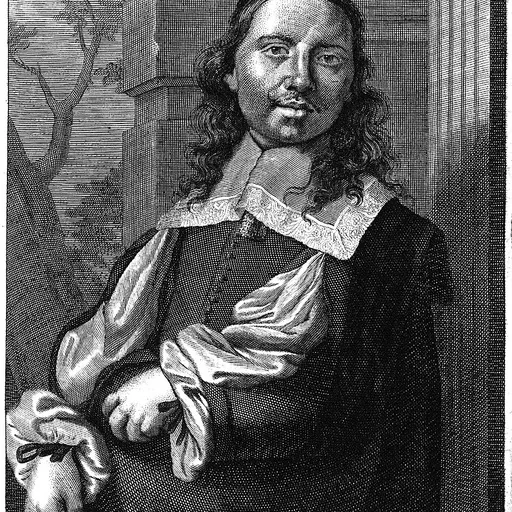
Joris van Son or Georg van Son (baptized 24 September 1623 – buried 25 June 1667 in Antwerp) was a Flemish still life painter who worked in a number of sub-genres but is principally known for his still lifes of fruit.

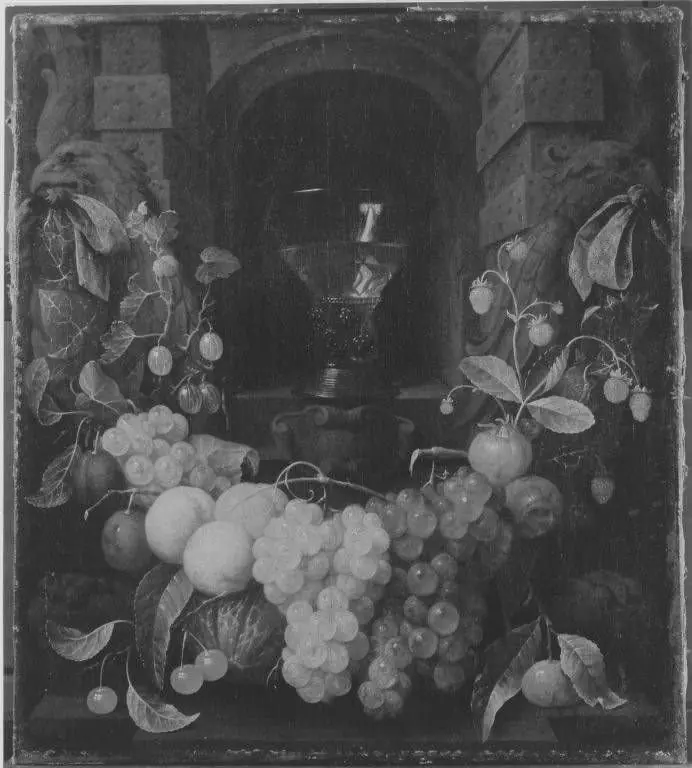
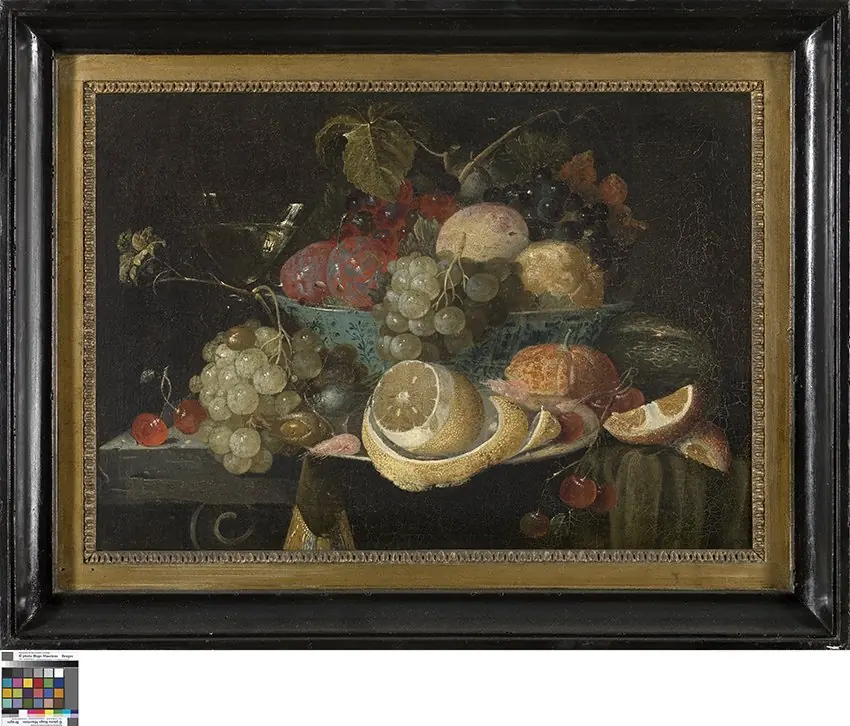
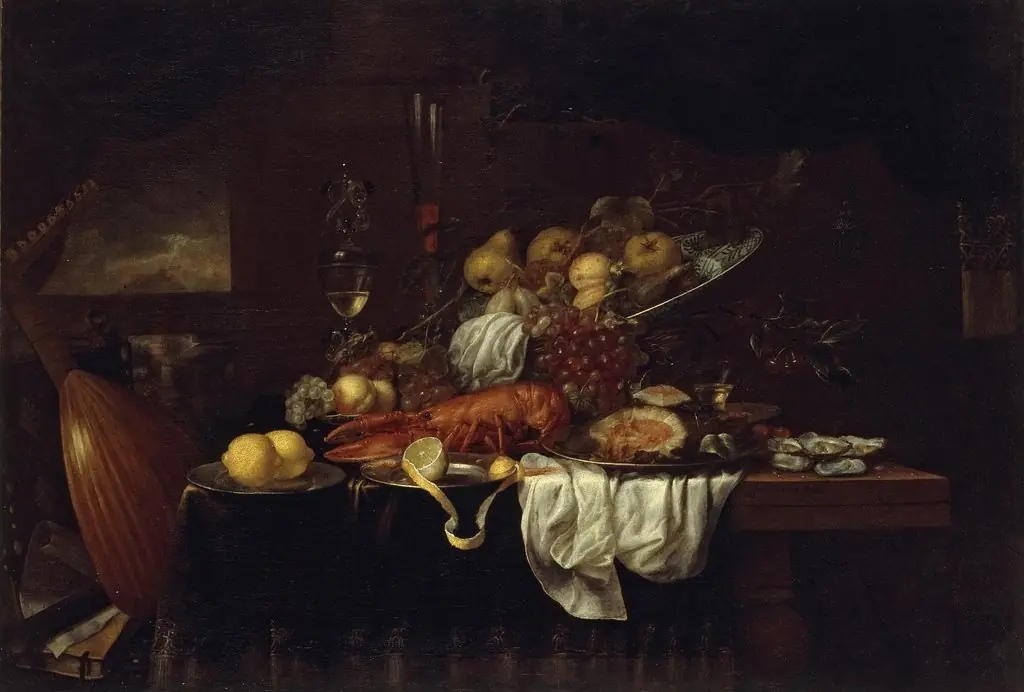
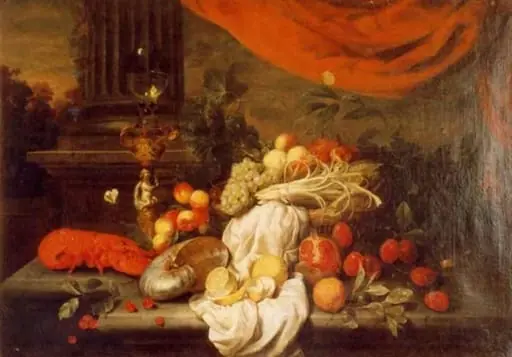
- Natură moartă cu coloană
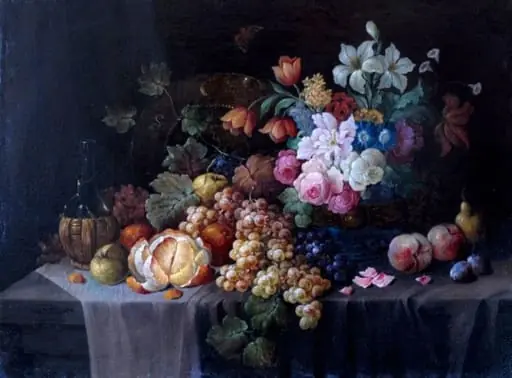 Natură statică
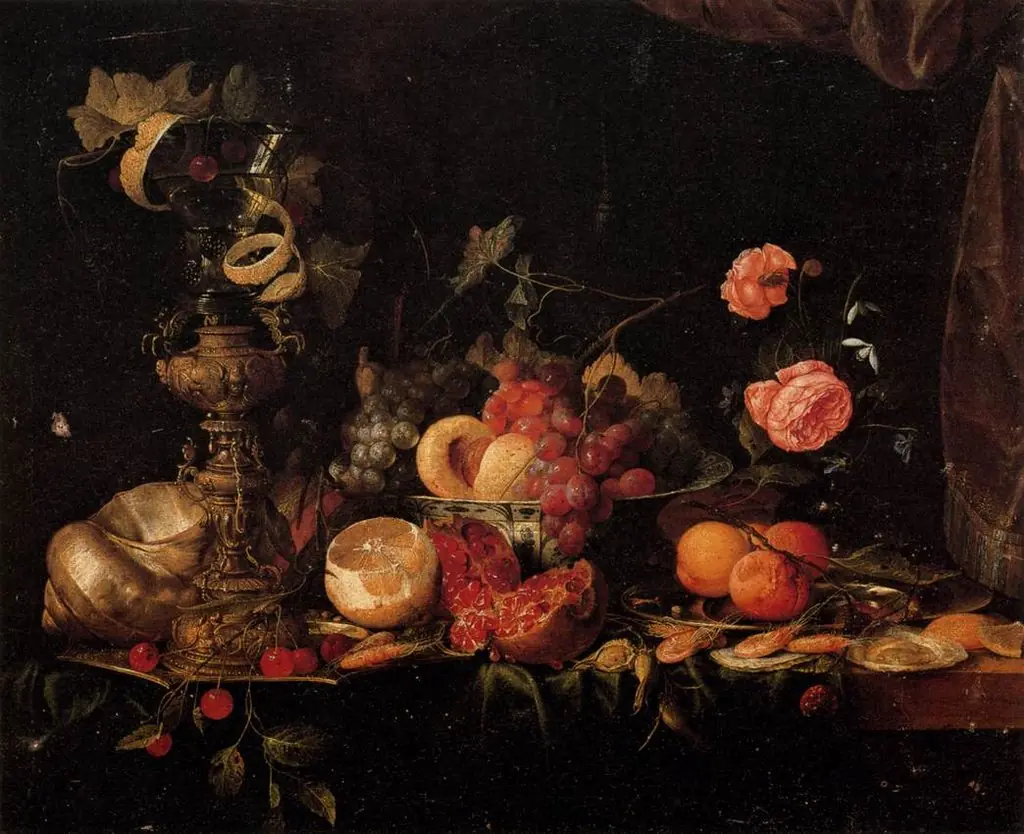 Still-Life with Flowers and Fruit
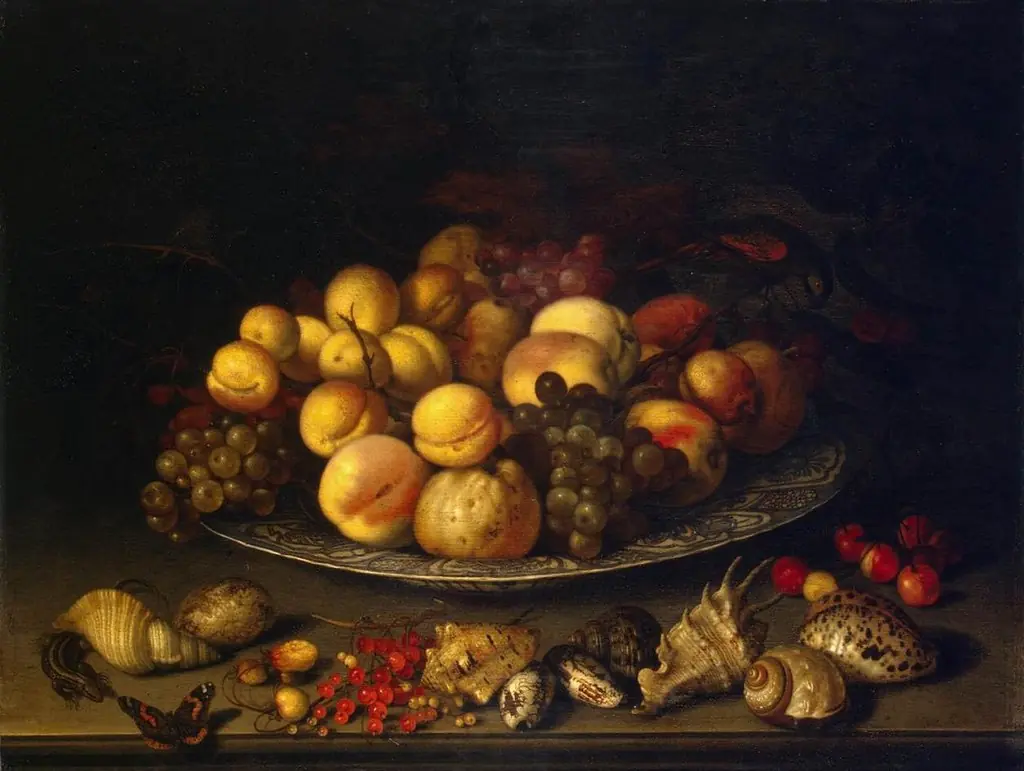 Plate with Fruits and Shells
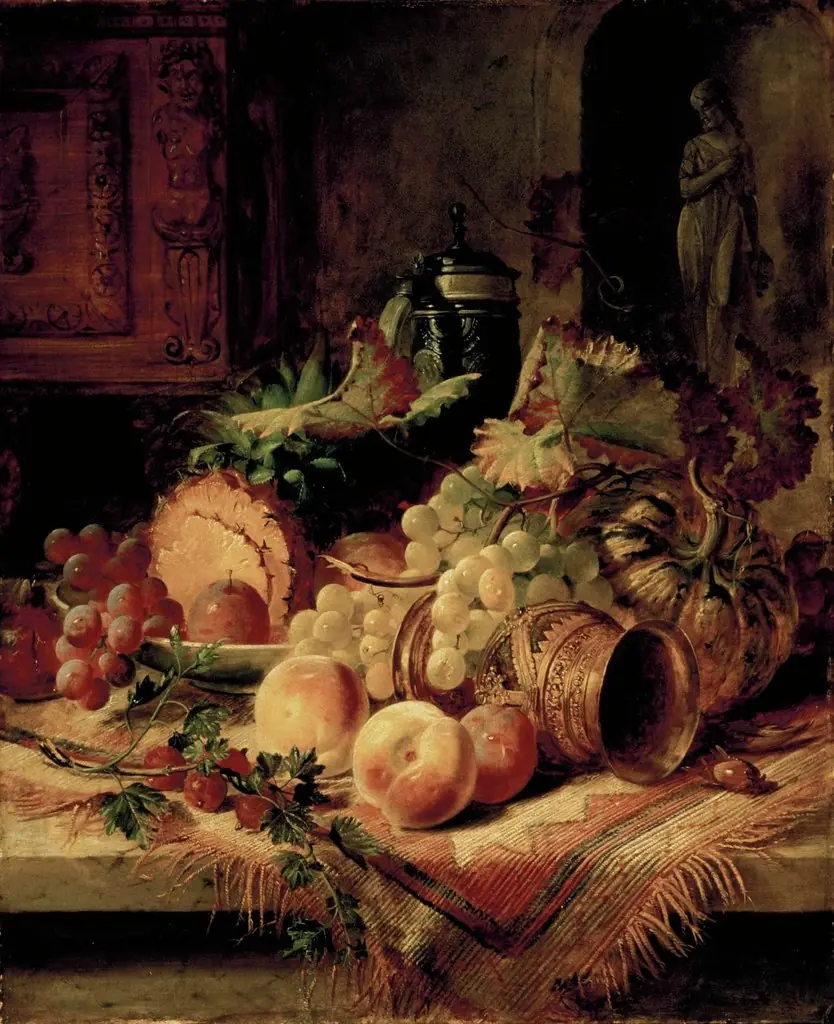 Still Life - Fruit
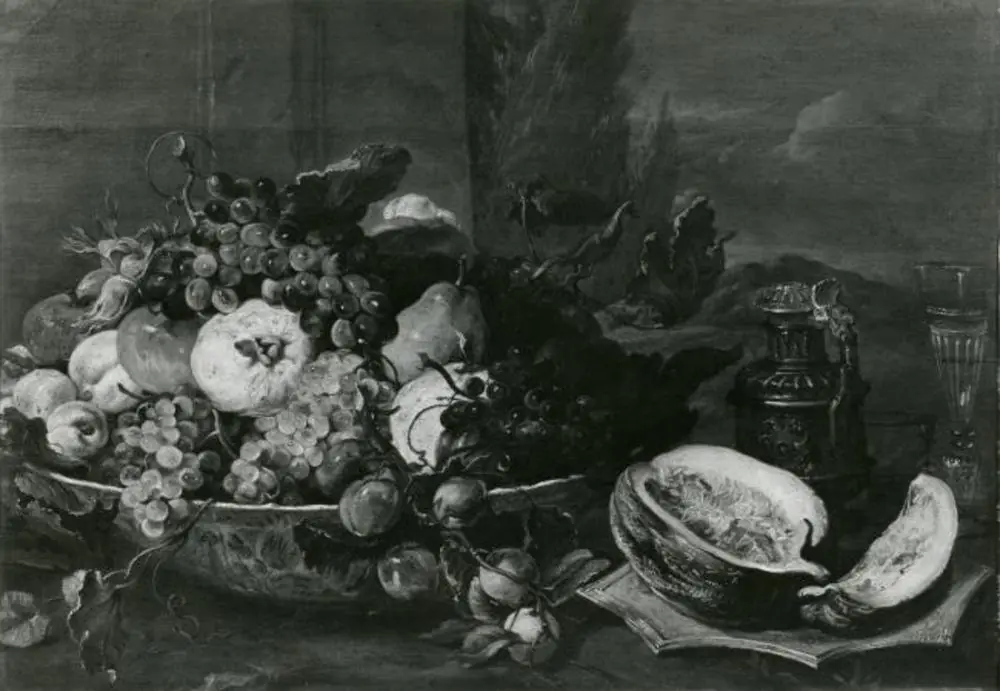 Still Life
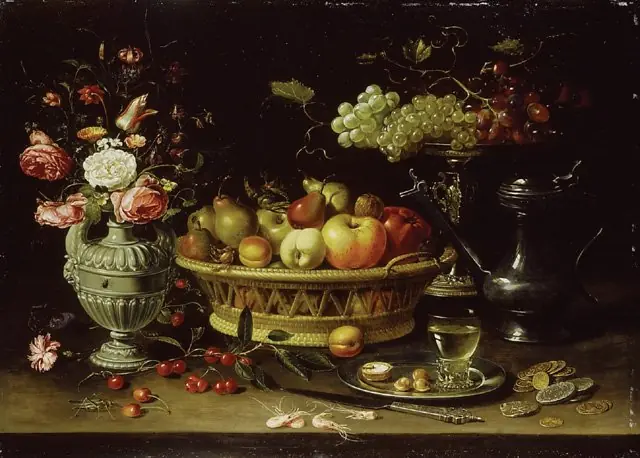 Still life of fruit and flowers
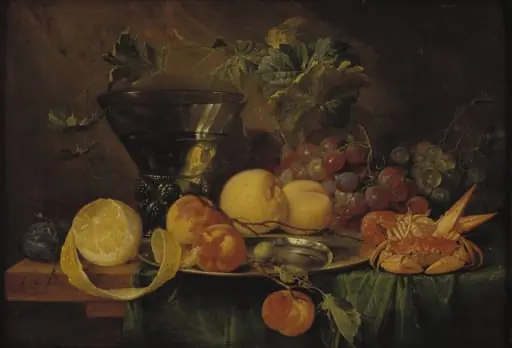 Still Life with a Roemer
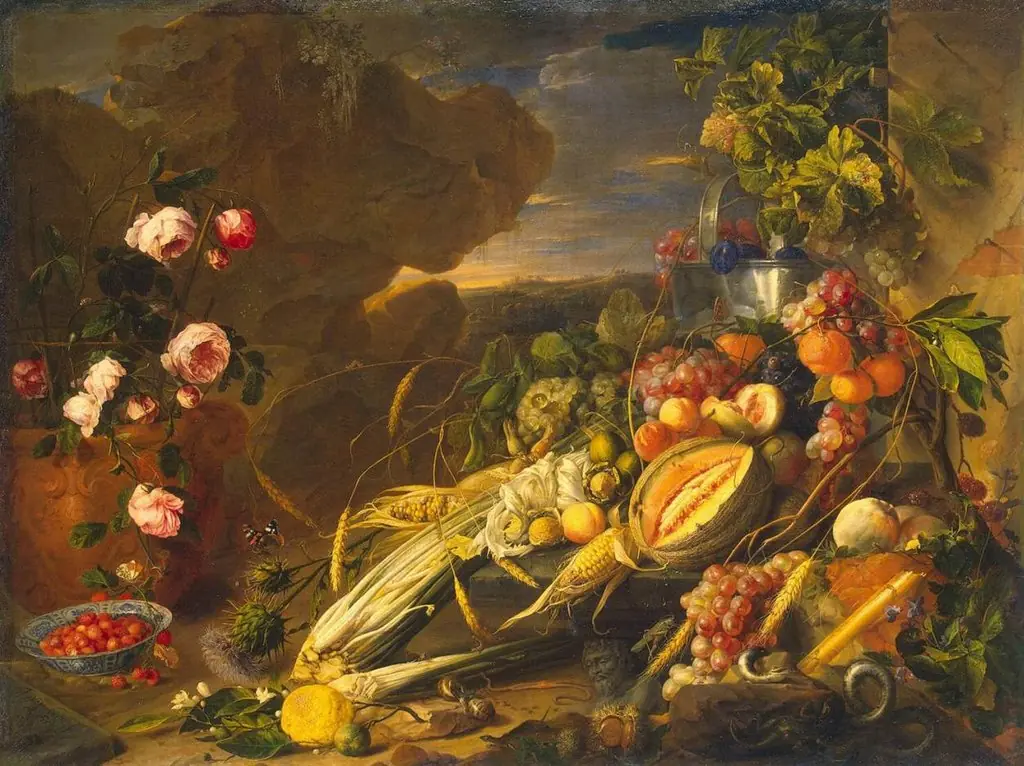 Fruit and a Vase of Flowers
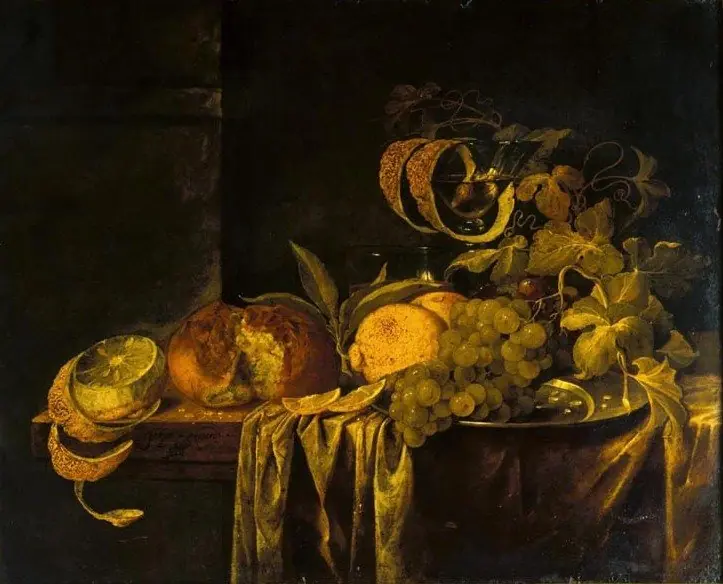 Still life with fruit, bread, and glassware
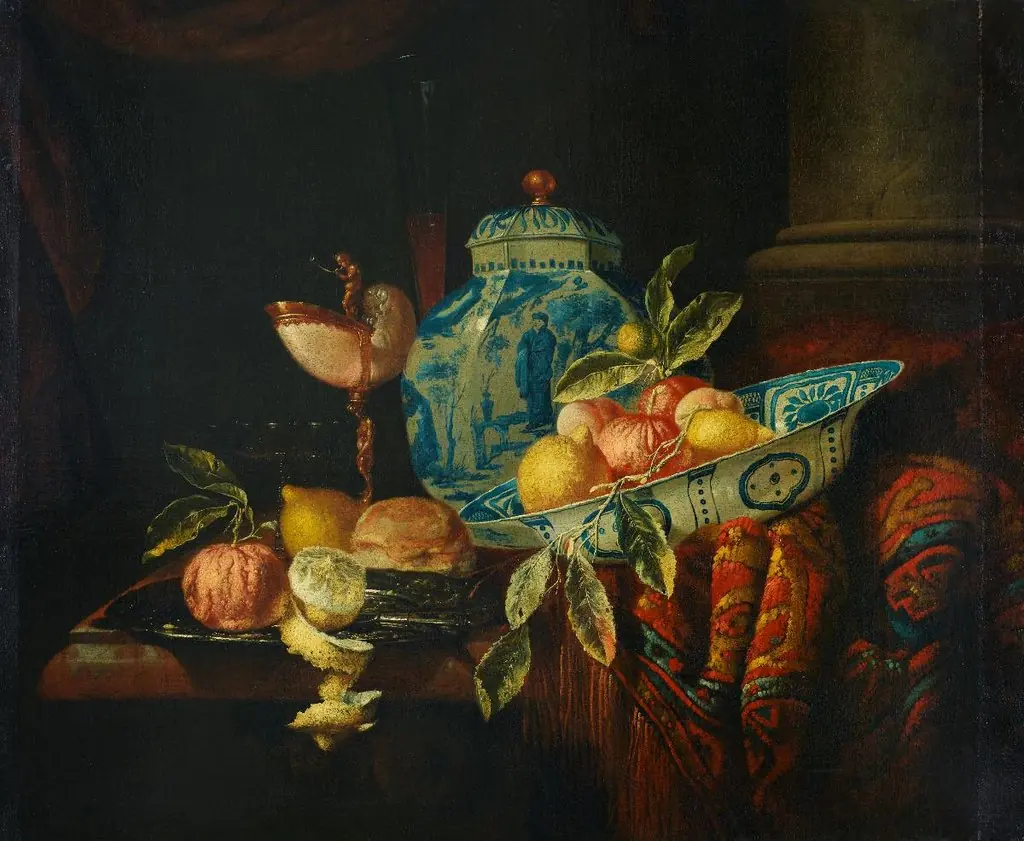 Stilleben mit chinesischem Porzellan und Perserteppich
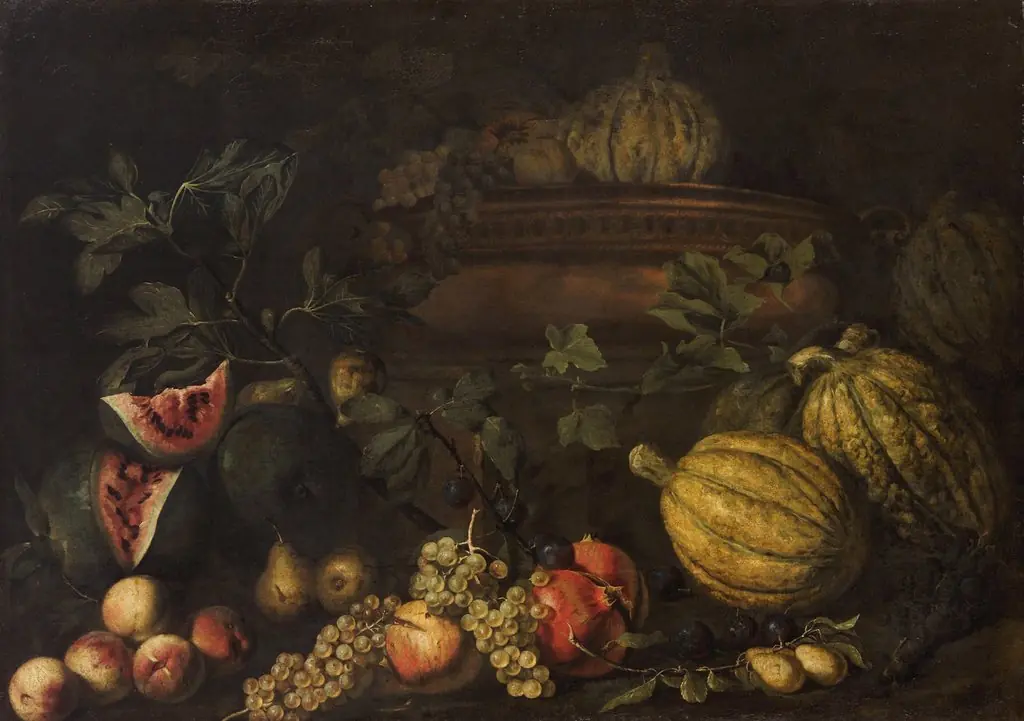 Früchtestilleben