Artwork
Floreal
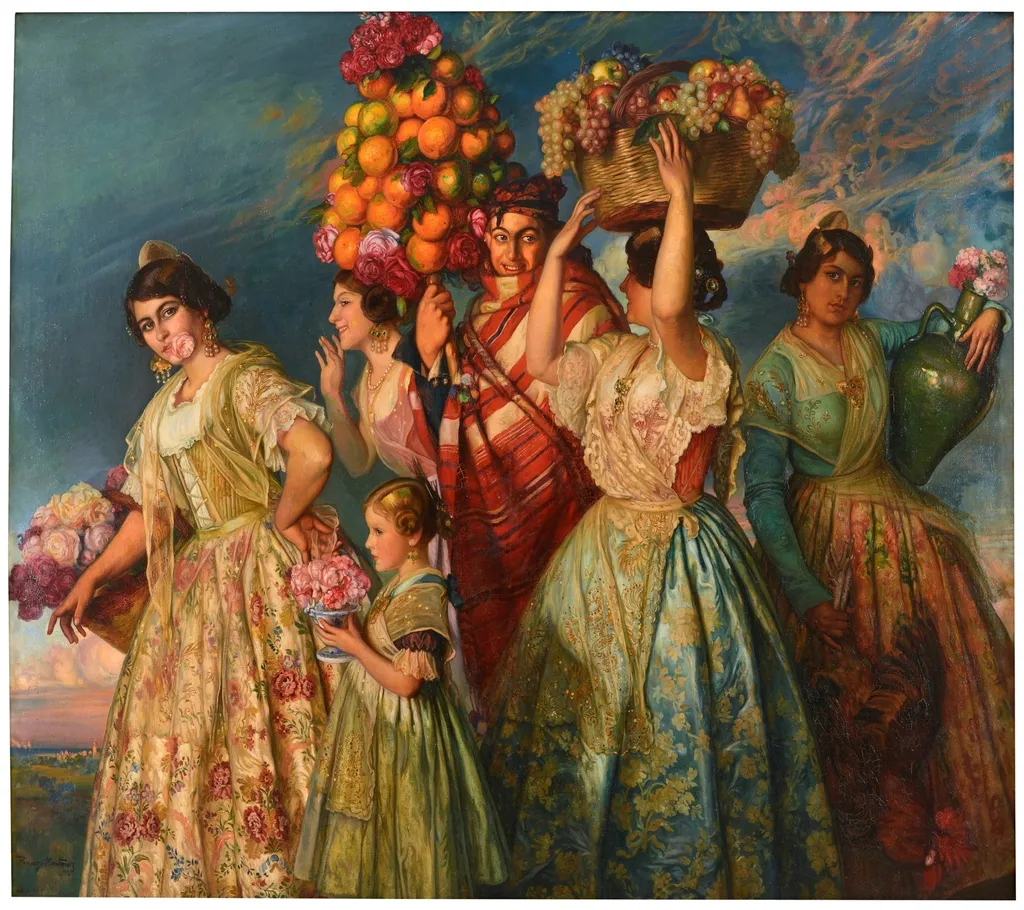
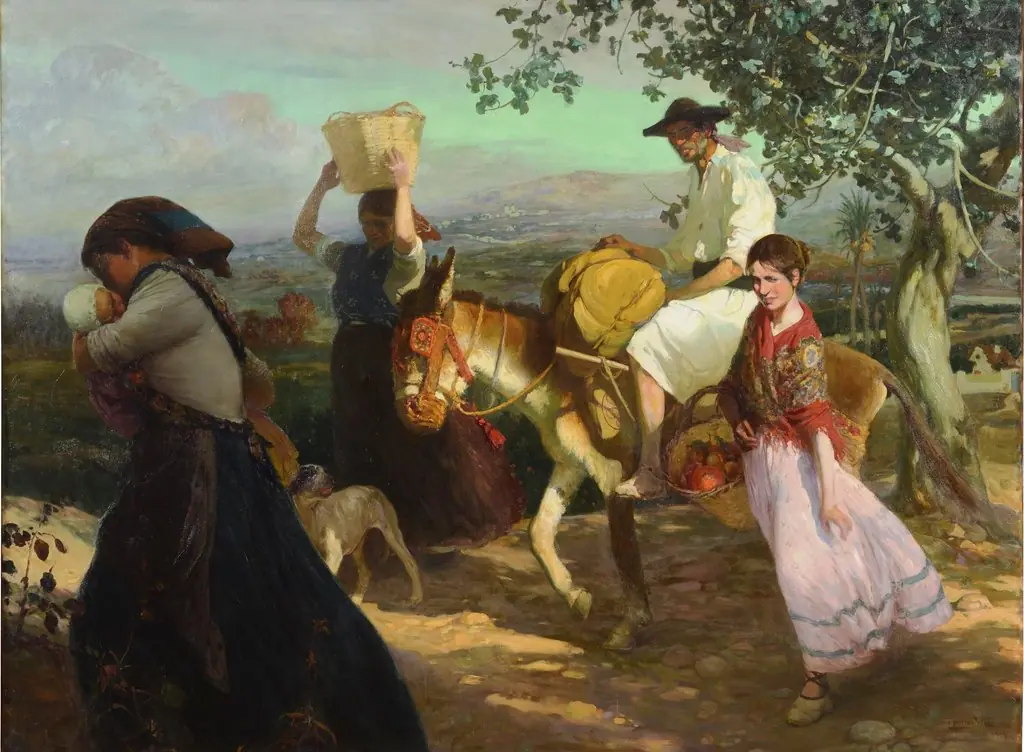
Floreal is an oil painting by the Art Nouveau artist José Pinazo Martínez. It dates from 1915 and is held in the collection of the Museo del Prado.
About this work
If you like this painting, you might also want to check out the work of other artists who use similar techniques, such as chiaroscuro or impasto.
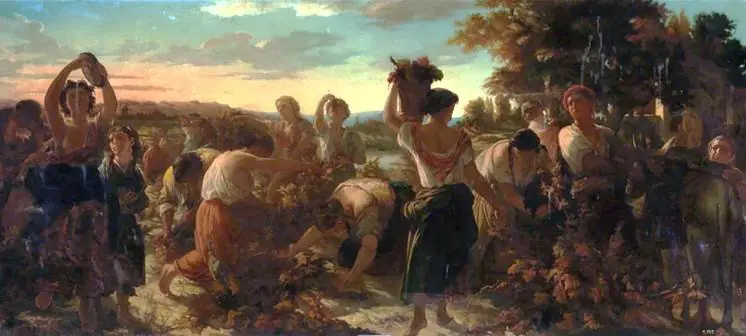
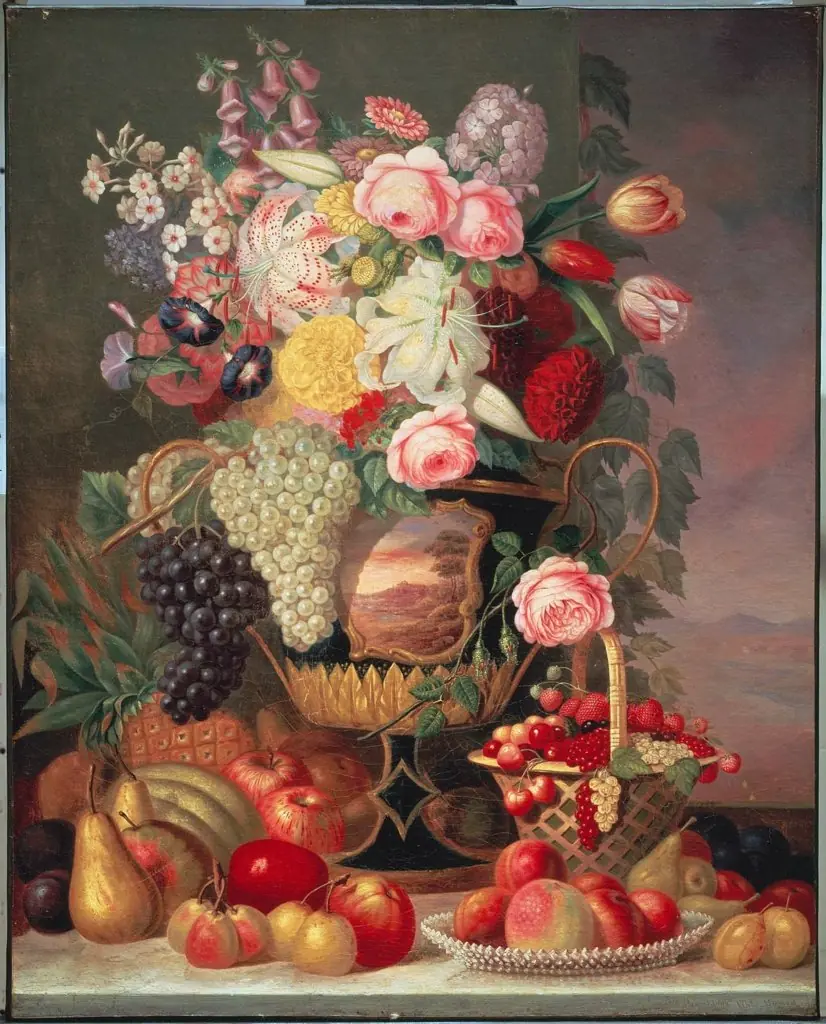
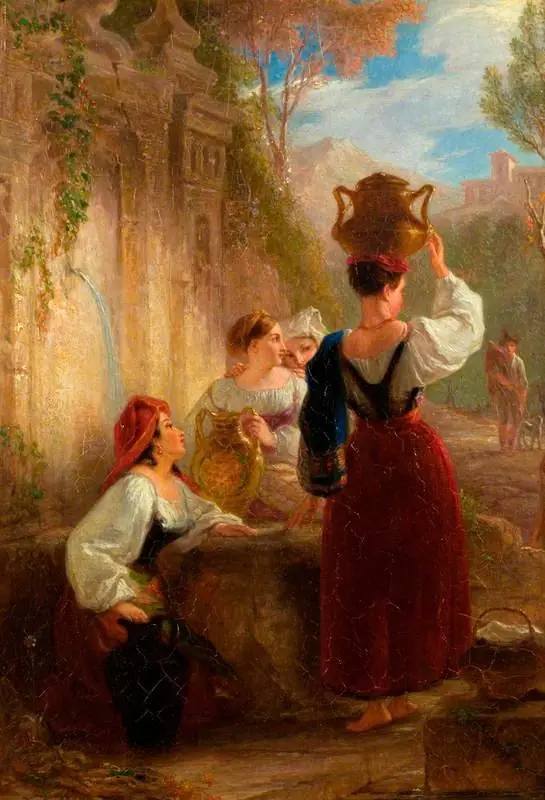
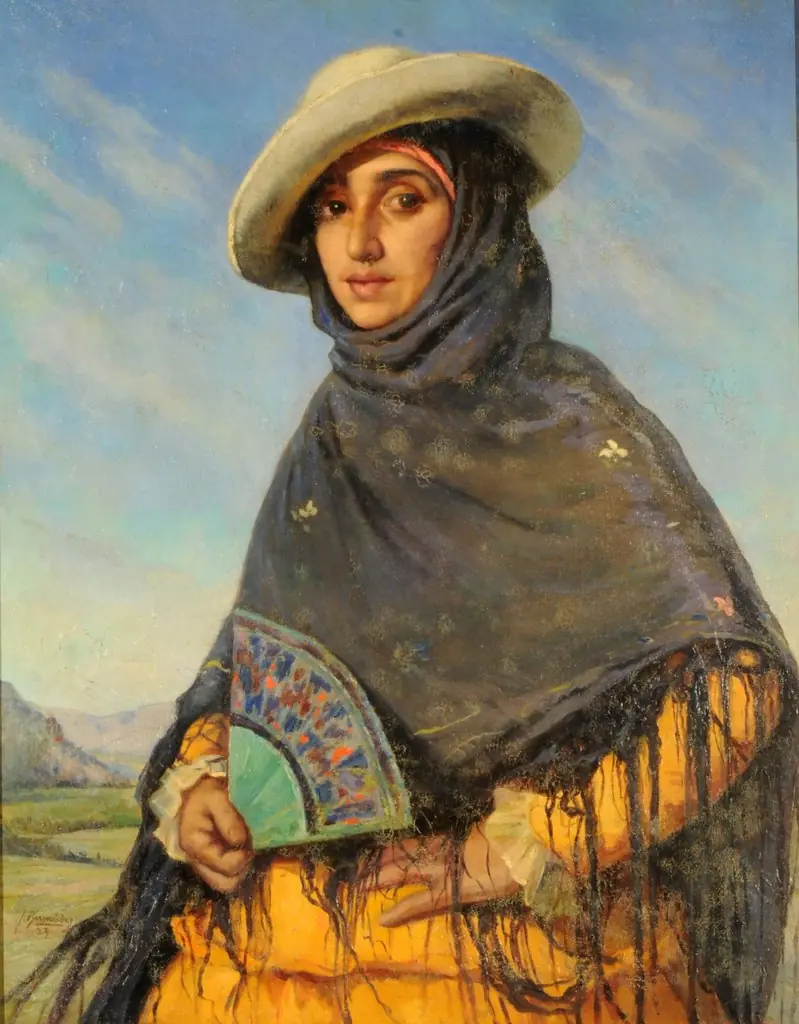
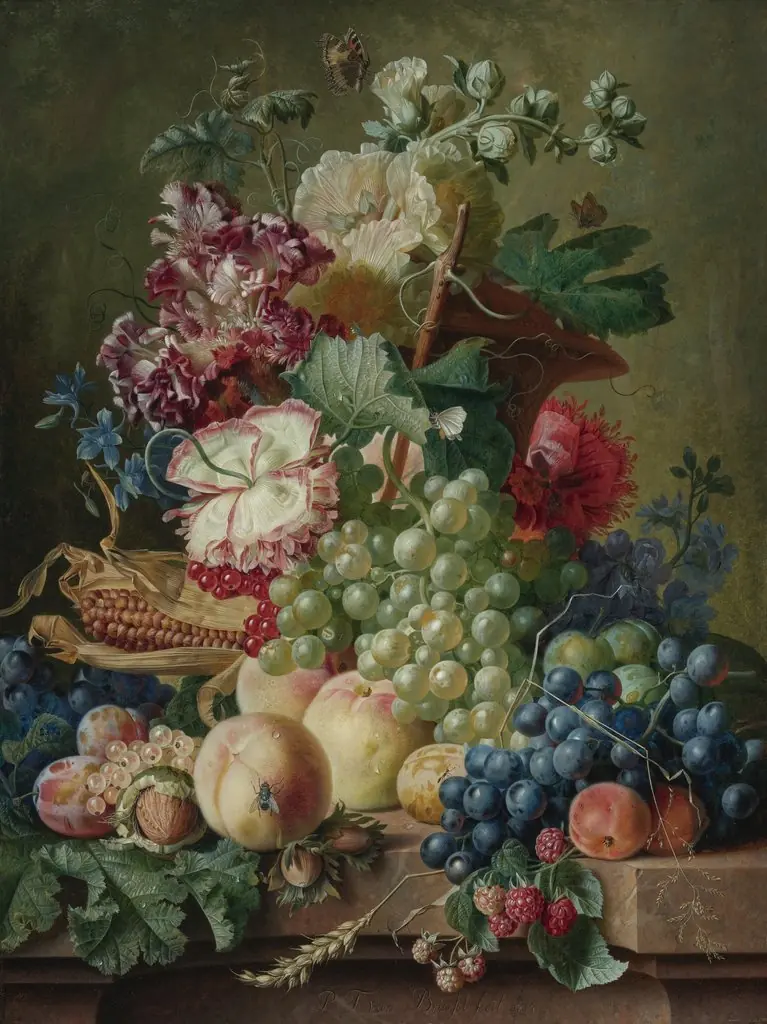
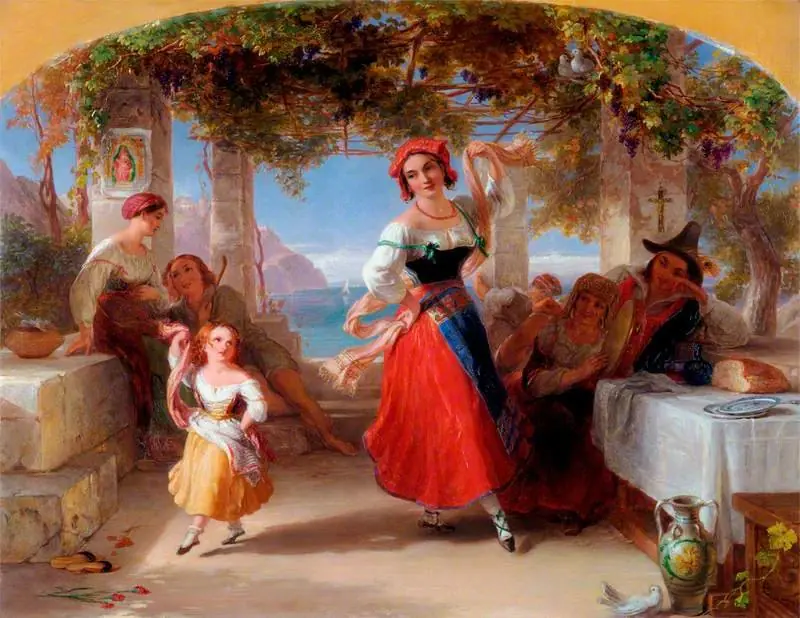
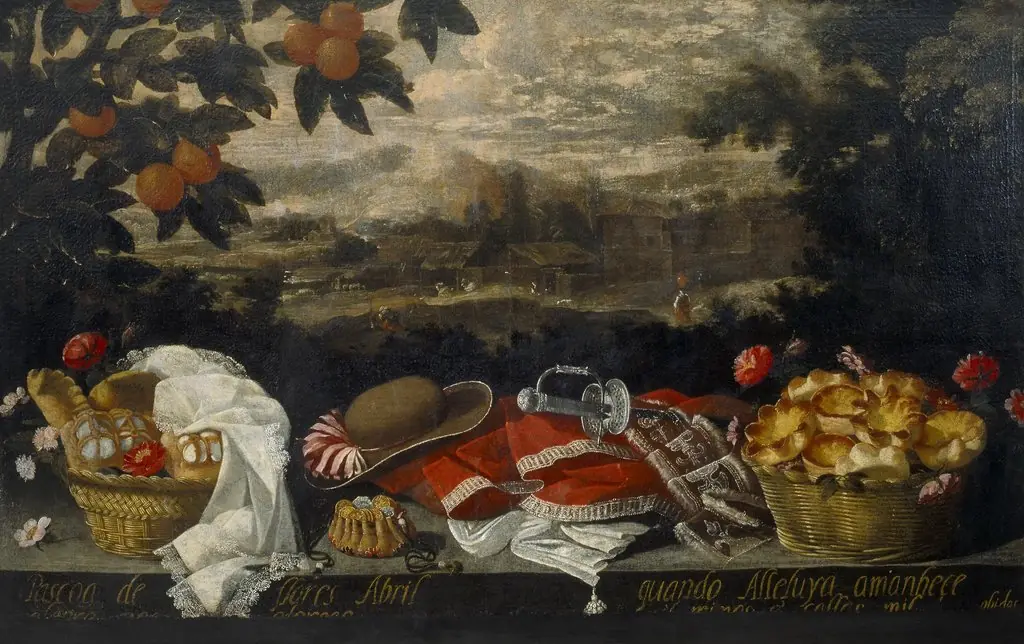
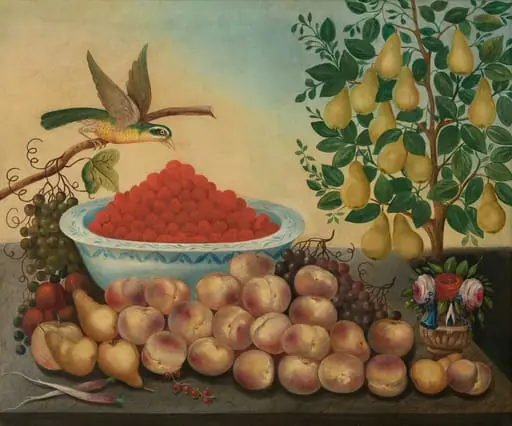
This painting is called "Floreal" and was created by José Pinazo Martínez in 1915. It's an oil painting, and you can see the brushstrokes and texture of the paint. The colors are muted, with lots of greens and browns. There are flowers and leaves scattered throughout the painting, giving it a natural and earthy feel.
One interesting thing about this painting is the way the artist used light and shadow to create depth and dimension. The flowers and leaves seem to pop out of the canvas, and the shadows add a sense of mystery and intrigue.
If you like this painting, you might also want to check out the work of other artists who use similar techniques, such as chiaroscuro or impasto.
Overview
José Pinazo Martínez painted Floreal in 1915 using oil on canvas. The work is part of the Museo del Prado’s collection and reflects the artist’s interest in natural forms and quiet domestic beauty. Though known for portraiture and still life, Pinazo here turns his focus to an intimate arrangement of flora, rendered with subtle tonal shifts and visible brushwork that emphasize texture over detail.
Subject & Meaning
The painting presents a loose composition of wildflowers and foliage, arranged without formal symmetry. The absence of a central focal point invites contemplation of organic decay and renewal. The title, meaning 'floral' in French, suggests a seasonal mood rather than a literal depiction, evoking the quiet transience of nature through its muted palette and scattered elements.
Technique & Style
Pinazo employed impasto and layered brushstrokes to build surface texture, allowing the paint itself to suggest the weight and fragility of petals and leaves. Light is modeled softly, with shadows deepening around the edges of forms to create volume without harsh contrast. The muted greens and browns, combined with a lack of bright highlights, reinforce a subdued, almost meditative atmosphere.
History & Provenance
Completed in 1915, Floreal entered the Museo del Prado’s collection in the 20th century, likely through acquisition or donation. It reflects Pinazo’s later period, when his work increasingly favored intimate, non-portrait subjects. The painting’s inclusion in Spain’s national museum underscores its recognition as a representative example of early 20th-century Spanish still life.
Context
While Floreal shares affinities with Art Nouveau’s organic motifs, it diverges from the movement’s ornamental excess. Instead, Pinazo’s approach aligns more closely with the quiet realism of Spanish tradition and the introspective still lifes of contemporaries like Sorolla. The work resists decorative flourish, favoring a restrained, almost poetic observation of nature.
Legacy
Though not widely reproduced, Floreal remains a quiet reference point in studies of Spanish modernism. It illustrates how regional artists adapted broader European styles to local sensibilities, emphasizing atmosphere over spectacle. The painting’s endurance in the Prado’s collection affirms its value as a nuanced expression of early 20th-century Spanish visual culture.
Own this work as a print
Artist & collection
Artist
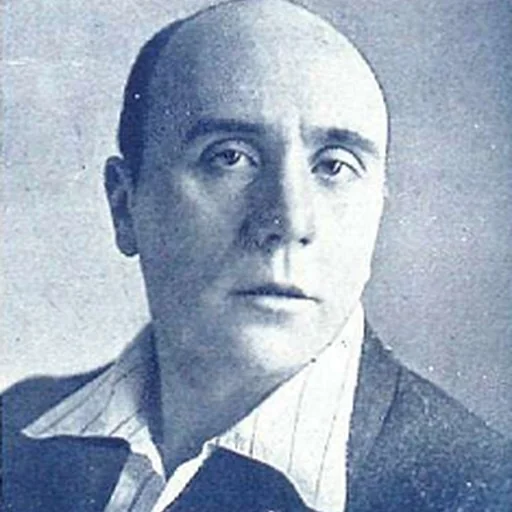
José Pinazo Martínez (10 July 1879, Rome – 2 December 1933, Madrid) was a Spanish painter, primarily known for portraits and still-lifes.