Subject
Fruit
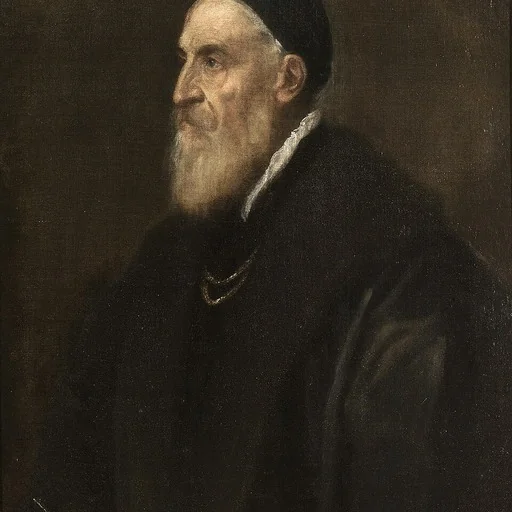
Fruit is a subject in art. The gallery holds 200 works in this subject in art, including works by Titian, Gustave Courbet and Johannes Vermeer.
Fruit is one of the oldest and most enduring subjects in Western art, valued at once as a botanical marvel—the seed-bearing structure that angiosperms ripen from the flower's ovary to disseminate their seeds—and as a dense carrier of meaning. Painted fruit appears almost 3,000 years ago on the walls of ancient Egyptian tombs, where it served as a ready meal for the dead, and again in Roman mosaic and fresco, where heaped figs, grapes and pomegranates signalled hospitality, abundance and the turning of the seasons. From these beginnings fruit became the natural protagonist of the still life, a genre in which the humblest objects could be charged with religious, classical and moral significance.
The theme acquired new dignity around 1596, when Caravaggio (1571–1610) painted his "Basket of Fruit"—now in the Biblioteca Ambrosiana, Milan—the rare independent still life that granted a wicker basket of summer fruit the same formal weight as a portrait or sacred narrative. Its worm-eaten leaves and bruised apples announced a recurring tension in the genre: ripe fruit as a symbol of fertility, youth and plenty, and decaying fruit as a vanitas reminder of mortality and sin. Grapes evoked Bacchus and, in Christian terms, the blood of Christ; rare imports such as the pineapple advertised a patron's wealth.
Fruit reached its apogee in the seventeenth-century Dutch and Flemish Golden Age. Clara Peeters, Pieter Claesz and Jan Davidsz. de Heem (1606–1684) composed laden tables in which fruit mingled with porcelain, glassware and silver, while Willem Kalf (1619–1693) perfected the opulent "pronkstilleven," or display still life, that flaunted the riches of a mercantile empire. Our collection's "Still Life with Peacock Pie" by Claesz and Goltzius's "Vertumnus and Pomona"—naming the Roman goddess of orchards—belong to this rich tradition.
In the eighteenth century Jean-Baptiste-Siméon Chardin stripped the genre of bravura, finding gravity in a few quiet plums and peaches. His restraint shaped Paul Cézanne (1839–1906), who painted more than 270 still lifes and boasted he would "astonish Paris with an apple." By viewing fruit from shifting angles and abandoning single-point perspective, Cézanne turned the apple into a problem of pure form, helping inaugurate modernism and the flatness that would lead to Cubism and abstraction.
Key artists
Overview
Fruit, the seed-bearing structure formed from the ovary of flowering plants, has served as a persistent and versatile subject in visual art for nearly three millennia. In the collection under discussion, fruit appears in 529 works, ranging from mythological narratives and portraiture to independent still lifes. Its recurrence stems from a unique dual nature: fruit is simultaneously an ordinary, tangible object and a carrier of complex symbolic weight. multifunctional motif that could signal abundance, mortality, divine providence, or sensory pleasure depending on context, medium, and period. The collection's examples include The Nymph of Fontainebleau, The Holy Family, Still Life with Peacock Pie, Vertumnus and Pomona, and The Union of Earth and Water, demonstrating how fruit permeates virtually every genre of Western painting.
Iconography & meaning
The iconography of fruit in art operates on multiple registers, from the literal to the allegorical. In ancient Egyptian funerary practice, still-life paintings of fruit placed in tombs functioned as provisions for the deceased in the afterlife, establishing an early connection between fruit and transcendence. Roman mosaic art employed fruit as an emblem of hospitality and the cyclical passage of seasons. By the Renaissance and Baroque periods, the condition of fruit became a sophisticated semantic tool: fresh, luminous fruit signified wealth, fertility, and earthly pleasure, while decaying or worm-eaten specimens evoked vanitas themes of human mortality and the transience of beauty. Caravaggio's Basket of Fruit exemplifies this duality, where a rotting apple amid otherwise vibrant produce introduces memento mori symbolism into an apparently straightforward depiction. Specific fruits carried established meanings: grapes referenced the Eucharist and wine's sacrificial connotations; pomegranates alluded to resurrection and fertility through their abundant seeds; apples evoked both the Fall and redemption. Giuseppe Arcimboldo's portrait of Rudolf II as Vertumnus, the Roman god of seasons and fruit, transforms this symbolic vocabulary into imperial allegory, using flowers and fruits to proclaim a golden age of rule. The state of fruit, its ripeness or decay, thus became a language through which artists communicated theological, philosophical, and social messages.
Across movements & periods
The treatment of fruit evolved substantially across movements and cultures. Ancient Egyptian tomb paintings established a functional, votive purpose that persisted in modified form through Roman mosaics. The medieval period saw fruit primarily in religious contexts, often as symbolic attribute in illuminated manuscripts and altarpieces. The Renaissance witnessed a decisive transformation with the emergence of autonomous still-life painting in Italy and the Netherlands, where fruit became a subject worthy of independent artistic attention. Caravaggio's Basket of Fruit, painted around 1596, represents a watershed in its radical naturalism and dramatic chiaroscuro, establishing conventions that would dominate Baroque still life. The seventeenth-century Dutch and Flemish schools developed this into an elaborate genre, with artists like Pieter Claesz constructing lavish displays of abundance that simultaneously celebrated and questioned material prosperity. Luca Forte's Still Life with Grapes and Other Fruit from approximately 1630, executed in oil on specialty copper, achieves an enamel-like finish that emphasizes tactile luxury. The nineteenth century brought new approaches: Dorothea Eliza Smith's botanical watercolors pursued scientific accuracy alongside aesthetic refinement, while Vincent van Gogh's rendered fruit with the thick impasto and bold color of Post-Impressionism in works like Quinces, Lemons, Pears, and Grapes. Paul Cézanne's repeated investigations of fruit bowls and baskets, including Jug, Curtain and Fruit Bowl and The Basket of Apples, moved toward structural analysis and geometric simplification that proved foundational for Cubism. Georges Braque's Violin and Candlestick demonstrates how still-life fragmentation absorbed fruit into avant-garde experimentation. Frida Kahlo infused the genre with personal and cultural specificity, while Salvador Dalí's surrealist treatments dissolved the boundary between object and hallucination.
Notable depictions
Several canonical works establish the parameters of fruit's artistic treatment. Caravaggio's Basket of Fruit, painted around 1596, remains perhaps the most influential single fruit still life, its dramatic lighting and unflinching naturalism setting standards for Baroque painting. Giuseppe Arcimboldo's Rudolf II of Habsburg as Vertumnus, created between 1590 and 1591 and now at Skokloster Castle, transforms fruit into portraiture in a mannerist tour de force that conflates imperial identity with natural abundance. Luca Forte's Still Life with Grapes and Other Fruit, housed at the J. Paul Getty Museum, demonstrates the technical possibilities of oil on copper for achieving luminous, hyper-detailed surfaces. Dorothea Eliza Smith's Frontispiece and Fruits of the Lima Market, produced between 1850 and 1853, apply botanical precision to documentary purposes. Vincent van Gogh's Quinces, Lemons, Pears, and Grapes of 1887, at the Van Gogh Museum, channels post-impressionist color theory into intimate domestic subject matter. Paul Cézanne's Jug, Curtain and Fruit Bowl, which commanded over $60 million at sale, and The Basket of Apples, both exemplify the transition from naturalistic depiction to structural analysis. Claude Monet's Still Life With Melon from 1872 applies Impressionist light effects to the traditional subject. In the twentieth century, Frida Kahlo's Still Life of 1942 and Salvador Dalí's Living Still Life demonstrate how fruit could be reanimated through personal symbolism and surrealist dislocation respectively.
Legacy
The legacy of fruit in art extends beyond museum walls into institutional and popular culture in unexpected forms. The Museo della Frutta in Turin, established around the collection of Francesco Garnier Valletti, preserves over one thousand artificial fruit models created in the late nineteenth century using the lost technique of ceroplastics. These wax and composite reproductions, designed for agricultural education and pomological research, represent a fascinating intersection of artistic craft and scientific purpose. Valletti, who worked from 1808 to 1889, guarded his material formulas as trade secrets, and his art died with him, rendering the surviving models irreplaceable artifacts. The museum's pomological collection, expanded between 1927 and 1935 with hundreds of varieties of apples, pears, peaches, apricots, plums, and grapes, now serves as a monument to biodiversity and the history of agricultural science. This institutional afterlife parallels the ongoing cultural resonance of fruit imagery in contemporary art and design, where the symbolic vocabulary established over millennia, from Egyptian tombs to Baroque vanitas to Cézanne's structural investigations, continues to inform creative practice. The persistence of fruit across movements, from naturalism to abstraction to conceptual art, testifies to its inexhaustible capacity to generate meaning from the most ordinary of subjects.
Works
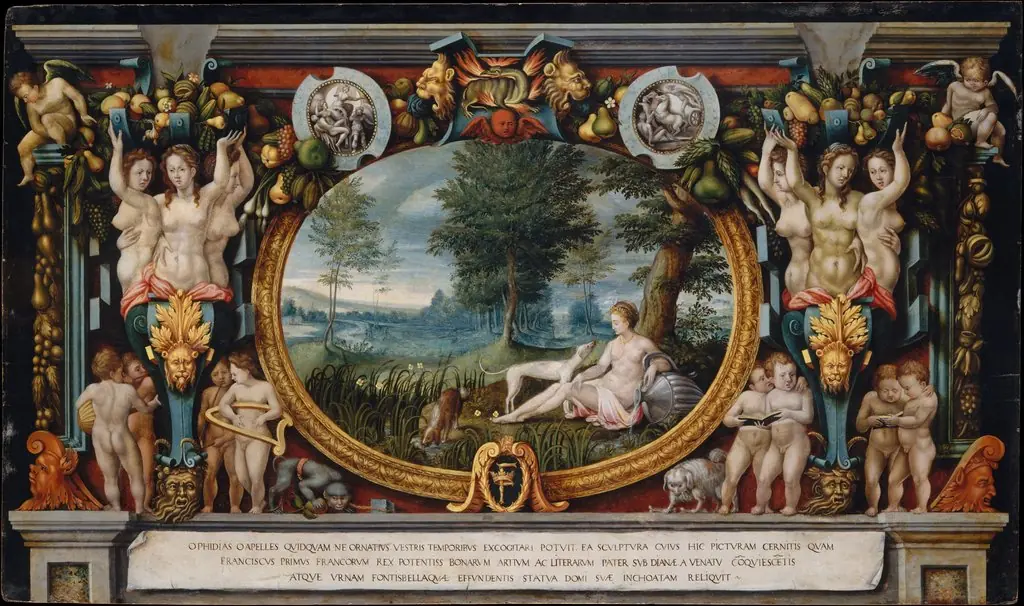 The Nymph of Fontainebleau
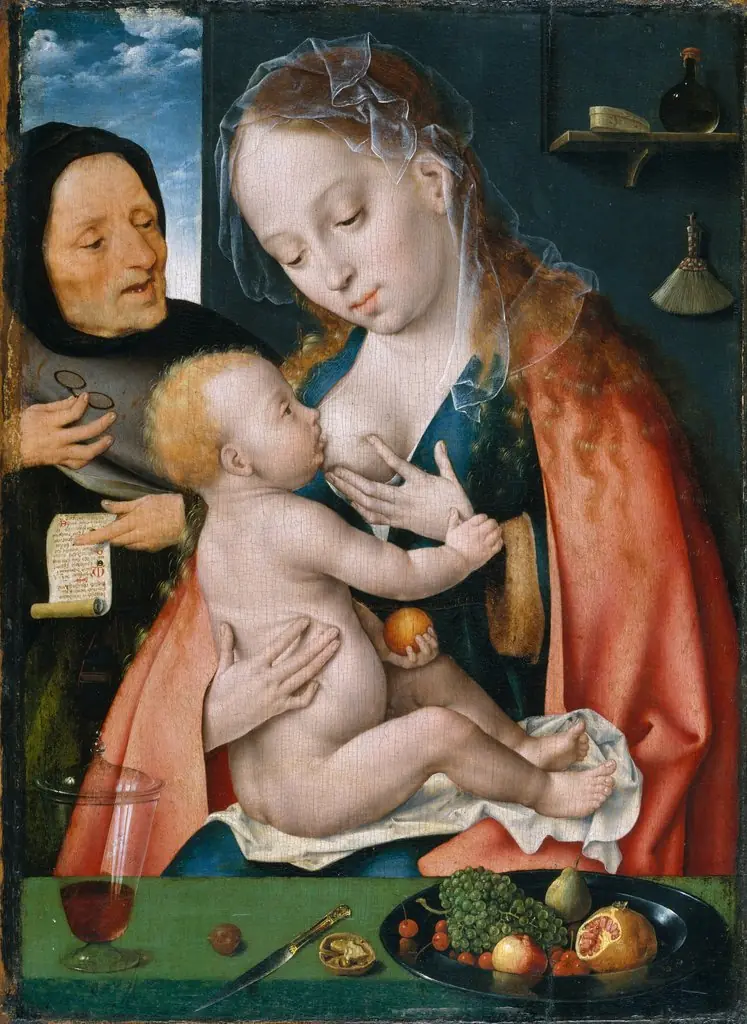 The Holy Family
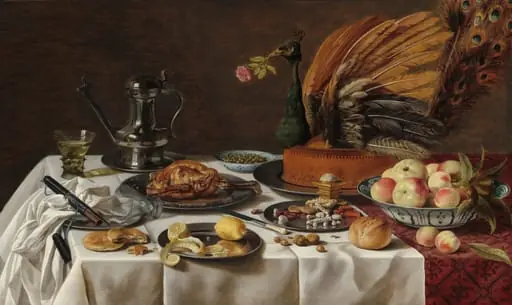 Still Life with Peacock Pie
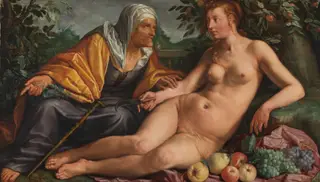 Vertumnus and Pomona
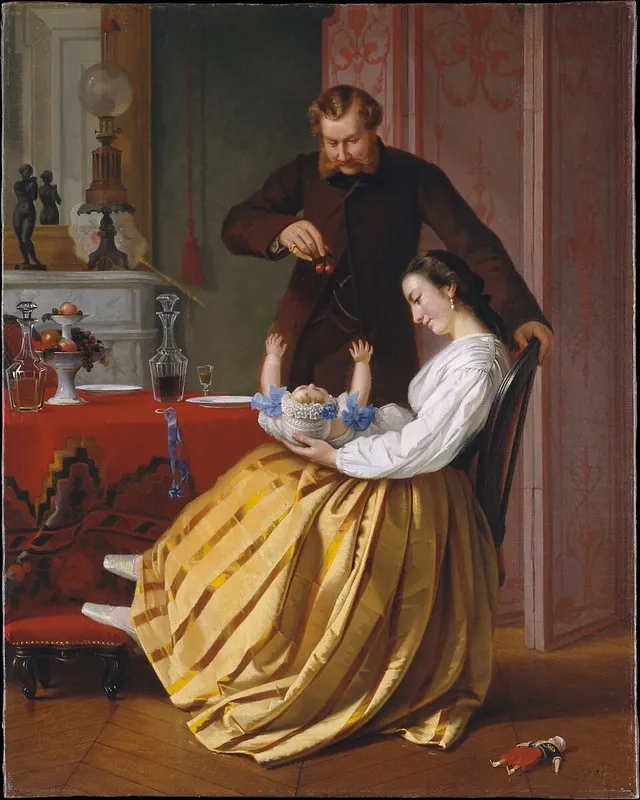
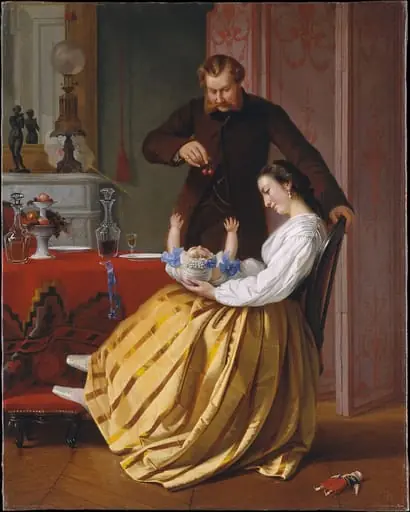 Conversation Piece
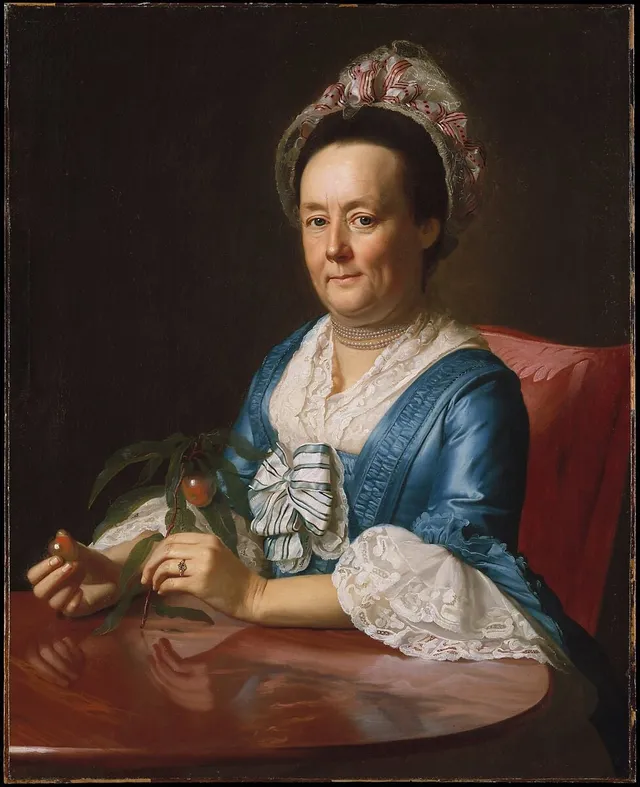
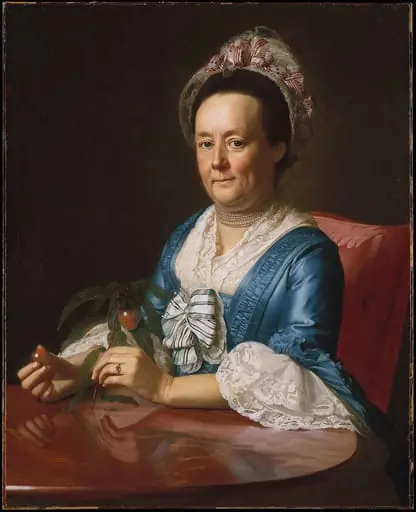 Mrs. John Winthrop
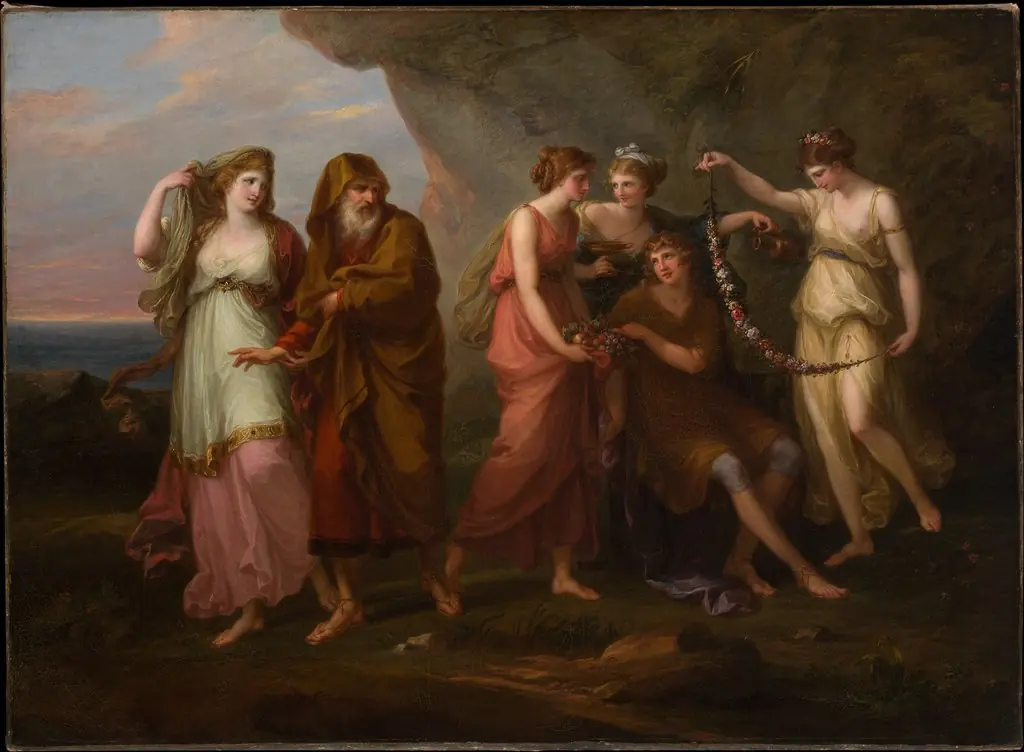 Telemachus and the Nymphs of Calypso
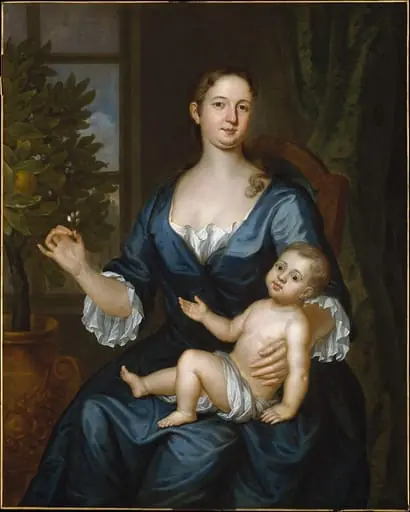 Mrs. Francis Brinley and Her Son Francis
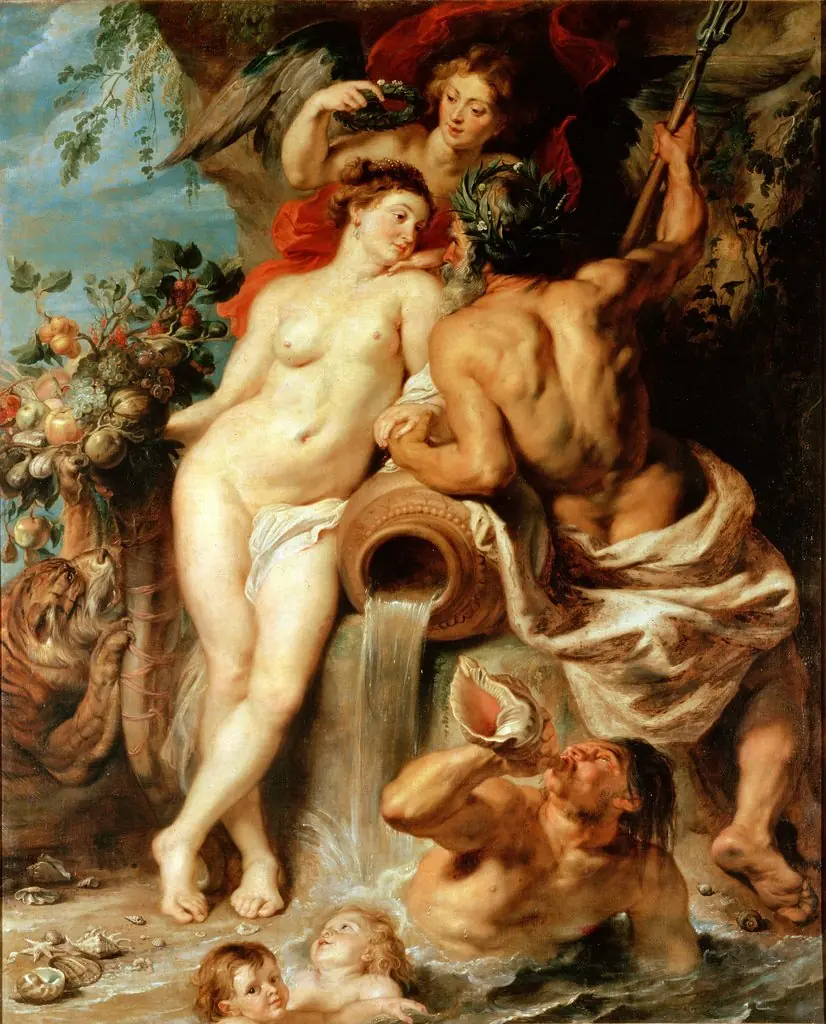 The Union of Earth and Water (Antwerp and the Scheldt)
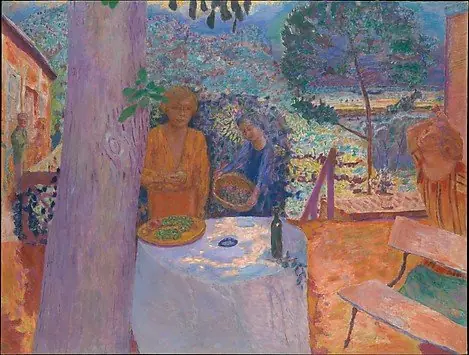 The Terrace at Vernonnet
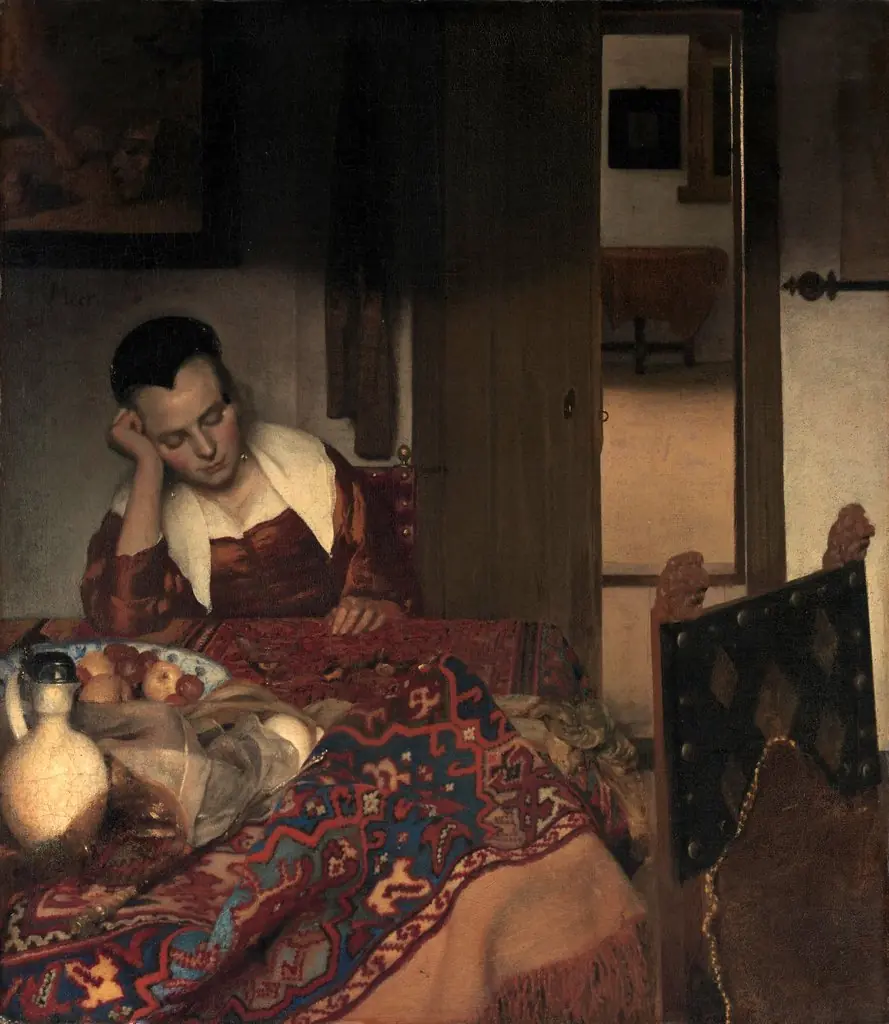 A Girl Asleep
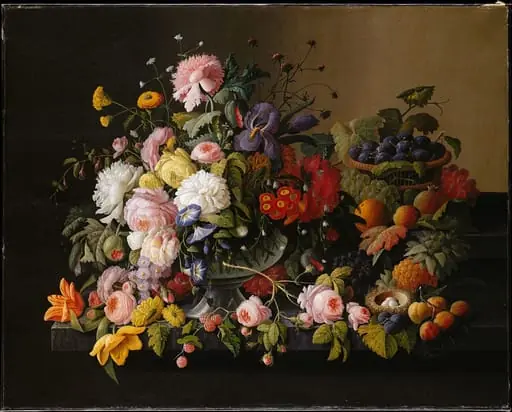 Still Life: Flowers and Fruit
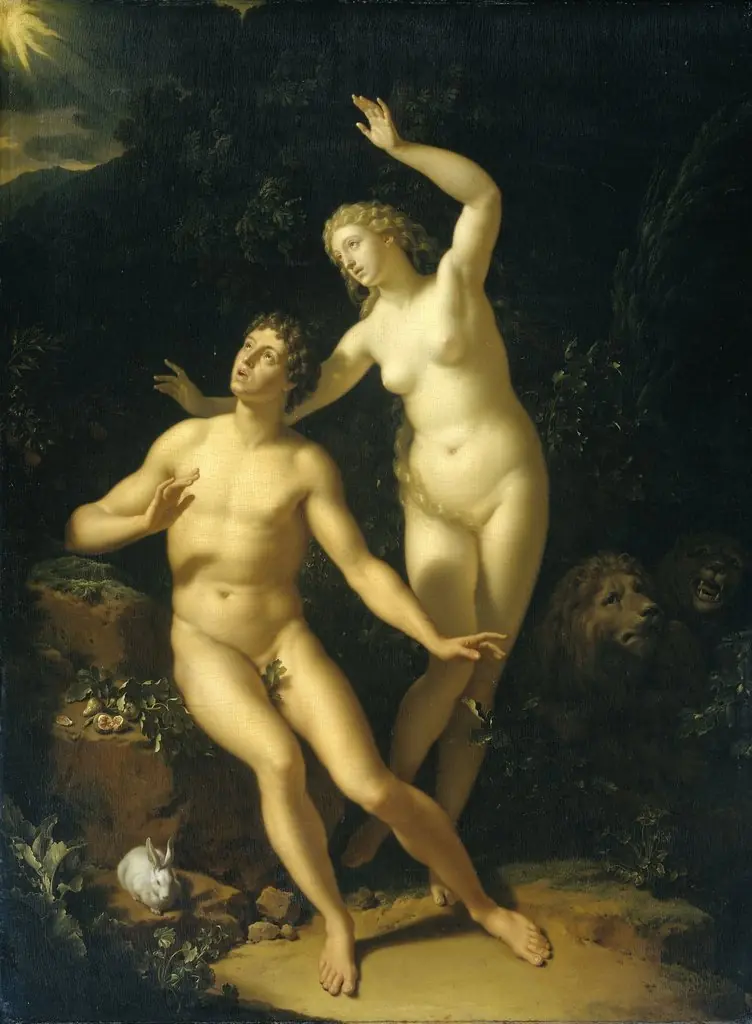 God Holds Adam and Eve Responsible
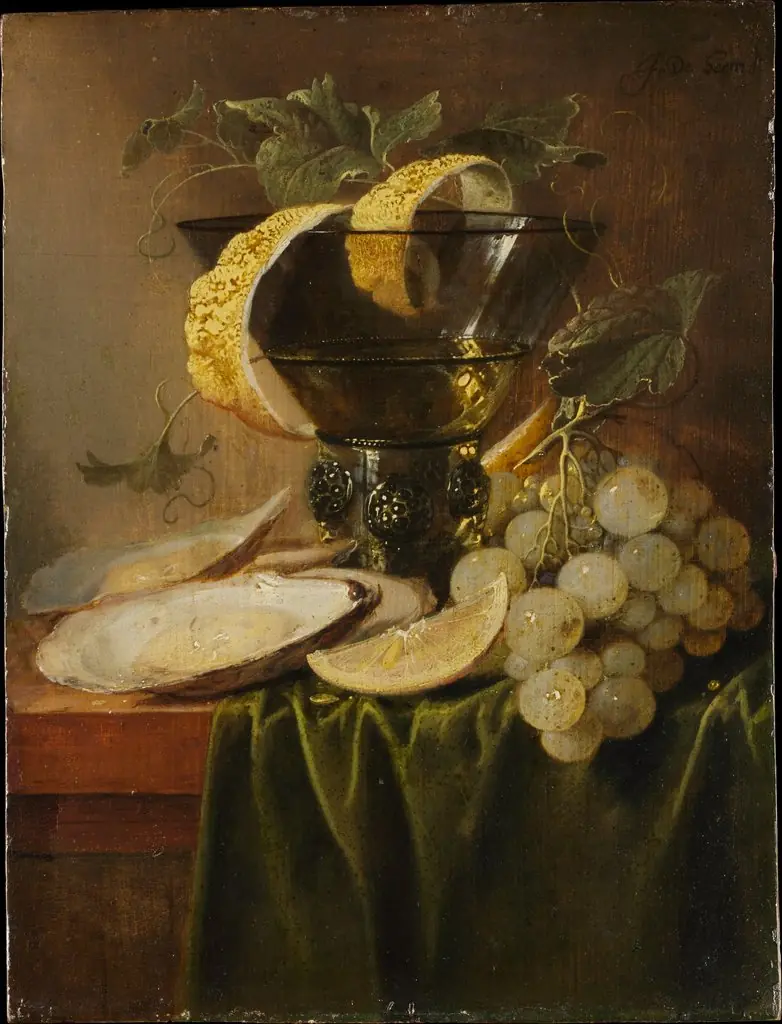 Still Life with a Glass and Oysters
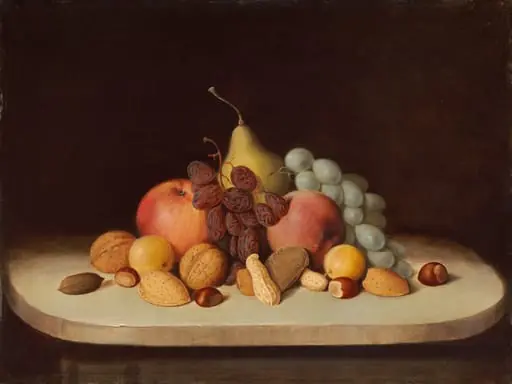 Still Life with Fruit and Nuts
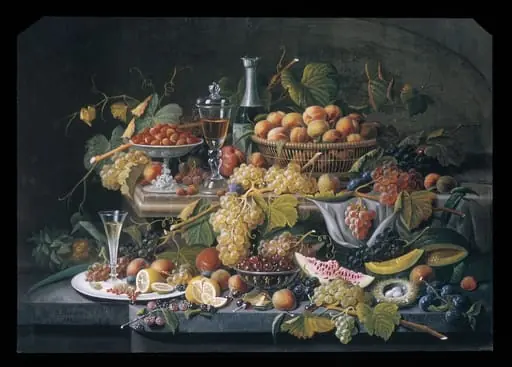 Still Life: Fruit
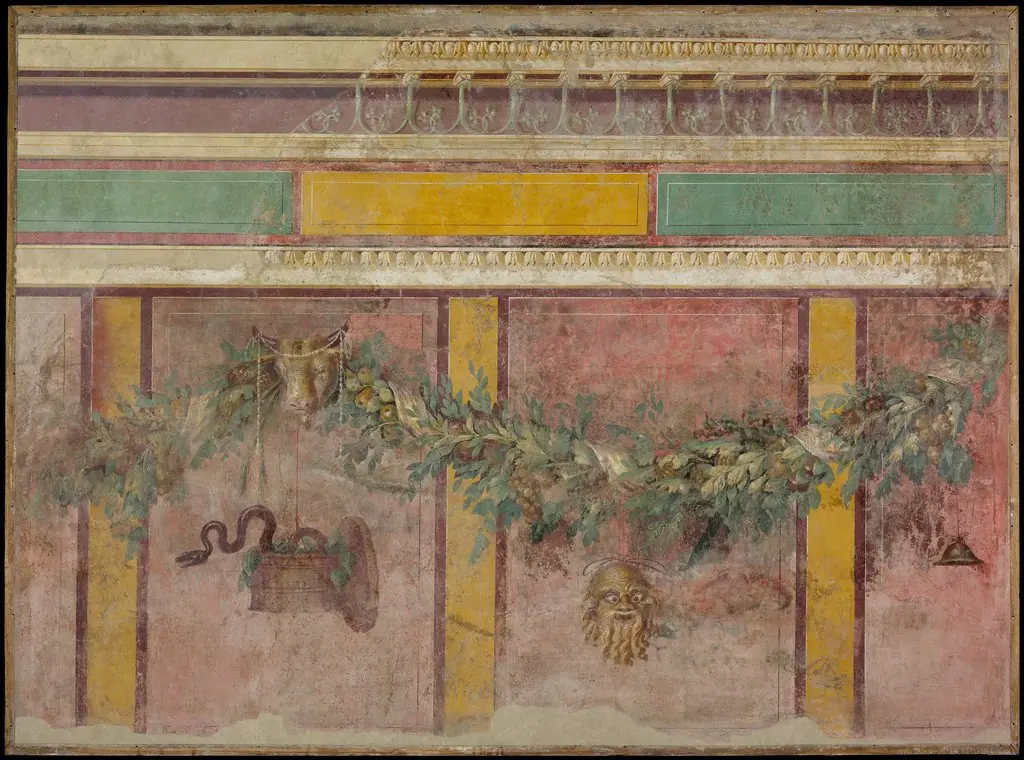 Wall painting from the west wall of Room L of the Villa of P. Fannius Synistor at Boscoreale
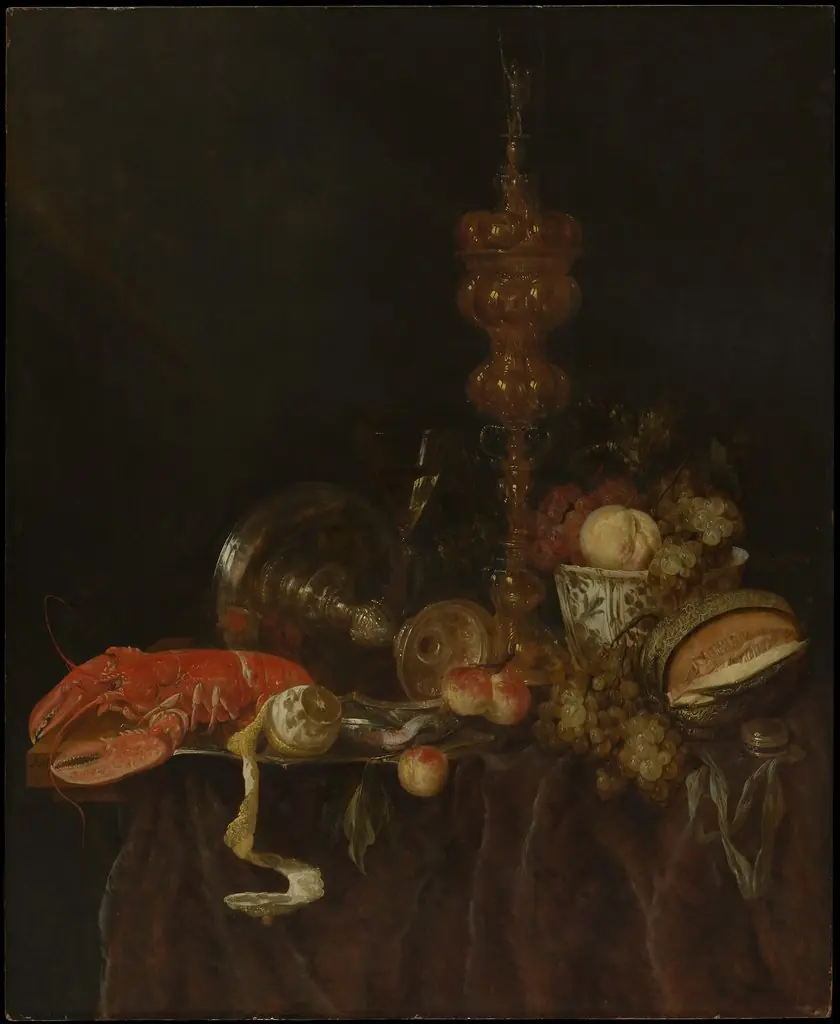 Still Life with Lobster and Fruit
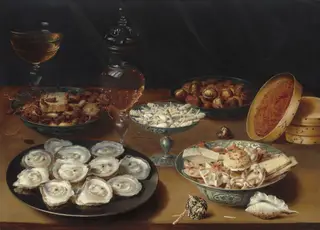 Dishes with Oysters, Fruit, and Wine
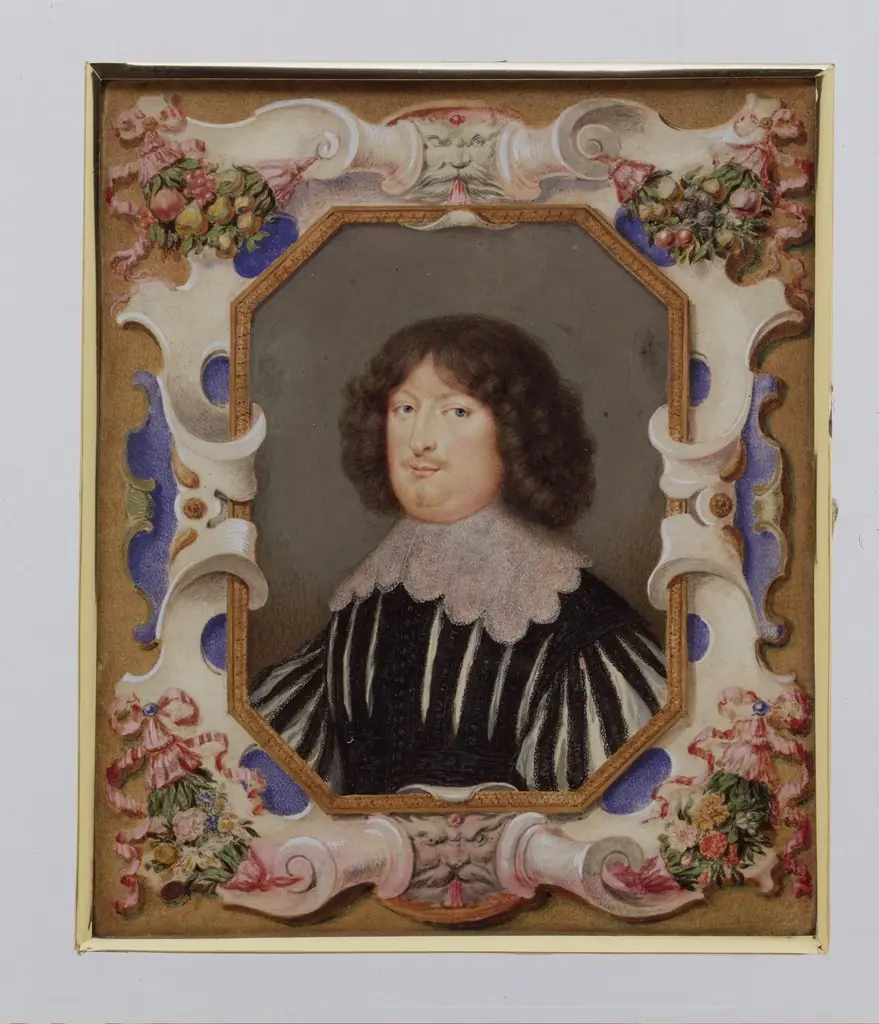 Portrait of a Man
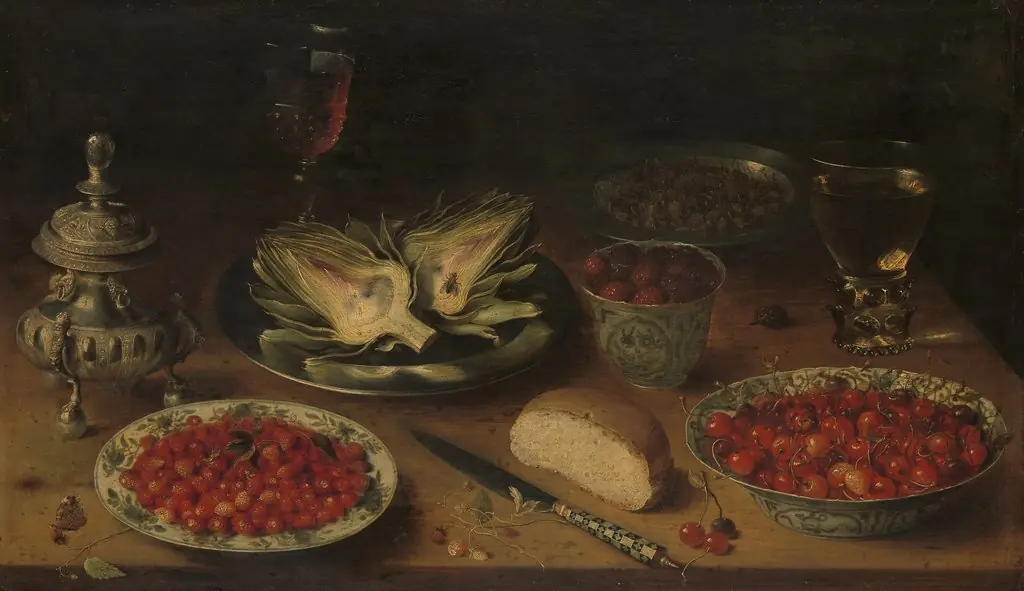 Still life with chinese porcelain, berries, and artichokes
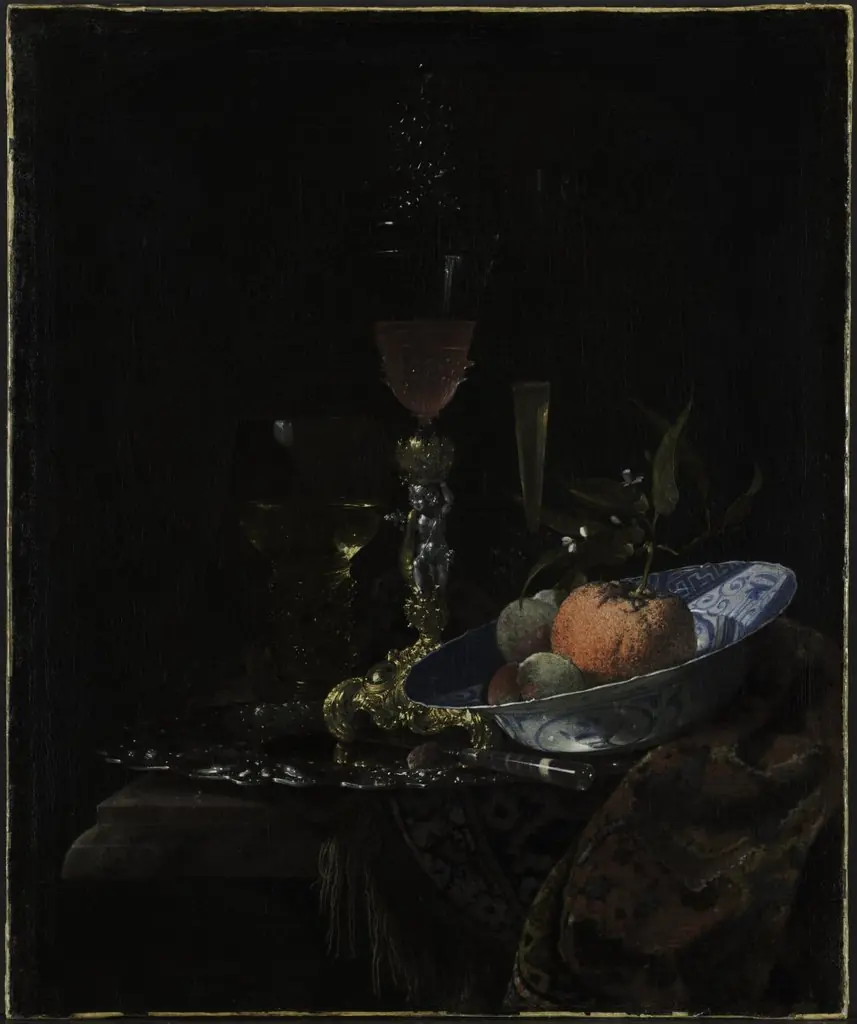 Wineglass and a Bowl of Fruit
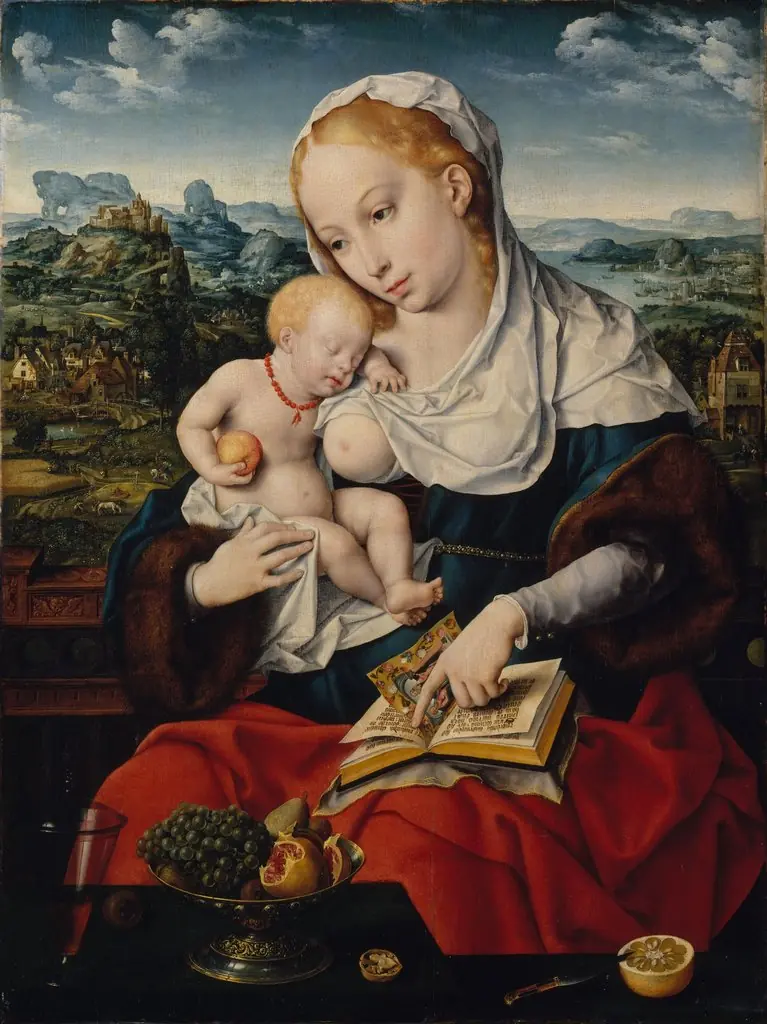 Virgin and Child
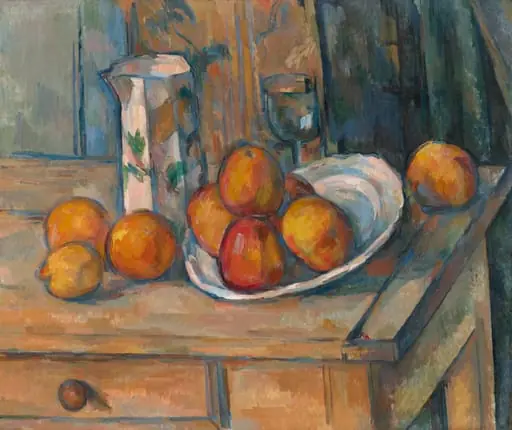 Still Life with Milk Jug and Fruit
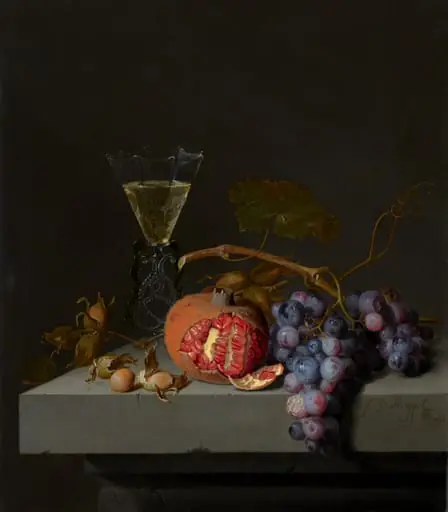 Still Life with Fruit
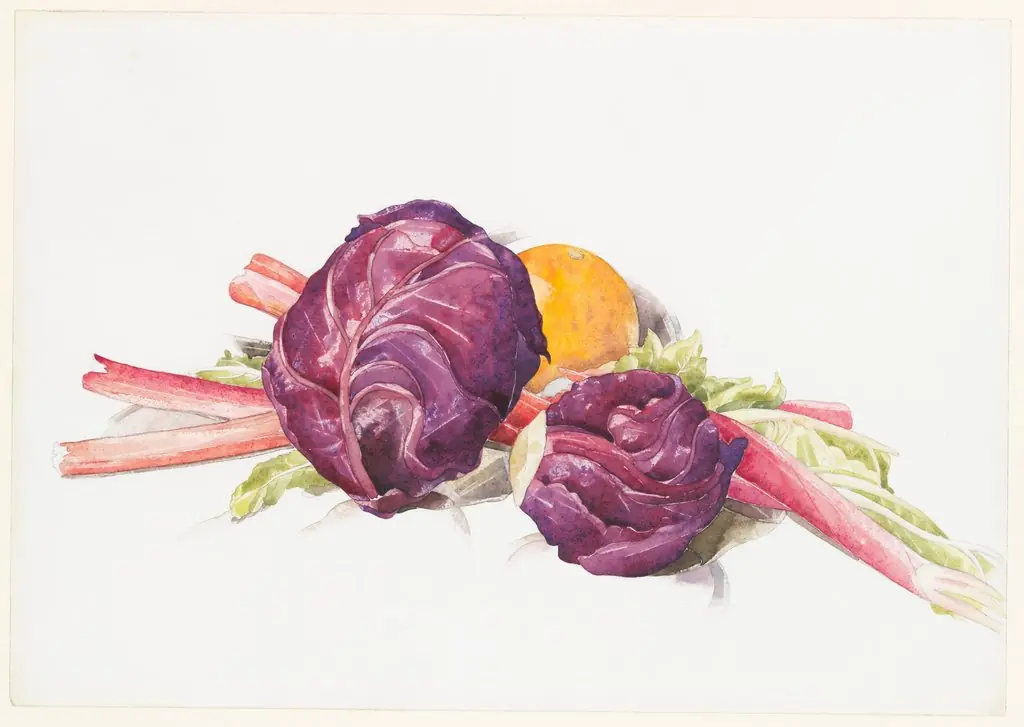 Red Cabbages, Rhubarb and Orange
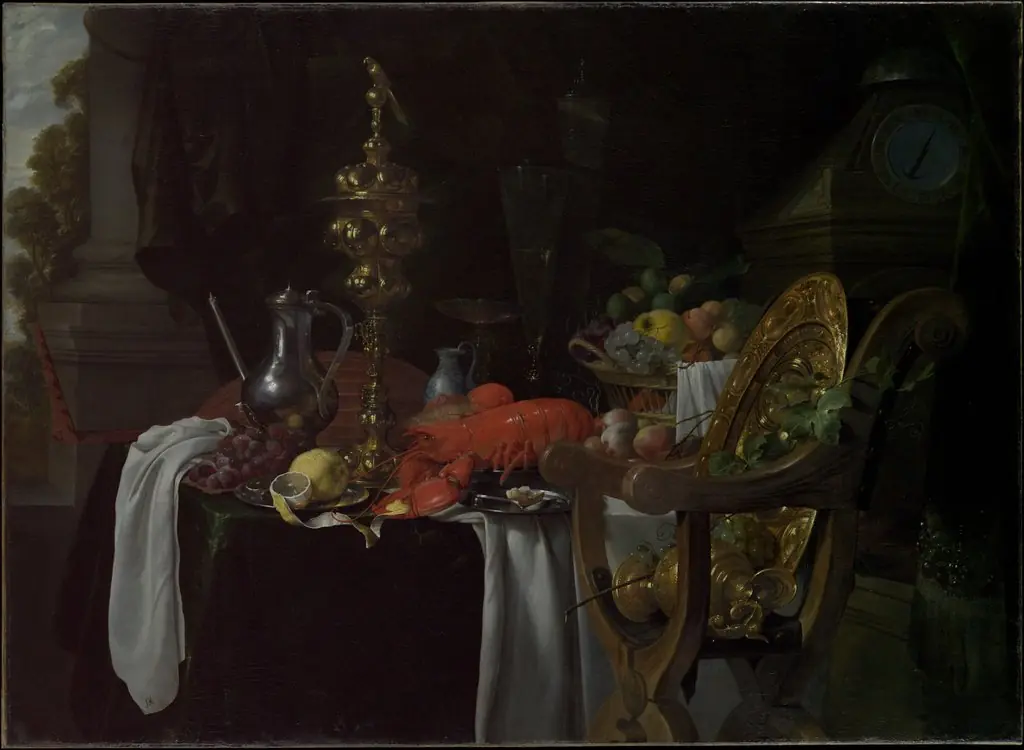 Still Life: A Banqueting Scene
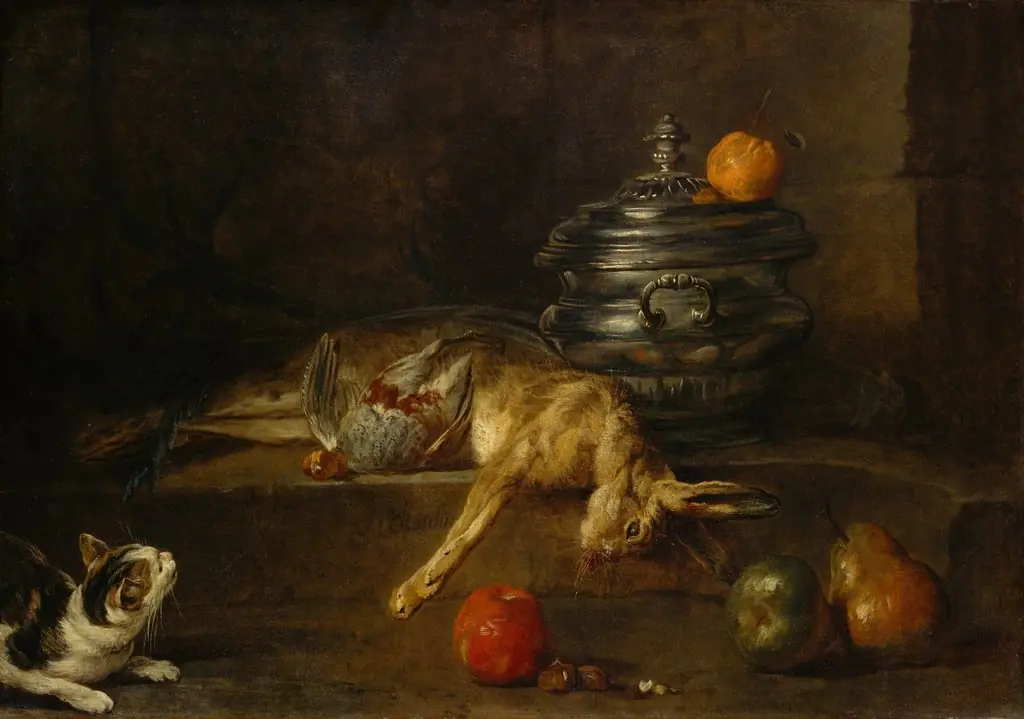 The Silver Tureen
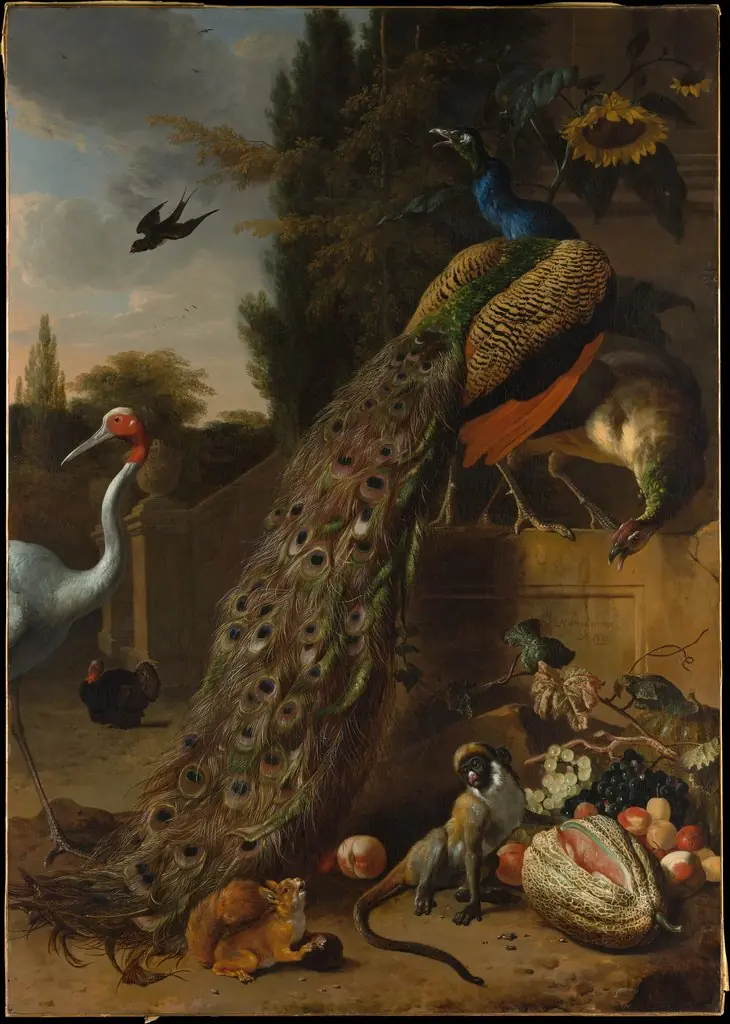 Peacocks
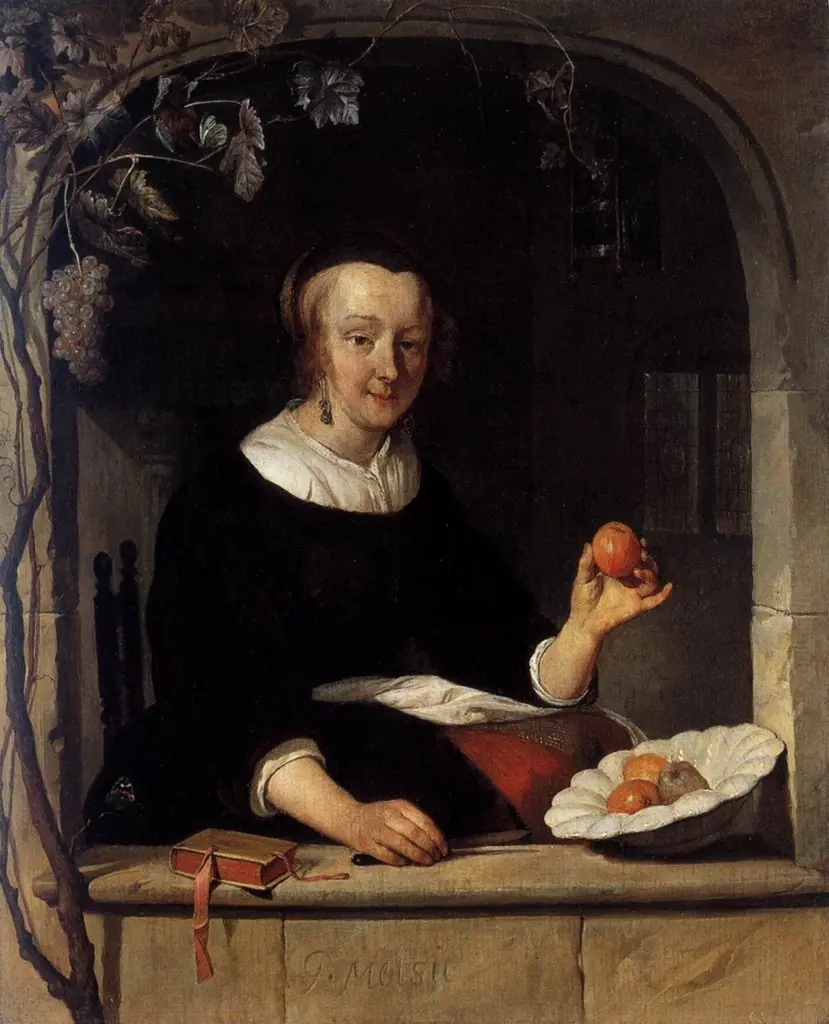 A Woman Seated at a Window
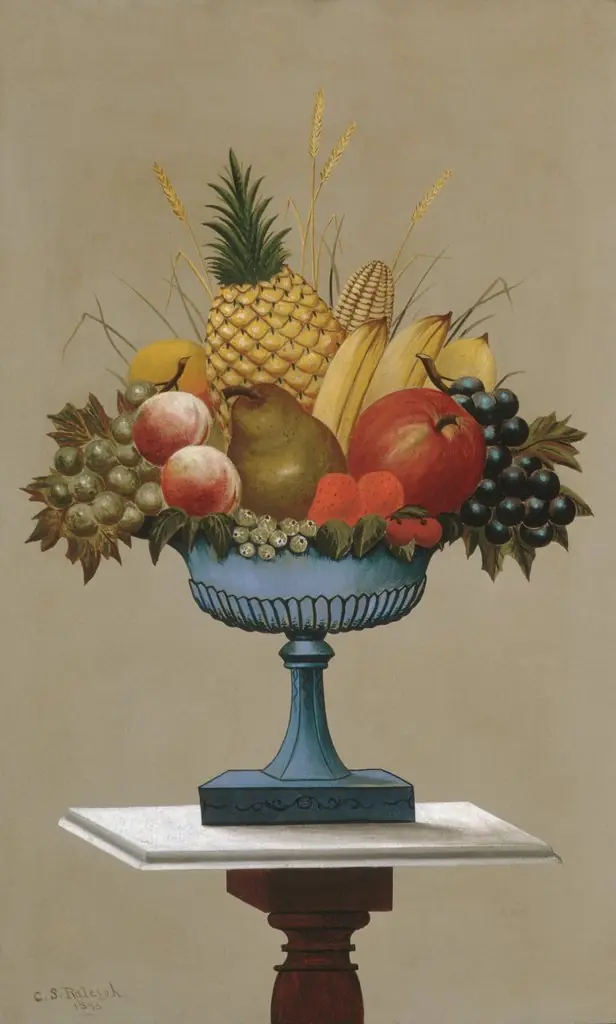 Fruit with Blue-footed Bowl
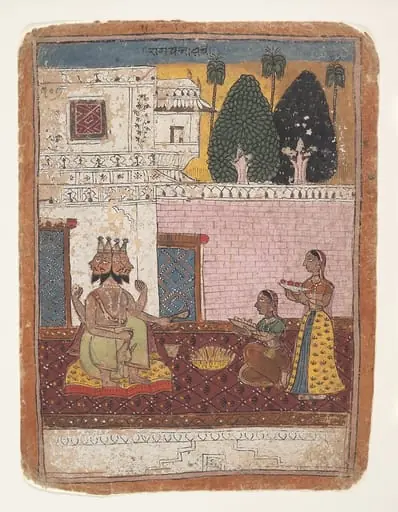 Untitled
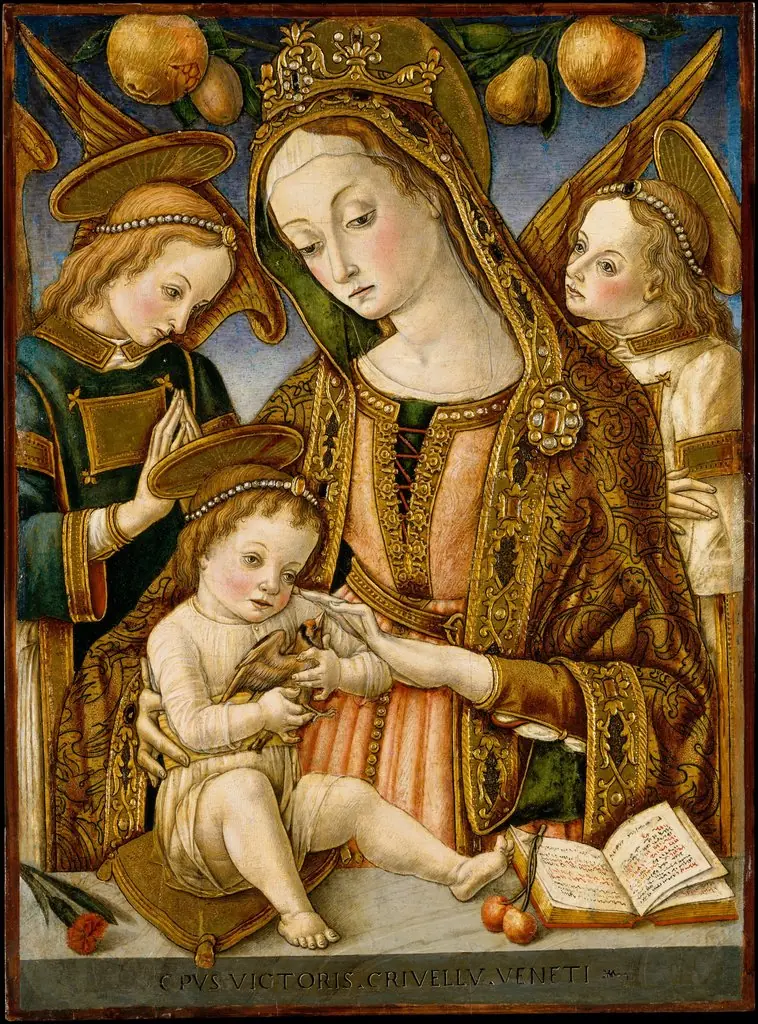 Madonna and Child with Two Angels
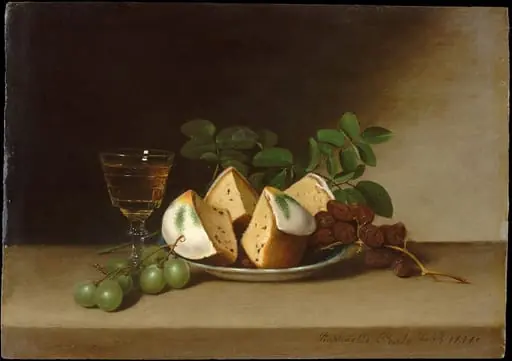 Still Life with Cake
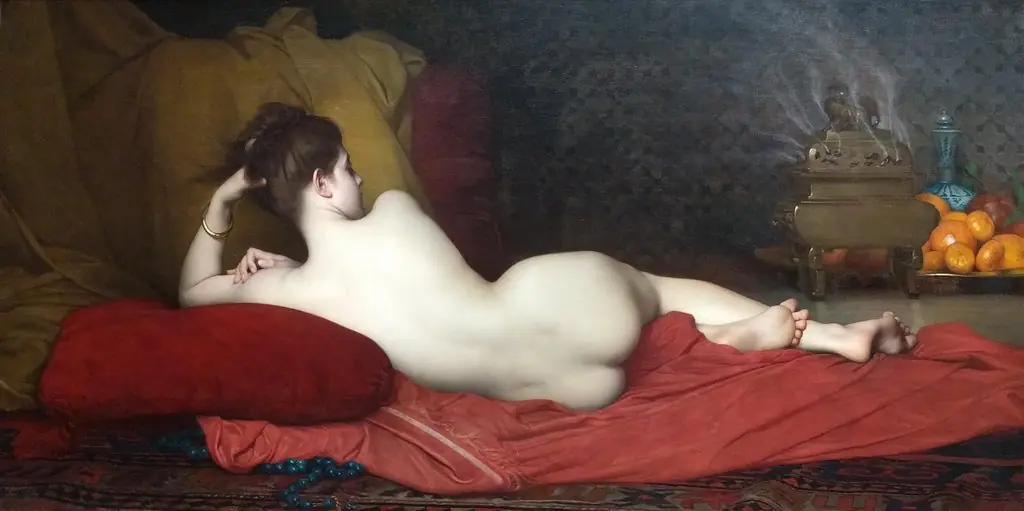 Odalisque
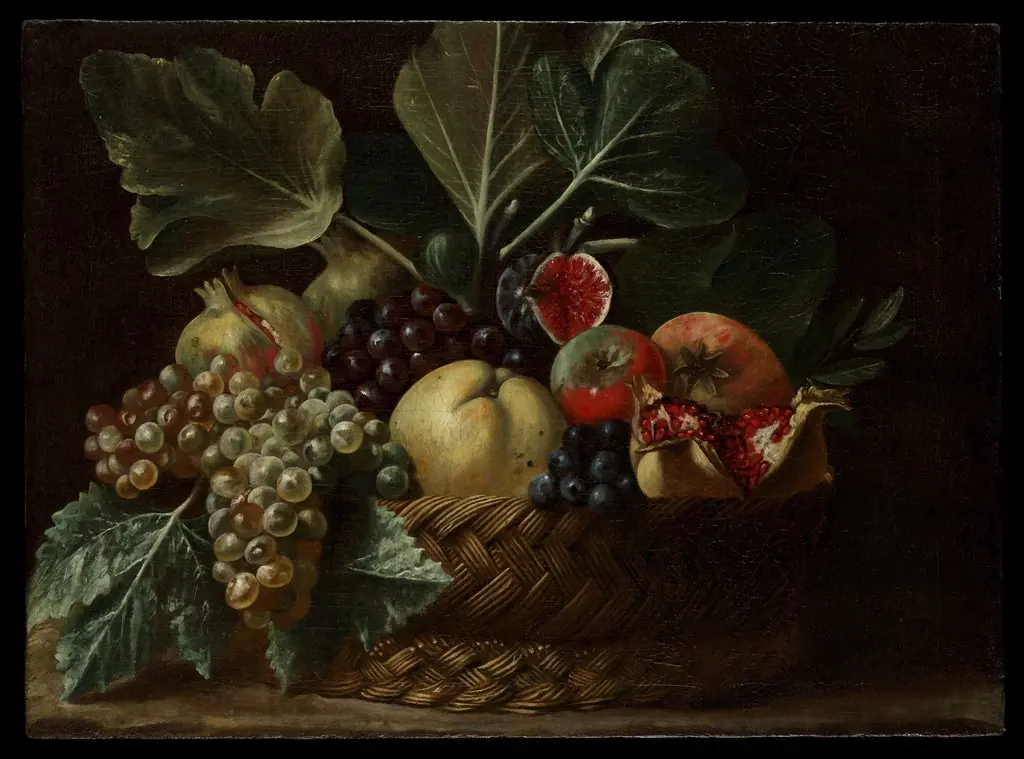 Basket of Fruit
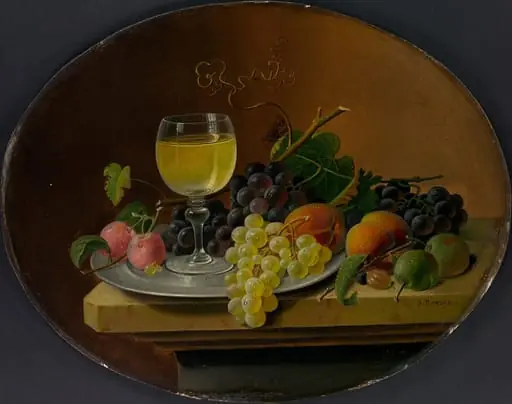 Still Life Fruit and Wine Glass
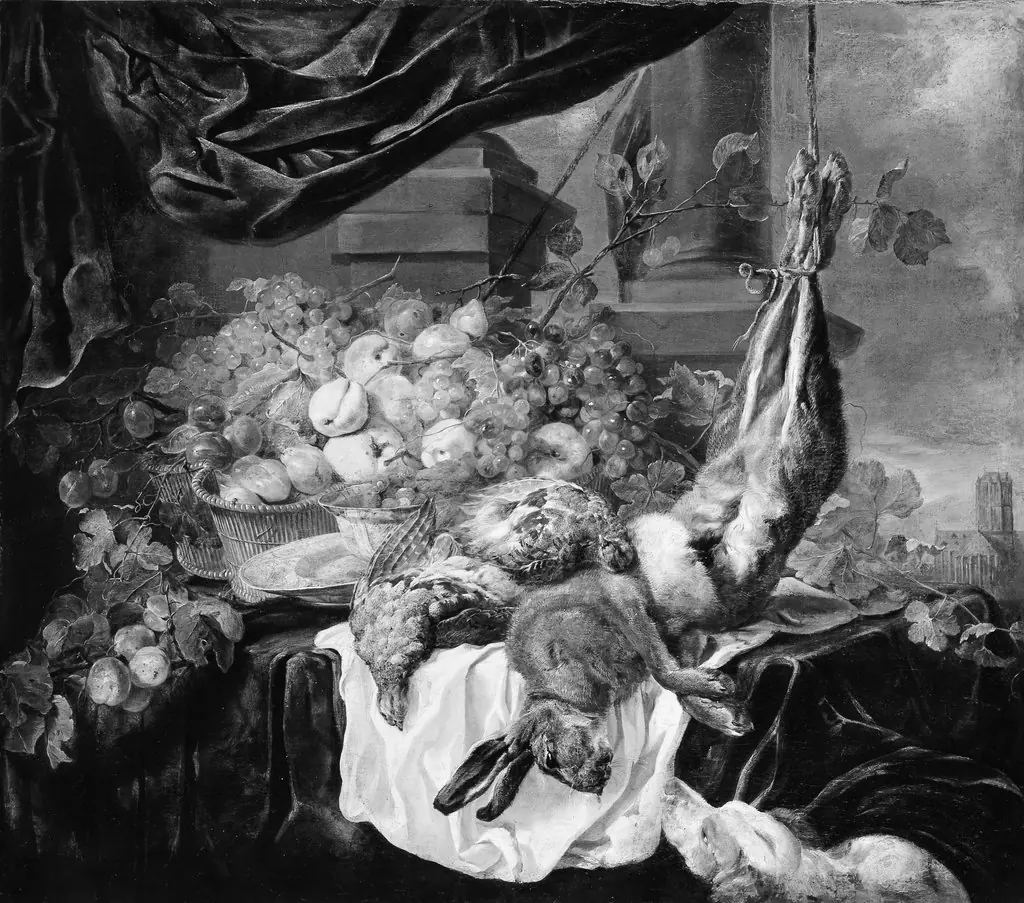 A Hare, Partridges, and Fruit
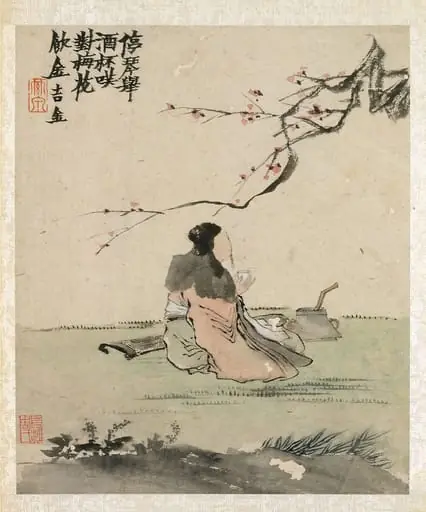 Untitled
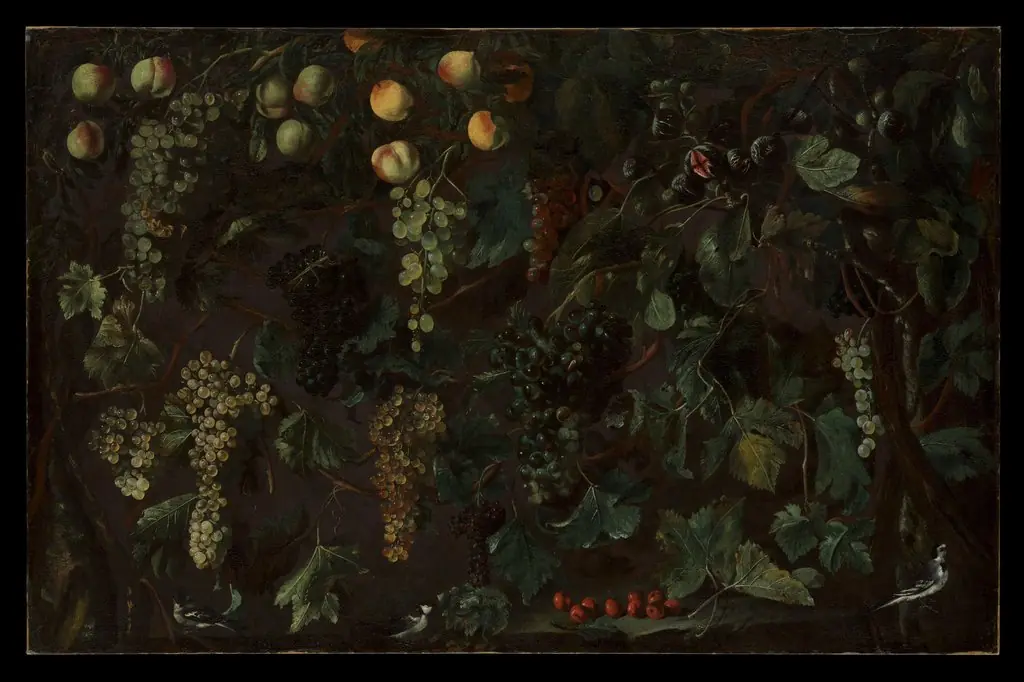 Grape Vines and Fruit, with Three Wagtails
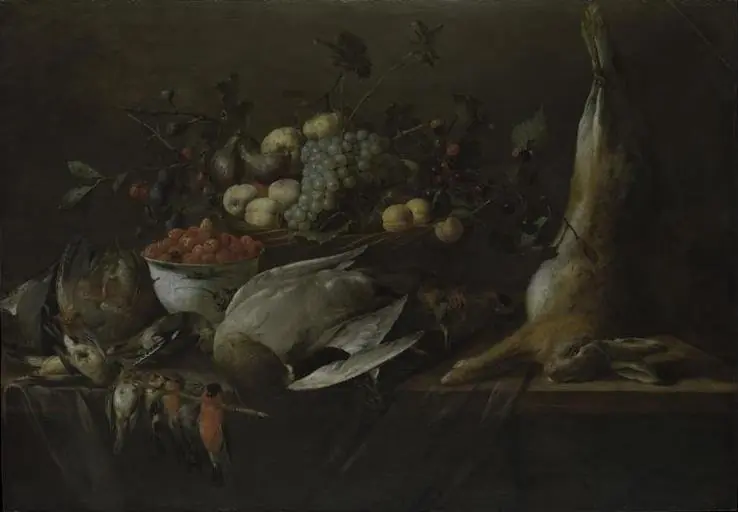 Still Life of Fruit and Game
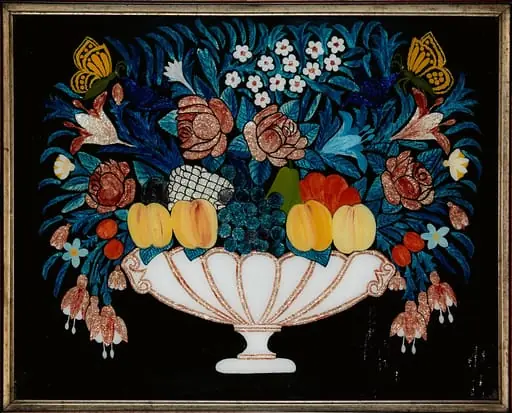 Still Life—Flowers and Fruit in White and Pink Bowl
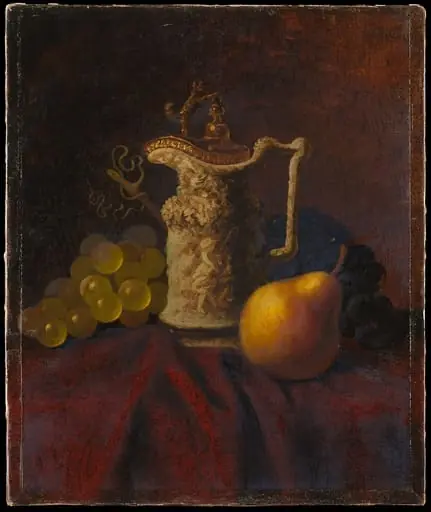 Still Life with Ewer and Fruit
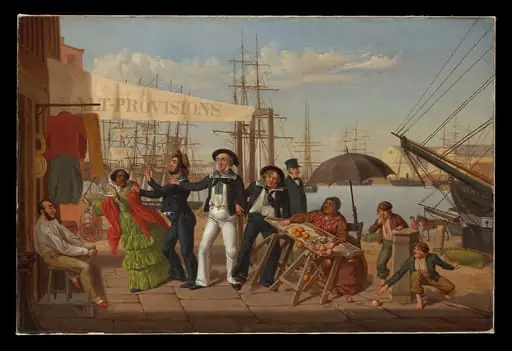 After a Long Cruise
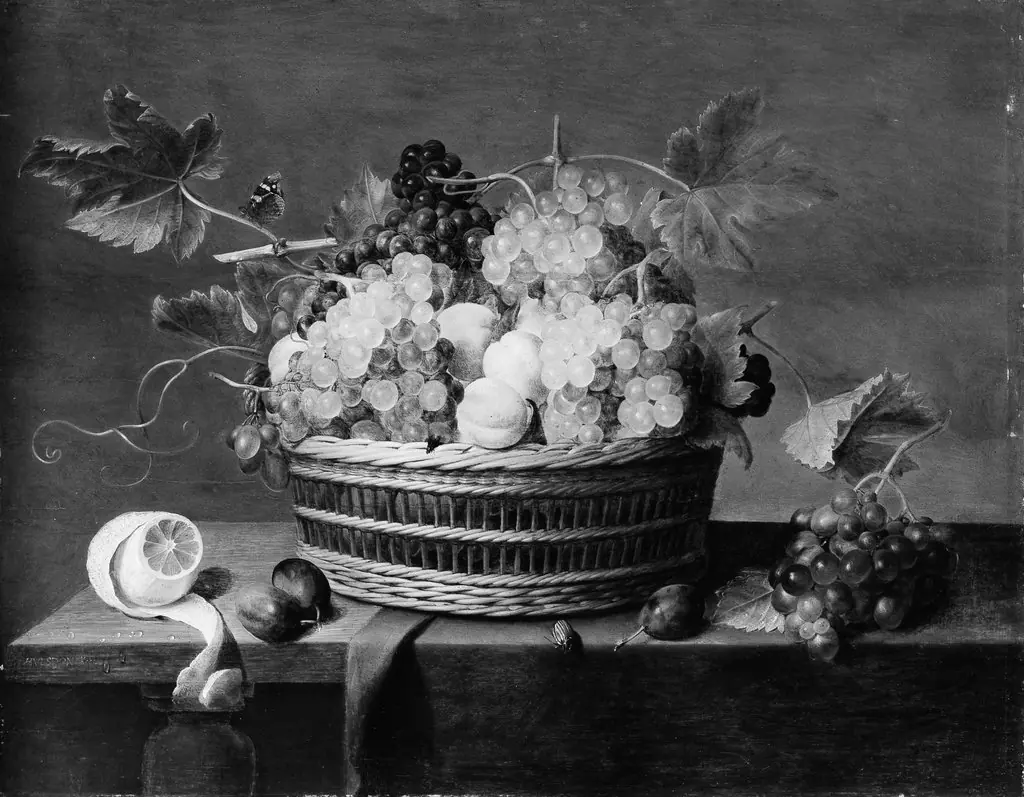 Still Life: A Basket of Grapes and Other Fruit
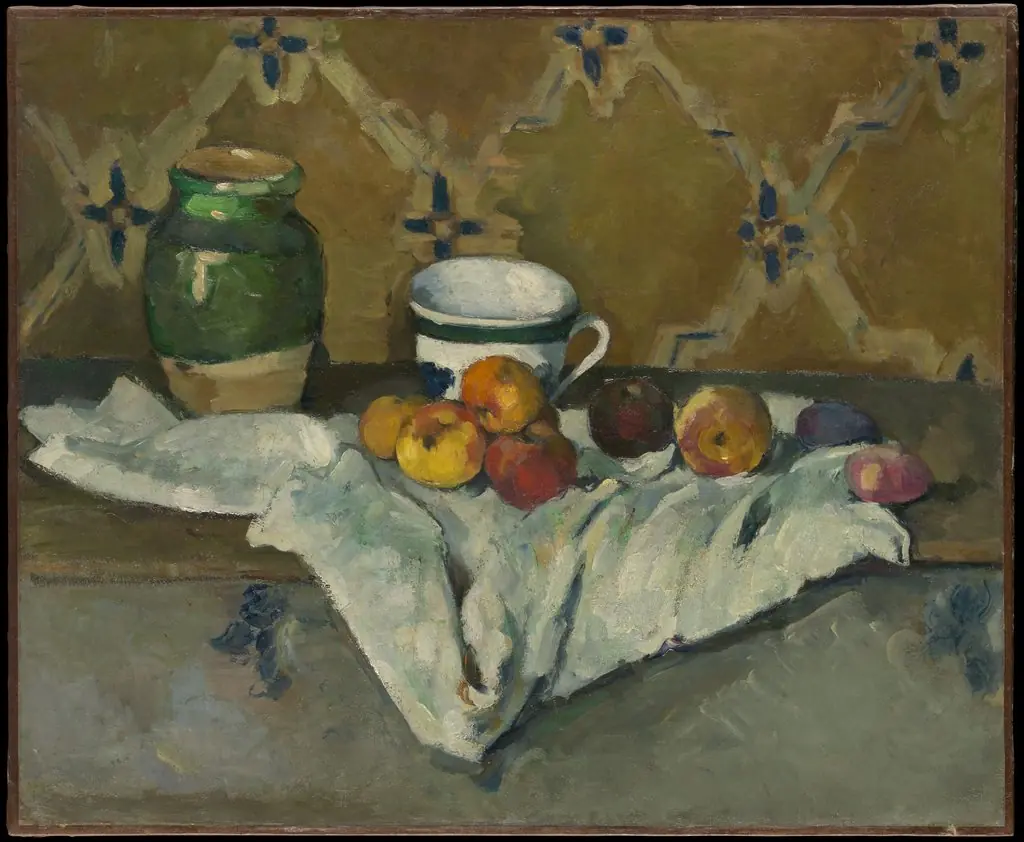 Still Life with Jar, Cup, and Apples
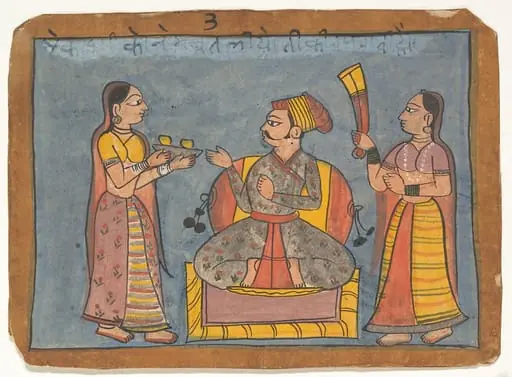 Untitled
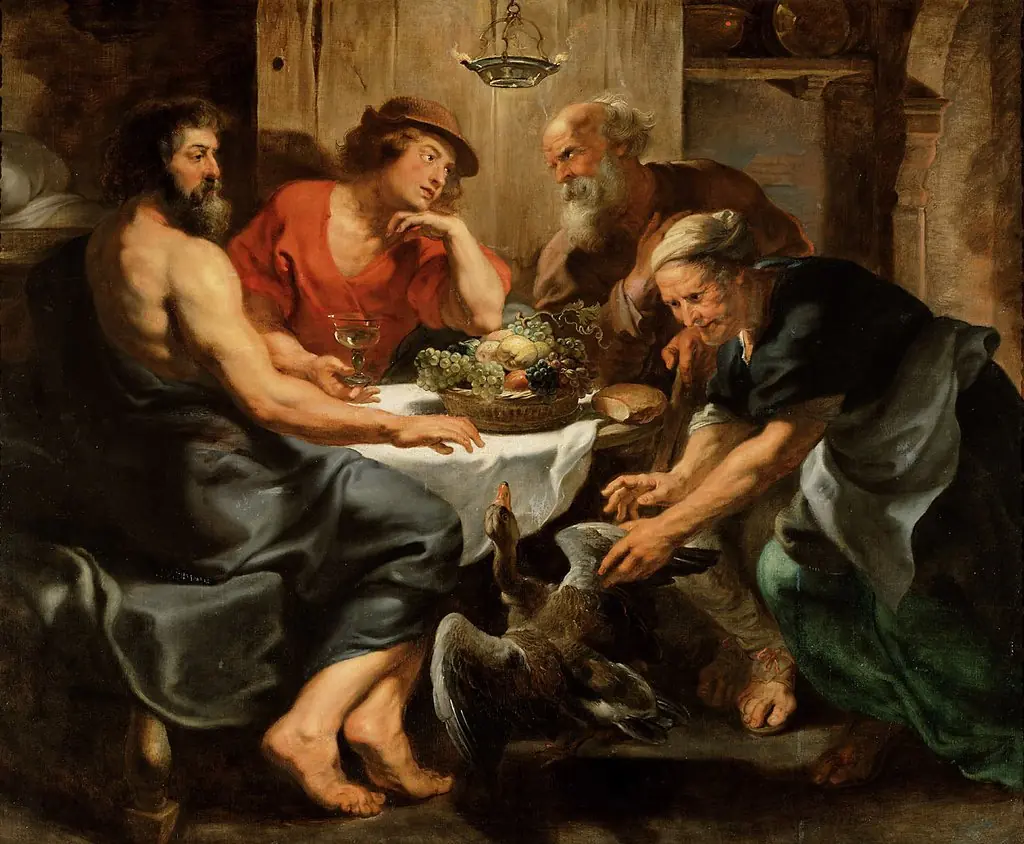 Jupiter and Mercury at Philemon and Baucis
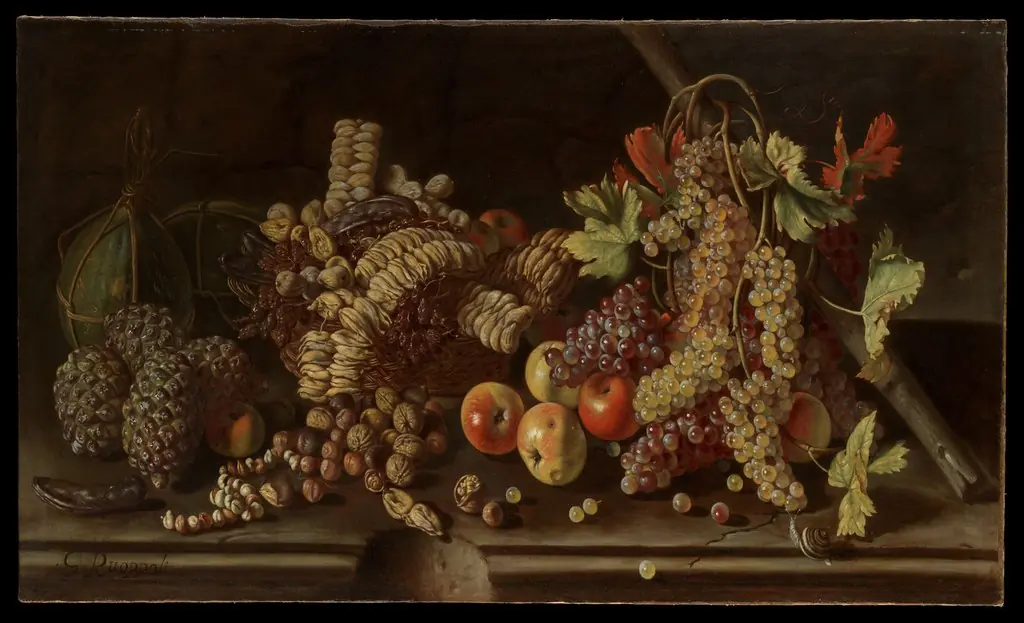 Still Life of Fruit and Nuts
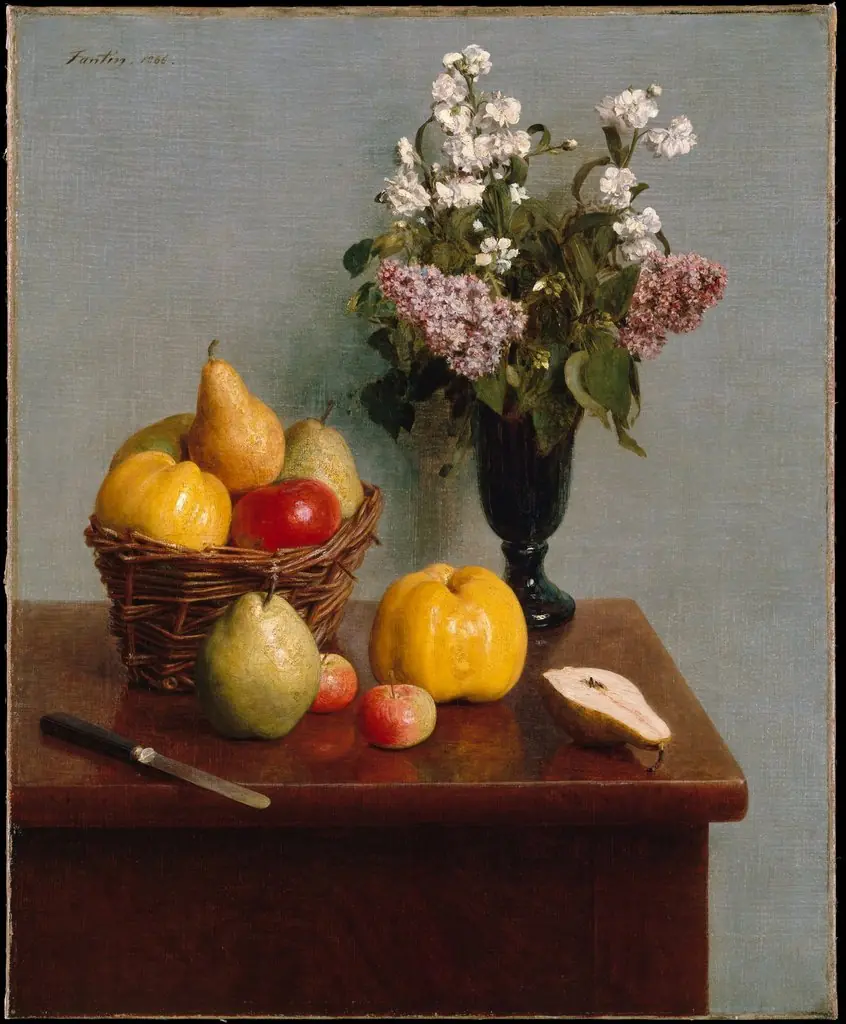 Still Life with Flowers and Fruit
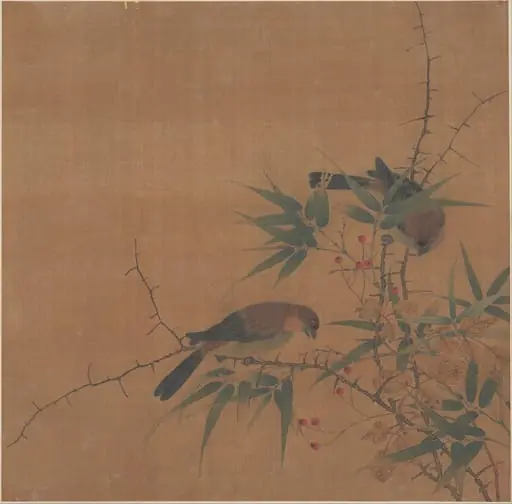 清 佚名 竹禽圖 冊頁|Bamboo Branch with Berries and Birds
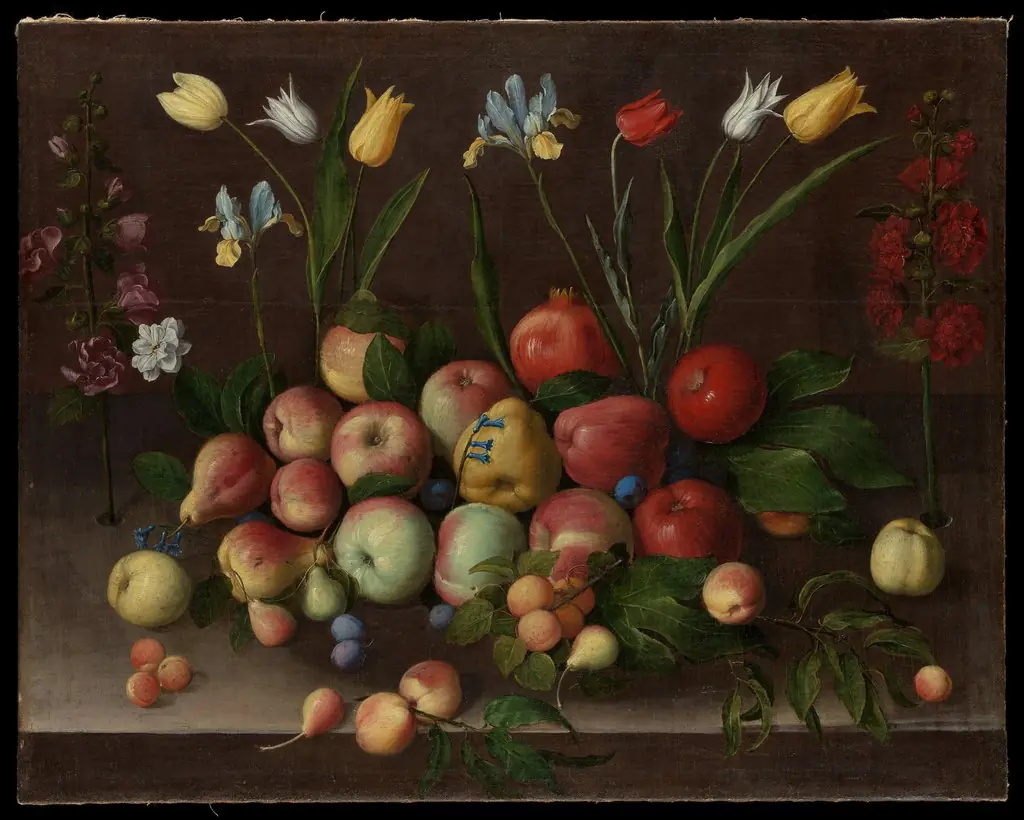 Fruit and Flowers
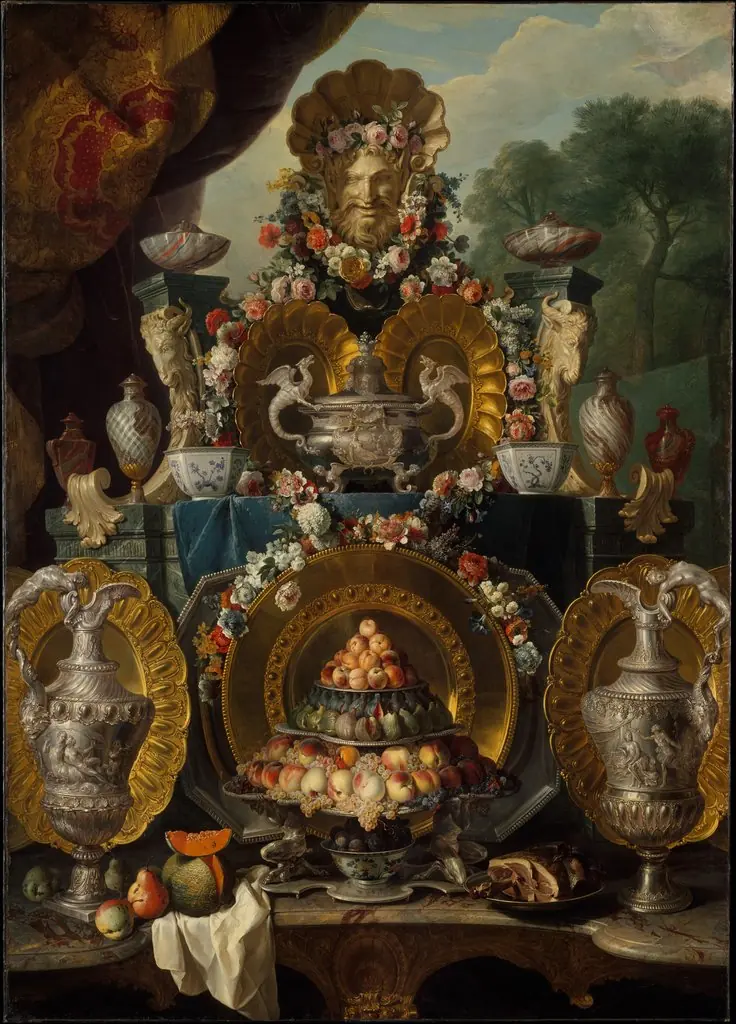 Still Life with Silver
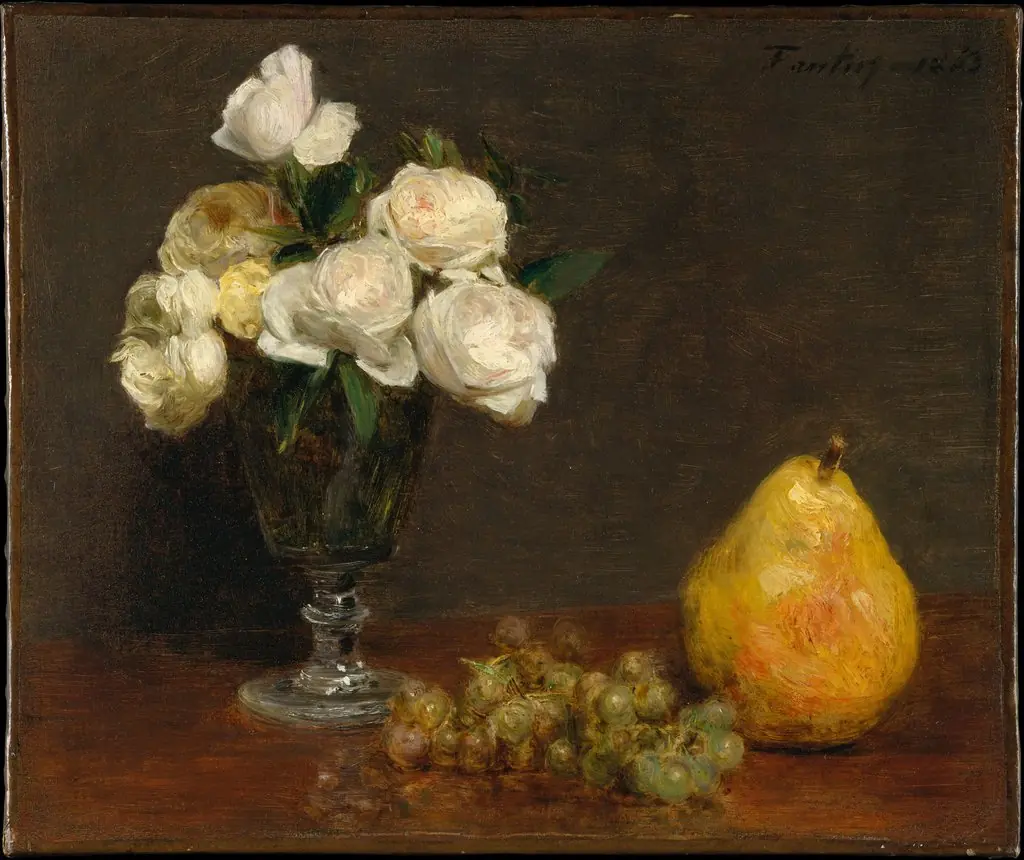 Still Life with Roses and Fruit
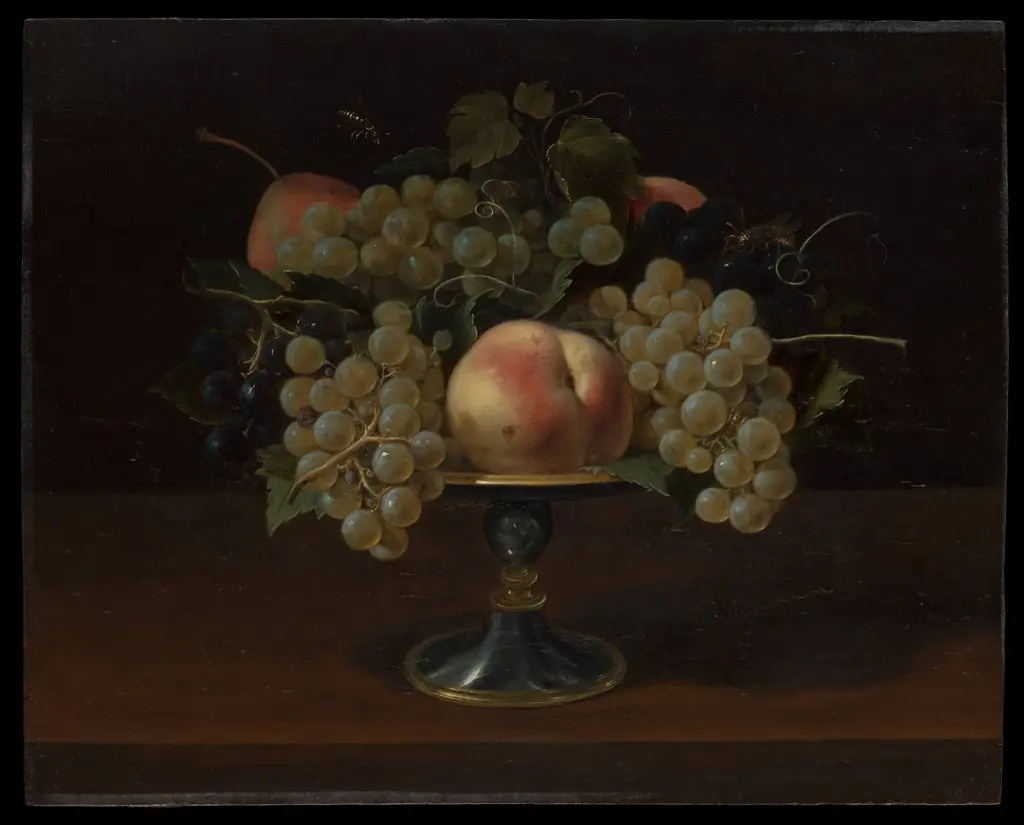 Still Life of Grapes and Peaches
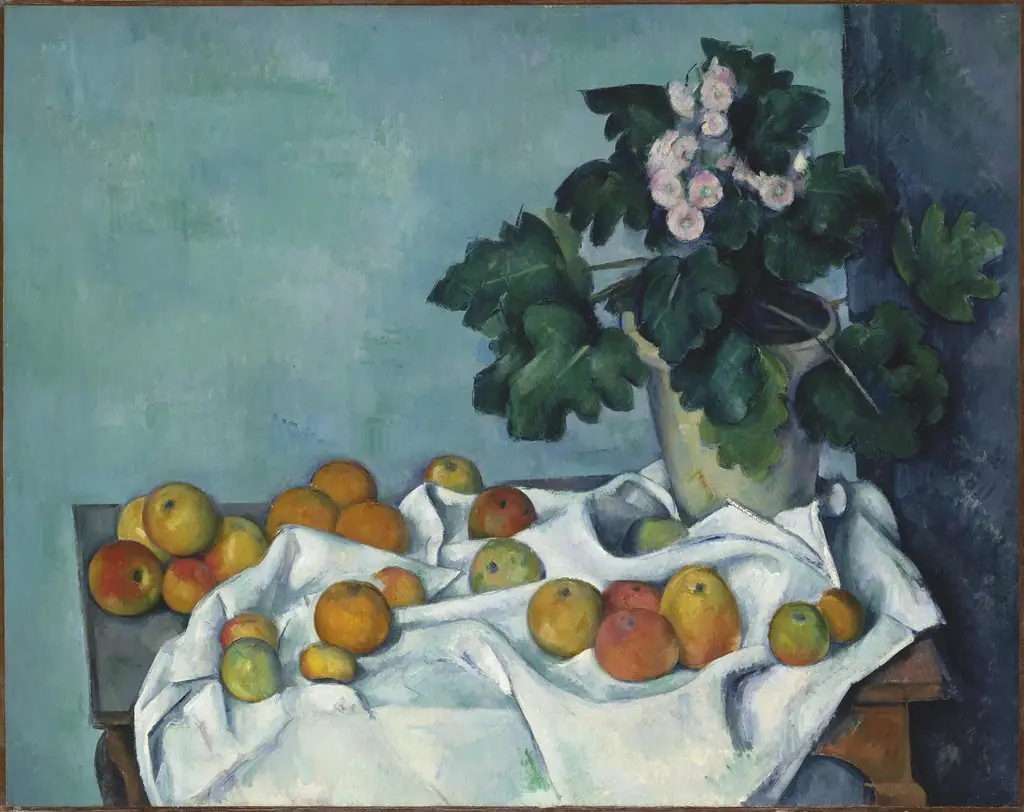 Still Life with Apples and a Pot of Primroses
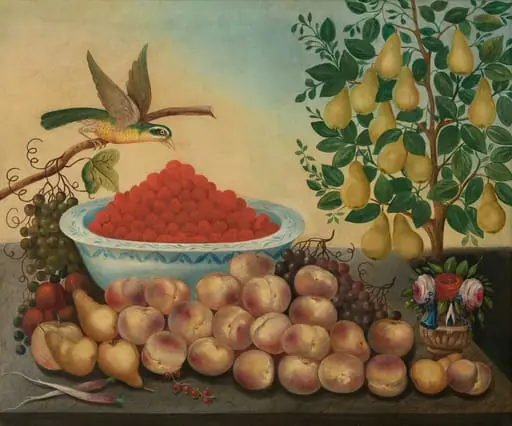 Still Life: Fruit, Bird, and Dwarf Pear Tree
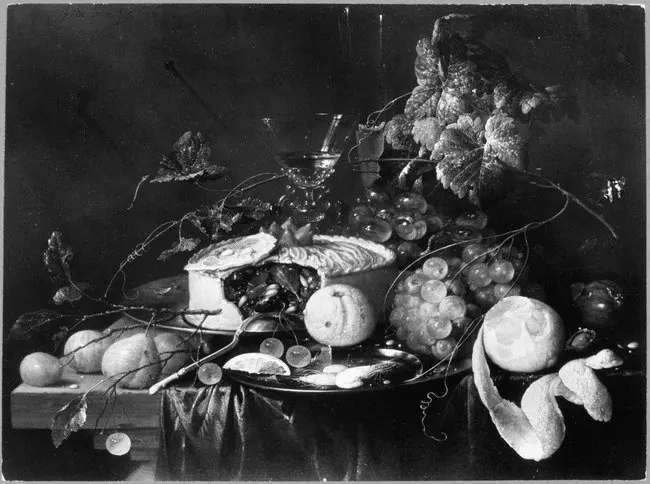 The Fruit Pie
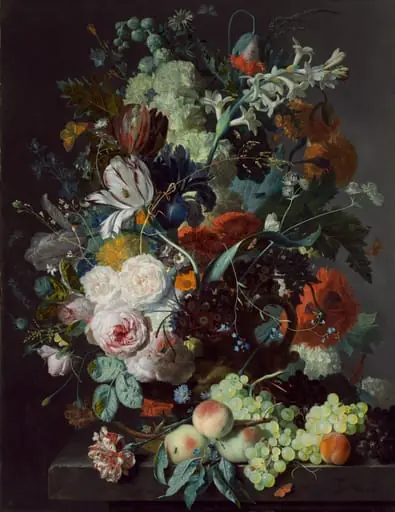 Still Life with Flowers and Fruit
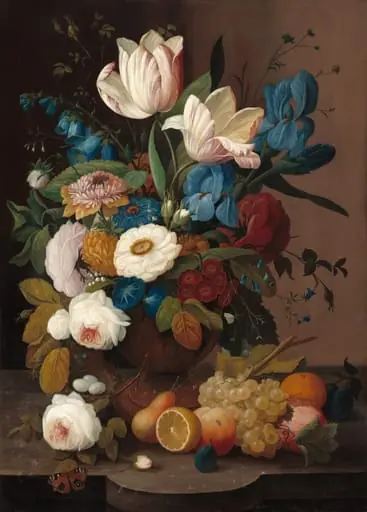 Still Life, Flowers, and Fruit
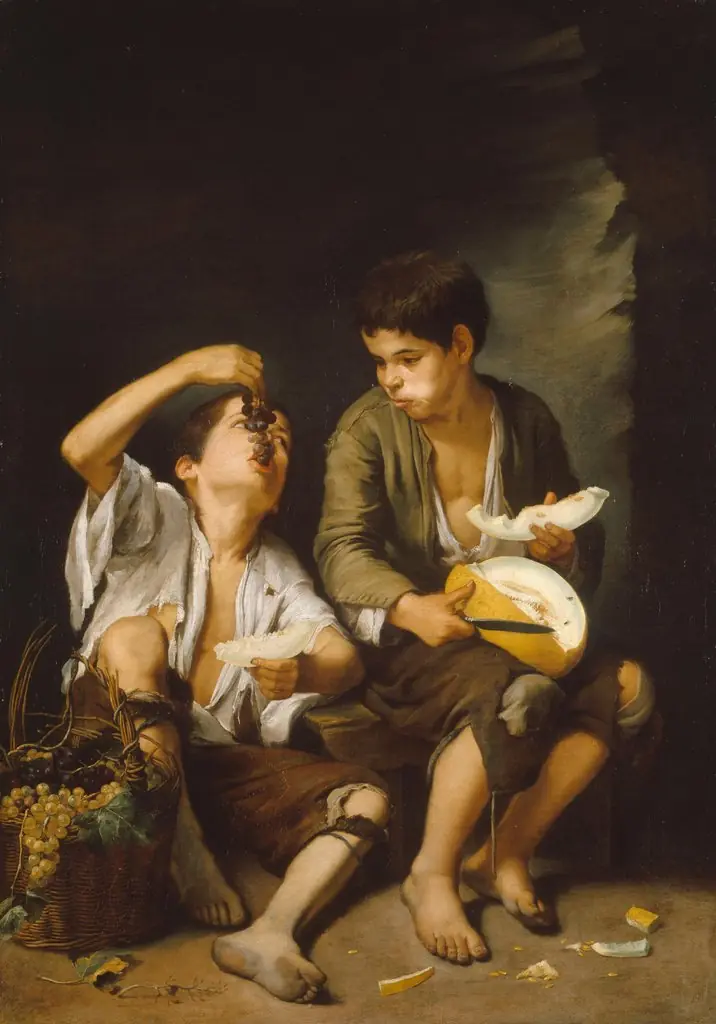 Grape and Melon Eaters
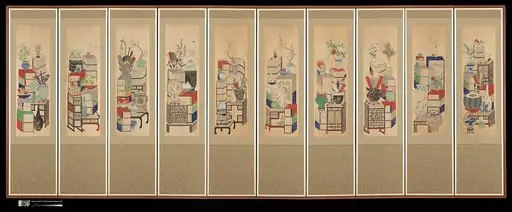 Untitled
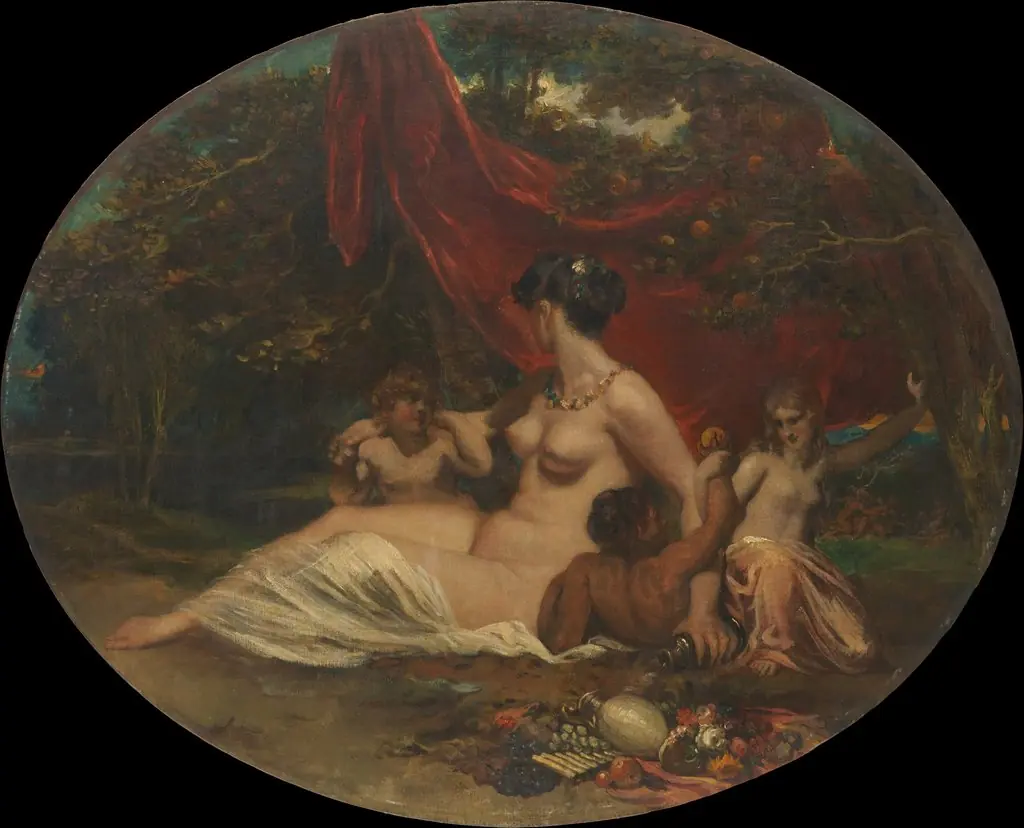 Allegory
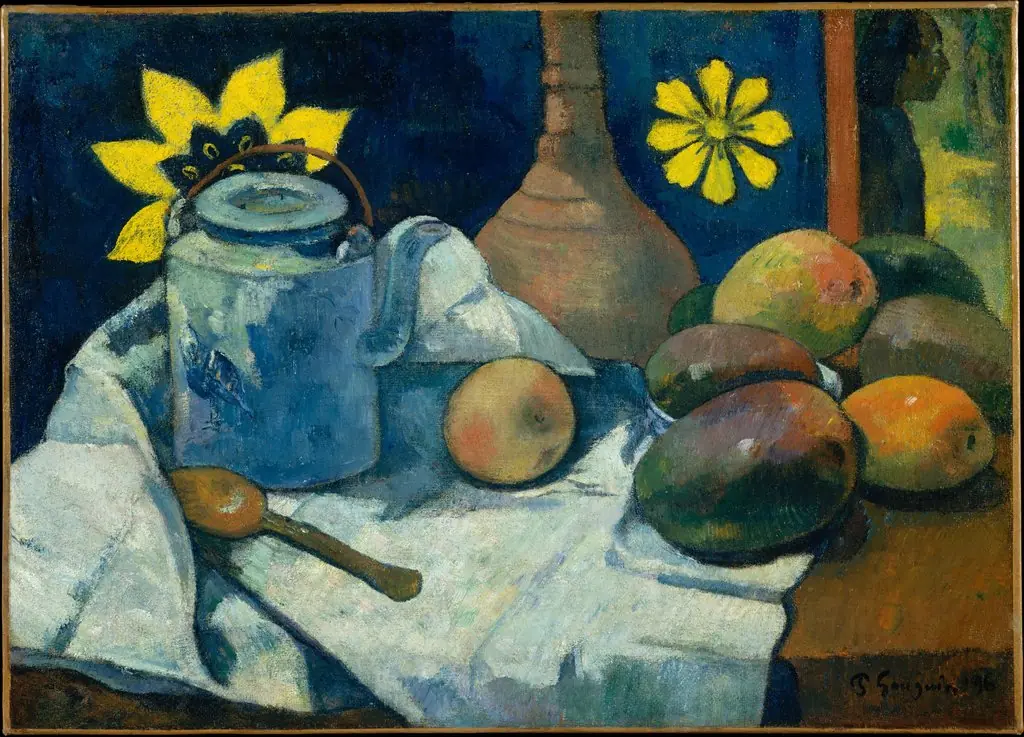 Still Life with Teapot and Fruit
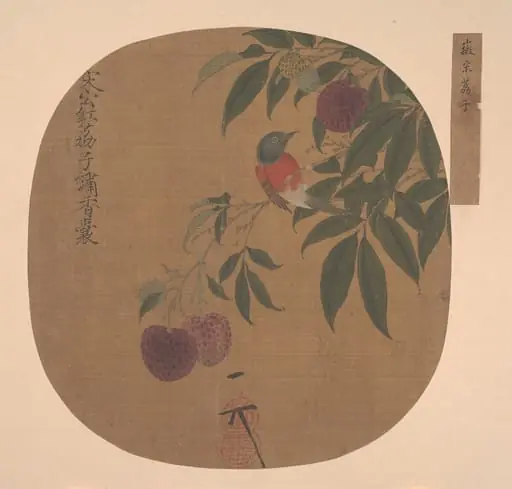 明 佚名(舊傳宋徽宗) 荔枝圖 冊頁|Bird on a Lychee Branch
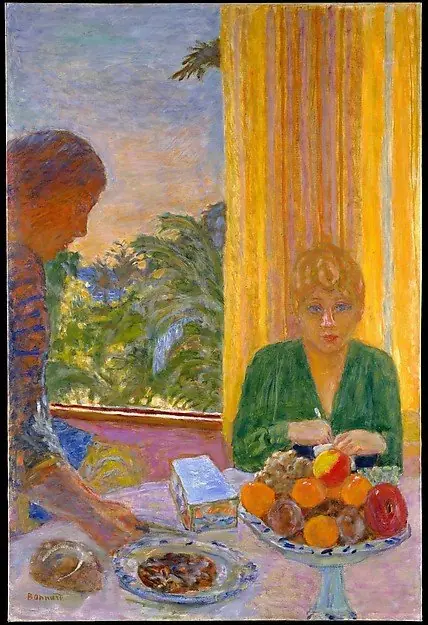 The Green Blouse
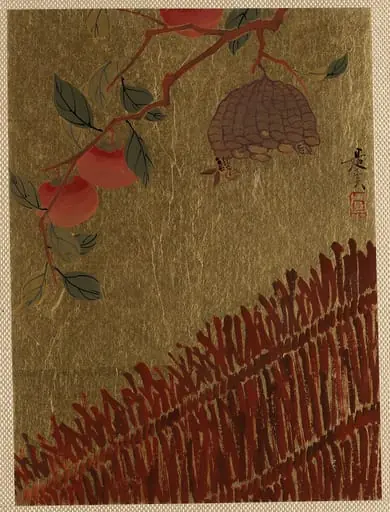 Untitled
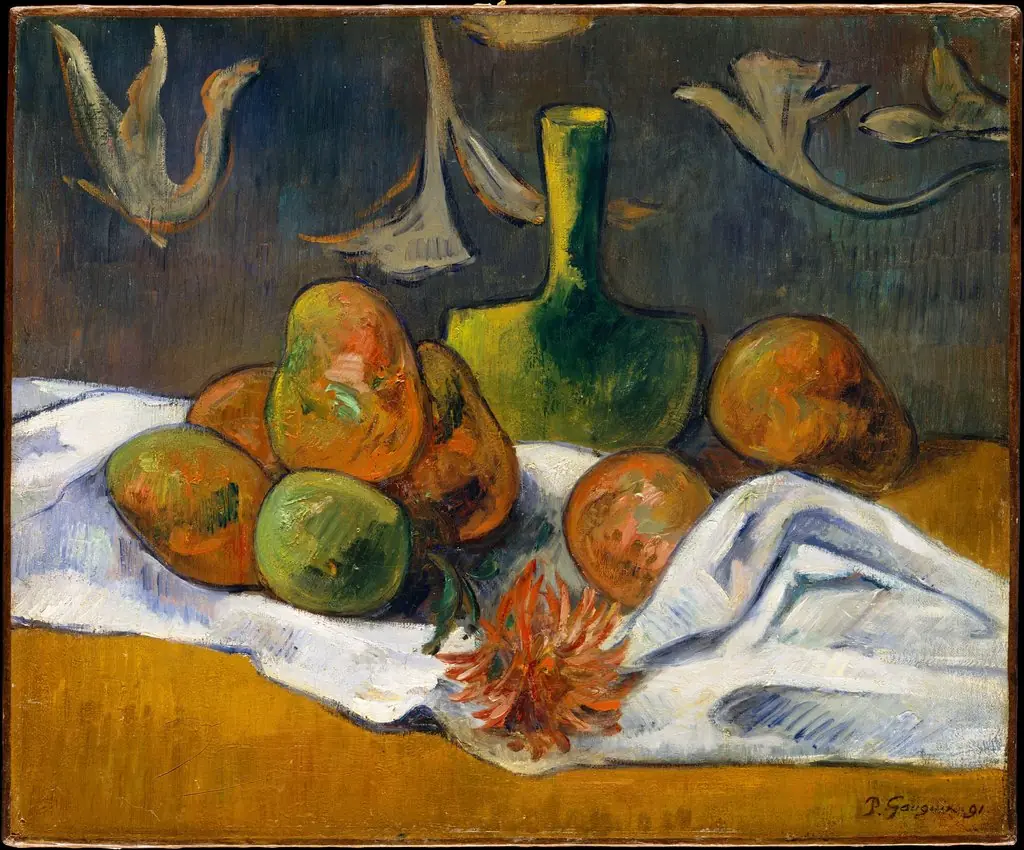 Still Life
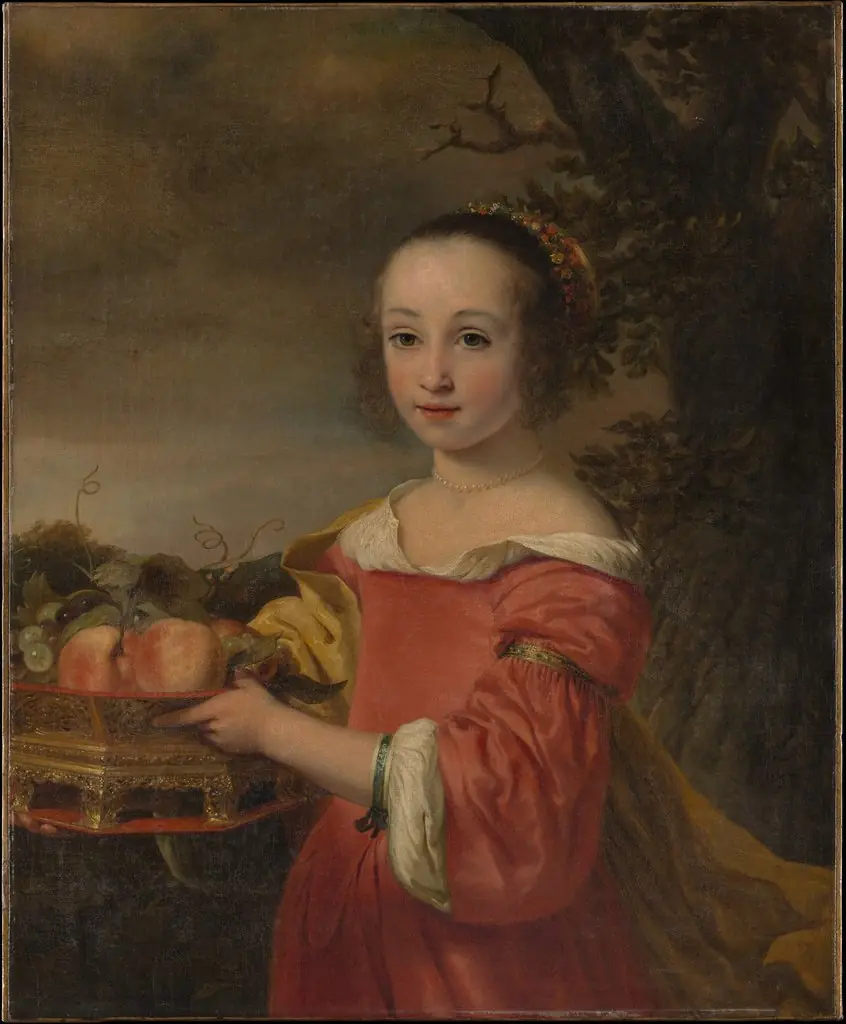 Petronella Elias (1648–1667) with a Basket of Fruit
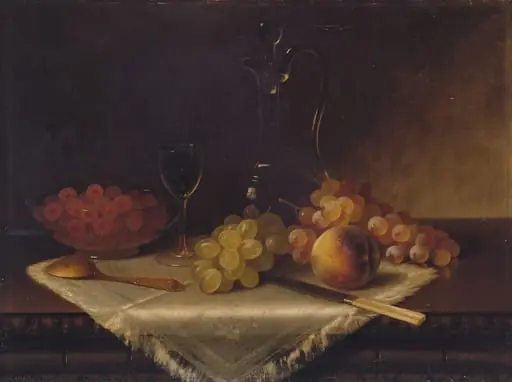 Still Life with Fruit
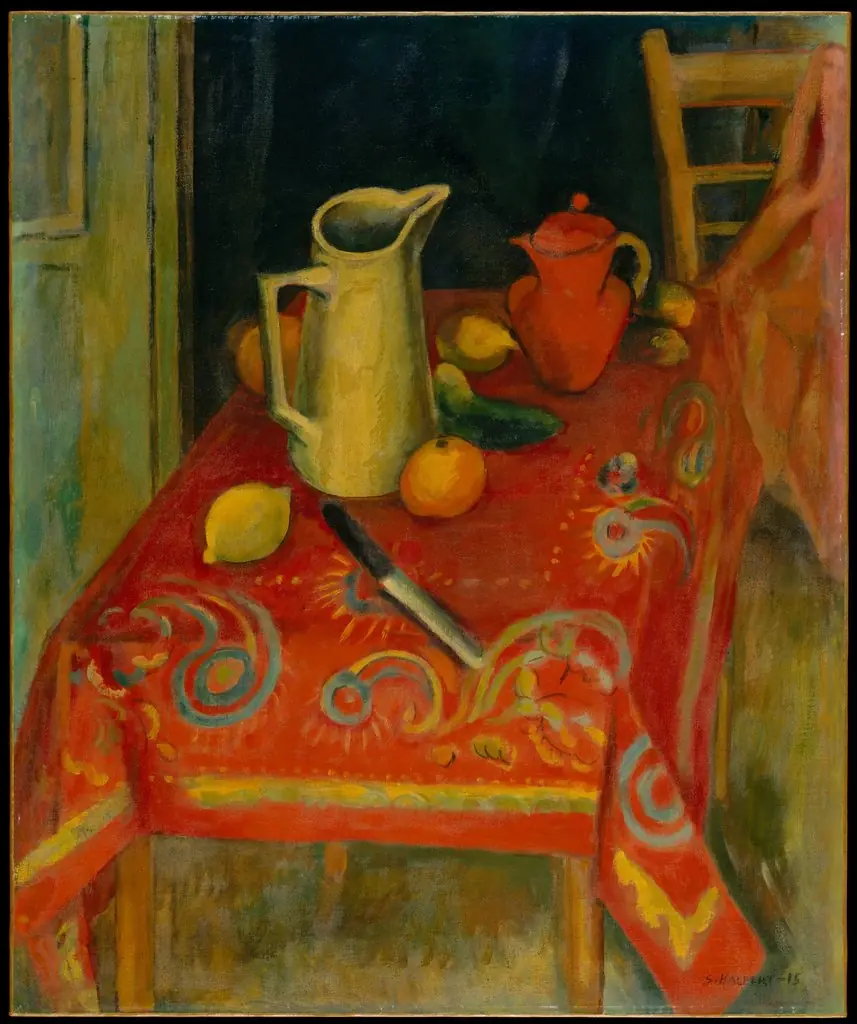 The Red Tablecloth
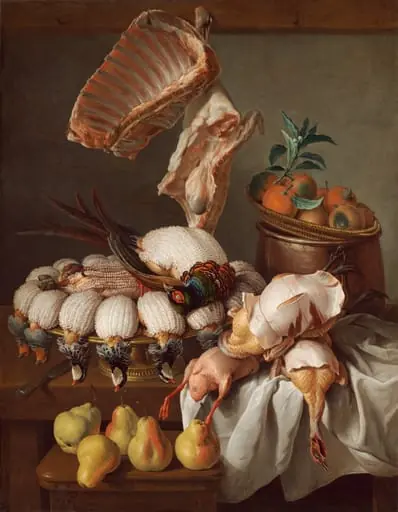 Still Life with Dressed Game, Meat, and Fruit
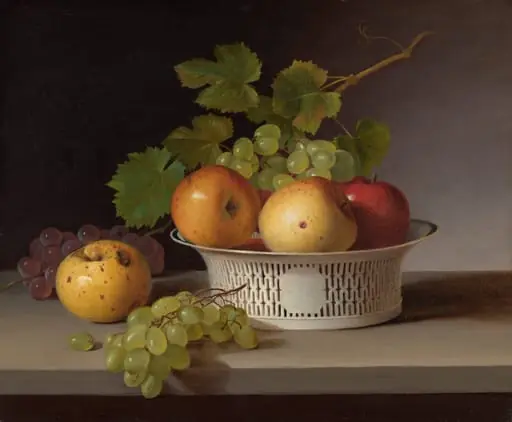 Fruit Still Life with Chinese Export Basket
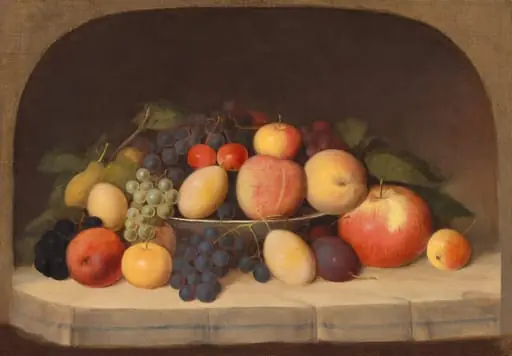 Fruit Still Life
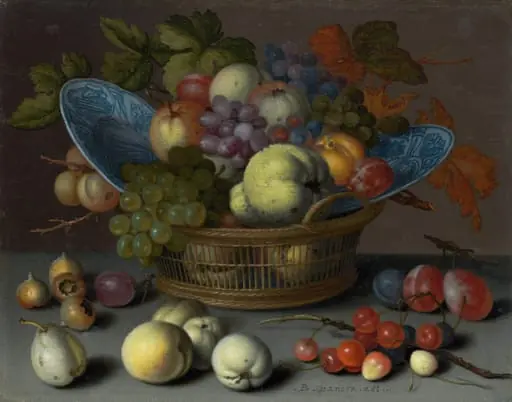 Basket of Fruits
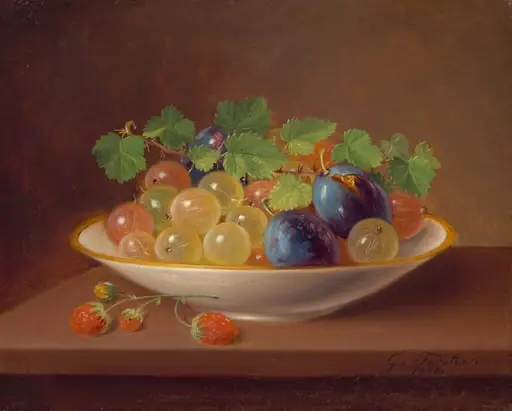 Still Life with Fruit
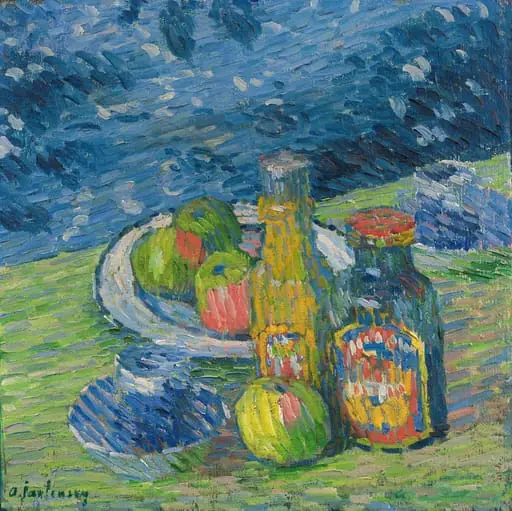 Still Life with Bottles and Fruit
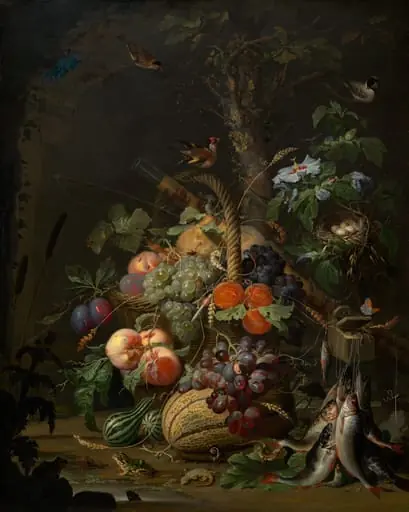 Still Life with Fruit, Fish, and a Nest
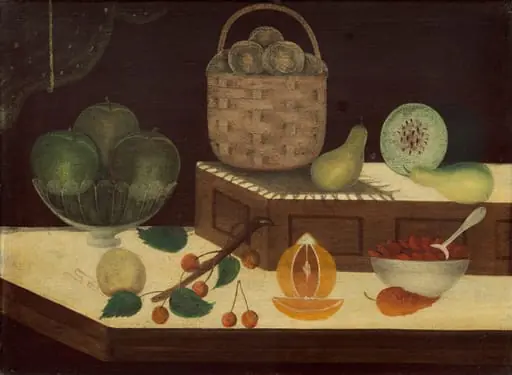 Still Life of Fruit
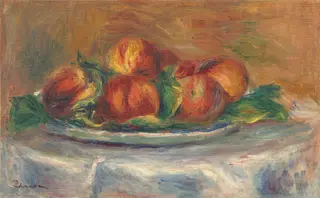 Peaches on a Plate
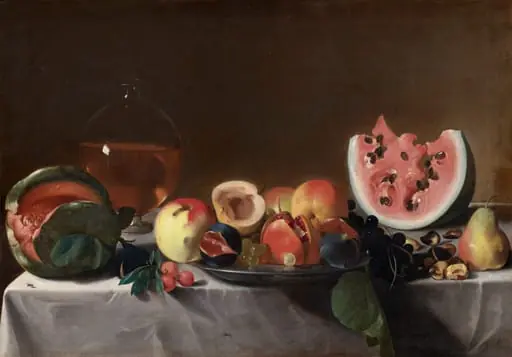 Still Life with Fruit and Carafe
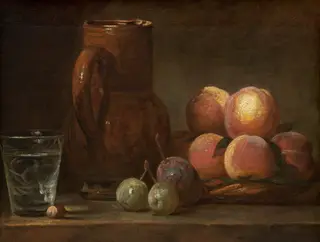 Fruit, Jug, and a Glass
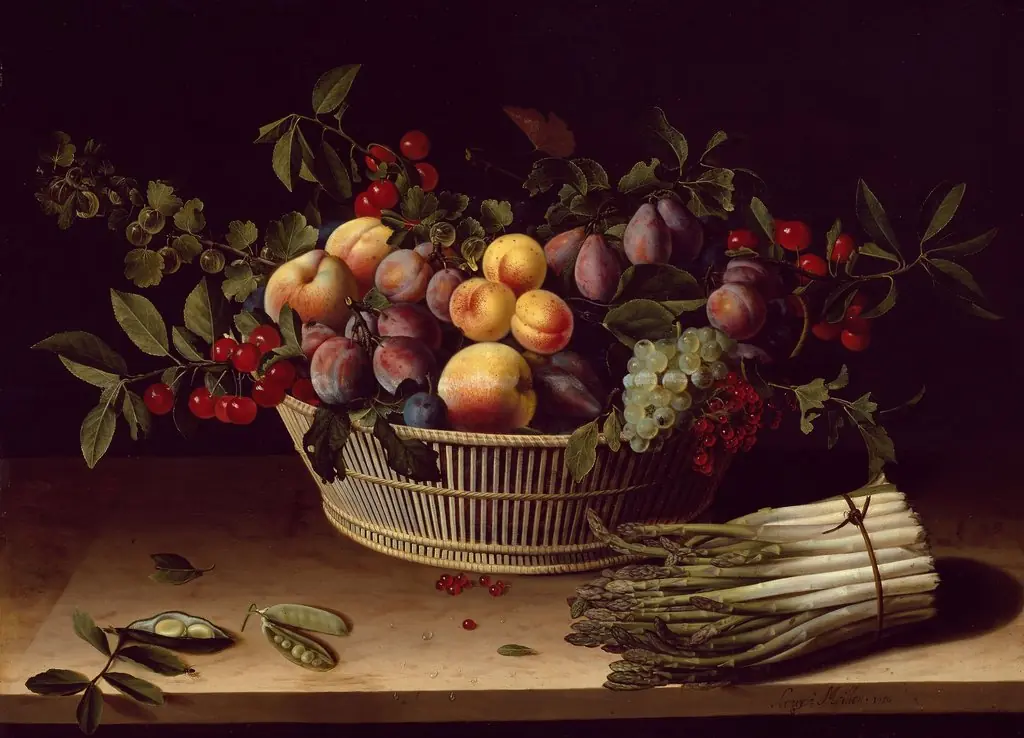 Still Life with a Basket of Fruit and a Bunch of Asparagus
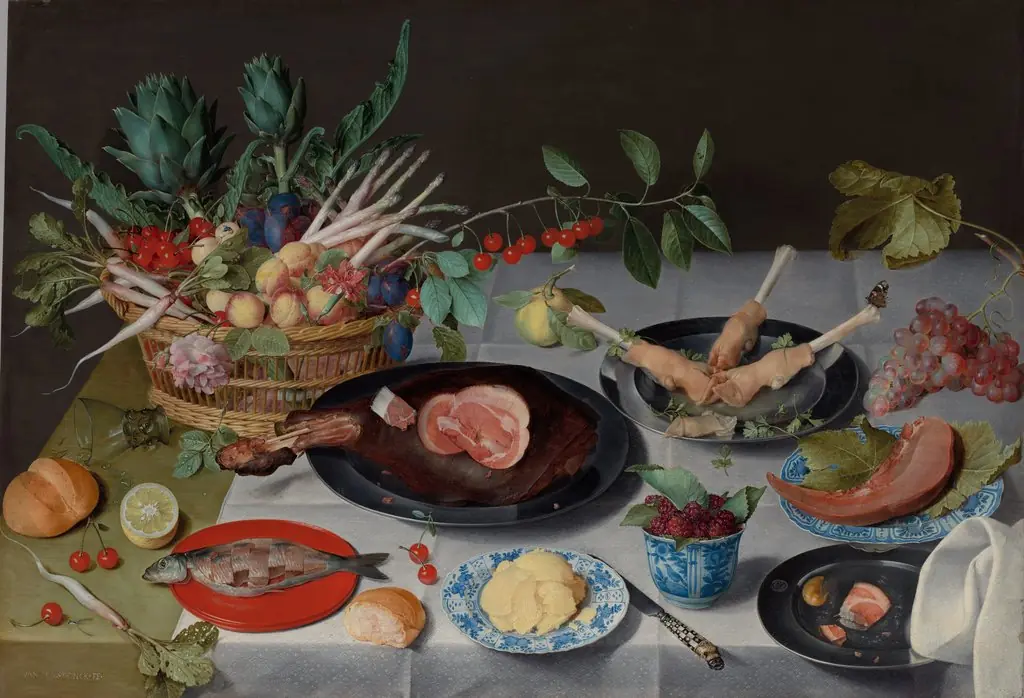 Still Life with Meat, Fish, Vegetables, and Fruit
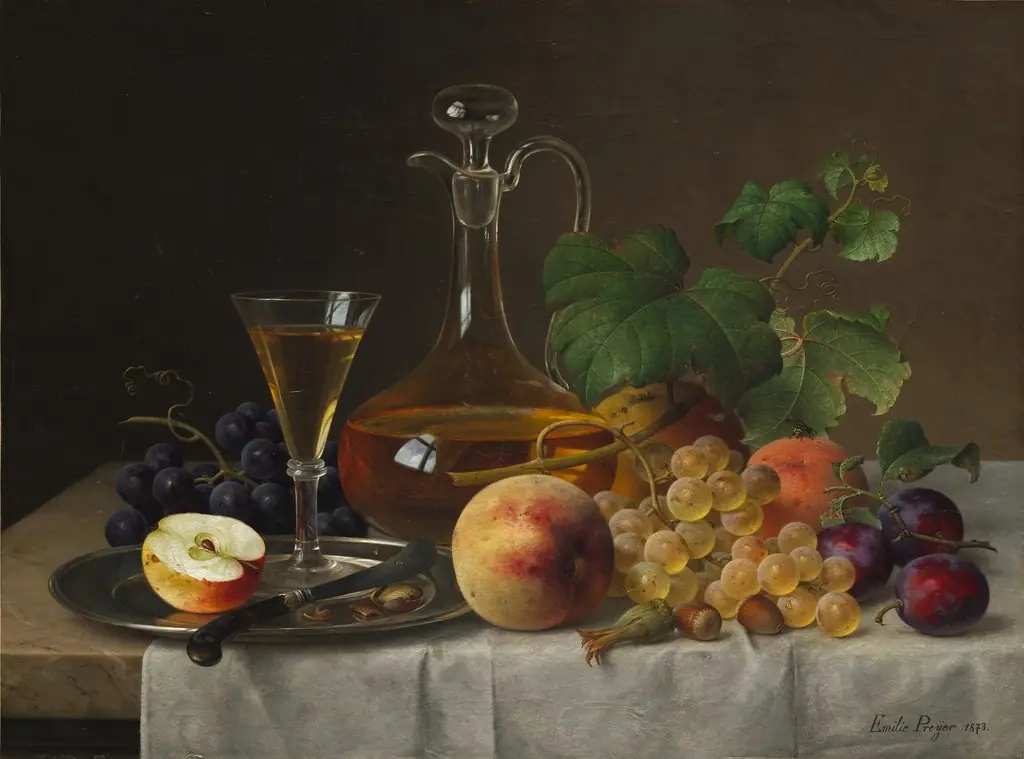 Still Life with Fruit
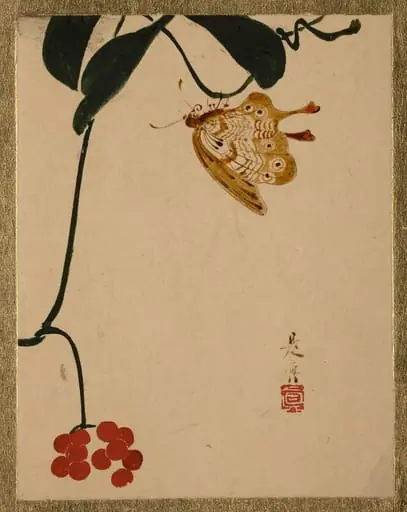 Untitled
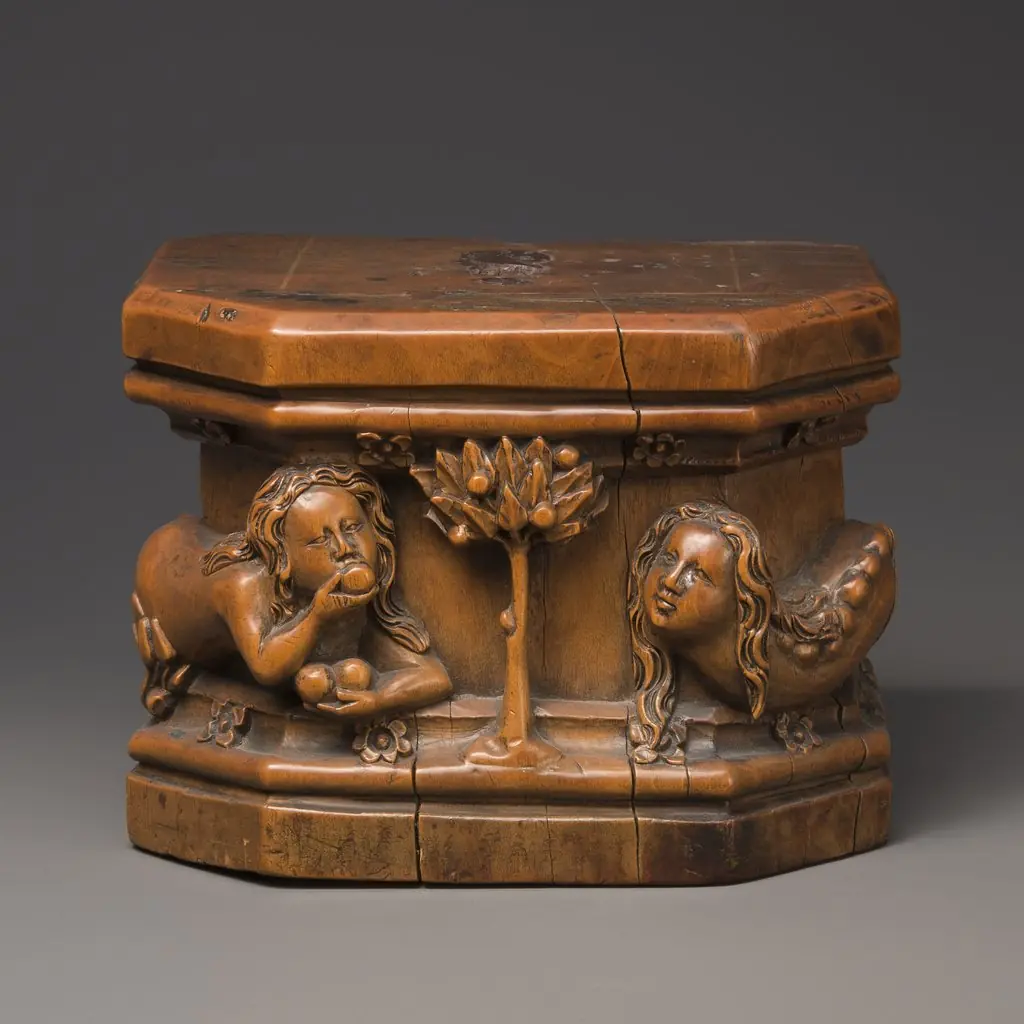 Base for a Statuette
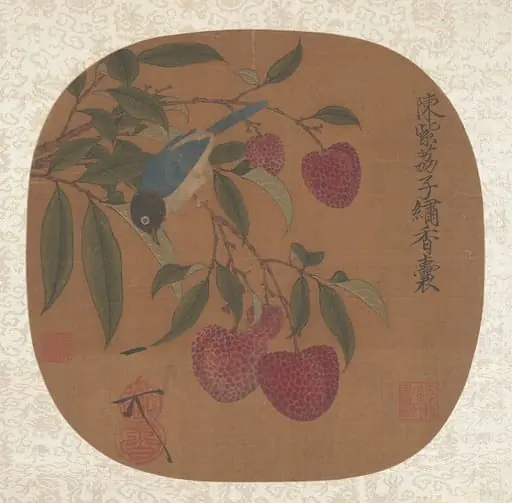 Untitled
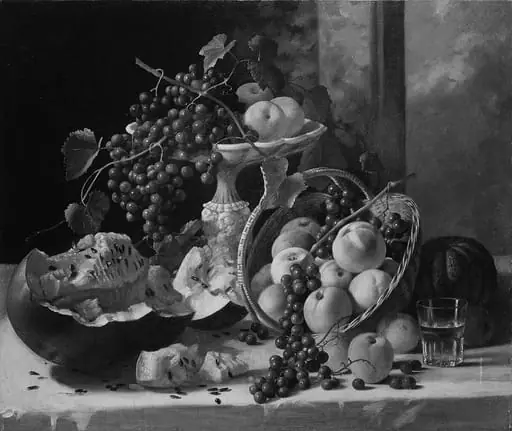 Still Life with Fruit
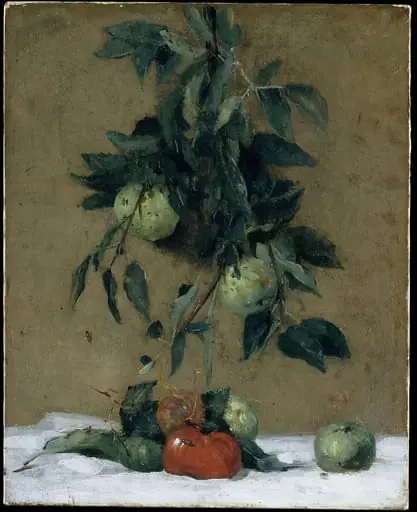 Fruit
Fruit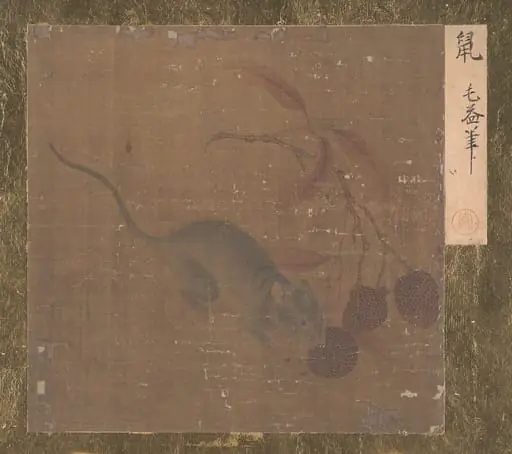 Untitled
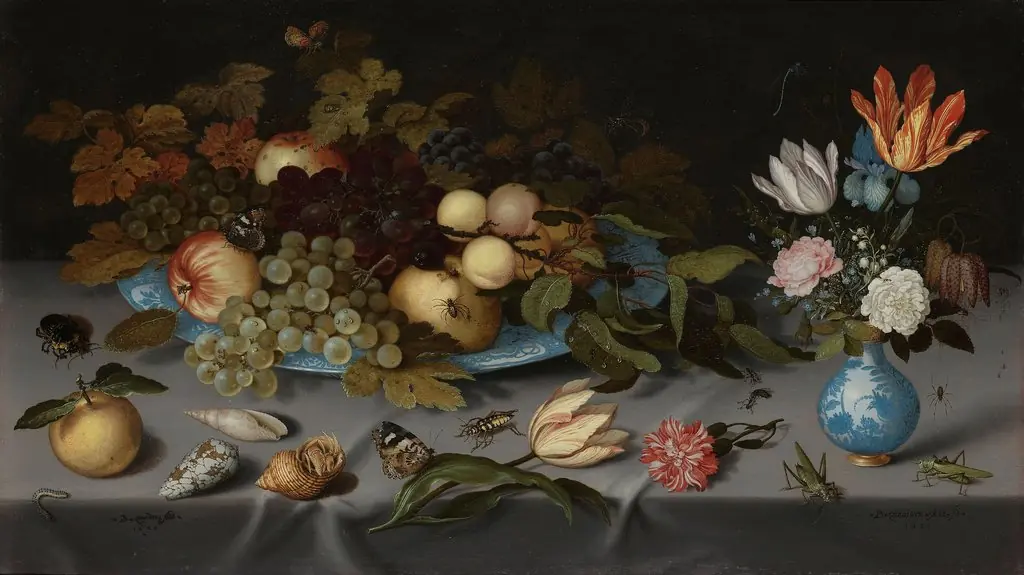 Still Life with Fruits and Flowers
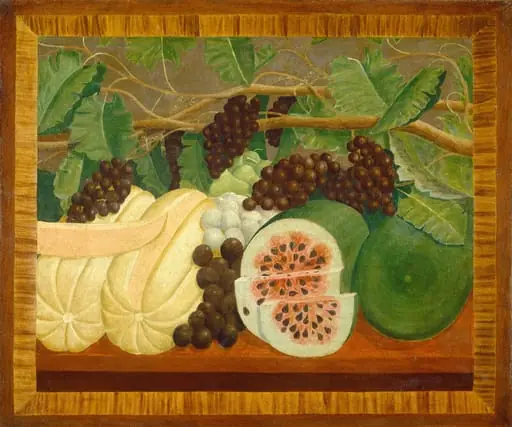 Melons and Grapes
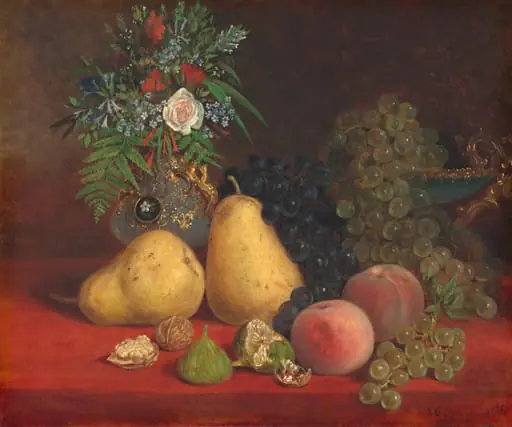 Still Life
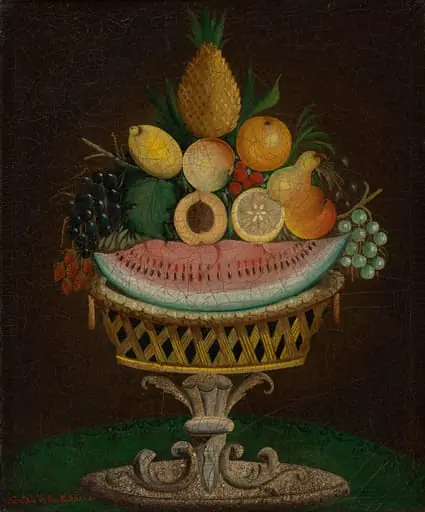 Still Life
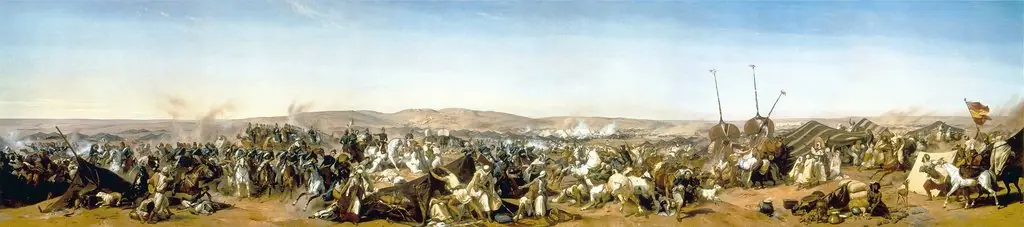 The seizure of Abd-el-Kader's camp in 1843
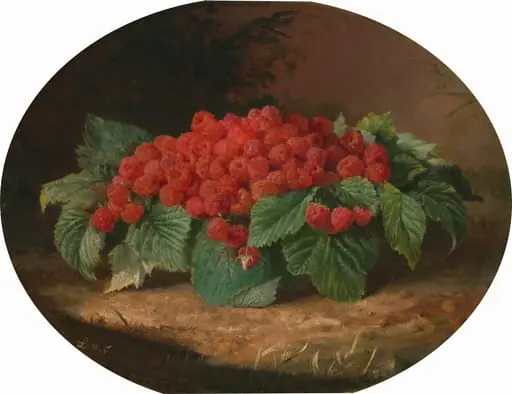 Raspberries
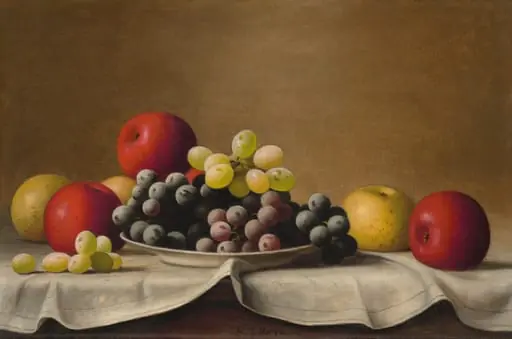 Still Life, Apples, Grapes
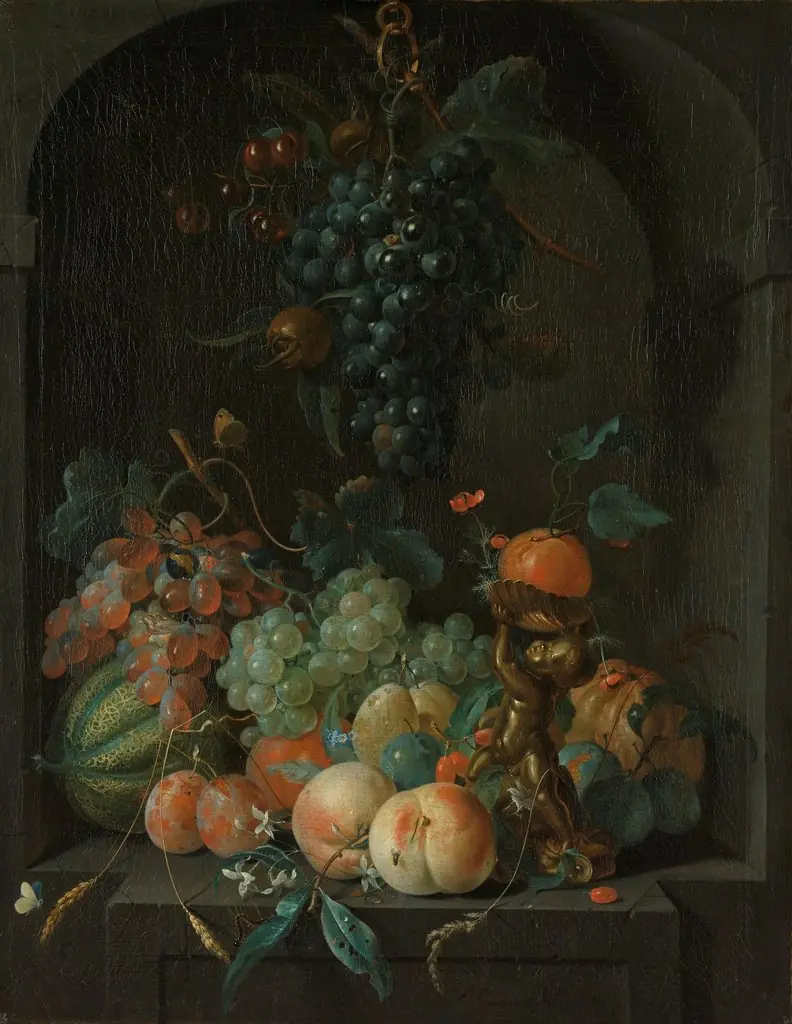 Still Life with Fruit
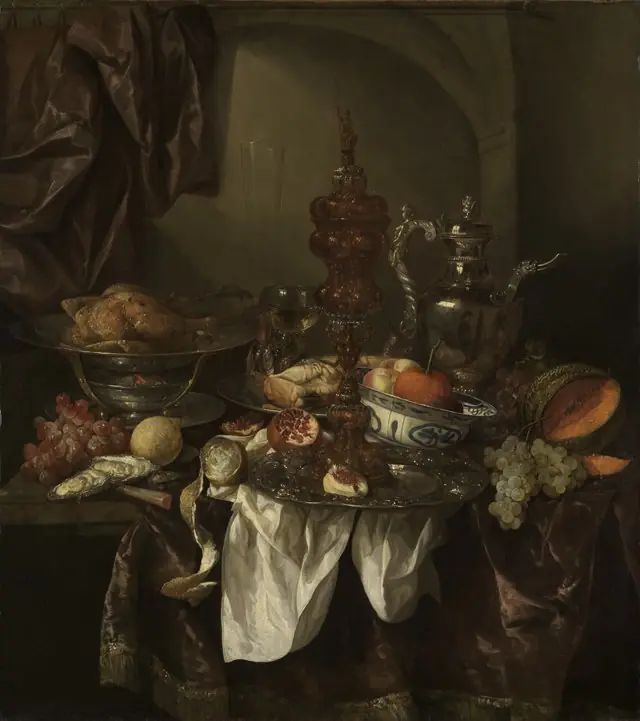 Still life with fruit, roast, silver- and glassware, porcelain and columbine cup on a dark tablecloth with white serviette
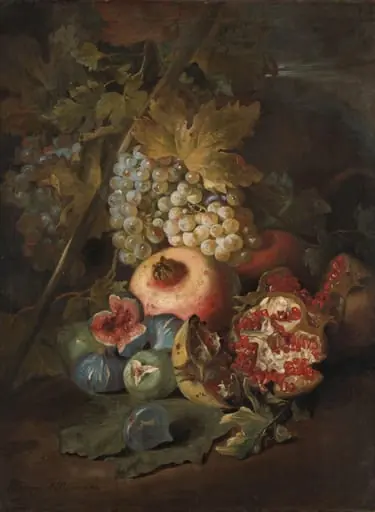 Bunches of Grapes, Pomegranates and Figs in a Landscape
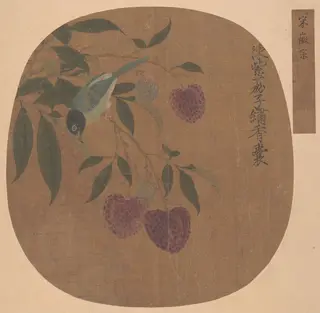 Untitled
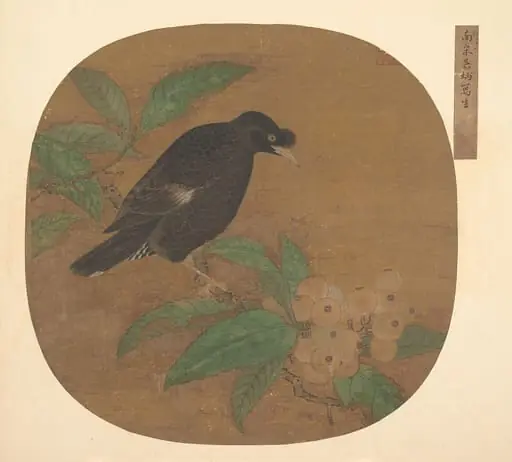 南宋?佚名 舊傳吳炳 枇杷八哥圖 團扇頁|Minah Bird on a Loquat Branch
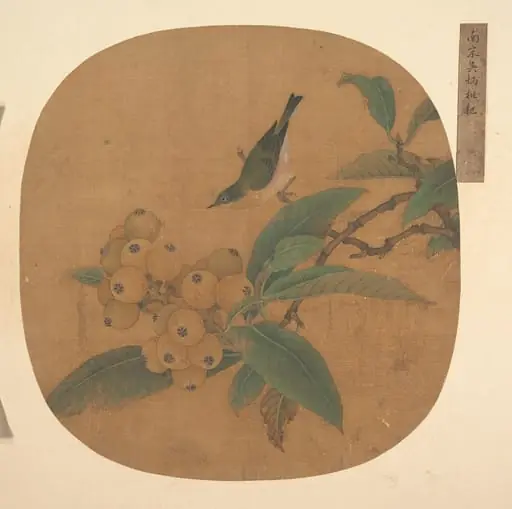 明 佚名 (舊傳)吳炳 枇杷 扇|Bird on a Loquat Tree
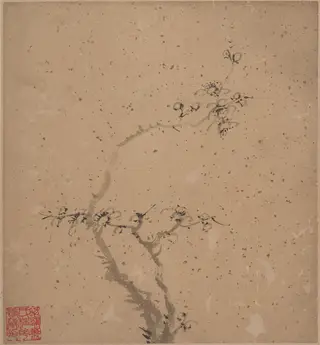 清 湯貽汾 墨梅 四冊頁|Blossoming Plum
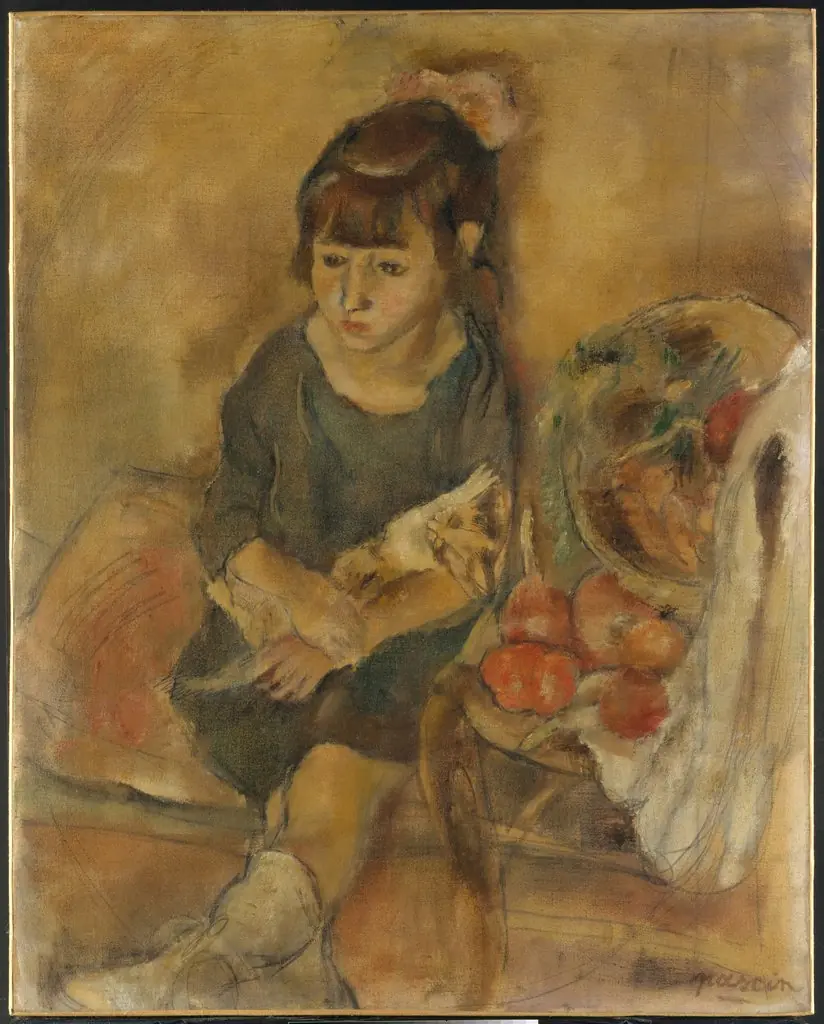 Girl with a Kitten
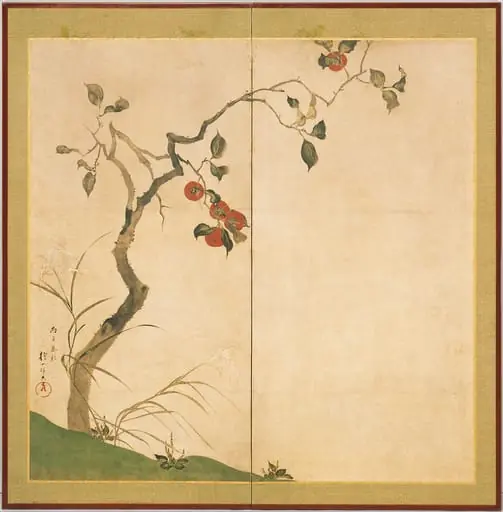 酒井抱一筆 柿図屏風|Persimmon Tree
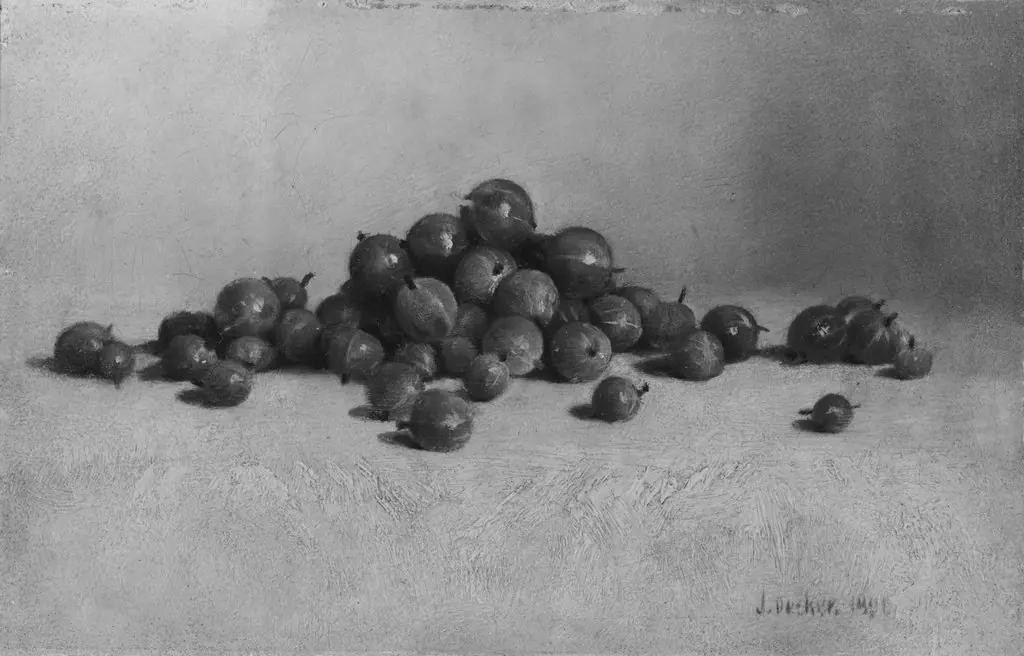 Gooseberries
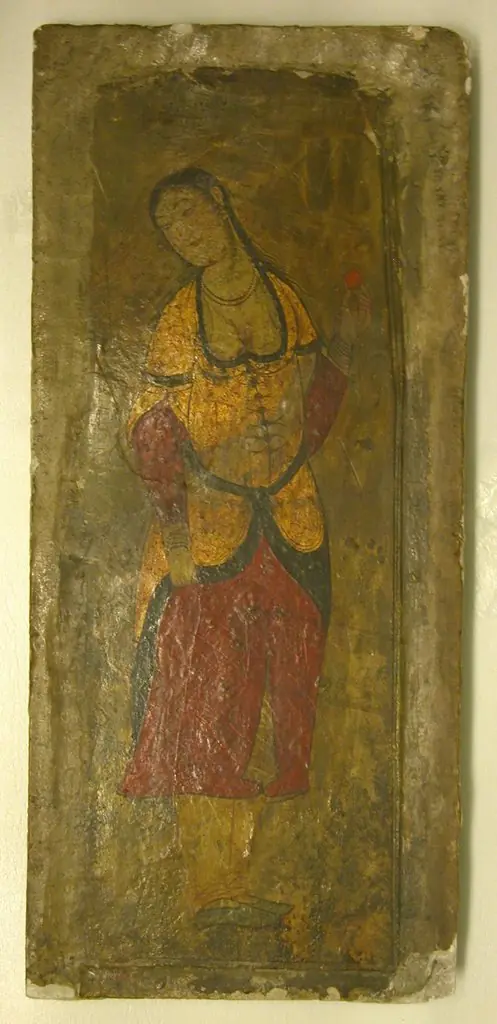 Woman Holding Fruit
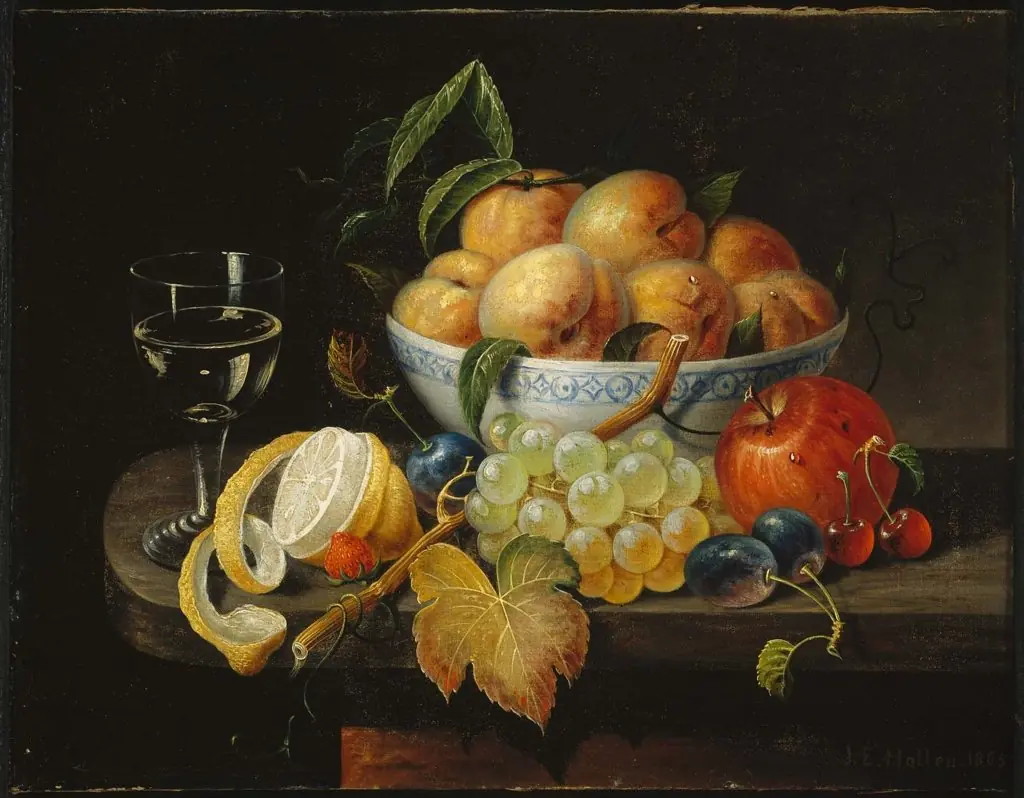 Still Life: Bowl with Fruit and Wine Glass
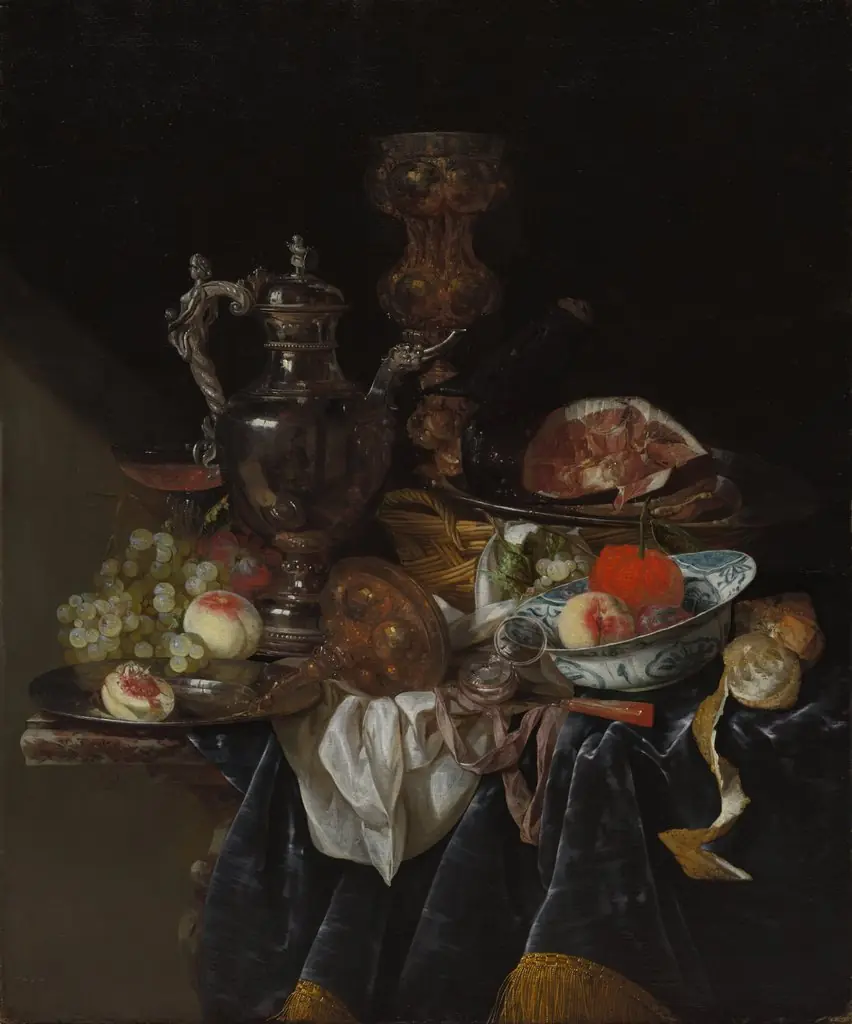 Silver Wine Jug, Ham, and Fruit
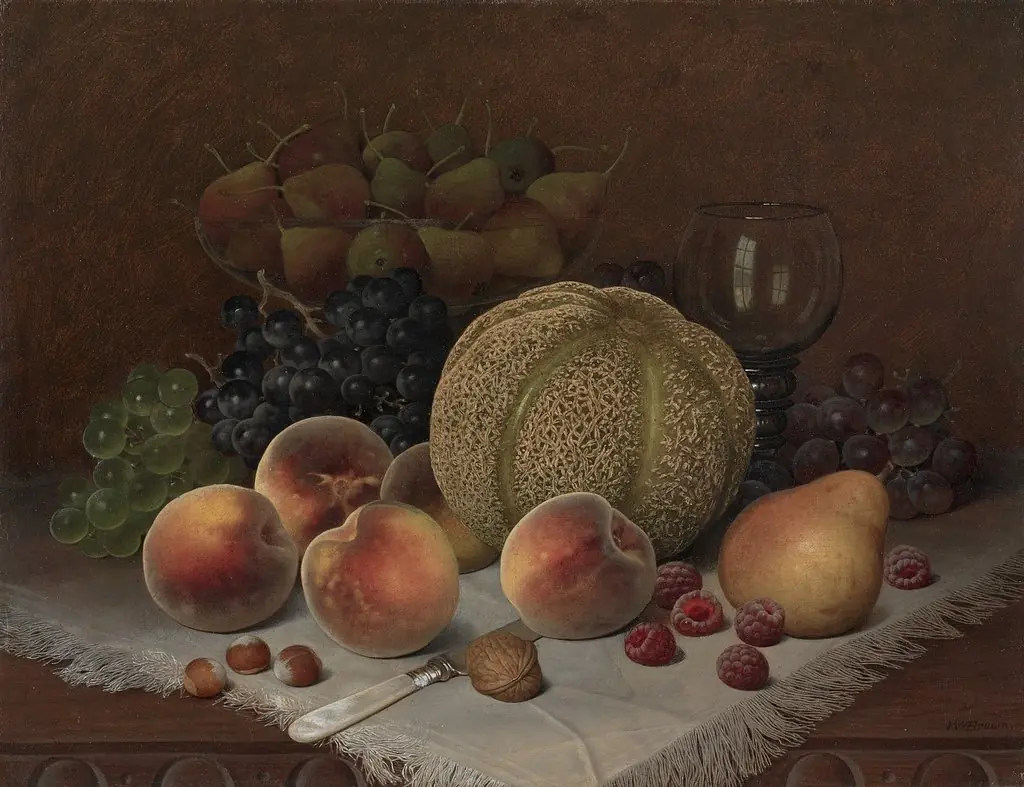 Still Life with Cantaloupe
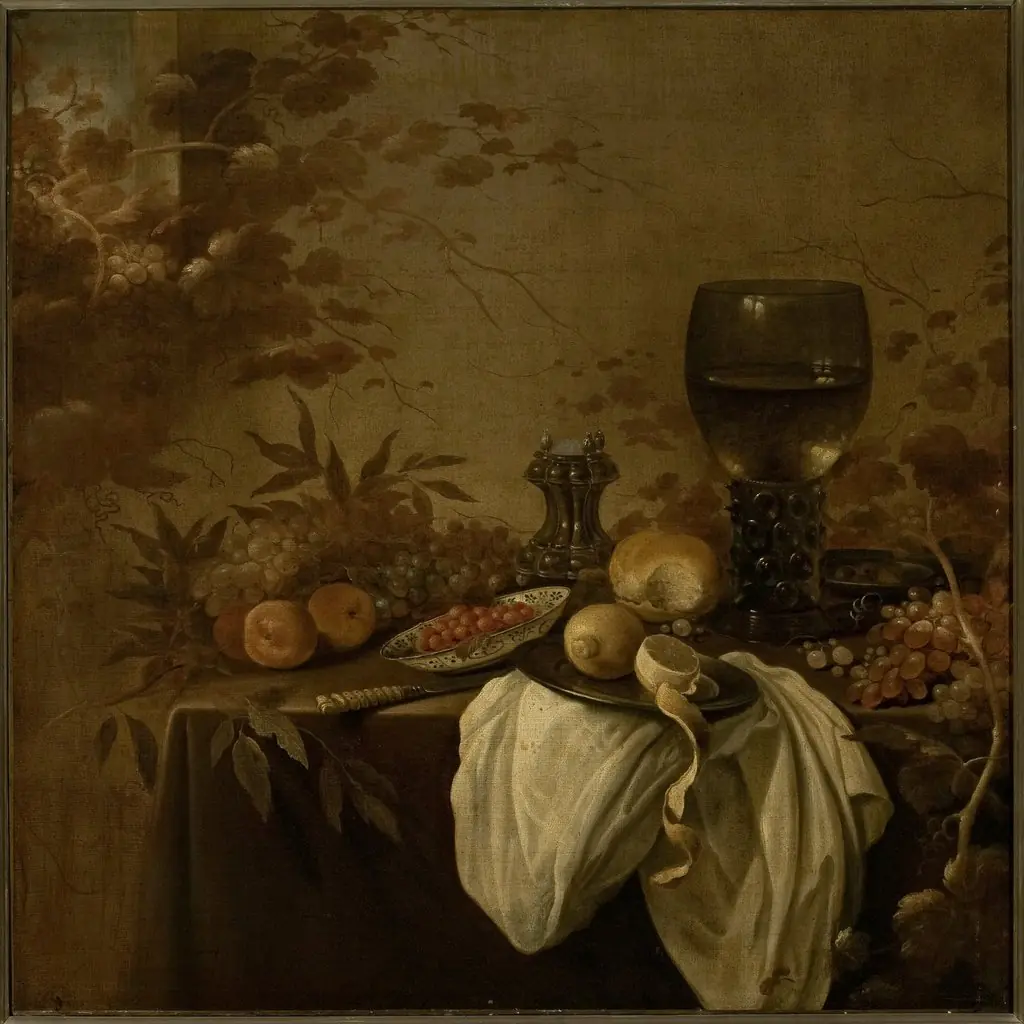 Still life
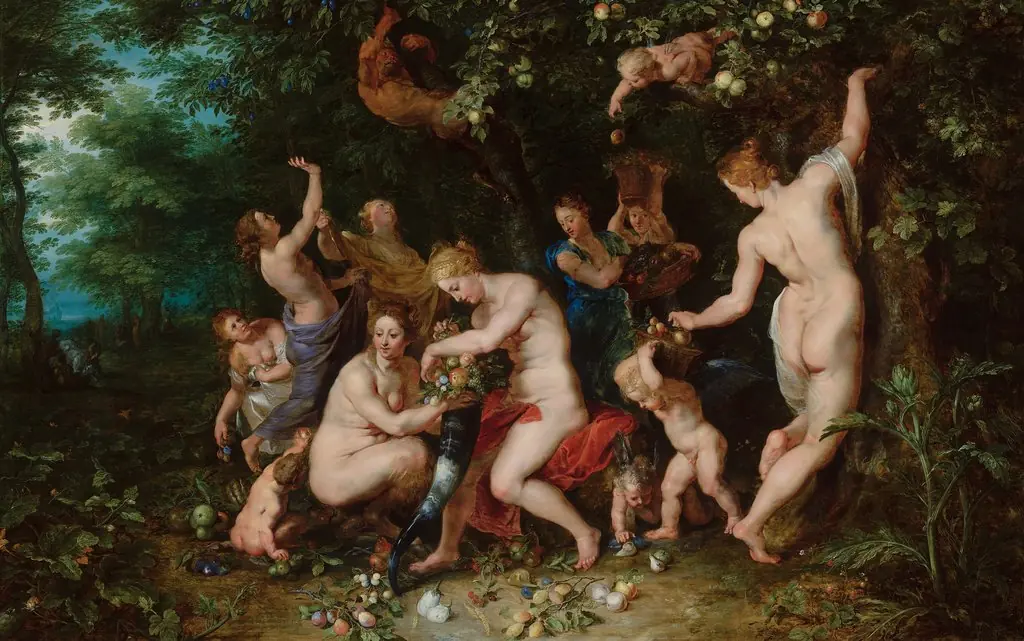 Nymphs filling the horn of plenty
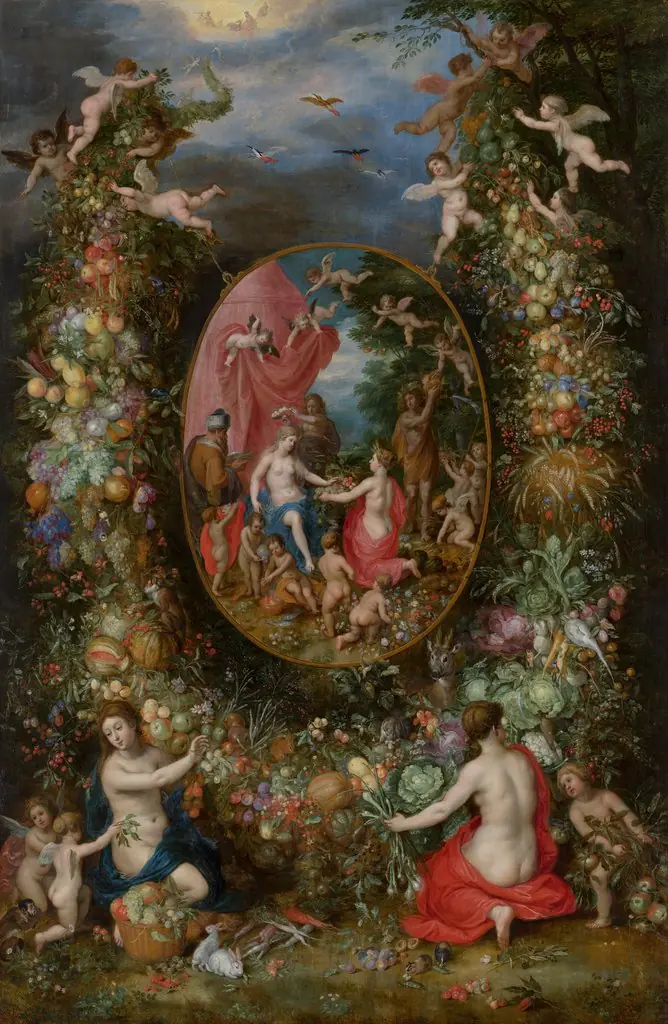 Garland of Flowers around an Allegory of Farming
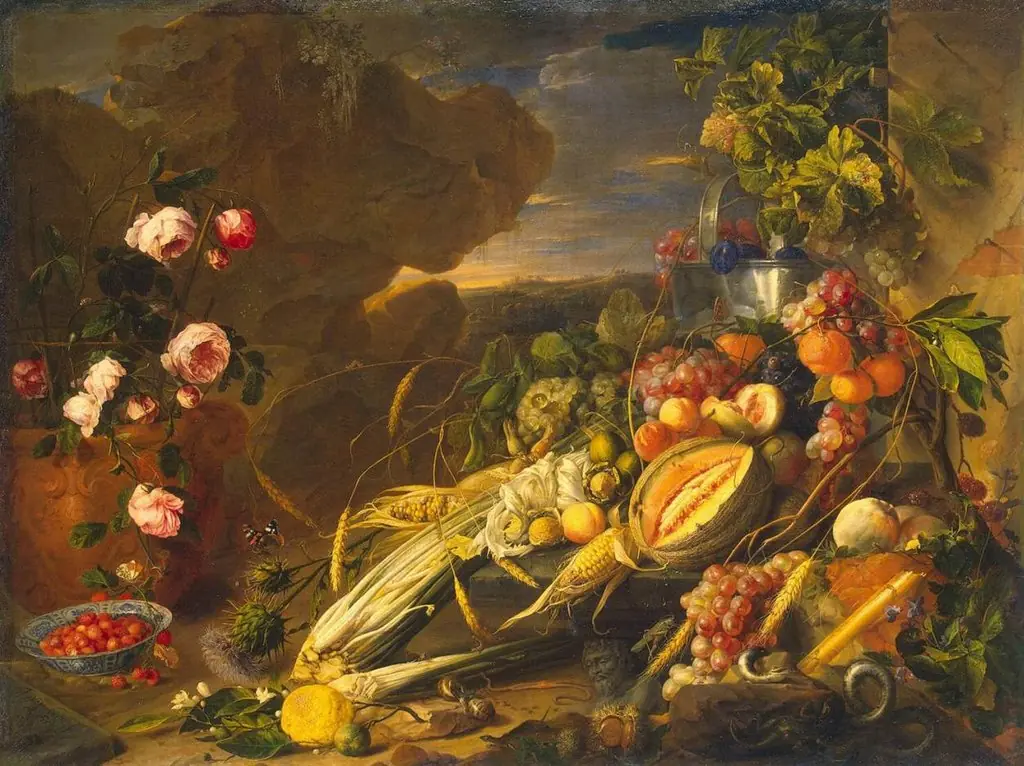 Fruit and a Vase of Flowers
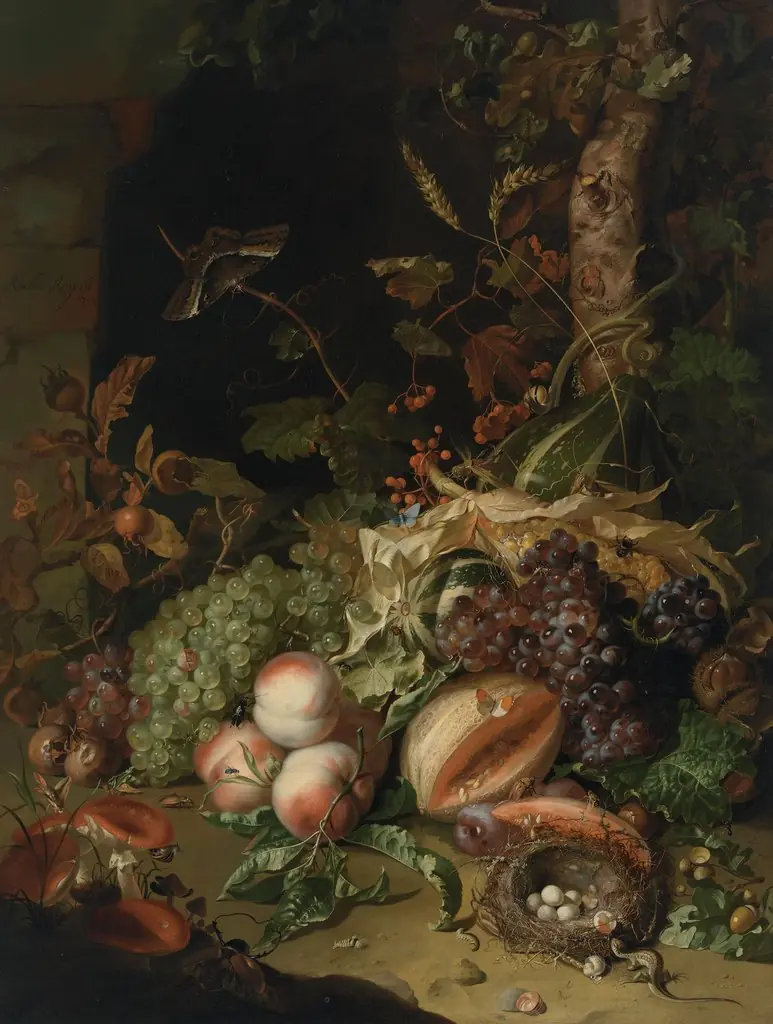 Fruit on a Forest Floor
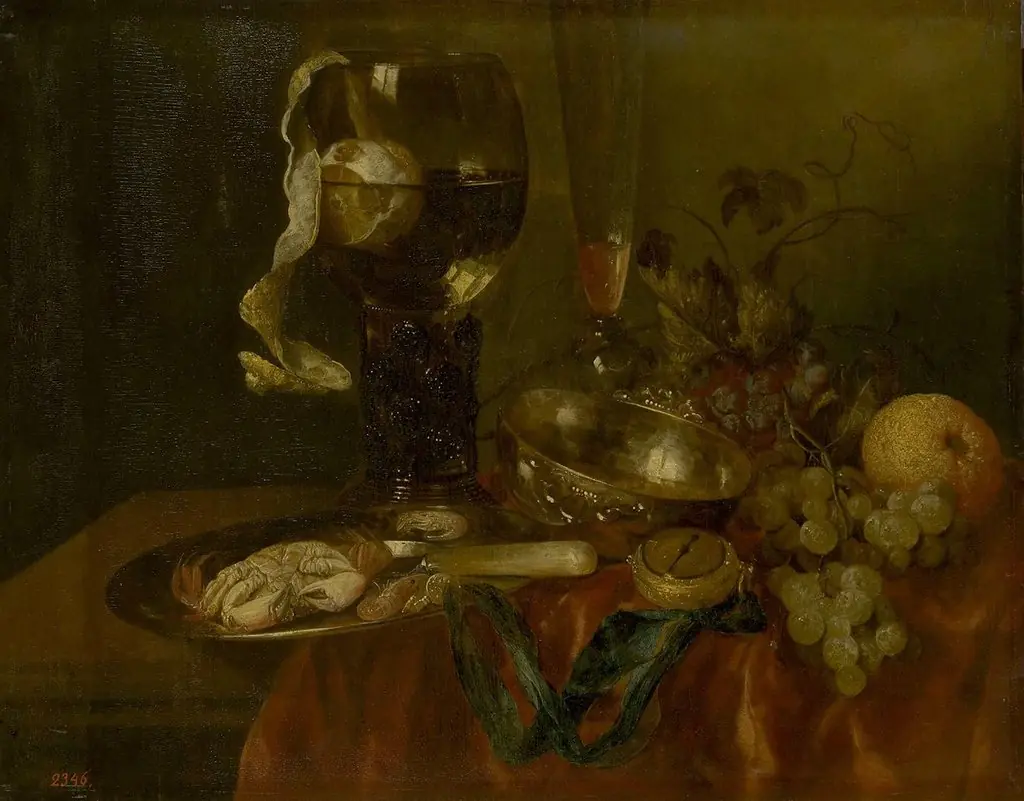 Snack (Still Life with Crab, Fruit and Clock)
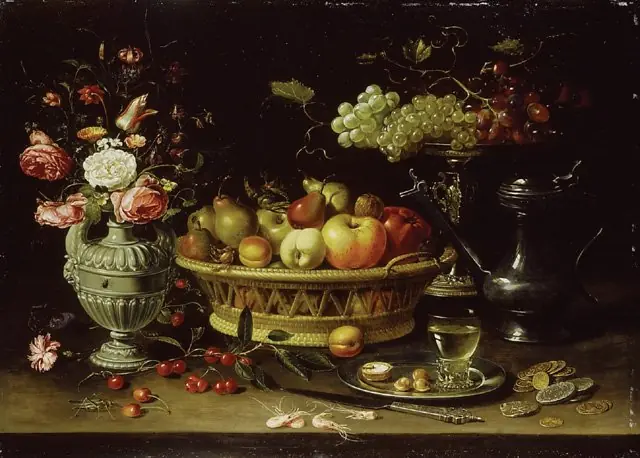 Still life of fruit and flowers
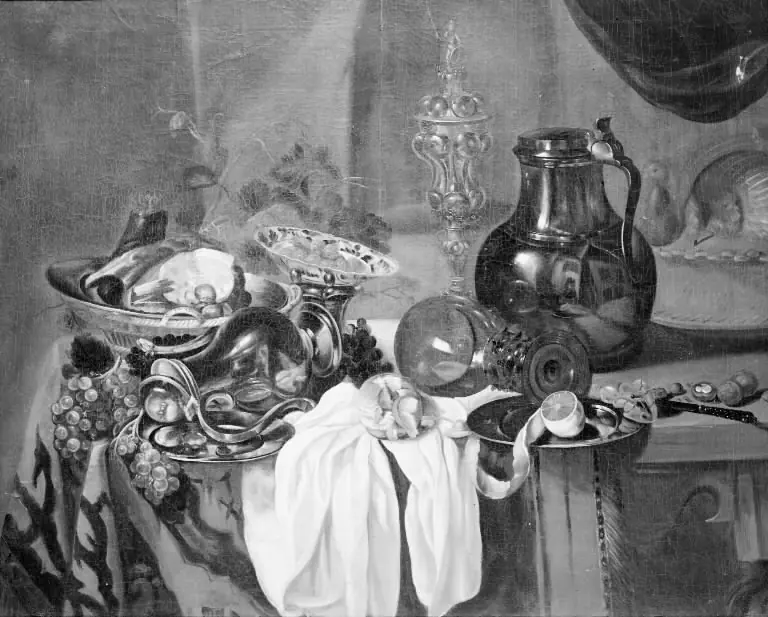 A Jug, Fruit, Food and other Things on a Table
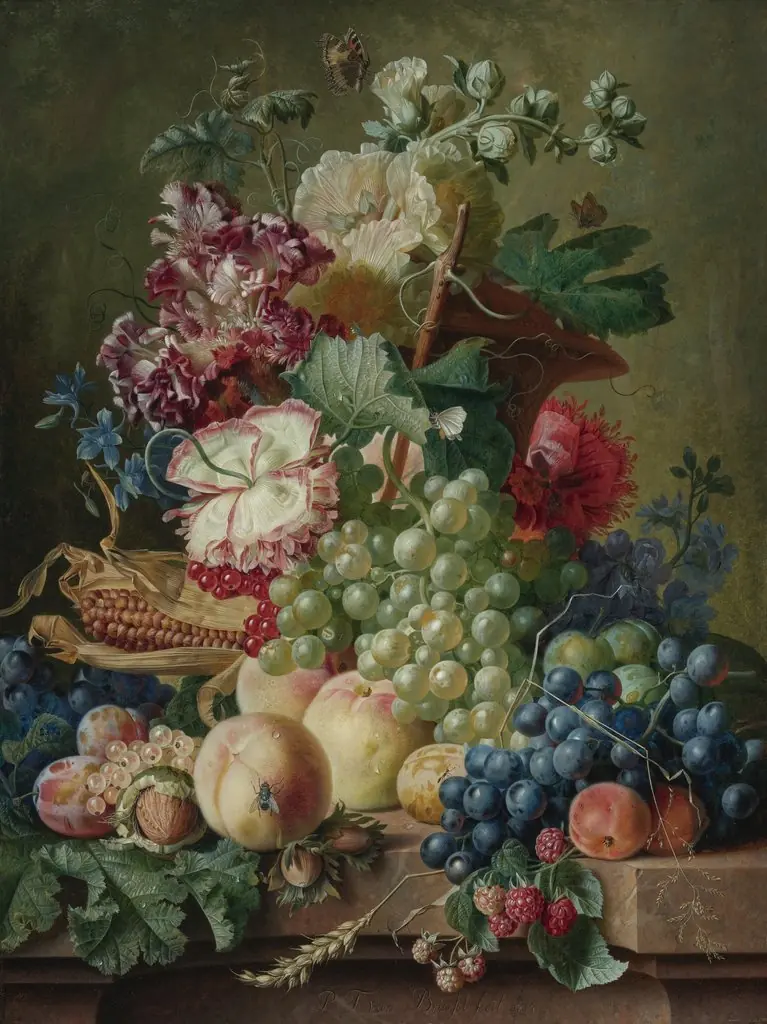 Still life of flowers and fruits on a marble ledge
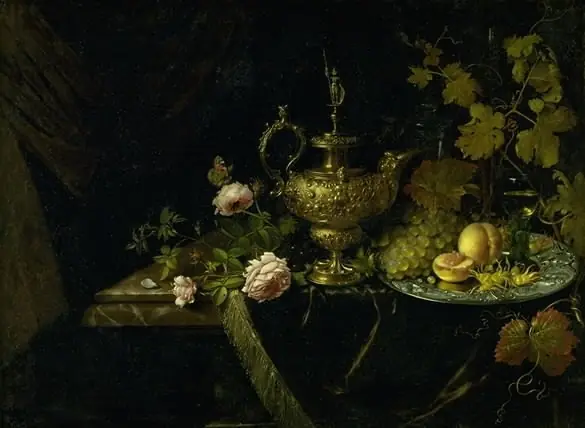 Still Life
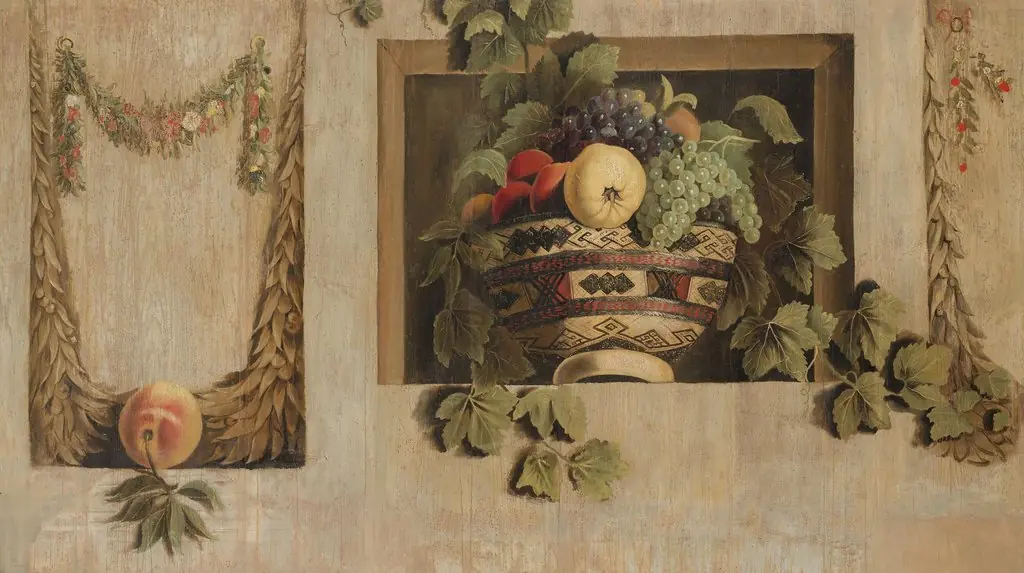 Still Life with Fruit and Flower Garlands
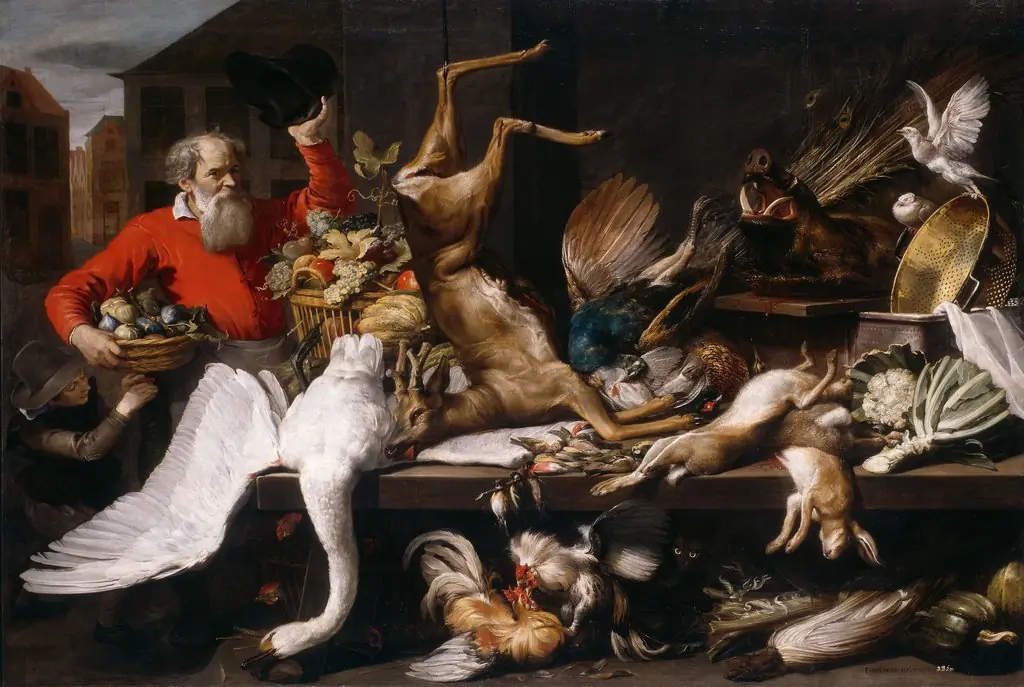 Still Life with Dead Game, Fruits, and Vegetables in a Market
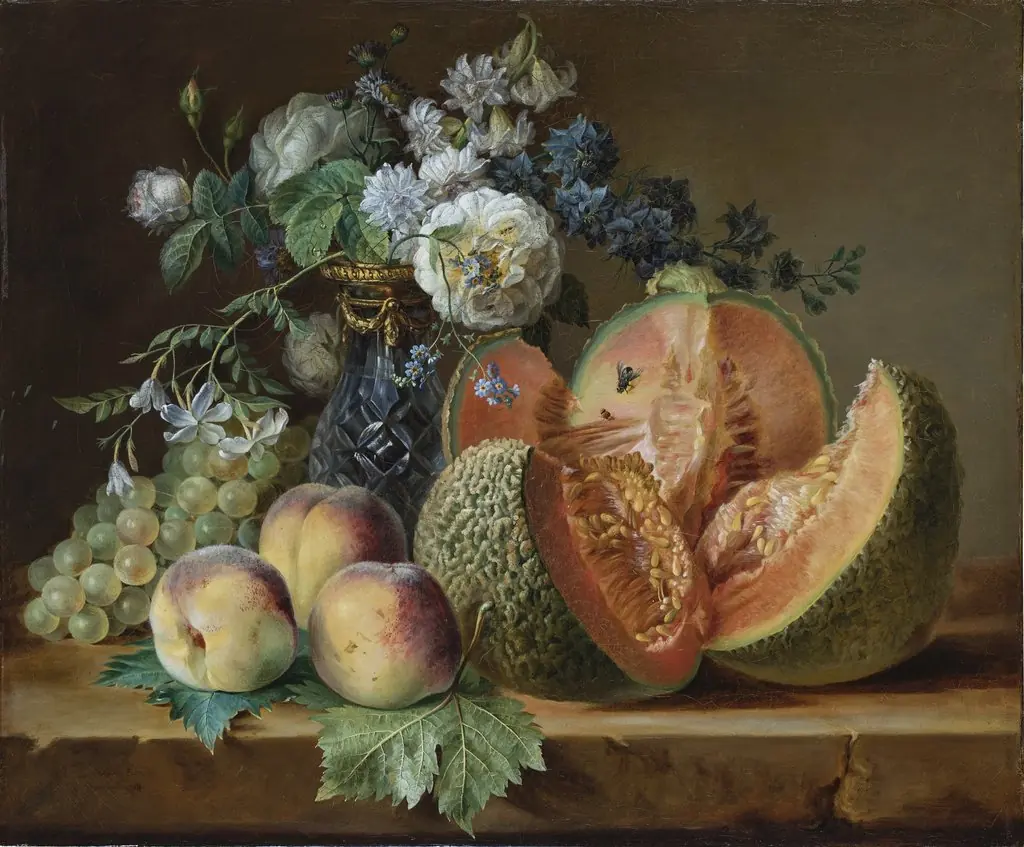 Still Life with a Vase of Flowers, Melon, Peaches, and Grapes
 Orange Branch
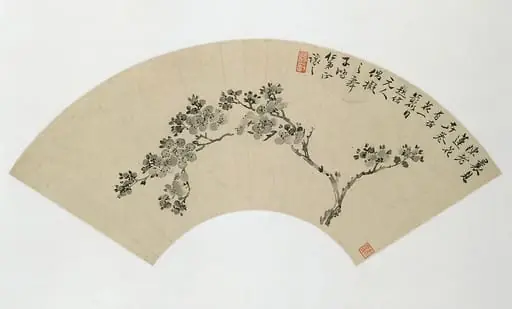 清 吳熙載 杏花 扇面|Apricot
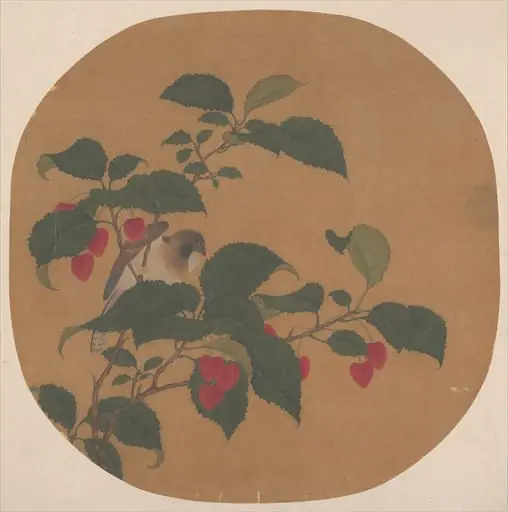 Untitled
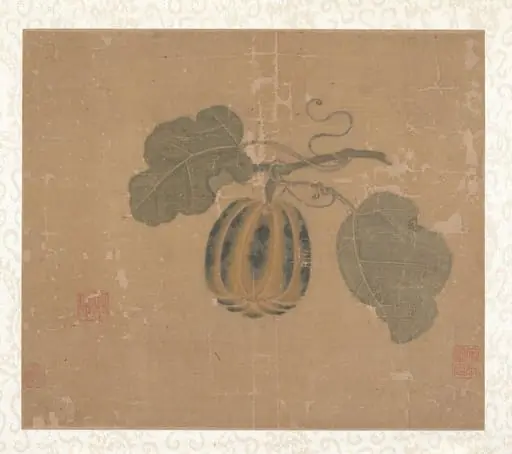 明 佚名 南瓜 扇面|Squash
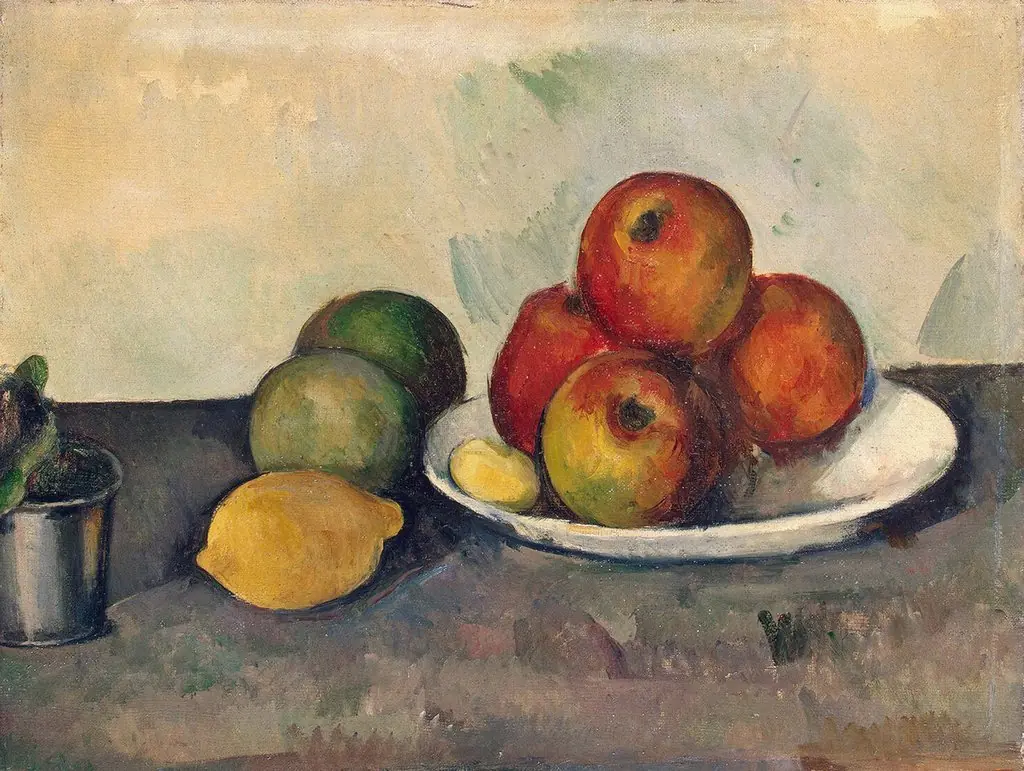 Still Life with Apples
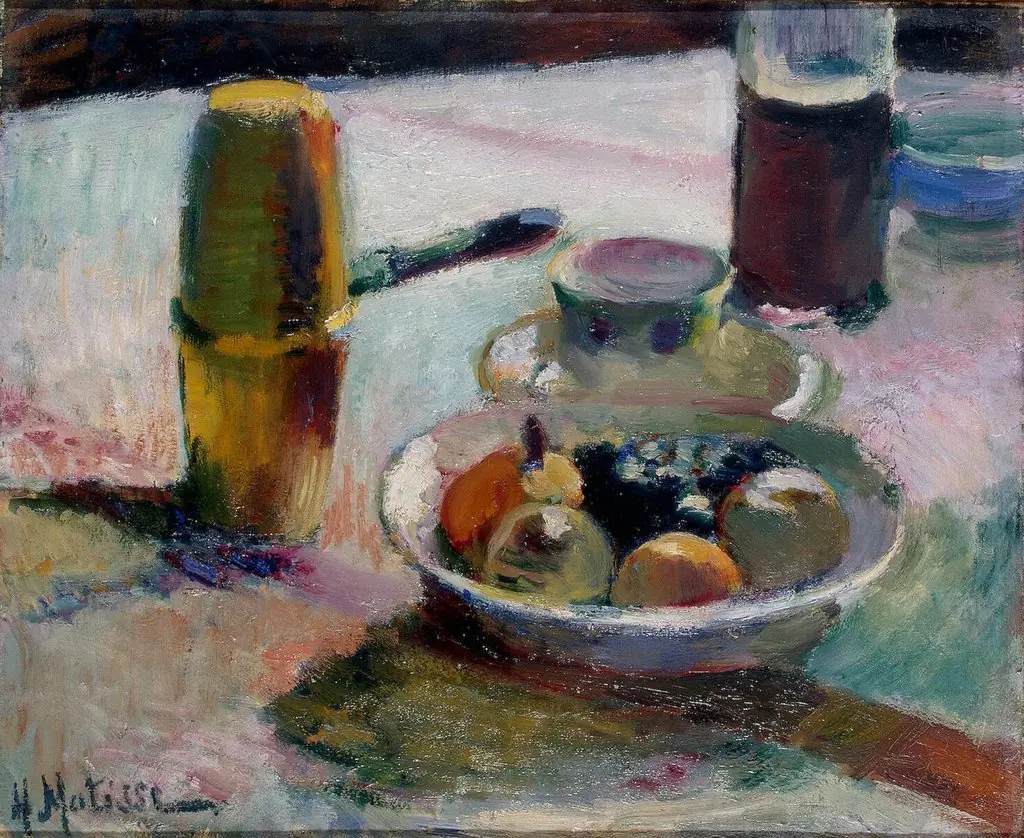 Fruit and Coffeepot
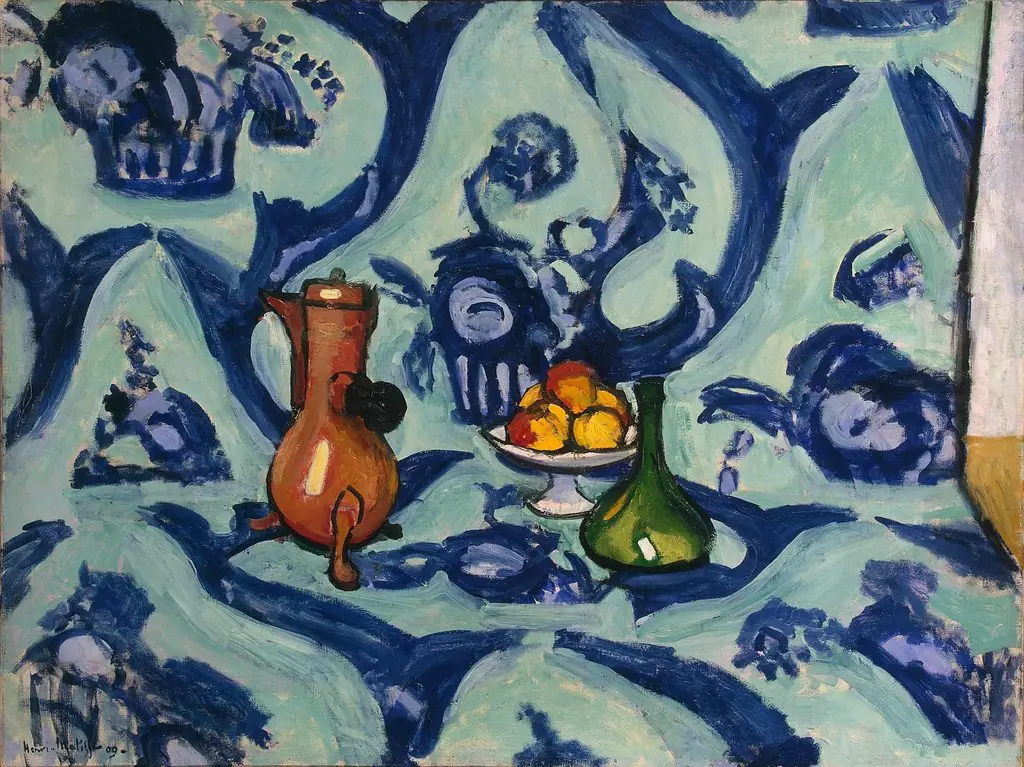 Still Life with Blue Tablecloth
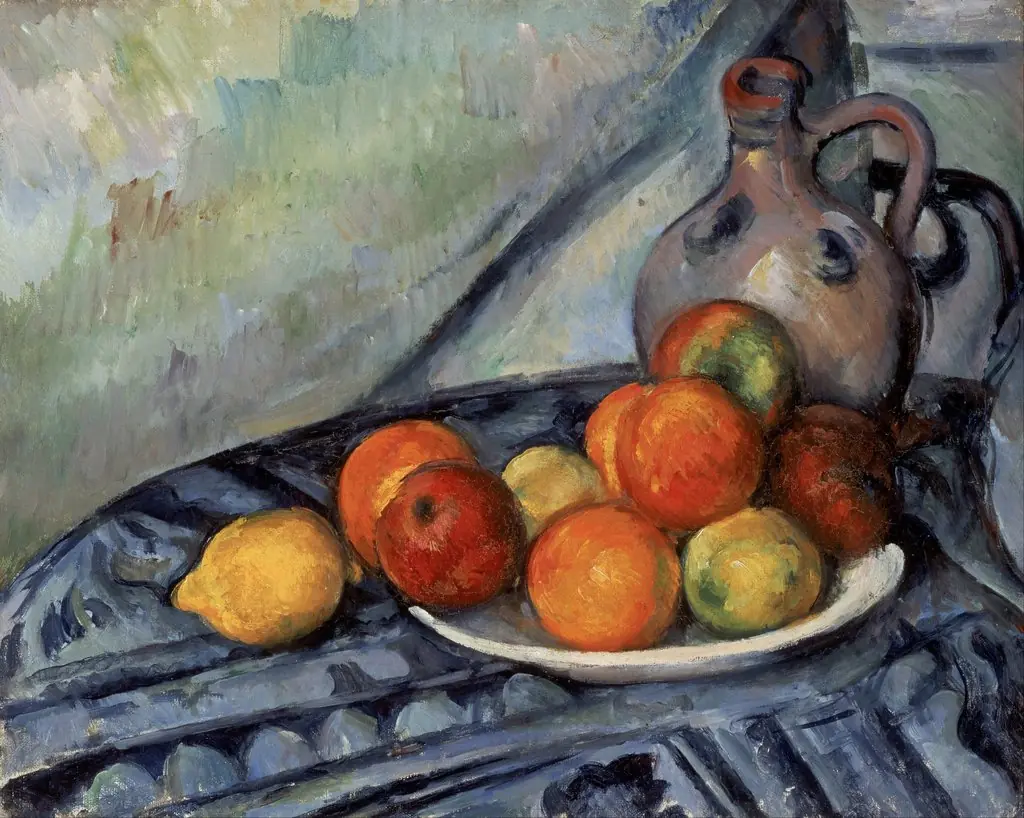 Fruit and a Jug on a Table
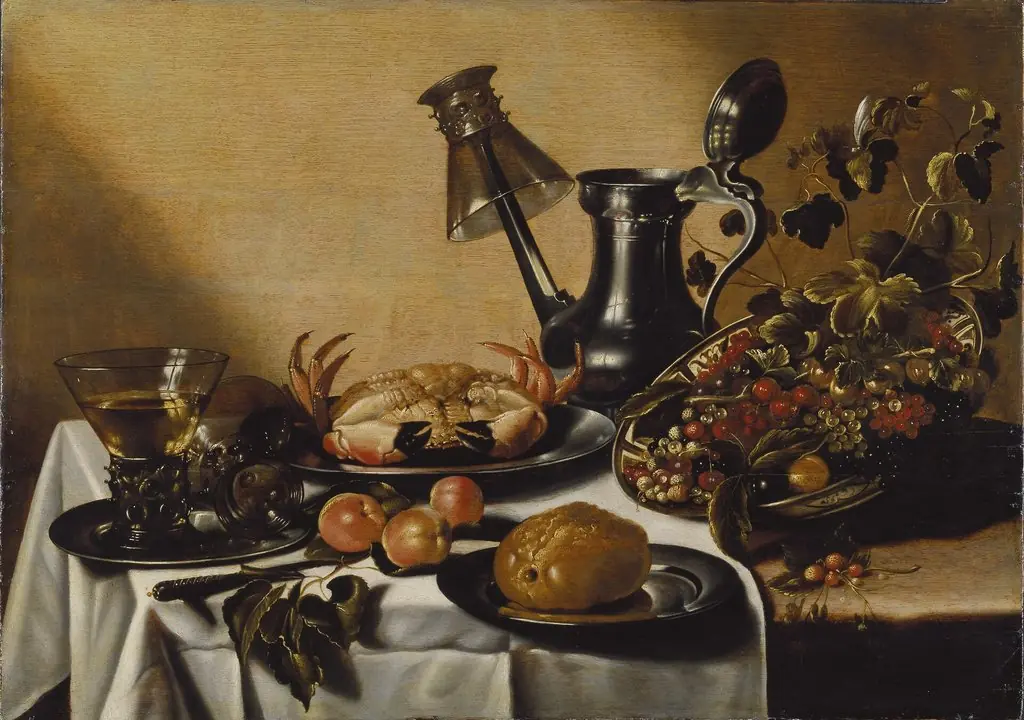 Still Life with Crab and Fruit
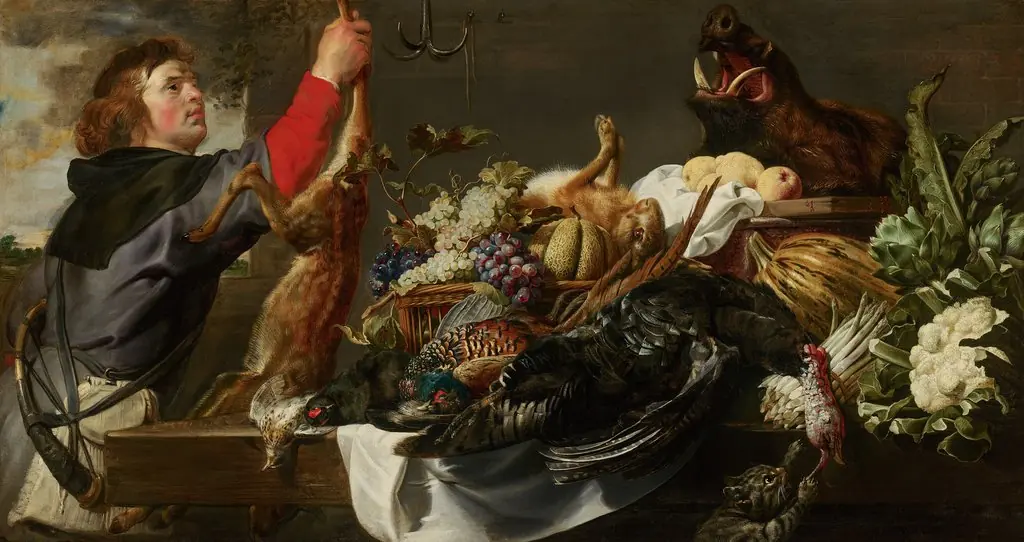 Still Life with Huntsman
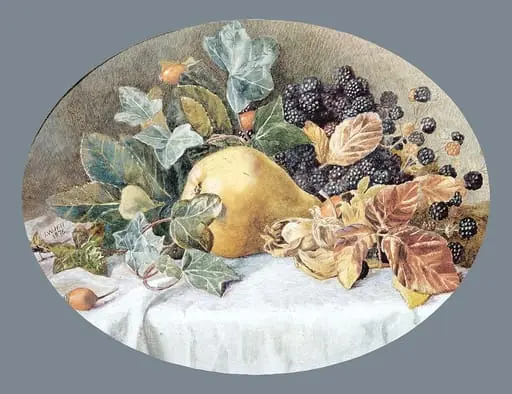 Still Life with Fruit
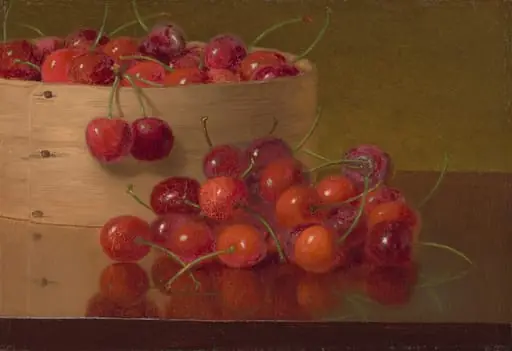 Red Cherries
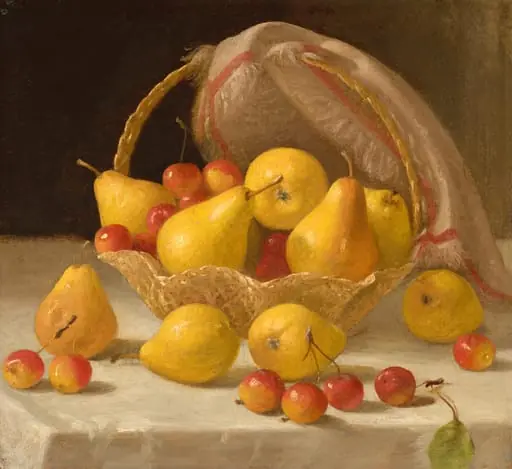 Basket of Pears and Crabapples
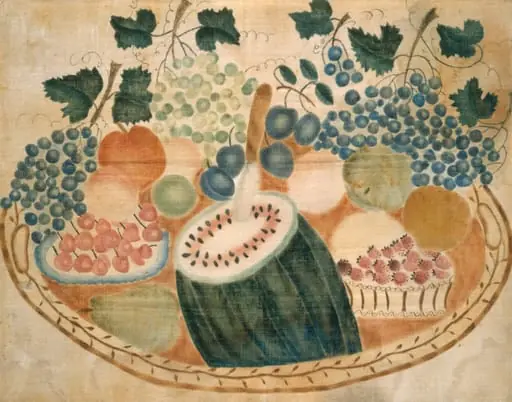 Fruit on a Tray
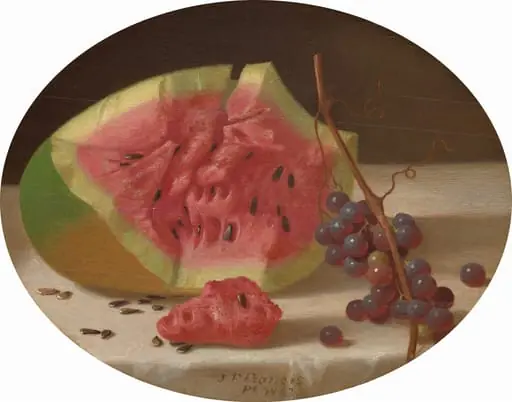 Watermelon and Grapes
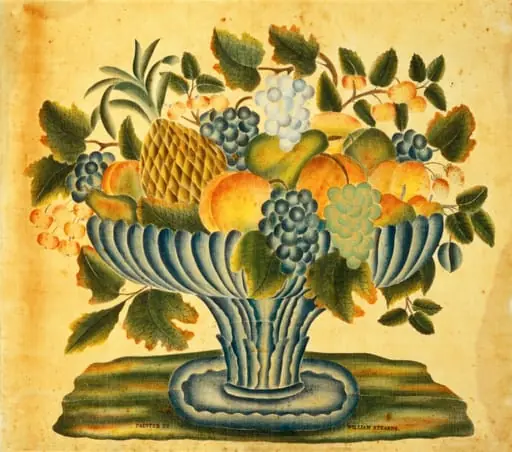 Bowl of Fruit
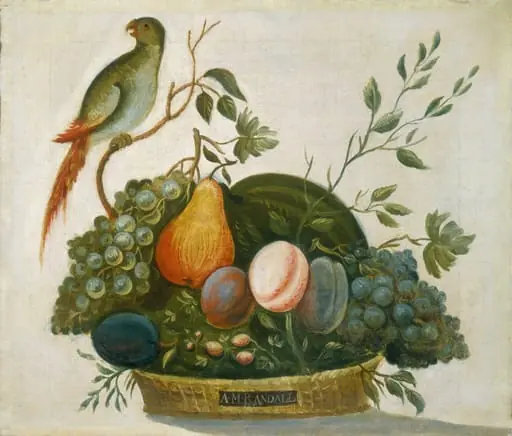 Basket of Fruit with Parrot
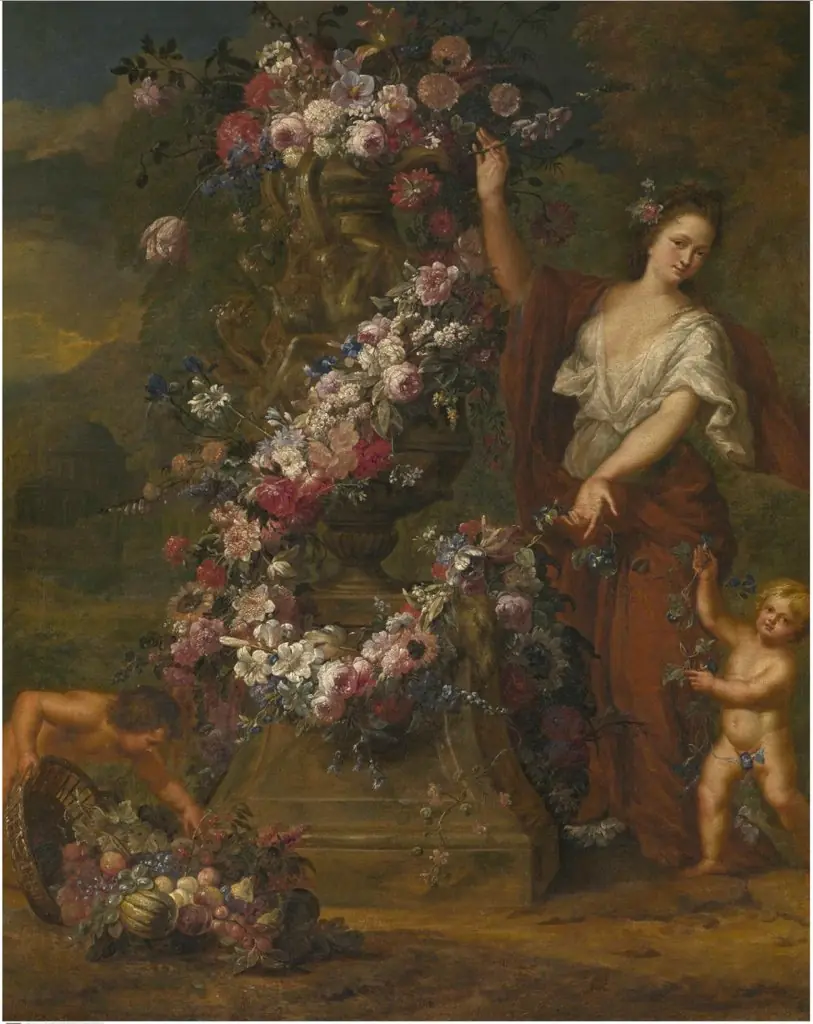 Allegorical Figure with Flowers
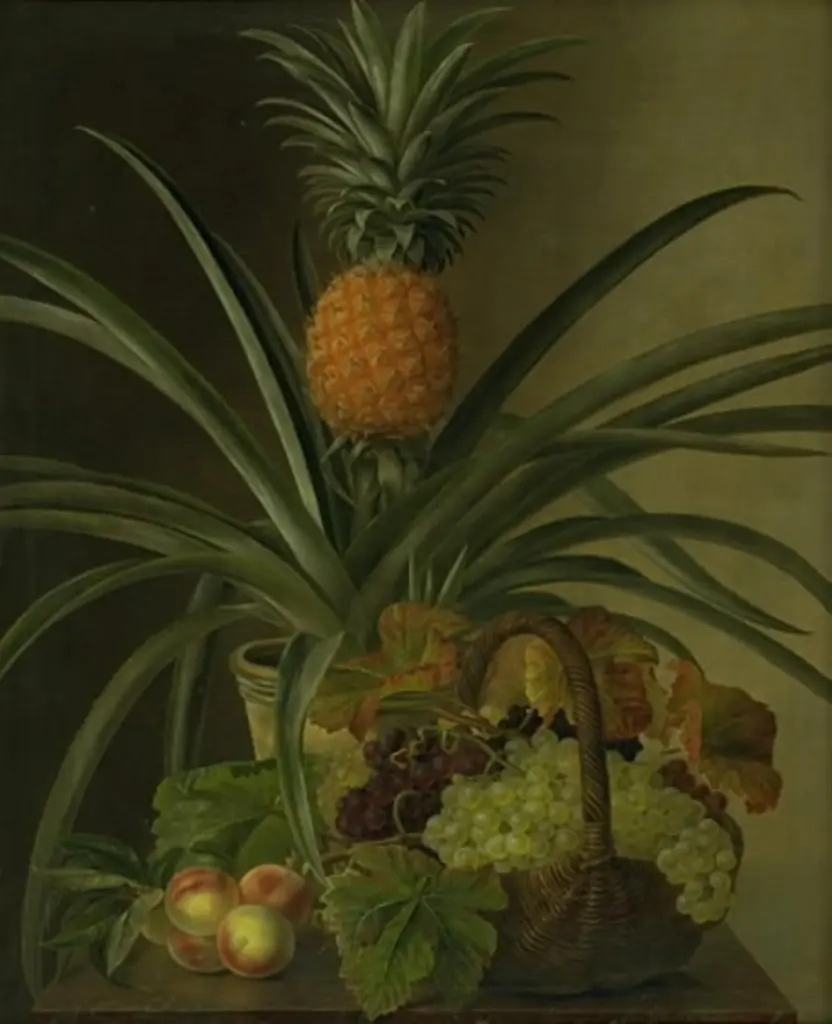 En ananas og andre frugter
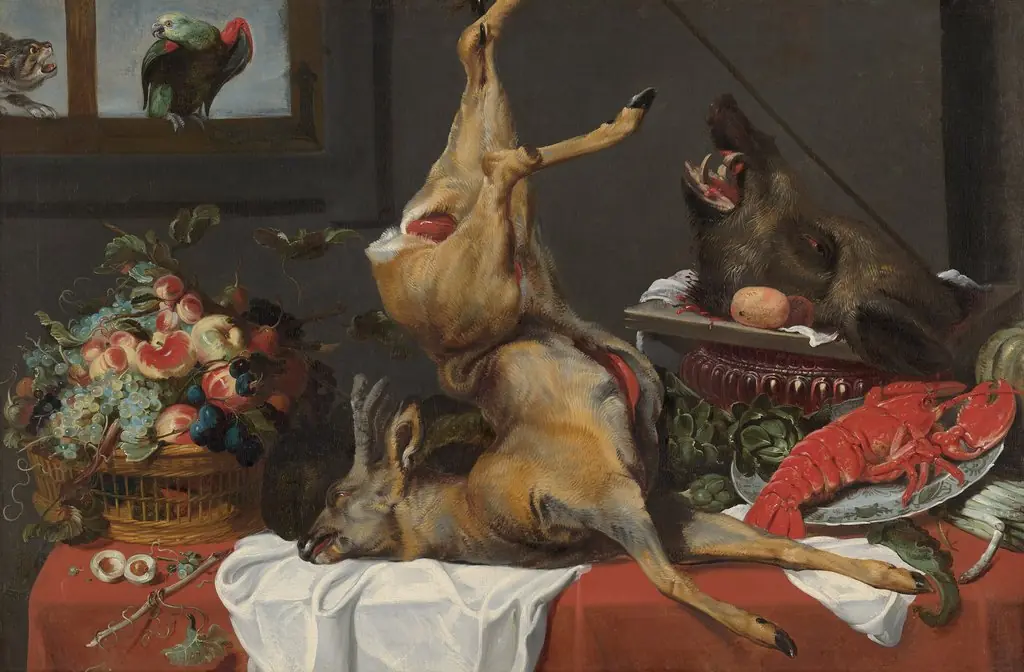 Still Life with a Dead Stag
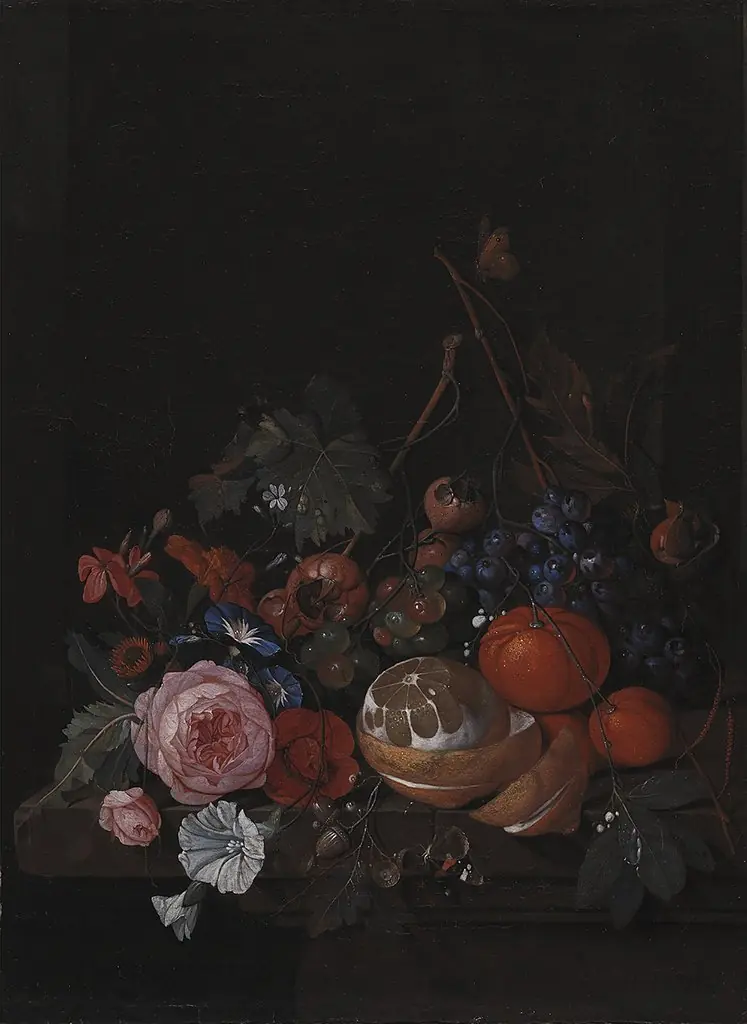 Flowers and Fruit
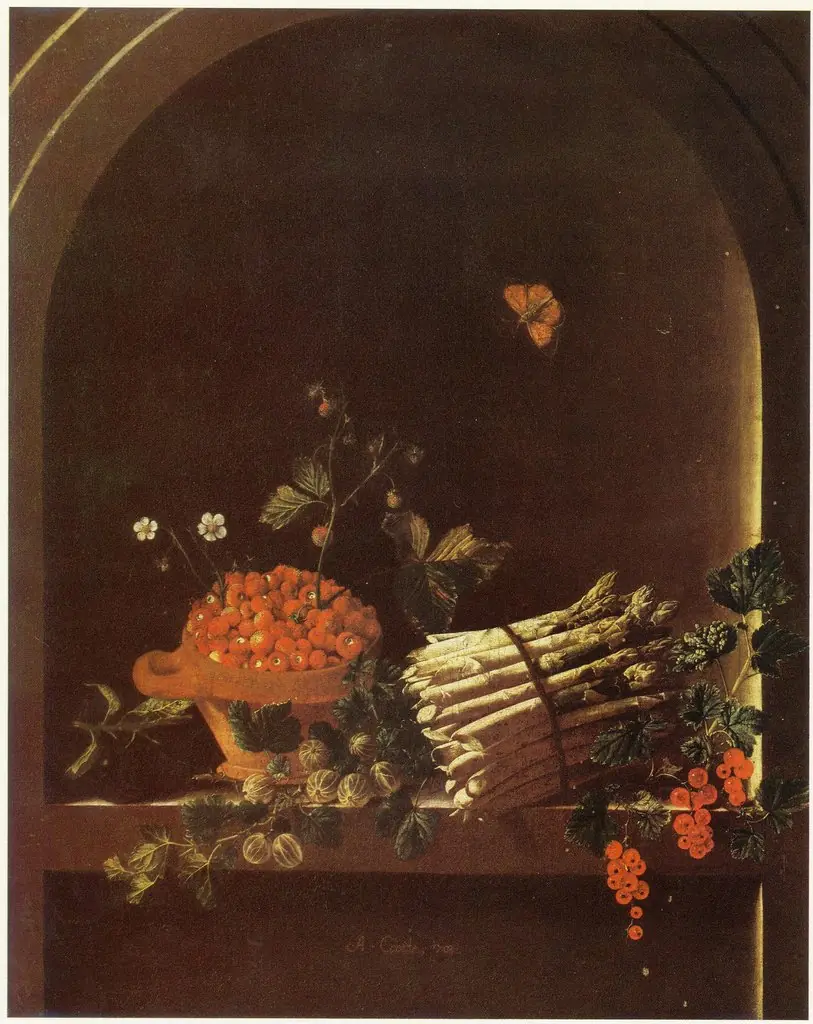 Still Life with Fruit and Asparagus
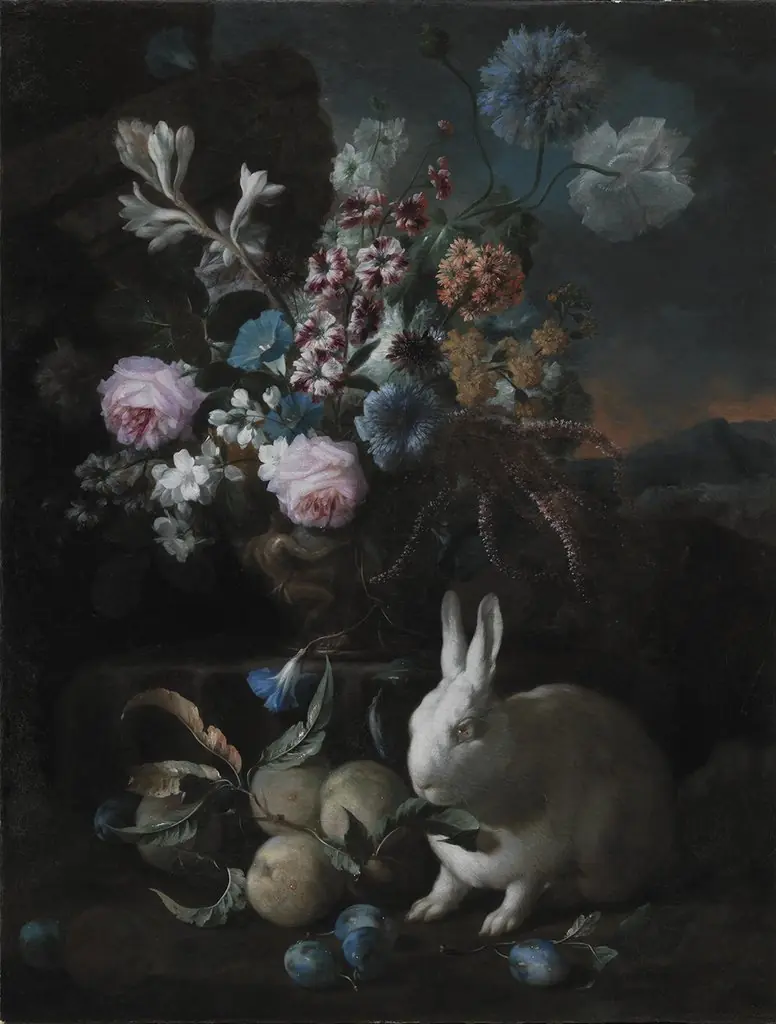 Flower Piece with Rabit
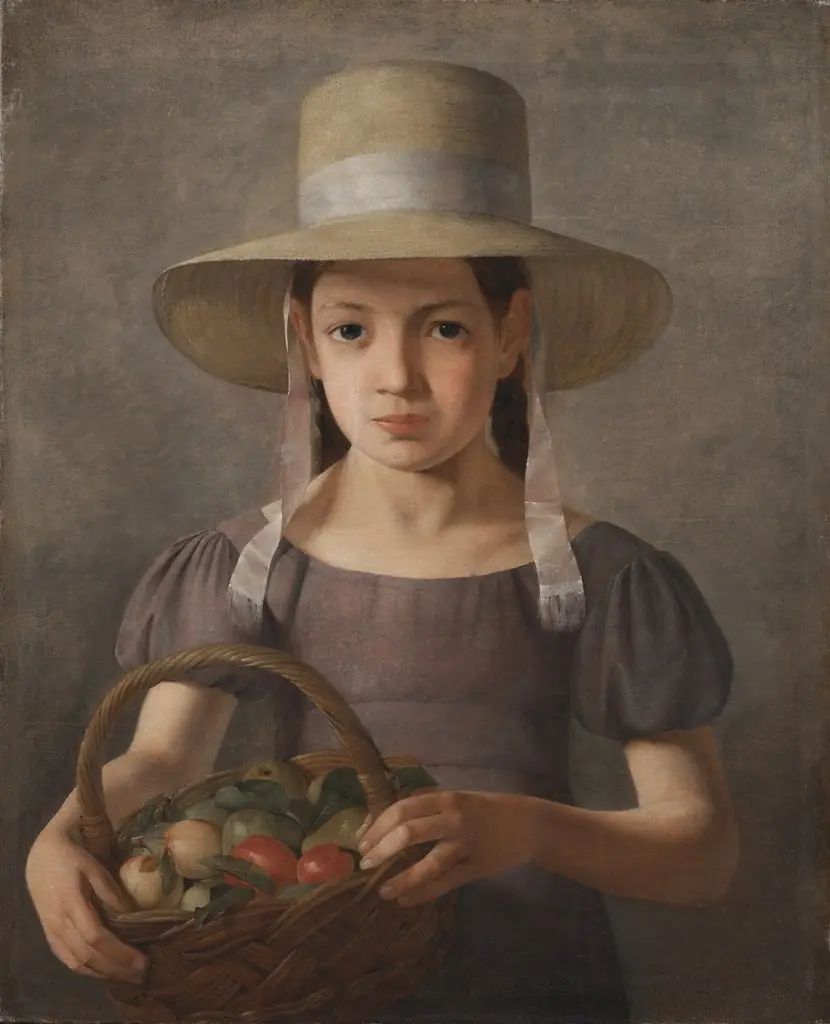 A Girl with Fruits in a Basket
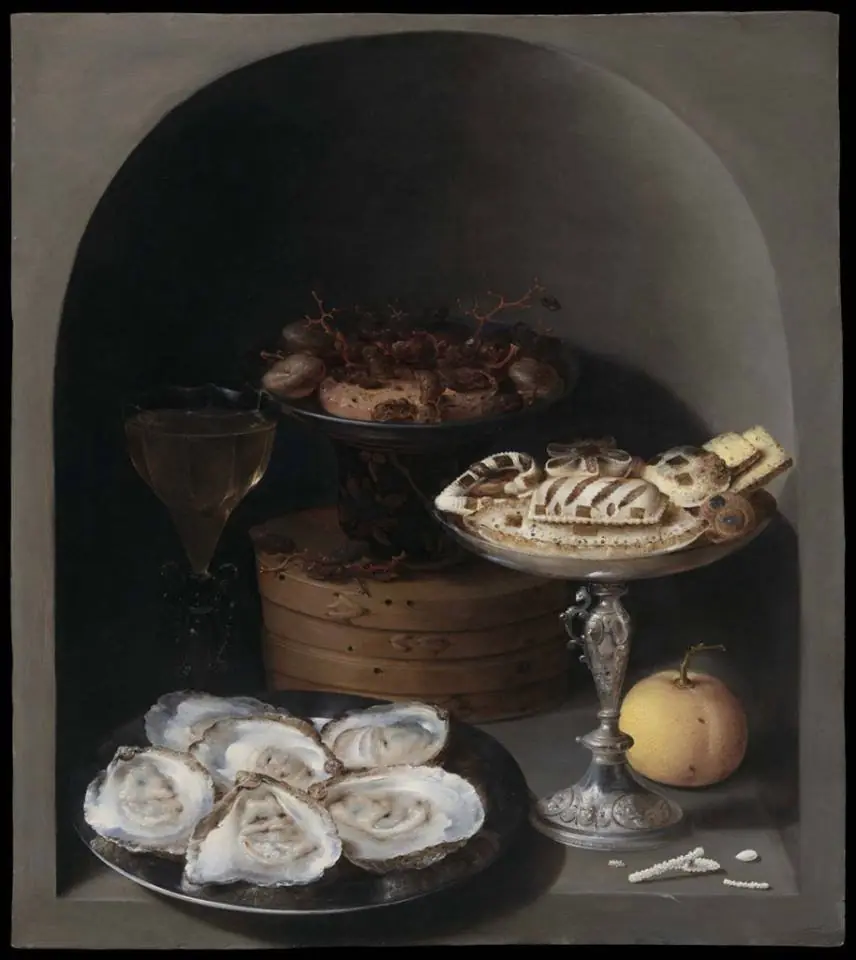 Still Life with Oysters, Sweetmeats and Dried Fruit in a Stone Niche
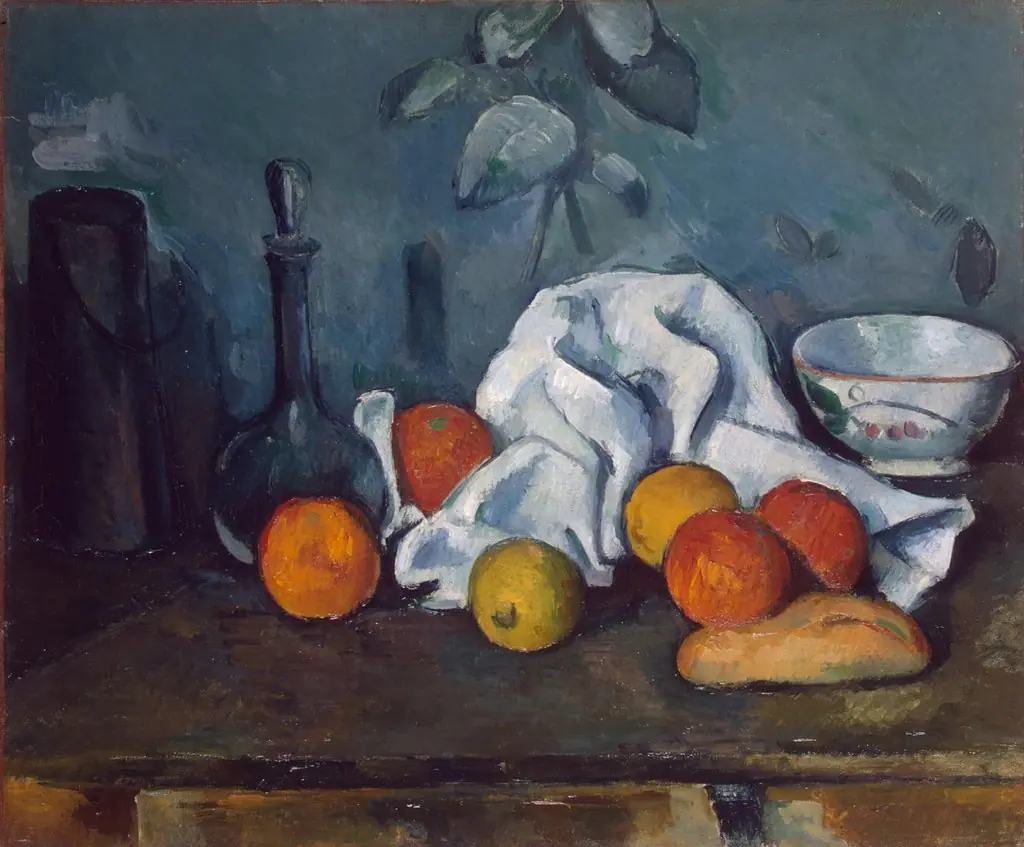 Boîte à lait, carafe et bol
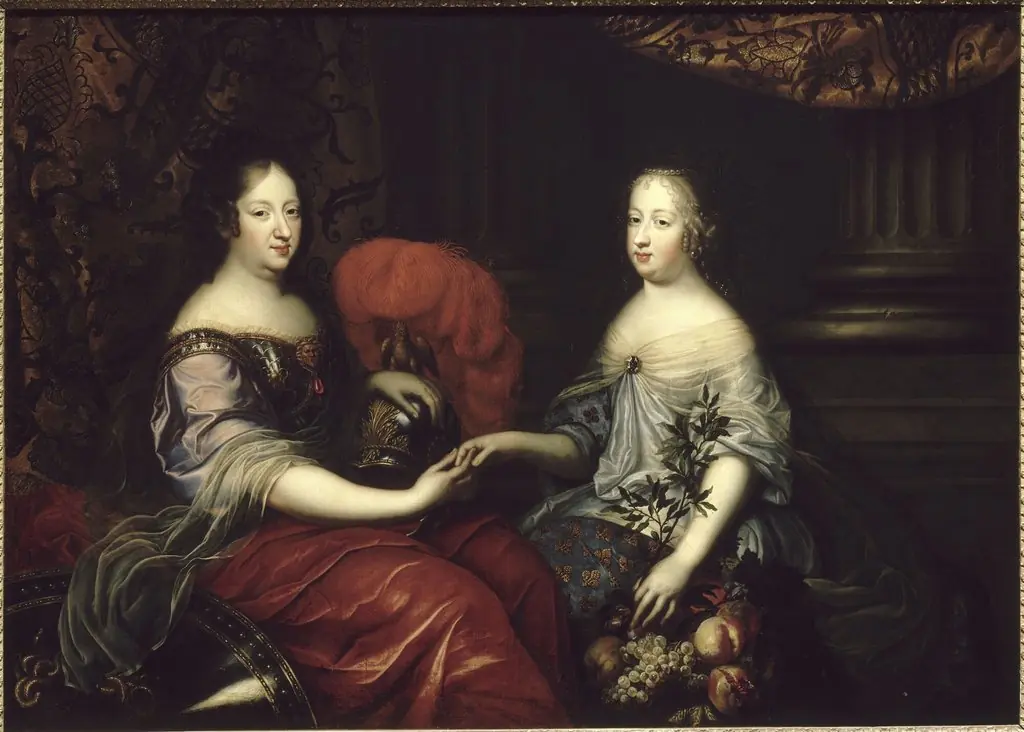 Anne of Austria and Marie-Thérèse of Austria, queens of France
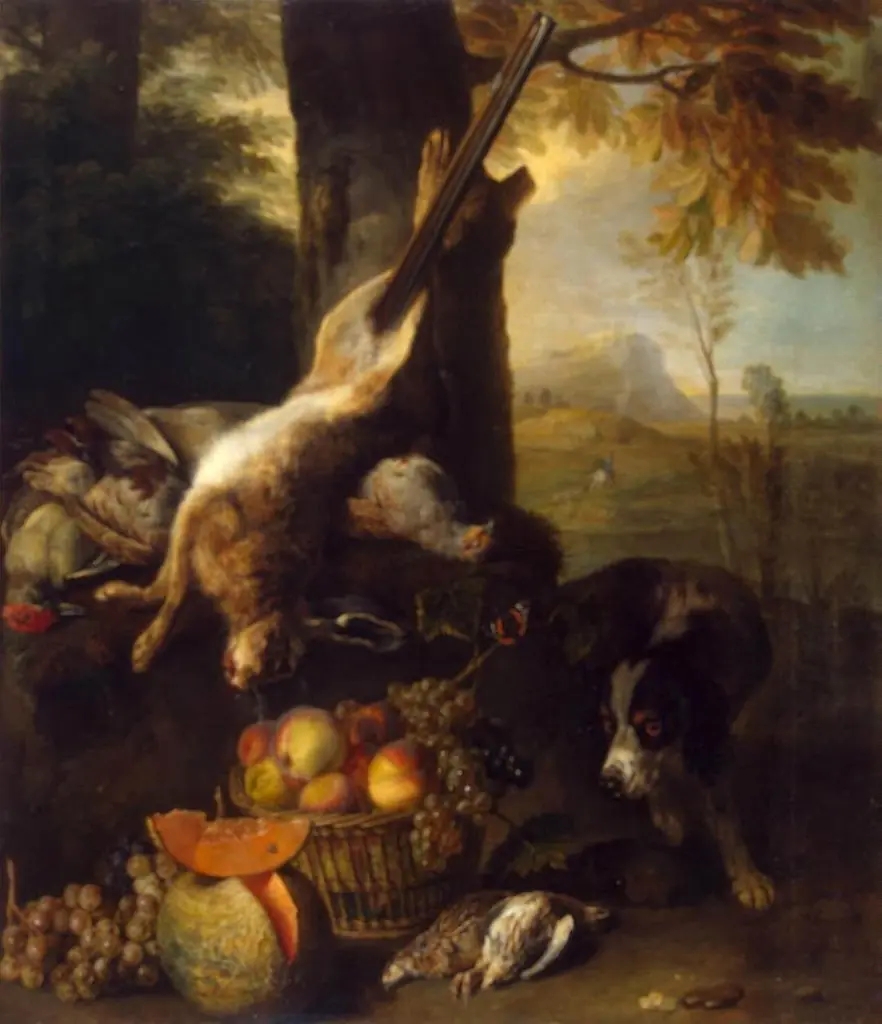 Still Life with a Dead Hare and Fruit
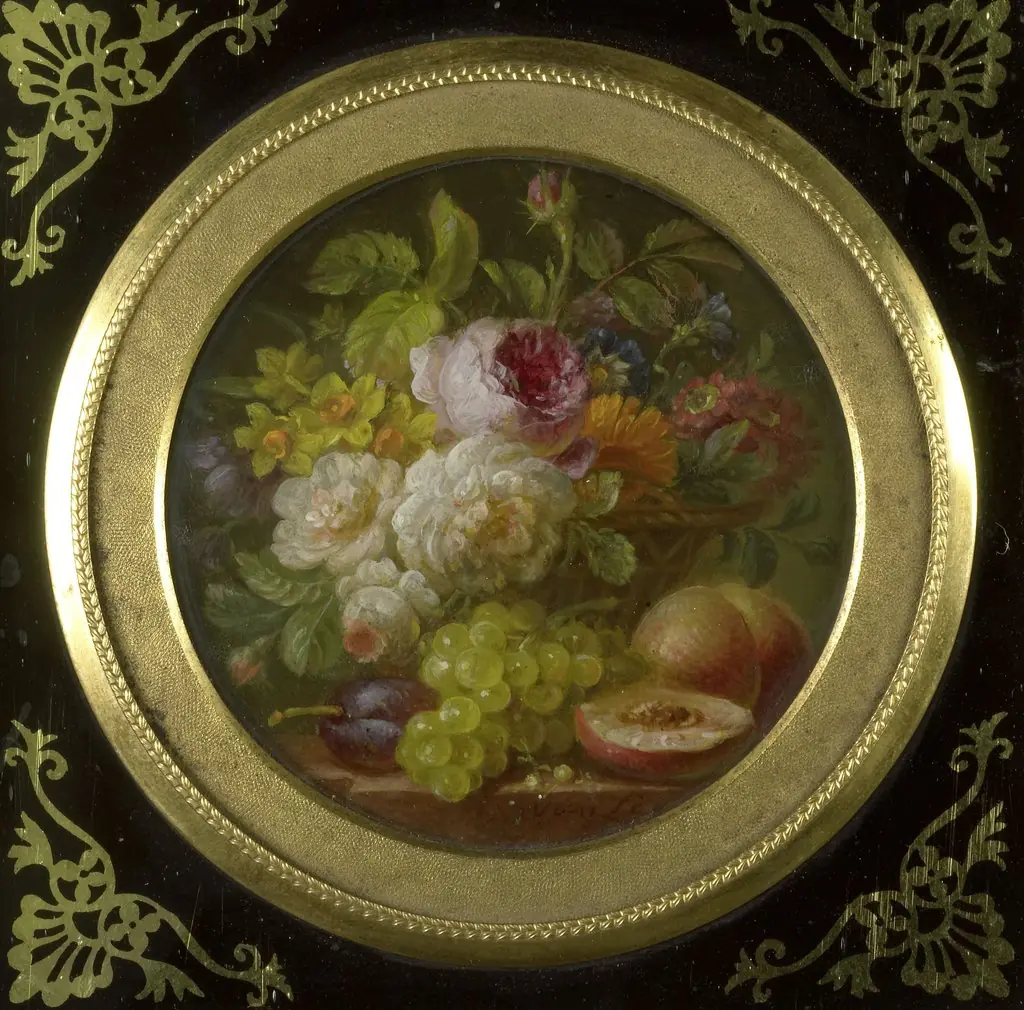 Still Life with Flowers and Fruit
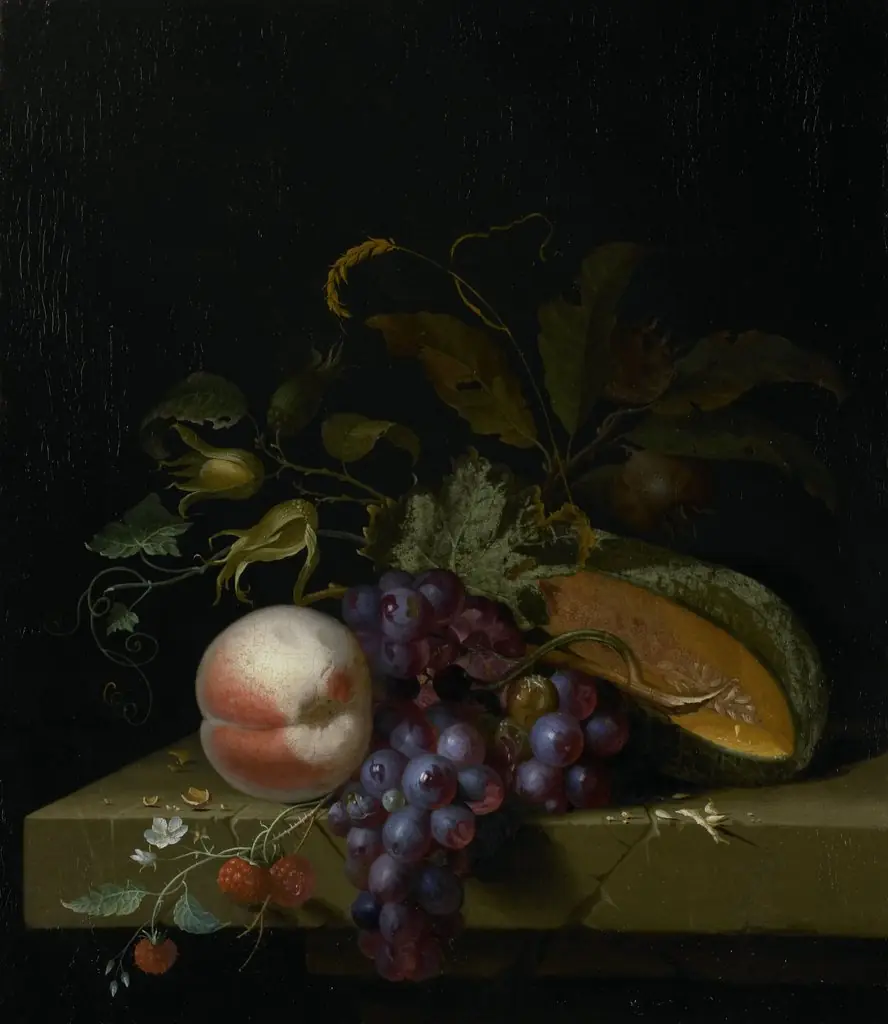 Still life with fruit
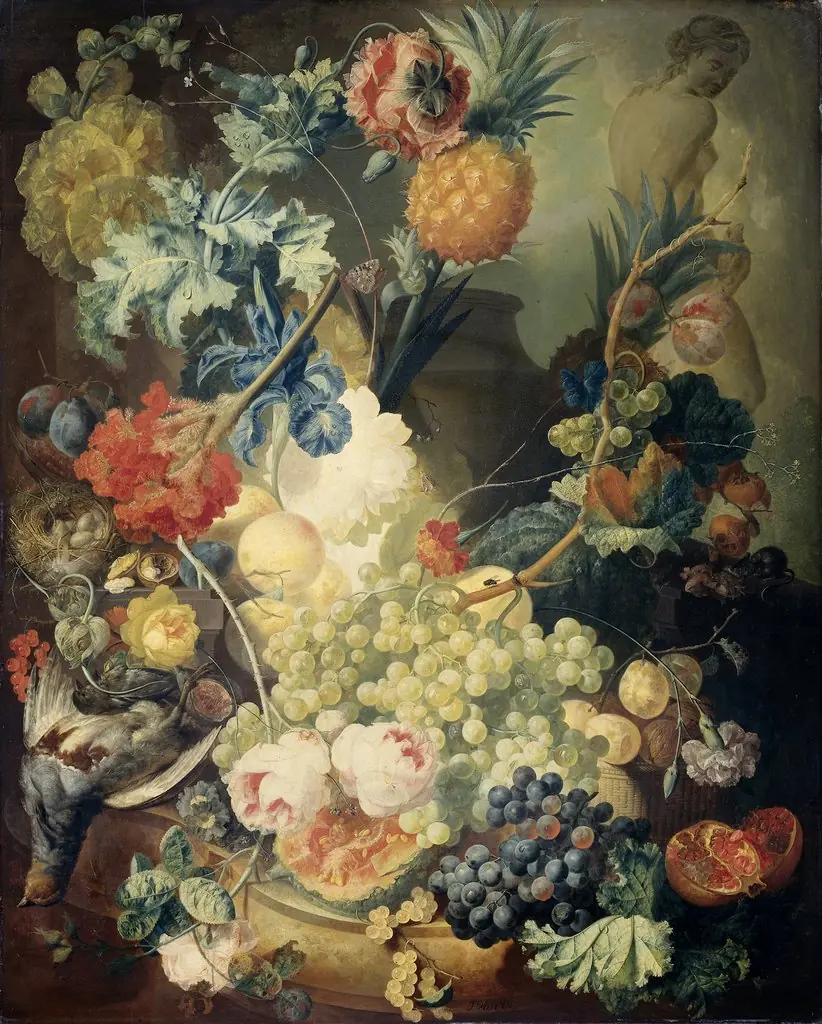 Still Life with Flowers, Fruit and Birds
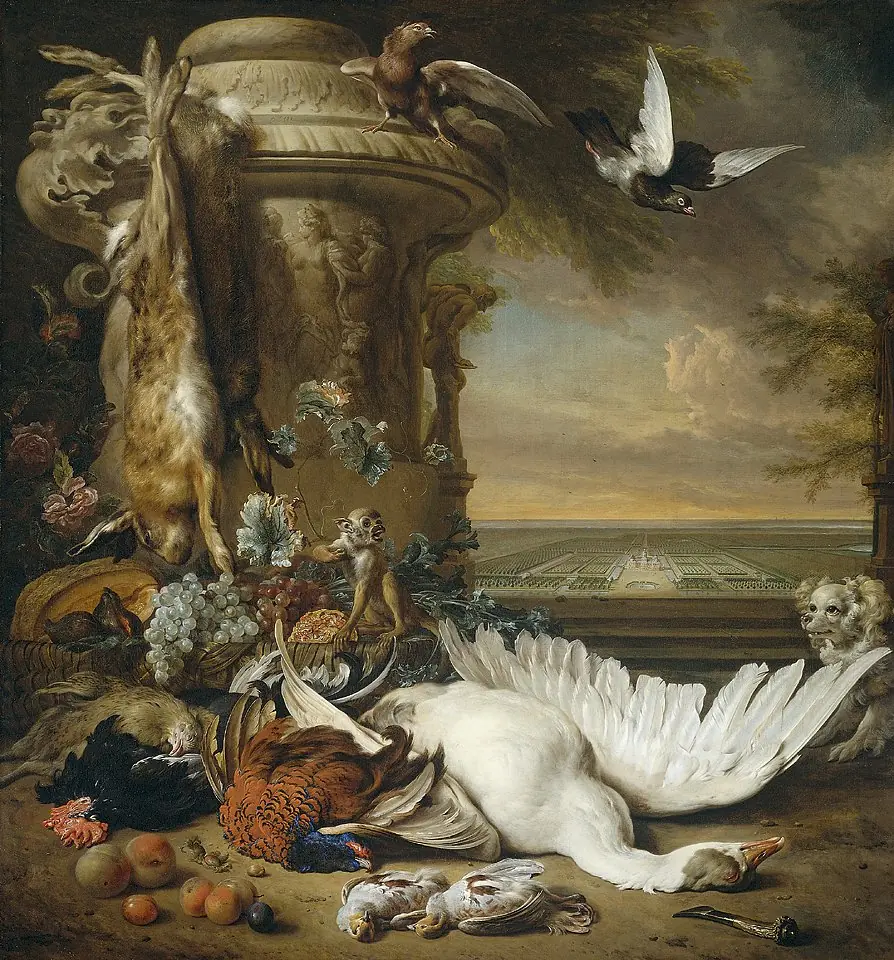 Still Life with Dead Game and Fruit beside a Garden Vase, with a Monkey, a Dog and Two Pigeons; in the Background Rijksdorp near Wassenaar, the Estate of Jonkheer Jacob Emmery, Baron of Wassenaar
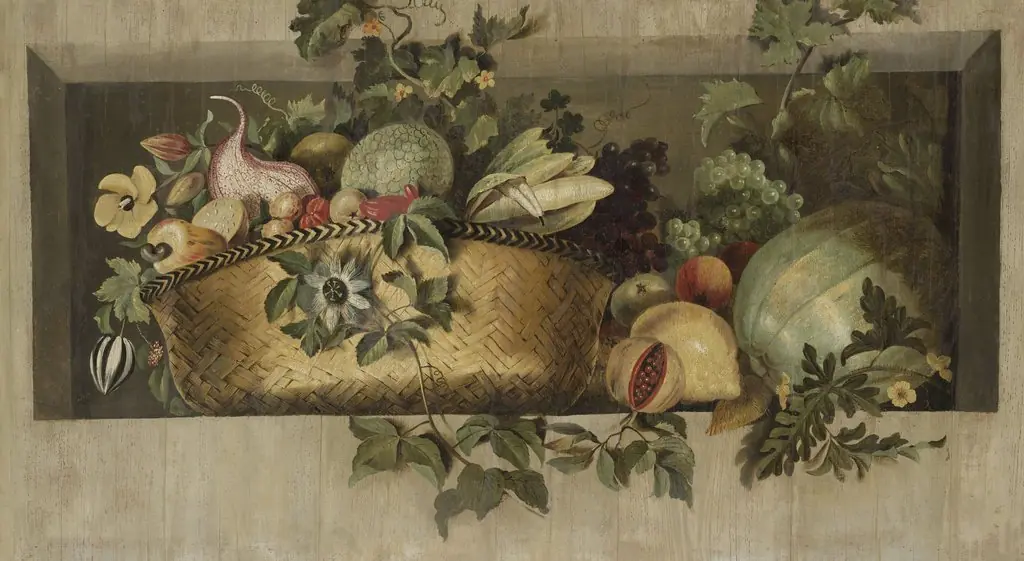 Still Life with Fruit and Flower Garlands
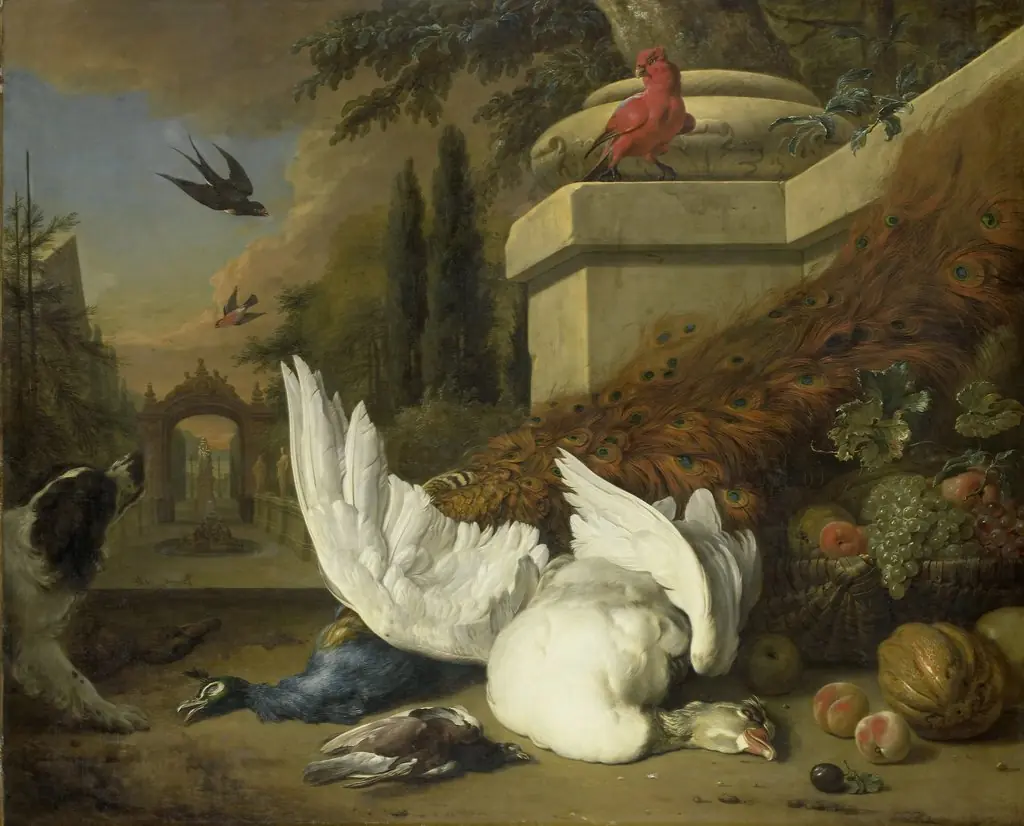 A monkey and a dog beside dead game and fruits, with the estate of Rijxdorp near Wassenaar in the background
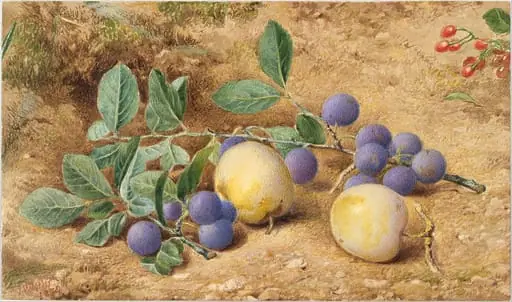 Plums
Plums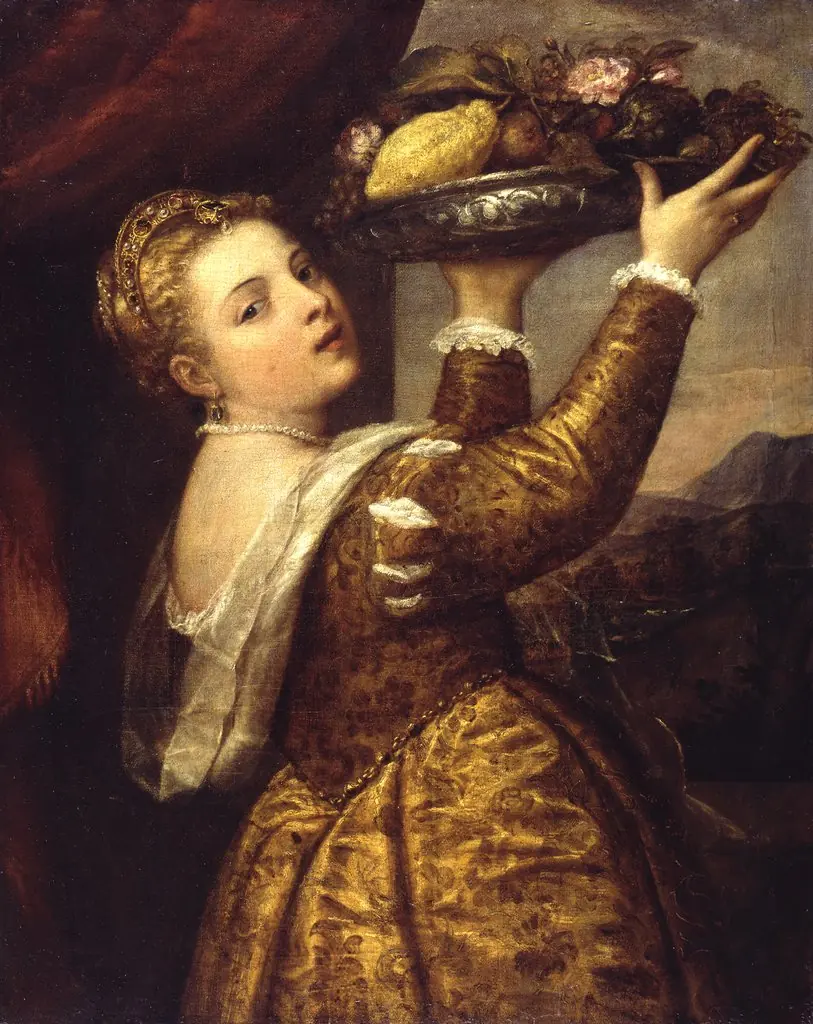 Girl with a Platter of Fruit
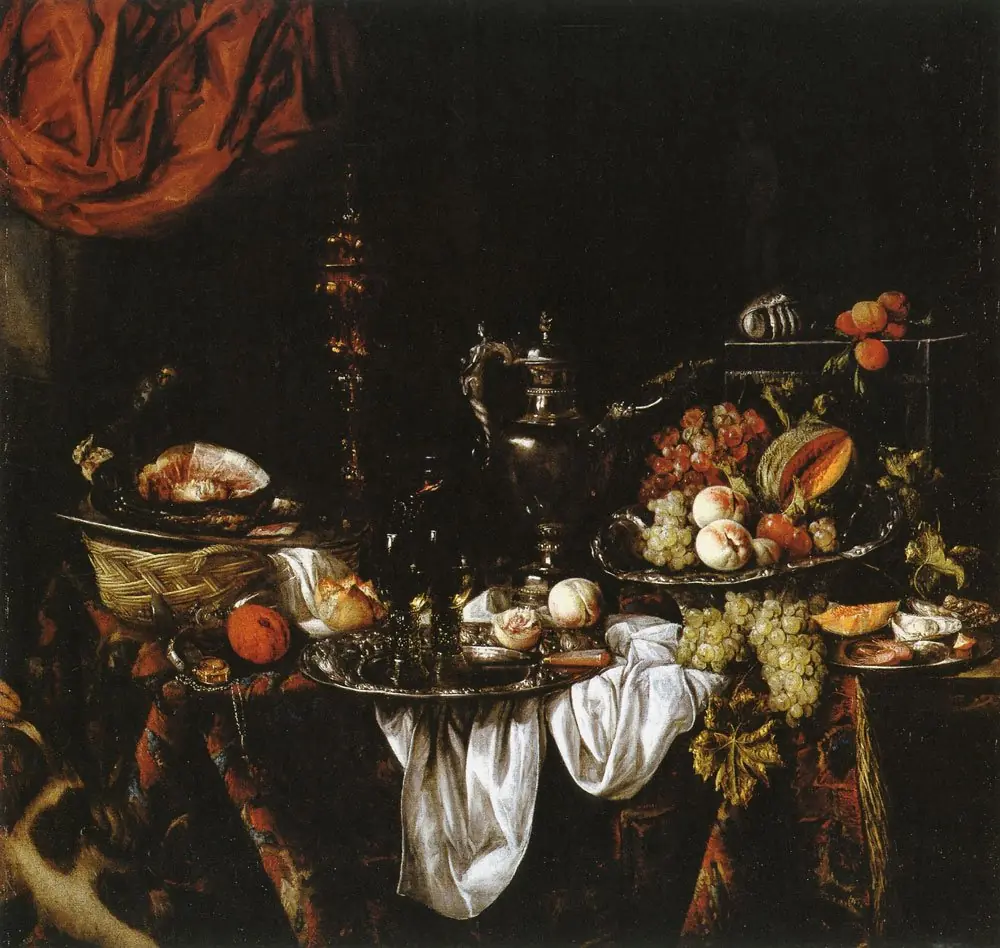 Still life on a draped table with a sculpture of Venus in a niche behind a curtain
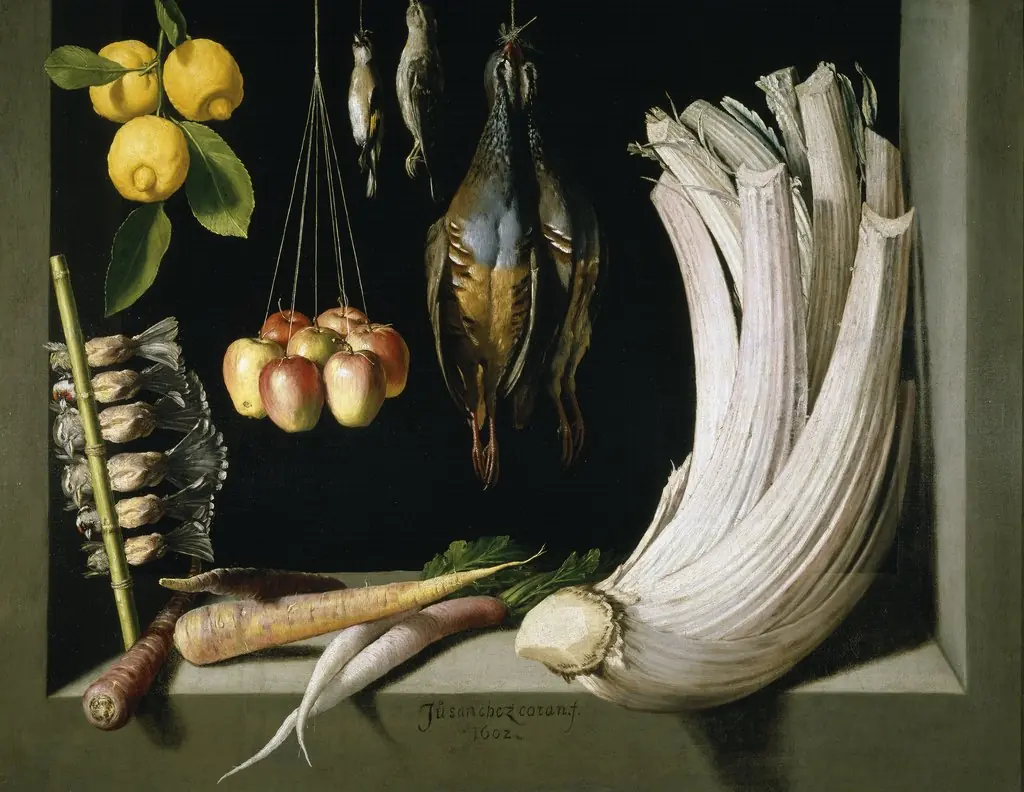 Still Life with Game Fowl,Vegetables and Fruits
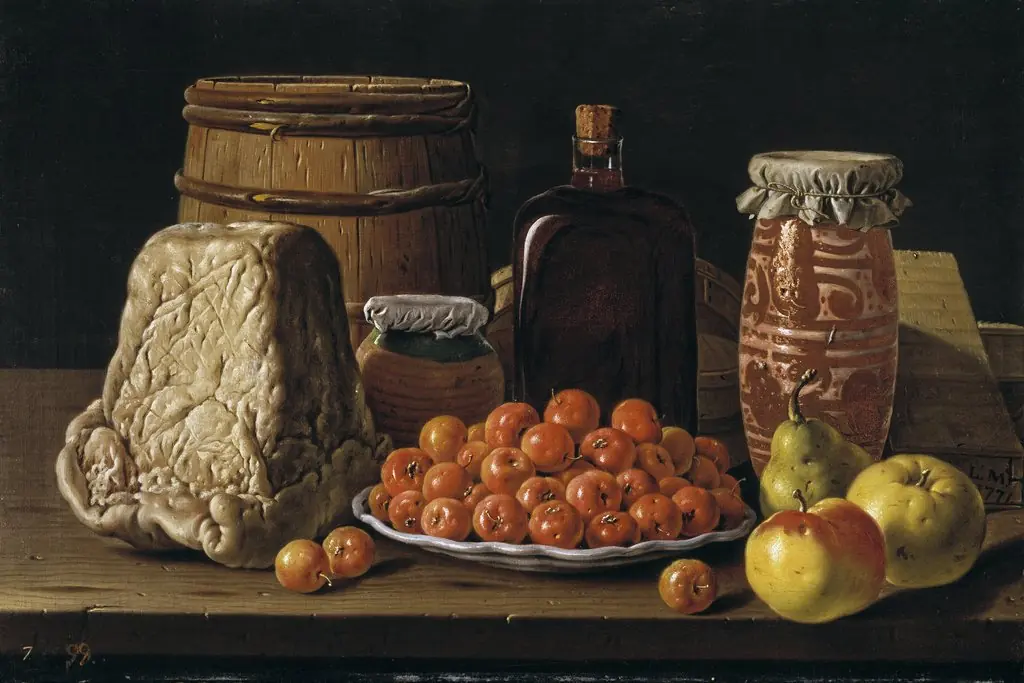 Still Life with Fruit and Cheese
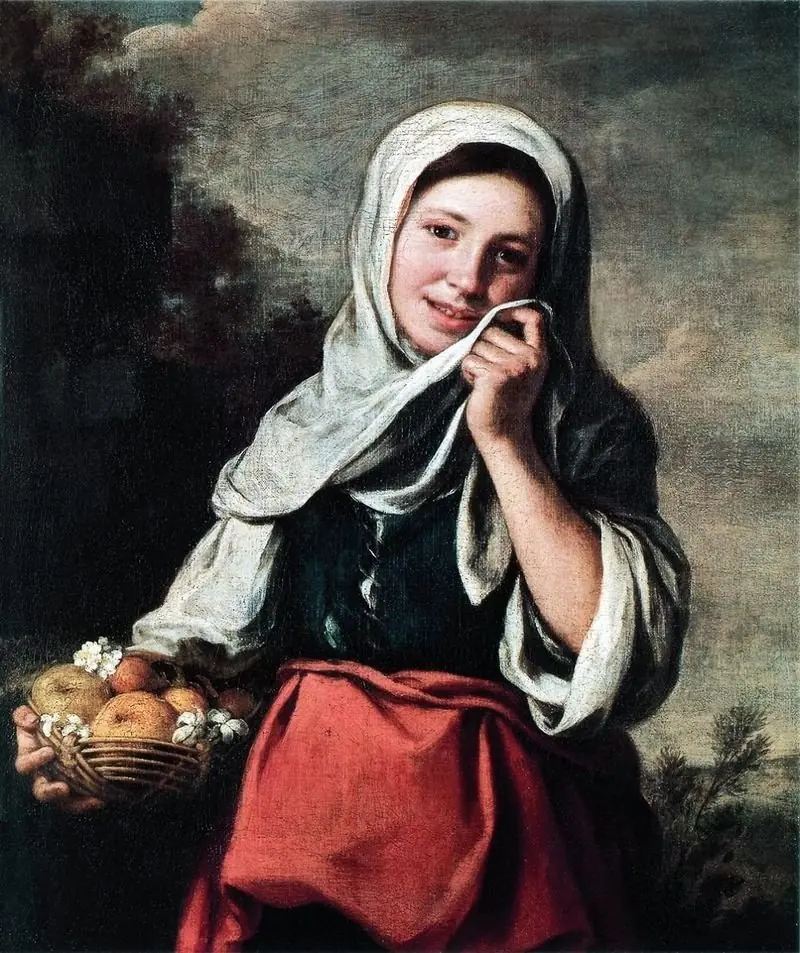 The Fruit Seller
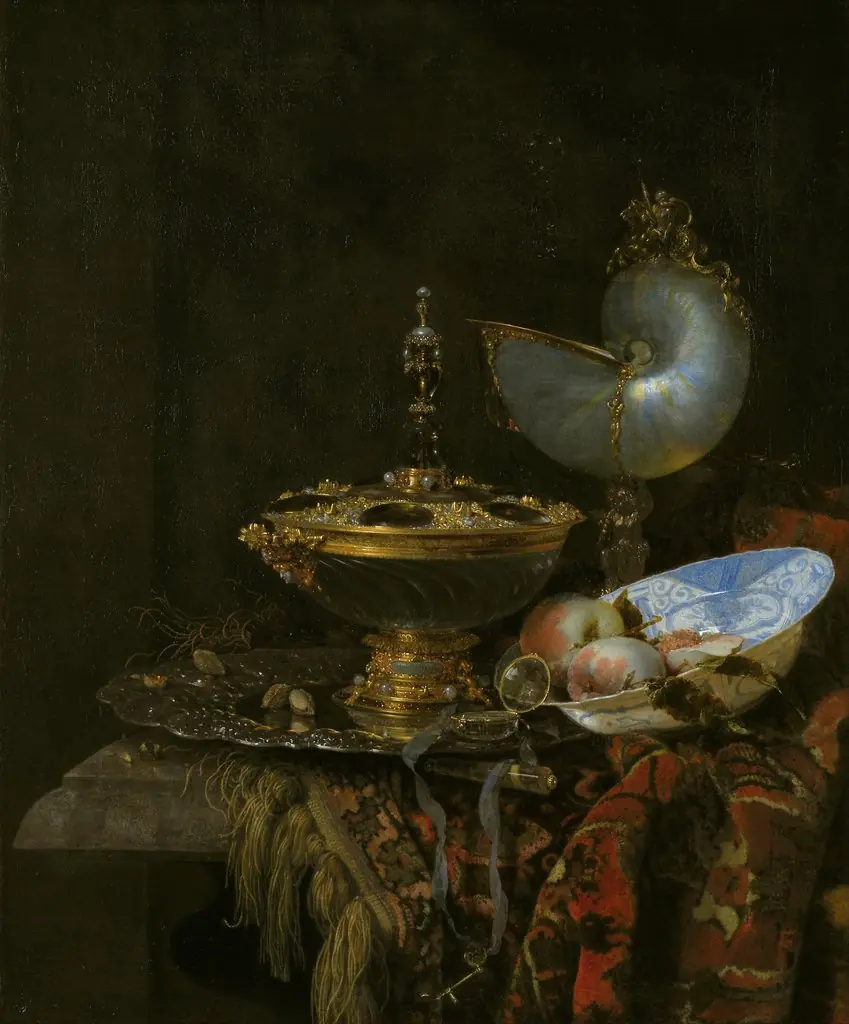 Pronk Still Life with Holbein Bowl, Nautilus Cup, Glass Goblet and Fruit Dish
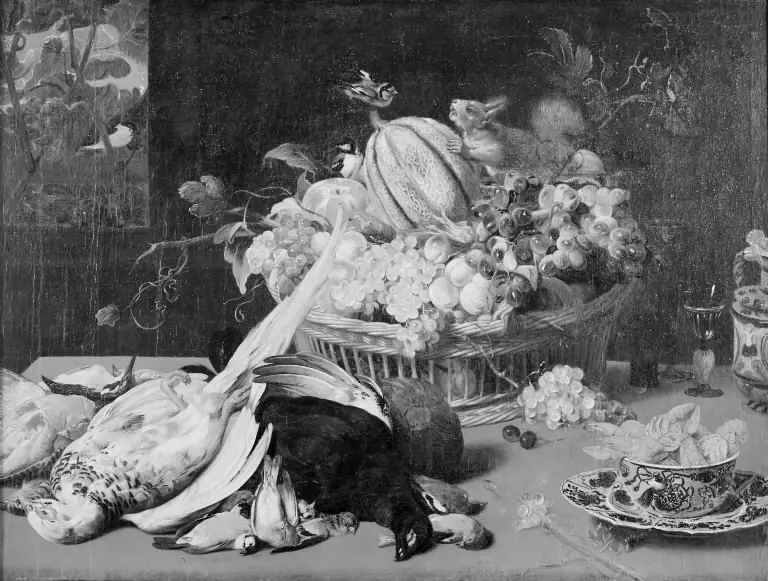 Still Life with Small Game, Basket of Fruit, Goldfinches and a Squirrel
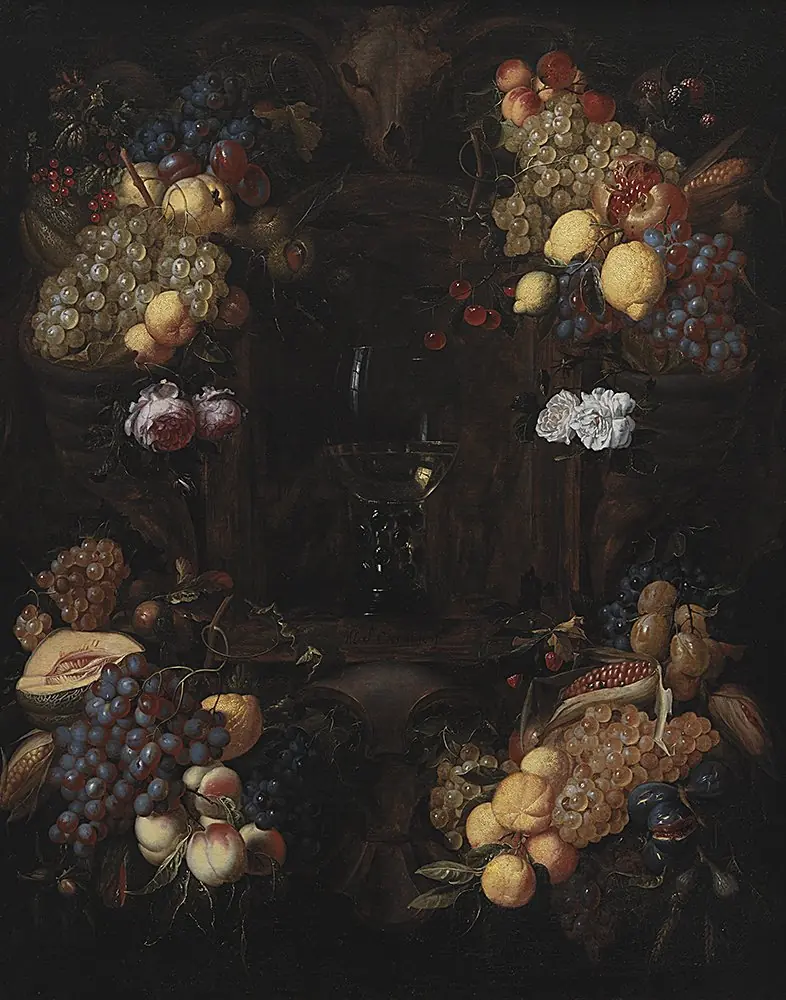 Cartouche with Garlands of Fruit and a Wine Glass
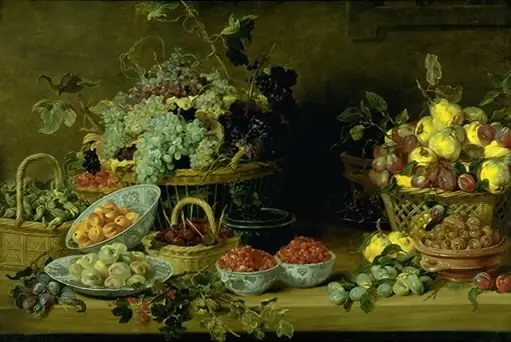 Still Life with Fruit on a Table
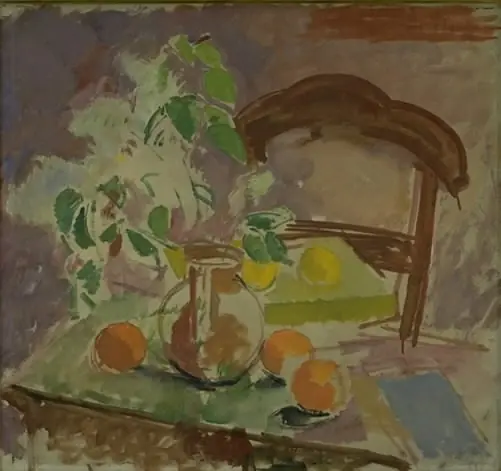 Still Life with Flowers, Fruits and the Back of a Chair
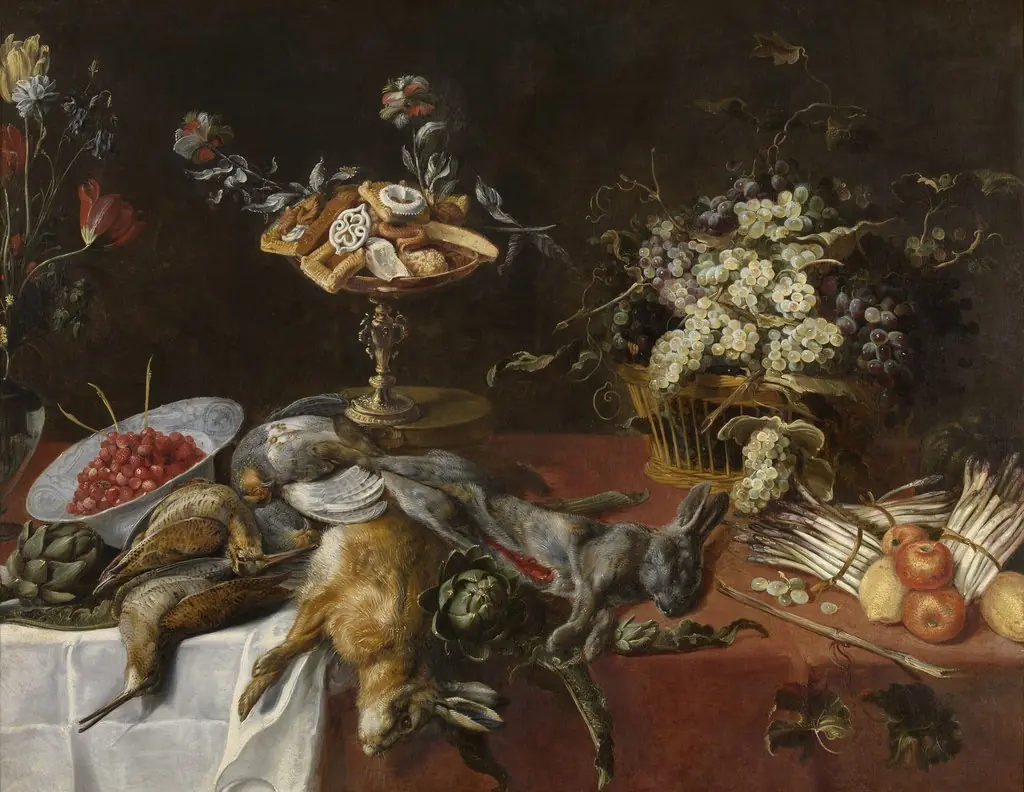 Still Life
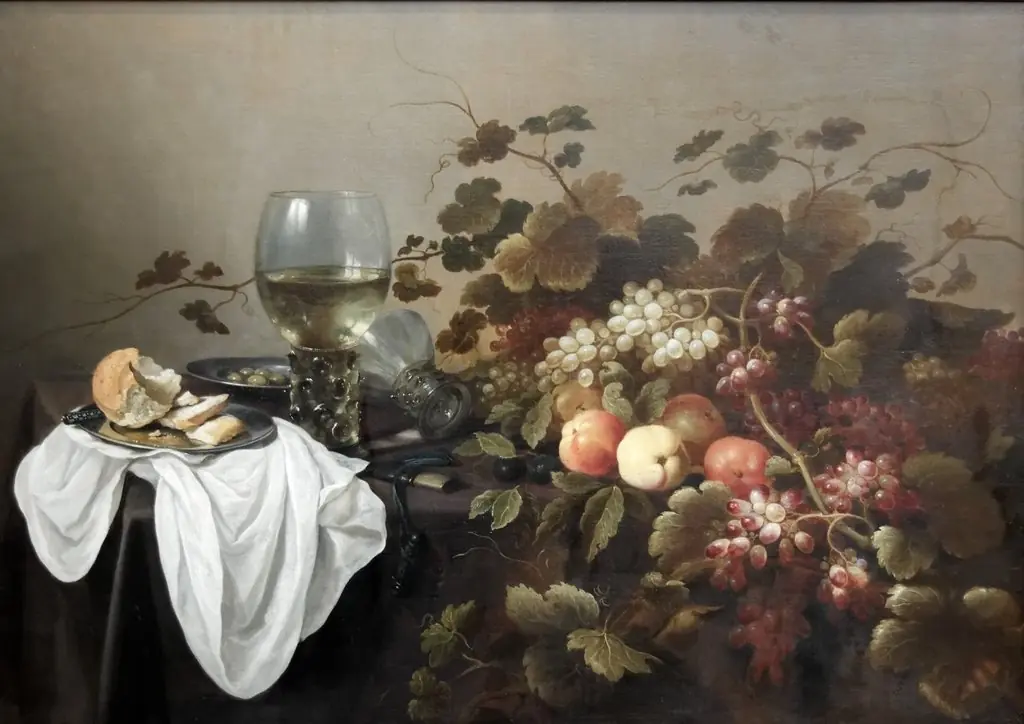 Still life with fruits and Roemer
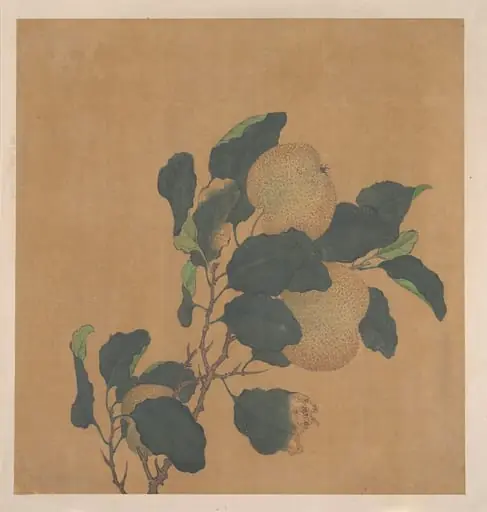 清 佚名 秋梨圖 冊頁|Branch of Tree with Fruit
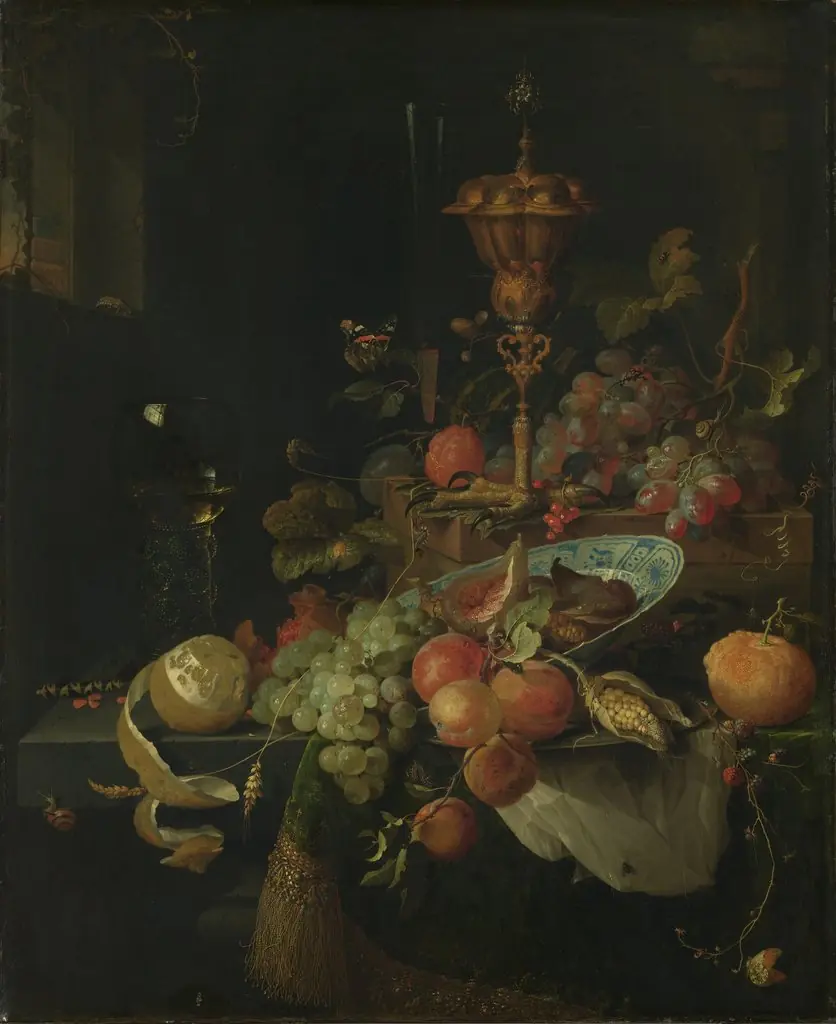 Still life with fruit and a beaker on a cock's foot
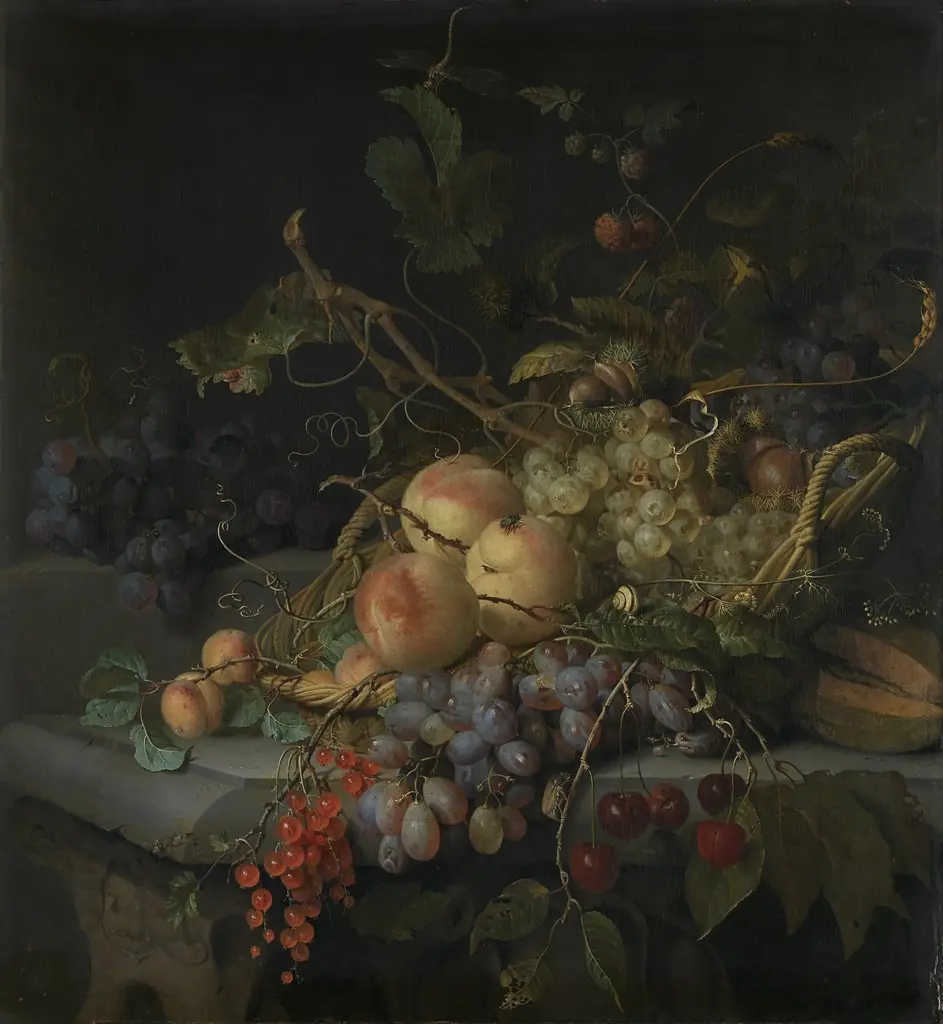 Still life with fruit
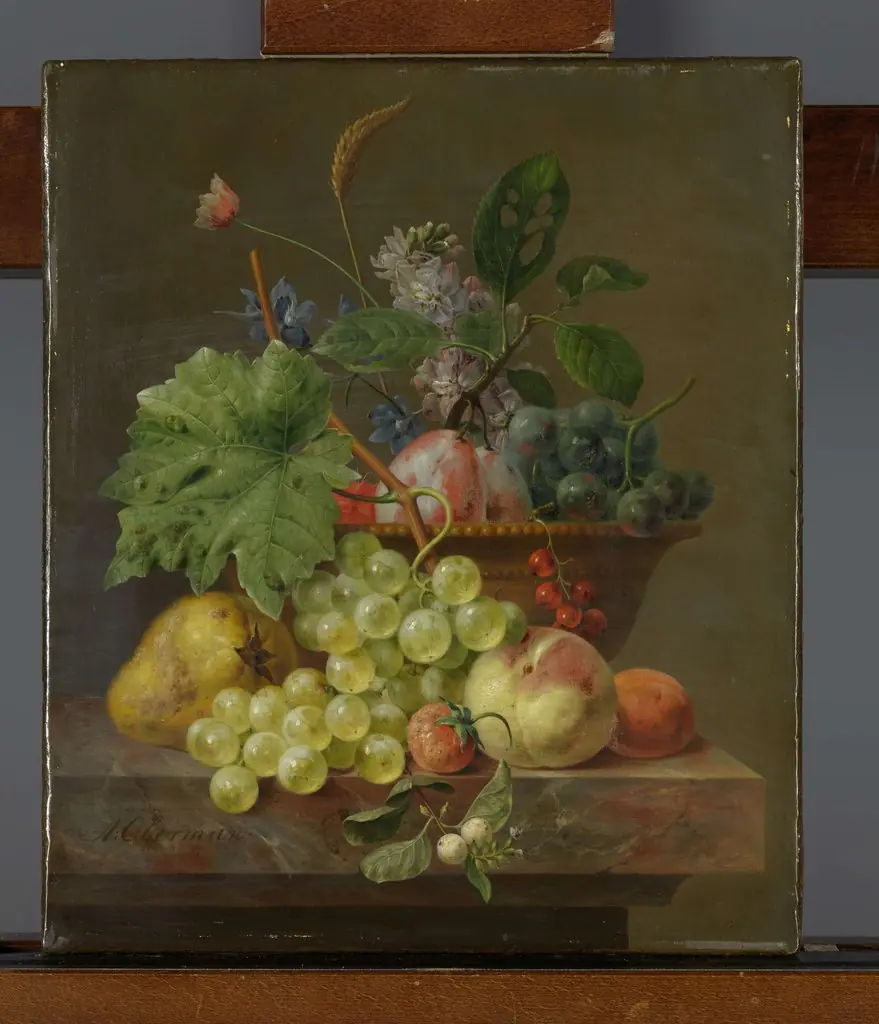 Still Life with Fruit in a Terracotta Dish
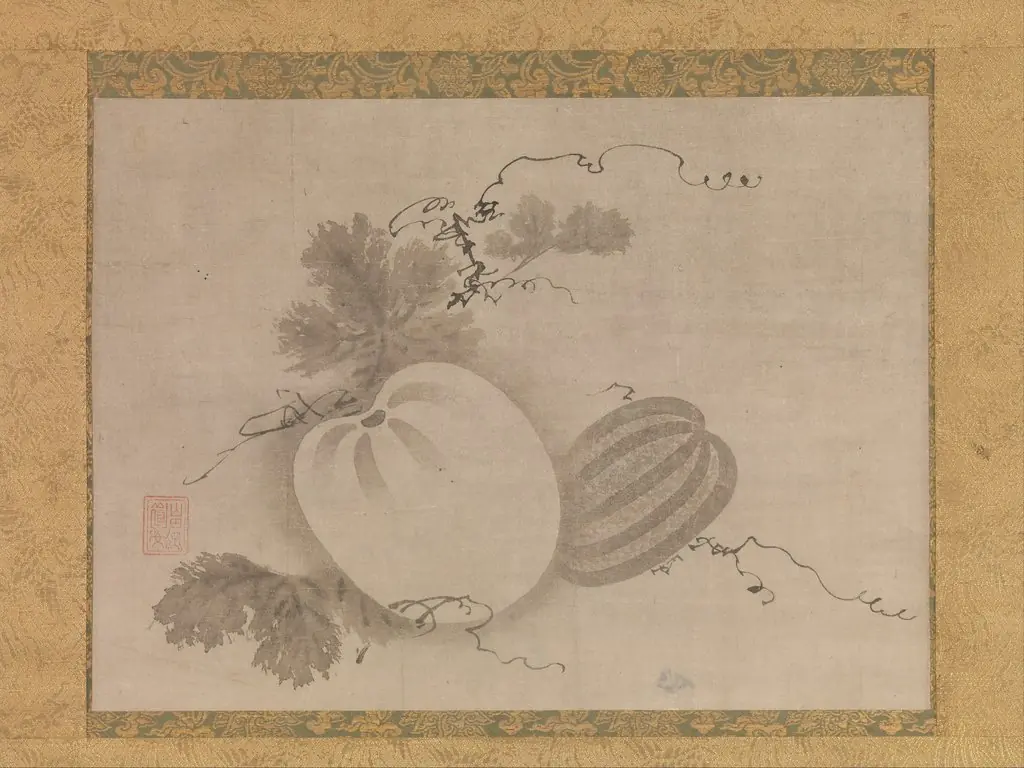 Melons
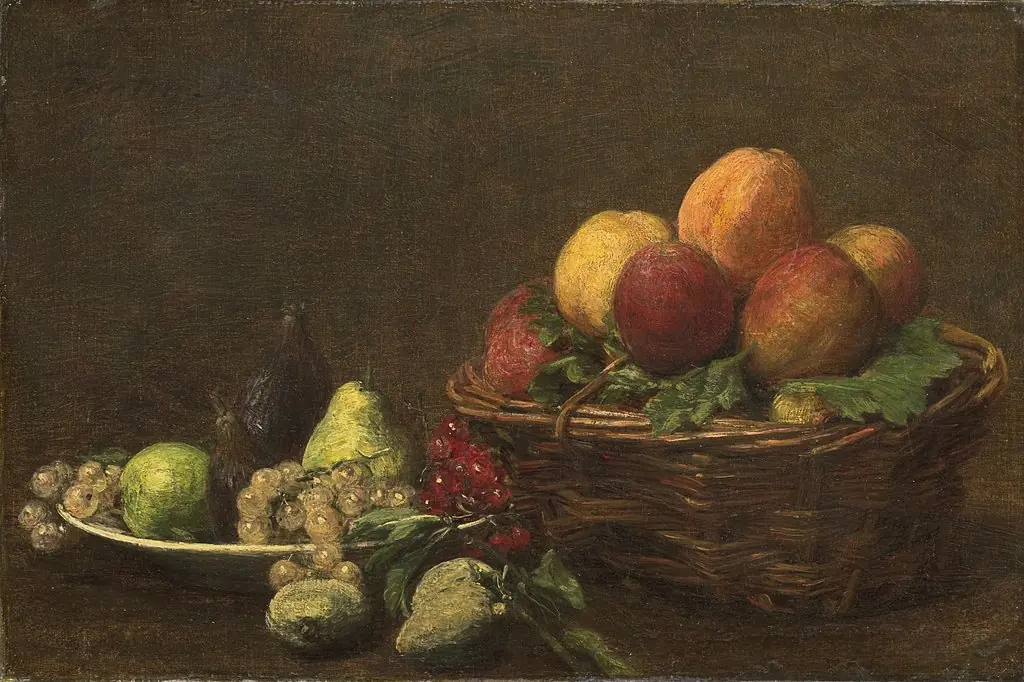 Still Life with Fruit
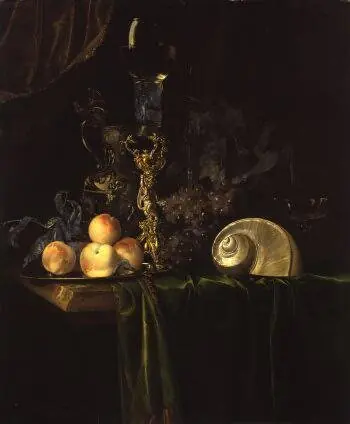 Still life with luxury vessels and fruits on a dark table cloth
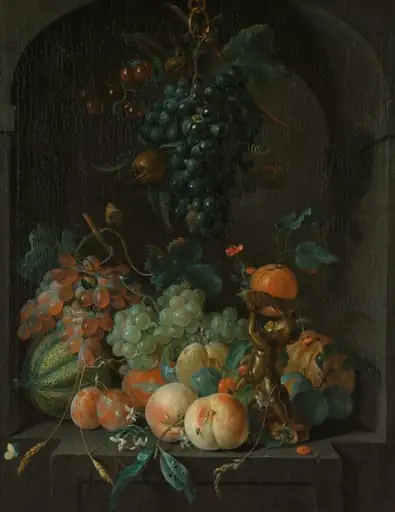 Still Life with Fruit
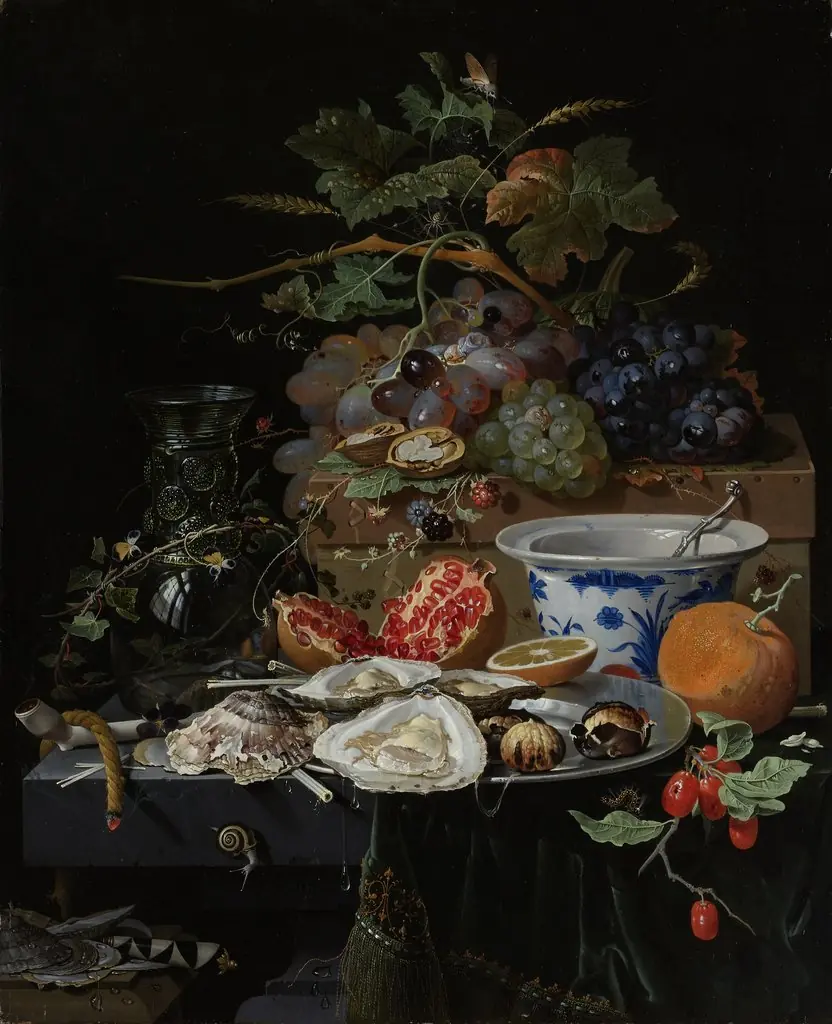 Still Life with Fruit, Oysters and a Porcelain Bowl
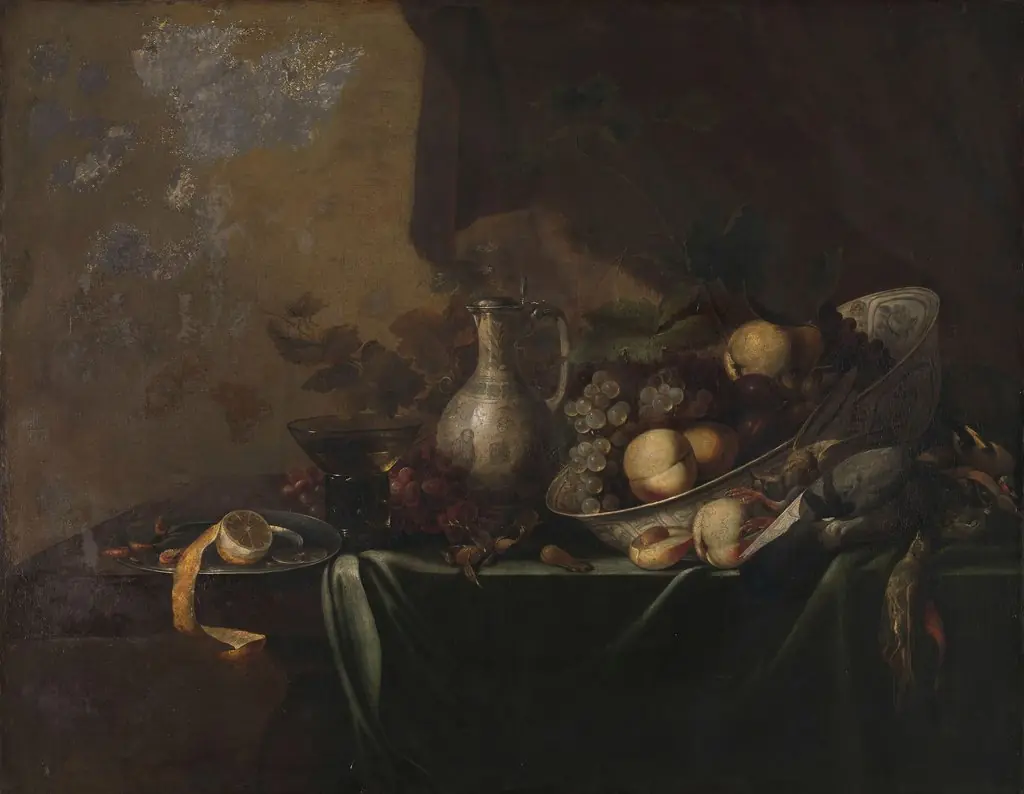 Still Life with Fruit
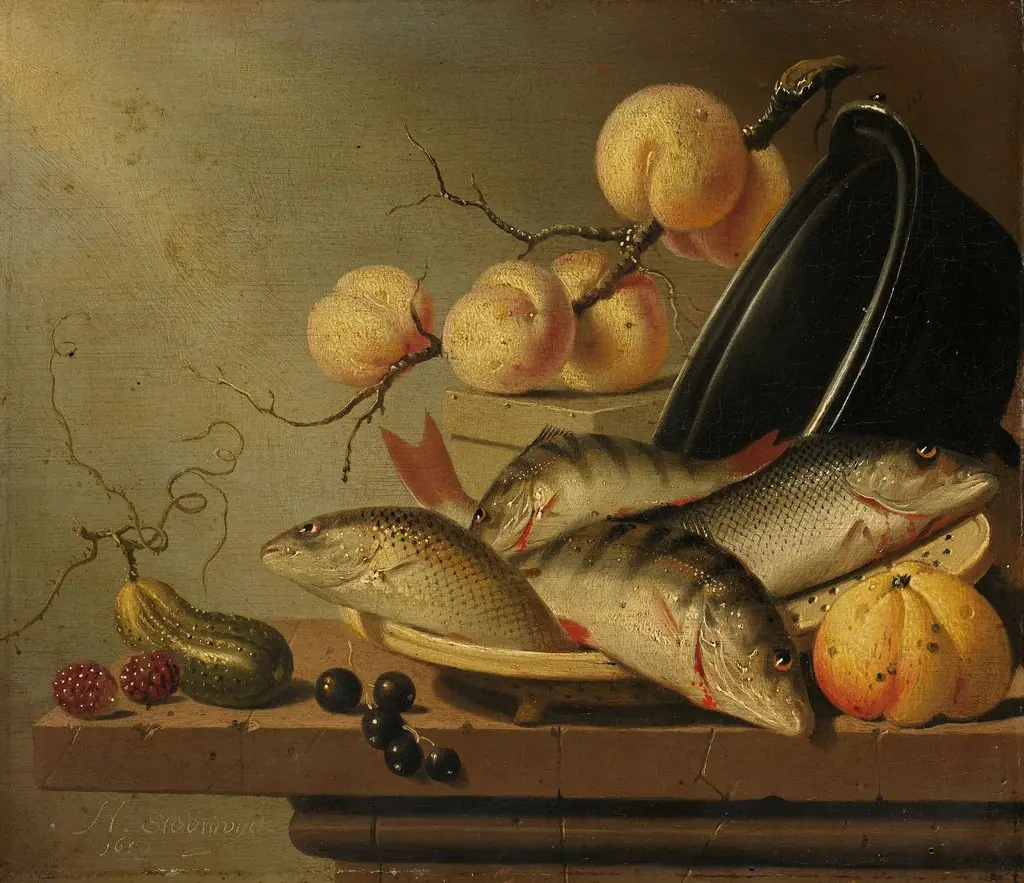 Still Life with Fish and Fruit
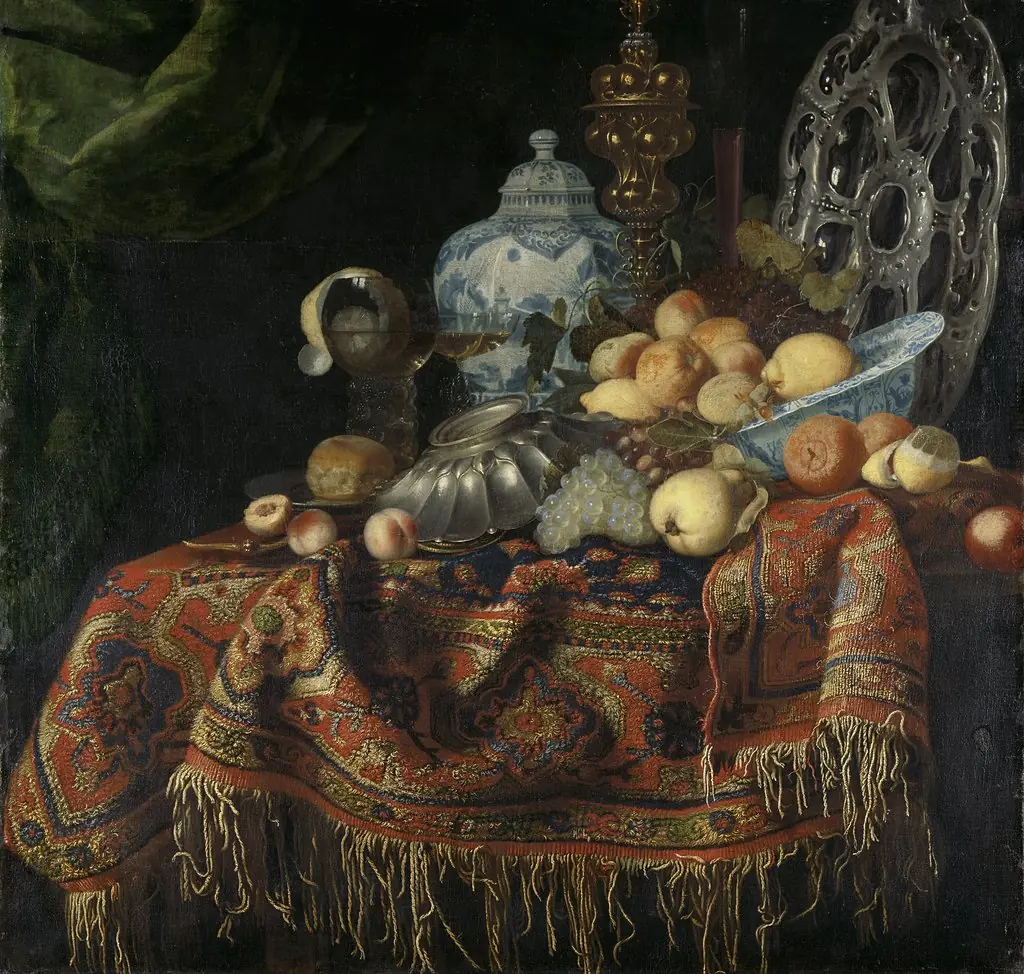 Still Life with Fruit, Plates and Dishes on a Turkey Carpet
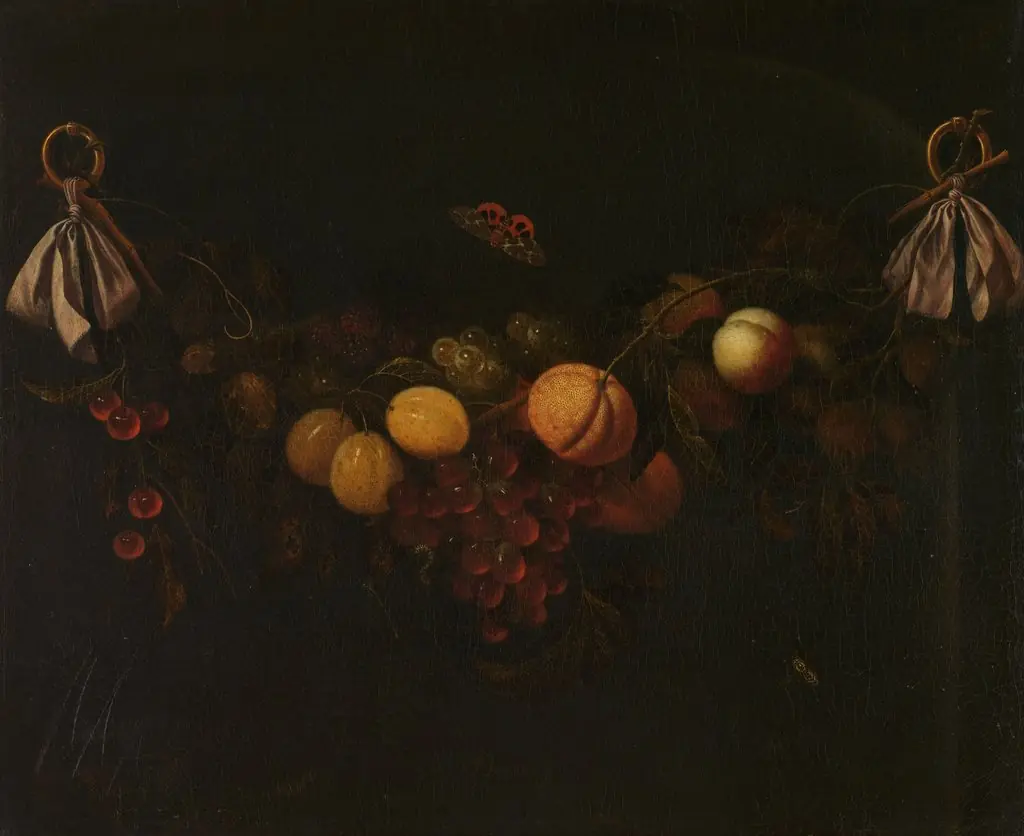 Festoon of fruit
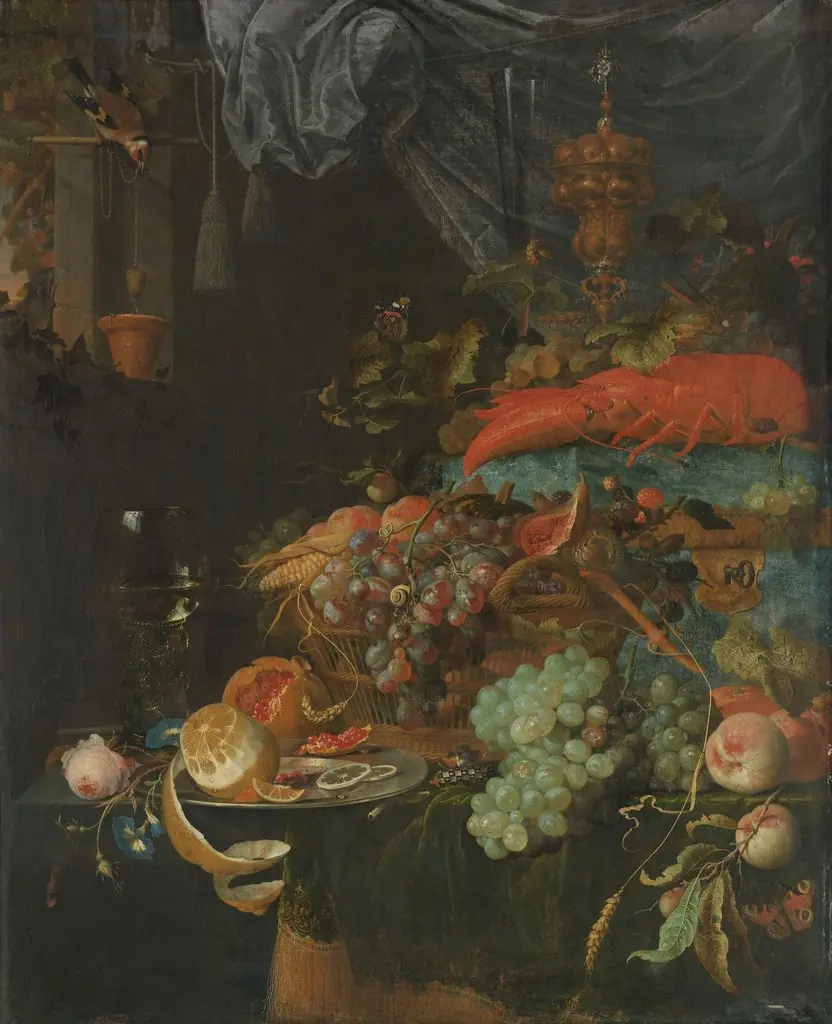 Still life with fruit and a finch drawing water
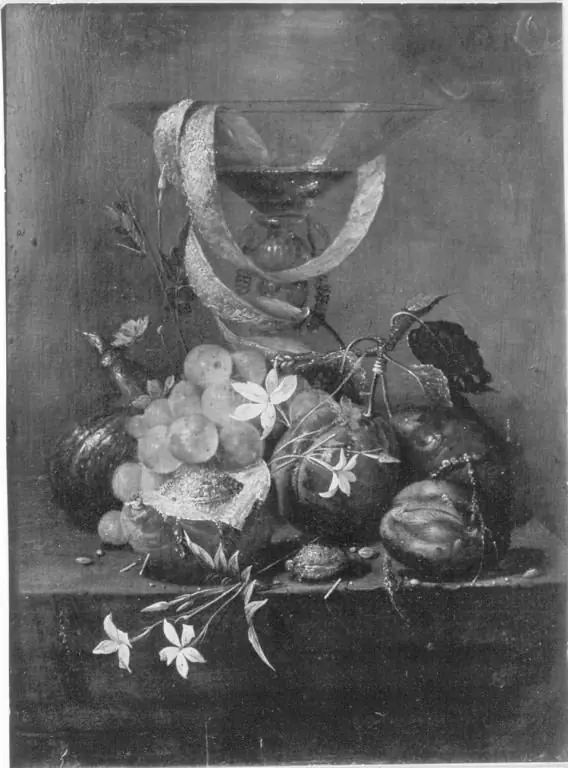 Fruit piece
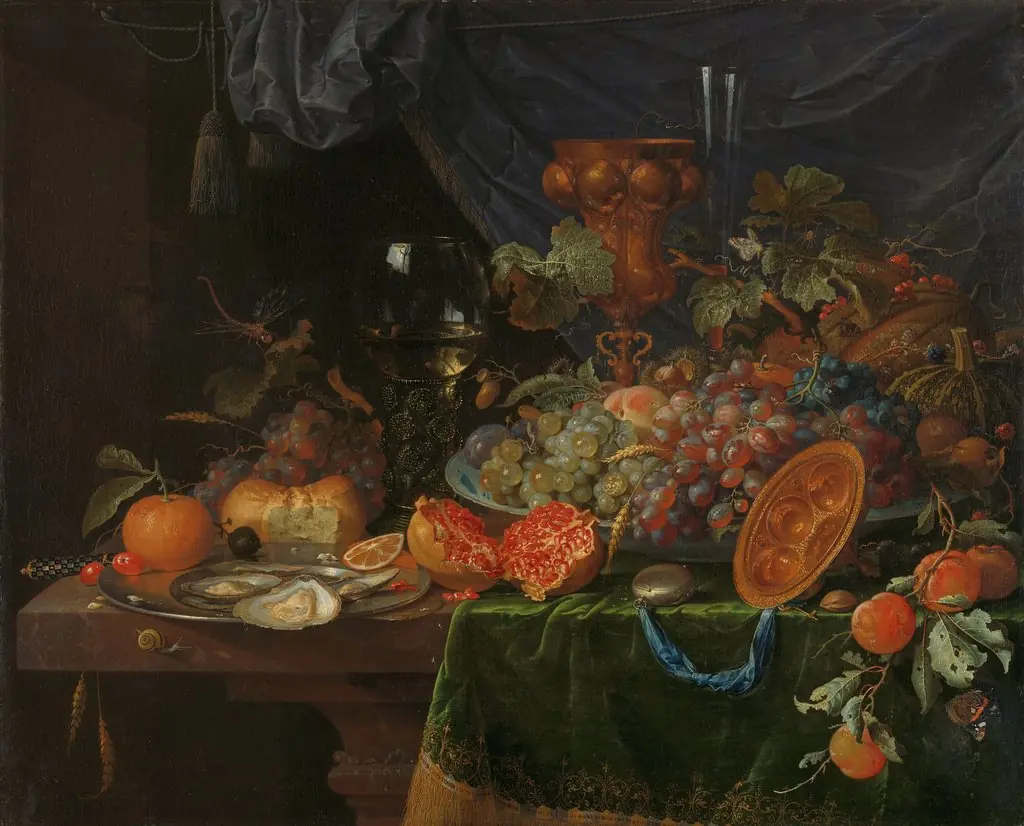 Still life with fruit and oysters
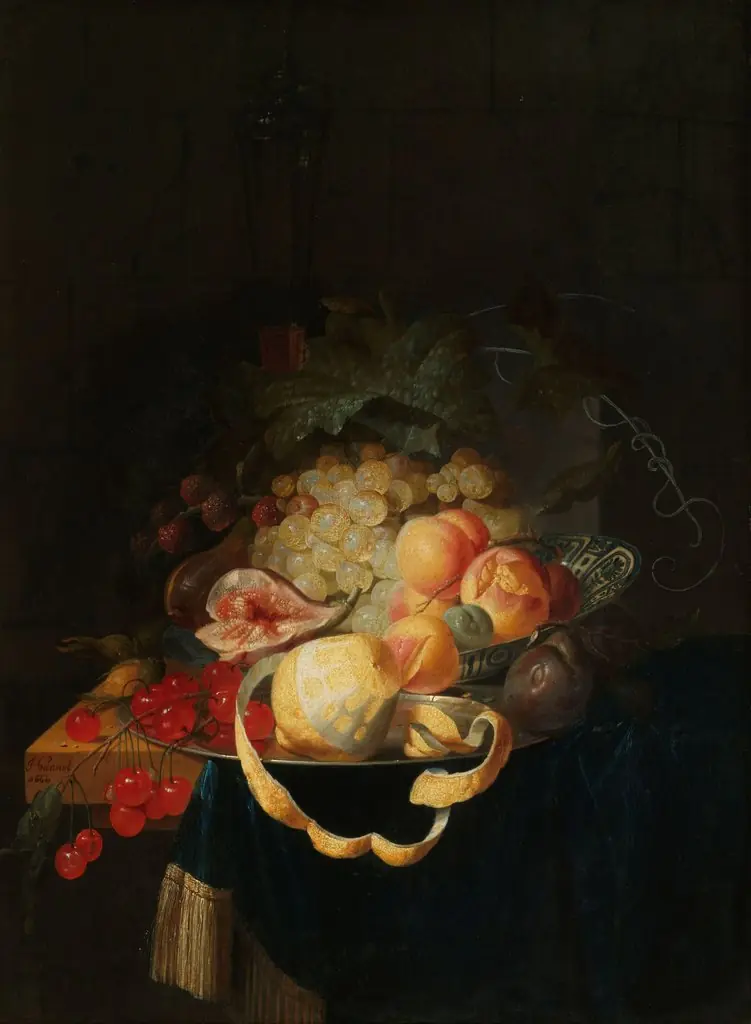 Still life with fruit
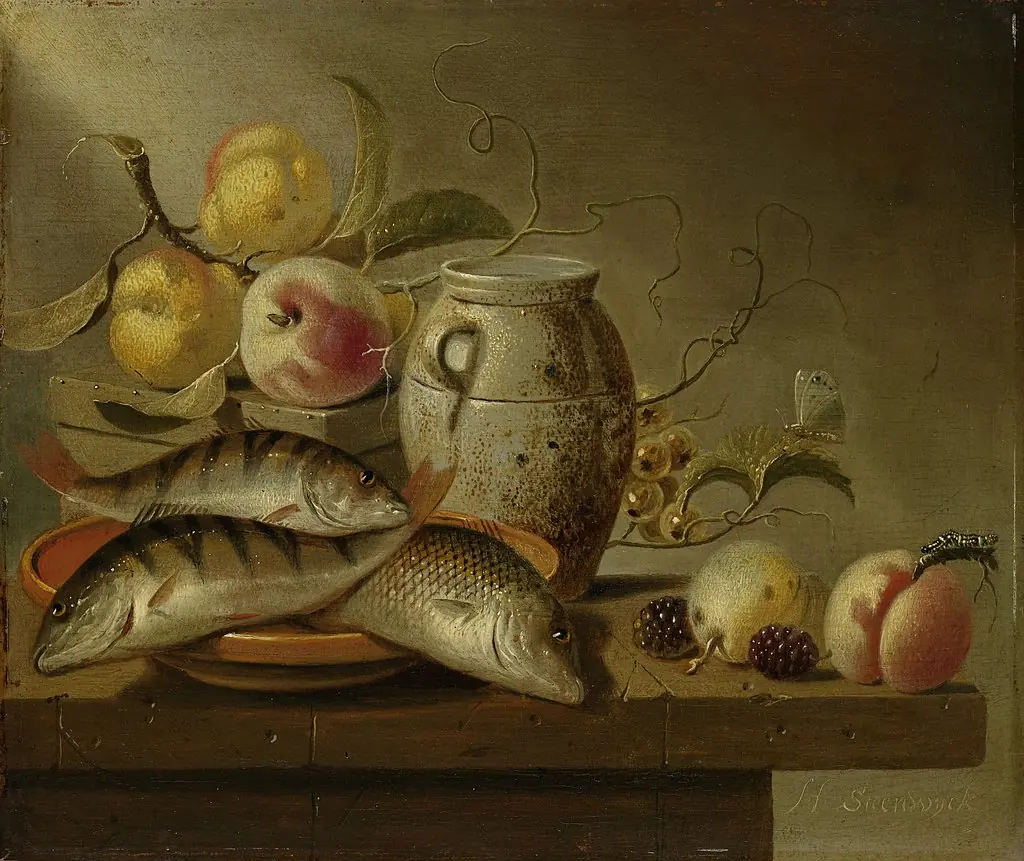 Still Life with Earthenware Jar, Fish and Fruit
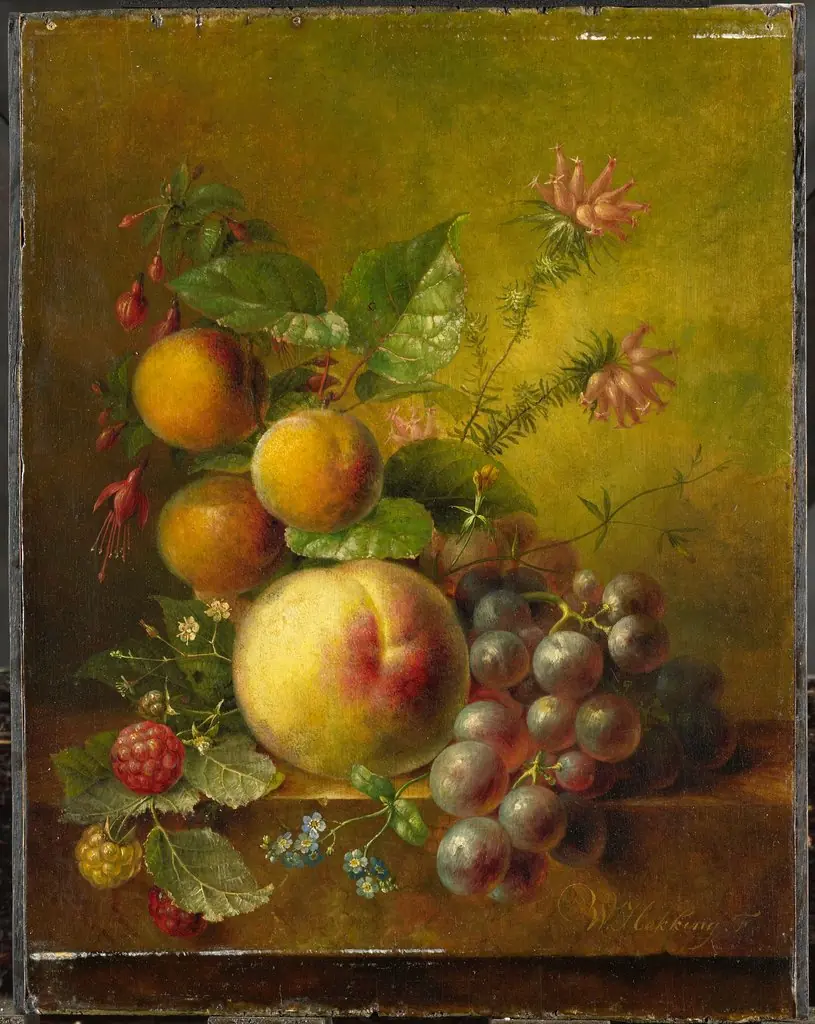 Still Life with Fruit
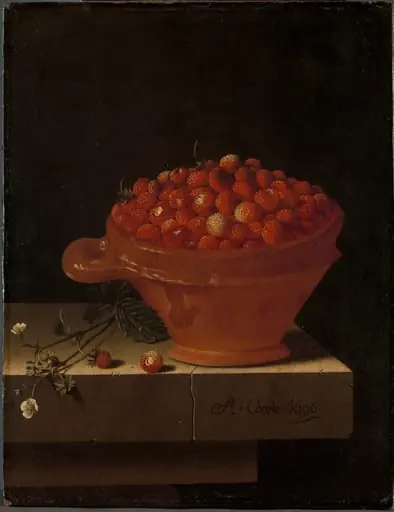 A Bowl of Strawberries on a Stone Plinth
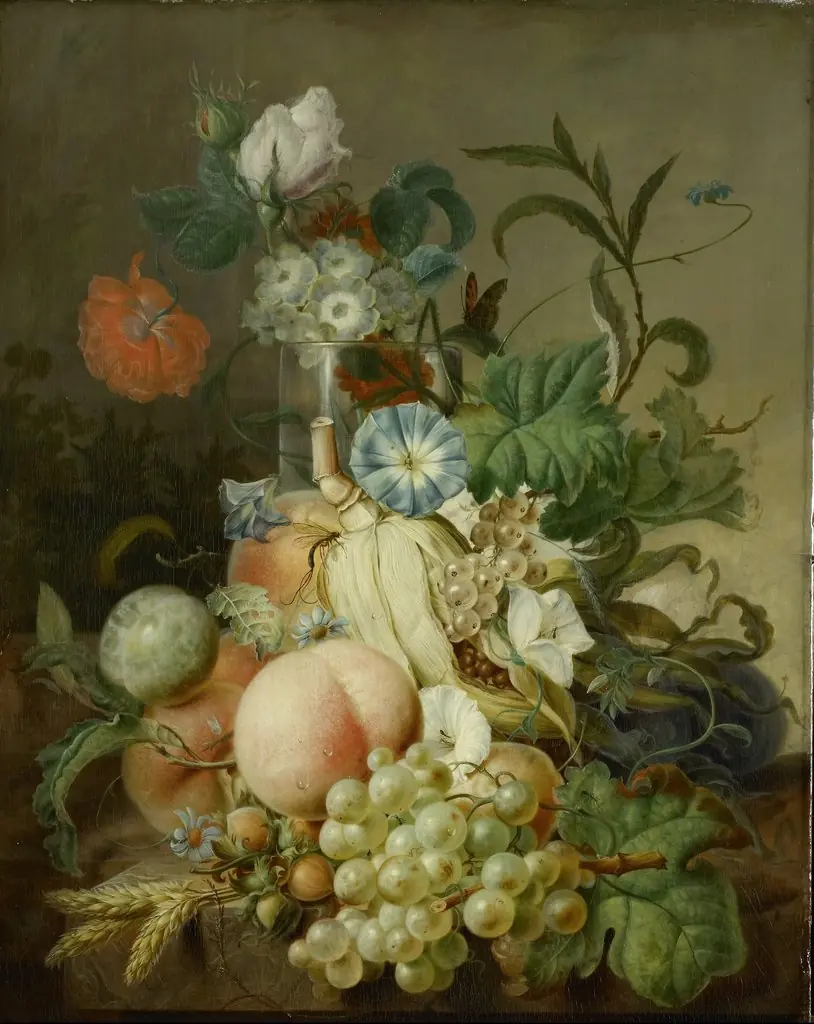 Still Life with Flowers and Fruit
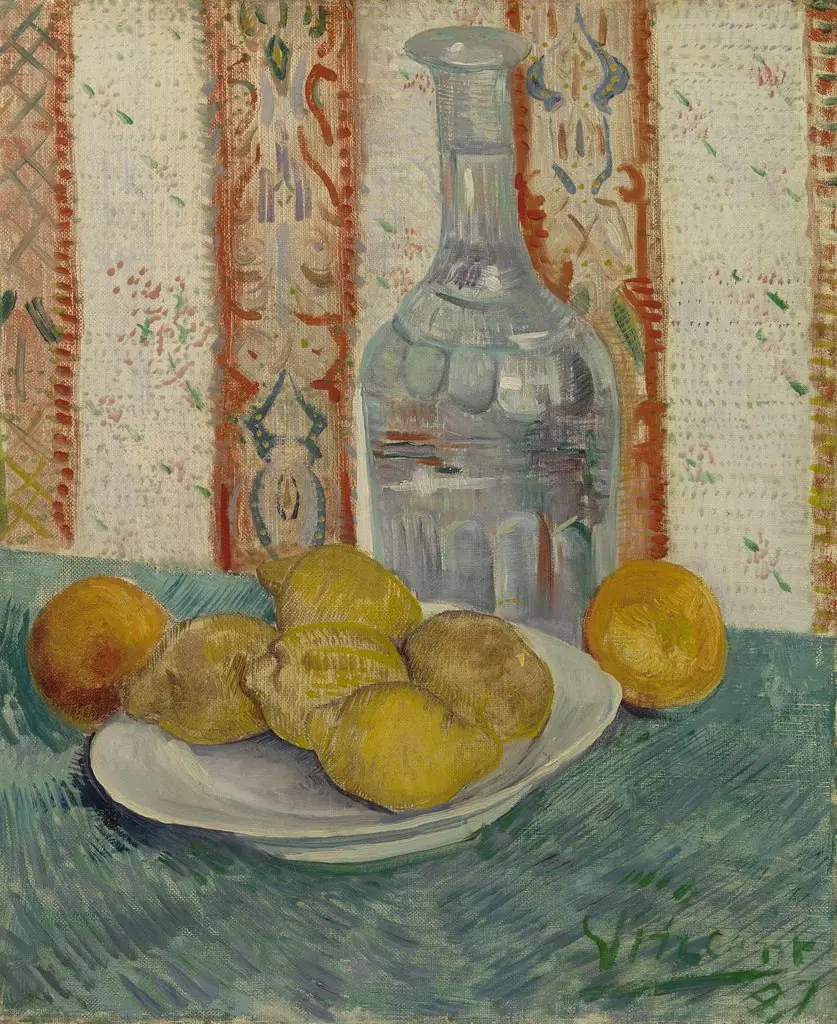 Carafe and Dish with Citrus Fruit
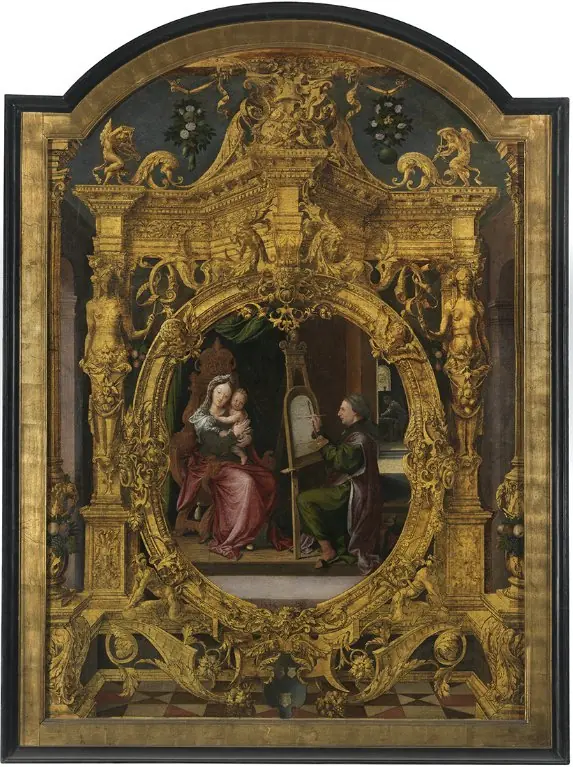 Saint Luke painting the Madonna
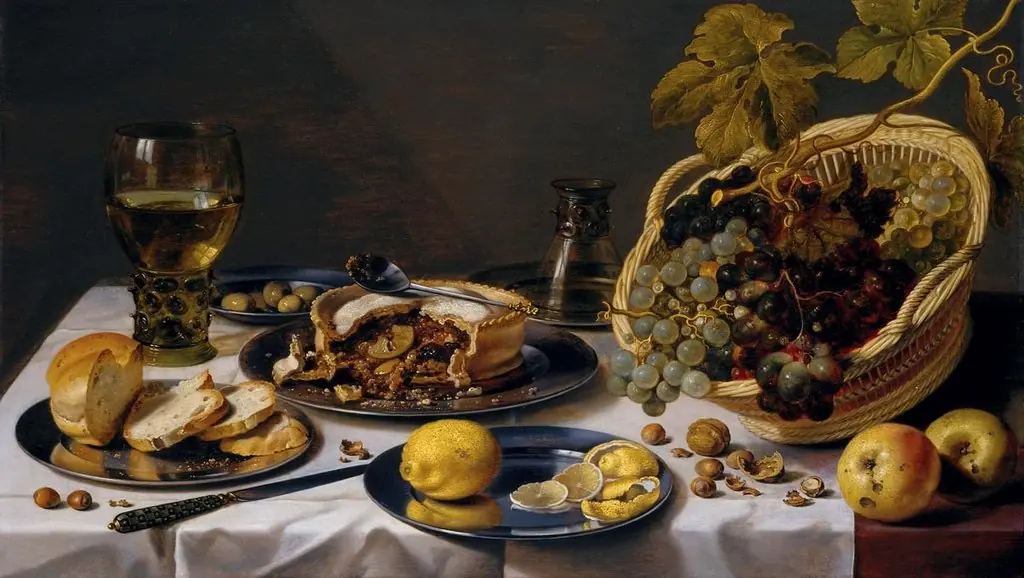 Tabletop Still Life with Mince Pie and Basket of Grapes
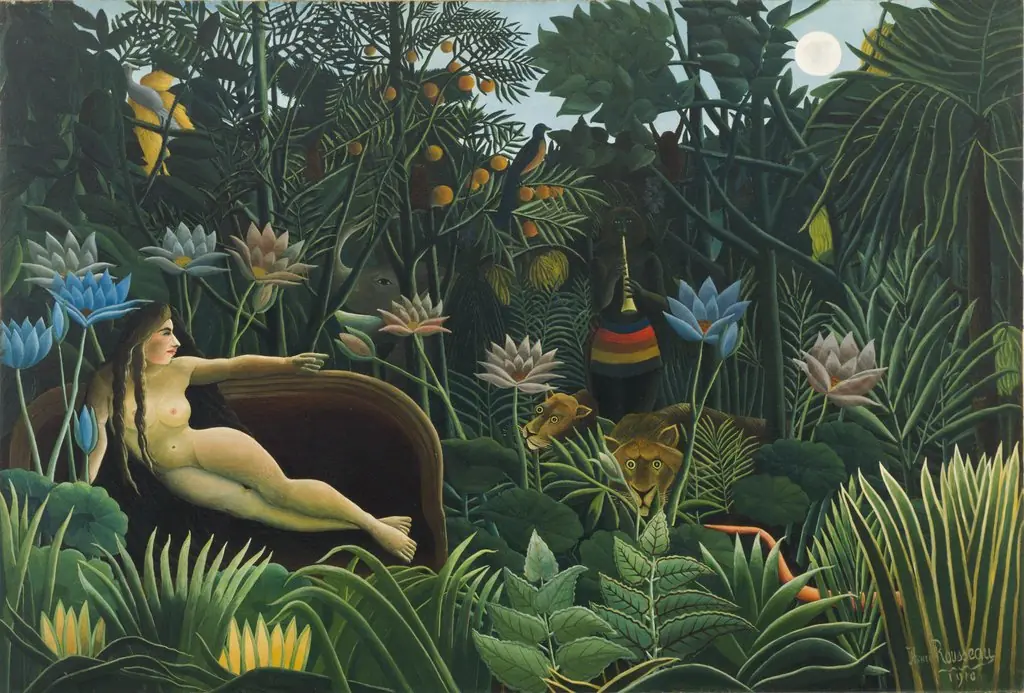 The Dream
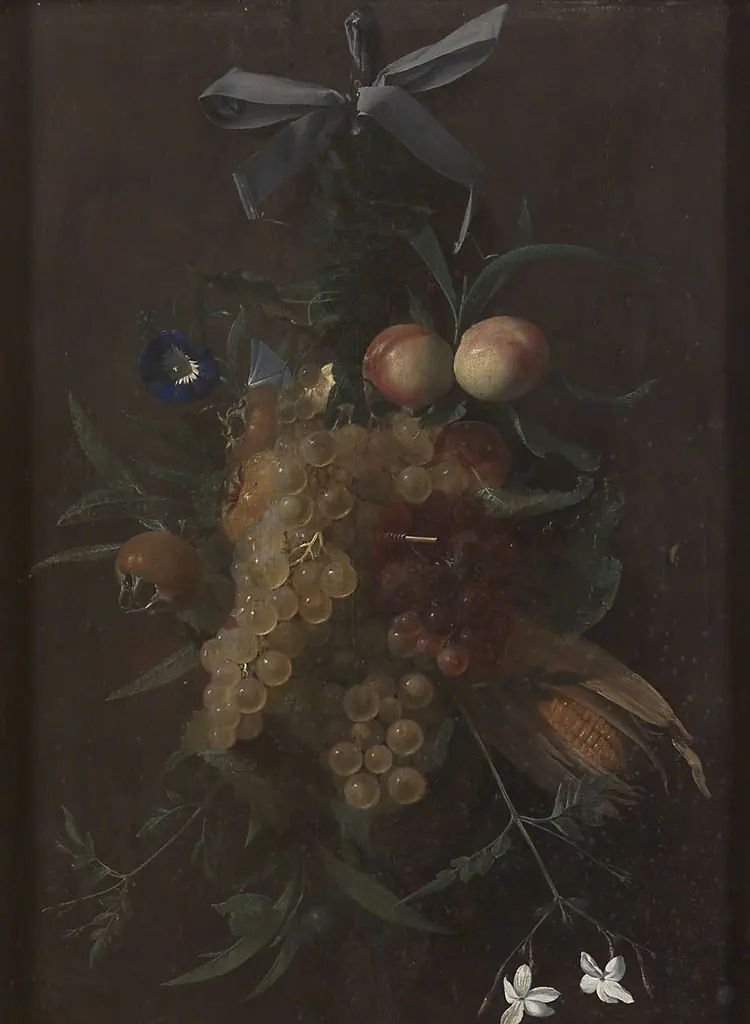 Festoon with Fruit and Flowers
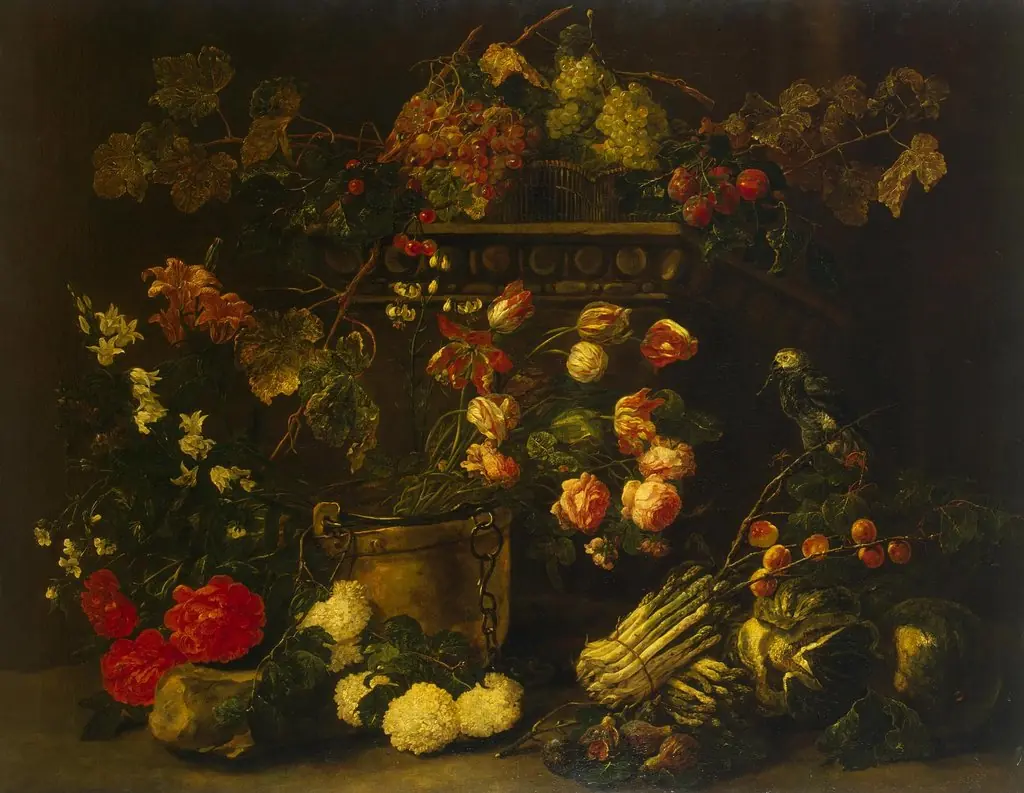 Still Life with Flowers, Fruit and Parrot
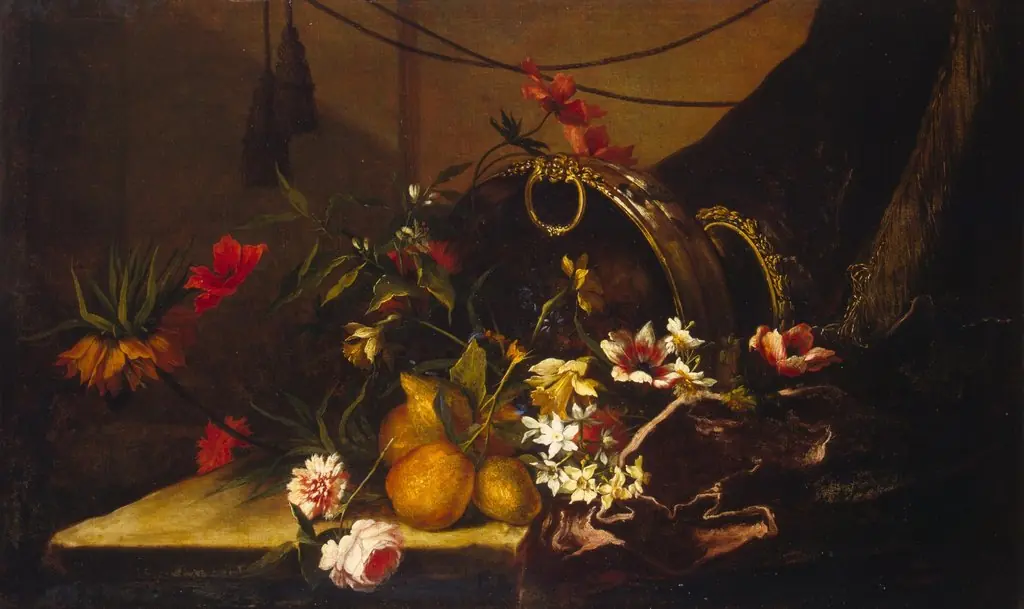 Still life with fruit and flowers
Frequently asked questions
What is Fruit?
Fruit is a subject in art. In botany, a fruit is the seed-bearing structure in flowering plants (angiosperms) that is formed from the ovary after flowering.
How many Fruit works does Artifact World Gallery have?
Artifact World Gallery holds 200 public-domain Fruit works, all free to view and download.
Who are the key Fruit artists?
Key Fruit artists in the collection include Titian, Gustave Courbet and Johannes Vermeer.
Where can I see Fruit works?
Fruit works in the collection are held by Metropolitan Museum of Art, Rijksmuseum and National Gallery of Art.