Artwork
Mary Sylvester
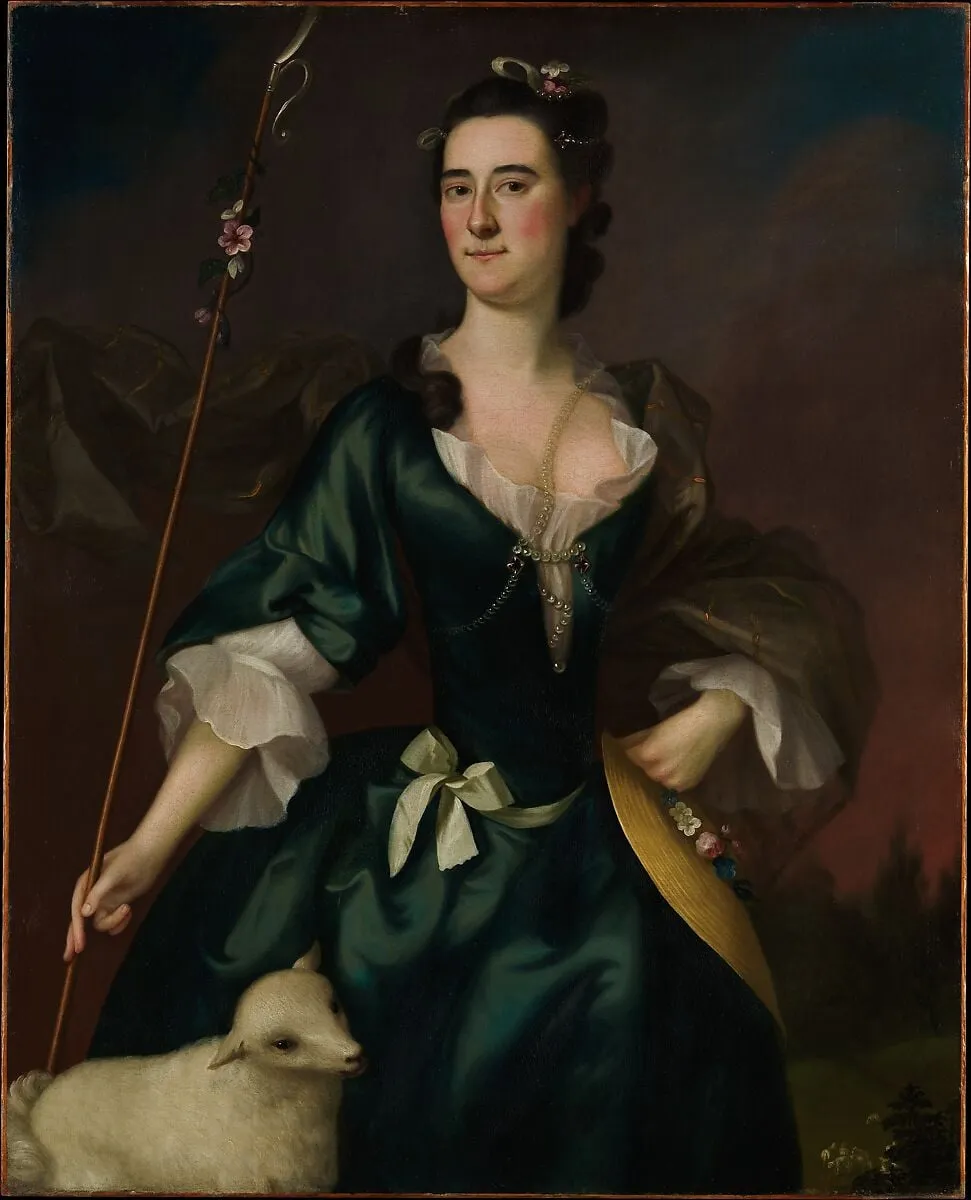
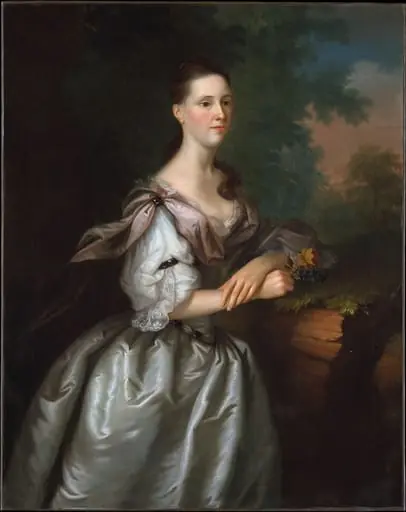
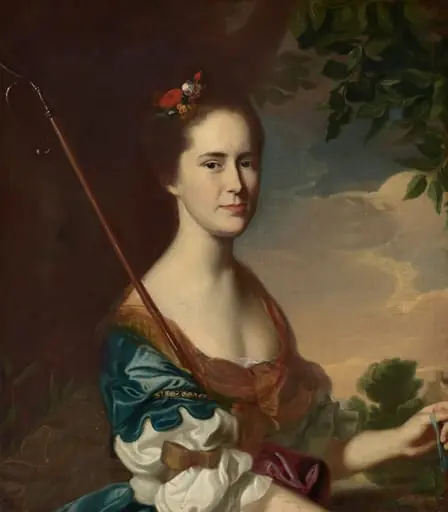
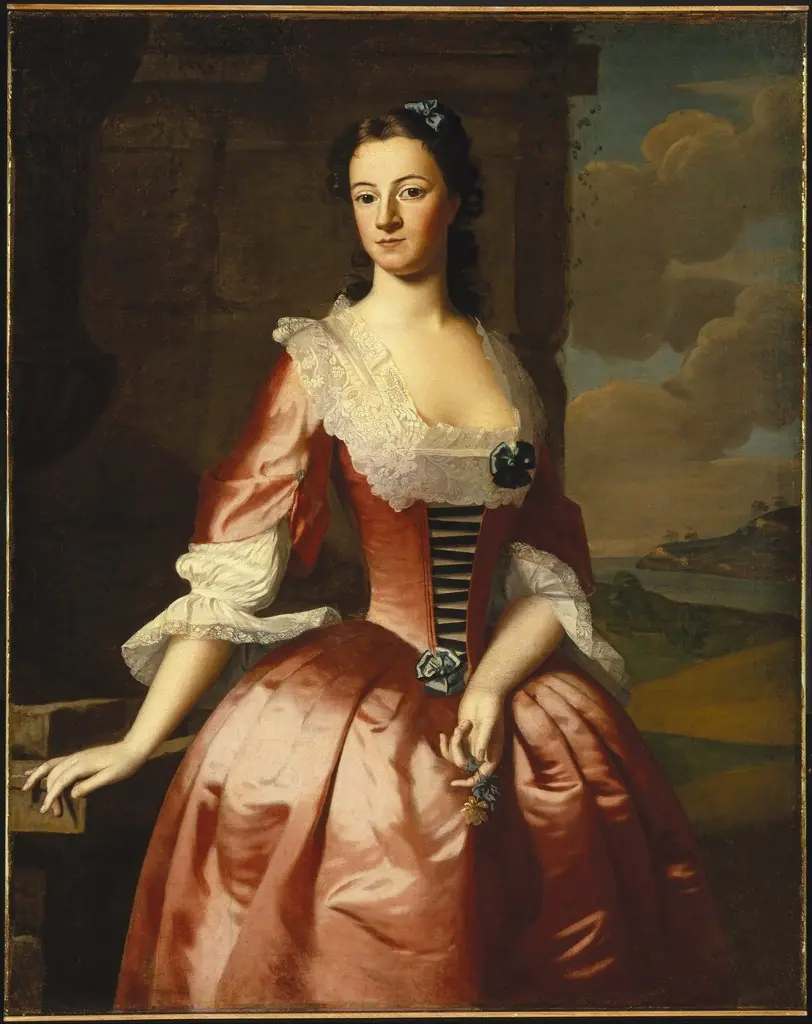
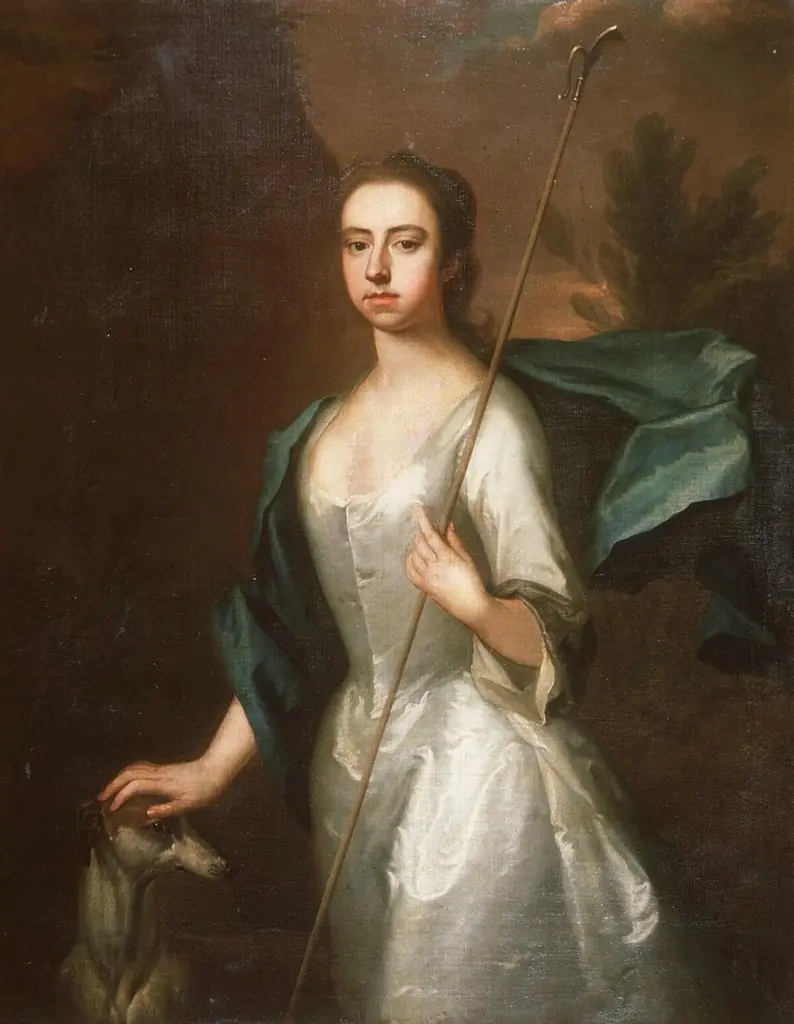
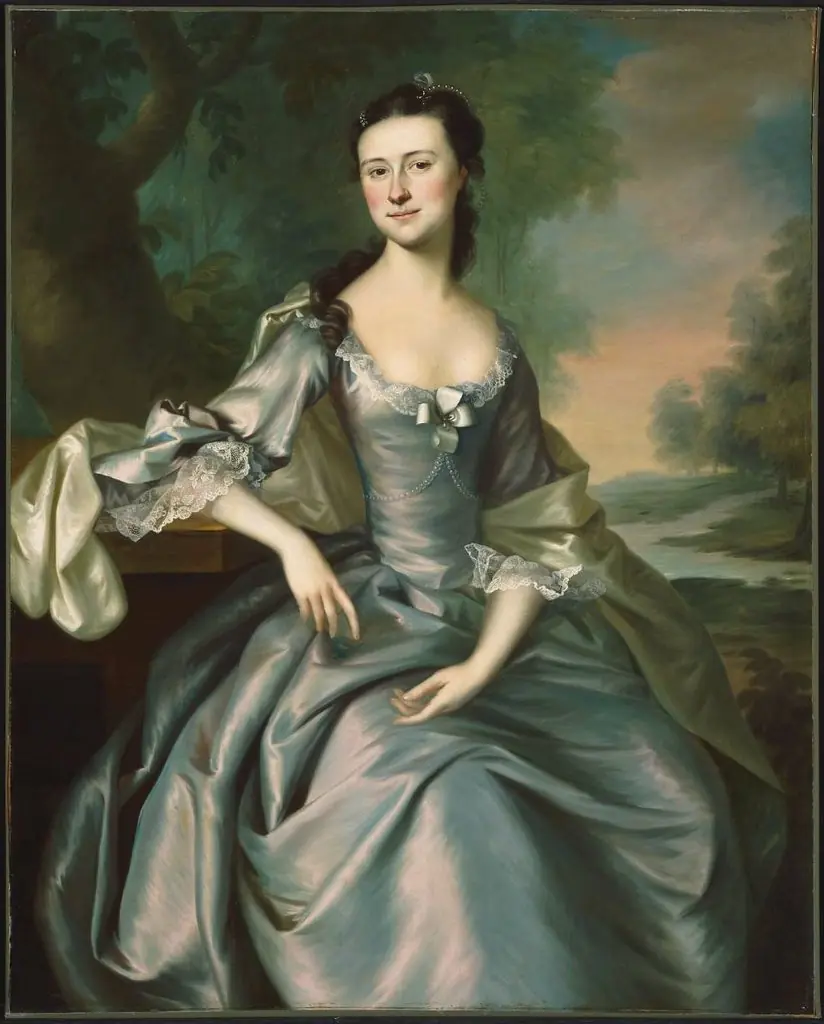
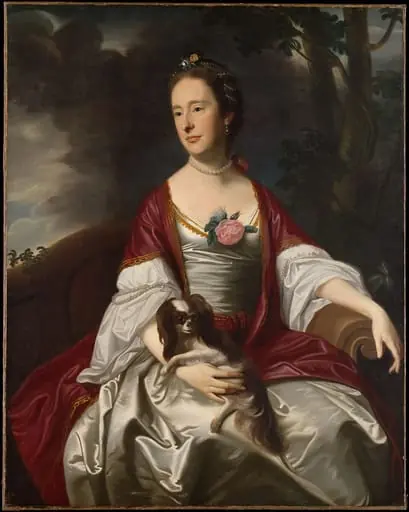
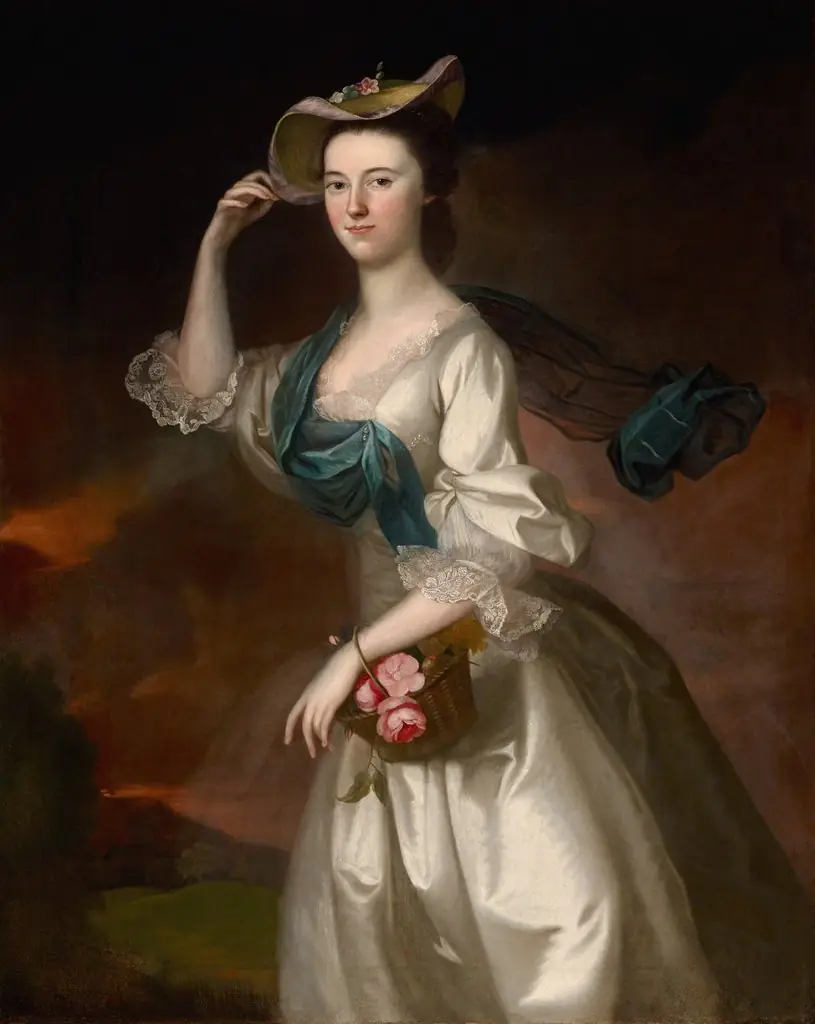
Mary Sylvester is an oil painting by the Rococo painting artist Joseph Blackburn. It dates from 1754 and is held in the collection of the Metropolitan Museum of Art.
About this work
Mary Sylvester stands in a landscape among sheep, dressed in the fashion of her day. Joseph Blackburn painted her in 1754, leaving one of the few portraits we have of American colonists from that period.
Subject & Meaning
Executed in 1754 by Joseph Blackburn, this oil on canvas portrays Mary Sylvester as its primary subject.
Executed in 1754 by Joseph Blackburn, this oil on canvas portrays Mary Sylvester as its primary subject. The composition depicts the young woman in pastoral guise alongside a sheep, an element frequently used in eighteenth-century portraiture to evoke pastoral innocence or rural virtue. While the available records do not detail specific symbolic interpretations, the inclusion of the sheep establishes a clear iconographic link to pastoral themes common in the genre.
The work functions as a formal likeness of the sitter within a setting that integrates human and animal figures to convey a social or personal identity appropriate to the period.
Technique & Style
Executed in 1754, this portrait by Joseph Blackburn uses oil paint on a canvas support and measures approximately 126.7 by 101.6 centimetres. As a formal portrait, the composition features the sitter, Mary Sylvester, alongside a sheep, reflecting the genre conventions of the period. The work is held in the American Wing of the Metropolitan Museum of Art, where it remains part of the permanent collection. The medium and scale are typical of colonial-era portraiture intended for domestic display.
History & Provenance
The portrait was painted by Joseph Blackburn in 1754, in oil on canvas, and depicts Mary Sylvester with a sheep. It is held in the collection of the Metropolitan Museum of Art, classified within the museum's American Wing, and measures approximately 126.7 by 101.6 centimetres. The available sources record no earlier ownership, commission details, accession number, or exhibition history for the work.
Overview
Joseph Blackburn's 1754 oil on canvas, "Mary Sylvester," depicts a woman in period attire within a pastoral landscape, accompanied by sheep. This work is a notable example of early American colonial portraiture, offering insight into the visual culture of the time. Housed in the American Wing, it represents a significant contribution to the understanding of art produced in the colonies before the American Revolution.
Context
"Mary Sylvester" holds particular importance as one of the relatively few surviving portraits of American colonists from the mid-18th century. Joseph Blackburn, a prominent artist active in the colonies during this period, contributed significantly to the development of American portraiture. His works, including this one, provide valuable documentation of individuals and societal norms in British North America.
Artist & collection
Artist
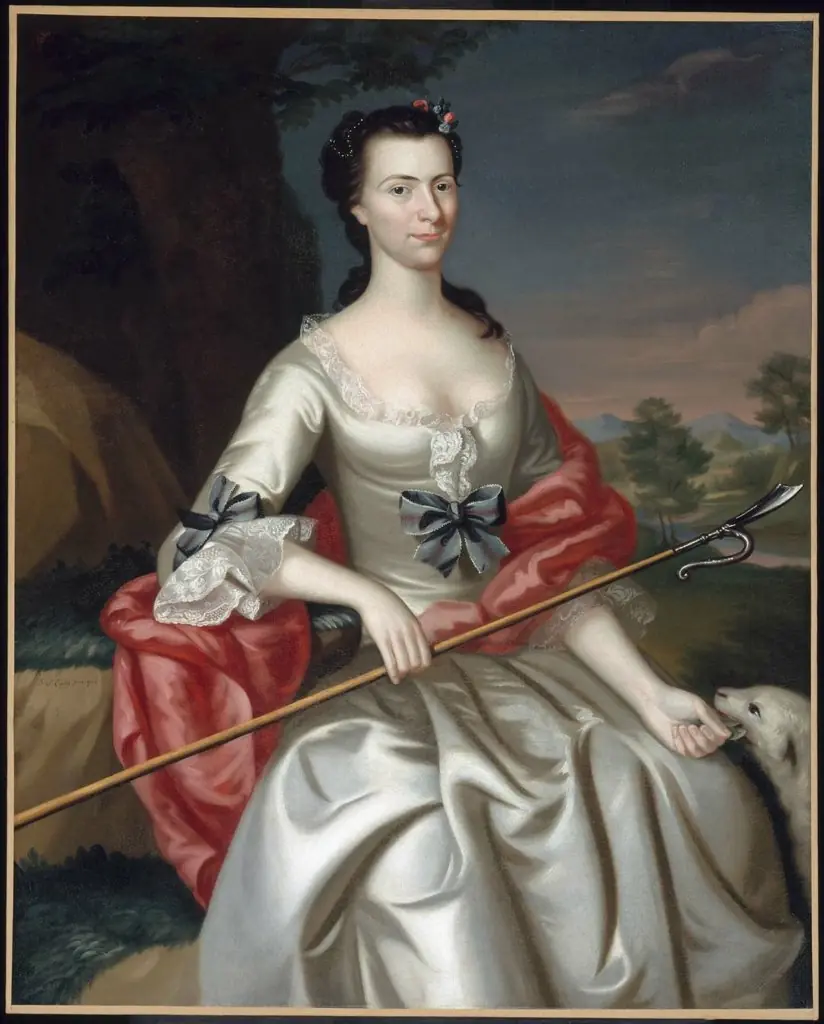
Joseph Blackburn (died 1787) was an English painter who worked mainly in British North America. His notable works include portraits of Hugh Jones (circa 1777) and Colonel Theodore Atkinson (circa 1760).